The manipulation of light stands as the most fundamental and transformative element in the creation of compelling visual narratives, whether through still photography or moving imagery. Far beyond merely illuminating a scene, light shapes mood, defines form, directs attention, and communicates emotion. For aspiring and seasoned visual artists alike, mastery of this invisible medium is paramount, transitioning the act of "taking a picture" into the art of "crafting an image." This profound understanding is built upon three universal principles: Intensity, Quality, and Direction, which govern every beam of light, from the vast expanse of the sun to the precise output of a studio strobe. These principles are not exclusive to artificial illumination but are equally critical in deciphering and harnessing the ever-shifting nuances of natural light, offering a foundational framework for creative control across all genres and styles.
The Historical Imperative of Light in Art
The conscious application of lighting principles predates photography itself, with master painters throughout history meticulously studying and replicating the effects of light to imbue their canvases with depth, drama, and emotion. From the chiaroscuro of Caravaggio, which leveraged stark contrasts between light and shadow to create dramatic intensity, to the soft, diffused glows of Dutch Golden Age painters like Vermeer, artists instinctively manipulated what we now codify as intensity, quality, and direction. With the advent of photography in the 19th century, the challenge shifted from recreation to capture. Early photographers, limited by slow emulsions and rudimentary equipment, quickly recognized the profound impact of natural light’s direction and intensity. As artificial light sources evolved from magnesium flashes to incandescent bulbs and later to modern strobes and LEDs, the ability to control these principles became more precise and versatile, democratizing complex lighting setups and expanding creative horizons exponentially. This historical journey underscores that the core principles remain constant, adapting only in the tools used for their application.
Principle One: Intensity of Light – The Volume Control
At its most basic, the intensity of light refers to the sheer quantity of photons reaching a subject and, subsequently, the camera’s sensor or film. Often likened to a "volume knob," intensity dictates the overall brightness of an image and directly influences exposure settings. In a studio environment, this is typically controlled via power dials on strobes or continuous LED lights, allowing for precise adjustments in light output. Modern photographic and videographic equipment offers granular control, with power increments often measured in fractions (e.g., 1/1 to 1/128 power). Beyond dedicated light sources, ambient light intensity can be managed through camera settings such as aperture, shutter speed, and ISO, which regulate how much light is admitted and how sensitively it is recorded.
When working with natural light, direct intensity control is less straightforward but still achievable. Photographers often employ Neutral Density (ND) filters, which are essentially tinted pieces of glass placed in front of the lens to reduce the amount of light entering the camera without altering its color. This allows for wider apertures or slower shutter speeds in bright conditions, achieving desired depth of field or motion blur effects. The time of day also serves as a natural intensity modulator; the intense, direct light of midday contrasts sharply with the softer, lower-intensity light of the "golden hour" or twilight. While intensity is arguably the most straightforward principle to grasp, its fundamental role in establishing correct exposure and contributing to the overall luminosity and mood of an image cannot be overstated. An image that is too dark or too bright, regardless of other factors, fails to communicate effectively, underscoring intensity’s foundational importance in the photographic hierarchy.
Principle Two: Quality of Light – Defining Form and Texture
The quality of light is where the nuanced artistry of illumination truly begins to manifest. This principle encompasses a multitude of characteristics that profoundly influence how a subject is rendered, dictating everything from the harshness of shadows to the fidelity of colors. It is a complex umbrella term covering several critical attributes:
-
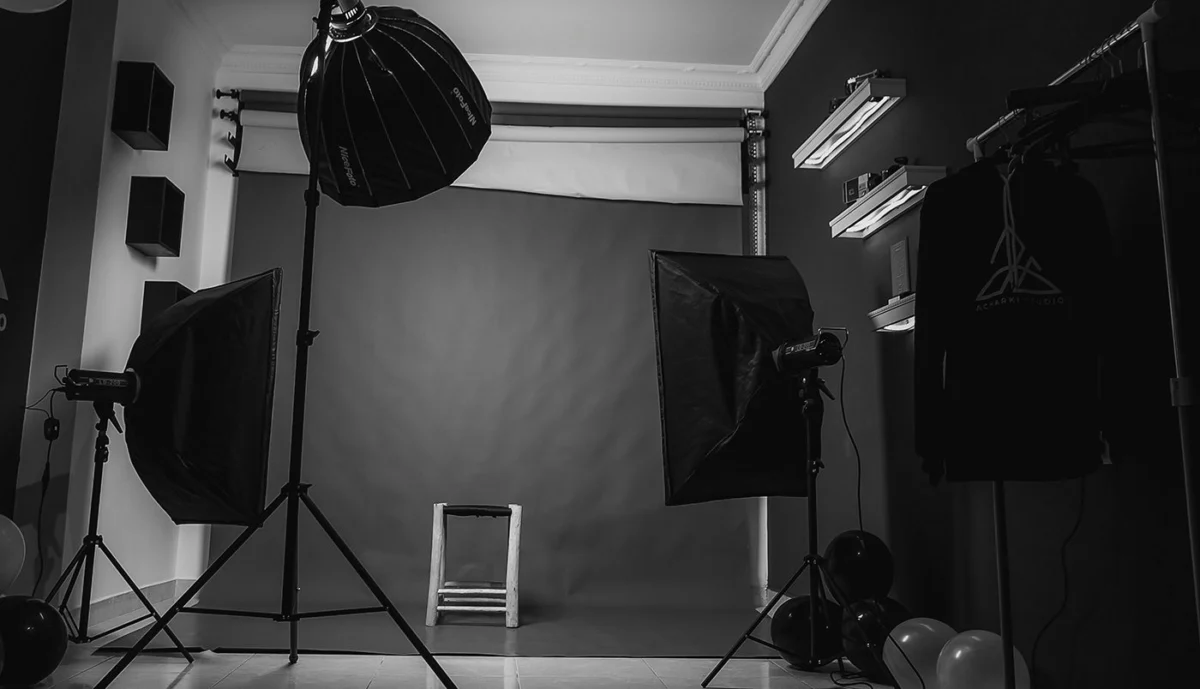
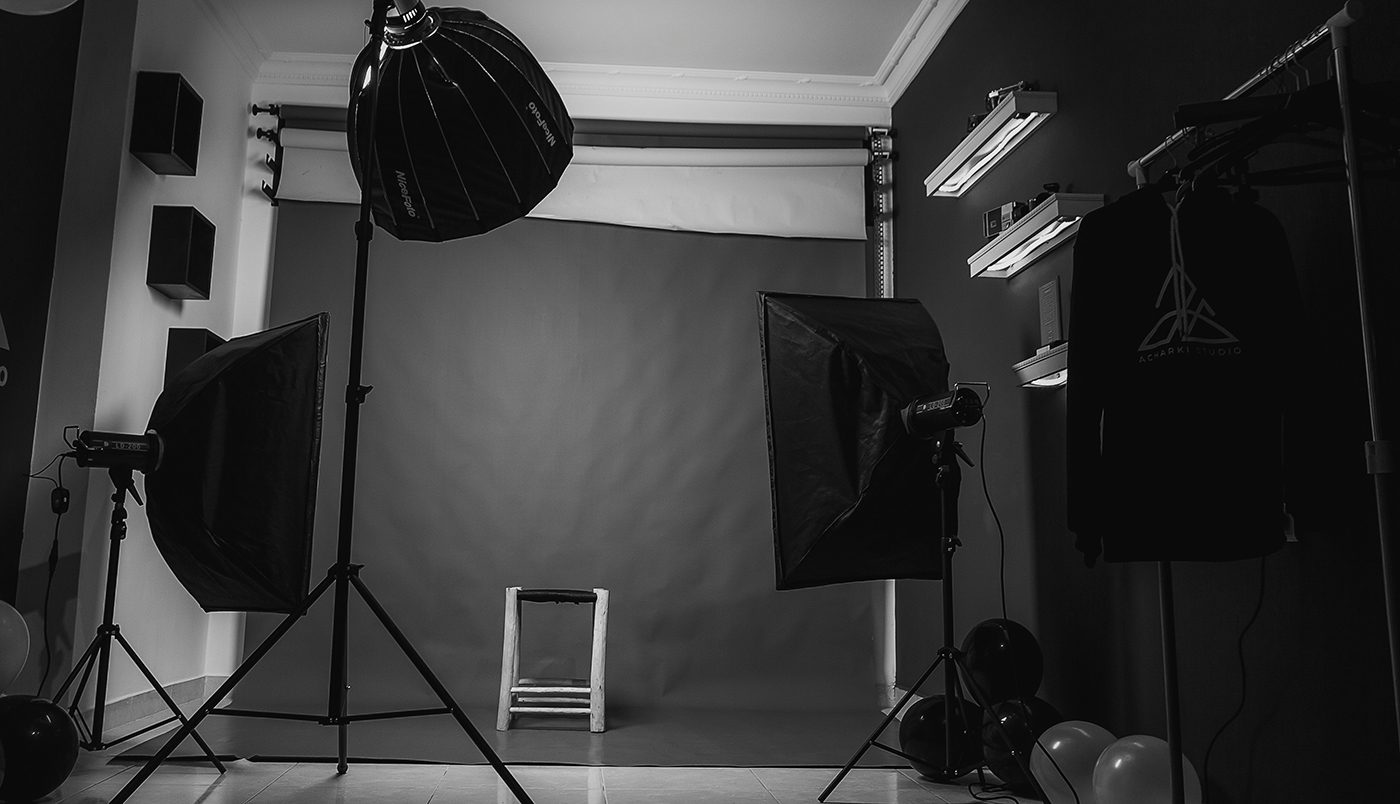
Hard vs. Soft Light: This is perhaps the most frequently discussed aspect of light quality. Hard light originates from a relatively small light source in relation to the subject. Think of the midday sun or an un-modified bare bulb. It produces sharply defined shadows, high contrast, and emphasizes texture and detail. Conversely, soft light emanates from a large light source relative to the subject. Examples include an overcast sky, a large softbox, or light bounced off a broad white surface. Soft light creates gradual transitions between light and shadow, reduces contrast, and tends to flatter subjects by minimizing skin imperfections. The apparent size of a light source, not its absolute physical dimension, is the key determinant here; a small light placed very close to a subject can act as a large, soft source.
-
Color Temperature: Measured in Kelvin (K), color temperature describes the warmth or coolness of a light source. Daylight typically registers around 5500K-6500K, appearing neutral or slightly cool. Tungsten (incandescent) lights are much warmer, often around 2700K-3200K, casting an orange-yellow hue. Modern RGB LEDs offer unprecedented control, allowing users to dial in specific colors across the spectrum, opening vast creative possibilities for mood and artistic expression. Understanding and controlling color temperature ensures accurate color rendition or allows for deliberate stylistic choices, often managed through white balance settings in-camera or with color gels applied to light sources.
-
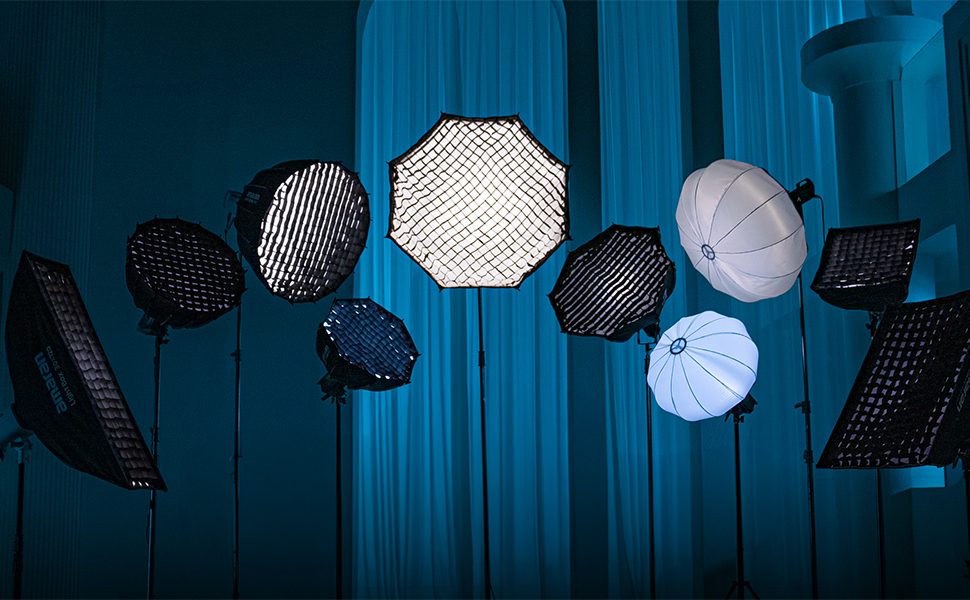
Specularity and Diffusion: This refers to how light interacts with surfaces and modifiers. A highly specular modifier, like a silver umbrella or a bare reflector, reflects light directly and intensely, maintaining a harder quality. In contrast, a diffused modifier, such as a softbox, an umbrella with a white interior, or a scrim, scatters and spreads light, creating a softer, more even illumination. The choice of modifier directly impacts the quality of shadows, highlights, and the overall "feel" of the light. For instance, parabolic reflectors, like the mentioned Parabolic 45, are prized for their unique ability to create a light that is both soft yet directional, offering a distinct blend of qualities that many photographers and cinematographers find invaluable for sculpting light with precision. The continuous innovation in modifier design, from fresnel lenses to various softbox shapes and materials, reflects the industry’s ongoing pursuit of specific light qualities.

The quality of light profoundly influences the emotional impact of an image. Soft light often conveys gentleness, beauty, or serenity, while hard light can evoke drama, tension, or a sense of raw reality. Mastering light quality involves not only understanding these variables but also developing an intuitive sense of how different modifiers and natural conditions will translate into visual results, making it a cornerstone of advanced lighting technique.
Principle Three: Direction of Light – Sculpting Form and Narrative
The direction of light, referring to the spatial relationship between the light source, the subject, and the camera, is arguably the most potent tool for creating a sense of depth, volume, and three-dimensionality within a two-dimensional frame. It is the principle that dictates how shadows are cast, revealing or obscuring details, and thus fundamentally shaping the perceived form of a subject.
-
Naturalistic vs. Dramatic Illumination: Our everyday experience of light is predominantly from above – the sun, overhead indoor lighting. Consequently, lighting a subject from above is often perceived as natural and flattering, grounding the subject within a realistic context. This "top-down" approach helps define facial features and body contours in a familiar way. Deviating from this natural direction, however, offers immense creative potential. Backlight can separate a subject from its background, creating a halo effect and adding depth. Side light accentuates texture and contours, carving out form and adding drama. Frontal lighting, while often simplifying features, can create a bright, even look, popular in fashion or beauty for minimizing shadows.
-
Classic Lighting Patterns: The study of light direction has led to the codification of numerous classic lighting patterns, particularly in portraiture, each creating a distinct mood and aesthetic:
- Rembrandt Lighting: Characterized by a triangular patch of light on the shadowed side of the face, often achieved with a single light source placed high and to the side of the subject. It creates a dramatic, moody effect.
- Butterfly Lighting (Paramount Lighting): Positioned directly in front and slightly above the subject, casting a butterfly-shaped shadow under the nose. It’s often used for beauty and glamour shots.
- Split Lighting: Divides the face into two halves, one perfectly lit and the other in shadow, created by a light positioned 90 degrees to the side of the subject.
- Broad vs. Short Lighting: These refer to how the face is turned relative to the light. Broad lighting illuminates the side of the face turned towards the camera, making it appear wider. Short lighting illuminates the side of the face turned away from the camera, creating a slimmer, more sculpted look.
-
The "Rules" and Intentional Subversion: While conventional wisdom often recommends overhead or slightly off-axis lighting for flattering results, intentional subversion of these "rules" can yield powerful effects. Lighting from directly below, for instance, often creates unsettling, "uncanny valley" effects, as it contradicts our natural perception of light. This technique is frequently employed in horror films or dramatic narratives to evoke unease or menace, demonstrating that understanding the "rules" provides the foundation for breaking them with purpose and impact.
-
Multi-Light Setups and Analytical Deconstruction: In complex setups, the direction of multiple light sources is precisely choreographed. A "key light" serves as the primary illumination, a "fill light" softens shadows created by the key, a "hair light" (or rim light) adds separation from the background, and a "background light" illuminates the set itself. Analyzing lighting breakdowns in film and photography often involves understanding the position of each light source in relation to the subject and camera, frequently expressed in degrees, providing a precise, reproducible method for achieving specific visual outcomes. This analytical approach transforms passive viewing into an active learning experience, allowing visual artists to reverse-engineer the lighting in popular media.
The Interplay and Synergy of Principles
It is crucial to recognize that Intensity, Quality, and Direction are not isolated variables but rather interconnected facets of a single luminous ecosystem. A change in one principle invariably impacts the others. For example, increasing the intensity of a soft light source might necessitate adjusting its direction to avoid overexposure in certain areas, or altering the quality from hard to soft will inherently change how light falls on the subject, requiring directional adjustments to maintain desired shadow patterns. Mastery lies in understanding this intricate dance, allowing the visual artist to orchestrate all three principles harmoniously to achieve a desired creative vision. This holistic understanding enables photographers and videographers to adapt to diverse shooting environments, from dynamic outdoor locations where natural light is paramount, to controlled studio settings where every beam can be sculpted.
Technological Advancements and Enduring Relevance
The landscape of lighting technology continues to evolve at a rapid pace. Modern LEDs offer unprecedented energy efficiency, color accuracy, and portability. Computational photography techniques leverage software to simulate and enhance lighting effects post-capture. Smart lighting systems allow for remote control and automated sequencing. Yet, despite these innovations, the foundational principles of Intensity, Quality, and Direction remain immutable. Whether manipulating light with a cutting-edge LED panel or simply positioning a subject relative to a window, the underlying physics and artistic considerations are the same. This enduring relevance underscores why a deep understanding of these three pillars is timeless, equipping visual creators with the cognitive framework to utilize any tool, present or future, effectively.
In conclusion, the journey from merely recording light to consciously shaping it is paved with a thorough understanding of Intensity, Quality, and Direction. These three principles form the bedrock of visual artistry in photography and videography, empowering creators to transcend simple documentation and enter the realm of evocative storytelling. By meticulously controlling how much light falls on a subject, what its inherent characteristics are, and from where it originates, visual artists gain the ultimate creative leverage, transforming scenes into resonant images that captivate, inform, and inspire. The pursuit of this mastery is continuous, inviting ongoing experimentation, learning, and an ever-deepening appreciation for the unseen architect of all visual communication: light itself.