The act of observing the world through a lens, whether painted or photographic, has been profoundly shaped by technological advancements and the evolving artistic consciousness. For decades, street photographers have sought to capture the ephemeral essence of daily life, often drawing parallels with the Impressionist movement. This exploration delves into the deep-seated connections between these seemingly disparate art forms, examining how innovations in both painting and photography, shifts in subject matter, and evolving critical reception have forged a shared visual language. By analyzing the historical trajectories of Impressionism and the rise of street photography, we uncover striking similarities in their artistic philosophies, their reliance on technological progress, and their revolutionary approaches to capturing the human experience.
Technological Catalysts: From Paint Tubes to Film Cassettes
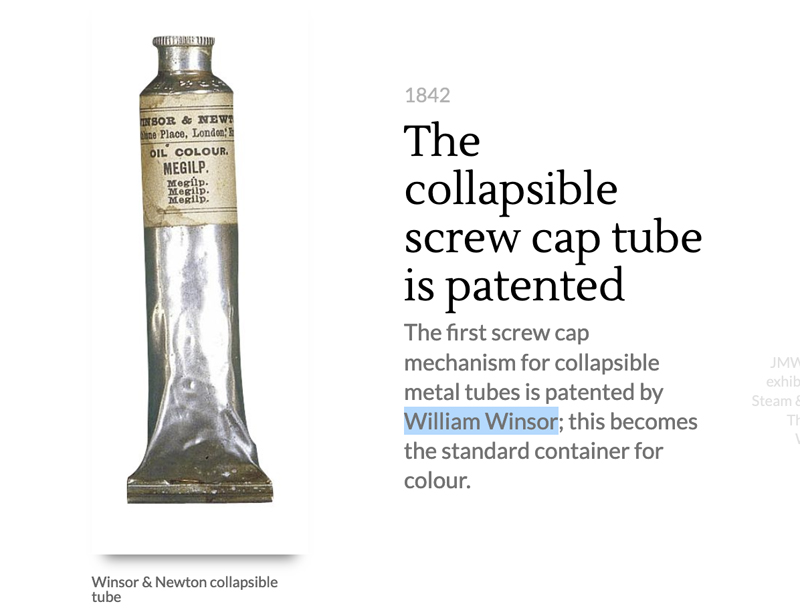
The genesis of Impressionism in the mid-19th century was inextricably linked to a pivotal technological innovation: the collapsible paint tube, patented by John Goffe Rand in 1841. Prior to this invention, artists were largely confined to their studios, painstakingly grinding pigments and mixing their own oil paints. This process was not only time-consuming but also limited their palette to readily available local materials. The advent of pre-packaged paints, manufactured by companies like Winsor & Newton and Lefranc & Bourgeois, revolutionized the artistic process.
This readily available supply of paints liberated artists from their studios, enabling them to venture outdoors and engage directly with the transient effects of natural light. This newfound mobility fostered a direct response to the ever-changing environment, allowing painters to capture fleeting moments and atmospheric conditions with unprecedented immediacy. The ability to paint en plein air (outdoors) became a cornerstone of Impressionist practice, fundamentally altering their approach to subject matter and technique.
A comparable revolution occurred in the nascent field of photography. In its early stages, photographic processes, such as the wet plate collodion method, demanded photographers to be in close proximity to a darkroom. The plate had to be prepared, exposed, and developed while still wet, a cumbersome and time-intensive procedure. This tethered photographers to specific locations, mirroring the studio-bound existence of pre-tube painters.
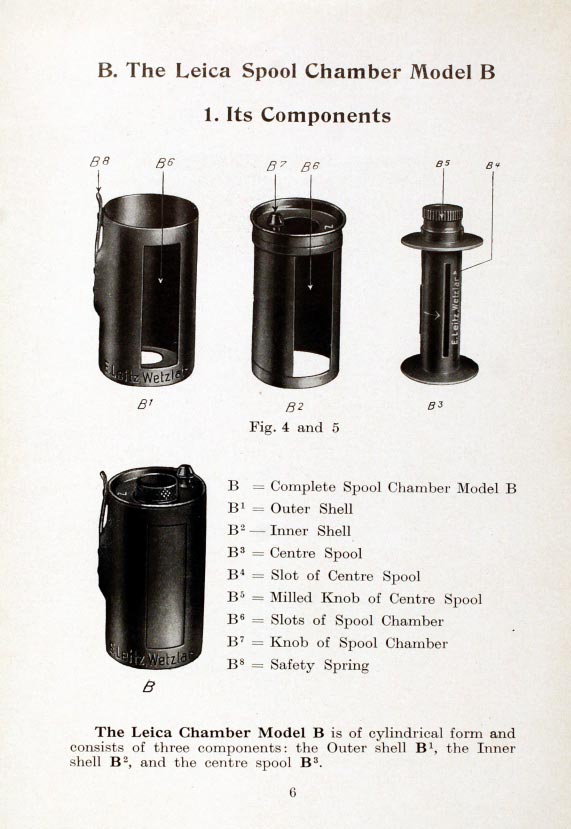
The introduction of ready-made dry plates and, subsequently, flexible celluloid film, mirrored the impact of the paint tube. These advancements liberated photographers from the need for immediate darkroom access, allowing for greater spontaneity and mobility. The development of the reloadable film cassette by Leitz in 1924, coupled with the practical 35mm camera, marked a significant leap forward. This innovation democratized photography, making it more portable, efficient, and accessible than ever before. The ability to carry cameras and film easily allowed photographers to move through urban landscapes and capture life as it unfolded, much like their Impressionist predecessors had captured the essence of the natural world.
The Exodus from the Studio: Redefining Subject Matter
The liberation brought about by technological advancements had a profound impact on the subjects artists chose to depict. Impressionists, weary of traditional historical, mythological, and religious themes, turned their gaze to the everyday. Streets, cafés, gardens, landscapes, and ordinary people engaged in daily activities became their primary focus. They sought to capture the vibrancy and dynamism of modern life, finding beauty in the mundane. Claude Monet’s haystacks, Camille Pissarro’s urban street scenes, and Pierre-Auguste Renoir’s depictions of Parisian leisure all exemplify this shift towards capturing the essence of contemporary existence.
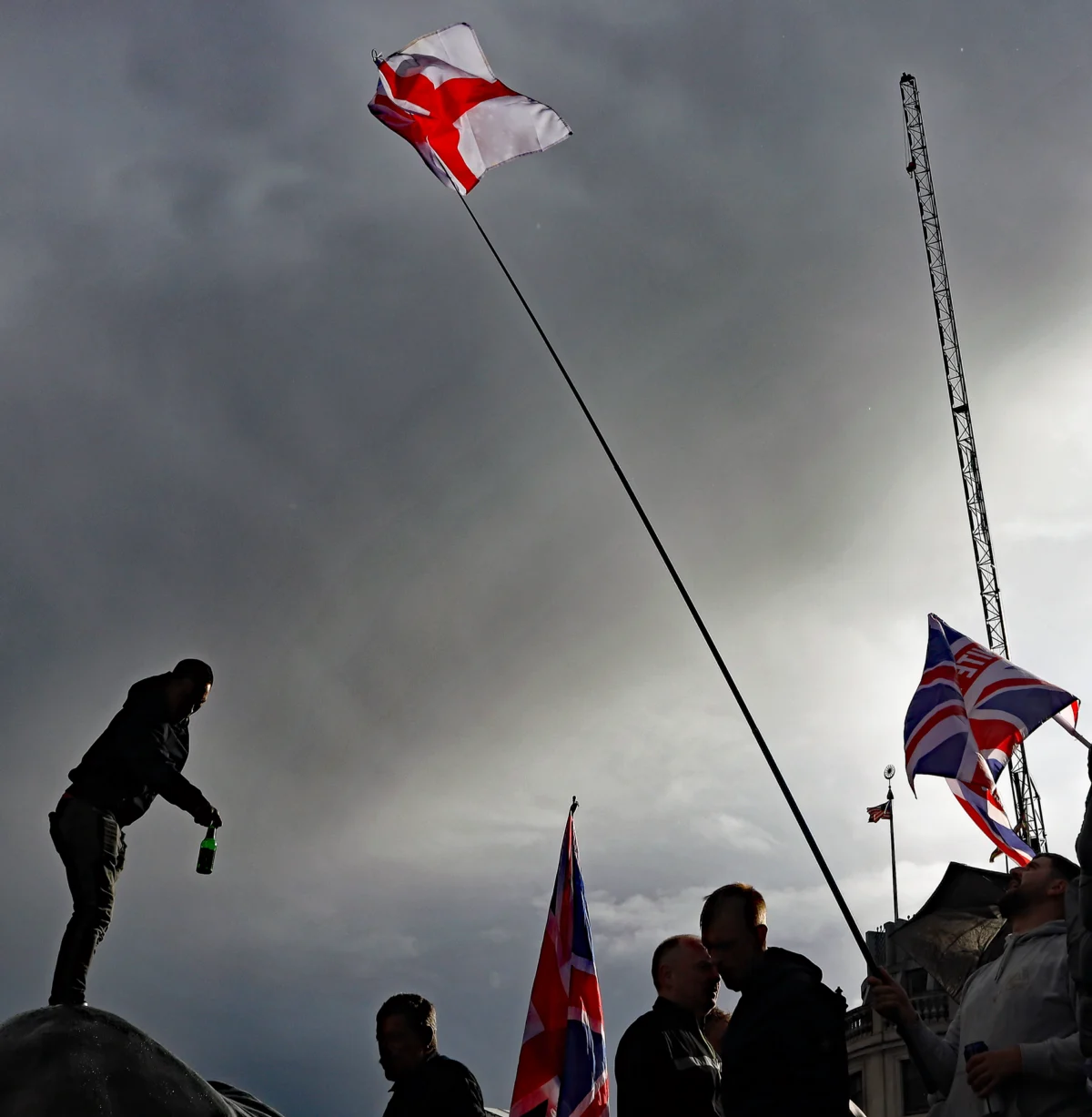
Similarly, the first generation of street photographers, including luminaries like Henri Cartier-Bresson, Helen Levitt, William Klein, Joel Meyerowitz, Garry Winogrand, Lee Friedlander, Saul Leiter, Fred Herzog, William Eggleston, and Vivian Maier, eschewed staged portraits and grand narratives. Instead, they found their artistic inspiration in the unfolding drama of the streets. Anonymous passersby, fleeting gestures, urban architecture, and the rhythms of daily life became their chosen subjects. These photographers demonstrated that the ordinary could be extraordinary, that the seemingly insignificant moments of everyday existence held profound artistic merit. While they did not form a cohesive group or adhere to a manifesto, their collective independent efforts laid the groundwork for street photography as a distinct and vital genre.
Unconventional Education and the Birth of New Visual Languages
A striking parallel exists in the educational backgrounds of many pioneers in both movements. A significant number of Impressionist painters, while receiving some instruction, largely developed their distinctive styles outside the rigid confines of formal academic institutions. Artists like Monet, Degas, Renoir, and Pissarro often studied in private ateliers or learned through apprenticeship, but they consciously rebelled against the established norms and conventions of the academies. This self-directed learning fostered a spirit of experimentation and a willingness to challenge artistic orthodoxy.
This pattern is mirrored in the history of street photography. Many of the most influential figures were self-taught or gained their expertise through informal means. Ed van der Elsken, for instance, pursued various educational paths but never obtained a formal diploma, instead learning through hands-on experience and mentorship. Research conducted by Michiel van Mens on street photographers, such as his book "The Photographic Signature of the Street Photographer in Six Stylistic Characteristics," reveals that only a minority of renowned street photographers completed formal photography education. This suggests that innovation in art often thrives in environments that encourage independent exploration and a departure from prescribed methodologies. The shared characteristic is a dedication to observation, experimentation, and the development of a personal visual language.
The Embrace of Color and the Play of Light
The Impressionists revolutionized the use of color, driven by the expanded palette afforded by new pigments and the desire to capture the fleeting qualities of light. They recognized that color was not merely a tool for accurate representation but a powerful means of conveying mood, atmosphere, and subjective experience. Their bold brushstrokes and nuanced application of color, particularly their innovative use of violet to depict light and shadow, transformed the way viewers perceived reality.
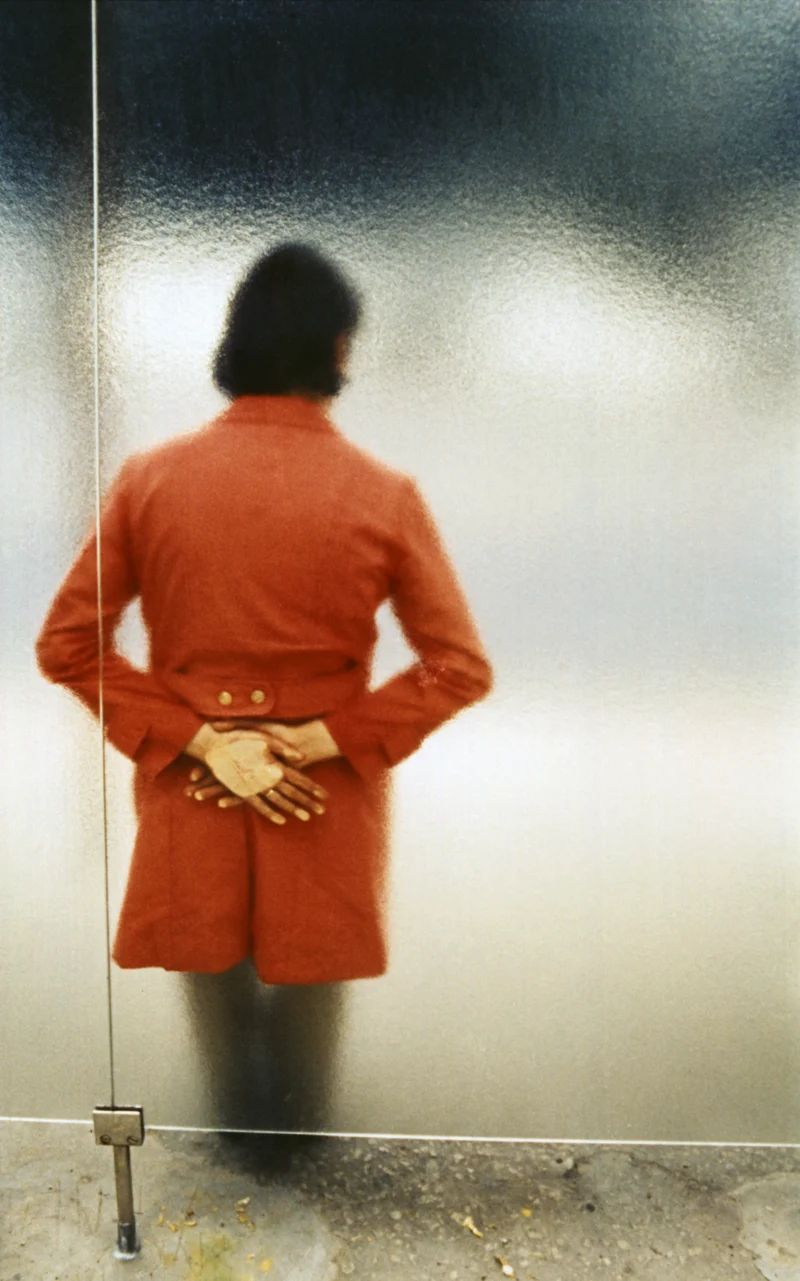
This embrace of color found a potent echo in the work of pioneering color street photographers. At a time when black-and-white photography was considered the sole domain of serious art, photographers like William Eggleston, Helen Levitt, Saul Leiter, Mitch Epstein, and Fred Herzog deliberately championed color. Eggleston, in particular, was instrumental in elevating color photography through his meticulous use of the dye-transfer process, producing images with unparalleled saturation and depth. These photographers understood that color, like the pigments available to the Impressionists, could be used to interpret the world, to shape mood, and to imbue ordinary scenes with extraordinary resonance.
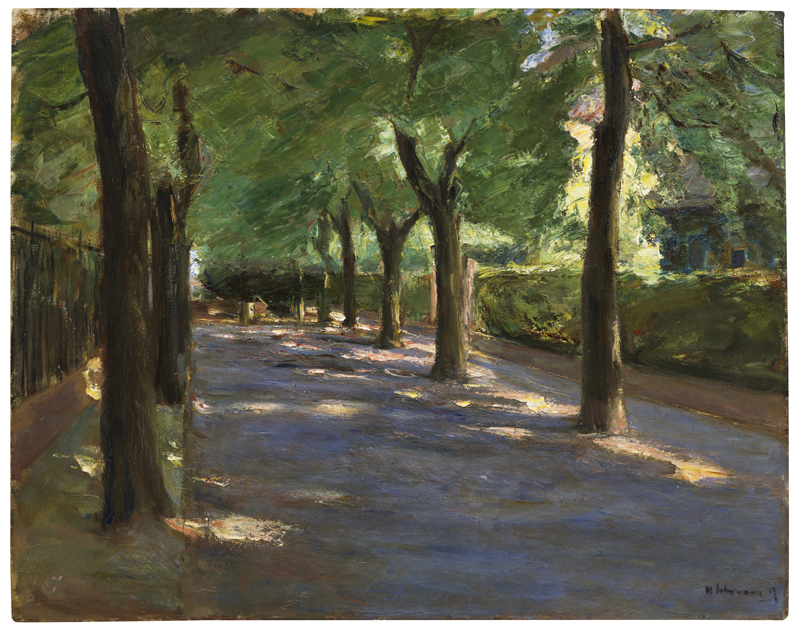
The fascination with light and its interplay with shadow is another fundamental link. The Impressionists, notably Max Liebermann in his painting "Die Colombierstraße in Wannsee" (1917), understood that light itself could be the subject. Liebermann’s subtle brushstrokes of white and yellow, filtering through foliage, transform a simple country road into a poetic depiction of dancing sunlight. This deliberate rendering of light, often amplified by the surrounding darkness, creates a palpable sense of atmosphere and emotion.
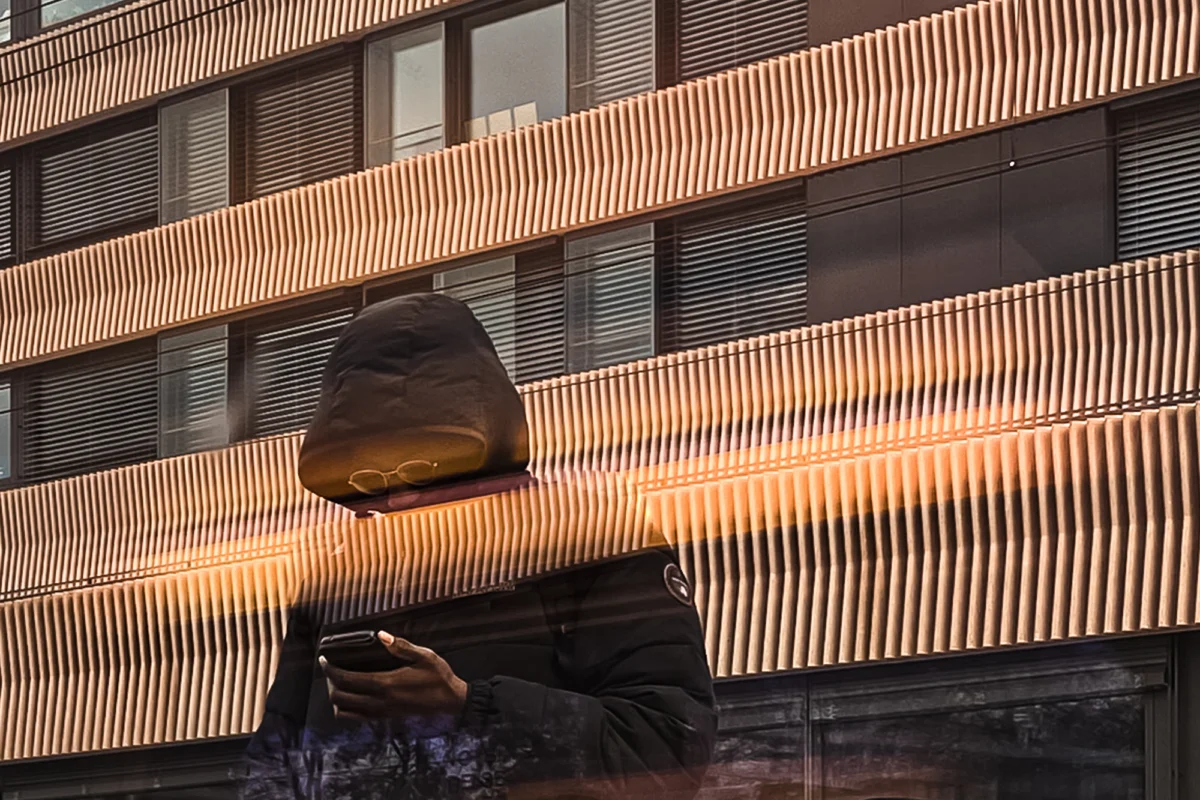
Street photographers, too, have explored this dynamic relationship between light and shadow. The work of Saul Leiter, for instance, is characterized by its masterful use of color and light to create evocative and often abstract compositions. Photographers like Mitch Epstein and Fred Herzog have similarly captured the unique qualities of urban light, revealing how sunlight can transform everyday street corners into compelling visual experiences. This shared understanding underscores the principle that light is not merely a functional element but a creative force that shapes perception and emotional response.
Critical Reception and the Embrace of the "Unfinished"
Both Impressionism and street photography faced significant critical resistance in their formative years. The term "Impressionist" was initially coined by critic Louis Leroy as a pejorative, implying that the artists’ works were unfinished and merely fleeting impressions. However, the artists embraced this label, transforming it into a badge of honor that defined one of art history’s most influential movements.
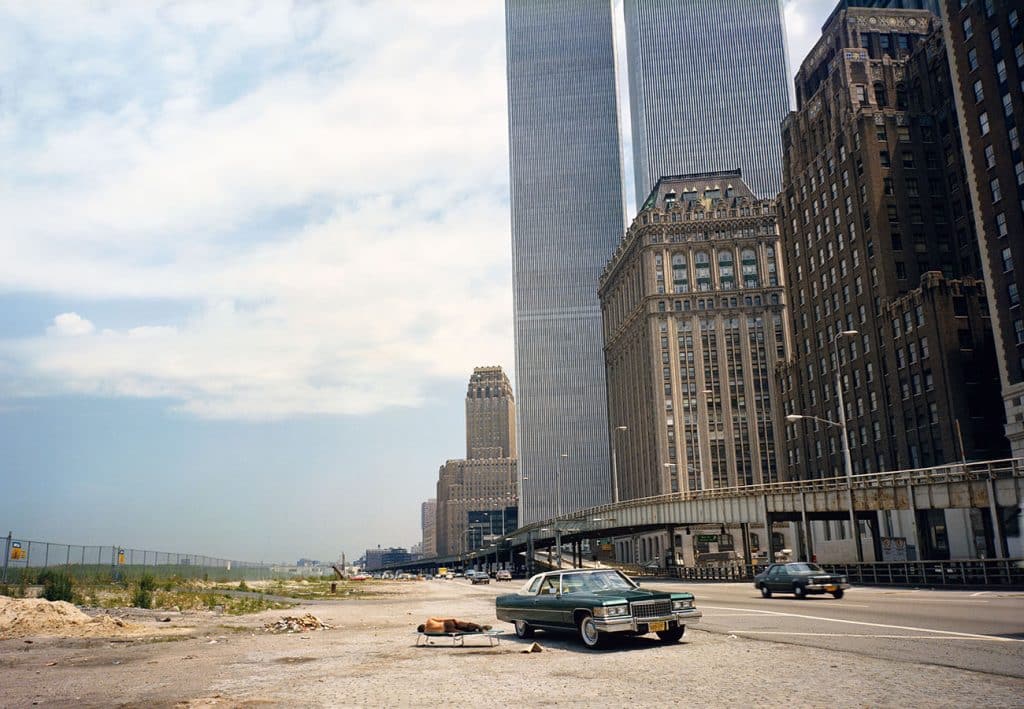
Similarly, early street photographers, particularly those working in color, encountered dismissal and misunderstanding. William Eggleston’s 1976 solo exhibition at the Museum of Modern Art (MoMA) was met with skepticism, with some critics deriding his photographs as mere "snapshots." This criticism, akin to the "unfinished" label applied to the Impressionists, sought to diminish the artistic intent and deliberate composition inherent in their work. Over time, however, the perceived flaws were re-evaluated as revolutionary innovations. What was once dismissed as accidental or incomplete is now recognized as a deliberate stylistic choice, a hallmark of a groundbreaking artistic movement. The critical establishment’s initial resistance often highlights the disruptive nature of true artistic innovation.
The Enduring Legacy and the Future of Visual Storytelling
The parallels between Impressionism and street photography extend to their profound influence on subsequent artistic developments. Both movements, born from technological innovation and a spirit of artistic rebellion, expanded the boundaries of visual representation. They demonstrated that the mundane could be elevated to the sublime, that the everyday held profound aesthetic and emotional depth.
Today, contemporary street photographers continue this legacy, acting as "colorists of everyday life." Through their deliberate choices in color, light, and composition, they shape how viewers experience and interpret the world. The evolution of digital technology, from post-processing tools to advanced algorithms, offers new avenues for creative expression, much as the paint tube and film cassette did for their predecessors. As Michiel van Mens notes, embracing new technologies is crucial for artistic progress, fostering curiosity and pushing the boundaries of what art can be. Projects exploring artificial intelligence and digital manipulation, such as Phil Toledano’s "Edward Trevor: Never Seen the Light," suggest that the future of street photography will continue to be shaped by the dynamic interplay between artistic vision and technological advancement.
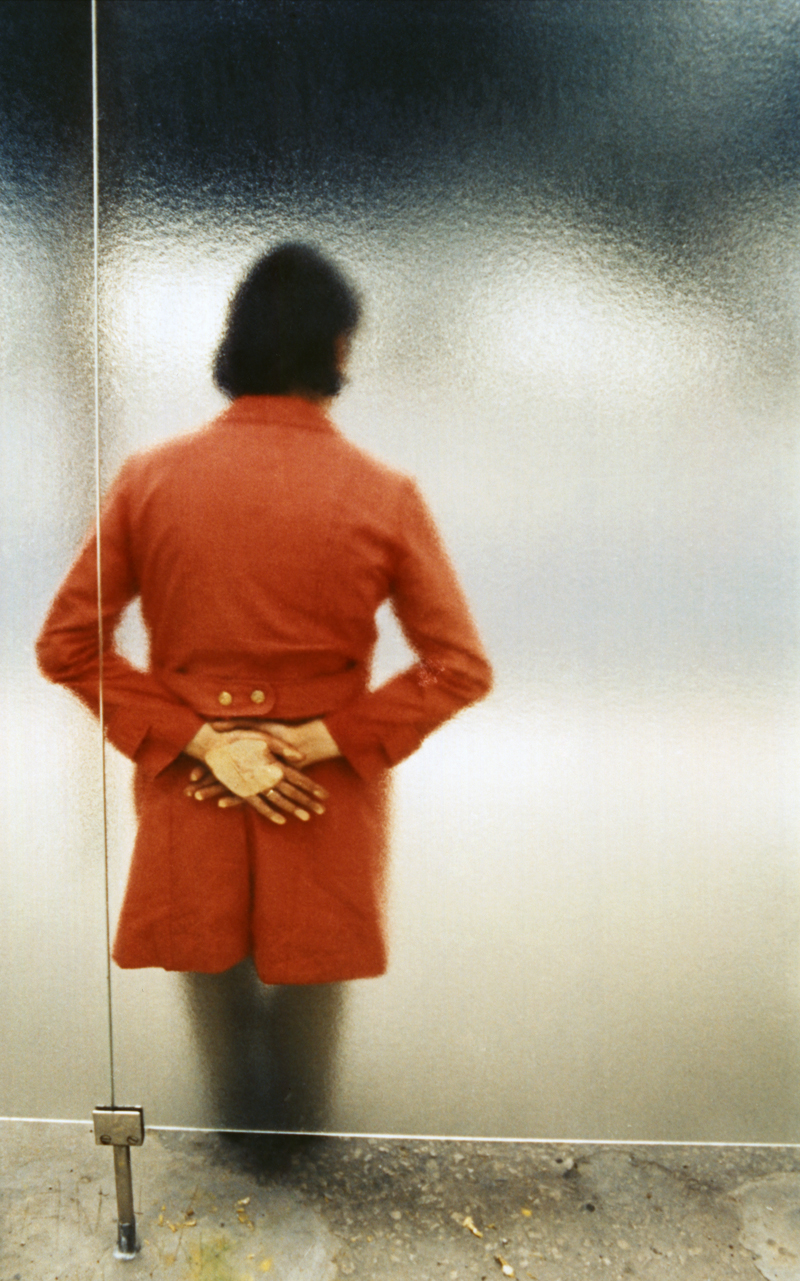
In conclusion, the enduring dialogue between Impressionism and street photography reveals a shared lineage of innovation, observation, and a commitment to capturing the essence of human experience. Their stories are a testament to the power of technology to transform artistic practice and to the courage of artists who dare to see the world anew, finding beauty and meaning in the places and moments that often go unnoticed. The lessons learned from these artistic revolutions continue to inform and inspire creators, reminding us that the most compelling art often emerges from a deep engagement with the world around us, illuminated by both light and shadow.