The integration of multi-lens camera systems into the iPhone has fundamentally transformed the landscape of consumer electronics and digital imaging, bridging the gap between casual snapshots and professional-grade photography. As mobile hardware continues to evolve, the complexity of the camera interface has increased, requiring users to develop a deeper understanding of optical physics and compositional theory. The modern iPhone Pro series now features a sophisticated array consisting of Wide, Ultra Wide, and Telephoto lenses, each designed with specific focal lengths and sensor capabilities to handle diverse photographic environments. Understanding the technical nuances of these lenses is no longer a luxury for enthusiasts but a necessity for any user aiming to leverage the full potential of their device.
The Technological Evolution of the iPhone Camera System
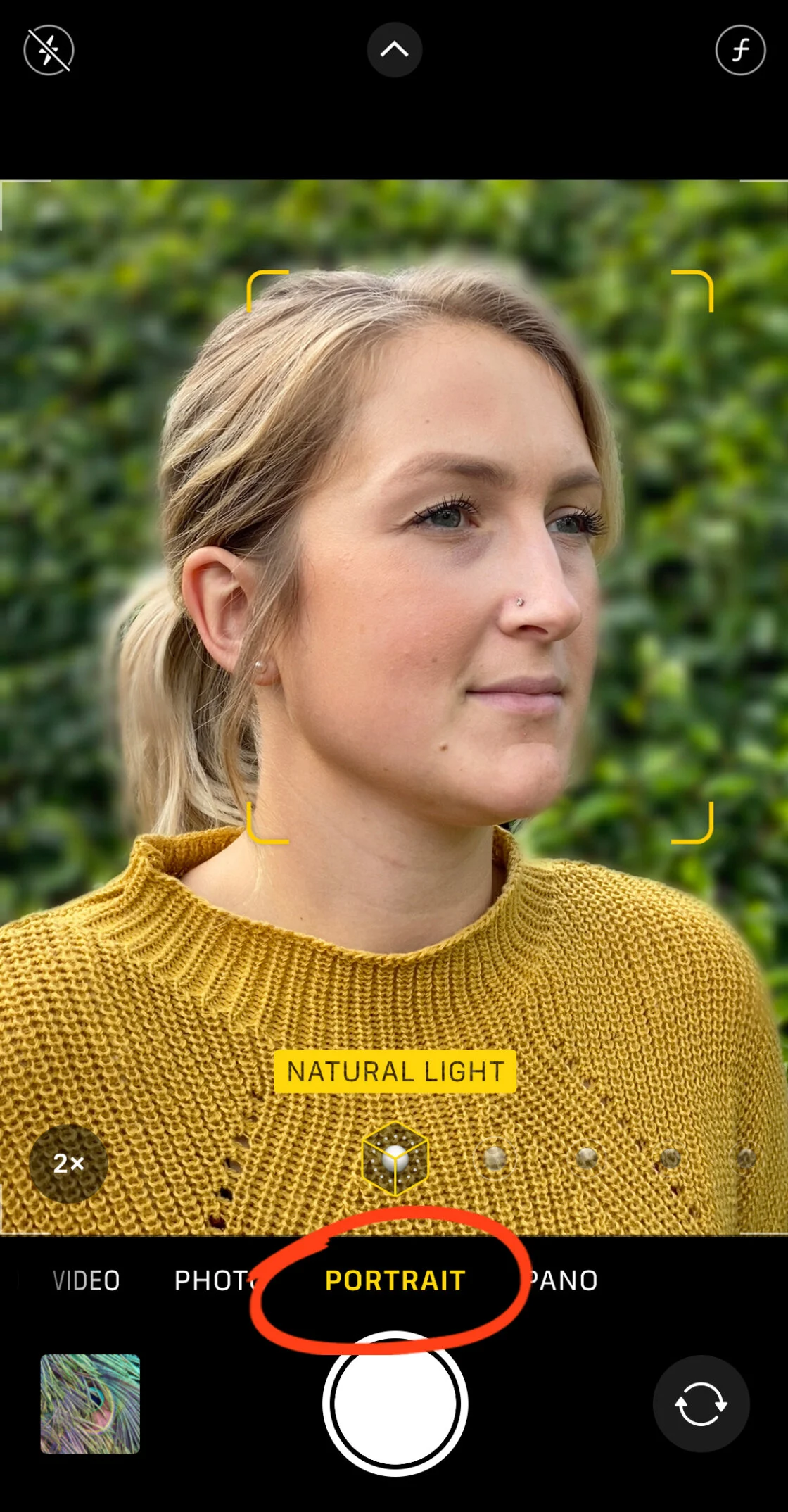
The trajectory of iPhone photography has moved from a single 2-megapixel fixed-focus lens in 2007 to the current high-resolution computational systems. A significant turning point occurred in 2016 with the release of the iPhone 7 Plus, which introduced the first dual-lens system on an Apple device. This innovation allowed for 2x optical zoom and the debut of "Portrait Mode," which used depth-mapping technology to simulate the bokeh effect typically reserved for Digital Single-Lens Reflex (DSLR) cameras.
By 2019, with the launch of the iPhone 11 Pro, Apple transitioned to a "Pro" branding strategy centered heavily on a triple-lens array. This configuration added an Ultra Wide lens to the existing Wide and Telephoto options, providing a 120-degree field of view. Since then, each iteration has seen incremental but significant upgrades in sensor size, aperture width, and computational processing power. The introduction of the 48-megapixel main sensor in the iPhone 14 Pro marked another milestone, allowing for "pixel binning" and improved low-light performance, further narrowing the divide between mobile devices and dedicated imaging hardware.
Decoding the Triple-Lens Array: Technical Specifications and Use Cases
To effectively utilize an iPhone’s photographic capabilities, one must distinguish between the three primary optical modules found on flagship models. Each lens offers a distinct perspective, altering the relationship between the subject and the background.
The Wide Lens: The Primary Workhorse
The "Wide" lens—often referred to as the Main camera—is the default setting for most users. On recent models, this lens typically features a 24mm or 26mm equivalent focal length. It is equipped with the largest sensor in the array and the widest aperture (often f/1.5 to f/1.78), making it the most capable lens for low-light photography and high-dynamic-range (HDR) scenes.
Data suggests that over 70% of mobile photos are taken using the primary Wide lens due to its versatility. Its technical advantage lies in its "fast" aperture, which allows more light to hit the sensor, reducing noise and increasing shutter speed. This lens is ideal for general snapshots, street photography, and situations where maximum detail and clarity are required.
The Ultra Wide Lens: Expansive Perspectives
The Ultra Wide lens, typically featuring a 13mm equivalent focal length and an f/2.2 or f/2.4 aperture, provides a massive field of view. This lens is mathematically designed to capture more of a scene without the photographer having to move backward. However, this comes with the challenge of "barrel distortion," where straight lines near the edges of the frame appear to curve.
Professional photographers utilize the Ultra Wide lens for architectural photography, expansive landscapes, and creative "close-up" shots where exaggerated perspective is desired. In recent iterations, the Ultra Wide lens has also gained autofocus capabilities, enabling "Macro Mode," which allows users to focus on subjects as close as two centimeters away.
The Telephoto Lens: Compression and Portraiture
The Telephoto lens is designed to bring distant subjects closer without the loss of quality associated with digital zooming. Depending on the model, iPhone Telephoto lenses offer 2x, 3x, or even 5x optical zoom (the latter utilizing a tetraprism design in the iPhone 15 Pro Max and later).
Beyond simply "zooming in," the Telephoto lens provides "background compression." This optical phenomenon makes the background appear closer and larger relative to the subject, which is highly desirable in portraiture. By using a longer focal length (e.g., 77mm or 120mm equivalent), the lens minimizes facial distortion, providing a more flattering and realistic representation of human features compared to the Wide lens.
The Role of Computational Photography and the Neural Engine
While the physical glass and sensors are vital, the true power of the iPhone camera lies in the "Photonic Engine" and the A-series Bionic chips. Mobile photography is increasingly defined by computational processes rather than purely optical ones. When a user presses the shutter button, the device’s Neural Engine performs trillions of operations in milliseconds.
- Deep Fusion: This process analyzes multiple exposures at a pixel level to optimize texture and detail in mid-to-low light situations.
- Smart HDR: This technology uses machine learning to intelligently adjust the contrast and highlights of a scene, ensuring that skies aren’t "blown out" while shadows remain detailed.
- Night Mode: By taking a series of long-exposure frames and aligning them, the software can produce bright, clear images in near-total darkness, a feat that traditionally required a tripod and manual settings.
Industry analysts note that Apple’s investment in silicon allows their cameras to outperform competitors with larger sensors because the software integration is more seamless. The "ProRAW" format further empowers users by providing the uncompressed data from the sensor, allowing for professional-level post-processing in applications like Adobe Lightroom or Capture One.
Educational Initiatives: The iPhone Photo Academy
As the hardware becomes more sophisticated, a knowledge gap has emerged among consumers. Many users possess professional-grade equipment in their pockets but lack the fundamental skills to operate it effectively. This has led to the rise of specialized educational platforms such as the iPhone Photo Academy, led by experts like Kate Wesson.
The academy’s curriculum focuses on moving users away from "Auto Mode" and toward intentional composition. By teaching the specific strengths and weaknesses of the Wide, Ultra Wide, and Telephoto lenses, the course aims to turn casual users into "iPhoneographers." The pedagogical approach emphasizes that the "best" lens is not determined by resolution alone, but by the story the photographer intends to tell. For instance, a landscape might require the Ultra Wide lens to capture the scale of a mountain range, while a candid street portrait might necessitate the Telephoto lens to maintain a natural distance from the subject.
Market Impact and Professional Adoption
The democratization of high-quality imaging tools has had a profound impact on the photography industry. According to data from the Camera & Imaging Products Association (CIPA), global shipments of digital cameras have declined by over 90% since their peak in 2010. This decline correlates directly with the rise of the smartphone.
Professional sectors, including journalism and social media marketing, have shifted toward "mobile-first" workflows. Major news outlets now frequently publish photos and videos captured on iPhones, citing the device’s portability and the ability to transmit high-resolution files instantly over 5G networks. The "Shot on iPhone" campaign by Apple serves as a continuous gallery of this professional adoption, showcasing billboards and short films that rival traditional cinema in visual fidelity.
Chronology of Major iPhone Camera Milestones
- 2007: Original iPhone (2MP, no flash, no video).
- 2010: iPhone 4 (5MP, LED flash, front-facing camera, HD video).
- 2011: iPhone 4S (8MP, f/2.4 aperture, face detection).
- 2015: iPhone 6s (12MP, 4K video recording).
- 2016: iPhone 7 Plus (Dual-lens system, Portrait Mode).
- 2019: iPhone 11 Pro (Triple-lens system: Wide, Ultra Wide, Telephoto; Night Mode).
- 2020: iPhone 12 Pro (LiDAR scanner for faster autofocus in low light).
- 2022: iPhone 14 Pro (48MP Main sensor, Action Mode).
- 2023: iPhone 15 Pro Max (5x Optical Zoom via Tetraprism).
Strategic Implications for the Future of Mobile Imaging
Looking forward, the trajectory of iPhone camera development suggests a continued move toward "invisible" technology—where the complexity of the lens selection and image processing is handled by AI, yet remains customizable for the professional. The introduction of spatial photography and video (designed for the Apple Vision Pro) indicates that the next frontier is 3D depth and immersive media.
The primary challenge for users will remain the balance between hardware capability and creative vision. As Kate Wesson and other educators suggest, the technology is merely a tool. The ability to choose between a 13mm Ultra Wide perspective and a 77mm Telephoto compression is a powerful asset, but it requires a foundation in visual literacy to be used effectively.
In conclusion, the modern iPhone is no longer just a communication device with a camera attached; it is a sophisticated imaging computer. By mastering the distinct characteristics of the Wide, Ultra Wide, and Telephoto lenses, users can transcend the limitations of "point-and-shoot" photography and enter the realm of professional visual storytelling. As the hardware continues to advance, the value of structured education, such as that offered by the iPhone Photo Academy, will only increase, ensuring that the human element of photography keeps pace with the digital revolution.