Strategic Forecasting and Peak Date Analysis
The identification of March 22 and March 28 as the primary peaks for aircraft movement is rooted in the 2025 national holiday calendar and observed behavioral patterns of Indonesian travelers. March 22 is anticipated to be the start of the massive exodus from urban centers like Jakarta, Surabaya, and Medan to regional provinces. This date aligns with the beginning of the collective leave (Cuti Bersama) period, allowing civil servants and private sector employees to maximize their time with extended families. Conversely, March 28 is forecasted as the secondary peak, representing a complex mix of late departures and early return flows as the first wave of travelers begins their journey back to the economic hubs.
In previous years, the concentration of flight movements often led to significant congestion; however, the 2025 forecast indicates a more distributed but higher-intensity peak. Aviation analysts note that the preference for air travel has intensified due to the expanding middle class and the perceived efficiency of flight over maritime or land-based alternatives for long-distance travel across the archipelago. The demand for seats on popular routes—such as Jakarta to Yogyakarta, Solo, Padang, and Denpasar—is expected to exceed capacity, necessitating a sophisticated approach to slot management and extra flight allocations.
Statistical Projections for Soekarno-Hatta International Airport
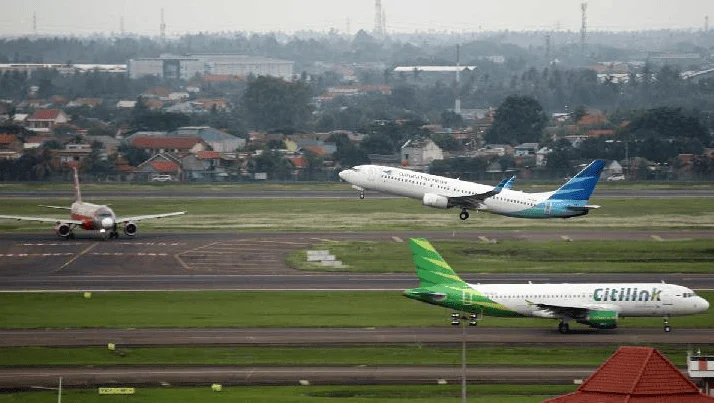
As the primary gateway to Indonesia, Soekarno-Hatta International Airport is slated to bear the brunt of the Puncak Pergerakan Pesawat Lebaran 2025. Projections indicate that the airport will facilitate more than 23,000 aircraft movements throughout the Eid period, with daily flights during the peak dates potentially exceeding 1,100 takeoffs and landings. This figure represents a notable increase from the 2024 season, reflecting a full recovery and subsequent growth of the aviation sector following the global pandemic.
To manage this volume, PT Angkasa Pura (the state-owned airport operator) and AirNav Indonesia have initiated a coordinated strategy to optimize runway utilization. The airport’s three-runway system will be utilized to its maximum throughput, with specialized teams assigned to minimize "ground time" for narrow-body aircraft, which make up the bulk of the domestic fleet. Furthermore, the distribution of passengers across Terminals 1, 2, and 3 is being re-evaluated to prevent bottlenecks at security checkpoints and check-in counters. Historical data from the Ministry of Transportation indicates that during peak hours, passenger flow can reach up to 5,000 individuals per hour in Terminal 3 alone, necessitating a high degree of digital integration and staff presence.
Operational Readiness and Carrier Strategies
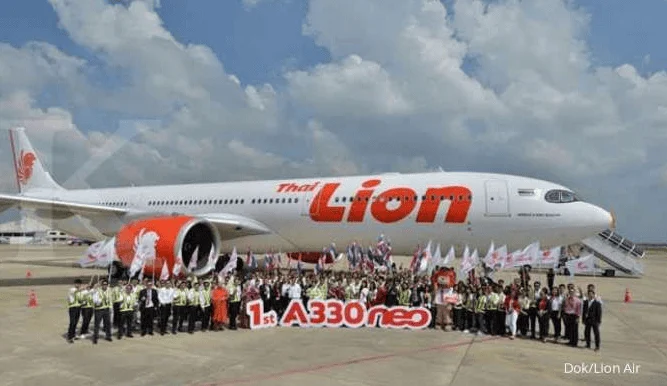
In response to the anticipated Puncak Pergerakan Pesawat Lebaran 2025, major Indonesian carriers including Garuda Indonesia, Pelita Air, and the Lion Air Group have begun finalizing their operational schedules. A central component of this preparation is the filing for "Extra Flights." To accommodate the overflow of passengers who were unable to secure tickets during the initial booking phase, the Ministry of Transportation typically grants hundreds of additional flight slots. These flights are often scheduled during "off-peak" night hours to maximize airport utility without overwhelming the standard daytime schedule.
Maintenance, Repair, and Overhaul (MRO) activities have also been accelerated. Airlines are mandated to ensure that their entire active fleet is "airworthy" and has undergone rigorous "ramp checks" conducted by the Directorate General of Civil Aviation (DGCA). These inspections focus on critical safety components, including engines, landing gear, and emergency systems, to ensure that the increased flight frequency does not compromise safety standards. Additionally, airlines are optimizing their crew rotations to prevent fatigue, as pilots and cabin crew will be working at maximum allowable hours during the peak weeks of March.
Infrastructure Enhancements and Safety Protocols
The Puncak Pergerakan Pesawat Lebaran 2025 is not merely a test of flight scheduling but also of airport infrastructure. Modernization efforts at various regional airports have been expedited to ensure they can handle the diversion of traffic if necessary. Upgrades to lighting systems (PAPI/VASI) and instrument landing systems (ILS) are being verified to ensure that flights can operate safely during inclement weather, which remains a variable during the transition of seasons in Indonesia.
Security remains a paramount concern. The aviation security (Avsec) personnel, in collaboration with the Indonesian National Police (Polri) and the Indonesian National Armed Forces (TNI), will implement an "Integrated Lebaran Command Post" at major airports. These posts serve as the nerve center for monitoring passenger movement, responding to medical emergencies, and ensuring that the heightened security protocols do not lead to excessive delays. The use of biometric screening and mobile check-in kiosks is being promoted to reduce physical contact and speed up the boarding process, reflecting a continuing commitment to health and operational efficiency.
Socio-Economic Implications of the Aviation Surge
The surge in aircraft movements during Lebaran has profound implications for the Indonesian economy. The aviation sector acts as a catalyst for regional economic growth, as the "Mudik" phenomenon facilitates a massive transfer of wealth from urban centers to rural provinces. Increased spending on airfares, airport services, and local tourism during the holiday period contributes significantly to the quarterly GDP. However, this also brings the challenge of "Tarif Batas Atas" (Upper Limit Price) compliance.
The government maintains a strict policy on airfare caps to ensure that travel remains accessible to the public. During the Puncak Pergerakan Pesawat Lebaran 2025, the Ministry of Transportation will monitor airline pricing closely to prevent "price gouging." While airlines seek to maximize revenue during this high-demand period to offset lower-traffic months, they must balance this with regulatory compliance and public sentiment. The economic ripple effect also extends to the logistics sector, as the belly cargo of passenger planes is utilized to transport festive goods and gifts across the country, highlighting the dual role of aviation in Indonesian society.
Navigating the Challenges: A Passenger Guide
For the millions of individuals participating in the Puncak Pergerakan Pesawat Lebaran 2025, the experience can be daunting without proper preparation. Aviation authorities have issued several recommendations to streamline the process for travelers:
- Early Booking and Digital Check-in: Passengers are urged to secure their tickets at least two months in advance. Utilizing airline mobile applications for check-in 24 hours before departure can save significant time at the airport and allow passengers to bypass the initial queue at the counters.
- Arrival Lead Times: Given the expected congestion on access roads leading to airports, such as the Prof. Dr. Sedyatmo Toll Road in Jakarta, passengers are advised to arrive at the terminal at least three to four hours before domestic departures.
- Baggage Management: To expedite security screenings, travelers should adhere strictly to cabin baggage weight limits and ensure that all prohibited items are removed. The use of "pre-booked" checked baggage can also lower costs and reduce wait times at drop-off points.
- Health and Safety Compliance: While pandemic-era restrictions have largely eased, maintaining basic hygiene and following any localized health advisories remains essential for the well-being of the traveling public.
The Role of Technology and Air Traffic Management
The success of managing the Puncak Pergerakan Pesawat Lebaran 2025 hinges on the technological capabilities of AirNav Indonesia. The implementation of "Performance-Based Navigation" (PBN) allows for more precise flight paths, which reduces the separation required between aircraft without compromising safety. This technology is vital when handling 23,000 movements in a condensed timeframe. By optimizing the "Sky Corridors," air traffic controllers can reduce fuel consumption for airlines and minimize the environmental impact of the holiday surge.
Furthermore, the integration of real-time data sharing between airlines and airport operators ensures that ground handling teams—responsible for fueling, cleaning, and catering—are positioned precisely when an aircraft arrives. This "Collaborative Decision Making" (A-CDM) framework is expected to be a game-changer for the 2025 season, significantly reducing the "domino effect" where one delayed flight causes a cascade of delays throughout the day.
Conclusion: A National Effort for Seamless Connectivity
The Puncak Pergerakan Pesawat Lebaran 2025 stands as a testament to Indonesia’s logistical resilience and the cultural importance of the Eid al-Fitr homecoming. It is a period defined by a complex orchestration of technology, human labor, and regulatory oversight. As March 22 and March 28 approach, the focus remains on ensuring that every passenger can reach their destination safely and that the aviation industry can demonstrate its capacity to handle world-class traffic volumes.
Through the combined efforts of PT Angkasa Pura, AirNav, domestic carriers, and the Ministry of Transportation, the 2025 peak is expected to be managed with a high degree of professionalism. While challenges such as weather and technical glitches are inherent to aviation, the comprehensive preparations currently underway aim to mitigate these risks. For the traveling public, the period represents more than just a flight; it is a bridge to family and tradition, supported by the robust infrastructure of the Indonesian aviation sector. As the nation looks forward to the festivities, the skies will undoubtedly be busier than ever, reflecting a country on the move and an industry at its peak.