The convergence of vintage technology and modern social activism has found a unique focal point in New York City’s East Village, where a growing movement known as the Ludd Club is advocating for a return to analog lifestyles in defiance of rapid technological advancement. This emergence of neo-Luddism, particularly among younger demographics, highlights a significant cultural shift characterized by the rejection of digital screens, social media algorithms, and the encroaching influence of artificial intelligence. Observers and participants alike note that what began as a niche aesthetic preference for film photography and vinyl records is increasingly evolving into a deliberate political and social statement against the "planned obsolescence" of the modern tech economy.
The Intersection of Analog Media and Modern Activism
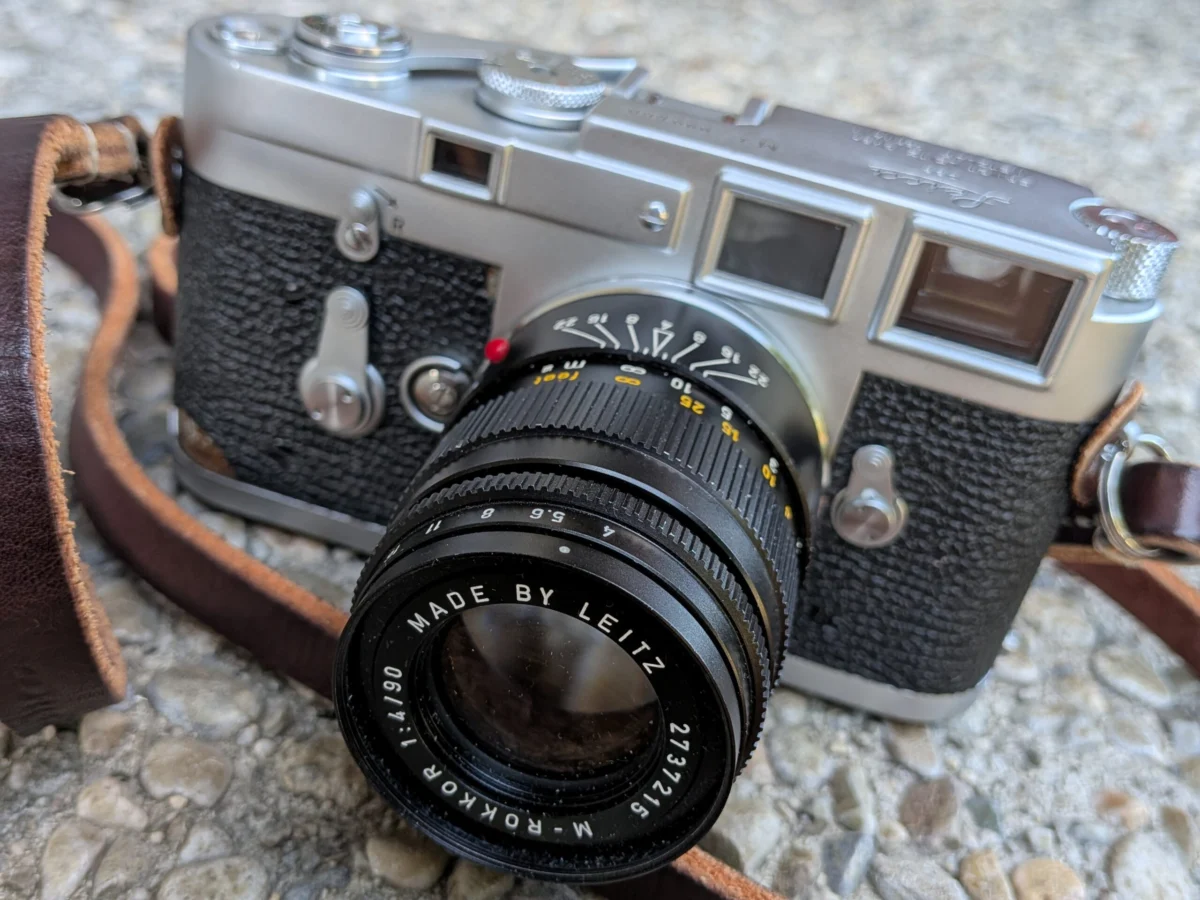
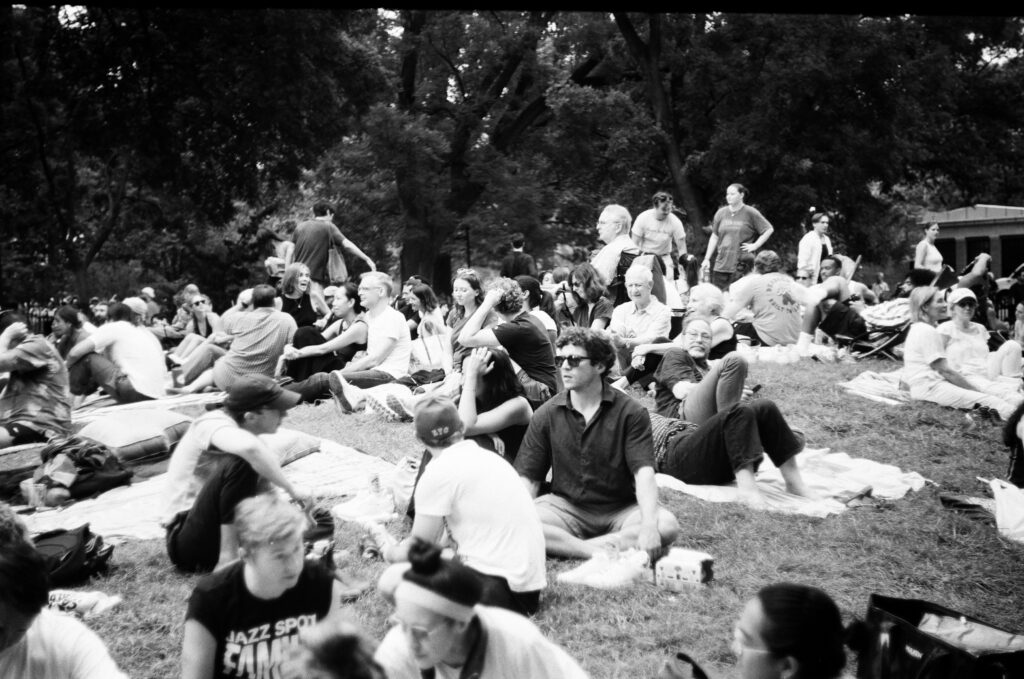
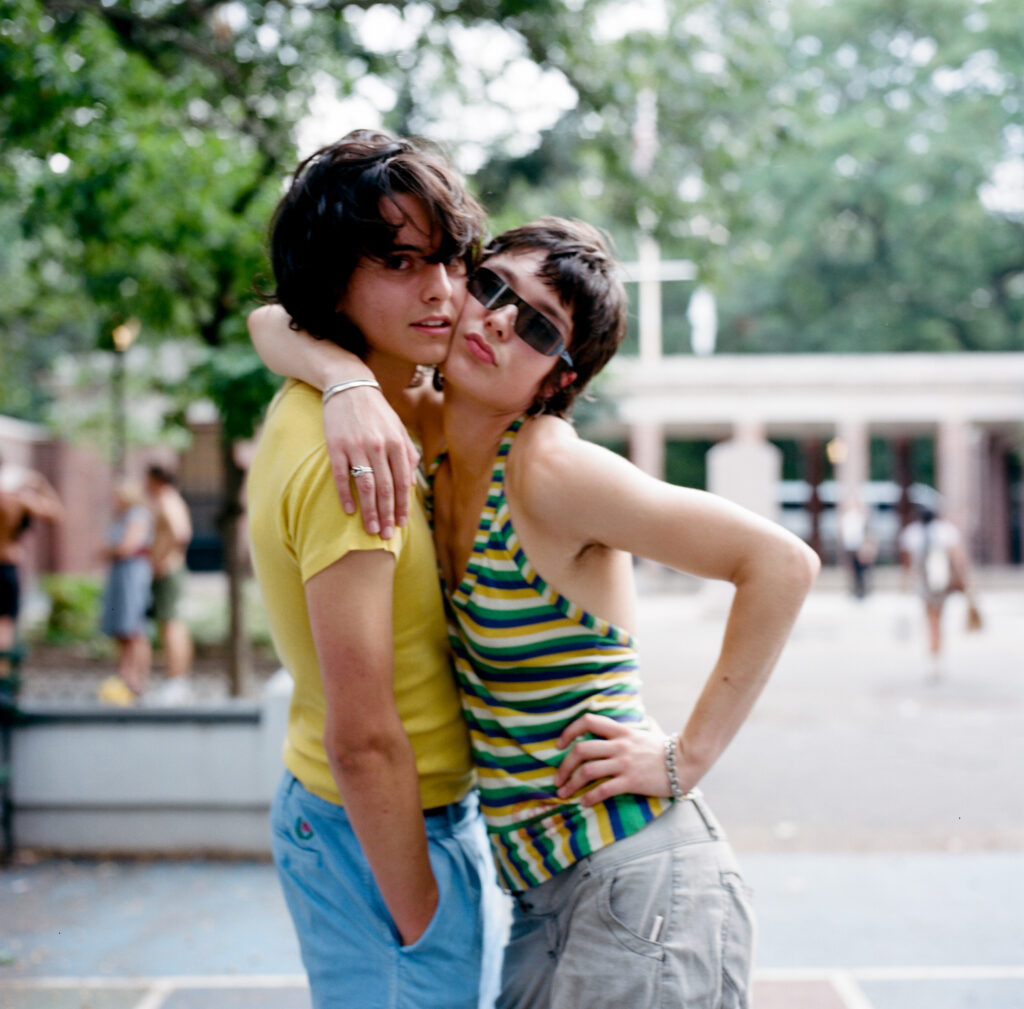
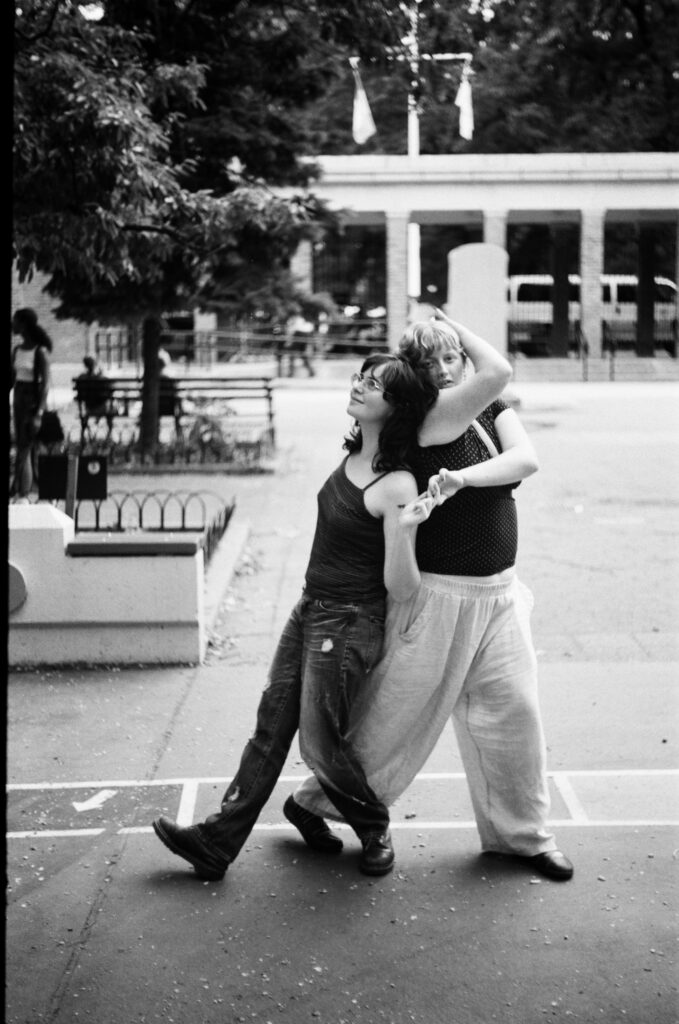
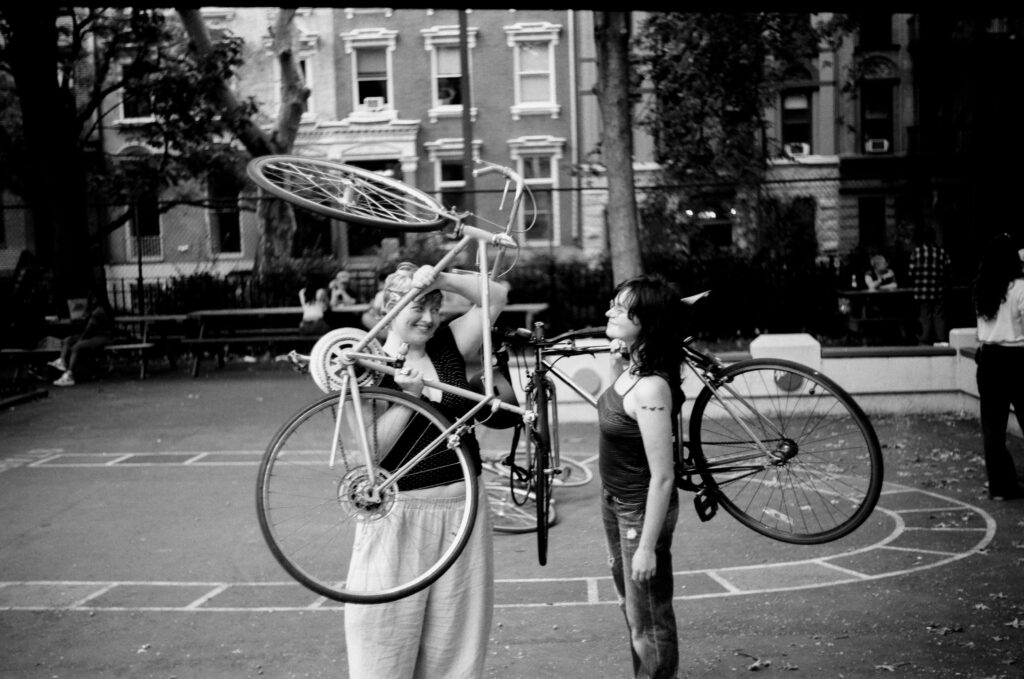
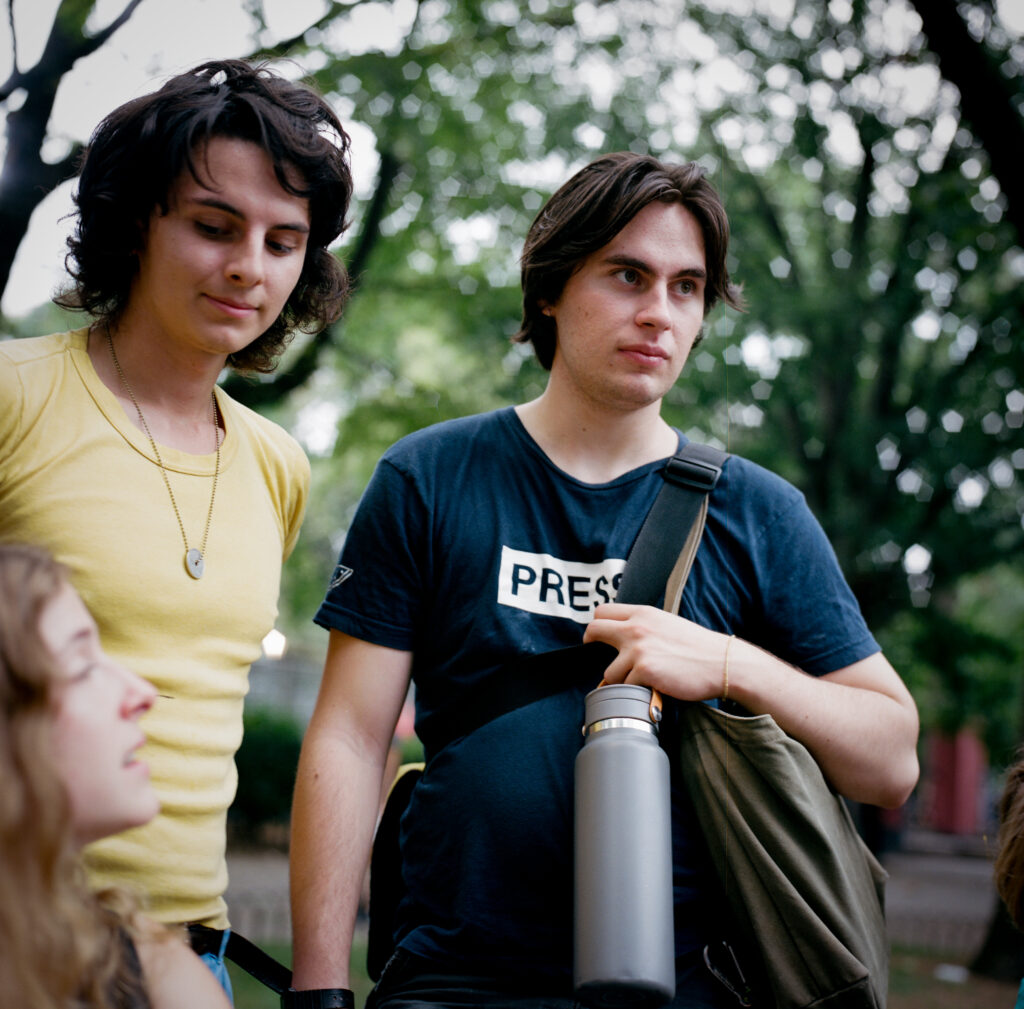
In late August, during a typical Sunday gathering in Tompkins Square Park, the visibility of this movement was underscored by the interaction between traditional film photographers and members of the Ludd Club. The park, a historic site for social movements in New York, recently hosted a series of events that transitioned from a festival dubbed the "Summer of Ludd" into a structured organization. The club’s presence is marked by a rejection of smartphones and an emphasis on tactile, manual experiences—a philosophy that mirrors the resurgence of interest in mechanical cameras such as the Hasselblad 500-series and the Leica M-mount rangefinders.
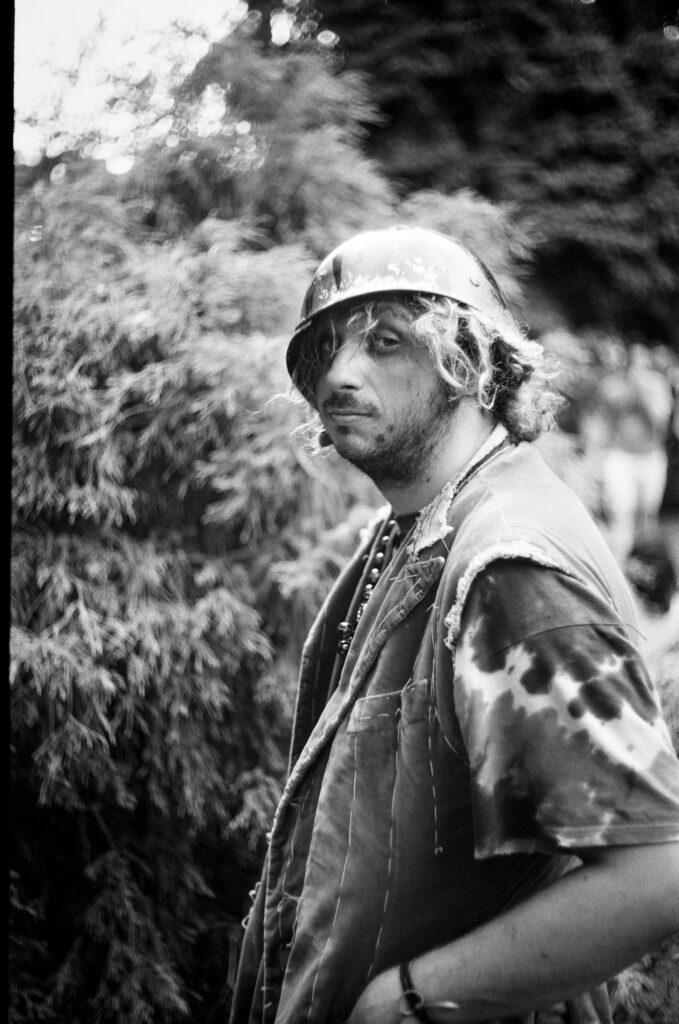
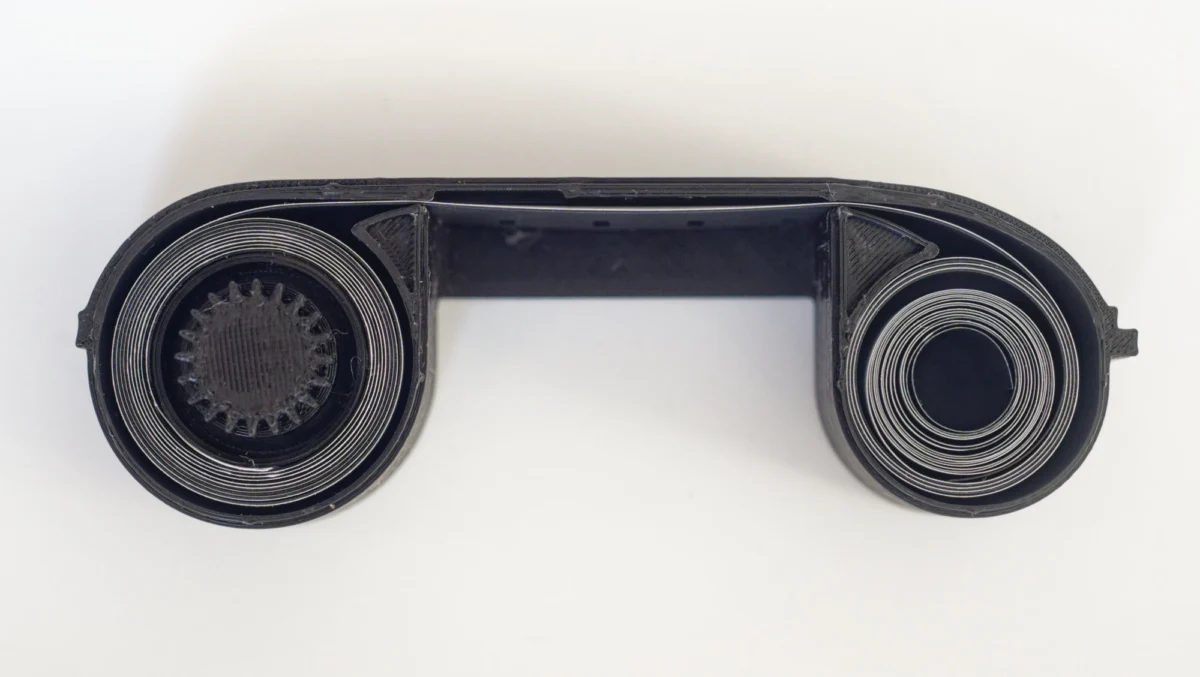
The revival of analog photography is not merely a nostalgic trend but is being reframed as a "Luddite" act. Unlike digital cameras, which rely on complex software, sensors, and proprietary batteries that often become obsolete within a decade, mechanical cameras from the mid-20th century represent a form of "durable technology." A Leica iiD manufactured in Weimar Germany in 1932, for instance, remains fully functional nearly a century later, provided it is maintained by skilled technicians. This longevity stands in stark contrast to the modern consumer electronics model, which many activists argue encourages environmental waste and psychological dependency.

Chronology of the Luddite Revival in New York City
The current iteration of the Luddite movement in the East Village can be traced back to early 2024, following increased public discourse regarding the ethical implications of generative artificial intelligence.

- June 2024: The Summer of Ludd. An eight-day festival was held in Tompkins Square Park, featuring teach-ins, manual craft workshops, and "digital detox" sessions. The event aimed to educate the public on the history of the original Luddite movement while applying those lessons to the 21st-century tech landscape.
- July 2024: Formation of the Tompkins Square Ludd Club. Following the success of the festival, a core group of activists established a weekly meeting schedule. The group utilized public spaces to host "lessons" chalked onto pavement, focusing on the monopolistic practices of Silicon Valley conglomerates.
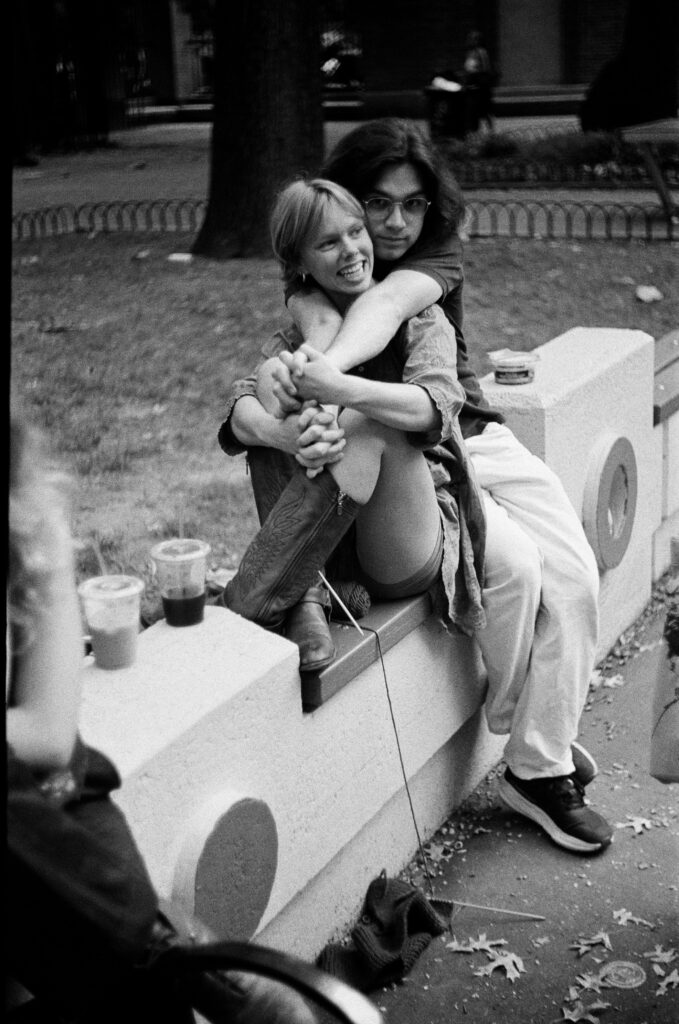
- August 2024: Integration with the Analog Community. The movement began attracting photographers and audiophiles who use vintage equipment as a tool for social documentation. During these gatherings, participants engage in communal activities such as knitting, hand-drawn art, and physical exercise, deliberately avoiding the use of mobile devices for documentation or entertainment.
- Present Day: Expansion of Influence. The Ludd Club has expanded its reach, advocating for collective ownership of community resources and a shift away from the "owner/donor" class that currently dominates the digital economy.
Historical Context: From 19th-Century Looms to 21st-Century Algorithms
To understand the modern Ludd Club, it is necessary to examine the historical precedent of the original Luddites. In early 19th-century England, textile workers—often mischaracterized as being simply "anti-technology"—protested the introduction of industrial looms. Their primary grievance was not the machines themselves, but the way factory owners used automation to bypass labor laws, reduce wages, and replace skilled artisans with low-paid, unskilled workers, including children.

Modern neo-Luddites draw a direct parallel between the 19th-century mill owners and today’s Big Tech executives. The focus has shifted from mechanical looms to data-harvesting algorithms and AI models that threaten to automate creative and intellectual labor. By choosing analog film over digital sensors, practitioners are making a choice to step outside the "digital ecosystem." This ecosystem is often criticized for its lack of privacy and its reliance on the exploitation of user data.

Furthermore, the setting of these modern meetings—Tompkins Square Park’s WPA-era (Works Progress Administration) structures—adds a layer of historical irony. The WPA was a centerpiece of President Franklin D. Roosevelt’s New Deal, designed to provide employment during the Great Depression. It funded not only infrastructure but also the Federal Writers’ Project and Federal Art Project, which employed photographers like Dorothea Lange and Walker Evans to document the human condition. The current Luddite movement seeks to reclaim this spirit of witnessing the world through a human, rather than algorithmic, lens.

Technical Analysis and Supporting Data: The Analog Resurgence
Data from the photography industry suggests that the preference for film is more than a fleeting interest. According to market reports from 2023 and 2024, the demand for 35mm and medium-format film has seen a steady year-over-year increase of approximately 15%. Manufacturers like Eastman Kodak and Fujifilm have reported challenges in keeping up with the demand for popular stocks such as Portra 400 and Gold 200.
| Technology Type | Longevity Expectancy | Control Mechanism | Environmental Impact |
|---|---|---|---|
| Digital (Mirrorless/DSLR) | 5–10 Years | Software/Touchscreen | High (E-waste/Lithium) |
| Analog (Mechanical) | 50–100+ Years | Manual Dials/Gears | Moderate (Chemicals/Silver) |
| Generative AI Imaging | N/A (Cloud-based) | Prompt-based | High (Data Center Energy) |
The appeal of manual cameras like the Hasselblad 503CW lies in their tactile nature. With only three primary variables—shutter speed, aperture, and focus—the process requires a level of intentionality that digital "point-and-shoot" or smartphone photography lacks. For members of the Ludd Club, this intentionality is a form of resistance against the "instant gratification" culture promoted by social media platforms.
Official Responses and Philosophical Implications
While there is no "official" spokesperson for the decentralized Luddite movement, prominent members like "Bucky," a leading figure in the Tompkins Square group, suggest that the ultimate goal is the reorganization of communities into cooperative structures. Bucky and other members advocate for "collective ownership" of businesses and the removal of digital intermediaries in social interactions.
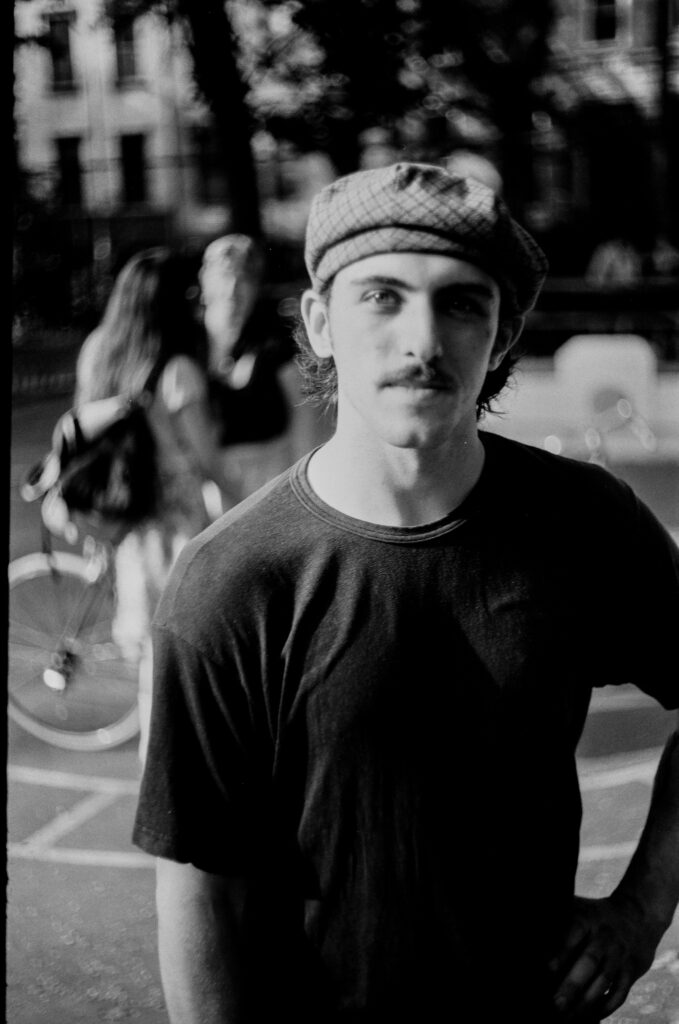
The movement has also garnered attention from sociologists studying the "Generation Z" response to the digital age. Dr. Elena Rossi, a cultural anthropologist, notes: "We are seeing the first generation that grew up entirely within the smartphone era beginning to push back. They are recognizing that the ‘connectivity’ promised by Big Tech often results in profound social isolation. The Ludd Club is an attempt to manufacture ‘real’ time and ‘real’ space."
The club’s refusal to use platforms like Instagram to share their activities is a significant tactical choice. By keeping their documentation within analog formats or niche, independent websites, they aim to starve the "engagement economy" of its most valuable commodity: content.
Broader Impact and Future Outlook
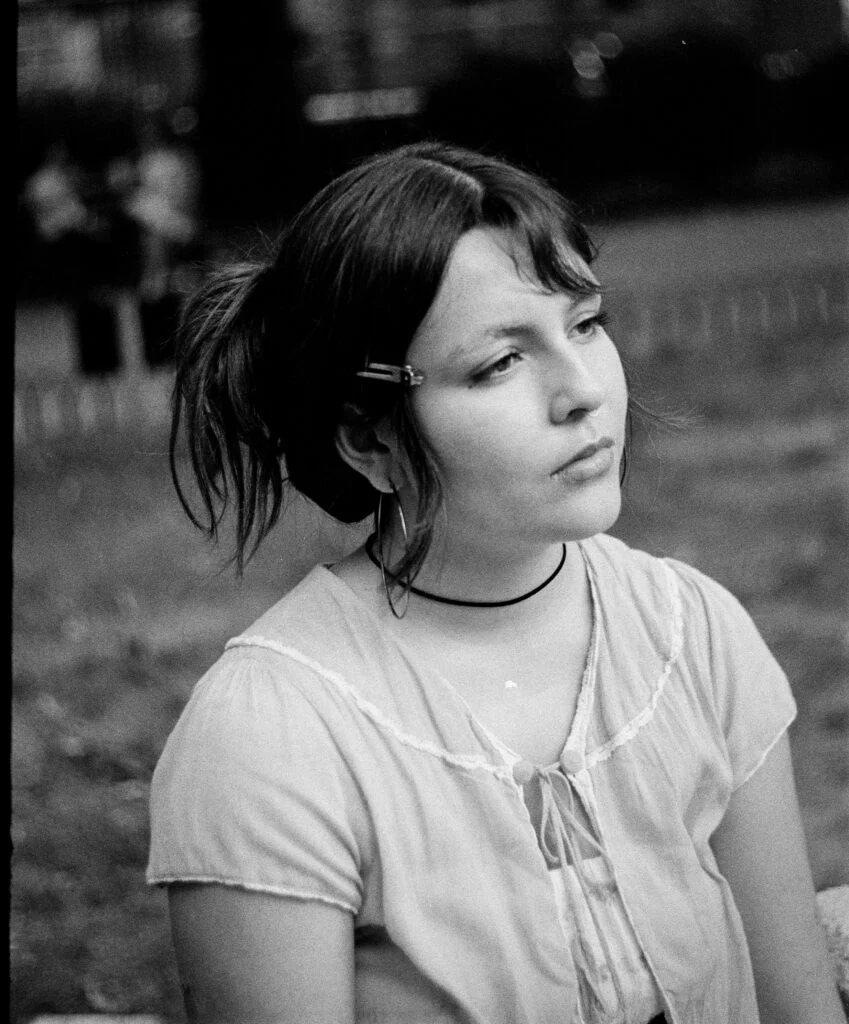
The implications of the Luddite revival extend beyond the borders of Tompkins Square Park. As AI continues to integrate into every facet of the creative economy, the "human-made" label is becoming a premium brand. Analog photography, with its inherent imperfections—grain, light leaks, and the "painterly" rendering of highlights—is increasingly viewed as a more authentic representation of reality than the hyper-processed, "sheen" of digital imagery.
However, the movement faces significant challenges. The rising cost of film and processing makes analog photography a "luxury pursuit" for many, potentially alienating the very working-class populations that the original Luddites sought to protect. Critics argue that without a viable economic alternative to Big Tech, the Ludd Club may remain a symbolic rather than a transformative movement.

Despite these hurdles, the enthusiasm of the 2024 Luddites suggests a resilient desire for human-centric technology. Whether through hand-knitting, dancing in public parks, or capturing moments on 90-year-old German lenses, the movement emphasizes that "progress" is not always a linear path toward more technology. Sometimes, as the members of the Ludd Club demonstrate, the most radical act is to look away from the screen and engage with the world in its most raw, mechanical, and analog form. The "revolution," as they see it, will not be televised, nor will it be streamed—it will be captured on silver halide and shared in the physical commons.