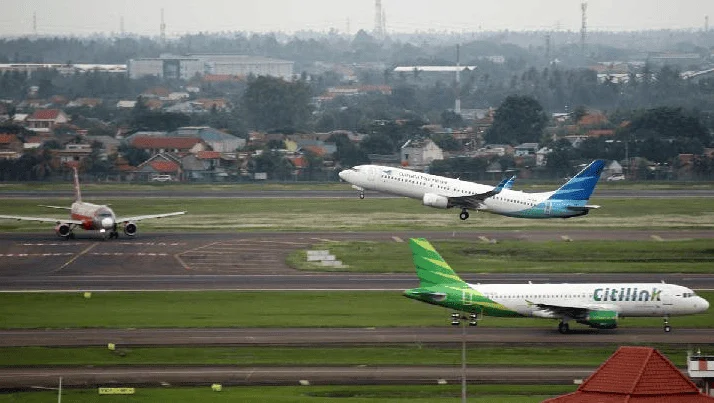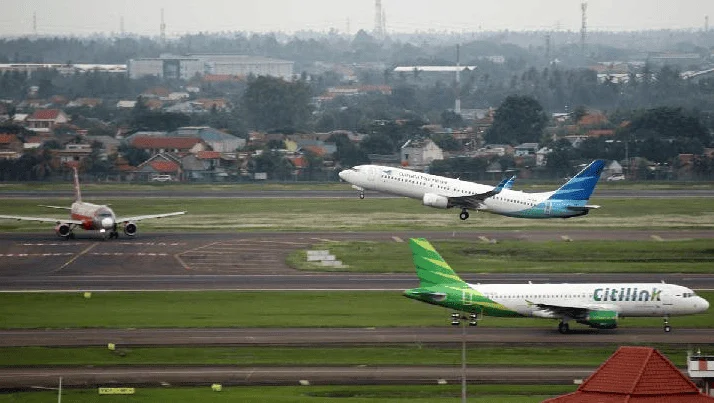
The concentration of flight activity on these two specific dates reflects the intersection of religious observance and the national holiday calendar. March 22, 2025, is expected to serve as the primary departure peak, as travelers look to secure their positions in their hometowns well ahead of the Eid al-Fitr festivities. Conversely, March 28 is projected to witness a secondary spike, representing both late-departing travelers and the initial wave of those moving between regional hubs. At the heart of this activity is Soekarno-Hatta International Airport (CGK) in Tangerang, which is forecasted to handle upwards of 23,000 aircraft movements during the broader Lebaran holiday period. As the primary gateway for both domestic and international traffic, the efficiency of Soekarno-Hatta is viewed as the benchmark for the success of the national transport strategy.
Analytical Overview of Flight Projections and Passenger Volume
The 2025 holiday season arrives at a time when the Indonesian aviation industry has largely stabilized following the disruptions of the early 2020s. However, the scale of the 2025 peak presents unique challenges. Statistical modeling based on previous years suggests a 5% to 8% increase in air travel demand compared to 2024. This growth is attributed to improved economic stability, the expansion of low-cost carrier (LCC) routes, and a growing preference for the speed and convenience of air travel over sea or land alternatives, which often face severe congestion on the Java North Coast (Pantura) and Trans-Java toll roads.
To manage the projected 23,000 aircraft movements at Soekarno-Hatta alone, AirNav Indonesia—the state-owned air navigation service provider—has begun optimizing runway throughput. During peak hours on March 22 and 28, the airport is expected to operate at its maximum capacity of approximately 81 to 84 movements per hour. This requires surgical precision from air traffic controllers and the utilization of all three runways to ensure that separation intervals are maintained without causing significant holding patterns or delays.
Strategic Preparations by Airport Authorities and Airlines
In anticipation of the Puncak Pergerakan Pesawat Lebaran 2025, PT Angkasa Pura Indonesia (InJourney Airports) has initiated a comprehensive "Integrated Lebaran Command Center" across its network. This center serves as a real-time monitoring hub, coordinating between airport operators, the military, police, and ground handling services. One of the primary operational adjustments involves the extension of operating hours for regional airports. While major hubs like CGK, Juanda (SUB), and I Gusti Ngurah Rai (DPS) operate 24/7, smaller provincial airports are being prepared to stay open later into the night to accommodate late-arriving extra flights.
Airlines, including the national flag carrier Garuda Indonesia and its subsidiary Citilink, as well as the Lion Air Group, have submitted thousands of requests for "extra flights." These additional slots are essential for balancing the supply-demand mismatch during the peak dates. Aviation analysts note that the deployment of wide-body aircraft on popular domestic routes—such as Jakarta to Medan, Surabaya, and Makassar—is a key strategy to increase seat capacity without exponentially increasing the number of takeoff and landing slots.
Furthermore, the Ministry of Transportation is closely monitoring the Airfare Ceiling Price (Tarif Batas Atas) to prevent exploitative pricing during the peak window. While airlines are encouraged to maximize revenue, the government remains committed to ensuring that air travel remains accessible to the middle class. Official statements from the Ministry emphasize that any airline found violating the price ceiling will face stiff administrative sanctions, including the potential revocation of flight permits on specific routes.
Safety Protocols and Security Reinforcements
Security remains the paramount concern during the Puncak Pergerakan Pesawat Lebaran 2025. The influx of millions of passengers provides a complex security landscape that requires multi-layered screening processes. Aviation Security (Avsec) personnel have been reinforced with additional personnel from the Indonesian National Police (Polri) and the Indonesian National Armed Forces (TNI). K-9 units and advanced explosive detection systems (EDS) are being deployed more frequently at terminal entrances and cargo checkpoints.
From a safety perspective, the Directorate General of Civil Aviation (DGCA) has mandated "ramp checks" for all aircraft operating during the holiday period. These inspections ensure that every plane, particularly those being pulled from reserve status for extra flights, meets rigorous airworthiness standards. Pilots and cabin crew are also subject to stricter health and fatigue monitoring. Given the high intensity of flight schedules on March 22 and 28, ensuring that flight crews remain within their legal duty-time limitations is critical to preventing human error.
Technological Integration and Passenger Experience
To mitigate the stress of traveling during the peak movement dates, airports are leaning heavily on digital transformation. The implementation of Airport Collaborative Decision Making (A-CDM) systems allows for better communication between airlines, ground handlers, and air traffic control. This technology reduces taxi times and minimizes fuel burn, which is vital when dozens of aircraft are queuing for departure.
For the passengers, the "seamless journey" concept is being promoted through the widespread use of biometric gates and mobile check-in kiosks. Authorities are urging travelers to arrive at the airport at least three to four hours before their scheduled departure during the peak dates of March 22 and 28. By shifting the check-in process to digital platforms, airports can reduce the density of crowds in the "landside" areas of the terminal, allowing for more efficient movement through security and immigration.
Socio-Economic Impact and Regional Connectivity
The Puncak Pergerakan Pesawat Lebaran 2025 is not merely a logistical event; it is a significant economic driver. The surge in flight activity facilitates the flow of capital from urban centers like Jakarta to the provinces. It is estimated that trillions of rupiah are circulated during the Mudik period, much of it spent on local transport, hospitality, and retail in regional areas.
The aviation sector’s ability to maintain connectivity during this period is also a testament to Indonesia’s geographical necessity for air travel. As an archipelagic nation, the "jembatan udara" (air bridge) is the only viable method for many citizens to reach their families in Sumatra, Kalimantan, Sulawesi, and Papua within a reasonable timeframe. The success of the aircraft movement peaks on March 22 and 28 is therefore directly tied to national social cohesion.
Challenges and Mitigation Strategies
Despite the extensive planning, several variables remain that could disrupt the Puncak Pergerakan Pesawat Lebaran 2025. Weather conditions in late March can be unpredictable, with the potential for heavy tropical thunderstorms causing delays or diversions. To mitigate this, AirNav Indonesia and the Meteorology, Climatology, and Geophysics Agency (BMKG) have established a rapid-response data sharing protocol to provide pilots with the most accurate real-time weather updates.
Another challenge is the management of ground traffic leading to major airports. During previous Lebaran peaks, congestion on access roads has caused passengers to miss flights, leading to further delays at check-in counters. In response, local transport authorities are increasing the frequency of airport rail links and dedicated shuttle buses. Public awareness campaigns are also focusing on the "early travel" initiative, encouraging those with flexible schedules to travel before the March 22 peak to flatten the demand curve.
Conclusion and Outlook
As Indonesia approaches the Puncak Pergerakan Pesawat Lebaran 2025, the synergy between government regulators, airport operators, and airlines will be put to the ultimate test. The projected 23,000 movements at Soekarno-Hatta and the millions of passengers across the country represent a massive undertaking that goes beyond mere transportation; it is a service to the cultural and spiritual fabric of the nation.
Through rigorous safety inspections, the strategic allocation of extra flights, and the integration of advanced monitoring technology, the aviation sector aims to provide a safe and reliable experience for all travelers. The lessons learned from the March 22 and March 28 peaks will undoubtedly inform future infrastructure projects and policy decisions, as Indonesia continues to modernize its aviation landscape. For the passengers, the primary advice remains constant: meticulous planning, early arrival, and adherence to all safety regulations are the keys to a successful journey home. The 2025 Lebaran season stands to be a landmark period, demonstrating the resilience and capacity of Indonesia’s skies.