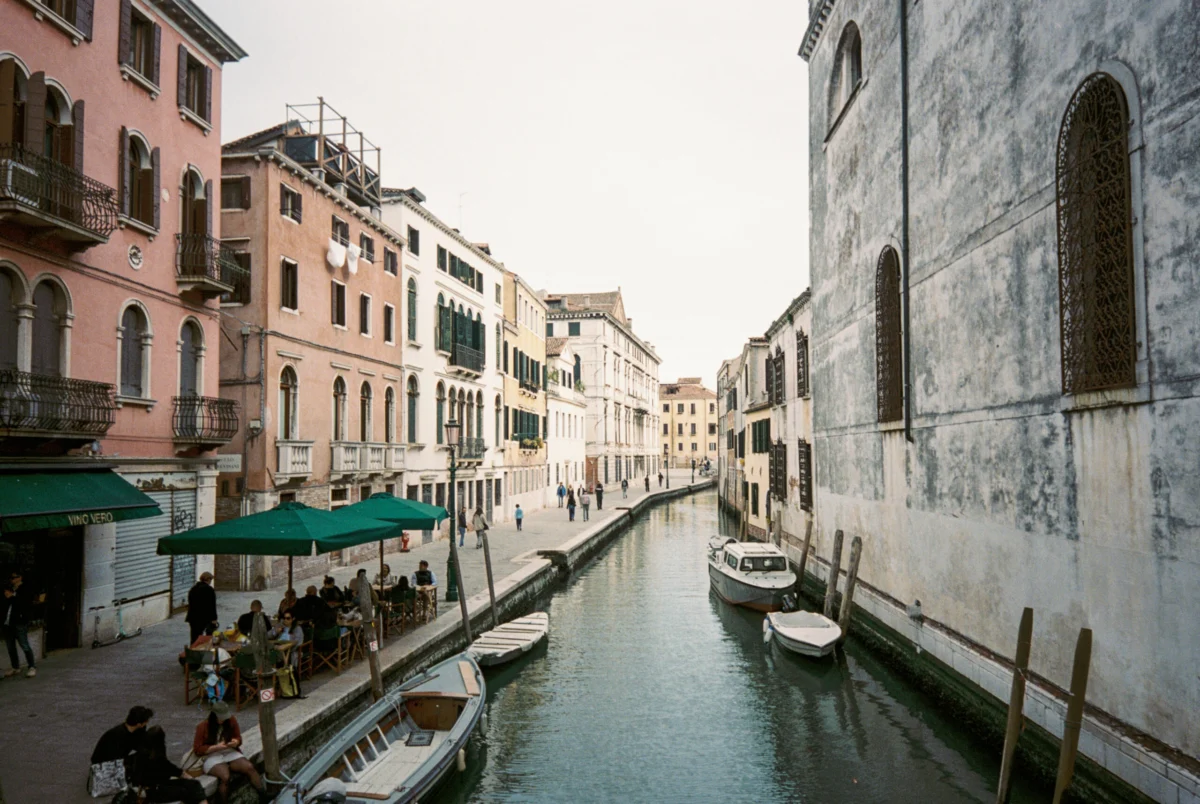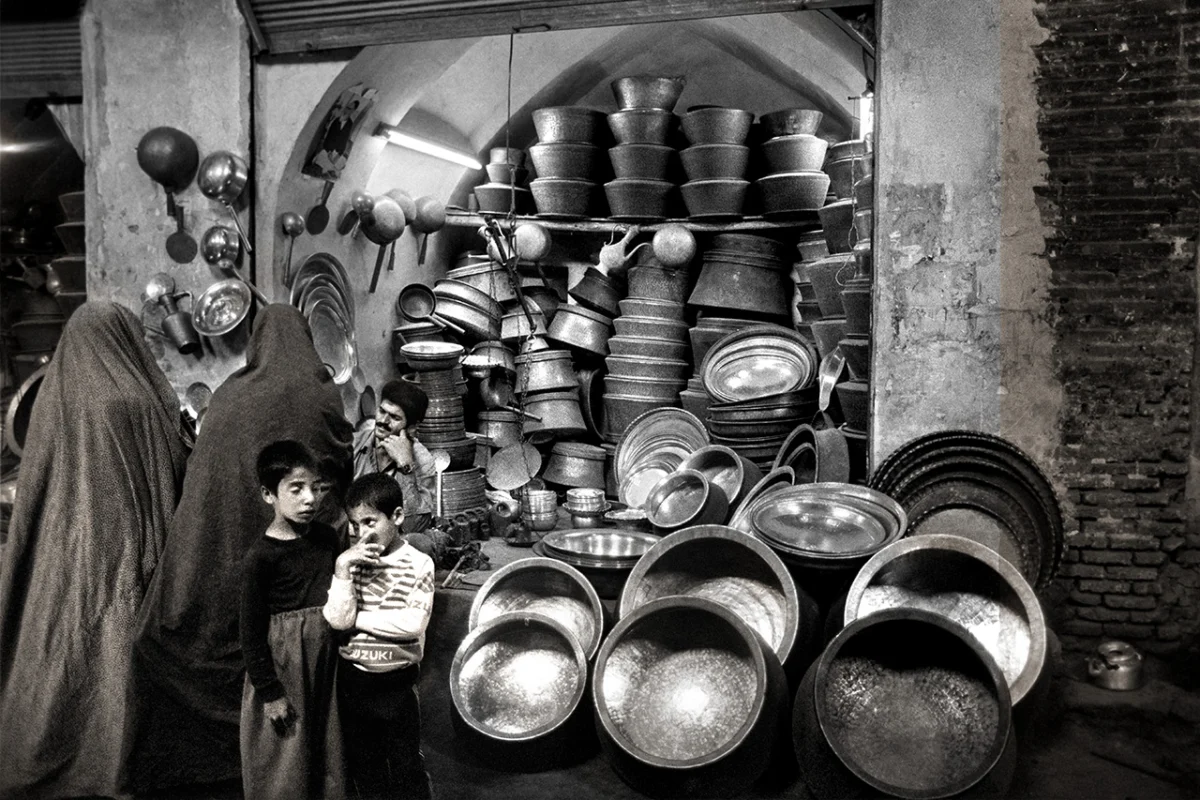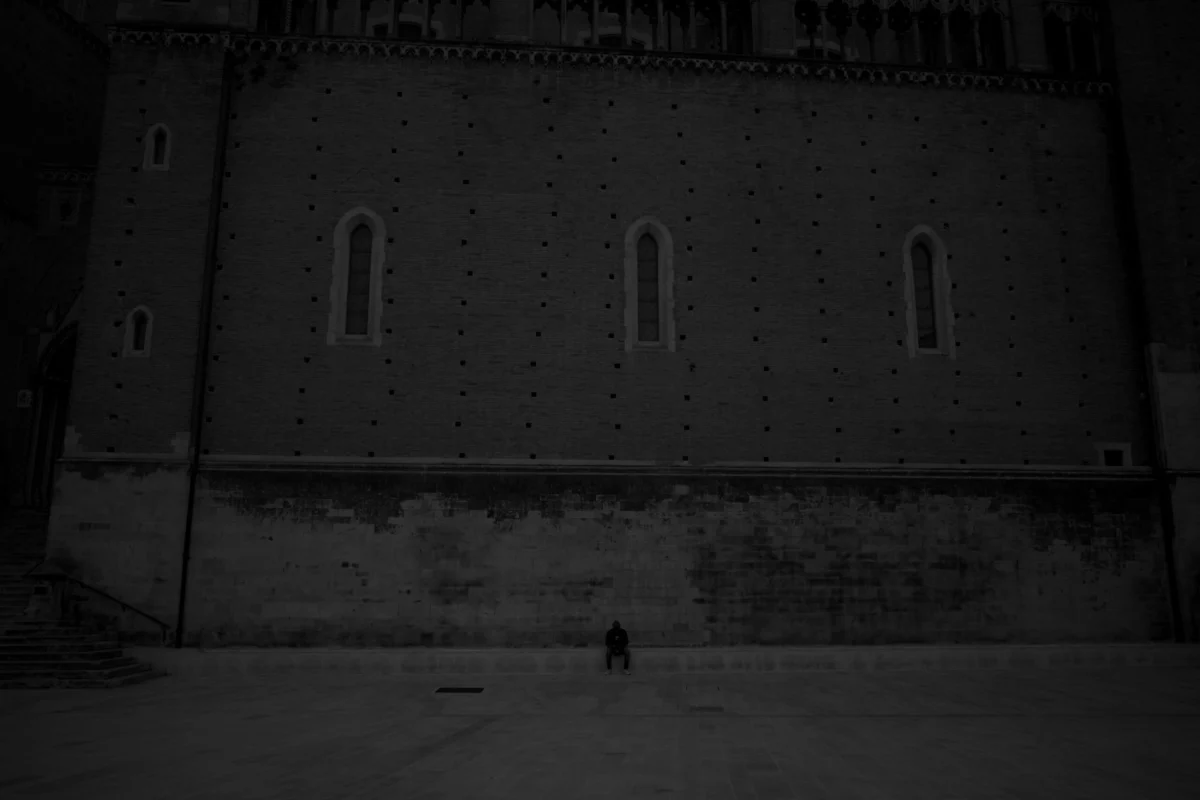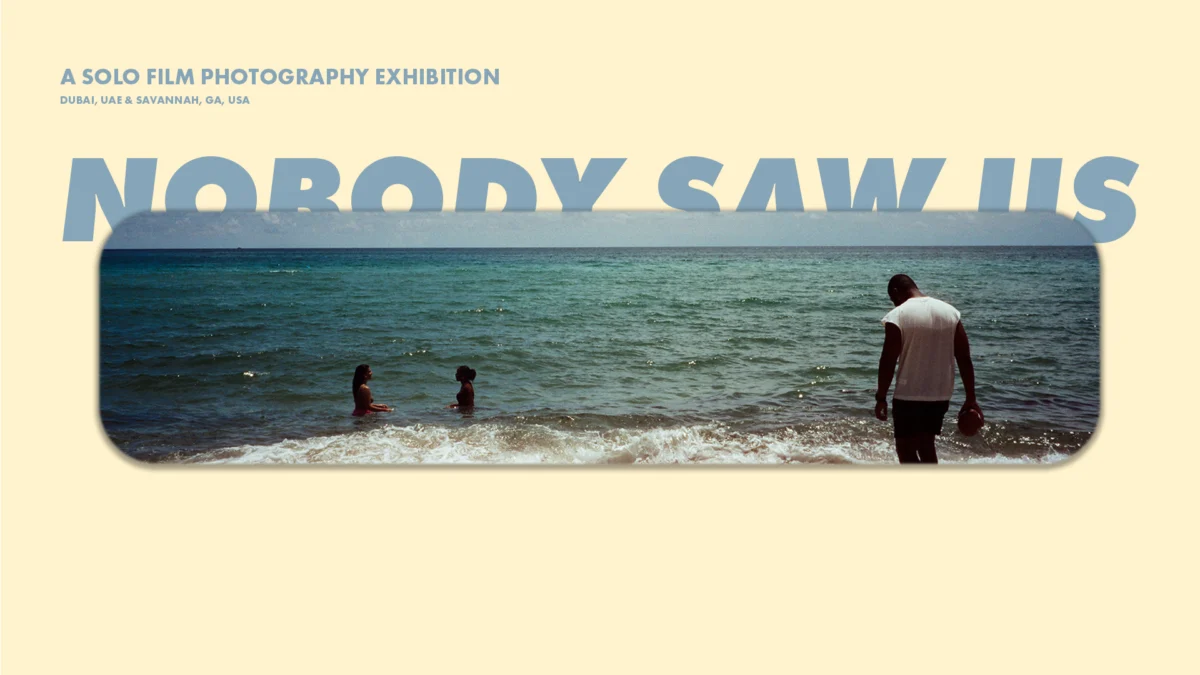
The intersection of personal narrative, global displacement, and analog photography has culminated in the announcement of a new multi-city exhibition titled Nobody Saw Us, curated and captured by filmmaker and photographer DeVon Moore. This project, which began as a personal essay in early 2026, has evolved into a comprehensive visual study of human connection across disparate geographies, including Savannah, Georgia, and Dubai, United Arab Emirates. The exhibition is structured around 36 specific photographs—a deliberate homage to the standard exposure count of a 35mm film roll—and seeks to explore the themes of distance, proximity, and transition. Scheduled for a debut in March 2027, the project is currently seeking production support through a public crowdfunding campaign, highlighting the growing trend of independent artists utilizing global platforms to finance cross-continental cultural exchanges.
The Genesis of the Witness Philosophy
The conceptual framework for the exhibition was established in January 2026 with the publication of Moore’s essay, Nobody Saw Us. In that work, Moore articulated a photography philosophy centered on the concept of the "invisible camera." The core tenet of this approach is the prioritization of presence over documentation; the artist argues that the act of photography should not detract from the emotional essence of the moment but should instead serve as a silent witness to it. This philosophy emerged from a desire to move beyond the superficial capture of images and toward a deeper realization of the connections shared between the photographer and the subject.
The transition from a written medium to a physical exhibition represents a maturation of this philosophy. By selecting film as the primary medium—specifically utilizing equipment such as the Samsung Maxima Zoom 105 and emulsions like Cinestill 400D—Moore emphasizes the slow, deliberate nature of analog photography. Unlike digital photography, which allows for instant gratification and infinite revision, the 35mm format requires a disciplined engagement with the environment. Each of the 36 frames in the exhibition represents a definitive choice, mirroring the finite and precious nature of the moments being documented.
A Chronology of Displacement and Artistic Growth
The timeline of the project is inextricably linked to Moore’s personal journey of migration and the geopolitical realities of 2026. In January of that year, Moore relocated from Savannah, Georgia, to Dubai, UAE, with the intent of expanding a career in filmmaking and photography. This move was characterized by a high degree of professional ambition and what Moore described as a "leap of faith" into a burgeoning Middle Eastern creative market.
However, the trajectory of this move was abruptly altered by the outbreak of regional conflict. The resulting instability forced a difficult decision-making process regarding whether to remain in the UAE or return to the United States. This period of uncertainty led to a transitional phase in Paris, France, before an eventual return to Savannah. This geographic loop—Savannah to Dubai, Dubai to Paris, and Paris back to Savannah—forms the narrative backbone of the exhibition.
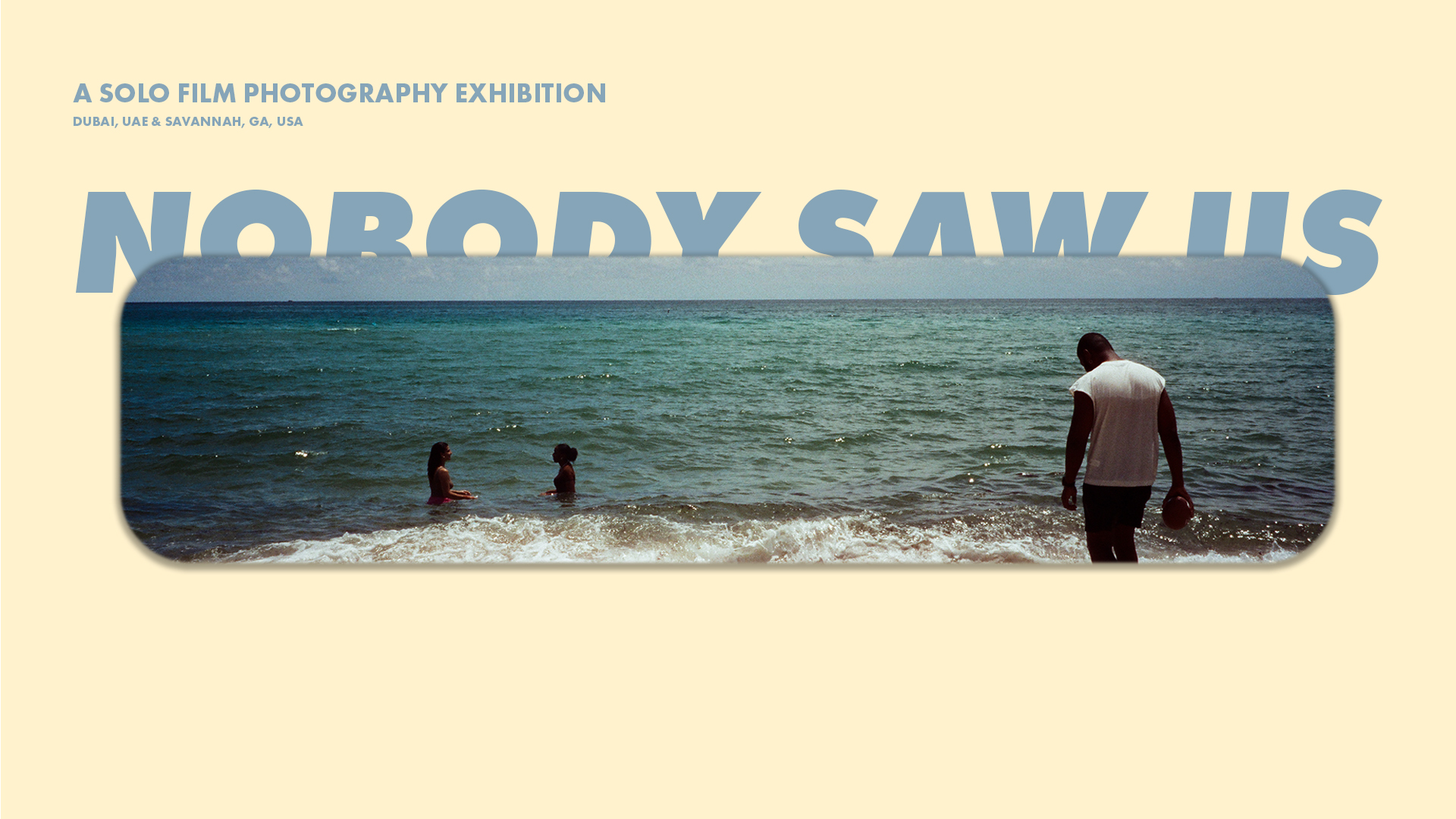
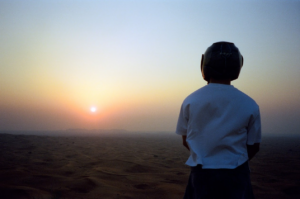
The photographs captured during this period serve as a visual diary of these transitions. The work does not merely document the locations but explores the psychological state of the artist as he moved from a state of hopeful "gliding" to a sudden "loss of lift." The exhibition’s structure reflects this, categorizing the 36 images into three distinct states of movement:
- Distance: Capturing the initial perspective of an outsider entering a new culture.
- Proximity: Documenting the intimate connections formed with friends, family, and peers as the camera became "invisible."
- Transition: Highlighting the forced movements and the feeling of heartbreak and isolation during the return journey.
Technical Context and the Resurgence of Analog Media
The technical choices made for Nobody Saw Us align with a broader resurgence in film photography within the contemporary art world. Data from the photography industry indicates that the demand for 35mm film and vintage point-and-shoot cameras has seen a significant uptick since 2020, driven by a younger generation of artists seeking the "tactile authenticity" that digital sensors often lack.
Moore’s use of the Samsung Maxima Zoom 105, a consumer-grade point-and-shoot camera from the late 1990s, is a strategic choice. This type of equipment is often favored by "witness" photographers for its unobtrusiveness. Unlike large professional DSLRs, which can intimidate subjects and disrupt the natural flow of a scene, a point-and-shoot allows the photographer to blend into the background. Furthermore, the choice of Cinestill 400D film adds a specific aesthetic layer to the project. Known for its distinct halation—a reddish glow around bright lights—and its versatility in various lighting conditions, the film stock provides a cinematic quality that bridges the gap between Moore’s background in filmmaking and his work in still photography.
The Dual-City Exhibition Strategy
The logistical plan for Nobody Saw Us involves a debut in Dubai followed by a secondary opening in Savannah. This "multi-city manner" is designed to mirror the artist’s own journey, creating a cultural bridge between the two locations.
Dubai has increasingly positioned itself as a global hub for the arts, with districts like Alserkal Avenue providing a platform for international dialogue. By debuting the show in Dubai, Moore acknowledges the city’s role in his professional aspirations and the impact of the regional events that shaped the work. The subsequent return to Savannah brings the project full circle, presenting the work to the community where Moore’s journey began.
Industry analysts note that such dual-city exhibitions are becoming more common for independent artists who operate in a "transnational" capacity. These events allow for a broader reach and foster a dialogue about the shared human experiences of migration and witnessing, which are particularly relevant in the current global climate.
Crowdfunding and the Economics of Independent Art
To facilitate the production of the exhibition, Moore has launched a Kickstarter campaign with a target debut of March 2027. This move reflects the financial realities of modern independent art production. According to Kickstarter’s own data, photography projects have a competitive success rate when they are backed by a strong narrative and a pre-existing community.
The funds raised through the campaign are typically allocated to high-quality archival printing, framing, venue rental in multiple international cities, and the publication of an exhibition catalog. By inviting "patrons" and "contributors" to support the show, Moore is effectively decentralizing the patronage of his work, allowing the audience to become part of the "witnessing" process they are supporting.
Broader Impact and Implications
The Nobody Saw Us exhibition carries implications beyond the personal narrative of one photographer. It serves as a case study in how personal trauma and geopolitical displacement can be synthesized into a cohesive artistic statement. The project challenges the traditional role of the photographer as an objective observer, proposing instead that the photographer is a participant whose presence—and the recognition of being seen—is essential to the work.
Furthermore, the project highlights the resilience of the creative process in the face of conflict. While the war disrupted Moore’s career plans, it ultimately provided the "direction" for his most significant body of work to date. The realization that "the work itself came together" despite the chaos suggests that the act of witnessing is a form of stability in an unstable world.
In a broader sociological context, the exhibition addresses the universal theme of visibility. In an era of hyper-documentation through social media, Nobody Saw Us argues for a different kind of seeing—one that is slow, intentional, and grounded in mutual acknowledgment. As Moore concludes in his philosophy, "If nobody saw us, at least we saw each other." This sentiment resonates with a global audience increasingly fatigued by digital noise and seeking genuine connection.
The debut of Nobody Saw Us in 2027 will likely be watched closely by both the analog photography community and those interested in the intersection of art and global migration. It stands as a testament to the idea that even when a journey is forced or heartbreaking, the "film as a witness" can transform a series of steps back into a significant leap forward for visual storytelling.