The resurgence of analog photography among digital media professionals represents a significant shift in contemporary travel documentation, particularly within high-density cultural heritage sites like Venice, Italy. As digital video production continues to dominate the commercial landscape, a growing number of practitioners are seeking "tactile relief" through 35mm film photography. This phenomenon is not merely a nostalgic retreat but a deliberate methodological choice that emphasizes "trigger discipline" and intentional composition over the rapid-fire acquisition characteristic of digital workflows. Venice, with its unique Venetian Gothic architecture and complex canal systems, serves as a primary laboratory for this intersection of traditional media and modern tourism.
The Convergence of Professional Videography and Analog Stills
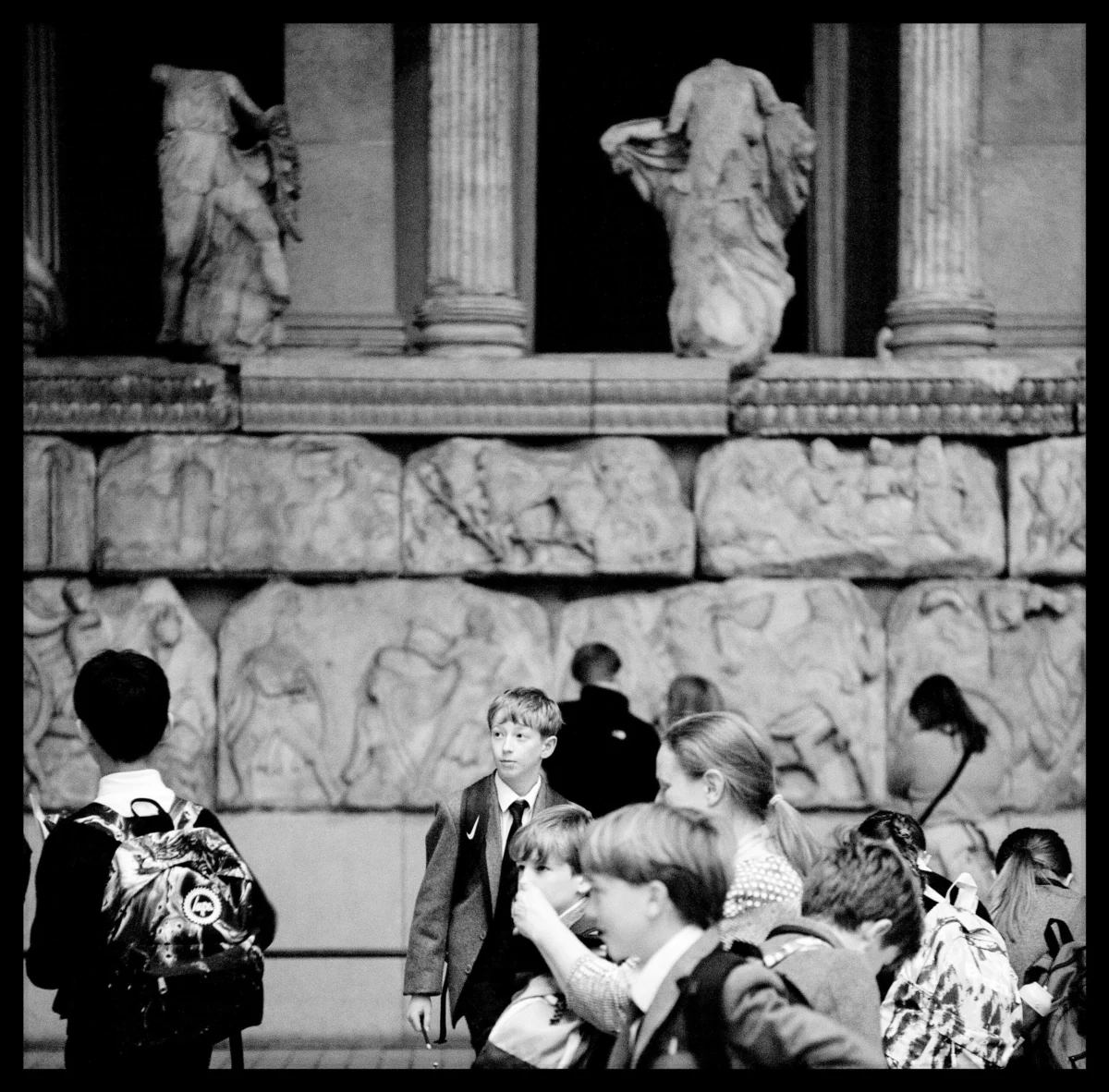
The transition from high-end digital video production to the constraints of a 35mm point-and-shoot camera, such as the Kodak Snapic A1, highlights a technical dichotomy. Professional videographers, who often manage complex digital sensors and data-heavy workflows, are increasingly utilizing black-and-white film stocks like Kodak Tri-X 400 for behind-the-scenes documentation and personal travel. This shift is driven by the desire for a simplified user interface and the "timeless" aesthetic provided by silver halide crystals.
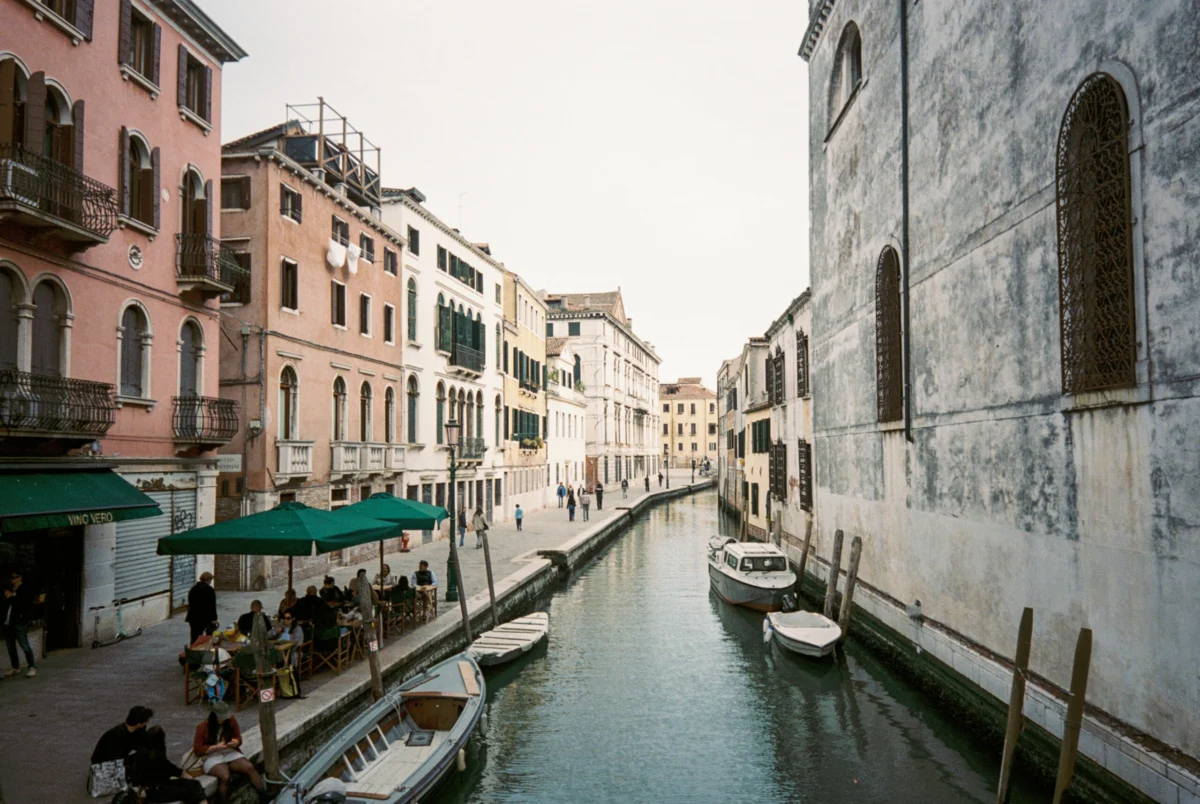
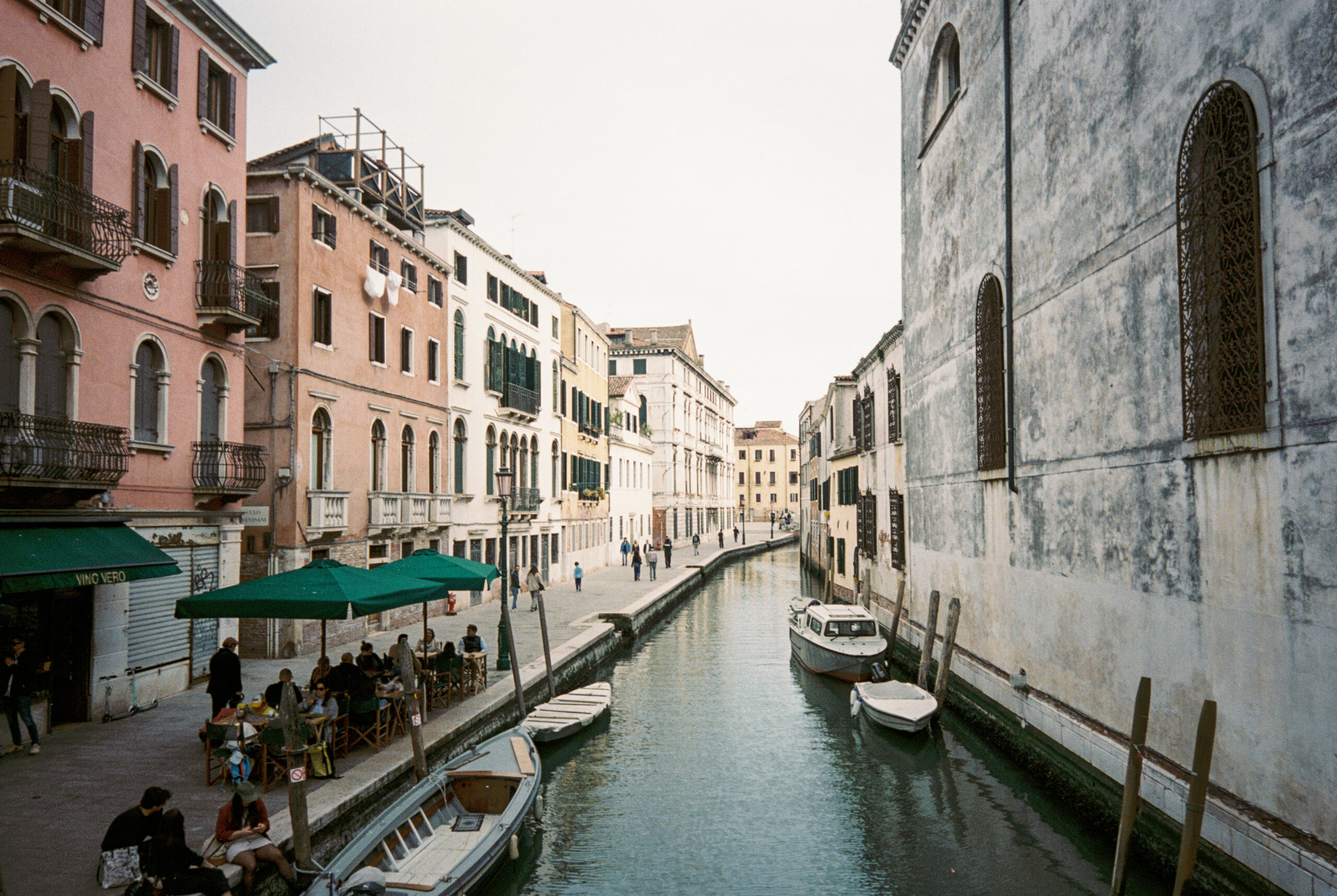
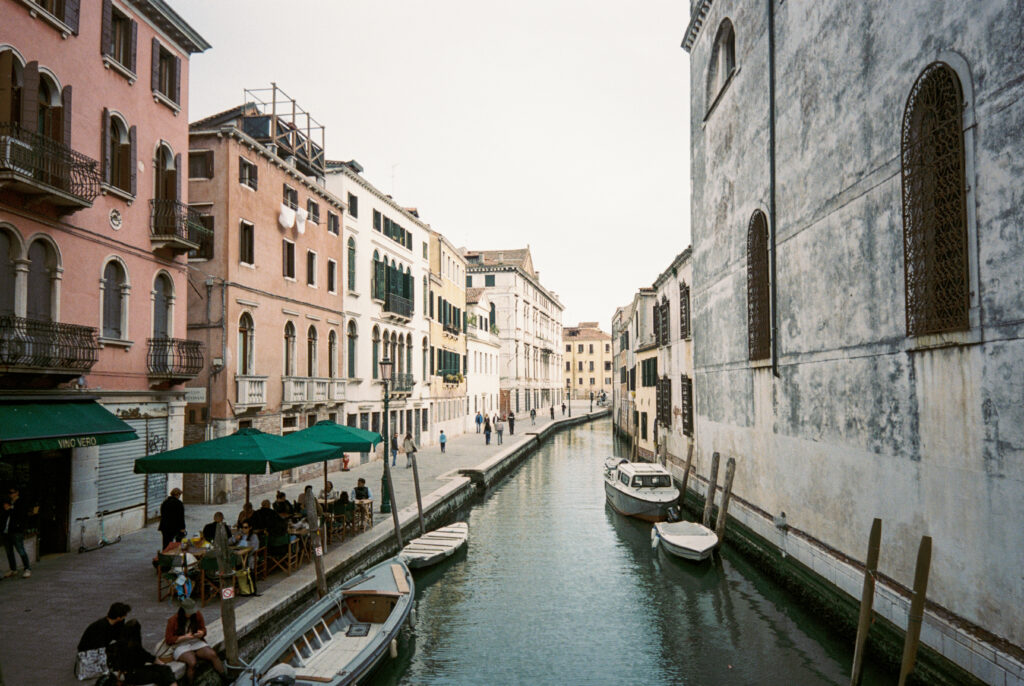
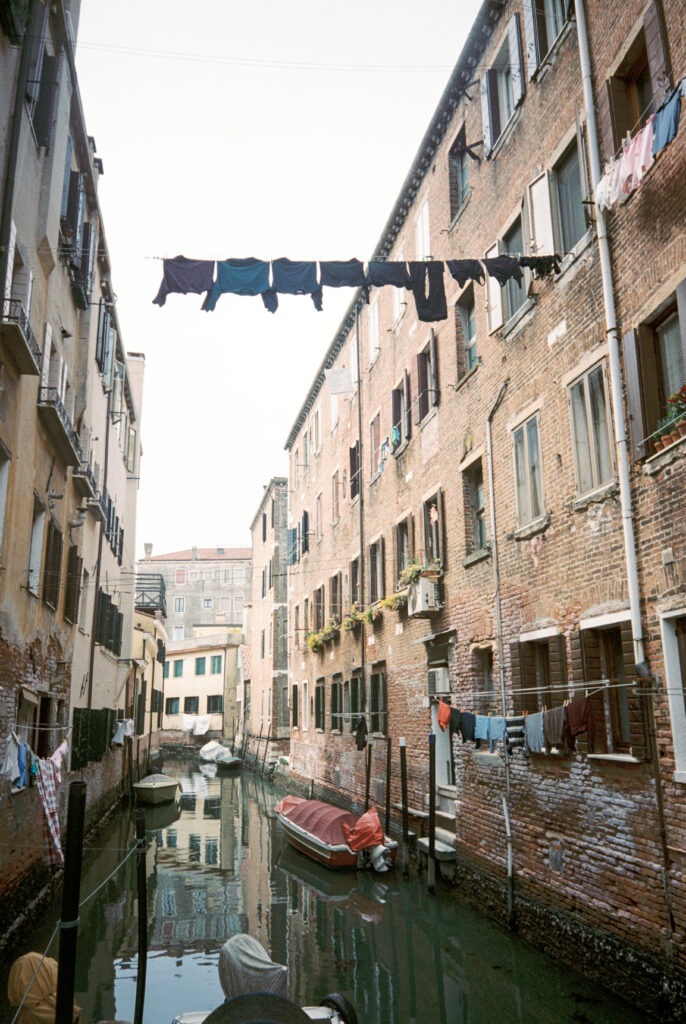
In the context of a weekend excursion to Venice, the choice of medium dictates the narrative of the journey. The initial phase of documentation often involves utilizing remaining frames on a black-and-white roll to capture high-traffic tourist landmarks. This strategic "clearing" of film allows for a subsequent transition to color stocks, such as Kodak Portra 400, which are better suited to capturing the vibrant palettes of the Venetian cityscape—specifically the murky green canal waters, the rustic hues of sun-bleached washing lines, and the high-fashion contrast found in the city’s central districts.
Chronology of Documentation: From Monochromatic Landmarks to Chromatic Realism
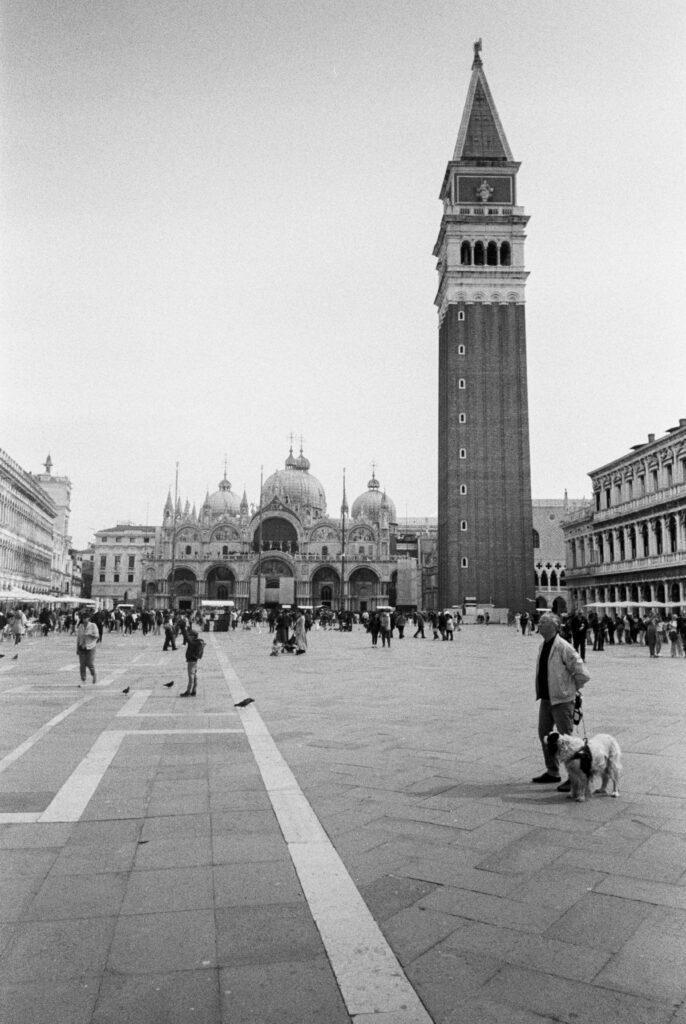
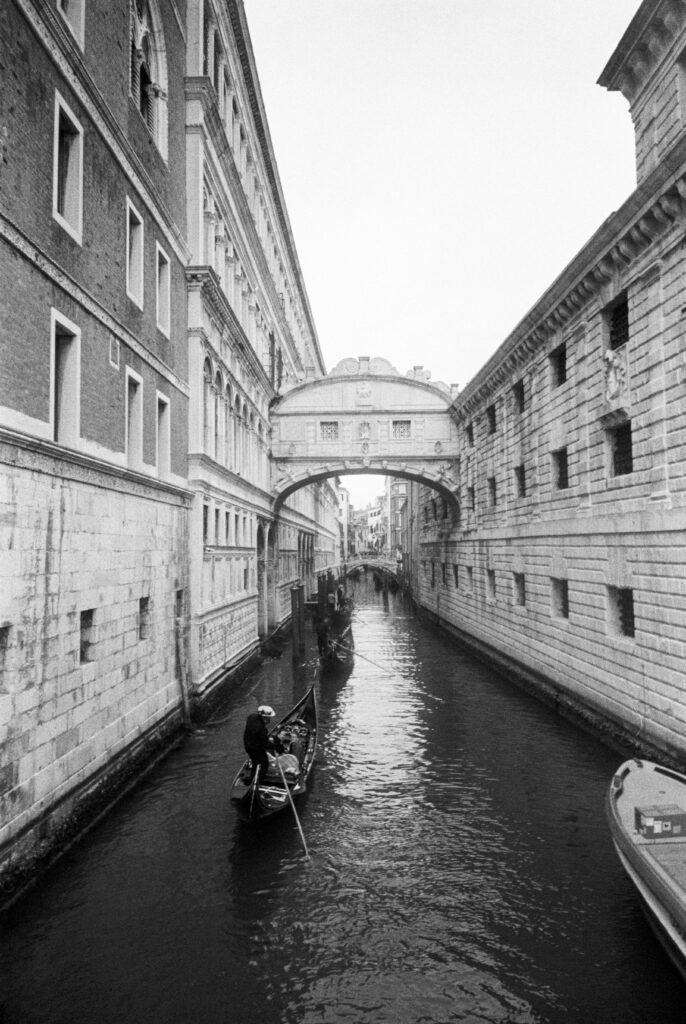
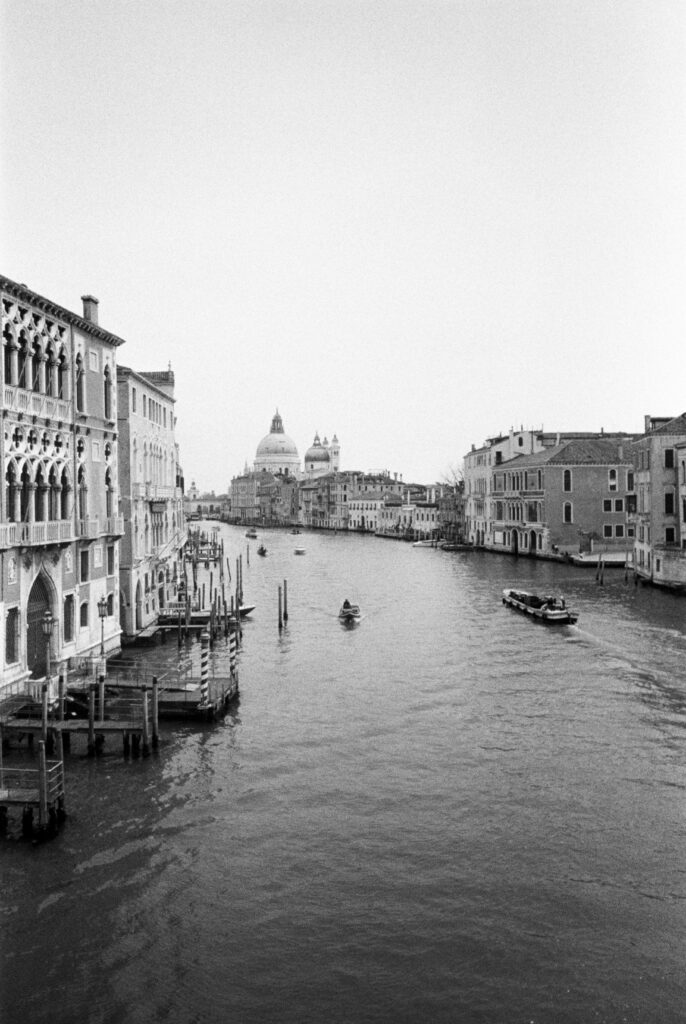
The photographic documentation of Venice typically follows a logistical timeline dictated by film availability and light conditions. The first day of observation often focuses on the "tourist essentials" captured in monochrome. Landmarks such as the Bridge of Sighs and the Piazza San Marco are frequently rendered in black and white to bypass the visual noise of modern tourist crowds and focus on the structural integrity of the Venetian Gothic style.
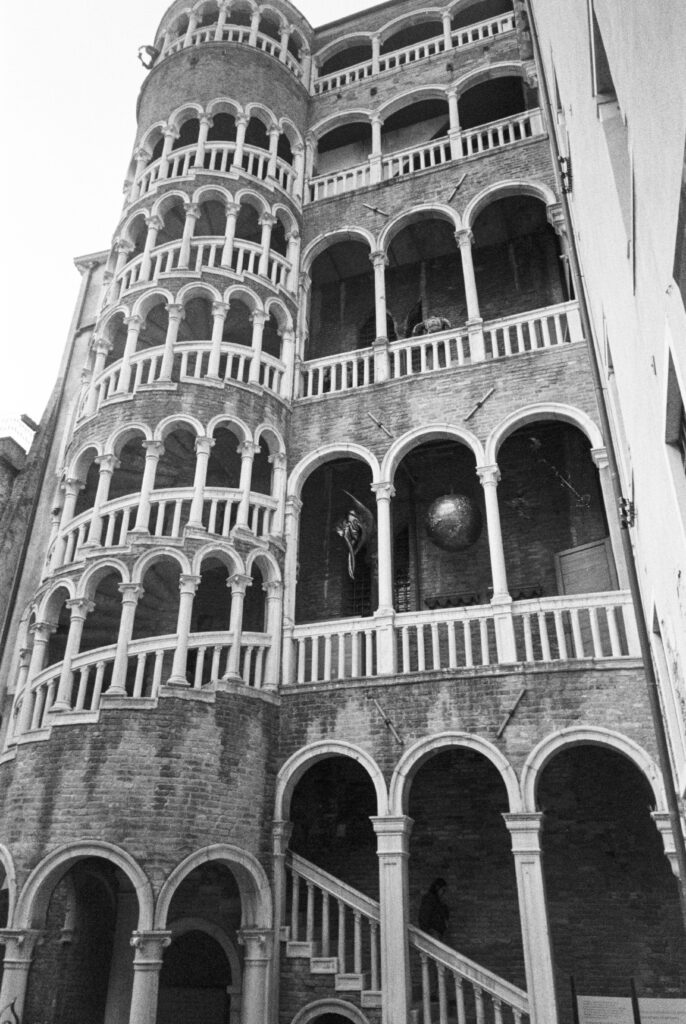
Following the depletion of monochromatic stock, the acquisition of color film becomes the primary logistical objective. In Venice, this process is complicated by extreme price inflation in the city center. While professional-grade stocks like Kodak Portra 400 are prized for their skin tones and wide latitude, their use in Venice is often a result of limited market availability rather than purely artistic preference. The second day of documentation typically shifts toward street photography, focusing on the domestic life of the city—specifically the iconic washing lines that span narrow canals—and the "reveals" of hidden architectural gems like the Palazzo Contarini del Bovolo.
Architectural Context and the "Reveal" Phenomenon in Urban Photography
Venice’s urban planning is characterized by narrow, labyrinthine streets that suddenly open into expansive squares or reveal monumental structures. This architectural "reveal" is a critical component of the visitor experience and a primary driver of photographic composition. The Palazzo Contarini del Bovolo, famous for its external multi-arched spiral staircase, exemplifies this. Accessed via narrow alleyways, the building is often photographed from an acute angle that emphasizes its verticality and rhythmic arches.
For the analog photographer, these reveals necessitate a high degree of patience and "trigger discipline." Unlike digital photography, where a user might take hundreds of photos of a single building, the film photographer must wait for the ideal light and the absence of transient obstructions. This process often involves "digital scouting"—marking locations on GPS applications and returning during the "golden hour" to ensure that each frame of expensive film is utilized effectively.
Socio-Economic Factors and the Cost of Analog Documentation
The economic landscape of film photography in major European tourist hubs has seen significant volatility. Data from retail outlets in central Venice indicates that 35mm film prices can reach as high as €30 per roll, a 200% to 300% markup over standard European market rates. This inflation is attributed to the logistical difficulties of supplying a car-free city and the high demand from tourists who arrive unprepared for the city’s photographic potential.
The prevalence of Kodak Portra 400 in recent Venetian travelogues is partially due to its status as one of the few professional stocks consistently stocked by local vendors, albeit at a premium. Market analysis suggests that the "sale" price of approximately €18 for a roll of Portra 400 in Venice represents a rare point of entry for photographers who might otherwise opt for more affordable consumer-grade stocks. This high cost of entry further reinforces the trend of "slow photography," where every shutter actuation is a calculated financial and artistic decision.
Technical Analysis of Point-and-Shoot Limitations in Heritage Environments
The use of consumer-grade hardware, such as the Kodak Snapic A1, in a professional capacity introduces specific technical challenges. These cameras typically feature fixed-focus or limited-zone-focus systems and simplified exposure meters. In the complex lighting of Venice—characterized by deep shadows in narrow calli and high-contrast reflections off the water—these cameras can struggle to maintain sharp focus and balanced exposure.
However, industry analysts note that the "imperfections" of these images—soft focus, grain, and occasional exposure shifts—are increasingly valued in the digital age. They provide a visual counterpoint to the clinical sharpness of modern smartphone sensors. The "Wes Anderson" aesthetic—characterized by symmetrical compositions and centered subjects—remains a popular trope in Venetian photography, though many contemporary practitioners are actively seeking to diversify their compositional styles to avoid the clichés of digital social media trends.
Broader Implications for the Photography Industry
The continued interest in shooting film in Venice reflects a broader global trend in the photography industry. Despite the rising costs of chemicals and base materials, film sales have seen a steady increase over the last five years. For professional videographers and digital creators, analog photography serves as a vital educational tool, forcing a deeper understanding of the relationship between ISO, aperture, and shutter speed without the immediate feedback of a digital screen.
Furthermore, the practice of "revisiting" locations based on mapped notes represents a hybrid workflow that combines modern technology with traditional media. This methodical approach to travel photography suggests a move away from the "disposable" nature of digital content toward a more archival mindset. The resulting images are not just souvenirs but curated documents of a city that is itself grappling with the pressures of modernization and environmental change.
Conclusion and Future Outlook
As Venice continues to implement measures to manage over-tourism, including entry fees and limits on large tour groups, the nature of travel documentation is likely to become even more deliberate. The "Nottingham man in his late 20s" archetype mentioned in contemporary accounts represents a demographic of creative professionals who are redefining the tourist gaze through the lens of analog technology.
The intersection of high-cost logistics, historic architectural reveals, and the technical constraints of film creates a unique set of conditions for artistic production. While the "advert copy lingo" of digital marketing continues to dominate the professional sphere, the quiet, disciplined practice of 35mm photography in the streets of Venice offers a sustainable model for meaningful engagement with global heritage sites. The future of travel photography in such environments will likely continue to balance the convenience of digital scouting with the enduring, tactile appeal of the film negative.