The resurgence of analog photography in the 21st century has presented a unique logistical challenge for enthusiasts and professionals alike: the management of a hybrid workflow that spans both physical and digital realms. As science historian James Gleick once observed, the human purpose often seems to be the curbing of entropy, a sentiment that resonates deeply within the world of film photography. Without a rigorous organizational structure, the accumulation of negatives, contact sheets, digital scans, and physical prints can quickly descend into a state of unmanageable disorder. To combat this, a systematic approach based on cross-referencing, metadata, and practical maintenance is essential for preserving photographic legacies.
The Tripartite Archival Framework
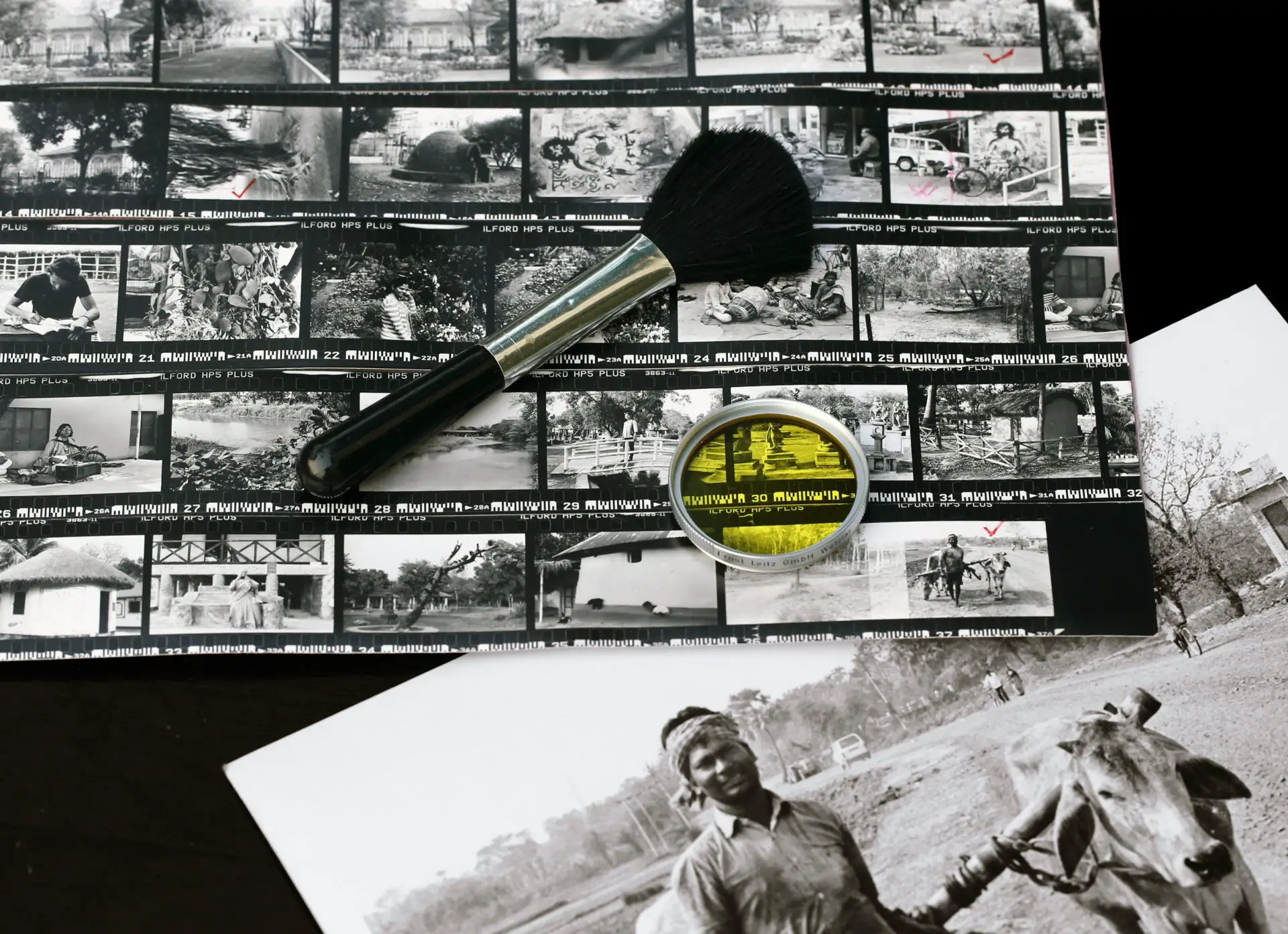
A robust film archiving system is built upon the recognition that a single photograph often exists in three distinct states: the original negative or transparency, the digital scan, and the physical print. The guiding principle of a modern archive is the ability to move seamlessly between these states. If a photographer identifies a high-quality print in an album, they must be able to locate the corresponding negative and high-resolution digital file within seconds.
This level of efficiency is achieved through three core pillars: cross-referencing, practicality, and metadata enrichment. Cross-referencing ensures that each item in one archive points to its counterpart in the others. Practicality dictates that the system must have low "friction," meaning it should not be so labor-intensive that the photographer eventually abandons it. Finally, metadata enrichment involves documenting the technical and historical context of the image, such as the year, camera, lens, and film stock used.
Digital Asset Management and the 3-2-1 Rule
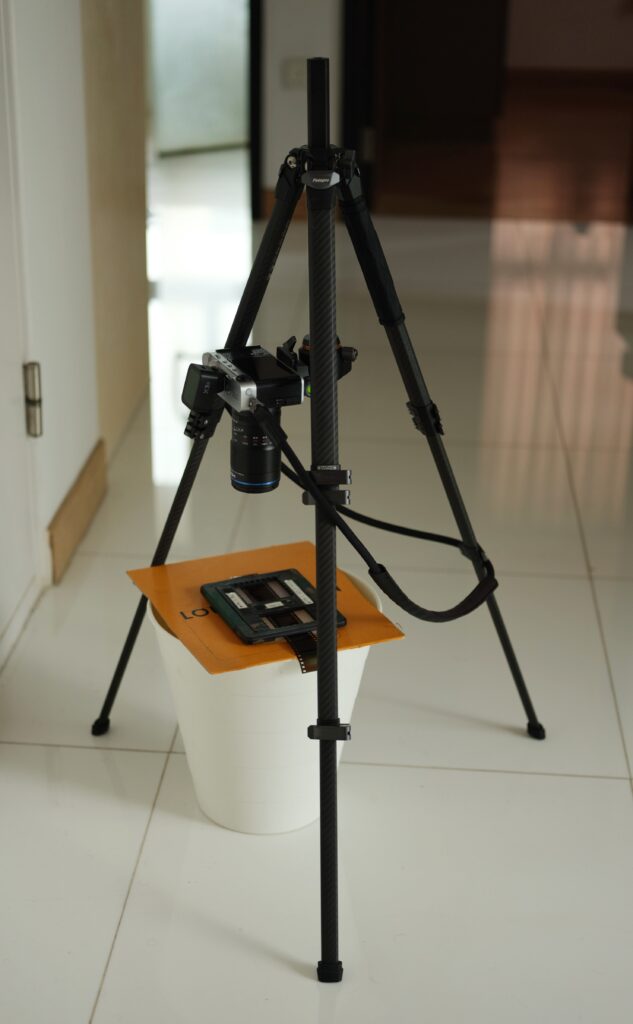
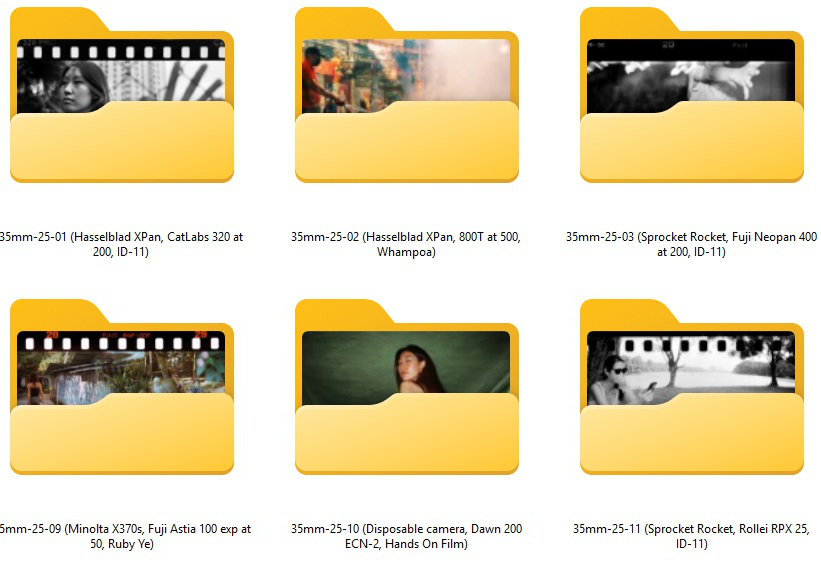
For many contemporary film photographers, the digital scan is the first point of entry into the archival process. Whether color film is processed by a commercial laboratory or black-and-white film is developed in a home darkroom, the resulting digital files require a standardized naming convention.
A highly effective naming structure follows the format: [format]-[year]-[serial] ([camera], [film], [developer/lab]). For example, a folder labeled "35mm-23-08 (Leica M3, Kodak Double-X, ID-11)" immediately informs the user that the contents are from the eighth roll of 35mm film shot in 2023, using a Leica M3 camera and Kodak Double-X film developed in ID-11.
Beyond naming, the security of these digital assets is paramount. Industry experts advocate for the "3-2-1 backup rule," a standard in digital preservation. This involves maintaining three total copies of the data, stored on two different types of media (such as an internal hard drive and an external SSD), with at least one copy stored off-site, typically in a cloud-based environment like Mega or Google Drive. This redundancy protects against hardware failure, theft, or natural disasters.
The Physical Preservation of Negatives
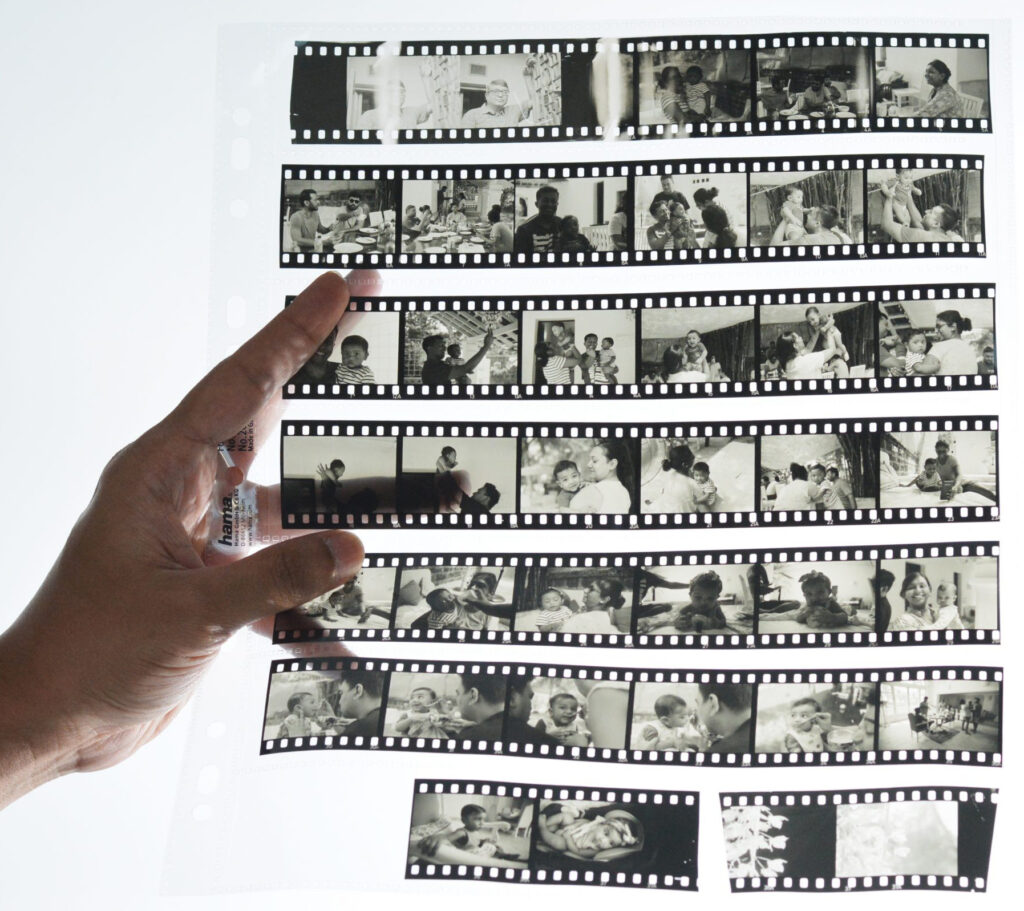
While digital scans offer convenience, the film negative remains the "master" record. Unlike digital files, which can suffer from bit rot or format obsolescence, a properly stored negative can last for over a century. To ensure this longevity, negatives must be housed in clear acetate or polyethylene sleeves, which protect the emulsion from dust, fingerprints, and environmental pollutants.
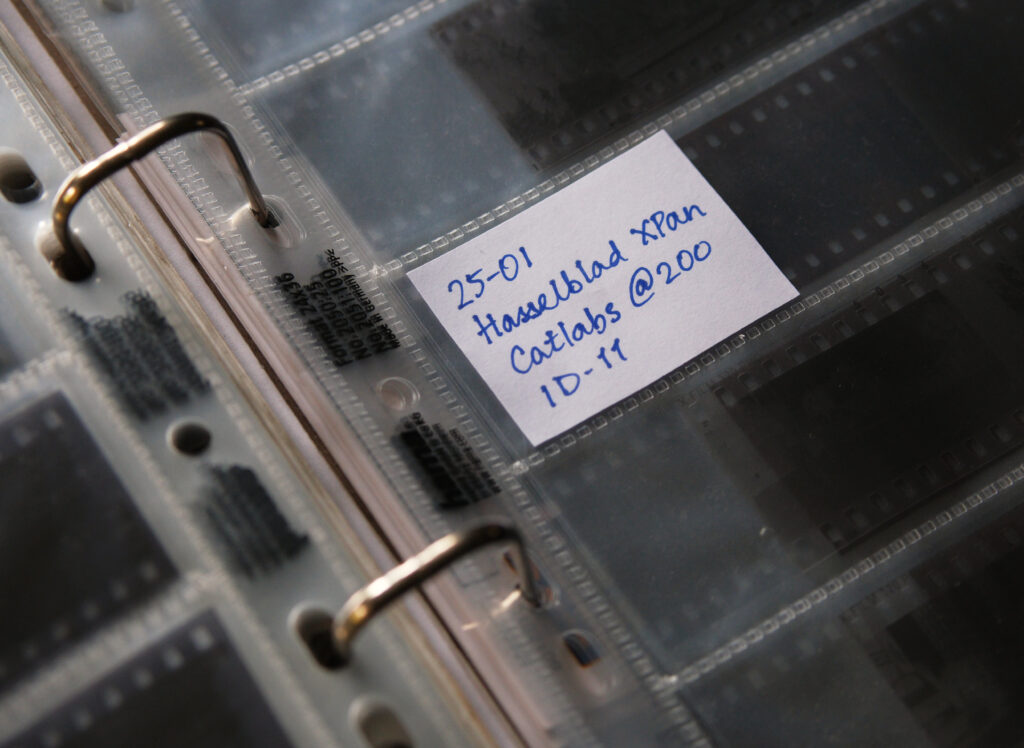
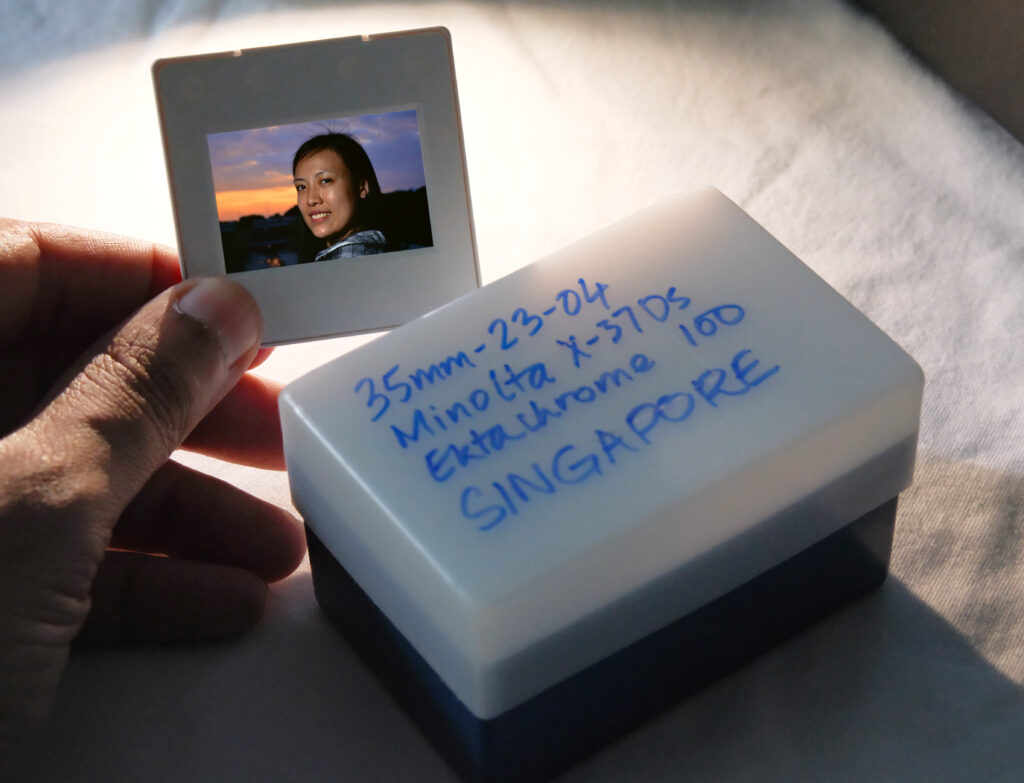
These sleeves are typically filed in binders in chronological order. Each sleeve should contain a metadata slip that mirrors the digital folder name, creating a physical link to the digital archive. For practitioners of slide photography, mounting transparencies for projection remains a popular choice, though these too must be indexed with the same rigor as negatives.
The importance of this physical archive is underscored by recent market data. Despite the dominance of digital sensors, companies like Kodak Alaris and Fujifilm have reported sustained demand for professional film stocks. In 2022, Kodak announced it was hiring 24-hour shifts to keep up with the global appetite for 35mm film, a trend driven largely by a younger demographic seeking the tactile permanence that film provides.
The Darkroom and the Art of the Physical Print
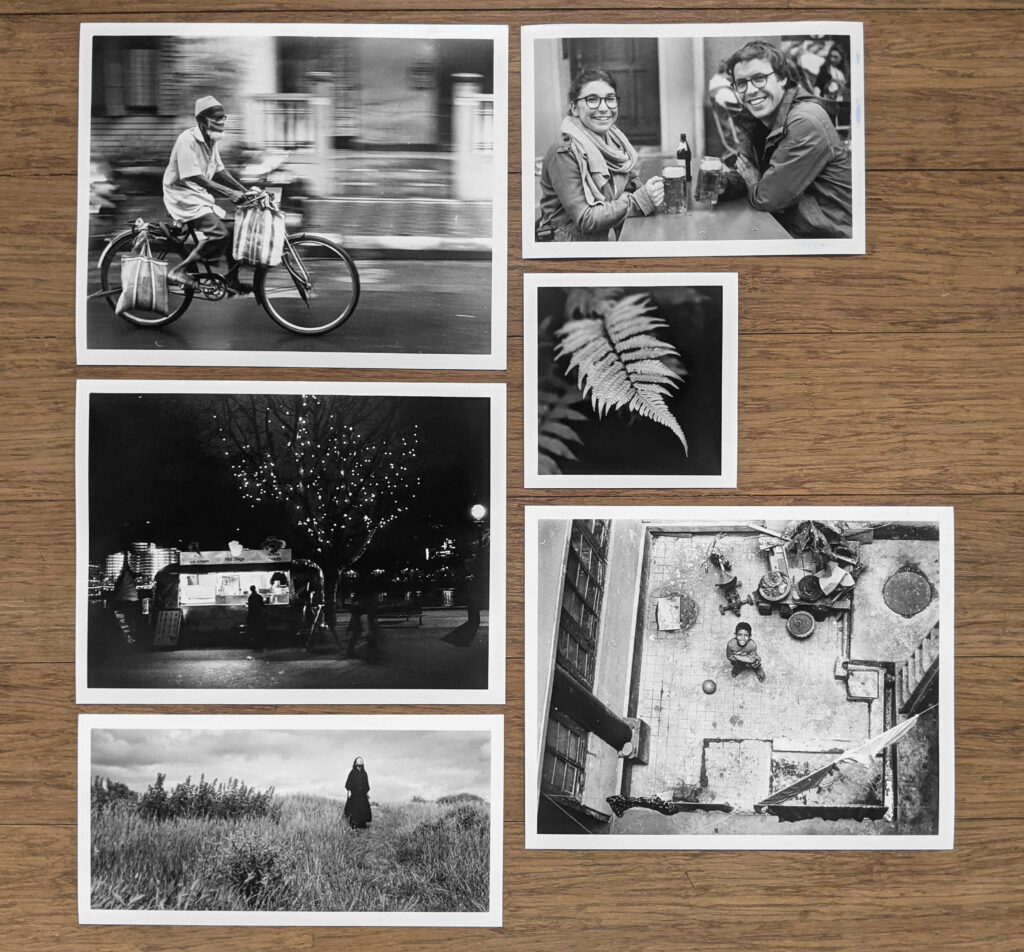
The final stage of the analog workflow is the creation of physical prints. While many photographers store prints in boxes, archival experts suggest that photo albums are a superior medium for both preservation and engagement. Albums provide a structured narrative and protect prints from the mechanical wear of frequent handling.
In a sophisticated archival system, the print album serves as a repository for both the final image and the technical data behind it. A "dual-page" approach is often employed:
- The Public Facing Page: Displays the final print alongside a simple caption, location, and date.
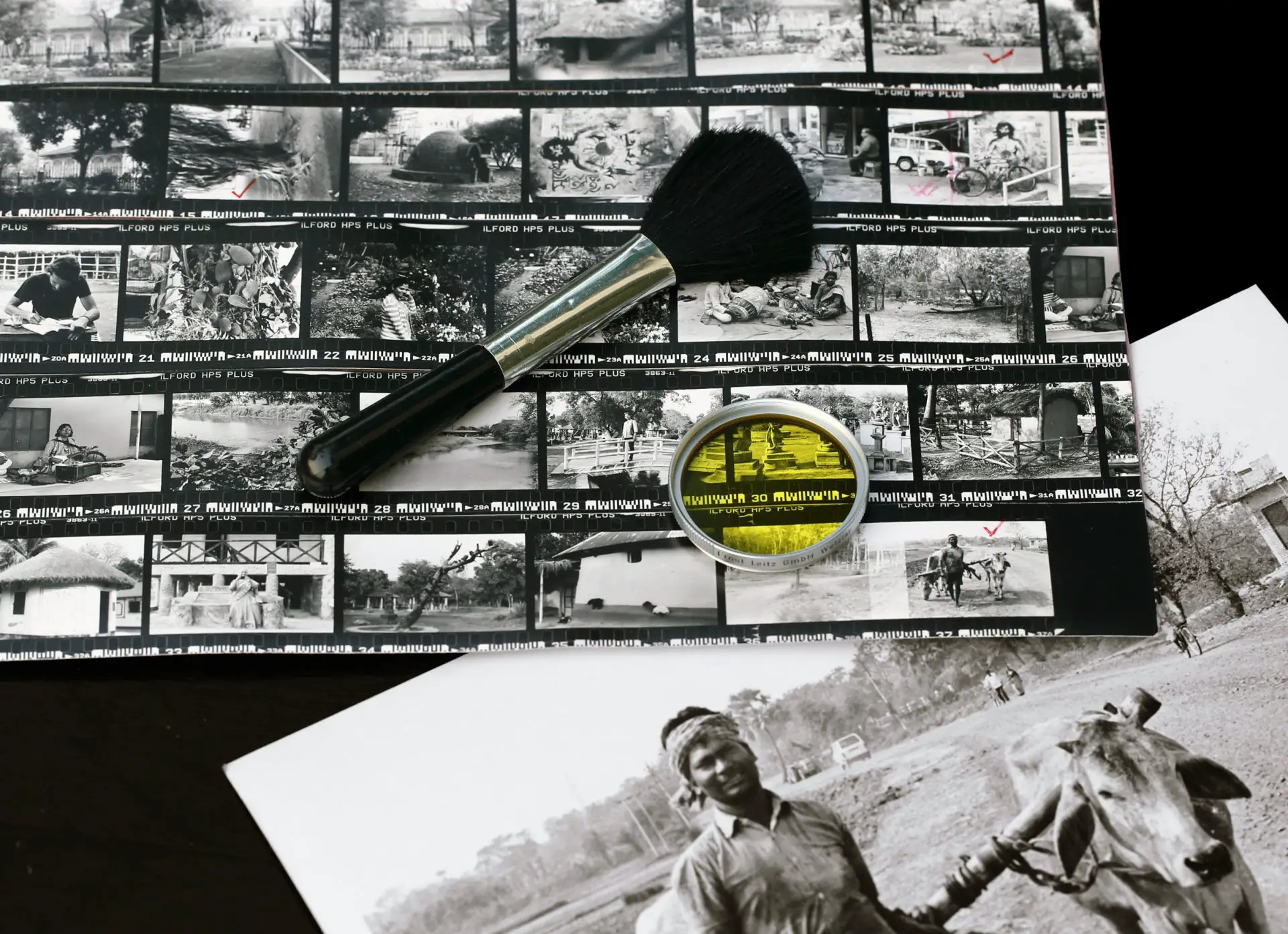
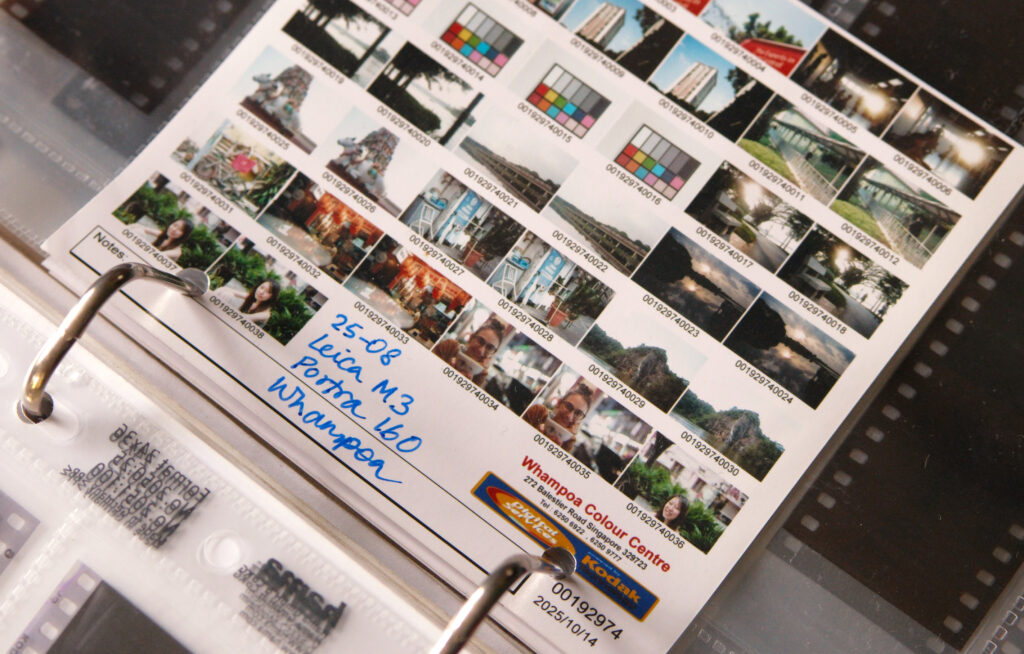
- The Technical Reference Page: Contains the "nerd" data, including the lens used, a mini contact sheet showing the frames immediately preceding and following the shot, and the original test strip.
The inclusion of a "proper proof" or contact sheet is vital for technical growth. A proper proof is printed at the minimum time required to achieve maximum black on the paper, providing an unedited look at the negative’s density and contrast. This allows the photographer to diagnose exposure errors and serves as a reference for future printing sessions.
Integrating Analog and Digital Tools
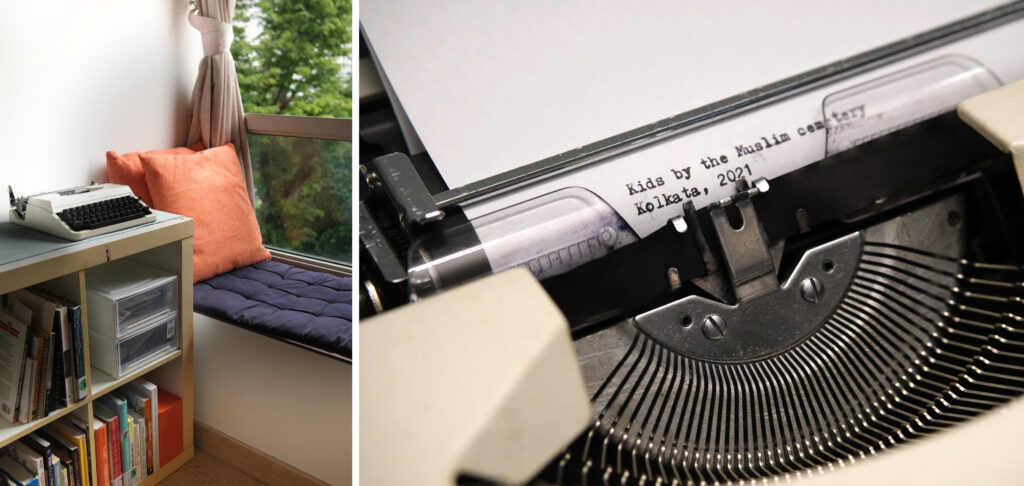
The modern archive often utilizes tools from different eras to maintain its integrity. For physical metadata, some photographers have returned to using vintage typewriters, such as the Japanese-made Royal 202, to create captions and index slips. This choice is not merely aesthetic; typewritten text on archival paper avoids the longevity issues associated with some inkjet-printed labels.
On the digital side, Asset Management (DAM) software like Excire Foto Light or Adobe Bridge allows photographers to search their film scans using AI-driven keyword recognition. For those seeking even higher levels of detail, modifying EXIF data is a common practice. Since digital scans carry the metadata of the scanner or the camera used for "digital scanning," photographers use tools like ExifTool to manually overwrite these fields with the actual film camera and film stock information. This ensures that the digital file remains a faithful representative of its analog origin.
Chronology of an Archive: From Capture to Catalog
To understand the scope of this system, one must look at the timeline of a single roll of film:
- Capture: Images are recorded on light-sensitive emulsion.
- Processing: Film is developed (at home for B&W, at a lab for color).
- Digitization: Negatives are scanned. Folders are created using the standardized naming convention.
- Digital Archiving: Files are synced to cloud storage and external drives according to the 3-2-1 rule.
- Physical Filing: Negatives are sleeved, indexed, and placed in binders.
- Printing: Selected frames are printed in the darkroom. Test strips and contact sheets are preserved.
- Final Cataloging: Prints and technical data are mounted in albums with typewritten metadata.
Broader Impact and Archival Implications
The meticulous organization of film photography has implications that extend beyond personal hobbyism. In an era where billions of digital images are uploaded to the internet daily—many of which will eventually be lost to broken links or defunct platforms—the analog archive stands as a bastion of intentionality.
Sociological studies on the "Slow Photography" movement suggest that the effort required to develop and organize film fosters a deeper emotional connection to the images. Furthermore, from a historical perspective, organized personal archives are invaluable to future researchers. The transition from the "digital dark age"—a term coined by Vint Cerf to describe the potential loss of digital history—back to physical media ensures that the visual record of the early 21st century remains accessible to future generations.
While some photographers, most notably Hamish Gill of the prominent film website 35mmc, have famously admitted to discarding negatives after scanning, the prevailing wisdom among archivists is one of "keep and codify." The system described herein represents a middle ground between chaotic accumulation and total disposal. It is a methodology that respects the chemistry of the past while utilizing the silicon of the present, ensuring that every shutter click is not just a fleeting moment, but a permanent, retrievable piece of history.