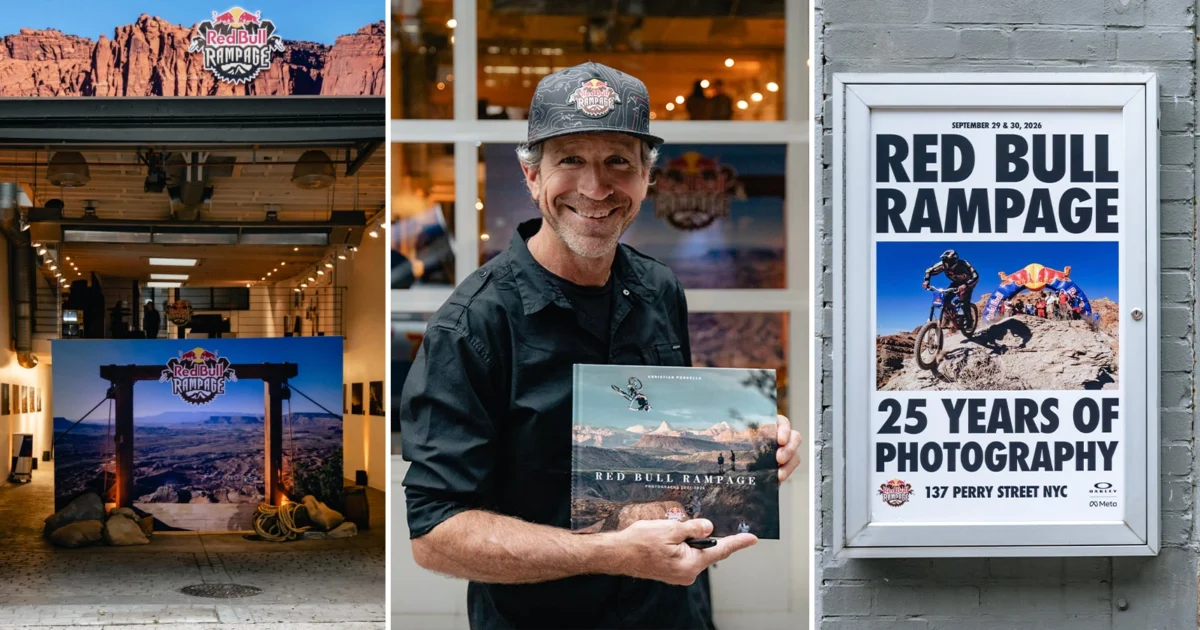
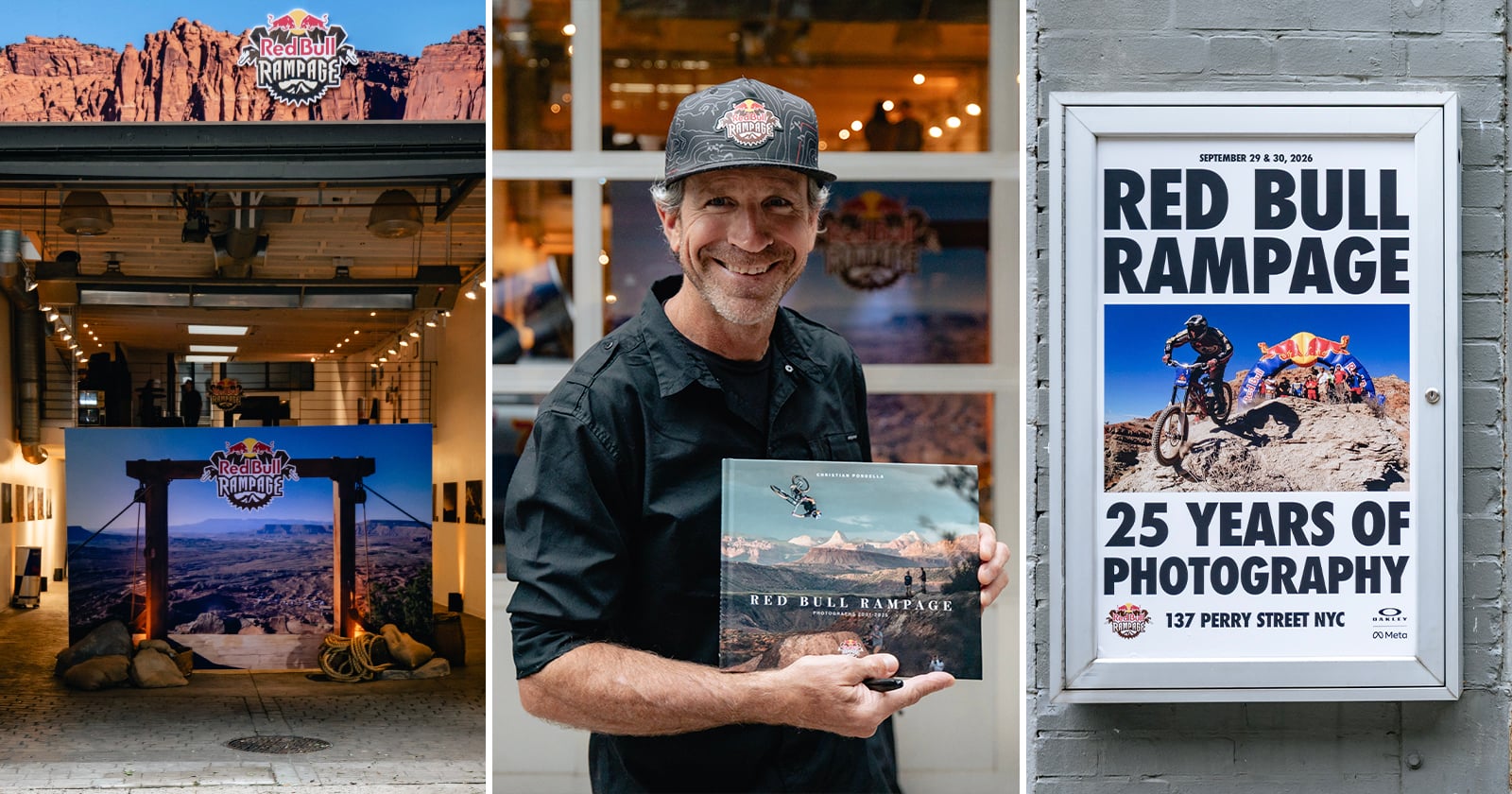
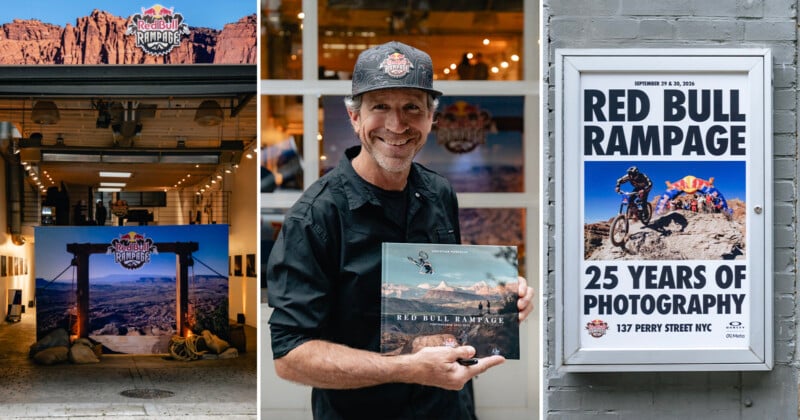
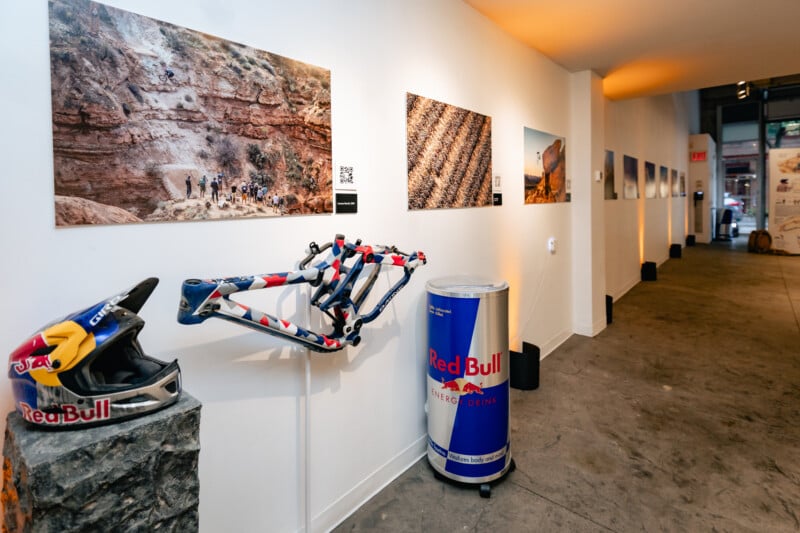
The Red Bull Rampage 25th Anniversary Photo Gallery in New York City offers a unique and profound look into one of the most demanding action sports events on the planet, shining a spotlight not just on the audacious athletes but on the equally daring photographers who capture their gravity-defying feats. For a quarter-century, Red Bull Rampage has stood as the pinnacle of freeride mountain biking, drawing the world’s elite riders to the unforgiving, towering sandstone cliffs of southwest Utah. Here, athletes carve out lines that appear almost impossible, pushing the boundaries of skill, courage, and bike technology. Yet, navigating these same treacherous landscapes, often laden with heavy camera equipment rather than bikes, is another group of intrepid individuals: the photographers whose singular vision translates the raw power and breathtaking beauty of Rampage into iconic imagery for a global audience.
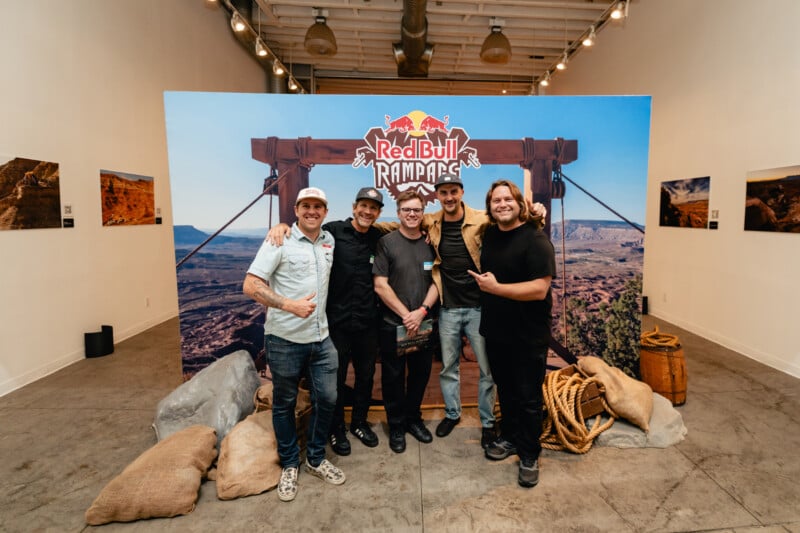
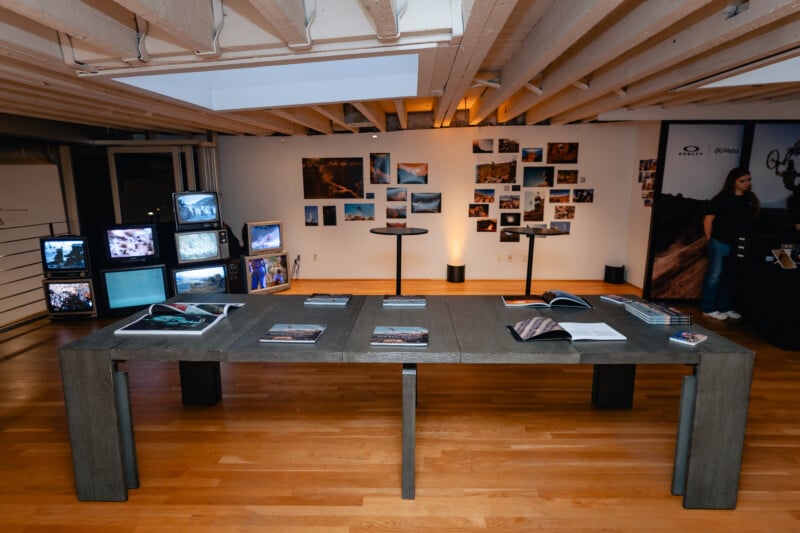
This one-day exhibition, held in New York City, serves as a poignant retrospective, bringing together a curated selection of iconic photographs from Red Bull’s dedicated photography team alongside the extensive work of legendary adventure photographer Christian Pondella. Pondella, a stalwart presence, has meticulously documented every single edition of Rampage since its inception in 2001, providing an unparalleled visual chronicle of the event’s evolution. The resulting collection offers more than just a gallery of spectacular moments; it’s a narrative arc detailing the progression of a sport, the development of photographic techniques in extreme environments, and the profound human connections that underpin this extraordinary spectacle.
The Origins and Evolution of Red Bull Rampage: A Quarter-Century of Freeride History
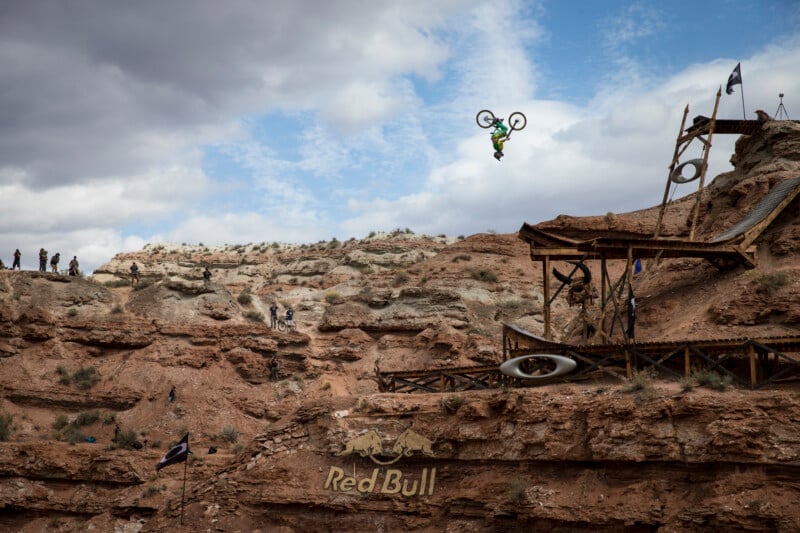
To truly appreciate the magnitude of the photographic challenge, one must first understand the event itself. Red Bull Rampage began in 2001, conceived as a raw, unfiltered freeride mountain biking competition designed to find the best all-around mountain biker. The inaugural event took place near Virgin, Utah, utilizing the area’s natural, untouched terrain as the ultimate proving ground. Unlike traditional downhill racing with pre-set courses, Rampage offered riders the freedom to choose and sculpt their own lines down massive, near-vertical cliff faces, incorporating natural features and, eventually, rider-built jumps and drops. This format immediately set it apart, emphasizing creativity, line choice, and pure big-mountain riding prowess over timed runs. The initial prize purse for the first Rampage was a modest $3,000, reflecting its nascent status, yet it quickly captured the imagination of riders and fans alike.
Over its 25-year history, Rampage has transformed from a relatively grassroots event into a highly sophisticated, globally broadcast competition. Early editions were characterized by a more minimalist approach, with riders primarily relying on the desert’s natural contours. As the sport evolved and engineering capabilities advanced, so too did the complexity of the course. Today, while still fundamentally rooted in the natural topography of the Utah desert, the course features meticulously crafted, often enormous, dirt jumps, drops, and wall rides built by athletes and their digging crews in the weeks leading up to the event. These hand-built features, blended seamlessly with the natural landscape, have continually pushed the limits of what’s possible on a mountain bike, demanding greater athleticism, technical skill, and sheer bravery from its participants. The evolution of bike technology, including advancements in suspension systems, frame geometry, and braking capabilities, has also played a critical role, enabling riders to tackle increasingly challenging lines with greater control and confidence.
The event’s enduring appeal lies in its unparalleled combination of risk, reward, and raw spectacle. It has become a crucial incubator for talent, launching the careers of numerous freeride legends and influencing mountain bike design and culture worldwide. From the early days of pioneers like Wade Simmons and Robbie Bourdon to contemporary titans like Brandon Semenuk and Kelly McGarry, Rampage has consistently showcased the vanguard of the sport, becoming a true benchmark for extreme mountain biking. The 25th anniversary marks not just a milestone but a celebration of a legacy that has redefined gravity sports, inspiring countless individuals to pick up a bike and explore the limits of their own capabilities.
Photographing from the Edge: The Extreme Demands on Action Sports Photographers
For the photographers tasked with documenting Red Bull Rampage, the challenges are as formidable as those faced by the athletes. This is not merely about finding a convenient vantage point and zooming in; it is an expedition in itself. The very terrain that makes Rampage so iconic and challenging for riders – the steep, exposed, and unpredictable sandstone cliffs – presents an equally arduous environment for photographers. The southwest Utah desert, with its extreme temperatures, loose rock, and remote access, amplifies these difficulties, often requiring extensive hiking and climbing just to reach a suitable position.
Consider the logistics: these professionals must ascend and position themselves on precarious sections of the landscape, often carrying substantial amounts of specialized camera equipment. A typical kit can include multiple high-end camera bodies (often weather-sealed to protect against dust and heat), an array of lenses ranging from wide-angle (16-35mm) to super-telephoto (400-600mm), sturdy carbon-fiber tripods, external flashes or strobes, numerous batteries, high-capacity memory cards, and essential safety gear like climbing ropes, harnesses, helmets, and hydration packs. The combined weight of this gear can easily exceed 20-30 pounds, adding significant physical strain to an already demanding climb up loose scree and sheer rock faces under the intense desert sun.
Once in position, the technical demands of action sports photography become paramount. Photographers must possess an acute understanding of light, shadow, and composition in a dynamic environment. They need to anticipate the rider’s trajectory, predict their movements down complex lines, and maintain critical focus on subjects moving at high speeds against often chaotic backgrounds. The window of opportunity to capture a defining moment is frequently fleeting – a fraction of a second when an athlete executes a perfect trick, navigates a terrifying drop, or narrowly avoids disaster. There is no second chance for a missed shot in a live, high-stakes event like Rampage. Mastering techniques like pre-focusing, zone focusing, and utilizing advanced continuous autofocus modes is crucial for success.
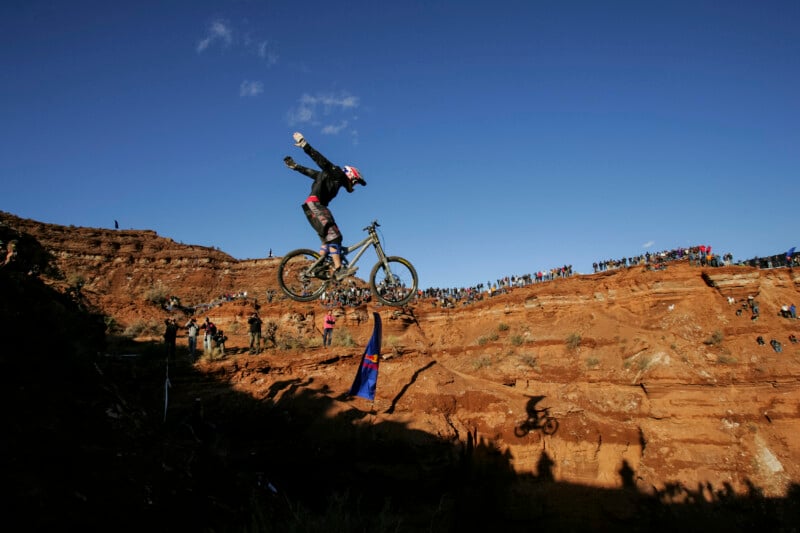
Moreover, photographers must possess a keen eye for scale. The raw power of Rampage is its grandiosity – the sheer size of the cliffs and the minuscule appearance of a human on a bike against such a vast backdrop. A successful Rampage photograph must communicate this immense scale, while simultaneously highlighting the athlete’s precision and control. This often means finding a perspective that allows the cliffs to feel enormous, yet ensures the rider is prominently featured, giving them "somewhere to go within the frame" to convey momentum and drama. The ultimate goal is to create an image that transcends a simple record, making viewers feel a visceral connection, as if "standing on the mountain with the photographer." This profound level of immersion is the hallmark of truly exceptional action sports photography.
Behind every seemingly effortless image lies an immense amount of planning, physical exertion, technical mastery, and, crucially, trust. Trust between the athlete and the photographer, who must often position themselves in close proximity to a rider’s line for maximum impact, and trust among the event crew who ensure safe working areas. This intricate dance of collaboration underscores the entire Rampage operation, extending far beyond the riders themselves.
Christian Pondella: A Quarter-Century Behind the Lens
At the heart of the Red Bull Rampage photographic legacy is Christian Pondella, a name synonymous with adventure sports imagery. His journey with Rampage began in 2001, and he holds the unique distinction of having photographed every single edition of the event since its inception. This longevity has not only allowed him to build an unparalleled archive of over 50,000 Rampage images but has also granted him a singular perspective on the twin evolutions of the sport and the craft of action photography. His vast collection offers an invaluable historical record, tracing the aesthetic and technical progression of both the event and the medium.
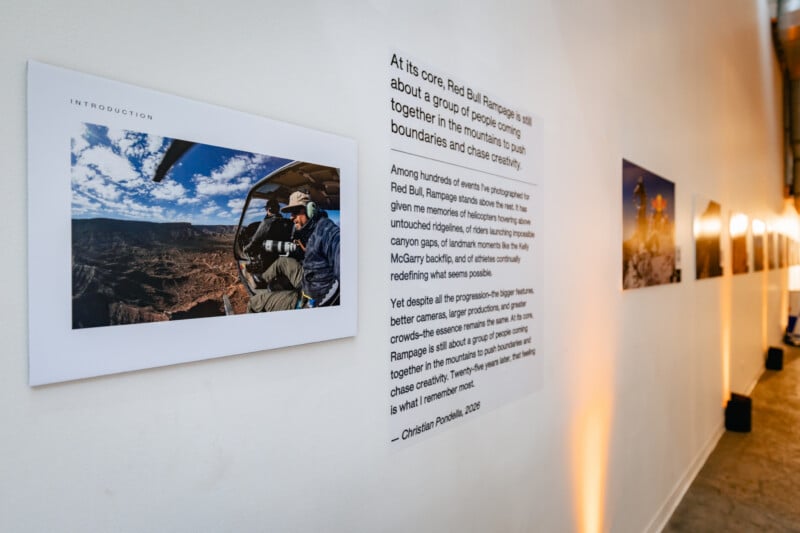
Pondella’s ability to capture the essence of Rampage stems from his deep personal connection to the world he photographs. An accomplished climber, skier, cyclist, and adventure athlete in his own right, he possesses an intrinsic understanding of the terrain, the risks, and the mindset of the athletes. This firsthand experience allows him to anticipate movement, identify optimal vantage points, and intuitively grasp the critical moments that define a run. He doesn’t just observe; he empathizes with the experience, translating that understanding into his visual narratives. This unique blend of athletic background and photographic skill sets him apart, allowing him to navigate dangerous environments with the same confidence as the riders.
His career trajectory mirrors the technological advancements in photography. From the early days of film cameras and slower autofocus systems, Pondella has adapted to the rapid evolution of digital photography. He has embraced improvements in sensor technology, dynamic range, burst rates (often capturing 10-20 frames per second), and lens optics, continually refining his approach to capture ever more dramatic and technically perfect images. This adaptation is evident in his portfolio, which shows a progression from raw, gritty early images to the high-fidelity, dynamic shots characteristic of modern action sports photography, often leveraging remote triggers and advanced lighting setups for creative effects.
Beyond Rampage, Pondella’s work graces the pages of prestigious publications such as National Geographic, Sports Illustrated, Outside, and Men’s Journal. His commercial portfolio includes campaigns for global brands like Red Bull, Patagonia, Oakley, and Yeti. This blend of editorial storytelling and commercial precision has honed his intimate approach to documenting individuals pushing the boundaries of human potential. His photographs don’t just show what happened; they evoke the feeling of being there, immersed in the moment, making him a pivotal figure in the visual narrative of extreme sports.
Despite the technical marvels of modern equipment and the ever-increasing complexity of the Rampage course, Pondella consistently emphasizes the human element as his favorite aspect of the event. "Yes, it’s definitely a team, from the amazing athletes to the crew and then photographers working together to put it all together," he reflected. "Every year that I go back it’s like I’m seeing family again." This sentiment underscores the powerful sense of community that has blossomed around Rampage, transforming a high-stakes competition into an annual reunion of kindred spirits united by a shared passion for extreme sports.
The Collaborative Spirit: More Than Just Individual Feats
Christian Pondella is not alone in this perspective. Paris Gore, another distinguished photographer whose work is featured in the 25th-anniversary exhibition, echoes this sentiment. When asked what makes photographing Rampage special, particularly as the event commemorates its 25th year, Gore stated, "When I think about Red Bull Rampage it’s definitely the people that bring it all together for me. I look forward to it every year." Gore, known for his dynamic and artful compositions, also highlights the camaraderie among the creative teams.
This focus on people and community might seem counterintuitive for an event defined by monumental jumps, terrifying cliffs, and individual athletic prowess. However, for the photographers, athletes, and support crews who return year after year, Rampage transcends mere competition. It is a crucible where enduring bonds are forged through shared risk, mutual respect, and collaborative effort. The weeks leading up to the event see riders and their dig crews working tirelessly to sculpt their lines, a process that inherently fosters teamwork. Photographers integrate themselves into this environment, building rapport and understanding the nuances of each rider’s approach.
Every dramatic photograph that captures a rider mid-air or navigating a treacherous line is, in essence, a testament to this collaborative spirit. It might involve an athlete trusting a photographer to be positioned perilously close to their descent line, relying on the photographer’s professionalism and safety awareness. It often involves a crew member meticulously ensuring a safe working area for the camera team, clearing debris or securing ropes. Furthermore, multiple photographers frequently coordinate their positions, sometimes communicating via two-way radios, to cover different angles of a single, crucial run, ensuring comprehensive visual documentation. This intricate choreography, often unseen by the public, is fundamental to creating the visually stunning spectacle that defines Red Bull Rampage. The photographers are not just observers; they are integral participants in the creation of the event’s narrative and its enduring visual legacy.
The 25th Anniversary Exhibition: A Deeper Dive into the Visual Storytelling
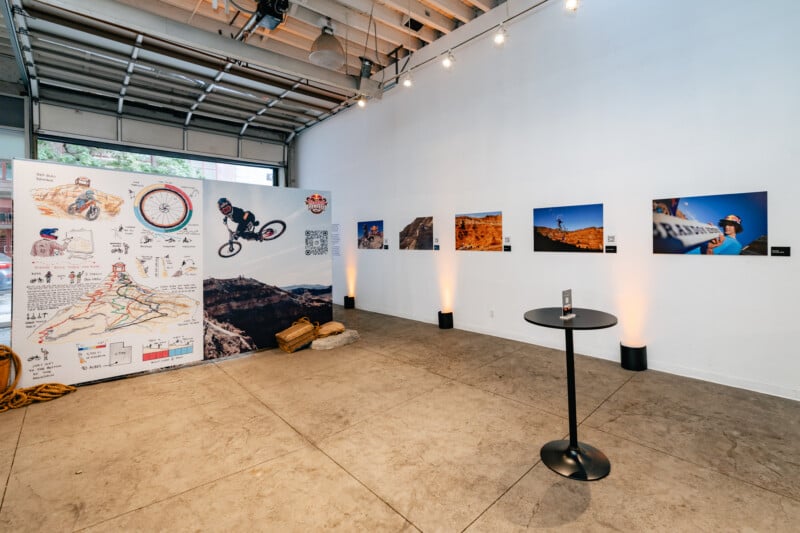
The New York City anniversary exhibition is more than just a collection of great photos; it’s an educational journey. It invites viewers to move beyond the superficial thrill of extreme sports and to appreciate the intricate process of documenting such events. By showcasing the evolution of Rampage through the lens of its photographers, the exhibition highlights how the visual storytelling has adapted and grown alongside the sport itself. It provides context to the breathtaking images, explaining the technical and physical feats required to produce them.
The images on display are carefully selected to demonstrate the complex artistry involved in translating an extreme, three-dimensional environment into a compelling two-dimensional photograph. They illustrate how photographers meticulously craft compositions that convey scale, speed, danger, and the sheer athleticism of the riders. For aspiring photographers, it offers invaluable lessons in anticipating action, mastering light in challenging conditions, and using environmental elements to enhance the narrative power of an image. The best pieces evoke a sense of vertigo, making the viewer feel the height of the drops and the speed of the descent, effectively transporting them to the raw, rugged landscapes of Utah. The exhibition also provides insights into the post-production process, from color grading to sharpening, that refines these raw captures into polished, publication-ready masterpieces.
This exhibition serves as a powerful reminder that the spectacle of Red Bull Rampage is a multifaceted production. While the athletes are undeniably the stars, their incredible feats would remain confined to the Utah desert without the unwavering dedication, skill, and courage of the photographers. It underscores the notion that the breathtaking photographs we consume are not merely records of an event; they are interpretations, imbued with the photographer’s perspective, technical prowess, and sometimes, their own personal risk. The gallery experience offers a rare opportunity to pause, reflect, and truly appreciate the profound effort behind each iconic frame.
Red Bull Rampage Returns for Its 25th Anniversary: A Glimpse into the Future
The celebration of Red Bull Rampage’s 25th anniversary is not confined to the photographic exhibition; it culminates with the actual competition returning to southwest Utah this October. The 2026 event promises significant evolution, notably adopting a groundbreaking two-day format. This structural change will see the women’s competition held on Thursday, October 8, followed by the men’s competition on Saturday, October 10. This expansion is a testament to the growth and increasing diversity within the freeride community.
This dedicated two-day format represents a major step forward for the sport, particularly for women’s freeride mountain biking. Historically, women’s freeride has gained significant traction, with events like Red Bull Formation (a women-focused freeride progression session launched in 2019) paving the way. The inclusion of a standalone women’s competition at Rampage not only elevates the profile of female athletes but also ensures that their incredible talent and courage receive the dedicated platform they deserve, further cementing Red Bull’s commitment to inclusivity and progression in extreme sports. This