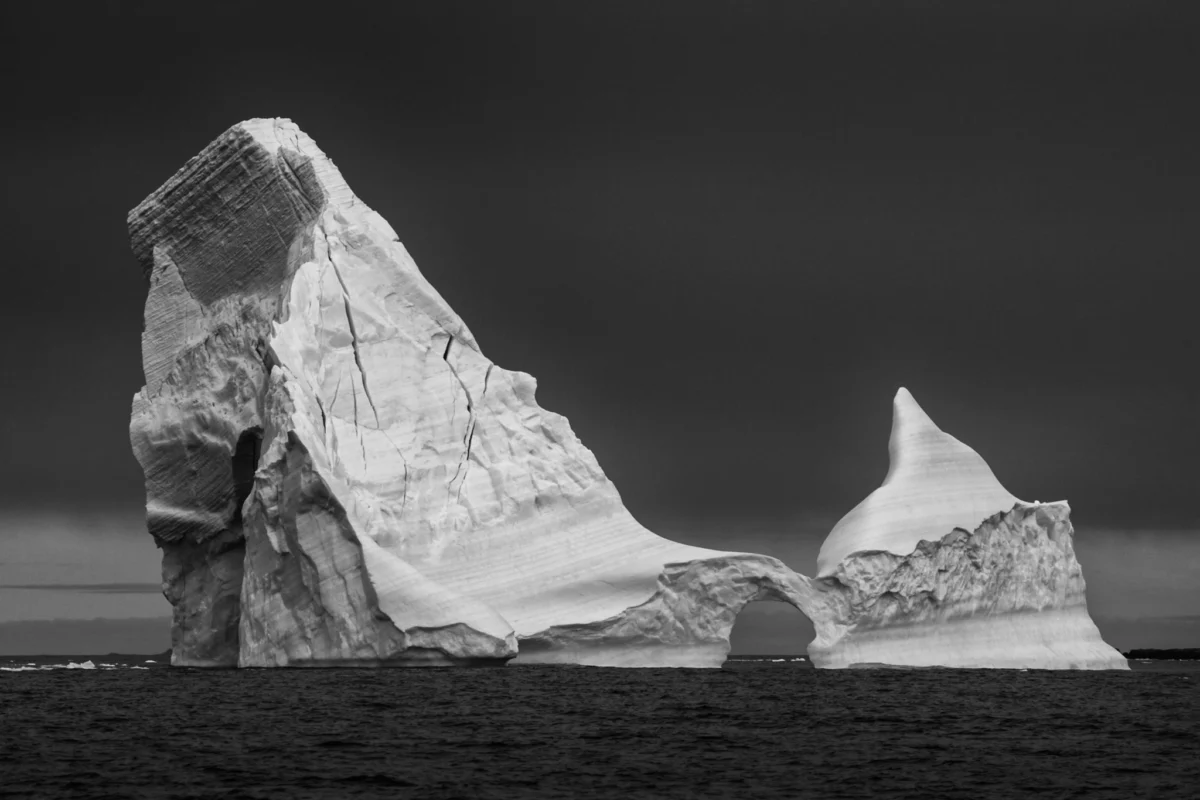
When my parents chose to move our small family from Saskatchewan to the remote Arctic and undertake the biggest adventure of our lives, we had to let go of certain comforts. Both my mother and father came from farming families and inherited the unyielding work ethic that serves as the backbone of Canada’s heartland. Still, we found joy in the simple pleasures afforded by society—easy access to family, mild summer evenings, and the predictable cycles of the seasons. Uprooting to the Arctic meant trading the familiar for the unknown, but I quickly found that the benefits of living closer to nature far exceeded what we left behind.
Since those early years, the best gifts in my life have always come from nature. After becoming a photographer, I used my camera to get closer to our wild kin. Wolves, penguins, lynx, sharks, and even the more elusive animals like spirit bears all became subjects of my lens. In my eyes, there is no greater privilege than living each day on a planet overflowing with more species and beauty than we could ever fully grasp. Of all the encounters I have shared with wildlife around the world, my experiences with whales, the true giants of Earth, have been some of the greatest gifts.
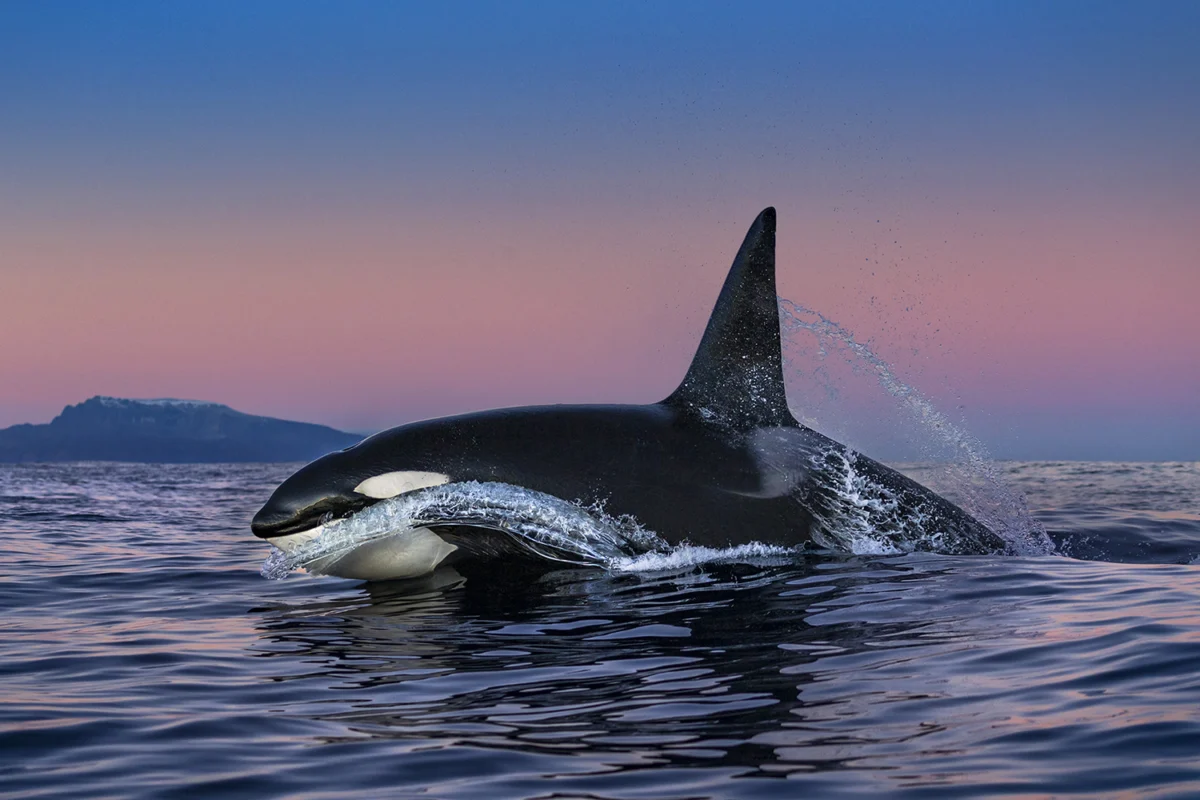
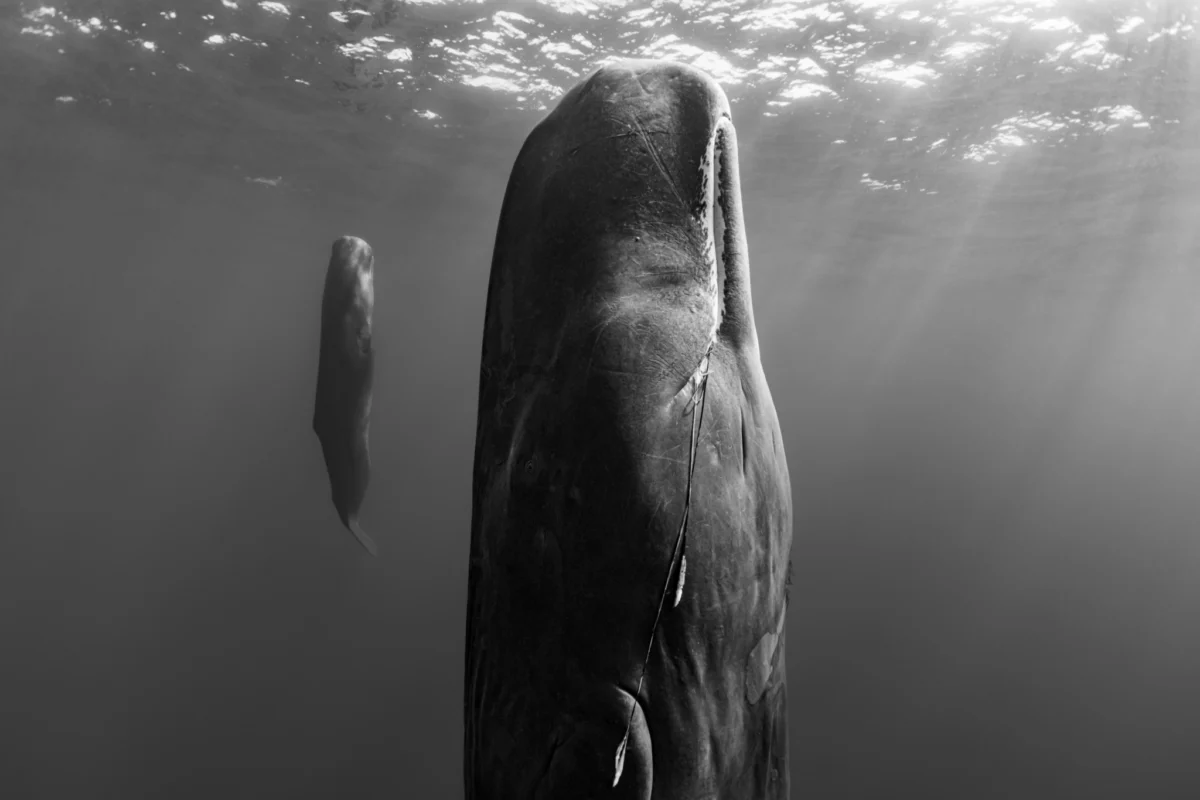
Like the Arctic wildlife I grew up with, such as wolves and polar bears, creatures like orcas and sperm whales inspire a mix of fear and awe in people. Despite their size and status as some of the ocean’s greatest hunters, there is no definitive record of orcas or sperm whales ever killing anyone. In fact, my own experiences have revealed their gentle nature and deep intelligence—a side that often goes unnoticed beneath the myths and misconceptions. Sperm whales, in particular, have garnered a reputation fueled in part by works of fiction, stories, and legends. Of all my encounters with whales, however, swimming with a pod off the coast of Dominica proved to be one of the most wholesome and eye-opening experiences of my life. Free-diving with a snorkel, I was able to get fairly close to a group dozing vertically in the water column. Sperm whales spend most of their time deep below the surface until they finally come up to breathe and rest, suspended with their heads pointed skyward.
The Unexpected Encounter: A Calf’s Curiosity
The shoot was going well, with the matriarch and her group fully aware and comfortable with my presence. However, as I drifted up to catch my breath, I suddenly caught the attention of the youngest member in the group—a little calf affectionately dubbed “Ariel” by locals. Evidently bored from napping with her mom, Ariel made a beeline straight for me, and I suddenly found myself staring down a 20-foot baby whale charging at full speed. I braced myself as she opened her thankfully toothless mouth, and the next thing I knew, she was happily gumming my camera housing like an overgrown toddler. Years of experience around large, unpredictable wildlife allowed me to calmly backtrack until I could take a breath. Far from the sea monster that haunted Captain Ahab and his crew, Ariel was a bubbly, curious, and surprisingly gentle little whale.
This specific encounter, occurring during a photographic expedition in December 2019 off the coast of Dominica, highlights a broader behavioral pattern observed in young cetaceans. While larger sperm whales are known for their deep-diving capabilities, spending up to 90 minutes submerged in search of prey like giant squid, calves often exhibit more playful and inquisitive behavior when they surface. Their playful interactions, though seemingly innocent, can present risks due to their immense size and power.
The Science of Sperm Whale Behavior
Sperm whales (Physeter macrocephalus) are the largest toothed whales and the deepest diving mammals on Earth. Adult males can reach lengths of up to 60 feet and weigh over 40 tons, while females are smaller, typically around 40 feet long and weighing up to 20 tons. Their iconic square heads house the spermaceti organ, a large cavity filled with a waxy substance believed to play a role in echolocation and buoyancy.
Despite their formidable appearance and predatory prowess, the lack of documented fatal attacks on humans by sperm whales is a consistent finding across scientific literature. Studies on whale behavior, such as those conducted by the International Whaling Commission (IWC) and various marine mammal research institutions, consistently categorize sperm whale interactions with humans as non-aggressive, often characterized by curiosity or avoidance. The perception of these animals as inherently dangerous is largely a product of fictional portrayals, most notably Herman Melville’s “Moby Dick,” which has shaped public imagination for generations.

Dominica: A Hub for Marine Life Encounters
Dominica, often referred to as the “Nature Island of the Caribbean,” is renowned for its rich biodiversity and thriving marine ecosystems. The waters surrounding the island are a critical habitat for various whale species, including sperm whales, humpback whales, and pilot whales. The island’s commitment to ecotourism and marine conservation has fostered an environment where responsible wildlife viewing is paramount.
The sperm whale population in the Caribbean, particularly in areas like the waters off Dominica, is a resident group, meaning they do not undertake long migratory journeys. This allows for more consistent opportunities for observation and research. The Dominica Sperm Whale Project, an initiative focused on studying and protecting these magnificent creatures, has been instrumental in documenting their behavior and advocating for their conservation. Their work provides invaluable data on social structures, feeding patterns, and reproductive cycles, contributing to a deeper understanding of these elusive marine mammals.
The Photographer’s Perspective: Bridging the Gap
The photographer’s journey from the stark beauty of the Arctic to the vibrant waters of Dominica underscores a lifelong dedication to capturing the essence of the natural world. His early experiences with Arctic fauna—wolves, polar bears, and lynx—instilled a profound respect for the resilience and adaptability of life in extreme environments. This foundation of respect and understanding then translated to his work with marine life, seeking to demystify creatures often shrouded in myth.
His photography serves as a powerful medium for conservation, aiming to foster empathy and connection between humans and wildlife. By showcasing the gentle intelligence of animals like Ariel, he challenges preconceived notions and highlights the intrinsic value of each species. The image of Ariel playfully interacting with the camera housing, captured during this Dominica expedition, has become a potent symbol of this approach, illustrating that even the largest and most powerful creatures possess a playful and curious nature.
Broader Implications for Conservation and Public Perception
The documented gentleness and intelligence of species like sperm whales have significant implications for marine conservation efforts. Dispelling myths and fostering a sense of wonder and respect can translate into greater public support for protective legislation and sustainable practices. As human activities, including shipping, fishing, and offshore drilling, increasingly encroach upon marine habitats, understanding and appreciating the complex lives of these animals becomes crucial.
The International Union for Conservation of Nature (IUCN) Red List classifies the sperm whale as Endangered. Threats include entanglement in fishing gear, ship strikes, pollution (particularly plastic debris), and the impacts of climate change on prey availability. Educational initiatives, like those facilitated by wildlife photographers and research organizations, play a vital role in raising awareness about these threats and inspiring action.
The experience with Ariel, a juvenile sperm whale, serves as a poignant reminder of the individual lives within these endangered populations. Each interaction, whether documented through photography or scientific observation, contributes to a larger narrative of understanding and protection. The awe and respect generated by such encounters can be a powerful catalyst for change, encouraging individuals and policymakers alike to prioritize the health of our oceans and the preservation of their magnificent inhabitants.
Looking back on my life, I realize that those early years of following in the footsteps of bears and foxes gave me the chance to connect even more deeply with Earth’s wildest creatures—like Ariel and her pod. The more time we spend immersed in nature, the more the world opens up to us with new experiences. Beyond any luxury or comfort that the fast pace of modern society can provide, nature offers us true connection. And that, I believe, is the greatest gift of all.