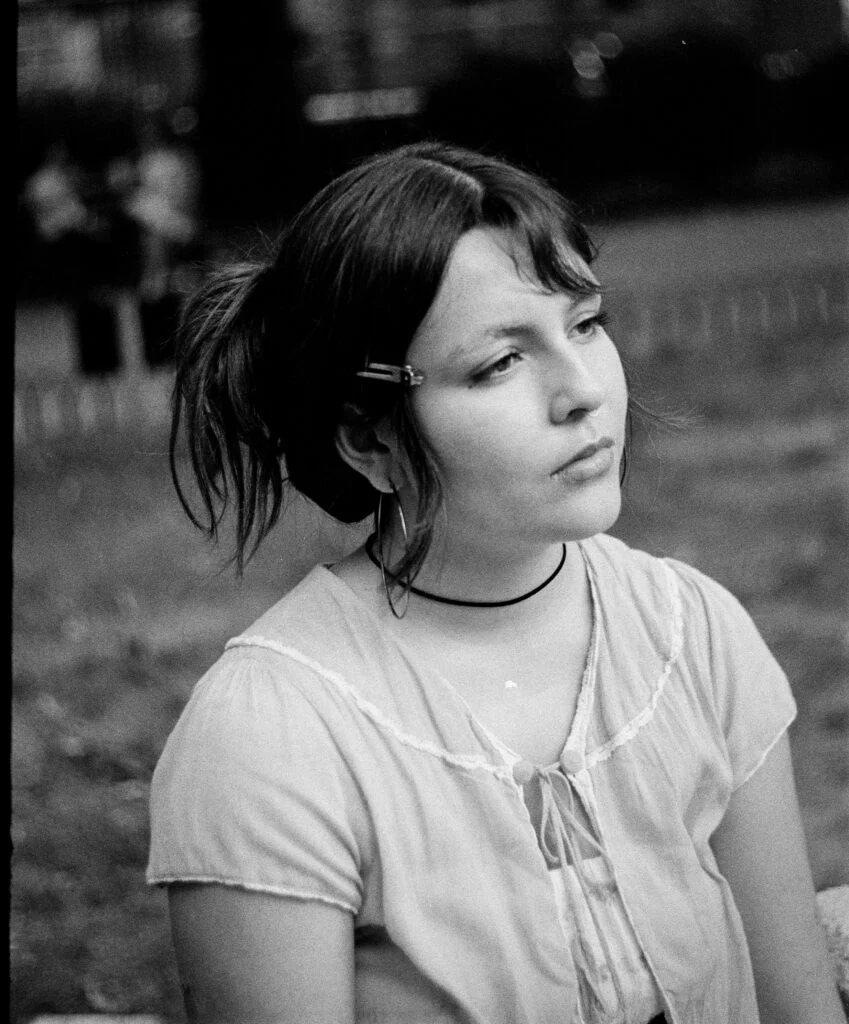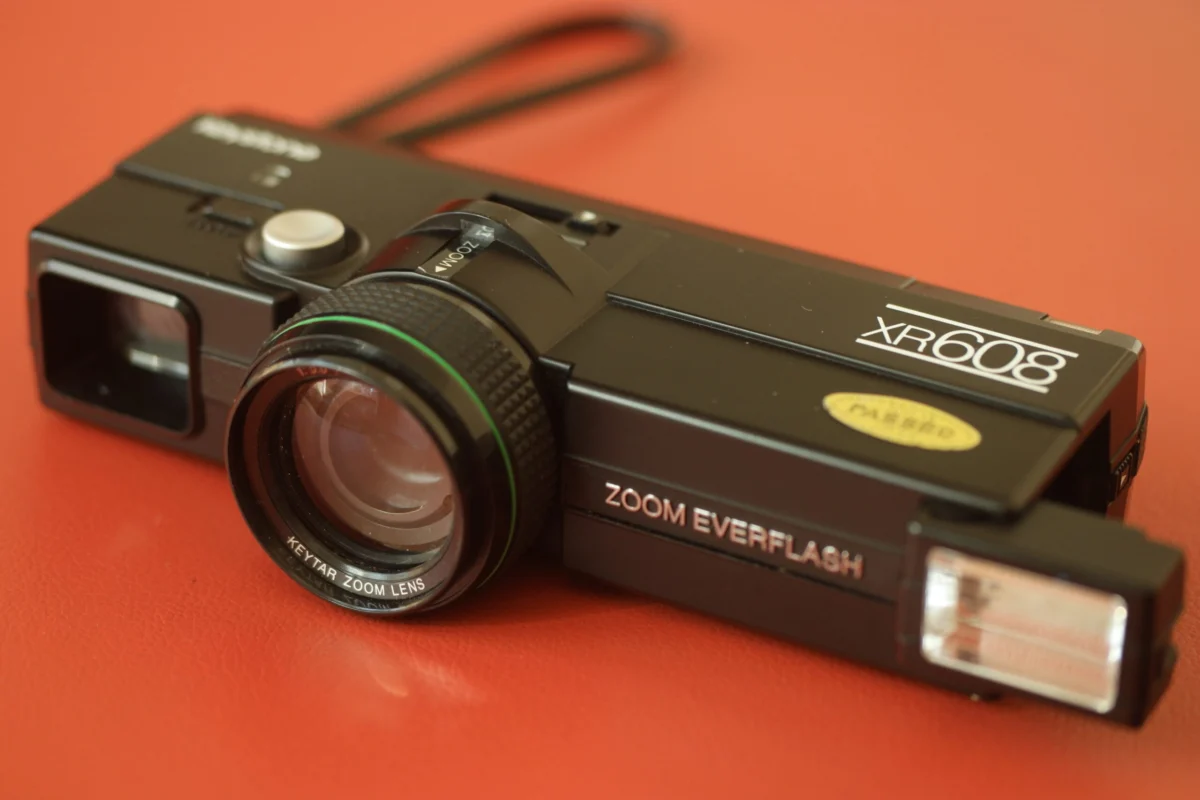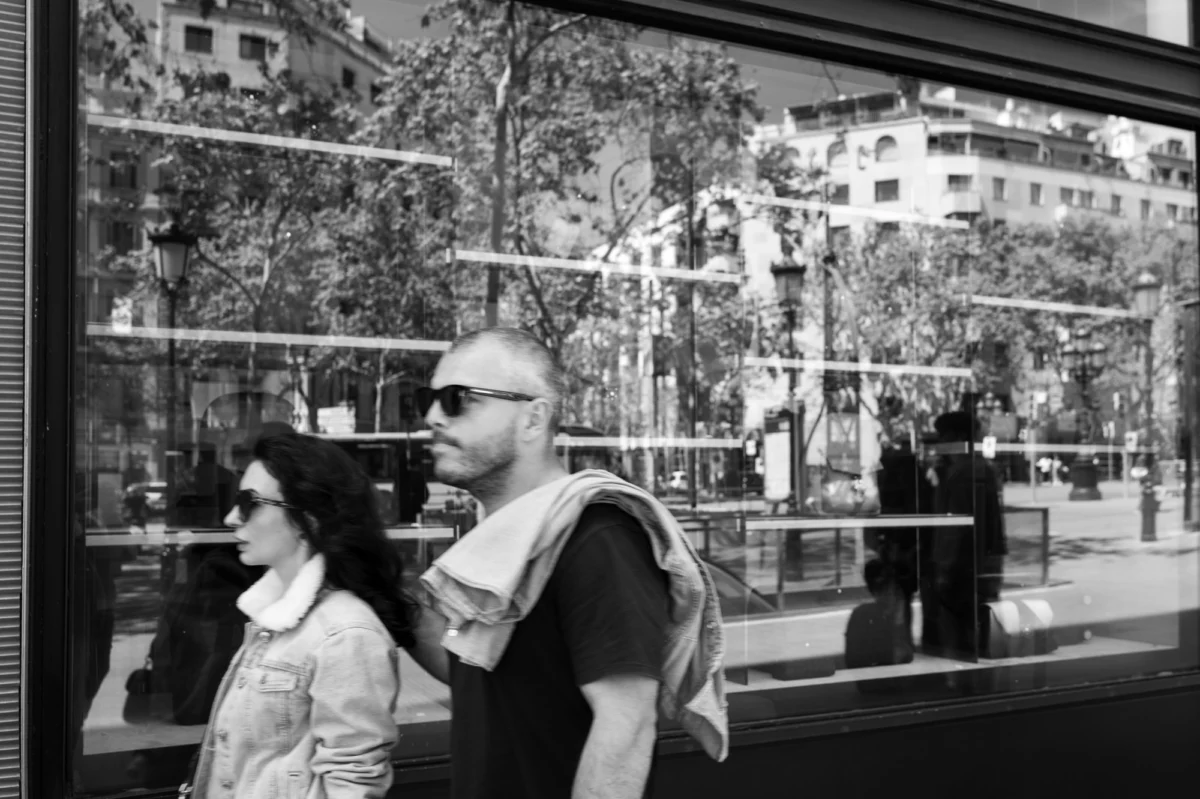
The city of Barcelona, a Mediterranean metropolis defined by its jarring juxtapositions of medieval history and avant-garde modernism, has become the focal point of a comprehensive black-and-white photographic study by veteran documentarian Cosme Lapena. Marking a quarter-century of professional practice from his base in Castelldefels, Lapena’s latest project explores the "Two Barcelonas"—the eight-century-old Gothic Quarter and the contemporary glass-and-steel developments—through a lens of extreme contrast. This study serves not only as a visual record of urban evolution but also as a technical analysis of how specific imaging technologies dictate the methodology of modern street and architectural photography.
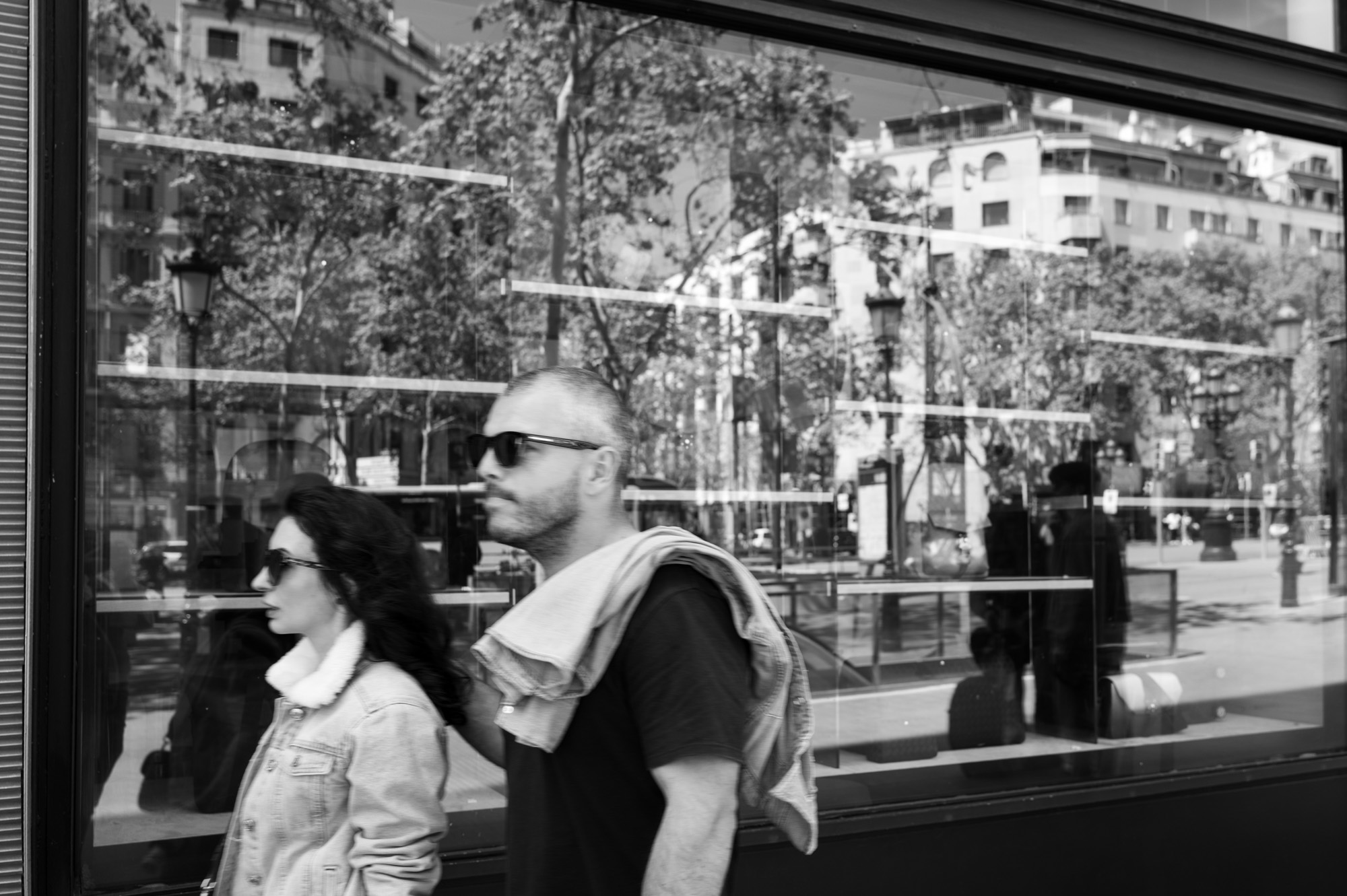
The Duality of Urban Evolution: From the Barri Gòtic to the Olympic Ring
Barcelona’s urban fabric is unique among European capitals for its distinct layers of development. The Gothic Quarter, or Barri Gòtic, represents the city’s heart, with a labyrinthine layout dating back to the Roman settlement of Barcino and reaching its architectural zenith in the Middle Ages. In contrast, the modern city emerged largely from the transformative urban planning surrounding the 1992 Summer Olympics and the subsequent development of the 22@ district, an innovation hub characterized by high-tech architecture and sustainable materials.
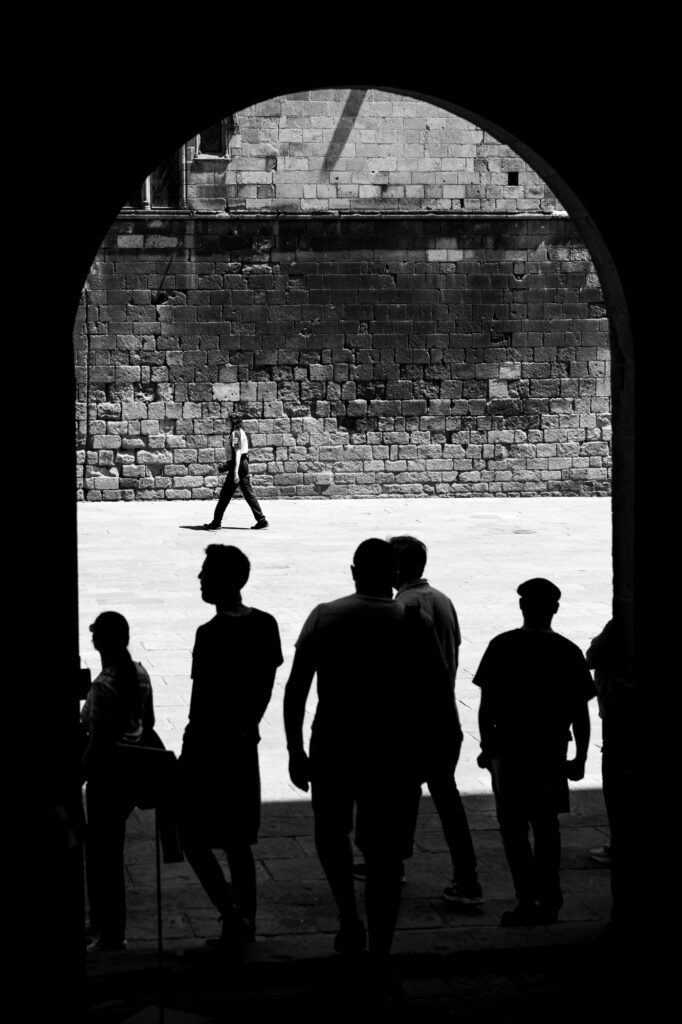
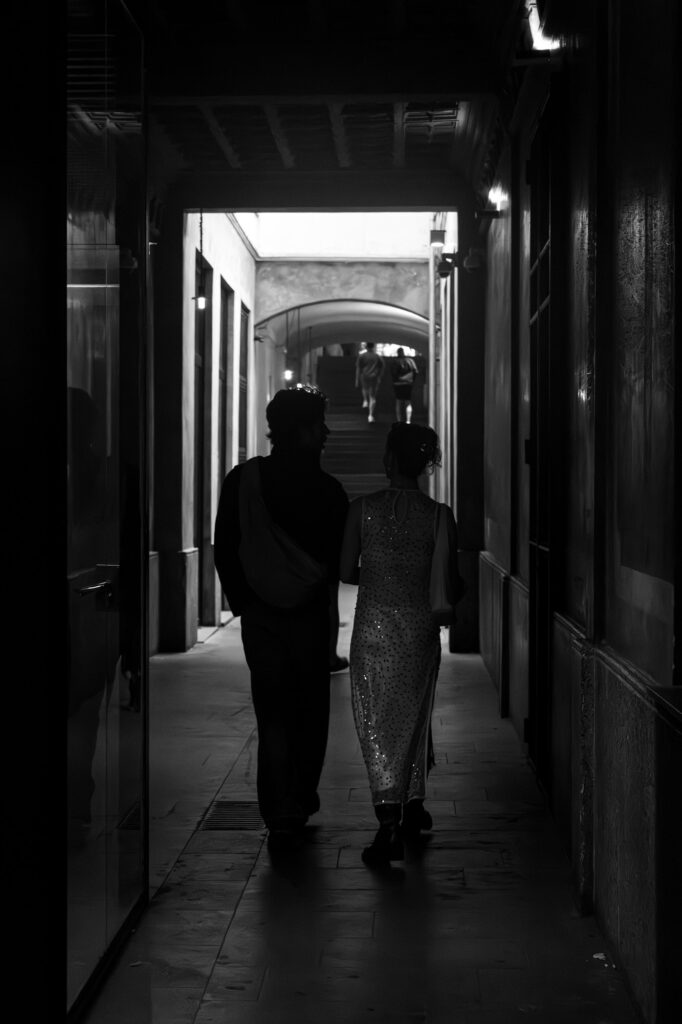
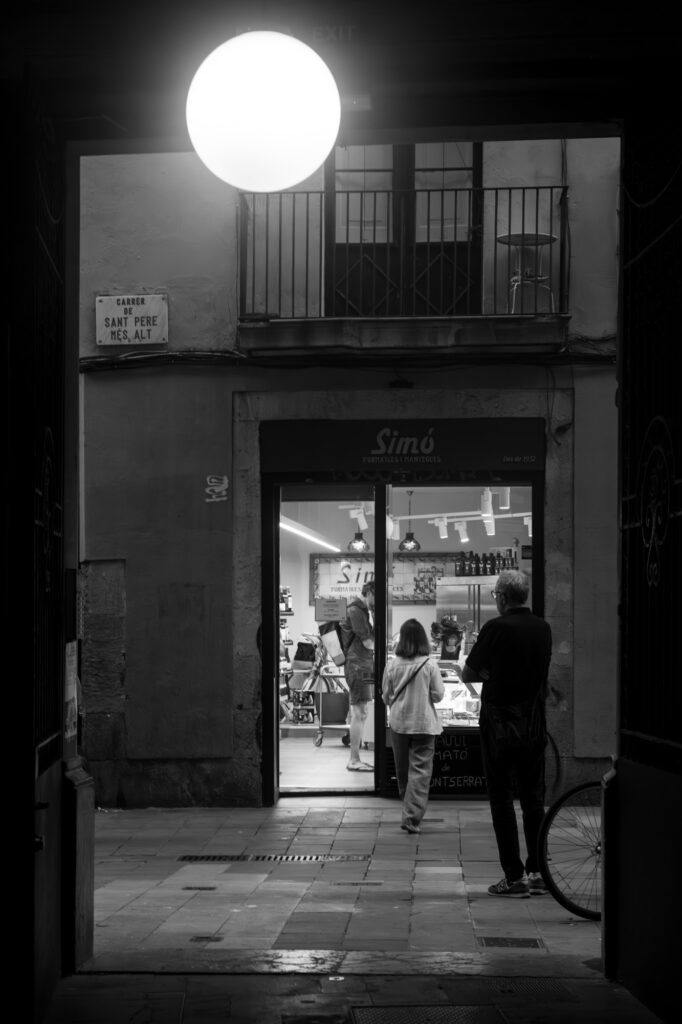
Lapena’s project focuses on the friction between these two eras. By stripping away color, the project emphasizes the structural differences between the two environments. The Gothic Quarter is defined by narrow, light-starved alleys and porous stone surfaces that absorb light, whereas the modern sectors utilize reflective glass, polished steel, and expansive concrete plazas designed to manipulate sunlight and shadow on a grand scale.
Technical Methodology: The Strategic Use of the Leica Q3 and Sony a7R IV
In a departure from traditional single-camera street photography, Lapena utilized a dual-system approach to address the specific environmental challenges of the two Barcelonas. This decision highlights a growing trend among professional photographers to select gear based on situational ergonomics and sensor performance rather than brand exclusivity.
The Leica Q3, a fixed-lens full-frame camera equipped with a 28mm Summilux lens, was deployed for the Gothic Quarter. The rationale for this selection was twofold: discretion and speed. In the dense, crowded corridors of the old city, the Leica’s compact form factor and quiet leaf shutter allow the photographer to operate without drawing the attention typically garnered by professional-grade digital single-lens reflex (DSLR) or larger mirrorless systems. The fixed 28mm focal length necessitates a "commitment to the frame," forcing the photographer to move physically rather than relying on a zoom lens—a technique often associated with the "decisive moment" philosophy pioneered by Henri Cartier-Bresson.
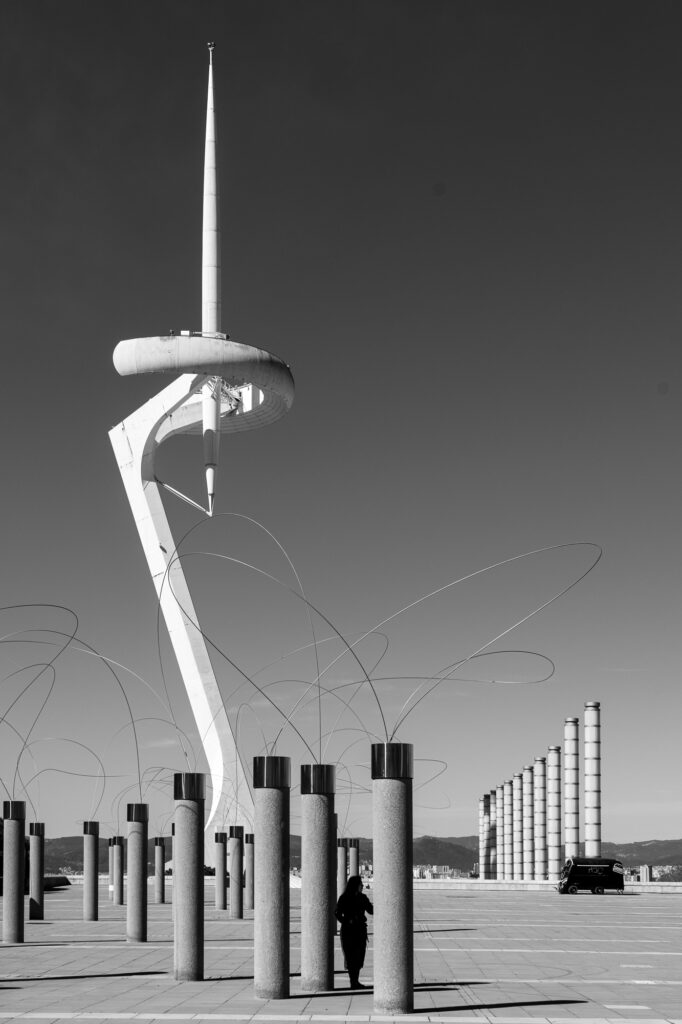
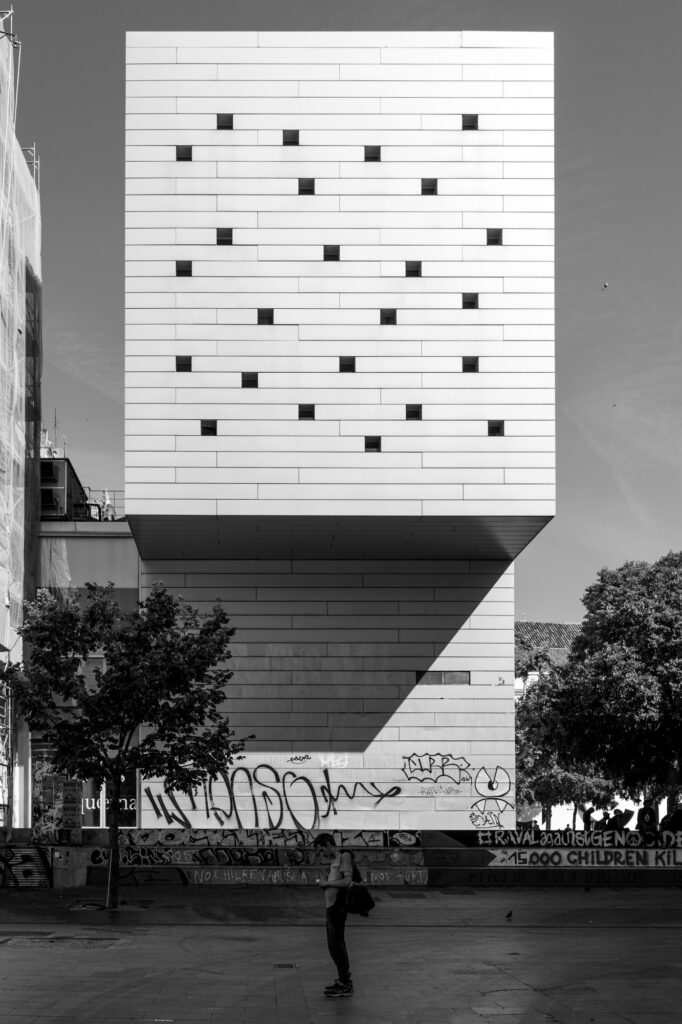
Conversely, the architectural segments of the project were captured using the Sony a7R IV. Boasting a 61-megapixel back-illuminated sensor, the Sony system provides the high resolution and dynamic range required for large-scale architectural subjects. Modern buildings, such as the MACBA (Barcelona Museum of Contemporary Art) designed by Richard Meier or the Montjuïc Communications Tower by Santiago Calatrava, present significant challenges in terms of light management. These structures often feature brilliant white surfaces adjacent to deep, cavernous shadows. The Sony sensor’s ability to retain detail in both extreme highlights and shadows—a technical metric known as dynamic range—was essential for maintaining the tonal integrity of the black-and-white images.
Chronology of a Twenty-Five Year Perspective
Lapena’s project is the culmination of over two decades of observation. Having lived on the outskirts of the city for twenty-five years, the photographer’s relationship with Barcelona has shifted from that of an observer to a chronicler.
- 1990s – Early 2000s: Initial documentation of the city’s post-Olympic transition, focusing on the influx of tourism and the changing demographic of the central districts.
- 2010s: Exploration of the "Smart City" initiatives in the Poblenou district, where industrial ruins were replaced by glass towers.
- The Current Project (2024): A deliberate shift to monochromatic photography to unify the disparate architectural styles of the city into a single narrative of light and shadow.
This timeline reflects a broader movement in urban photography where the focus has shifted from mere documentation to a more analytical exploration of how space influences human behavior and how technology influences the capture of that space.
Supporting Data: The Impact of High-Resolution Sensors on Documentary Work
The use of high-resolution sensors like the 61MP unit found in the Sony a7R IV has fundamentally altered the post-production workflow for documentary photographers. Industry data suggests that the ability to crop significantly without losing print quality allows for a "second composition" phase in the digital darkroom.
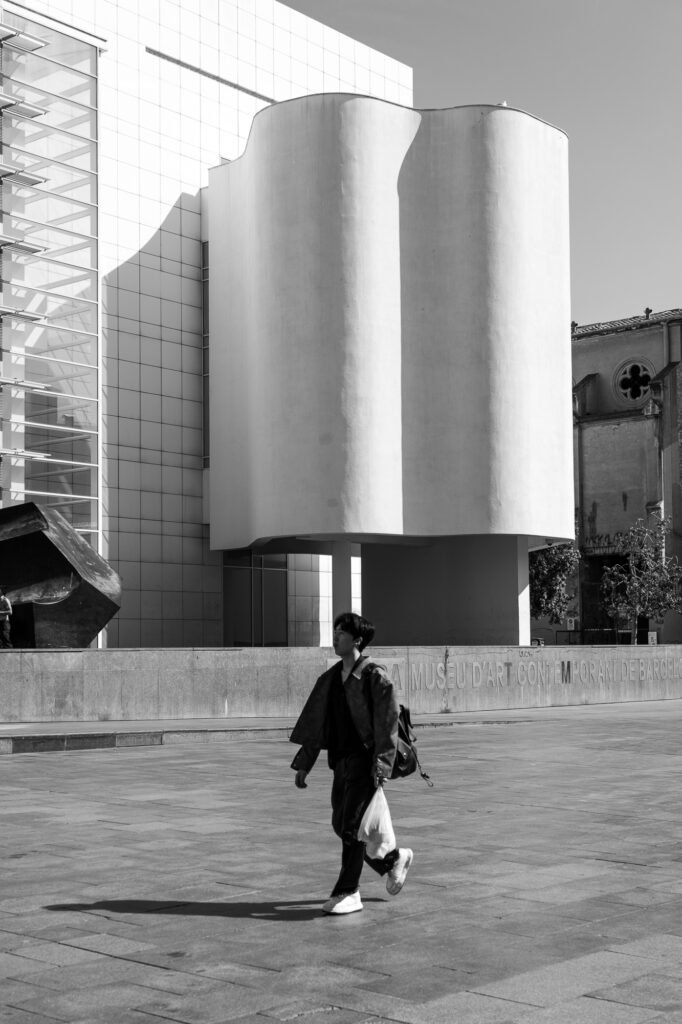
In architectural photography, where the physical position of the photographer is often restricted by urban barriers, the ability to crop a high-resolution file allows for the correction of perspective and the tightening of geometric patterns. For Lapena, this meant the Sony system could act as a technical fail-safe for complex compositions, while the Leica Q3 remained a tool for "pure" street photography, where the final frame is largely determined at the moment of capture.
Professional Perspectives and Industry Implications
The photography community has long debated the merits of "stealth" cameras versus "powerhouse" systems. Lapena’s work provides a practical case study in why the most successful modern photographers often utilize both.
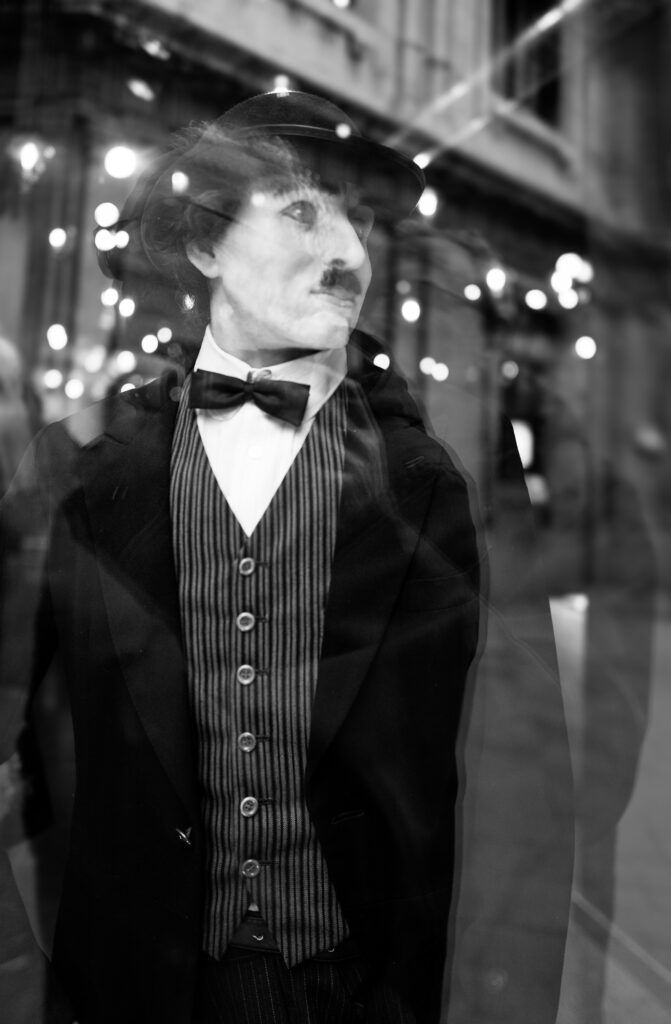
"The choice of equipment is no longer about which camera is ‘better’ in a vacuum," says industry analyst Marcus Thorne. "It is about the ‘shape of the wait.’ A Leica is designed for waiting for a human interaction—a gesture or a glance. A high-resolution Sony or Nikon system is designed for waiting for the light to hit a stationary object perfectly. Lapena’s project successfully bridges these two different psychological states of photography."
This sentiment is echoed by many in the field who argue that the "identity" of a photographer should not be tied to a specific brand but to a specific method of seeing. By assigning the Leica to the "human" city and the Sony to the "architectural" city, Lapena has created a methodological framework that enhances the thematic contrast of his work.
Broader Impact: Black and White as a Tool for Urban Analysis
The decision to execute this project entirely in black and white serves a deeper purpose than mere aesthetic preference. In a city as vibrant as Barcelona, color can often act as a distraction, obscuring the underlying geometry and social tensions of the urban environment.
Black-and-white photography forces the viewer to focus on:
- Form and Texture: The contrast between the rough-hewn stone of the Barcelona Cathedral and the smooth, reflective panels of the Agbar Tower.
- Light and Shadow: How narrow streets create "light traps" while modern plazas create "light washes."
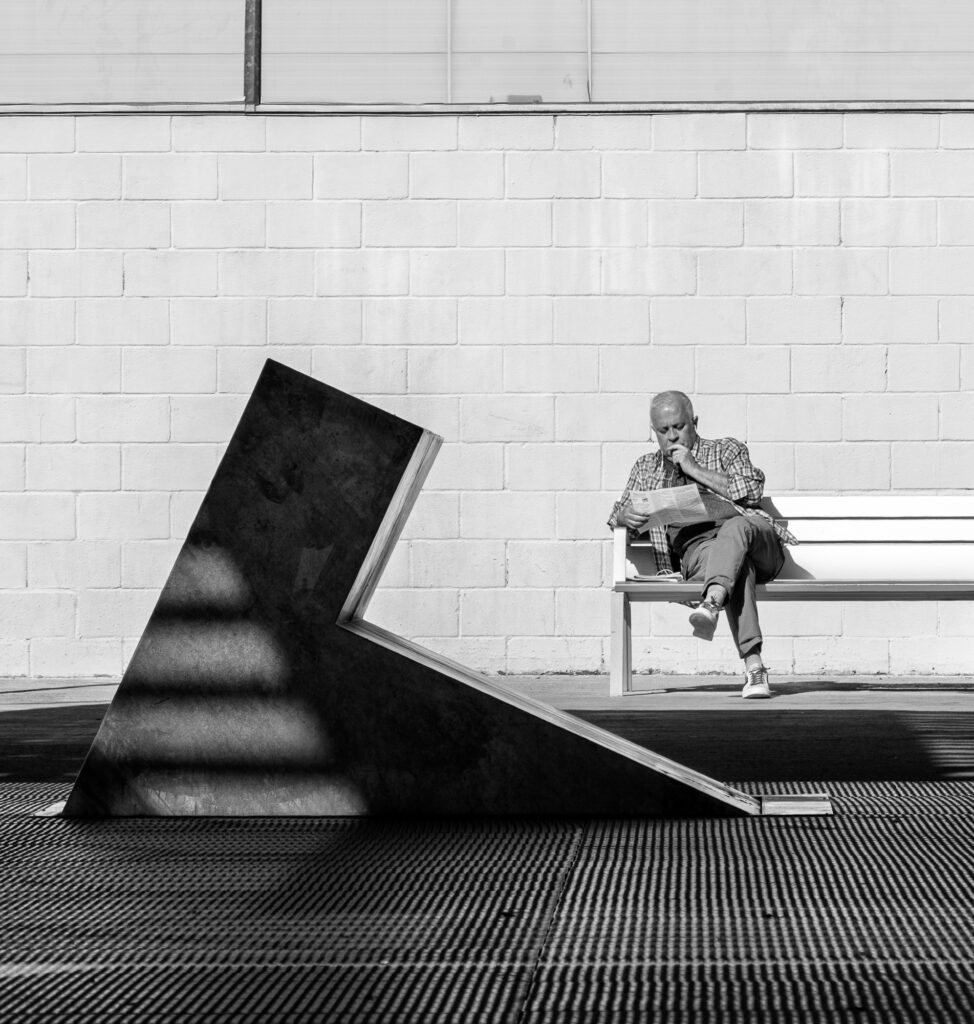
- Composition: The way human figures are framed by the city, either as part of a dense crowd in the Gothic Quarter or as isolated silhouettes against the vast scale of modern architecture.
The project suggests that despite the rapid technological advancements in the city’s construction, the fundamental elements of urban life—movement, shelter, and light—remain constant.
Conclusion: Chasing the Essence of Barcelona
After twenty-five years of documentation, Cosme Lapena’s work indicates that the most enduring photographs are those where the technical execution is invisible, and the composition and light do the "actual work." Barcelona continues to serve as an "unreasonably good" subject for this type of exploration, offering a dense concentration of history and modernity within a five-kilometer radius.
As urban environments worldwide continue to evolve toward a homogenized "glass-and-steel" aesthetic, projects like Lapena’s serve as a vital reminder of the importance of historical context. By using the right tools for each environment, the photographer has managed to capture the soul of a city that is simultaneously eight centuries old and entirely brand new. The "Two Barcelonas" may exist as separate architectural entities, but through the lens of a disciplined photographer, they are revealed to be two sides of the same Mediterranean coin.