The close of the previous year served as a period of significant reflection for the photographic and videographic industries, with comprehensive analyses of rental and purchase data from platforms like LensRentals.com providing a retrospective view of 2025’s dominant trends. As the calendar turned to January, the industry’s focus inevitably shifted forward, articulating aspirations and charting a course for the year ahead. Beyond the internal objectives of key players such as LensRentals.com, a broader examination of recent technological introductions and evolving market dynamics allows for a predictive outlook on the innovations poised to shape the fields of photography and videography in 2026. This analysis identifies five critical areas anticipated to see substantial development and wider adoption, fundamentally altering how content is created, processed, and shared.
The Resurgence of Third-Party Lens Innovation for Mirrorless Systems
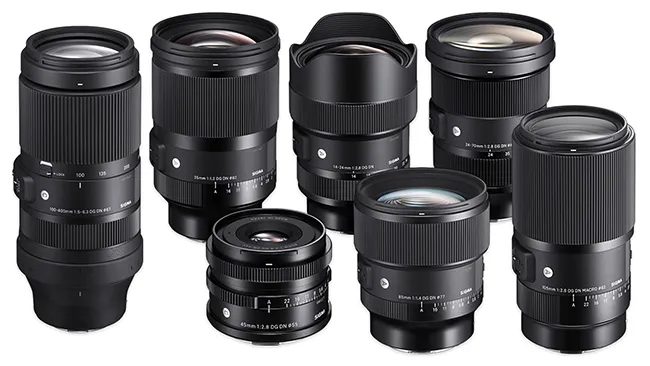
For professionals and enthusiasts who recall the pre-mirrorless era, the vast array of third-party lens options for DSLR systems by manufacturers like Sigma, Tamron, and Tokina was a defining characteristic of the market. These companies offered compelling alternatives to first-party lenses, providing diverse focal lengths, apertures, and price points across Canon, Nikon, and Sony platforms. However, the seismic shift to mirrorless camera systems introduced new lens mounts—notably Canon’s RF and Nikon’s Z—which initially presented significant development hurdles for third-party manufacturers. The proprietary nature of these new mounts, often involving complex communication protocols and potential licensing agreements, created a more restrictive environment compared to the relatively open (or less aggressively protected) Sony E-mount, which consequently saw a quicker influx of third-party glass.
The past few years have witnessed a gradual but determined commitment from these independent lens makers to overcome these barriers. After an initial period of adaptation, particularly for the more closed RF and Z mounts, companies like Sigma and Tamron have begun to significantly expand their offerings. This renewed push is critical for market health, as supporting data from prior decades consistently demonstrated that robust third-party competition led to greater innovation, more competitive pricing, and a broader selection for consumers. During the peak DSLR years, third-party lenses frequently captured a substantial segment of the interchangeable lens market, often exceeding 20-30% of unit sales for specific categories, according to industry reports. This trend suggests a pent-up demand for similar diversification within the mirrorless ecosystem.
Industry analysts suggest that this increased competition is not merely beneficial for consumers; it also fosters a more dynamic ecosystem for camera manufacturers. By expanding the available lens pool, the overall attractiveness of a camera system grows, potentially drawing in new users. The implication for 2026 is a significant acceleration in the release of high-quality, performance-oriented third-party lenses for RF and Z mounts, mirroring the established variety seen on Sony E-mount. This expansion will likely include fast primes, versatile zooms, and specialized optics, offering photographers and videographers unparalleled choice and potentially influencing first-party manufacturers to innovate more aggressively or adjust their pricing strategies.
The Dawn of Affordable High-Performance Primes
Historically, lenses featuring extremely wide apertures, such as f/1.2 or f/1.4, have occupied a premium niche, often carrying price tags well into the thousands. These "fast" primes, renowned for their exceptional low-light performance and ability to create exquisitely shallow depth of field, were once the exclusive domain of high-end professionals or those with substantial budgets. Brands like Leica have been crafting such optically advanced lenses since the 1960s, while major manufacturers like Canon and Nikon also offered their own iterations, though typically at a significant cost reflective of the complex optical engineering and precision manufacturing required.
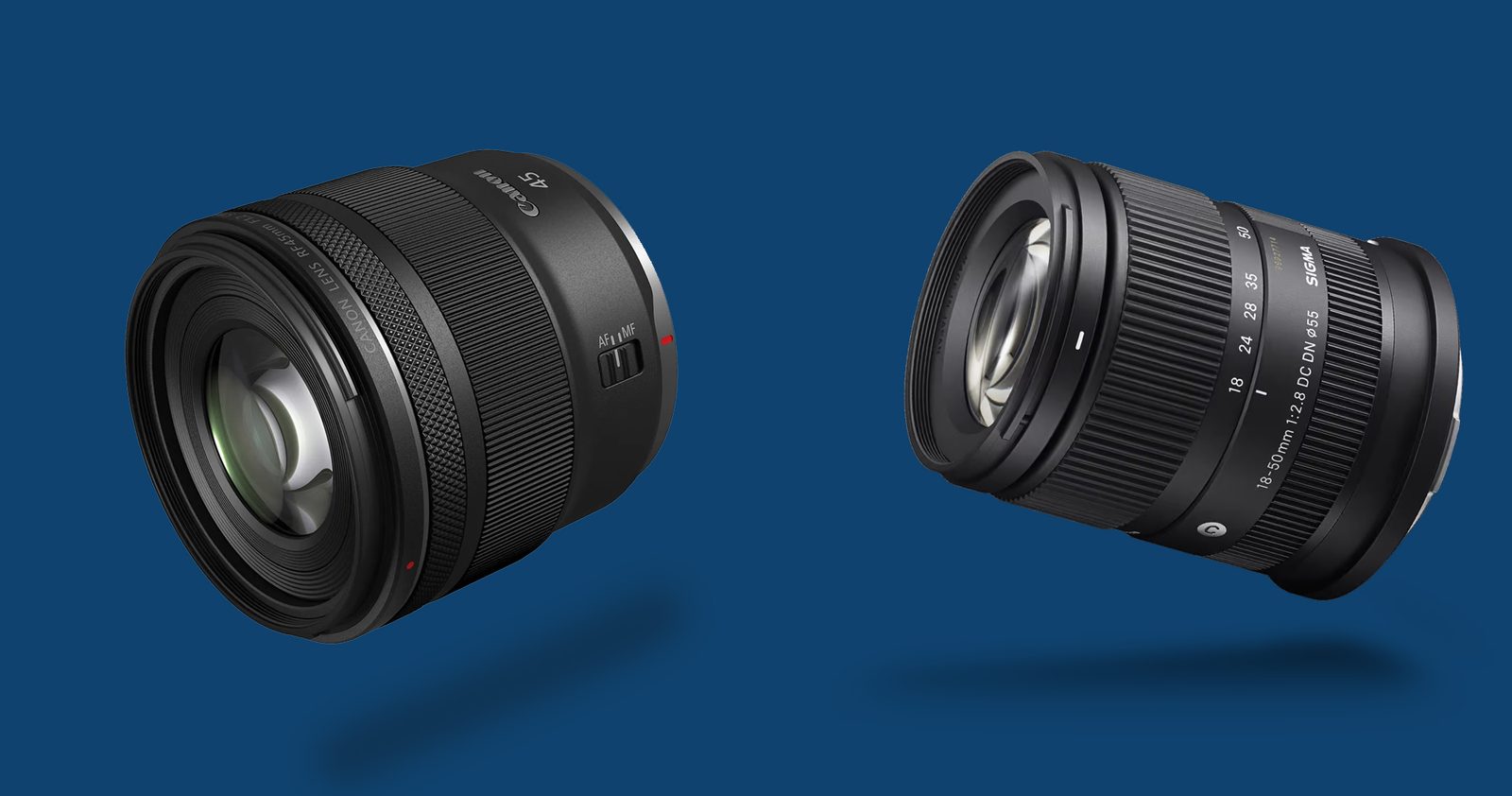
A notable shift occurred approximately six months prior, when Canon introduced the RF 45mm f/1.2 STM, priced remarkably under $500. This product introduction was a potential game-changer. While not explicitly confirmed by Canon, the use of a Stepper Motor (STM) for autofocus, often associated with more cost-effective lens designs, combined with an innovative optical formula, allowed for an f/1.2 aperture at an unprecedentedly accessible price point for a first-party lens of this speed. This move signals a potential industry-wide recognition that advancements in manufacturing processes and optical design can now deliver such performance without the traditionally prohibitive costs.
The implications for 2026 are profound. If this trend continues, the democratization of high-performance optics could significantly broaden the creative toolkit available to a wider segment of photographers and videographers. Imagine a landscape where f/1.2 or f/1.4 primes are not just aspirational but attainable for a large number of enthusiasts and emerging professionals across all major mirrorless systems. This could inspire new forms of visual storytelling, making sophisticated background separation and superior low-light capture more commonplace. This shift would challenge the long-held perception that "fast glass" must always come with a premium price, potentially driving other manufacturers to re-evaluate their own pricing and product development strategies for similar lenses.
Shifting AI Focus: From Generative Content to Workflow Enhancement
The last few years have undeniably placed Artificial Intelligence at the vanguard of technological discourse, permeating virtually every sector, and the photography and videography world has been no exception. The rapid proliferation of generative AI systems, capable of producing realistic images, videos, and even corporate headshots from simple text prompts, has been both astonishing and, for many creatives, a source of significant apprehension regarding job security and the nature of originality. While the pervasive influence of generative AI is undeniable and its presence will only deepen, 2026 is anticipated to mark a crucial reframing of AI’s role within the creative industries.
Instead of focusing primarily on content generation, the emphasis is expected to pivot towards AI applications that streamline and enhance the professional workflow. Current AI tools have largely focused on the "creation" aspect, often with mixed results concerning authenticity and ethical considerations. However, the untapped potential lies in leveraging AI for automation and assistance in the myriad non-creative, yet time-consuming, tasks that burden working professionals. Examples include advanced studio management software that intelligently automates invoice reminders, client communication, and scheduling based on project timelines and client history.
Furthermore, AI-powered image and video editing tools are expected to evolve beyond simple filters or content-aware fill. Imagine tools that can, with a single click, intelligently identify and remove distracting elements like trash bins, telephone poles, or even minor blemishes across a large batch of images, maintaining consistency and preserving artistic intent. For videographers, AI could accelerate tedious tasks like logging footage, creating initial rough cuts, or even performing basic color grading adjustments based on learned preferences. The broader implication is that AI could become a powerful assistant, not a replacement for the human creative. Surveys conducted among creative professionals consistently indicate a strong desire for AI tools that boost productivity and free up time for core creative work, rather than those that generate content autonomously. Experts in creative technology frequently articulate that AI’s most impactful role in the immediate future lies not in supplanting human ingenuity, but in augmenting it through streamlined operations, allowing creatives to immerse themselves more deeply in the artistic process. This shift towards "workflow AI" could redefine efficiency standards and empower individual artists and small studios to compete more effectively.
Elevating the Mobile Experience: The Imperative for Robust Camera Apps
The advent of mirrorless camera systems brought with it a compelling promise: seamless integration with smartphones through dedicated mobile applications, enabling photographers and videographers to review, edit, and instantly publish their work from virtually anywhere. This vision of a fluid, connected workflow resonated deeply with a generation accustomed to mobile-first content creation and sharing. However, the reality has often fallen short of this initial promise. User experiences across various camera manufacturers’ apps have frequently been plagued by reliability issues, including persistent freezes, unexpected crashes, sluggish transfer speeds, and unresponsive interfaces.
Despite significant advancements in camera hardware and smartphone technology, the accompanying mobile applications from major camera brands have lagged, becoming a source of widespread frustration among users. While some brands, like Fujifilm, have made strides, with their apps generally regarded as more functional than those from Canon or Nikon, even these "better" offerings often fall short of the robust, intuitive experiences users expect from modern mobile applications. The core idea—melding the powerful imaging capabilities of dedicated cameras with the instant connectivity and processing power of smartphones—remains brilliant, but its execution has been consistently hampered by technical complexities, slow development cycles, and perhaps an underestimation of user expectations for seamless digital integration.
For 2026, there is a critical need for camera manufacturers to invest significantly in improving their mobile application support. This extends beyond merely fixing bugs; it encompasses a complete overhaul of user interface design, ensuring stable and fast image/video transfer protocols, and introducing more sophisticated on-the-go editing capabilities. Imagine an app that allows for quick culling, applying custom presets, and even minor video trims with the reliability and speed of a native smartphone app. The current digital landscape, heavily reliant on instant social media sharing and remote workflows, demands a robust bridge between high-quality camera output and mobile platforms. Software developers and camera manufacturers face increasing pressure from consumers to deliver robust, intuitive mobile applications that genuinely enhance the photographic workflow, rather than hinder it, making improved app support a crucial battleground for brand loyalty in the coming year.
Global Shutter Technology: Redefining Image Capture Fundamentals
The final, and perhaps most technologically transformative, development anticipated to see broader adoption in 2026 is the electronic global shutter. This groundbreaking technology made a significant splash with its introduction in the Sony a9 III, marking a pivotal moment in digital imaging. Unlike traditional rolling shutters, which scan an image sensor line by line, a global shutter captures the entire frame simultaneously. This fundamental difference eliminates the notorious "jello effect" or rolling shutter distortion, a common artifact in video footage during fast camera movements or when shooting rapidly moving subjects. For videographers, this means cleaner, more professional-looking footage without the visual anomalies that have long been a challenge.

However, the advantages of a fully electronic global shutter extend far beyond video. In still photography, its implications are equally revolutionary. Most cameras are limited by a maximum flash sync speed, typically around 1/250 second for crop sensors and 1/200 second for full-frame sensors. This limitation is dictated by the mechanical shutter’s inability to open and close fast enough to expose the entire sensor to the flash burst without parts of the frame being cut off. While techniques like high-speed sync (HSS) and leaf shutters exist to circumvent this, they come with their own drawbacks, such as reduced flash power or higher lens costs.
An electronic global shutter, by capturing the entire frame instantly, theoretically removes this flash sync speed limitation altogether. This means photographers could synchronize their off-camera flashes at any shutter speed, even at 1/8000 second or faster. This capability would be transformative for outdoor portraiture, sports photography, and any scenario requiring balancing ambient light with powerful flash, allowing for creative control previously unattainable without specialized (and often expensive) equipment. It would also enable unprecedented control over motion stopping, freezing fast action with absolute precision regardless of ambient light conditions.
While the initial adoption of global shutter technology may be limited to high-end professional models due to its current manufacturing complexities and cost implications, its undeniable advantages suggest a future where it becomes a standard feature. The Sony a9 III’s successful implementation has proven its commercial viability and performance benefits, paving the way for other manufacturers to invest in this technology. As production scales and costs decrease, 2026 could see the emergence of global shutter technology in a wider range of camera bodies, fundamentally reshaping aspects of image capture for both still and motion photography.
The collective impact of these five trends—the resurgence of third-party lenses, the accessibility of fast primes, the maturation of workflow AI, robust mobile app integration, and the broader adoption of global shutter technology—promises a transformative year for the photographic and videographic industries in 2026. These developments signal a future where creative tools are more accessible, workflows are more efficient, and the technical limitations of image capture are increasingly overcome, empowering artists to push the boundaries of visual storytelling further than ever before.