Photographer Kelly Conlin, through his compelling new photo book "Tender Weather," offers a profound visual narrative that navigates the severe socio-economic crisis currently engulfing Cuba, juxtaposing the harsh realities of public life with the resilient warmth and intimacy found within the island nation’s homes. His multiple recent visits to the Caribbean nation revealed a country grappling with conditions described by many locals as the worst in their lifetime, marked by pervasive rolling blackouts, critical food shortages, and accumulating uncollected garbage. Yet, it is within the private spheres, the homes of Central Havana, that Conlin’s lens uncovers a powerful counter-narrative of enduring human connection, love, and resourcefulness.
The Deepening Cuban Crisis: A National Struggle
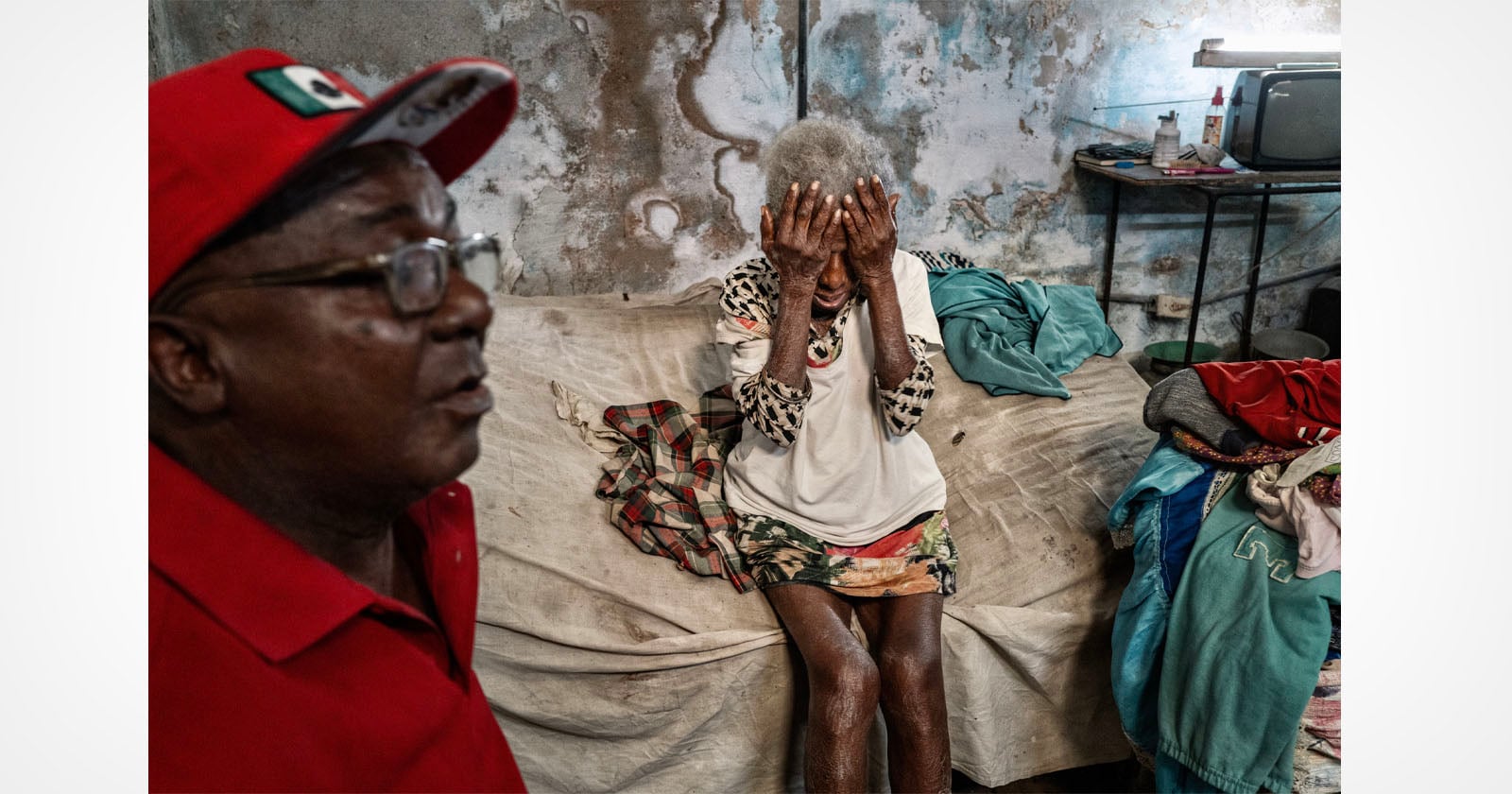
Cuba’s present struggles are not isolated incidents but rather a severe exacerbation of long-standing economic challenges, primarily rooted in the six-decade-long U.S. economic embargo, first imposed in 1960. This comprehensive set of sanctions has historically restricted trade, finance, and travel, significantly impeding Cuba’s economic development and access to vital goods. However, the crisis Conlin observed on his recent trips represents a particularly acute downturn, largely triggered by a series of geopolitical events. A pivotal moment in this recent deterioration was the U.S. seizure of assets related to Venezuelan leader Nicolás Maduro, an action that severely curtailed Cuba’s access to its primary source of subsidized fuel. Venezuela, a long-standing ally, had been providing Cuba with oil under preferential terms, making the disruption of this supply a critical blow to the island’s energy infrastructure and broader economy.
The consequences of this fuel scarcity have rippled across all sectors of Cuban life. Rolling blackouts, a feature Conlin explicitly noted, are not mere inconveniences but disrupt everything from food preservation and healthcare services to education and daily commerce. These power outages often last for hours, sometimes even days, plunging communities into darkness and hindering productivity. Simultaneously, the country is battling widespread food shortages. The lack of fuel impacts agricultural production, transportation of goods, and the overall supply chain, leading to empty shelves in state-run stores and soaring prices in informal markets. Residents frequently endure long queues for basic necessities, a stark indicator of the scarcity. The visible sign of uncollected garbage, as noted by Conlin, further underscores the breakdown in municipal services, reflecting a broader systemic strain on infrastructure and resources. This trifecta of energy, food, and public service crises has pushed the resilience of the Cuban people to its limits, eliciting the somber assessment from locals that "it was the worst they have experienced in their lifetime."
An Unconventional Entry: From Street to Sanctuary
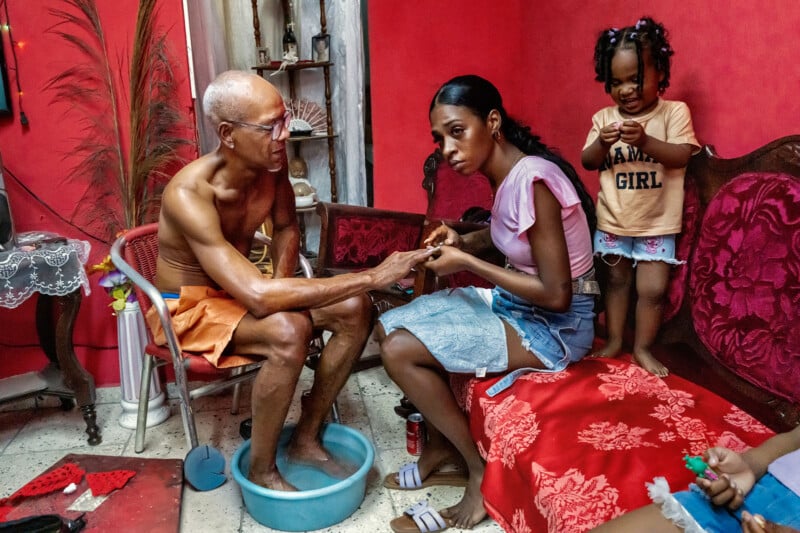
Conlin’s photographic journey into the heart of Cuban domesticity began serendipitously, evolving from a more conventional street photography approach. Initially, his visits to Havana involved exploring the vibrant, yet increasingly challenging, urban landscape. However, a turning point arrived during one of his photographic forays into Central Havana, a district renowned for its dense population and a unique blurring of public and private spaces. It was here, within the open doorway of a home, that a grandfather offered him a welcoming wink, an unspoken invitation that altered the trajectory of Conlin’s project.
This seemingly minor gesture became a significant catalyst, leading Conlin to photograph the grandfather receiving a pedicure from his granddaughter, while the grandmother diligently sewed an outfit nearby. This intimate scene, captured within the warmth of a family home, contrasted sharply with the visible hardships outside and revealed a deeper, more personal narrative awaiting exploration. Recognizing the profound potential of this access, Conlin shifted his focus, concentrating his efforts on just a few specific streets within Central Havana. This deliberate, patient approach allowed him to transition from an outsider observing to a familiar and trusted presence.
His methodology involved returning to the same blocks day after day, allowing residents to grow accustomed to his presence. "People began to recognize me," Conlin recounts. "Someone I had photographed would introduce me to a neighbor or relative, and one encounter would lead to another. Over time, I simply became a familiar presence." This gradual immersion was crucial for capturing authentic moments. Rather than seeking immediate, posed shots, Conlin embraced a more observational style. He would spend considerable time in homes, allowing individuals to acclimate to him and his camera. He understood that genuine moments emerge when the subjects’ attention naturally shifts away from the photographer and back to their everyday activities. "Eventually their attention would shift away from me and back to whatever they had been doing. Those were the moments I wanted to photograph," he explains, highlighting his commitment to unobtrusive, deeply personal photojournalism. This patient, respectful approach allowed him to document the unguarded beauty of Cuban family life, transforming mere observations into profound narratives of human connection.
"Tender Weather": A Portrait of Domestic Resilience
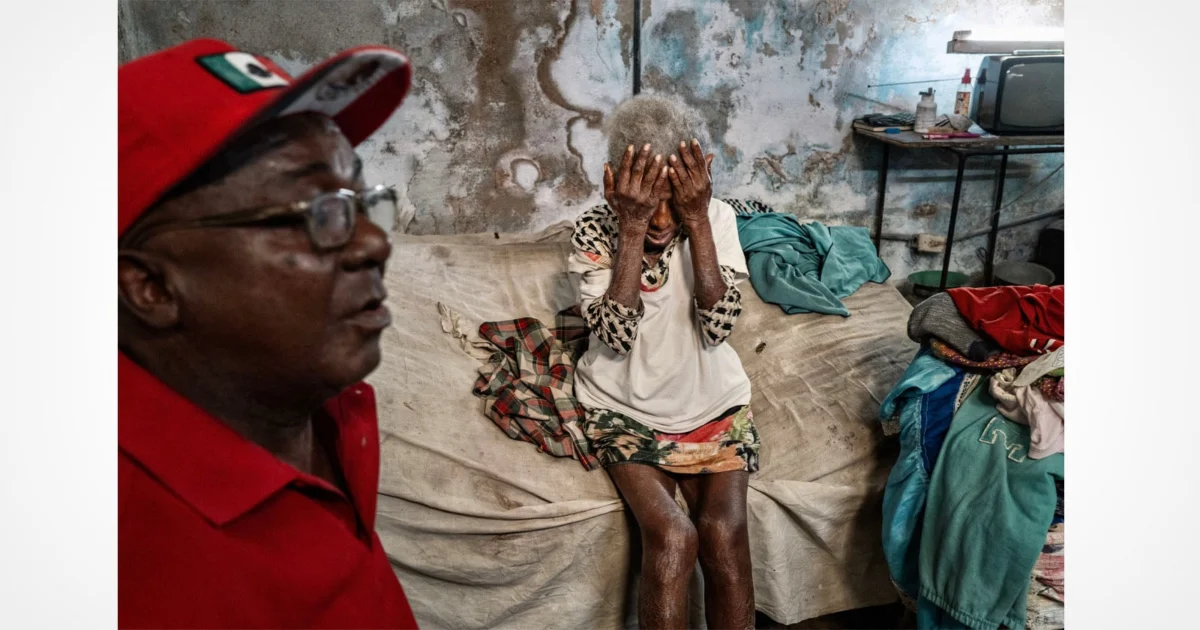
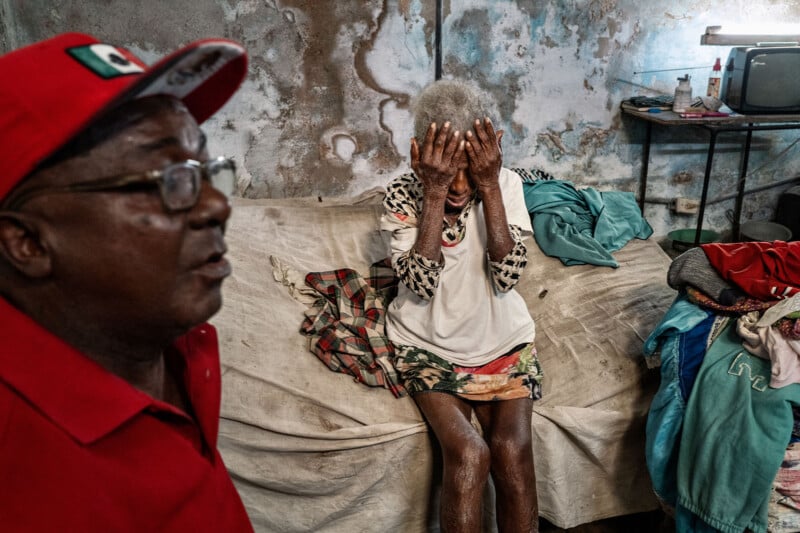
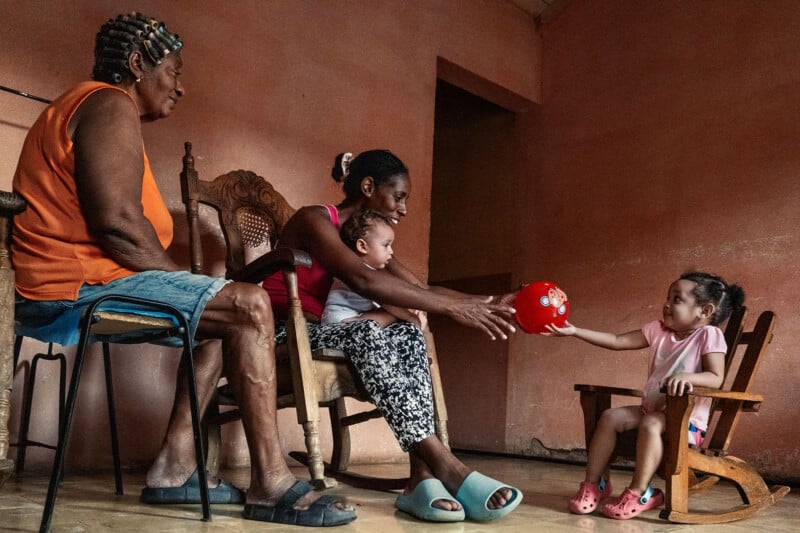
The culmination of Conlin’s immersive work is "Tender Weather," a photo book that purposefully directs the viewer’s gaze away from the visible indicators of crisis on the streets and into the sanctuaries of Cuban homes, where an abundance of love, care, and resilience persists. The book’s title itself evokes a sense of gentle warmth and protection, contrasting with the "harsh conditions" outside. Conlin’s photographs offer an intimate window into the daily lives of these families, showcasing moments of tenderness, routine, and profound human connection that thrive despite external pressures.
The images within "Tender Weather" depict a rich tapestry of domestic life. From the shared joy of a family passing a red ball, to the focused concentration of a young girl sweeping a floor, or the collective solace found in prayer, Conlin captures the multifaceted expressions of familial bonds. He documented a shirtless man in a kitchen, a woman wearing a headscarf, and children engaged in simple chores, all contributing to the fabric of household existence. These scenes are not romanticized escapes from reality but rather honest portrayals of how individuals and families maintain their dignity and spirit through mutual support. The photographer’s proximity to his subjects meant that "even a small movement on my part could change the picture completely," requiring a heightened sensitivity and awareness of his own presence. This close-range perspective also amplified the significance of subtle, non-verbal communication. Conlin frequently observed and documented the intricate language of hands – "preparing food, touching someone beside them, praying, grooming one another, or simply resting a hand on a shoulder." These gestures, initially unnoticed by the photographer, later emerged as a powerful, recurring motif in his work, underscoring the deep emotional connections and unspoken support systems prevalent within these families.
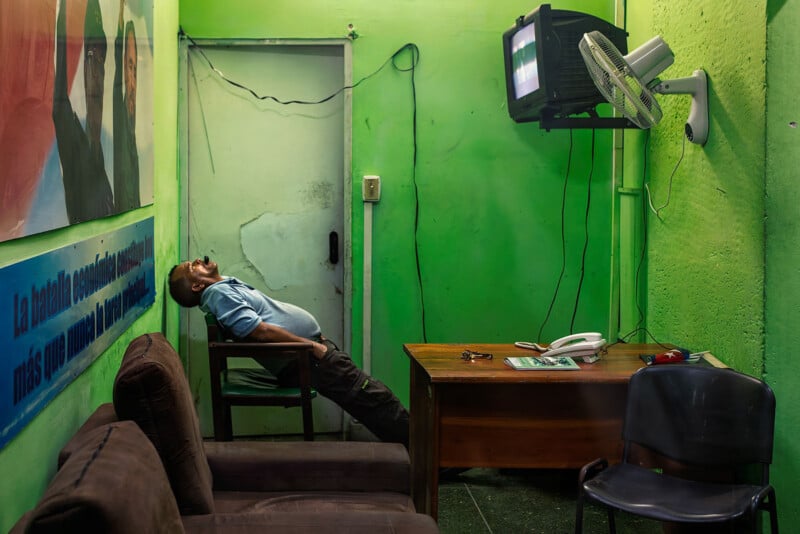
One of the striking observations Conlin made about Central Havana was the fluid boundary between public and private spaces. "One of the things that struck me in Central Havana is how visible everyday life is from the street," he notes. "People spend time in doorways and on stoops, and open windows often give you a glimpse of what’s happening inside. The separation between public and private space can feel much less defined than what I’m used to in the United States." This unique architectural and social characteristic enabled Conlin’s initial street-level observations to transition more naturally into invitations into homes. Once invited, however, the dynamic shifted; the photographer could not simply disappear. He had to become comfortable being visible, integrating himself into the household rhythm, patiently waiting for genuine moments to unfold. This immersive approach allowed him to capture not just images, but the very essence of human resilience and affection that defines these Cuban families, offering a powerful counterpoint to the prevailing narrative of crisis.
Philanthropic Impact and Broader Implications
Beyond its artistic merit, "Tender Weather" carries a significant philanthropic dimension, directly channeling aid to the communities it portrays. Conlin has committed 50% of the proceeds from the sale of his book directly towards procuring medicine and other essential supplies that are increasingly difficult to obtain in Cuba. This initiative is a direct response to the critical shortages impacting the health and well-being of the Cuban population. The U.S. embargo, while broadly impacting the economy, has particularly severe consequences for access to medical equipment, pharmaceuticals, and other vital health resources, creating a humanitarian challenge.
Conlin, however, approaches this charitable endeavor with a grounded perspective. "I don’t want to exaggerate what that can accomplish," he states, acknowledging the immense scale of the problems faced by the Cuban people. Yet, he emphasizes the profound personal significance of this reciprocity. "It’s a small gesture compared with the scale of the problems people are facing. But these families welcomed me into their homes and allowed me to photograph very personal moments in their lives. It seemed important that something from the book make its way back to them." This gesture underscores the ethical responsibility of documentary photographers to engage meaningfully with their subjects and contribute positively to their lives, especially when documenting communities facing hardship. It transforms the act of photography into a conduit for tangible support, building a bridge between artistic representation and direct humanitarian action.
The broader implications of Conlin’s work extend beyond immediate aid. "Tender Weather" serves as a powerful testament to the enduring human spirit and the vital role of family and community cohesion in times of adversity. In an era where global crises often dominate headlines with statistics and geopolitical analyses, Conlin’s book brings the focus back to the individual and the intimate, reminding viewers of the personal stories behind the larger narratives. It challenges external perceptions of Cuba, revealing a deeper, more nuanced reality where warmth and connection persist amidst deprivation. His photographs offer a poignant commentary on the universal human need for connection and the ways in which people adapt, support each other, and find beauty even in the most challenging circumstances. By highlighting these moments of "tender weather," Conlin not only documents a crisis but also celebrates the profound resilience and unbreakable bonds that define Cuban domestic life.
"Tender Weather" by Kelly Conlin is available for purchase at $45 and can be acquired through his official website. Further examples of his compelling photographic work are accessible via his Instagram profile, offering a continued exploration of his unique artistic vision. Conlin’s project stands as a powerful example of how photojournalism can illuminate complex socio-political realities while simultaneously fostering empathy and providing direct, meaningful support to the communities it portrays.
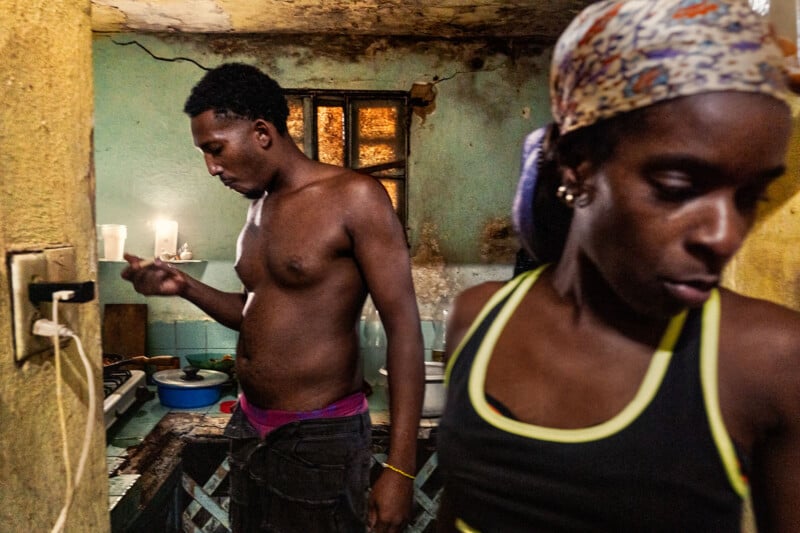
Image credits: Photographs by Kelly Conlin.
Affiliate Disclosure: PetaPixel articles may include affiliate links; we may earn a commission if you buy through one.