The journey to the western edge of Oahu, a place often marked by cautionary tales and a deliberate absence from typical tourist itineraries, led photographer Paul Nicklen and his partner Cristina Mittermeier not to the expected hostility, but to an profound embrace of Hawaiian culture and a testament to the enduring spirit of aloha. Despite repeated warnings to avoid "the end of the road," their journalistic instinct, fueled by a National Geographic deadline and a quest for authenticity, propelled them toward this seemingly forbidden territory. What they discovered was a vibrant community, fiercely protective of its heritage, yet remarkably generous and welcoming, forging lifelong connections rooted in shared experiences and mutual respect.
A Proverb of Progress: E hele me ka puʻolo
The journey began under the shadow of a looming deadline and the weight of expensive camera equipment, a stark contrast to the expected serenity of Hawaii. The advice to steer clear of the west side of Oahu was consistent: "Whatever you do, do not go to the end of the road on the West side of Oahu." This collective apprehension, however, served as a powerful magnet for Nicklen, a seasoned storyteller whose career has often been defined by seeking out the untold narratives in remote and challenging locales. He theorized, "With the rental car packed full of expensive camera gear and a National Geographic deadline looming overhead, the two of us set out to photograph one of the last major holdouts of Hawaiian culture. We expected the due and deserved suspicion, wariness, and even hostility that so many people had warned us about." This expectation, however, would soon be profoundly reshaped by the reality of the Makaha community.
Dawn Patrol and Deep Roots in Makaha
Mornings in Makaha, situated on the western shores of Oahu, begin long before the first rays of sunlight paint the horizon. The ritual of surfers gathering on the beaches, preparing to ride the formidable waves of the North Shore, is a familiar spectacle. As the rest of the island awakens, with the aroma of coffee and the rhythm of music filling the air, a single, often poorly maintained road becomes the artery connecting locals to their daily lives. Makeshift tent communities stir to life, and the crowing of roosters serves as a natural alarm clock along the beach. It was in this setting that Nicklen and Mittermeier found themselves, shaded from the early sun, in conversation with Brian Keaulana. Keaulana, a figure of celebrity status in the surfing world, a seasoned stuntman, and a scion of one of Hawaii’s most revered families, became their initial gateway into the heart of Makaha.
The community of Makaha is a living repository of Hawaiian traditions. Here, surfboard shapers continue to meticulously craft their boards by hand, a deliberate stand against the impersonal mass production of factory-made alternatives. Wayfinders, guided by the celestial map of the stars, are learning ancient navigation techniques passed down through generations. For the residents of Makaha, surfing is not merely a sport or a transient lifestyle; it is an intrinsic part of their identity, flowing through their bloodlines. The community is predominantly composed of Polynesian descendants and highly respected watermen and women whose connection to the land and the sea is profound, a bond that transcends mere description.
Unveiling Heroes and Heritage
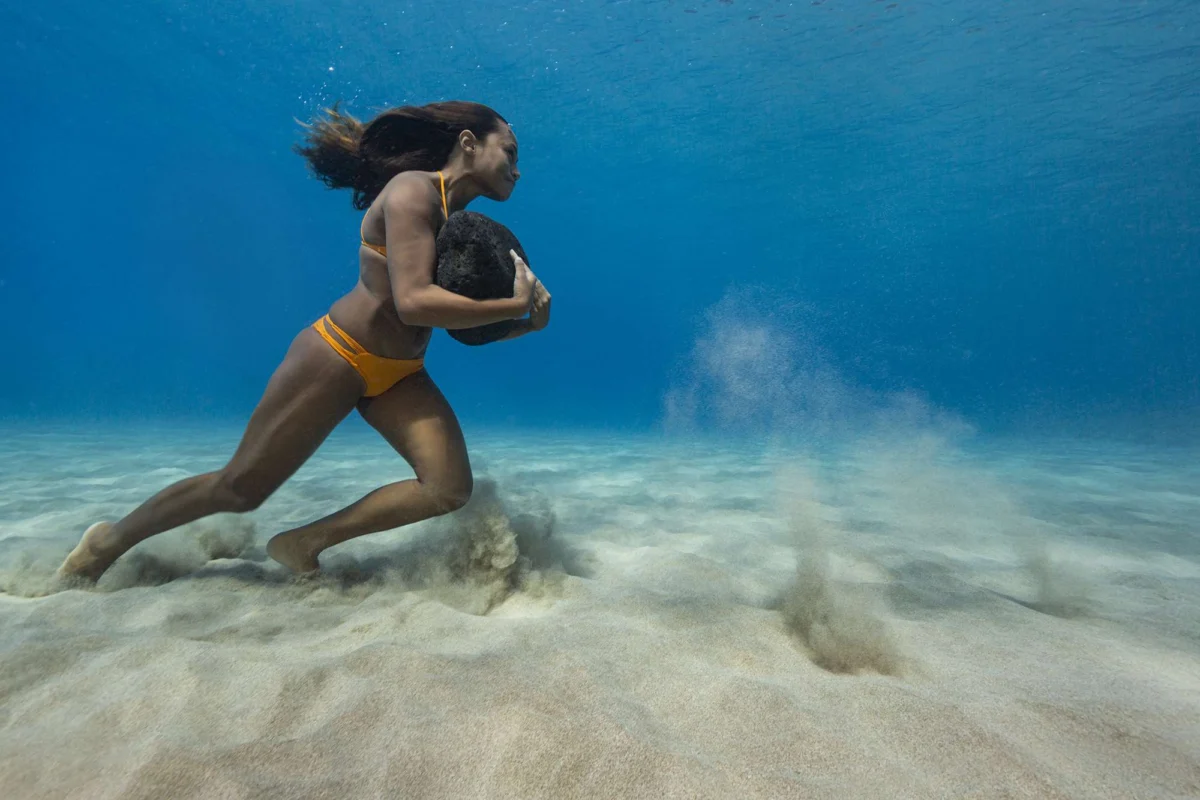
Through Brian Keaulana’s invaluable introductions, Nicklen and Mittermeier were granted access to some of the island’s most influential figures. They spent time with Ha’a Keaulana, Brian’s daughter and a surfing prodigy in her own right, a granddaughter of the legendary Buffalo Keaulana. Her rigorous training regimen offered a glimpse into the immense dedication required to master the ocean’s power. One notable exercise involved Ha’a carrying a 50-pound boulder underwater for an extended period, with fellow surfers clinging to her as she navigated the depths, a testament to her extraordinary strength and aquatic prowess.

The encounter extended to Suluape Keone Nunes, a traditional tattoo artist whose work is deeply interwoven with Hawaiian history and genealogy. Nunes patiently elucidated the profound meaning embedded within each intricate design, illustrating how Hawaiians traditionally wear their stories, their lineage, and their cultural identity upon their skin. This immersive experience underscored the importance of these cultural practices, not as relics of the past, but as vibrant, living traditions central to the community’s identity.
The Weight of History: Guarding a Fragile Legacy
The deeper Nicklen and Mittermeier delved into the community’s history, the more they understood the fierce protectiveness that defined their interactions with outsiders. The historical context of Hawaii’s annexation in 1898 is crucial to understanding this guarded sentiment. At the time of annexation, the native Hawaiian population had been tragically decimated, with estimates suggesting only around 40,000 individuals remained. This dramatic decline was largely attributed to the devastating impact of introduced diseases and the violent conflicts that characterized the period of Western encroachment.
Over the subsequent century, the remaining native Hawaiian communities have undertaken the monumental task of preserving their ancestral ties and their connection to the land. This preservation has been a painstaking, generational effort, with each new cohort entrusted with safeguarding this fragile heritage. The Makaha community, in particular, has faced its own set of formidable challenges. The insidious grip of addiction, the pervasive threat of violence, and the persistent issue of homelessness have continued to inflict deep wounds on many families. Yet, amidst these struggles, the unwavering connection to the ocean’s rhythm remains a powerful anchor. While their guarded demeanor might be perceived as aloofness by some, it is, in fact, a manifestation of their profound commitment to protecting something of immense value.
A Decade of Aloha: The Promise Fulfilled
Weeks later, as Nicklen and Mittermeier departed the island, they carried with them a profound sense of connection and a tearful promise to their newfound family: they would return. This promise remained a potent aspiration, a beacon guiding their future plans. Just recently, that decade-old commitment was finally honored.
The return journey to Makaha felt like traversing a temporal bridge. As they drove over the familiar causeway and approached the renowned coastline, the scene was one of vibrant continuity. Local surfers and beachgoers once again populated the shores, their laughter and the melodies of music carried on the golden breeze. Nicklen recalled a recent conversation with Mittermeier, reflecting on how, in their previous visit, the locals had an uncanny ability to anticipate their arrival, even reserving a parking space. As if on cue, their past experience was replicated. Moki, a dear friend from their initial encounter and a resident of Makaha, emerged onto the road, his baby stroller strategically placed to indicate an available parking spot for their vehicle.
Ten years had passed, yet the warmth of the reception remained undimmed. They were met with a cascade of "Alohas," heartfelt embraces, boisterous laughter, and an abundance of genuine smiles, all unfolding beneath the iconic lifeguard station, a symbol of their enduring connection, marked as 47B. This repeated act of hospitality, the effortless reservation of a parking spot, epitomizes the deeply ingrained aloha spirit that permeates the Makaha community.

The Enduring Aloha Spirit: Generosity Amidst Adversity
The experience in Makaha transcends a simple travelogue; it is a powerful illustration of resilience and the profound capacity for human kindness, even in the face of persistent adversity. The Makaha community, despite its documented struggles with social and economic challenges, consistently demonstrates an extraordinary level of generosity. This is not a superficial politeness; it is a deep-seated commitment to welcoming and supporting others, a core tenet of their cultural identity.
The Hawaiian concept of "aloha" is far more than a mere greeting; it embodies a profound spirit of unconditional love, compassion, and mutual respect. In Makaha, this spirit is not an abstract ideal but a tangible force that shapes daily interactions. The willingness to extend hospitality, to ensure that visitors and neighbors alike have a place to park and a shaded spot to rest, speaks volumes about the community’s character. It highlights their courage and strength of heart, their ability to remain giving and compassionate even when facing personal hardships.
This enduring aloha spirit serves as a powerful counterpoint to the often-harsh realities that the community has navigated. It underscores the profound human need for connection and belonging, and the remarkable capacity of people to create and sustain vibrant, supportive communities, even in challenging environments. The story of Makaha, as told through Nicklen and Mittermeier’s lens, is a compelling reminder that true wealth lies not in material possessions, but in the strength of community bonds and the unwavering practice of kindness.
Data and Context: Understanding the Makaha Landscape
To fully appreciate the narrative of Makaha, it is essential to consider some relevant data and historical context. The west side of Oahu, including Makaha, has historically faced socioeconomic challenges. Data from various studies on Oahu’s West Side consistently highlight higher rates of unemployment and poverty compared to other regions of the island. For instance, the U.S. Census Bureau data often indicates lower median household incomes and higher poverty rates in census tracts within the Waiʻanae Coast region, which encompasses Makaha.
The legacy of plantation economics and the subsequent decline of agricultural industries in Hawaii have had a lasting impact on communities like Makaha, leading to economic shifts and persistent challenges. Furthermore, the historical marginalization of Native Hawaiian communities and the ongoing impacts of colonization have contributed to systemic inequalities that continue to affect social and economic well-being.
However, these statistics do not define the entirety of the Makaha story. The resilience of the community is evident in the strong cultural preservation efforts. The continuation of traditional practices like surfboard shaping and celestial navigation are not merely hobbies but vital components of cultural identity and intergenerational knowledge transfer. Organizations dedicated to cultural revitalization and community empowerment often operate within these areas, working to address social issues while simultaneously celebrating and perpetuating Hawaiian heritage.

The surf culture itself is a significant economic and social driver. The world-renowned surf breaks of the North Shore, including those accessible from Makaha, attract a global audience, though the direct economic benefits to the local Makaha community can be complex and varied. The presence of legendary surfers and watermen like the Keaulana family underscores the deep, almost symbiotic relationship between the community and the ocean, a relationship that fosters both athletic prowess and a profound respect for the marine environment.
Implications and the Future of Cultural Preservation
The experience in Makaha offers critical insights into the complexities of cultural preservation in the face of modernization and tourism. The initial wariness toward outsiders, though perhaps perceived as unwelcoming, stems from a deeply rooted instinct to protect a cultural heritage that has been historically vulnerable. The success of Nicklen and Mittermeier’s interaction lies in their approach: one of genuine curiosity, respect, and a willingness to understand rather than simply document.
This approach highlights a broader implication for tourism and media engagement in culturally sensitive areas. A shift from extractive voyeurism to collaborative storytelling is essential. By fostering relationships built on trust and mutual understanding, external observers can contribute to the preservation and promotion of local cultures in ways that are respectful and beneficial to the communities themselves.
The ongoing efforts to maintain traditional practices in Makaha, such as surfboard shaping and traditional tattoo artistry, are not only acts of cultural affirmation but also potential avenues for sustainable economic development. Supporting these local artisans and cultural practitioners can provide livelihoods while simultaneously ensuring the continuity of invaluable traditions.
The story of Makaha, therefore, serves as a potent reminder that beneath the surface of challenging socio-economic landscapes, vibrant cultures and deeply rooted human connections often thrive. The "end of the road" is not an endpoint but a threshold, a place where profound narratives of resilience, aloha, and the enduring power of heritage continue to unfold, waiting to be understood with open hearts and minds.