In the dynamic realms of photography and videography, where the capture of light dictates the very essence of an image, understanding the fundamental principles of illumination transcends mere technical proficiency; it is the bedrock of visual storytelling. While advanced equipment and sophisticated post-production techniques continue to evolve, the ability to manipulate light effectively remains rooted in three core concepts: Intensity, Quality, and Direction. These principles, universally applicable from professional studio environments to natural outdoor settings, empower visual artists to transition from merely recording a scene to meticulously crafting an evocative visual narrative.
The journey of light manipulation in visual media has a rich history, dating back to the nascent days of photography in the 19th century. Early practitioners, limited by slow emulsions and rudimentary equipment, relied almost exclusively on natural light, often necessitating long exposure times and specific orientations to the sun. The advent of artificial light sources—from magnesium flash powder in the 1860s to arc lamps and later incandescent bulbs—revolutionized the potential for control, gradually leading to a more deliberate and artistic approach. Pioneers like George Eastman and Thomas Edison indirectly contributed to this evolution by making photography more accessible and enabling controlled environments. By the early 20th century, as cinema emerged, cinematographers began to systematically categorize and apply different lighting effects, borrowing heavily from classical painting techniques, particularly those of Dutch Masters like Rembrandt, whose dramatic use of shadow and highlight became a benchmark for three-dimensional modeling. This historical progression solidified the understanding that light is not just for visibility, but for shaping form, evoking emotion, and guiding the viewer’s gaze.
The Unifying Framework: Intensity, Quality, and Direction
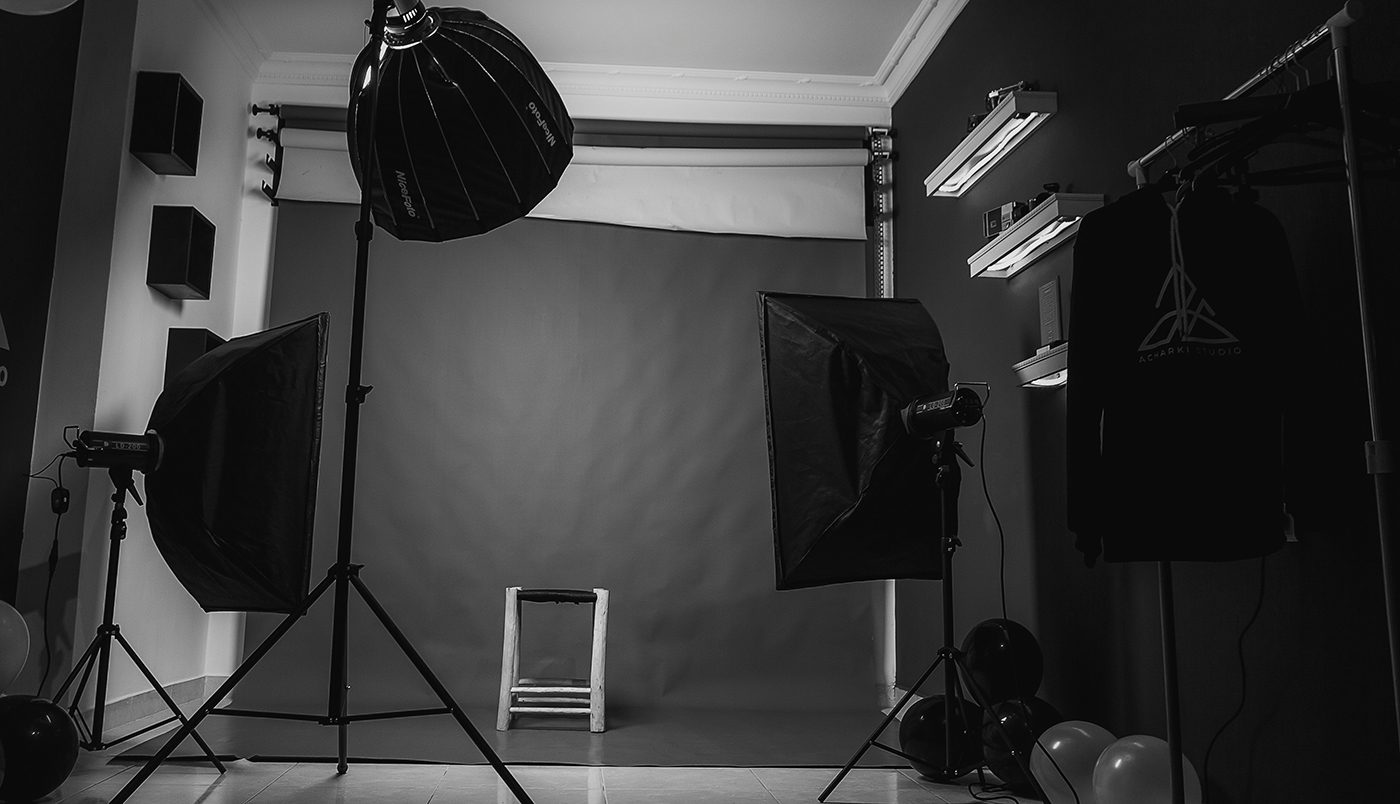
For educators and industry professionals, these three pillars form a logical hierarchy for deconstructing and mastering illumination. Their interconnectedness allows for infinite creative possibilities, yet their individual characteristics provide a clear framework for deliberate control. Whether one is sculpting a portrait with high-powered LEDs or harnessing the shifting embrace of the sun, these principles are the unwavering constants.
1. Intensity of Light: The Volume Control of Illumination
Intensity, at its most fundamental, refers to the sheer quantity of light reaching a subject and, consequently, the camera’s sensor. It is the "volume knob" of illumination, directly impacting exposure settings. In controlled studio environments, this is managed through power dials on strobes or continuous lights. For natural light scenarios, photographers and videographers employ tools such as Neutral Density (ND) filters to reduce incoming light or adjust camera settings like ISO, aperture, and shutter speed. While seemingly the most straightforward of the three principles, its mastery is critical for achieving correct exposure and setting the overall brightness level of an image.
- Technical Considerations: The inverse square law is a crucial concept here: the intensity of light falling on a surface is inversely proportional to the square of the distance from the light source. Doubling the distance from a light source to a subject reduces the light intensity by a factor of four. Understanding this allows for precise adjustments without solely relying on power settings.
- Creative Impact: Manipulating intensity can create dramatic high-key scenes bathed in bright, even light, or moody, low-key compositions where shadows dominate. For instance, a high-intensity key light paired with minimal fill can produce stark contrast, often used in dramatic portraiture or film noir. Conversely, low intensity can create a sense of intimacy or mystery.
- Industry Application: In advertising, precise intensity control ensures product details are perfectly illuminated, while in cinematic storytelling, varying intensities can signify shifts in mood, time of day, or narrative importance. According to a 2023 survey by the Professional Photographers of America (PPA), over 70% of professional photographers cited exposure accuracy, primarily driven by intensity control, as a foundational skill that directly correlates with client satisfaction.
2. Quality of Light: Shaping the Character of Illumination

The quality of light delves into its inherent characteristics, encompassing a multitude of variables that profoundly affect the texture, mood, and perceived depth of a scene. This is often the most nuanced and creatively expressive principle, offering a vast palette for visual artists.
- Hard vs. Soft Light: This is perhaps the most frequently discussed aspect of light quality.
- Hard light originates from a relatively small light source (or one perceived as small due to distance) and produces sharp, well-defined shadows with distinct edges. It emphasizes texture, detail, and can create a sense of drama or harshness. Think of direct sunlight on a clear day or an undiffused bare bulb.
- Soft light, conversely, comes from a large light source (or one diffused to appear large) and creates gradual transitions between light and shadow, resulting in diffused, gentle shadows with soft edges. It is often used for flattering portraits, to minimize skin imperfections, or to create a dreamy, ethereal atmosphere. Large softboxes, overcast skies, or light bounced off a massive white wall are prime examples.
- Expert Insight: Award-winning cinematographer Marco Rossi emphasizes, "The quality of light is arguably the most expressive element. It dictates texture, mood, and the emotional resonance of an image. A subtle shift from hard to soft can transform a harsh interrogation scene into an intimate portrait, demonstrating its profound narrative power."
- Color Temperature: Measured in Kelvin (K), color temperature describes the warmth or coolness of light. Lower Kelvin values (e.g., 2000K-3000K) indicate warmer, more orange/red light (like candlelight or tungsten bulbs), while higher values (e.g., 5500K-6500K) represent cooler, more blue light (like daylight or electronic flashes). Modern RGB LEDs offer unprecedented control, allowing artists to dial in specific hues for creative effects, from subtle atmospheric shifts to vibrant, theatrical displays.
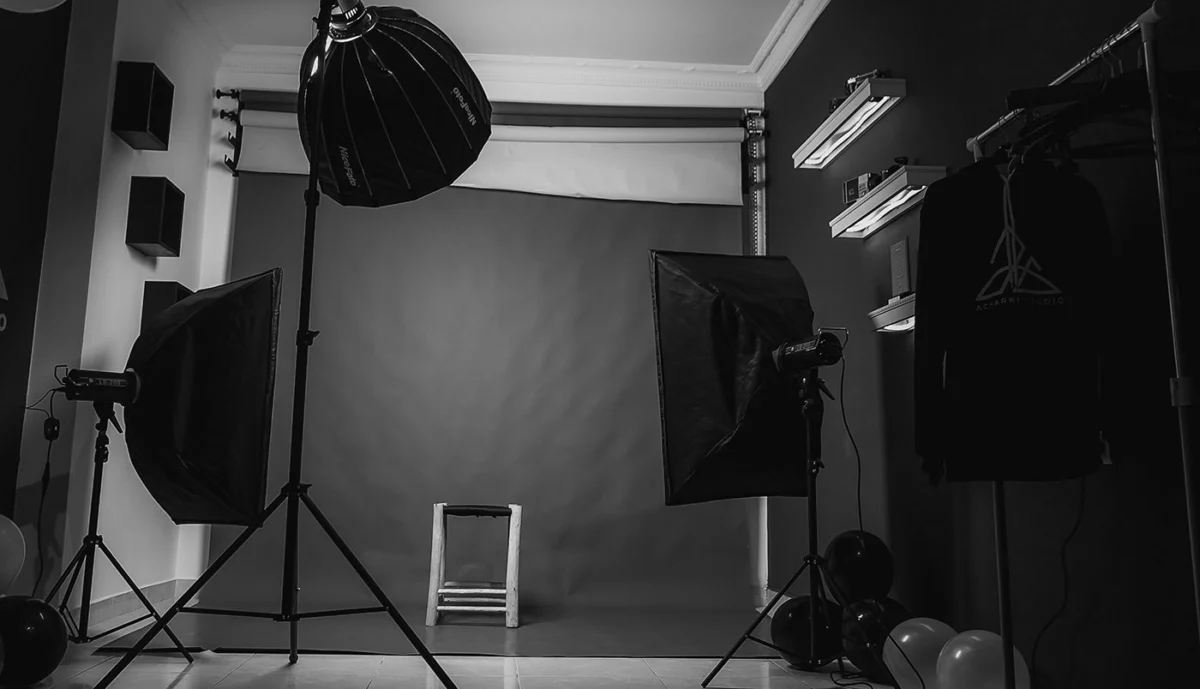
- Specularity and Diffusion: This relates to how light interacts with surfaces and modifiers. Highly specular surfaces, like polished silver reflectors or bare metal, produce sharp, intense highlights. Diffused surfaces, like white umbrellas or softboxes, scatter light, reducing harshness and creating broader, softer illumination. The choice of modifier—from parabolic reflectors known for their crisp yet even light throw to octagonal softboxes for wrap-around softness—is a critical decision for controlling light quality. The discontinuation or alteration of popular modifiers often draws significant concern from professionals due to the specific, irreplaceable qualities they impart.
- Technological Advancements: The last decade has seen rapid innovation in LED technology, offering greater control over color temperature, hue, and output consistency, allowing filmmakers and photographers to precisely sculpt light quality on set with digital precision, a stark contrast to the gel and scrim heavy days of film.
3. Direction of Light: Sculpting Form and Narrative Space
The direction of light, referring to its placement relative to the subject and camera, is arguably the most powerful tool for creating a sense of depth, volume, and three-dimensionality. It defines contours, reveals texture, and significantly influences the mood and psychological impact of an image.
- Defining Form and Depth: Light striking a subject from different angles creates varying patterns of highlights and shadows. These patterns are what our brains interpret to perceive shape and volume. Without directional light, a three-dimensional object appears flat and two-dimensional.
- Common Lighting Directions and Their Effects:
- Frontal Lighting: Light coming directly from the camera’s position flattens features, minimizes shadows, and can create a soft, even look. Often used in passport photos or fashion for a clean, shadowless aesthetic.
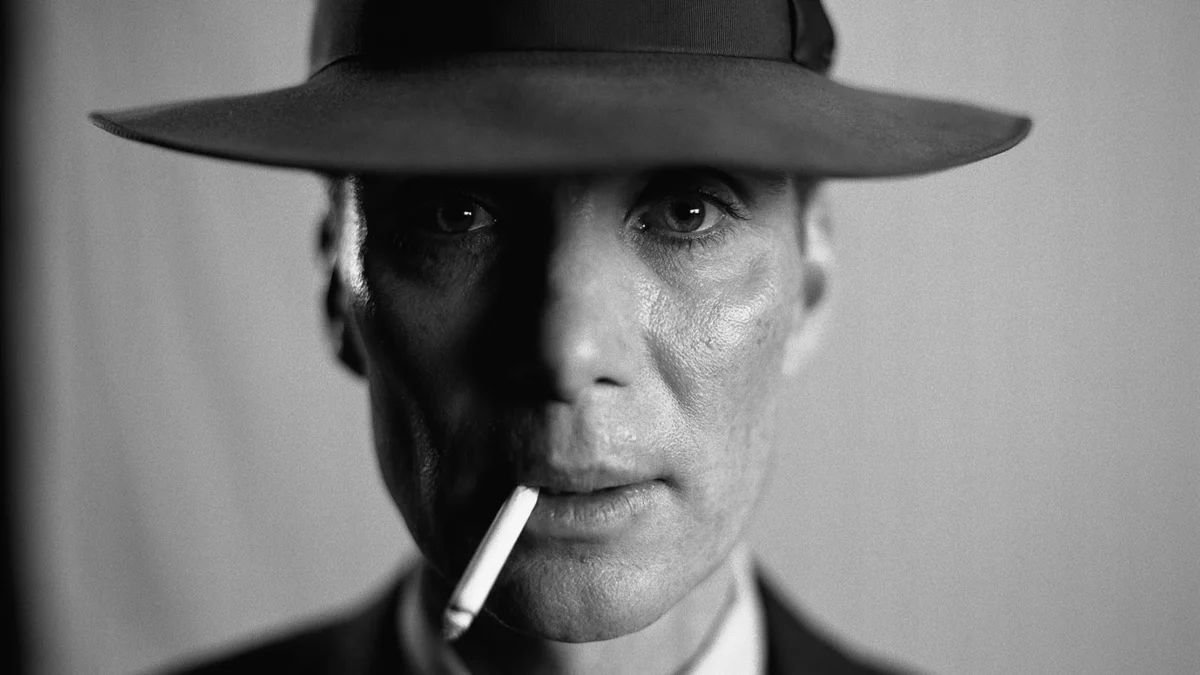
- Side Lighting (or Broad/Short Lighting): Light coming from the side of the subject emphasizes texture and creates strong shadows, revealing contours and adding depth. Broad lighting illuminates the side of the face closest to the camera, making it appear wider, while short lighting illuminates the side of the face turned away from the camera, creating a slimmer appearance and more dramatic shadows. This is a staple for dramatic portraiture.
- Backlighting (or Rim Lighting): Light positioned behind the subject creates a bright outline, separating the subject from the background and adding depth. It can evoke a sense of mystique, highlight hair, or create a angelic glow.
- Top Lighting: Light from directly above mimics natural sunlight and can be flattering, but if too direct, can create harsh shadows under the eyes and nose. Often softened and diffused for a more natural effect.
- Bottom Lighting (or Up-lighting): Light from below is uncommon in natural scenarios and tends to create unsettling or eerie shadows, often used in horror films or for dramatic, stylized effects (the "campfire story" look).
- The "Rules" and Intentional Subversion: While there are conventional "rules" (e.g., light from above is generally more natural and flattering), understanding them allows artists to intentionally break them for specific creative outcomes. Renowned portrait photographer, Anya Sharma, states, "Direction is the sculptor’s chisel. It carves out features, defines mood, and can even narrate a story without a single word. Deviating from natural overhead light isn’t a mistake; it’s a deliberate choice to provoke, to create the ‘uncanny valley’ effect that can be incredibly powerful." This deliberate manipulation of natural perception is a hallmark of advanced lighting design.
- Diagrammatic Representation: In lighting breakdowns, the direction of light is frequently depicted using diagrams showing angles relative to the subject and camera (e.g., 45 degrees off-axis, 30 degrees above). This standardized notation allows for clear communication and replication of complex lighting setups.
Interplay and Advanced Applications
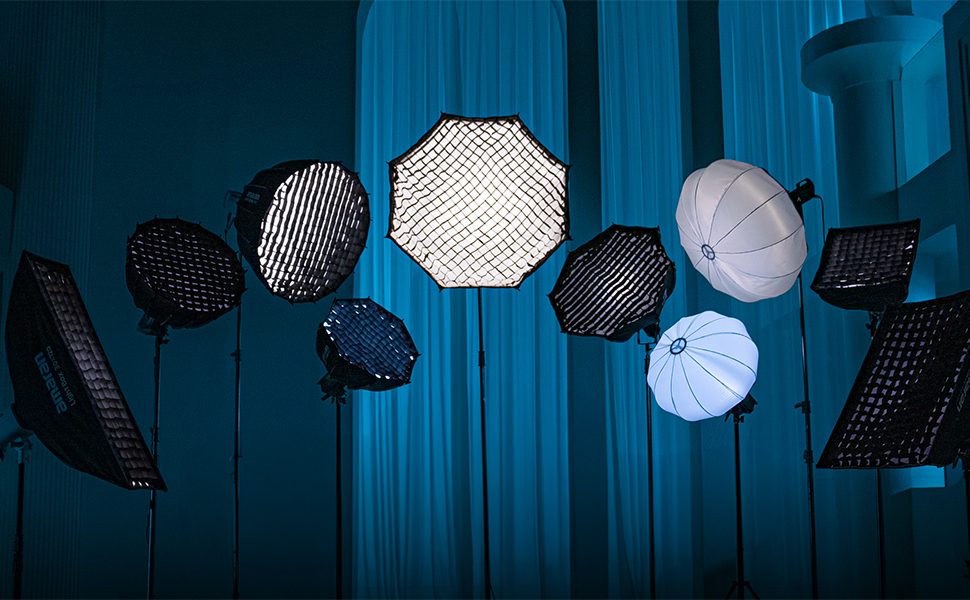
It is crucial to understand that these three principles rarely operate in isolation. A change in the intensity of a light source will often necessitate adjustments to its quality (e.g., adding diffusion to soften harshness created by increased power) or direction (e.g., moving it closer or further to control fall-off). Advanced lighting techniques, such as feathering (angling a light so only the softer edge illuminates the subject), flagging (blocking light from certain areas), or gelling (adding colored filters), all involve a sophisticated understanding of how Intensity, Quality, and Direction interact.
The implications of mastering these principles are far-reaching. For aspiring visual artists, a solid grasp of Intensity, Quality, and Direction is a non-negotiable prerequisite for entry into professional photography, cinematography, or any field involving visual media creation. It unlocks artistic expression, allowing creators to convey complex emotions, define character, and build compelling worlds. In the commercial sphere, it directly impacts the effectiveness of marketing campaigns, product presentation, and brand perception.
Technological advancements, such as the proliferation of smart lighting systems, virtual production stages, and even AI-driven lighting design tools, do not diminish the importance of these fundamentals; rather, they provide more precise and versatile means to control them. An artist fluent in Intensity, Quality, and Direction can leverage these new tools to achieve unprecedented levels of creative control and efficiency. As the visual landscape continues to evolve, the timeless understanding of how light behaves and how it can be sculpted will remain the most powerful asset in any visual storyteller’s toolkit. The journey from "taking a picture" to "crafting an image" begins and ends with light.