The integration of artificial intelligence (AI) into the creative process is rapidly evolving, presenting both unprecedented opportunities and complex challenges for artistic disciplines, particularly street photography. As AI tools become more sophisticated and accessible, their application within the workflow of photographers, even those dedicated to capturing spontaneous moments on the street, is becoming increasingly common. This ranges from automated image selection and metadata tagging to advanced editing techniques like personalized retouching and generative AI, blurring the lines between human artistry and machine-generated output. This trend has ignited a significant debate within the photography community, prompting critical questions about the role and acceptance of AI in a genre historically rooted in authenticity and direct human observation. The core of this discussion lies in whether the fundamental principles of street photography can accommodate or are fundamentally challenged by AI’s increasing influence, and what the future implications might be for artistic integrity and audience perception.
The Documentary Tradition and the AI Dilemma
Street photography, by its very nature, is deeply entwined with the documentary tradition. This tradition emphasizes an authentic connection between the photographer, the moment captured, and the physical reality observed through the lens. The introduction of AI into the creation or refinement of these images raises fundamental questions about this connection. When AI plays a significant role in the selection, enhancement, or even generation of an image, the question arises: does it remain photography in its traditional sense, or does it transition into a new category, perhaps termed "promptography" or AI-assisted art? The dilemma for the street photography community and the broader art world is whether to permit this overlap, allowing AI to become an integrated tool, or to enforce a strict separation, preserving distinct categories for human-created and machine-generated works. This ongoing dialogue is crucial for defining the evolving landscape of visual arts in the digital age.
Historical Parallels: Technological Advancements in Creative Fields
To understand the current discourse surrounding AI in photography, it is beneficial to examine historical precedents in other creative fields, particularly writing. In literature and journalism, there has been a growing trend for publications to reject submissions that have been significantly generated or assisted by AI. However, this strict stance prompts a comparison with other widely accepted technological aids. For instance, the use of dictionaries, grammar-checking software like Grammarly, and even the internet for research and idea generation are commonplace for writers. These tools, while not directly producing the text, undeniably shape and refine the final output.
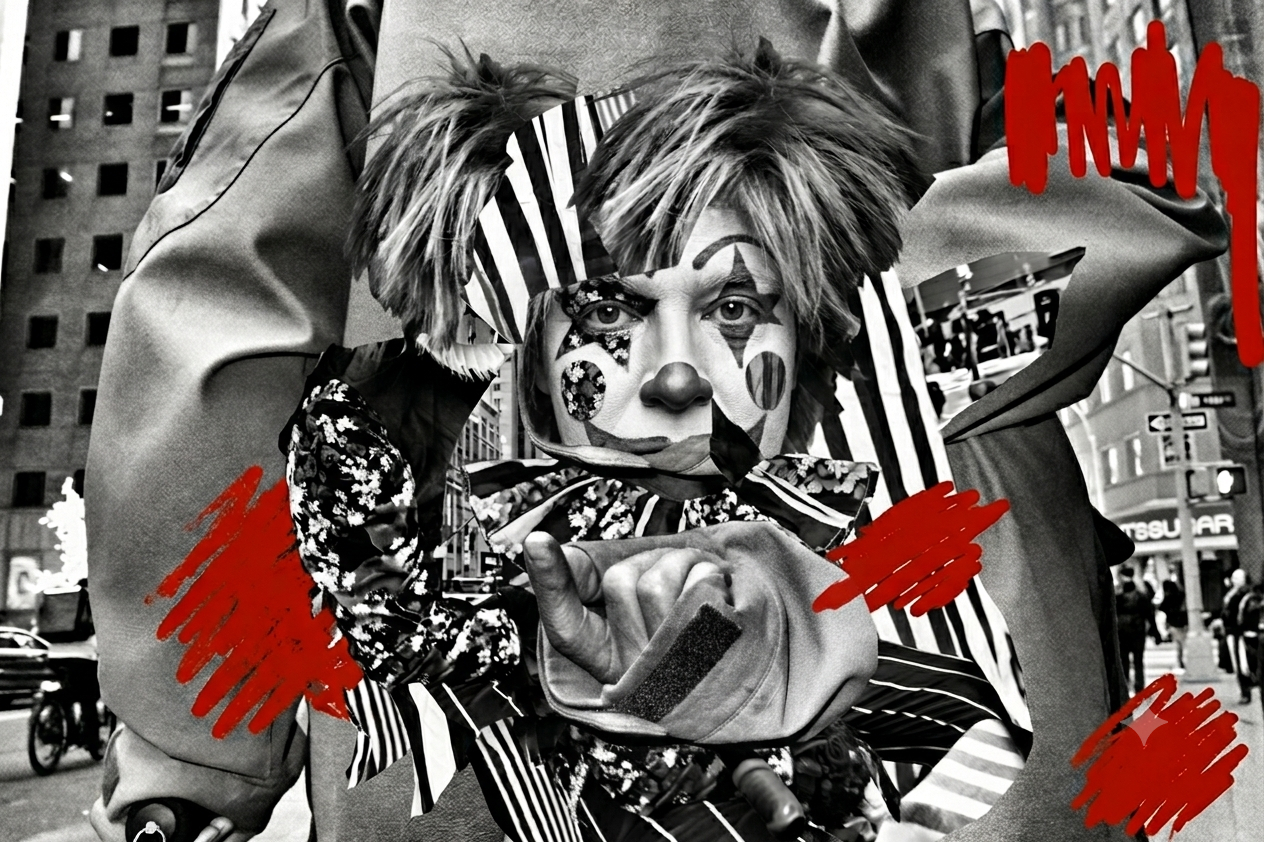
The introduction of the typewriter and later the computer also faced skepticism regarding their impact on the "hand-crafted" nature of writing. Yet, these technologies ultimately became indispensable tools that enhanced productivity and creative expression. The argument can be made that many current AI applications in photography are akin to advanced versions of existing editing software, much like "Grammarly on steroids." If standard editing tools are not banned, the question becomes where to draw the line when these tools are powered by artificial intelligence. This historical perspective suggests that outright prohibition may be an overly simplistic response to technological evolution.
Preserving the Human Element: Defining the Boundaries
A significant concern within the art world, including street photography, is the desire to preserve the human element. The notion that art should ultimately be the product of a human being’s vision, intention, and execution is a powerful sentiment. However, this does not necessarily preclude the use of technology. The challenge lies in accurately identifying and defining the threshold where human involvement ends and machine generation begins.
Even in what might be considered the "purest" forms of documentary photography, an interaction with artificial intelligence is often unavoidable. Modern digital cameras, for example, employ sophisticated AI-driven algorithms for autofocus systems, scene recognition, and image stabilization. Automated metadata tagging, while immensely useful for organization, is also a function of machine intelligence. These integrated technologies have become so pervasive that their presence is rarely questioned. This raises the question of whether AI, when used in these supporting roles, fundamentally alters the authenticity of the photographic process.
Establishing Guardrails: A Framework for AI Integration
Instead of adopting a binary "to ban or not to ban" framework, which may prove unproductive, a more constructive approach involves establishing clear guardrails. These guardrails would serve to delineate human effort from machine generation. For street photography that leans heavily into AI, particularly in ways that significantly alter or create the visual content, a proposed solution is to categorize such work differently or to mandate clear labeling. This would allow for the existence of AI-generated or heavily AI-assisted imagery without diluting the definition and integrity of traditional street photography.
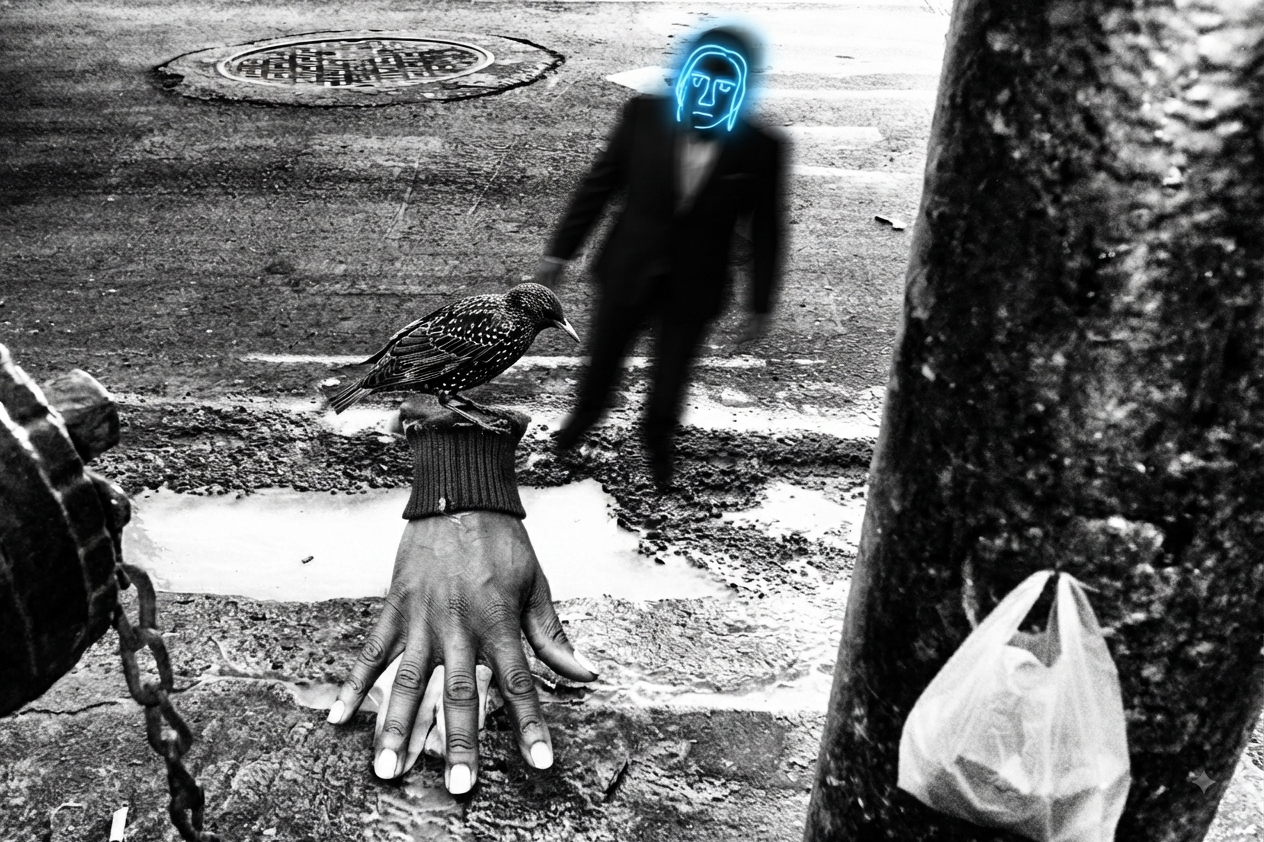
This approach acknowledges that AI is an evolving tool and its impact will continue to grow. By creating a framework for its integration, the community can navigate this transition more effectively, ensuring transparency and maintaining respect for different artistic methodologies. The goal is not to stifle innovation but to foster an environment where different forms of creative expression can coexist with clear understanding and categorization.
The Question of Transparency and Workflow Disclosure
The debate surrounding AI in photography naturally extends to the broader issue of transparency in artistic workflows. Should photographers be required to disclose the extent to which AI was used in their process? This question is met with varied reactions, as many artists are hesitant to reveal the intricate details of their creative journey.
Historically, the advent of film photography and the subsequent development of contact sheets offered a glimpse into a photographer’s process. Reviewing contact sheets could reveal the number of frames taken to achieve a single compelling image, the photographer’s shooting style (e.g., single shots versus burst sequences), and the extent of their experimentation. While some photographers consistently produced strong frames, others would shoot extensively to find the perfect moment. Even in the past, full contact sheets were rarely shared, as they often contained numerous "throwaway" shots that did not meet the artist’s standards.
In the digital age, the equivalent of contact sheets – hundreds or thousands of RAW files and edits – are typically stored privately on hard drives. If the demand for transparency is to be applied to AI, a logical extension would be to also consider the transparency of other aspects of the photographic process. For example, should the selection of a "decisive moment" from a burst sequence of a hundred frames be disclosed? Does the context of capturing a single image versus a continuous burst fundamentally alter how we should evaluate an image?
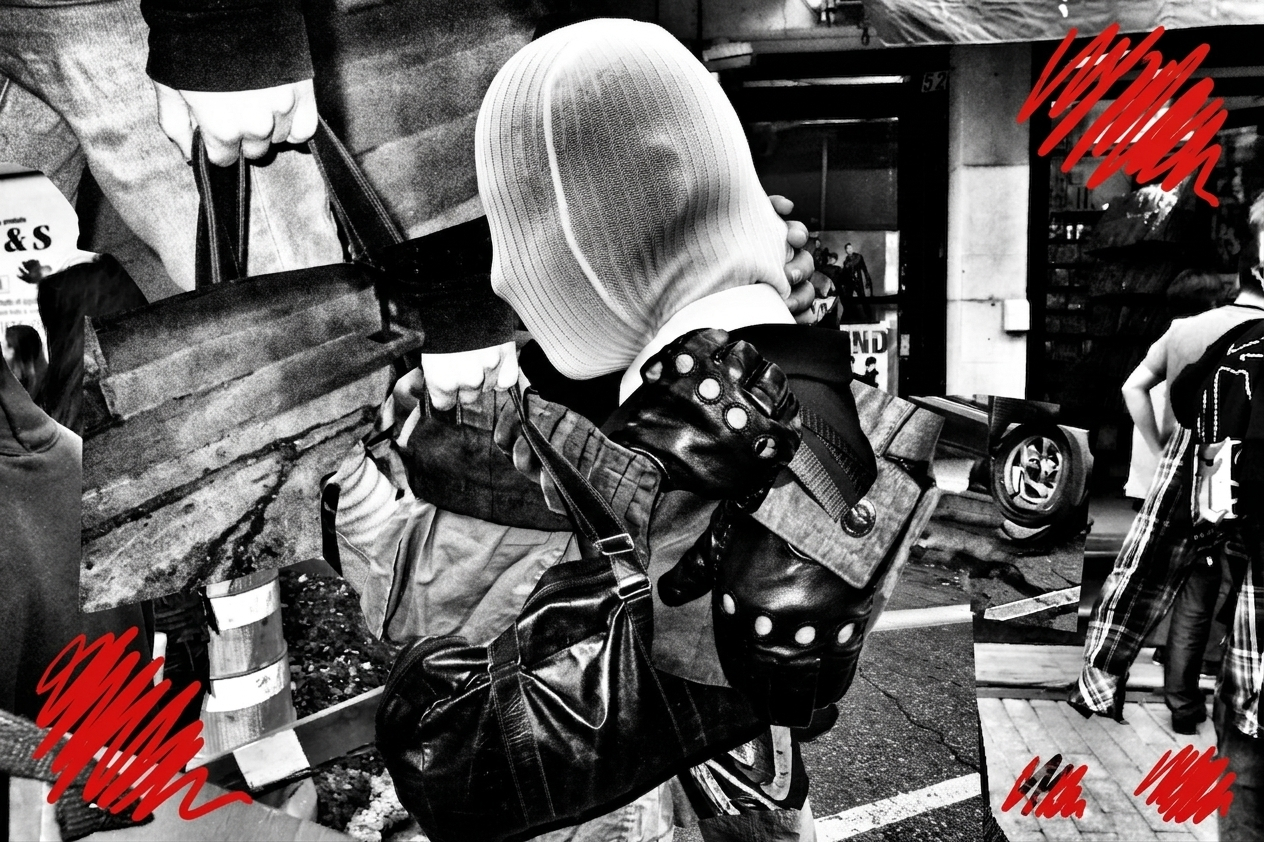
The author’s personal methodology, for instance, involves shooting only a single frame of a subject, a deliberate choice that contrasts with photographers who utilize continuous burst mode to capture street scenes. The argument can be made that understanding the full context of how an image was produced provides a more complete evaluation of the photographer’s skill, intention, and the circumstances of the shot. This suggests that a demand for transparency regarding AI use could logically extend to a broader discussion about the disclosure of entire photographic workflows.
The Inevitability of AI and the Path Forward
Attempting to ban AI from street photography is likely an impractical endeavor. Artificial intelligence is an integral and rapidly advancing technology that will continue to permeate and enhance various aspects of photography. Computational processes are poised to offer increasingly sophisticated assistance in image capture, editing, and management.
The true challenge and decision facing the street photography community, therefore, is not whether to resist AI, but rather whether to embrace a culture of radical transparency regarding image creation. If a commitment to full disclosure is made, it should ideally encompass the entire spectrum of photographic production. This includes not only the use of AI but also the methods of image selection, the extent of digital manipulation, and shooting techniques such as burst modes versus single shots. As the saying goes, "what’s good for the goose is good for the gander."
By advocating for comprehensive transparency, the street photography community can foster a more informed and nuanced appreciation of photographic art. This approach allows for the evolution of artistic practices while upholding the core values of authenticity and artistic integrity, ensuring that both human creativity and technological advancements are understood and valued within their proper context. The ongoing conversation is vital for shaping the future of street photography and its place in the broader artistic landscape.
This article is based on the insights provided by Michael Ernest Sweet, an award-winning Canadian photographer and writer based in New York City. Sweet is the author of two street photography books, "The Human Fragment" and "Michael Sweet’s Coney Island." He is a recipient of a Prime Minister’s Award and a Queen’s Medal from Canada.