The coastal town of Ystad, situated in the Skåne County of southern Sweden, serves as a critical focal point for examining the intersection of 20th-century industrial urban planning and the enduring legacy of high-precision optical engineering. While the municipality remains a primary destination for regional tourism—bolstered by its ferry links to the Danish island of Bornholm and its historical architecture—the physical relationship between the urban center and the Baltic Sea remains characterized by significant infrastructural fragmentation. Recent field assessments conducted using vintage analog photographic equipment, specifically the Contax RTS system paired with Carl Zeiss T* optics, have highlighted both the aesthetic challenges posed by this industrial barrier and the surprising resilience of mid-century lens coatings against harsh maritime atmospheric conditions.
Infrastructural Impediments to Coastal Access in Ystad
Urban planning in Ystad has historically prioritized industrial utility over recreational maritime integration. Unlike Mediterranean or Western French coastal cities, where the "Promenade" serves as a seamless transition between the city and the sea, Ystad’s central coastline is effectively sequestered by a series of fenced-off zones. These areas house vital but aesthetically disruptive infrastructure, including the Swedish national railway network, a municipal sewage treatment plant, and the remnants of a legacy landfill site.

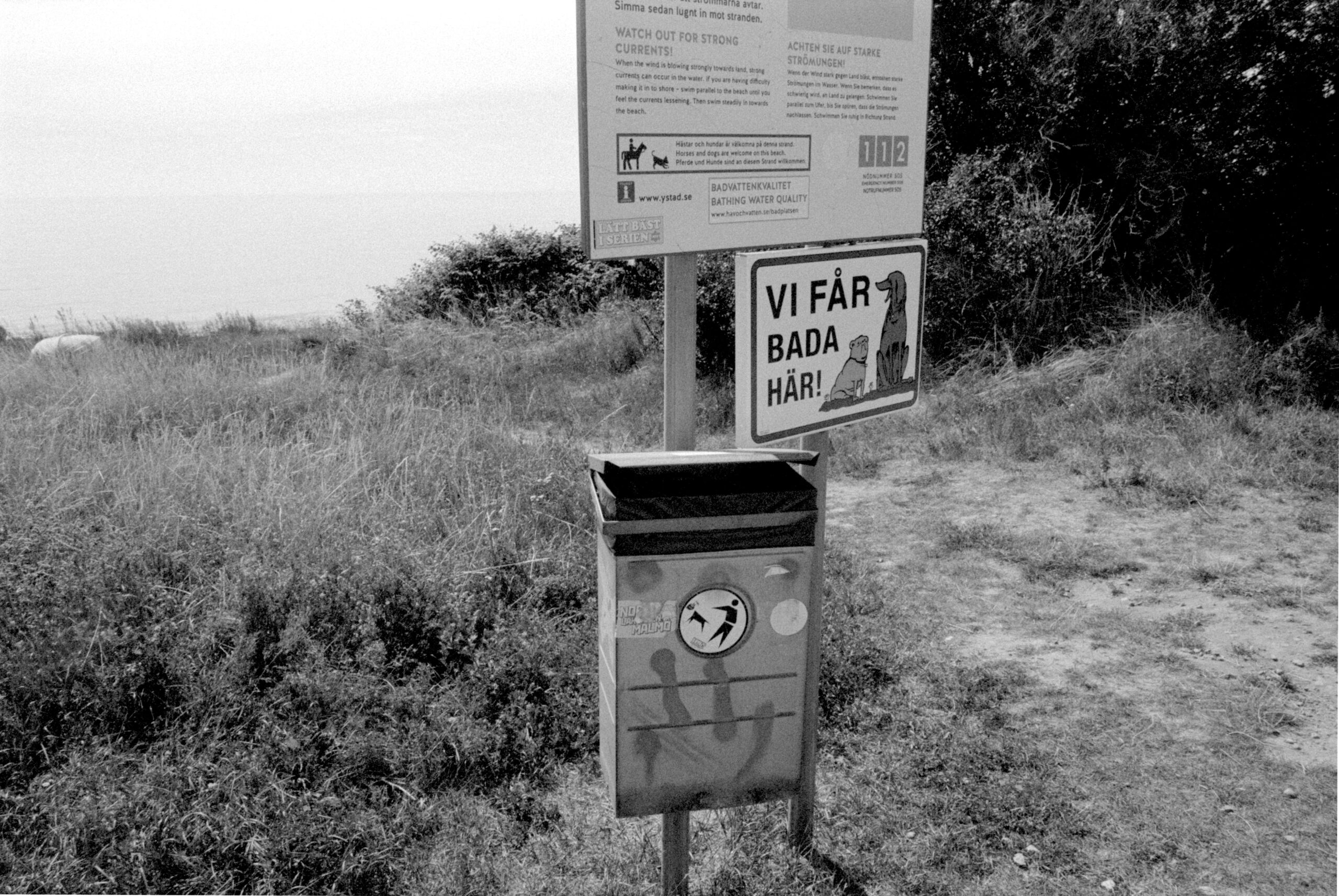
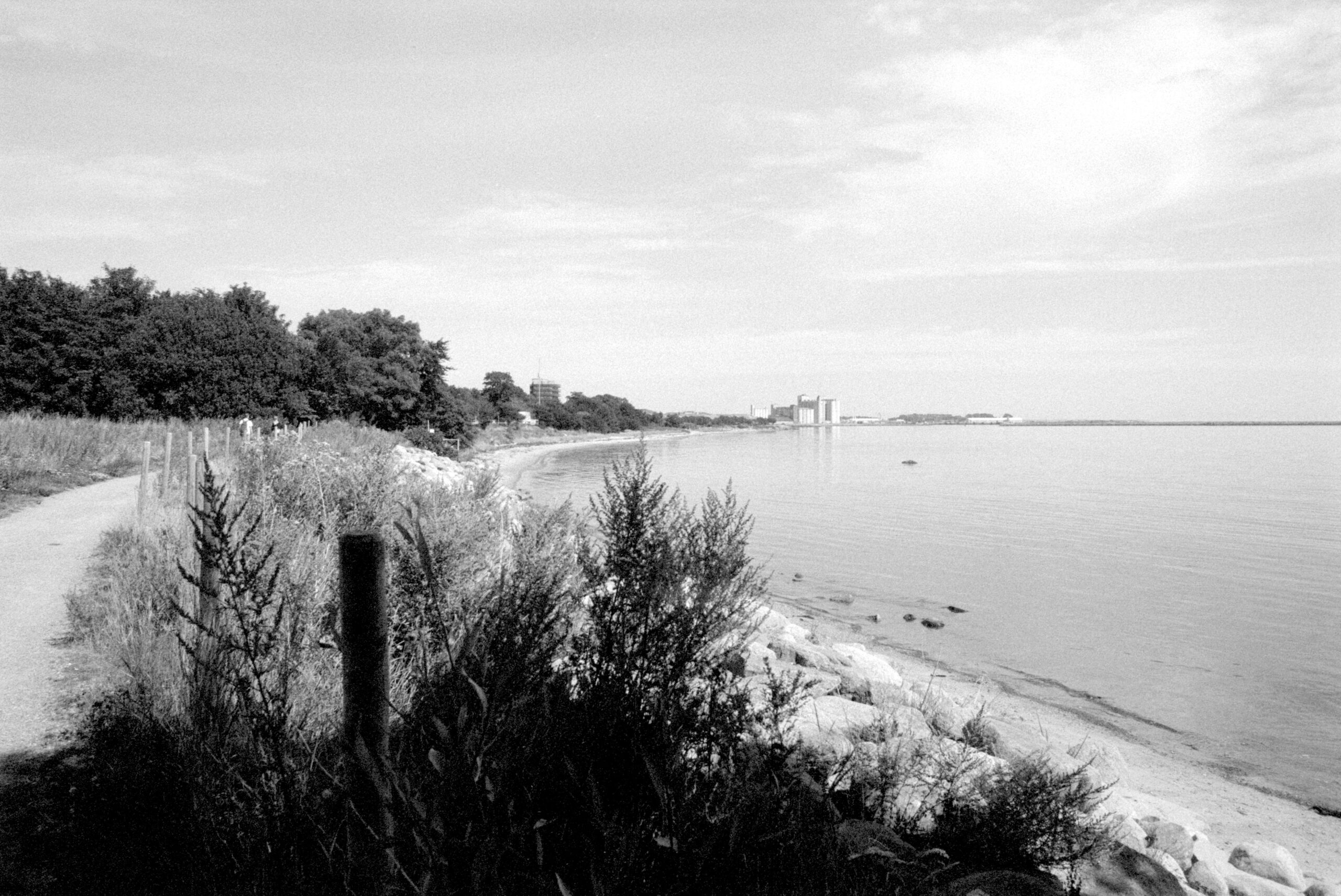
This spatial configuration forces a bifurcation of coastal activity. Tourists and seasonal visitors are largely funneled toward the eastern outskirts of the town, specifically to the beaches located beyond the landmark colloquially known as "Världens Ände" (The End of the World). This geographical moniker, reminiscent of the French Finistère or Spanish Finisterre, marks the perceived limit of the town’s accessible coastline. Conversely, the western periphery offers a more rugged, less commercialized environment. This western sector has become a sanctuary for local residents and specific demographics—such as equestrians and dog owners—who seek to avoid the density of the eastern tourist zones. However, the contrast between these natural assets and the industrial "dead zones" of the central harbor remains a subject of ongoing debate regarding the future of Swedish coastal development.
A Comparative Analysis of European Maritime Promenades
To understand the critique of Ystad’s urban layout, one must look at the benchmarks of European maritime architecture. The Promenade des Anglais in Nice, France, and the Promenade Georges Clemenceau in Les Sables d’Olonne represent the "integrated" model of coastal planning. In these locations, the infrastructure is designed to facilitate the visual and physical flow between the urban fabric and the shoreline, maximizing the economic and psychological benefits of the sea.
In Ystad, the presence of the railway and industrial facilities acts as a "hard border." Data from European urban planning studies suggest that such barriers can suppress the property value of adjacent inland districts and limit the expansion of the hospitality sector. While the industrial facilities provide essential services and logistics for the ferry terminal, the lack of a cohesive pedestrian corridor remains a missed opportunity for the municipality’s long-term tourism strategy.
The Technical Paradigm: Contax RTS and the Distagon 28mm f/2.8
The challenges of documenting this landscape are compounded by the high-contrast environment of the Swedish coast. In a recent technical evaluation, the Contax RTS (Real Time System)—a camera born from the 1970s collaboration between Zeiss, Yashica, and Porsche Design—was utilized to capture the western coastline. The choice of the Carl Zeiss T* 28mm f/2.8 Distagon lens is particularly significant for this study.
The Distagon design is a retrofocus wide-angle lens, a configuration necessitated by the "flange focal distance" of single-lens reflex (SLR) cameras. Because the mirror box of an SLR prevents the rear element of a lens from sitting close to the film plane, the Distagon (a portmanteau of "distance" and "gonios" or angle) uses a highly complex arrangement of elements to achieve a wide field of view while maintaining a long back-focus distance. The f/2.8 28mm variant features seven glass elements arranged in seven groups, a design known for its sharpness and minimal distortion but inherently susceptible to internal reflections due to the high number of air-to-glass surfaces.
Optical Physics and the Evolution of Anti-Reflective Coatings
The primary obstacle in high-contrast maritime photography—characterized by reflective white sands and direct overhead sunlight—is flare and ghosting. Flare occurs when light is reflected off the surfaces of lens elements rather than passing through them. In a multi-element lens like the Distagon, this can lead to a significant loss of contrast and the appearance of geometric artifacts (ghosts) on the image plane.
The history of mitigating this phenomenon dates back to 1935, when Dr. Alexander Smakula, a physicist at Carl Zeiss, developed the first practical anti-reflective coating based on the principle of destructive interference. By applying a thin layer of material with a specific refractive index and thickness (one-quarter the wavelength of the target light), Zeiss was able to cancel out reflections. These lenses were marked with a red "T," representing Transparenz (Transparency).
By the late 1970s, as lens designs became increasingly complex, Zeiss evolved this technology into the T (T-Star) multi-layer coating. This advancement allowed for the suppression of reflections across a broader spectrum of light wavelengths. The T coating is widely credited with providing the "Zeiss look"—characterized by high micro-contrast, vibrant color saturation, and the ability to maintain detail in deep shadows even when a strong light source is present within or just outside the frame.
Field Observations and Performance Data
During the field test in Ystad, the equipment was subjected to extreme conditions: early afternoon sun, high-reflectivity sand, and the absence of a dedicated lens hood. Furthermore, the use of Fomapan 400—a traditional-grain black and white film produced in the Czech Republic—presented additional variables. Fomapan 400 is known for its classic aesthetic but possesses a relatively high base fog and a lower tolerance for extreme overexposure compared to modern T-grain films.
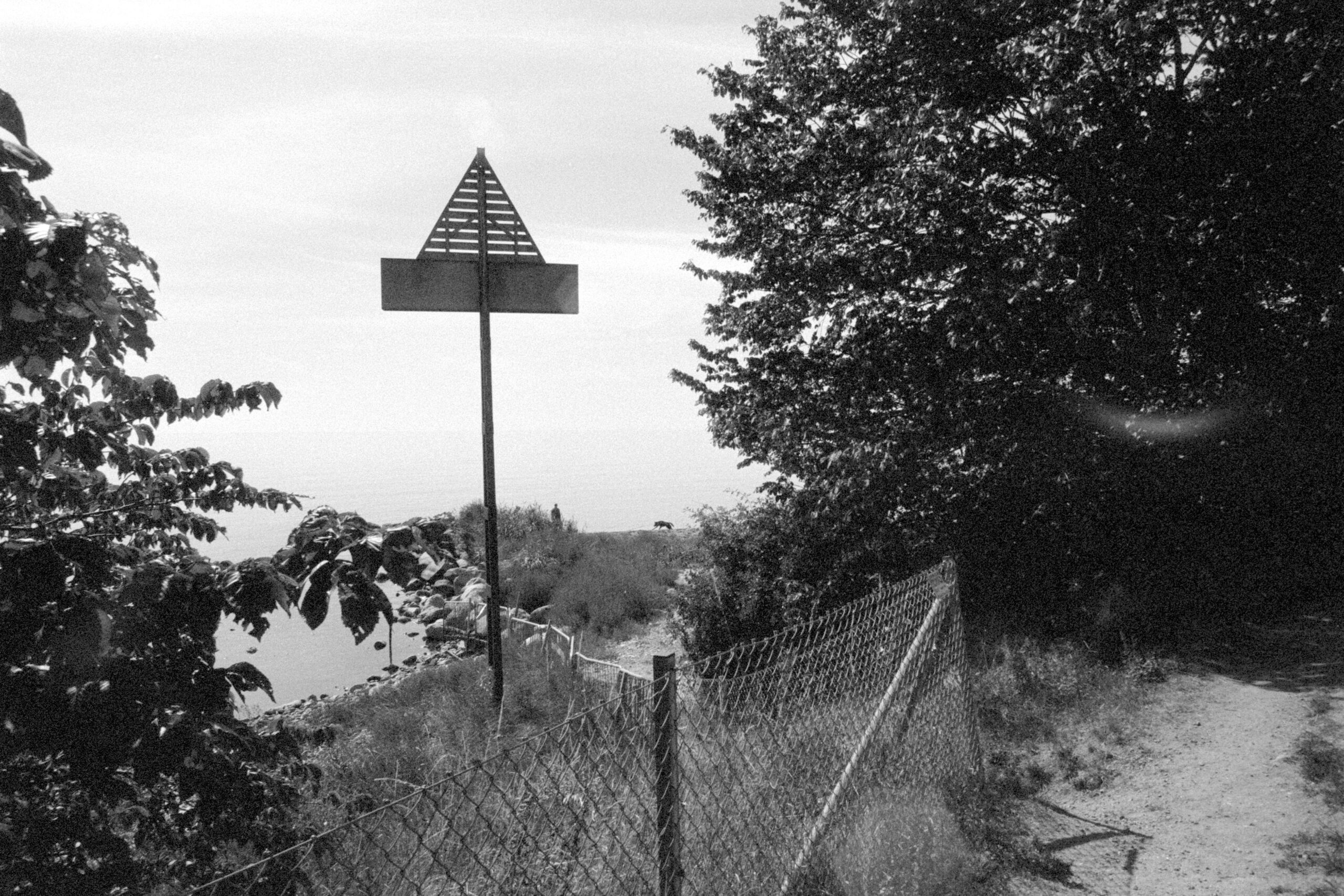
The technical objective was to determine if the T* coating could compensate for the lack of physical shading (a lens hood) in a high-dynamic-range environment. The findings were as follows:
- Flare Incidence: Out of a standard 36-exposure roll, only a single frame exhibited a visible flare artifact. This represents a failure rate of less than 3%, an impressive figure given the 28mm focal length’s wide intake of stray light.
- Contrast Retention: Despite the harsh "top-down" lighting, the Distagon maintained high edge-to-edge sharpness. The T* coating effectively prevented the "veiling flare" that often desaturates images taken with vintage optics.
- Shadow Detail: The film successfully captured textures in the shadows of coastal vegetation and equine subjects, confirming that the high light transmission of the Zeiss glass allowed for sufficient exposure in low-signal areas of the frame.
The Efficacy of Lens Hoods in Modern Fieldwork
The results of this assessment raise a critical question for contemporary and analog photographers alike: Is the lens hood an obsolete accessory in the era of advanced multi-coating? While the T* coating performed admirably, optical experts maintain that a hood remains a necessary "first line of defense."
A lens hood serves two purposes: it prevents non-image-forming light from entering the lens at oblique angles, and it provides physical protection for the front element. While the Zeiss coating can manage the physics of light transmission, it cannot prevent the loss of contrast that occurs when light hits the front element at an extreme angle, potentially creating a "washout" effect. The conclusion of the Ystad field test suggests that while modern (and high-end vintage) coatings are incredibly robust, the use of a hood is still recommended for maintaining the theoretical maximum performance of the optical system.
Broader Implications for Ystad’s Future
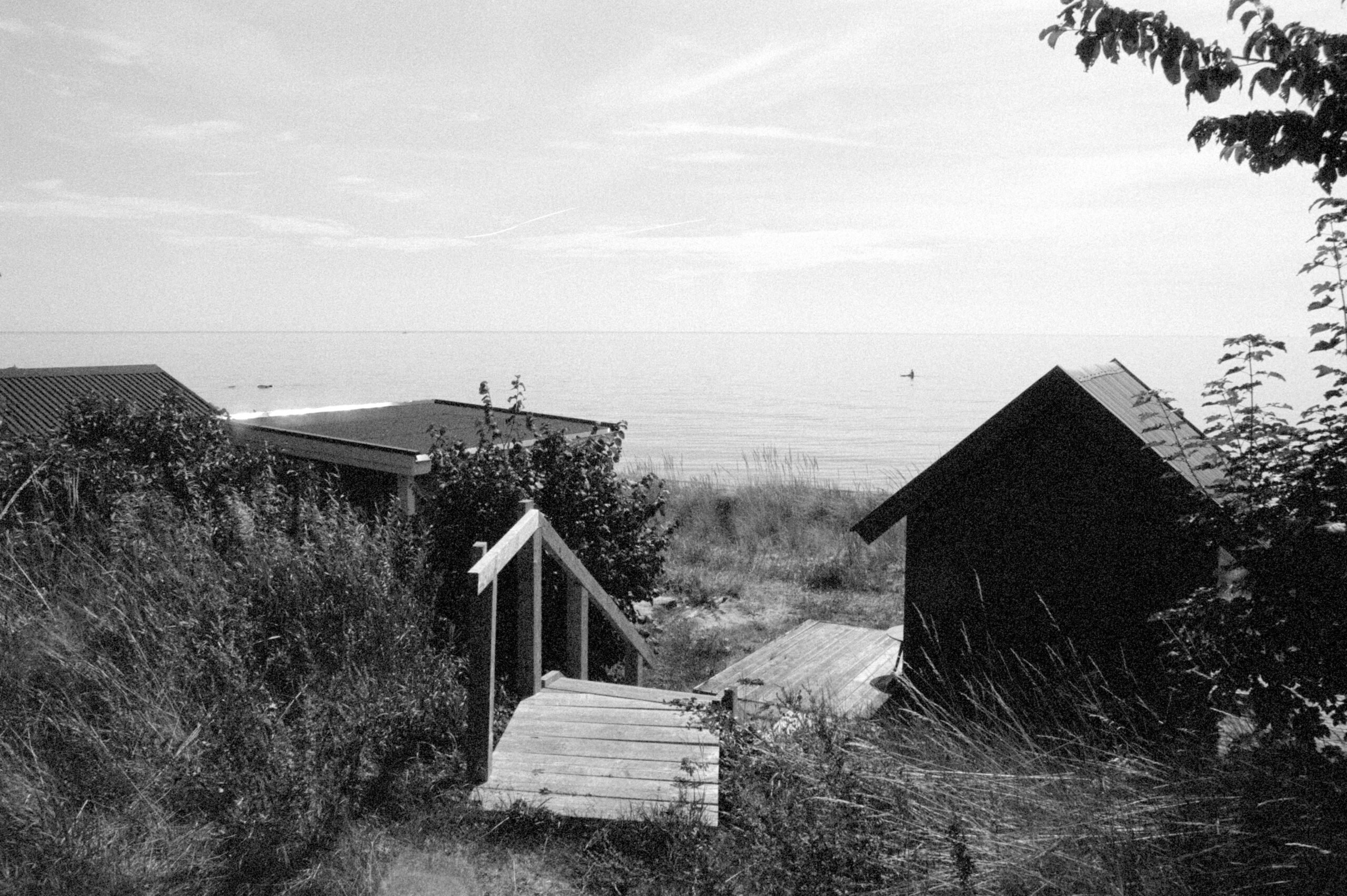
The photographic documentation of Ystad’s western coast serves as a reminder of the latent potential within the town’s geographical assets. As municipal authorities look toward 2030 and beyond, there is a growing impetus to reconsider the industrial barriers that define the harbor.
Proposals from local urban advocacy groups suggest a phased relocation of industrial sites to more inland logistics hubs, which would allow for the "daylighting" of the coast. Such a move would transform Ystad from a transit point for travelers heading to Bornholm into a destination that rivals the maritime elegance of its French counterparts.
In the interim, the town remains a study in contrasts: a place where 20th-century industrial pragmatism meets 21st-century recreational needs, all captured through the lens of 1970s German engineering. The resilience of the Zeiss T* optics in the face of Ystad’s harsh, unshielded light serves as a metaphor for the town itself—a location that, despite its structural "flares" and industrial "ghosts," retains a core of enduring clarity and untapped beauty.