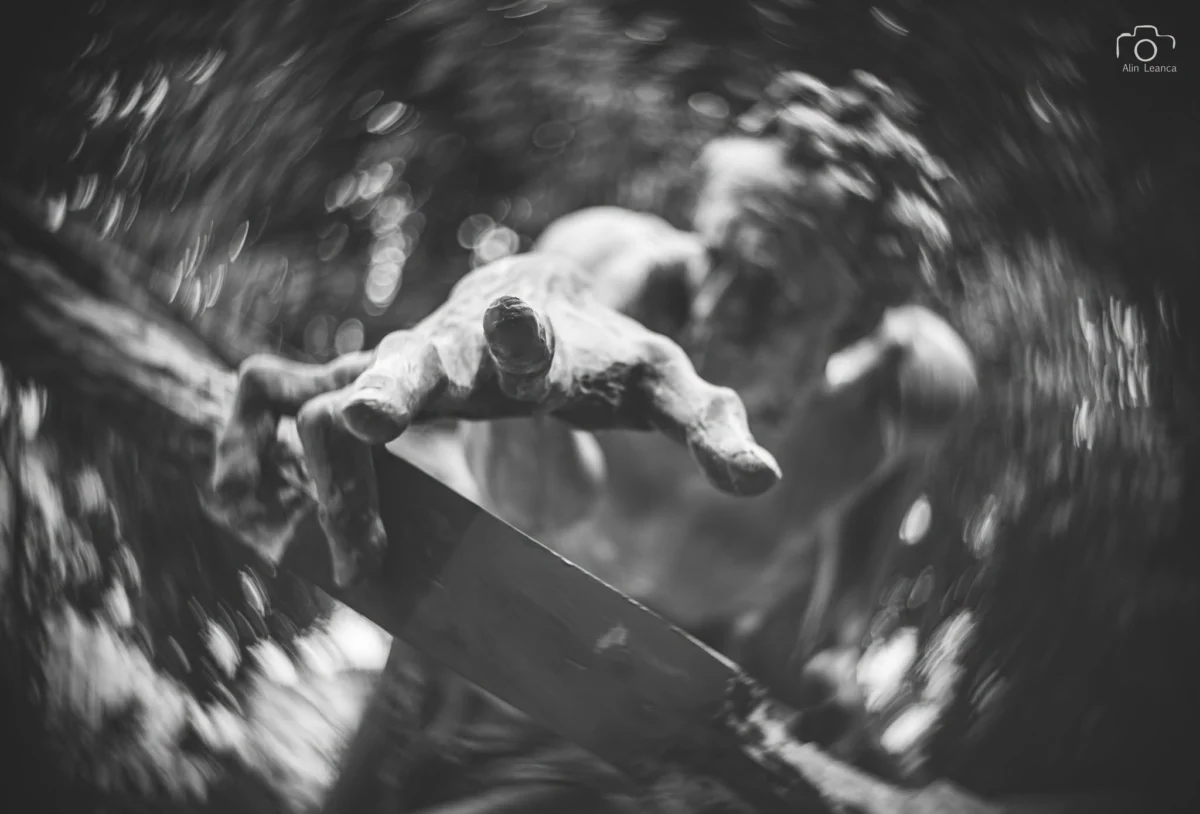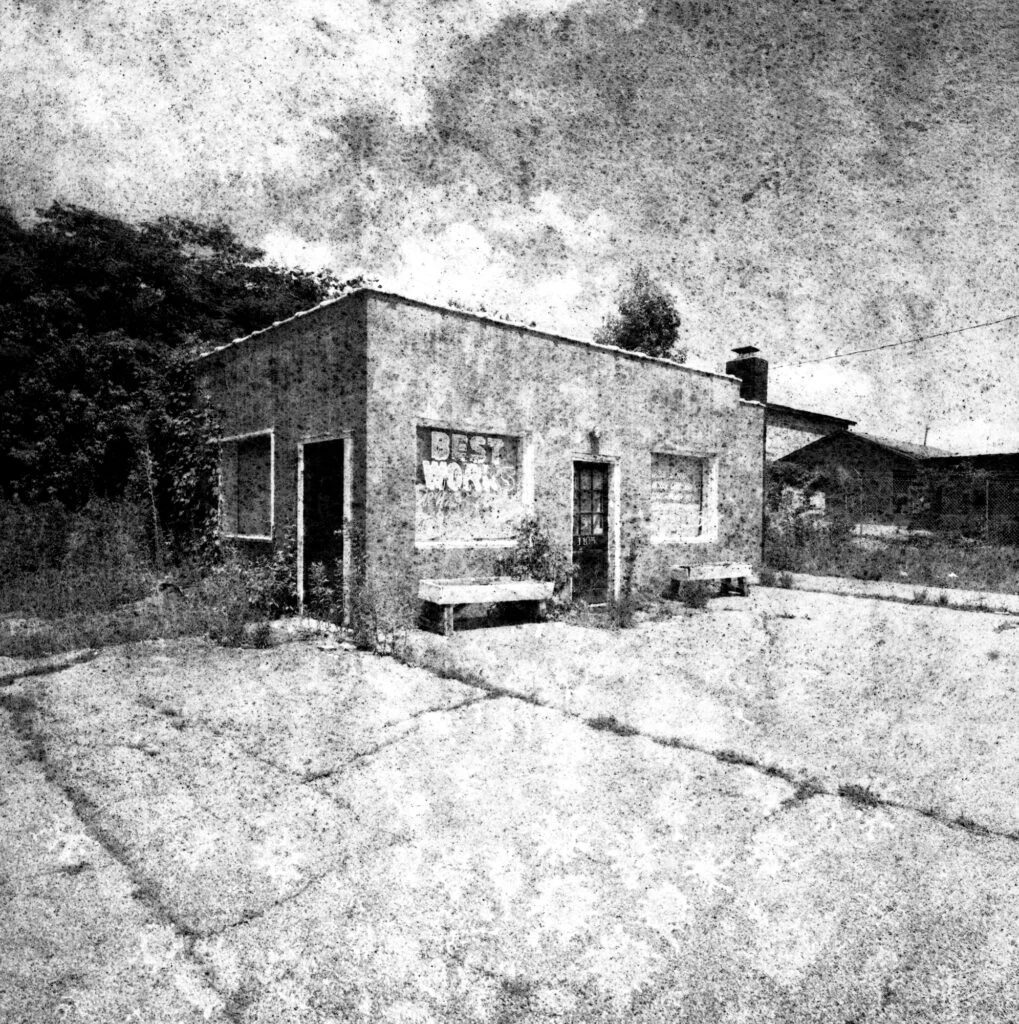
The global photography market has witnessed a significant divergence in recent years, with a growing segment of practitioners moving away from the clinical precision of digital sensors in favor of highly tactile, artisanal processes. Among the most distinctive of these niche movements is the use of paper-based roll films, a medium that predates the standardized celluloid and polyester bases used for the better part of the 20th century. While major industrial manufacturers like Kodak and Ilford maintain the supply of traditional black-and-white and color films, a small-scale resurgence led by boutique manufacturers has reintroduced paper negatives to the medium-format community. At the forefront of this movement is Film Washi, a specialized laboratory based in Saint-Nazaire, France, which produces hand-coated emulsions on traditional Japanese Washi paper.

The Technical Architecture of Paper-Based Emulsions
Paper roll film represents a departure from the conventional transparency of modern film stocks. Unlike standard 120 or 35mm film, which utilizes a clear plastic base (cellulose acetate or polyester), paper films such as Washi W and Washi Y utilize thin Japanese watercolor paper as the substrate. This paper is hand-coated with a light-sensitive silver halide emulsion, creating a negative that is translucent rather than transparent.
The manufacturing process is labor-intensive and performed in limited quantities. Film Washi, often cited as the world’s smallest film production company, utilizes recycled 120-format backing paper to spool these hand-coated strips. This commitment to recycling and artisanal production aligns with the broader "slow photography" movement, which prioritizes the process and the unique aesthetic "signature" of the material over mass-market efficiency.

From a technical standpoint, the choice of paper as a base introduces significant variables in light transmission. When scanned or printed, the fibers of the Washi paper become integral to the image, providing a heavy, organic texture that is impossible to replicate with digital filters. However, this aesthetic comes at the cost of traditional performance metrics, such as dynamic range and exposure latitude.
Comparative Analysis of Washi W and Washi Y Stocks
The two most prominent variants of paper film currently available to the consumer market are Washi W and Washi Y. Each offers a distinct spectral sensitivity and operational workflow, requiring photographers to adapt their shooting and developing techniques accordingly.

Washi W: The Orthochromatic Specialist
Washi W is characterized by its orthochromatic sensitivity, meaning it is sensitive to the blue and green ends of the visible spectrum but remains blind to red light. This characteristic allows the film to be handled under a red safelight, simplifying the developing process for those working in traditional darkrooms.
While the film is officially rated at ISO 25, technical data sheets and field reports indicate a much more nuanced reality. Depending on the subject matter and the chosen developer, the effective speed of Washi W can drop as low as ISO 3. This extremely low sensitivity necessitates specific shooting conditions, typically bright, direct sunlight. Because the film lacks a wide exposure latitude, precise exposure is critical; however, many practitioners utilize "Sunny 16" calculations—a method of estimating exposure without a meter—with surprising success in high-contrast environments.

Washi Y: The Panchromatic Alternative
In contrast, Washi Y is a panchromatic film, meaning it is sensitive to all colors of the visible spectrum, including red. This requires the film to be handled in total darkness, similar to standard modern films. With a nominal speed of ISO 100, Washi Y offers significantly more flexibility in varying light conditions compared to its orthochromatic counterpart. It is noted for having a softer contrast profile than Washi W, though it retains the signature heavy texture of the paper base.
A Chronology of Paper Film Development
To understand the significance of Film Washi’s products, one must look at the historical timeline of photographic substrates.

- The 1840s (The Calotype Era): William Henry Fox Talbot pioneered the Calotype process, which used paper negatives to create multiple positive prints. This was the dominant alternative to the Daguerreotype.
- The 1880s (The Shift to Celluloid): George Eastman and Kodak introduced flexible film on a transparent base, effectively ending the era of paper negatives for mainstream use.
- The Mid-20th Century: Paper-based emulsions remained in use primarily for industrial applications, such as X-rays, oscillography, and military surveillance, where transparency was less critical than cost or durability.
- 2013 (The Founding of Film Washi): Lomig Perrotin founded Film Washi in France, repurposing industrial and artisanal papers to create a new category of "specialty" films for the creative market.
- The 2020s (The Analog Renaissance): Amidst a global shortage of traditional film stocks, boutique films like Washi gained traction among professional fine-art photographers seeking a distinctive "pre-industrial" look.
Operational Challenges and Laboratory Workflows
The adoption of paper roll film is not without significant logistical hurdles. Most commercial laboratories are equipped for automated processing of standardized C-41 or E-6 chemicals and are unable to handle the delicate, non-standard nature of paper strips. Consequently, the use of paper film is almost exclusively tethered to the home darkroom or specialized artisanal labs.
Developing Procedures
Developing paper film requires a departure from standard film agitation cycles. Film Washi provides specific "Processing Procedures" for using Patterson, Jobo, or AP photo reels. A critical step involves taping the end of the paper film to a clear negative leader to facilitate loading into the spiral.

A significant risk during development is emulsion loss. Because the emulsion is hand-coated onto a fibrous base, vigorous agitation can cause pieces of the silver halide layer to flake off, resulting in permanent damage to the image. Practitioners are advised to use gentle inversions or "see-sawing" techniques in open trays.
For Washi W, tray development under a safelight is the preferred method. Using a paper developer like Ilford PQ Universal, the film can be processed in approximately two minutes. Short development times are recommended to prevent the paper from becoming overly saturated or folding laterally in the chemical bath.

The Drying and Flattening Phase
One of the most persistent physical challenges of paper film is its tendency to cup and curl upon drying. Unlike polyester bases that have "memory" and tend to lay flat, paper fibers react to humidity changes. To mitigate this, users often tuck the completely dry paper film back into the original backing paper and store it under weight or on a spool for 24 to 48 hours to achieve the flatness required for scanning.
Scanning and Digital Integration
The final stage of the paper film workflow involves digitizing the negative. This process requires a high-quality flatbed scanner, such as the Epson V850 Pro, as standard dedicated film scanners often struggle with the thickness and opacity of the paper.

Two primary methods are utilized for digitization:
- Negative Scanning (Transmission): The scanner treats the paper as a traditional film negative, passing light through the fibers. This emphasizes the texture of the paper and creates a high-contrast, "gritty" aesthetic.
- Reflectance Scanning (Positive): The scanner treats the negative as a physical object, reflecting light off the surface. This can yield a different tonal range and is often used to capture the physical character of the paper itself.
Post-processing in software like Adobe Lightroom is generally limited. Because the dynamic range of the paper negative is compressed, the files do not respond well to aggressive slider adjustments. Practitioners often embrace the "unfinished" look, leaving the raw edges of the scan visible to highlight the artisanal origins of the frame.

Market Implications and the Future of Boutique Film
The success of Film Washi signals a broader trend in the imaging industry: the "premiumization" of analog photography. As digital technology achieves near-perfect fidelity, the value proposition of film has shifted from "image capture" to "image creation."
Market analysts suggest that the demand for boutique films is driven by three primary factors:

- The Search for Authenticity: In an era of AI-generated imagery, the physical "flaws" of paper film—grain, emulsion tears, and fiber textures—serve as a certificate of human involvement and physical reality.
- Tactile Engagement: The complex development and handling requirements of paper film appeal to a demographic that views photography as a craft rather than a utility.
- Supply Chain Diversification: As large-scale manufacturers struggle with raw material costs, small-scale producers who use recycled materials and hand-coating techniques offer a more resilient, albeit lower-volume, alternative.
While paper roll film will never return to the mainstream, its survival and growth indicate a healthy, diversified ecosystem for analog practitioners. For the fine-art photographer, the challenges of limited availability, low film speeds, and difficult handling are not deterrents; they are the very barriers to entry that make the resulting "old-fashioned" look valuable in a saturated digital landscape. The "look" of Washi, characterized by its stark contrasts and atmospheric textures, ensures that the 19th-century aesthetic remains a viable tool for 21st-century storytelling.