The practice of adapting vintage projector lenses for modern digital camera systems has transitioned from a niche hobbyist pursuit into a significant subculture within the global photographic community. This movement, driven by a desire for unique optical signatures that contrast with the clinical perfection of modern glass, involves the repurposing of optics originally designed for cinema and slide projection. Unlike traditional "taking" lenses, projector lenses typically lack internal apertures and focusing helicoids, requiring sophisticated DIY modifications to function on modern mirrorless cameras. This technical evolution reflects a broader trend in digital imaging where photographers prioritize "character"—specifically swirly bokeh, field curvature, and painterly rendering—over technical metrics like edge-to-edge sharpness or chromatic aberration control.
Historical Context and the Legacy of European Optics
The lenses currently favored by enthusiasts represent a century of optical engineering, primarily originating from German, French, and Romanian industrial centers. The Hugo Meyer company, founded in the 19th century in Görlitz, Germany, serves as a cornerstone of this history. Before becoming Meyer Optik Görlitz and eventually merging into the Pentacon conglomerate following World War II, the company produced the Kinon Superior series. These lenses were primarily intended for cinema projectors, utilizing the Petzval design—an optical formula calculated by Joseph Petzval in 1840. This design is characterized by a sharp central area and a rapid drop-off in sharpness toward the edges, which creates a distinct "swirl" in the out-of-focus regions.

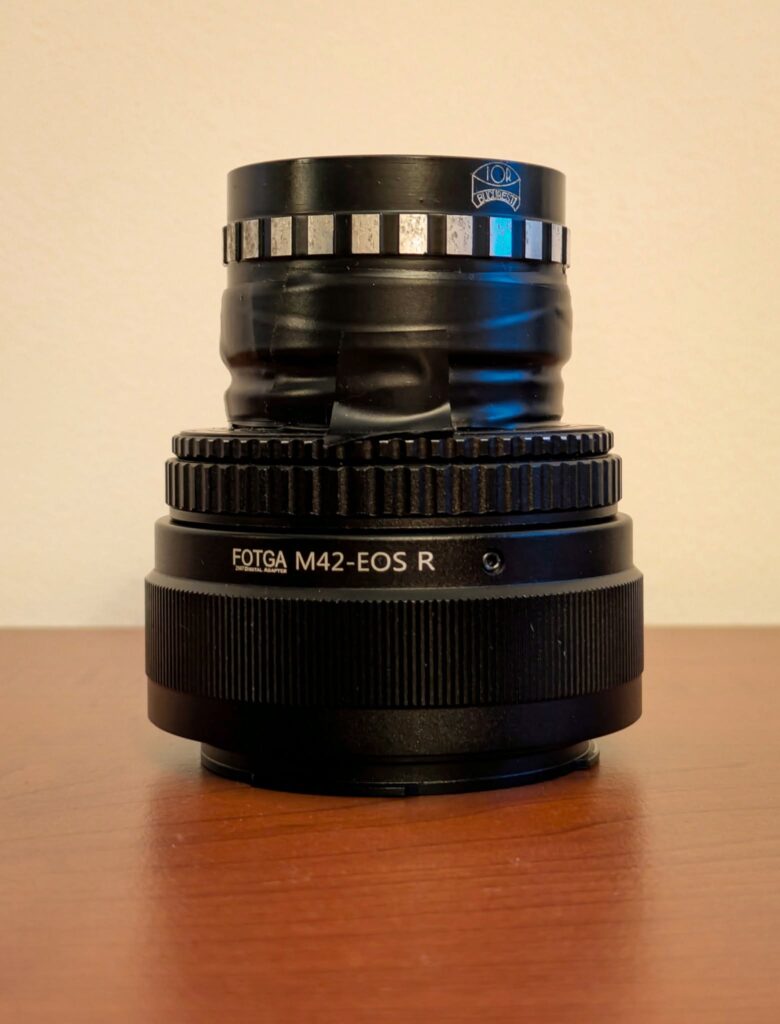
In the mid-20th century, optical production expanded across the Eastern Bloc. IOR Bucharest (Întreprinderea Optică Română), established in 1954 in Romania, became a critical manufacturer of military and industrial optics. While less documented in Western photographic literature, IOR produced the Supercin series for cinema projectors, often utilizing licenses or designs influenced by Zeiss and Pentacon. Similarly, Carl Zeiss Jena in East Germany produced the Kipronar series, which represented the pinnacle of industrial cinema projection in the 1950s. These lenses were designed to project 35mm film in large theaters, necessitating high light transmission (often f/1.4 to f/1.9) and substantial physical mass.
Technical Specifications and Optical Characteristics
The adaptation of these lenses involves a rigorous understanding of flange focal distances and optical formulas. Six specific models have emerged as benchmarks for the distinct aesthetics they provide to modern sensors.

The Hugo Meyer Kinon Superior 50mm f/1.8 and 115mm f/2.5
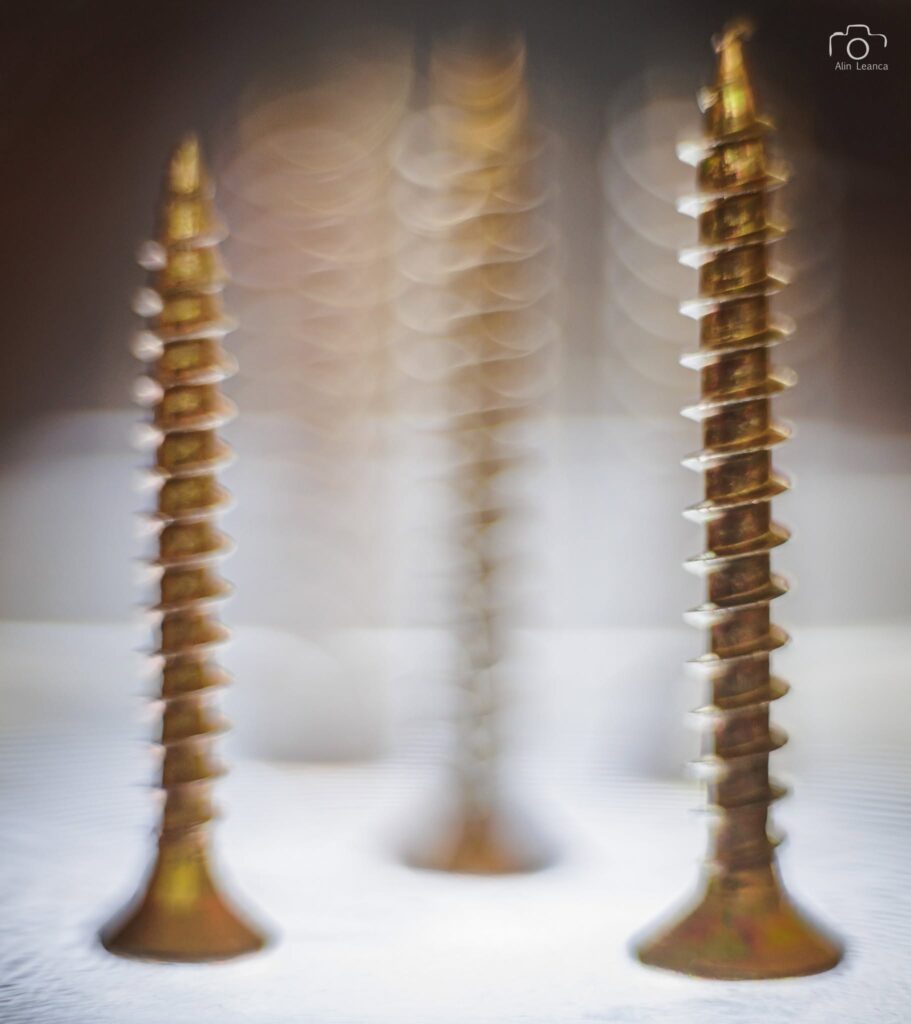
The 50mm f/1.8 Kinon Superior is a quintessential example of the Petzval influence. When adapted to mirrorless systems, the lens exhibits extreme field curvature. This technical "flaw" is repurposed by photographers to isolate subjects in the center of the frame, surrounded by a rotating bokeh pattern. The 115mm f/2.5 variant, a longer focal length rarity, offers a "painterly" rendering. Unlike the shorter version, it often covers a full-frame sensor without significant vignetting, providing a telephoto perspective that emphasizes color transitions over micro-contrast.

The IOR Bucharest Supercin 50mm f/1.4
The Supercin 50mm f/1.4 is noted for its Double Gauss design, a departure from the Petzval formulas of its contemporaries. This results in a more balanced rendering with a gentler swirly effect and improved performance in low-light environments. Technical analysis suggests that the IOR lenses utilized high-quality glass melts often reserved for military applications, allowing the Supercin to maintain center sharpness that rivals mid-century taking lenses while retaining the unique "glow" associated with un-coated or early-coated optics.

The Carl Zeiss Jena Kipronar 140mm f/1.9
Known in the community as a "monster" lens due to its weight—approximately one kilogram when adapted—the Kipronar 140mm f/1.9 was designed for large-scale cinema projection. The f/1.9 aperture at a 140mm focal length creates an extremely shallow depth of field. However, its industrial design presents significant adaptation challenges; the rear element often requires physical modification or "shaving" to allow for infinity focus on modern mounts. When successfully mounted, it produces a fairy-tale aesthetic characterized by high-frequency background swirl and soft contrast.
The Benoist Berthiot Cinestar 110mm f/2
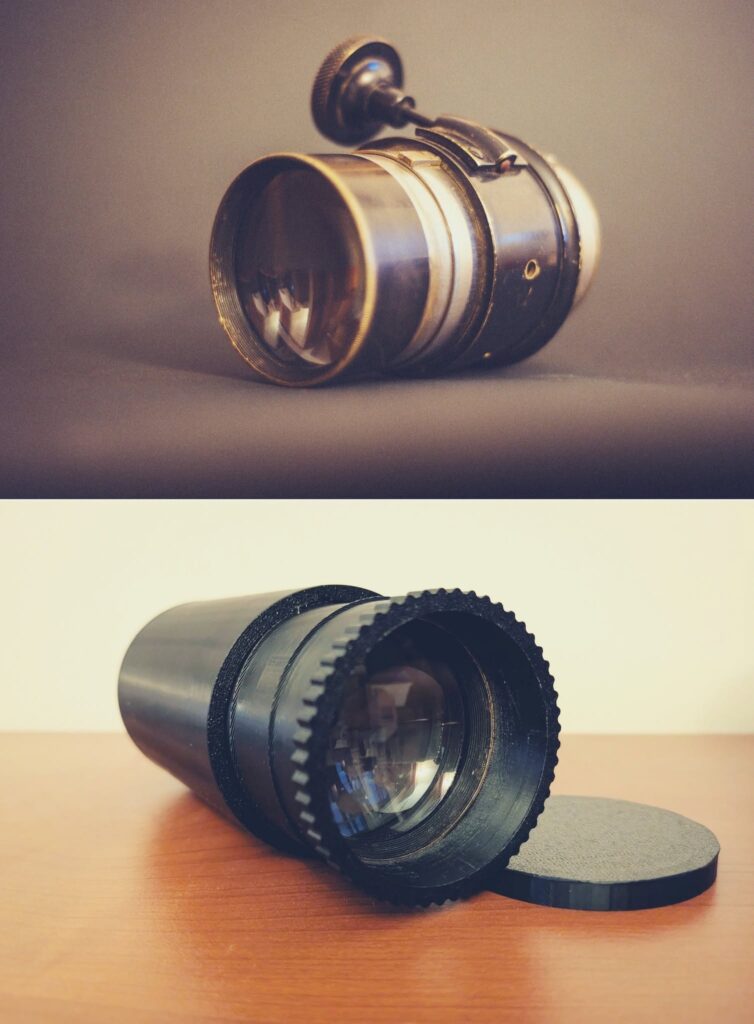
Hailing from one of France’s oldest optical firms, the Cinestar 110mm f/2 represents the Gallic approach to cinema projection. It is highly sensitive to flare, a trait that modern photographers use to create atmospheric, low-contrast imagery. Its bokeh is described as softer than the German Petzval designs, making it a preferred choice for portraiture where a dreamlike quality is desired.

The Pentacon AV 80mm f/2.8
A more modern addition from the 1980s, the Pentacon AV 80mm (formerly the Diaplan) utilizes a Cooke Triplet design. This three-element formula is famous for "bubble bokeh," where out-of-focus highlights feature a bright outer ring. Often referred to as the "poor man’s Trioplan," the Pentacon AV is one of the few projector lenses that is widely available and relatively easy to adapt due to its lightweight plastic or aluminum housing.

The Mechanics of Adaptation and Chronology of the Trend
The timeline of projector lens adaptation is closely linked to the "Mirrorless Revolution" of the early 2010s. The introduction of the Sony E-mount, followed by the Fujifilm X, Canon RF, and Nikon Z mounts, provided a short flange focal distance (the distance between the mount and the sensor). This physical space allowed for the insertion of focusing helicoids and DIY spacers between the lens and the camera, a feat that was nearly impossible on thicker Digital SLR bodies.

The adaptation process generally follows a standardized chronology:

- Acquisition: Lenses are sourced from decommissioned cinema houses, estate sales, or specialized resellers.
- Technical Measurement: The lens’s back focal distance is measured to determine if it can reach infinity focus on a specific camera mount.
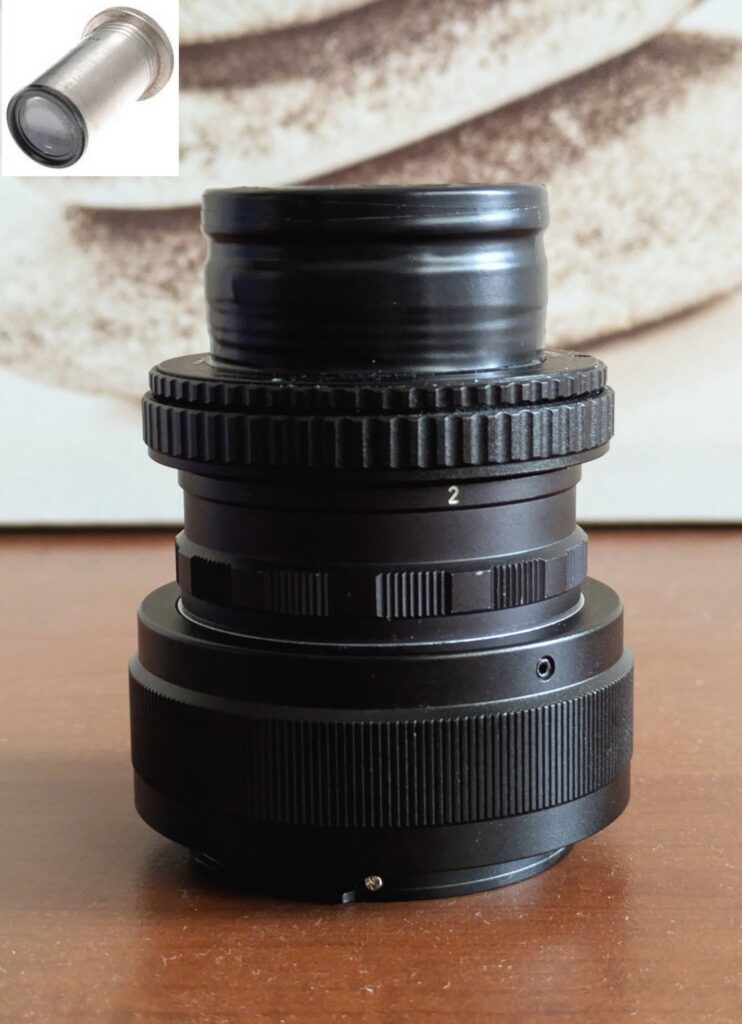
- Housing Fabrication: Because these lenses have no focus ring, they must be inserted into a focusing helicoid (typically M42 or M52 thread). This often requires the use of 3D-printed sleeves, rubber gaskets, or industrial adhesives to ensure a light-tight and secure fit.
- Optical Modification: Some enthusiasts choose to "flip" or reorder internal elements to exaggerate optical aberrations, further moving the lens away from its original intended use as a faithful projector of film.
Market Implications and Community Response
The secondary market for vintage projector lenses has seen a dramatic price increase over the last decade. Models like the Hugo Meyer Kinon or the Zeiss Kipronar, which could once be purchased for negligible sums at flea markets, now command significant prices on platforms such as eBay and specialized forums. This surge is attributed to the "Lomography" effect—a global movement valuing analog-style imperfections in a digital world.

Industry experts and lens technicians have noted that the popularity of these lenses has influenced modern lens manufacturing. Companies like Lomography and Meyer Optik Görlitz (under new ownership) have released modern "reproductions" of the Petzval and Triplet designs, specifically marketed to digital users. However, the "hacker" community remains dedicated to original vintage glass, citing the superior tactile experience and the historical weight of using 90-year-old optics.
Broader Impact on Digital Aesthetics
The broader impact of this trend is visible in contemporary portraiture, wedding photography, and fine art. By utilizing lenses with significant field curvature and vignetting, photographers are able to create a "vintage" look in-camera, reducing the reliance on post-processing filters. This "organic" approach to digital imaging serves as a counter-narrative to the current industry focus on high-resolution sensors and artificial intelligence-driven image sharpening.

Furthermore, the adaptation of obscure lenses like the IOR Supercin highlights the importance of preserving industrial history. As cinema projectors are replaced by digital laser projection systems, these lenses are often discarded. The photographic community’s interest ensures that the engineering achievements of the 20th century continue to be utilized, providing a bridge between the analog past and the digital future.

In conclusion, the adaptation of projector lenses is more than a technical curiosity; it is a sophisticated intersection of history, engineering, and artistic expression. By embracing the limitations and unique aberrations of century-old glass, contemporary photographers are expanding the visual language of the digital age, ensuring that the "crazy bokeh" of the past remains a vibrant part of the modern photographic toolkit.