Each year, a deep dive into the extensive rental data collected by America’s premier rental house provides invaluable insights into the evolving landscape of the photography and videography industry. This data, encompassing thousands of transactions across a diverse range of equipment, serves as a crucial barometer for market trends, indicating where demand is strongest and where innovation is resonating with professional and aspiring creators. As the industry continues its rapid evolution, particularly with the ongoing transition to mirrorless systems and the increasing demand for hybrid shooting solutions, understanding these rental patterns becomes more critical than ever. The 2025 analysis reveals several key narratives, highlighting the persistent dominance of certain brands, the pragmatic choices of renters, and the subtle shifts signaling future directions.
The overarching trend observed in 2025 rental data underscores a pronounced preference for versatility and reliability, particularly evident in the most popular product categories. While the industry often champions the unparalleled optical quality and shallow depth of field offered by prime lenses – a sentiment encapsulated by the adage "Prime is King" – the rental figures consistently tell a different story. For the fifth consecutive year, midrange zoom lenses have occupied the top positions in terms of rental frequency, demonstrating their indispensable role in a wide array of professional applications.
The Reign of Versatile Zooms: Top Lens Rentals of 2025
The most popular rental for 2025, determined by the sheer number of individual rental orders rather than revenue, was the Canon RF 24-70mm f/2.8L IS. This lens, a staple for countless photographers and videographers, epitomizes the demand for a workhorse optic capable of handling diverse scenarios from events and portraits to documentary and corporate work. Its robust build, image stabilization, and constant f/2.8 aperture make it an exceptionally practical choice for professionals who require a single lens to cover a broad spectrum of focal lengths without compromising quality.
Closely trailing the 24-70mm was the Canon RF 28-70mm f/2L, a remarkable optic known for its slightly faster maximum aperture and exceptional low-light performance. While its slightly shorter zoom range makes it marginally less versatile than its f/2.8 counterpart, its unique f/2 aperture throughout the zoom range offers a significant advantage in challenging lighting conditions and for achieving a more pronounced subject separation, blurring the lines between zoom and prime performance. The sustained popularity of these lenses reflects a broader industry trend where hybrid shooters – those who seamlessly switch between stills and video – seek equipment that minimizes lens changes and maximizes efficiency on set.
This emphasis on versatility permeates the entire list of top lens rentals. Nearly all lenses appearing within the top twenty are zoom lenses, covering common focal lengths essential for a wide range of photography and videography. The first prime lens to break into the top echelon, the Canon RF 50mm f/1.2L, only appears at the 17th position. This suggests that while primes are highly valued for their specialized applications (e.g., portraiture, low-light artistic work, cinematic productions), they are more often a targeted rental for specific projects rather than a general-purpose workhorse. The practicality and broad utility of zoom lenses for the typical rental customer, who might be tackling multiple types of shoots within a single rental period, clearly outweigh the specialized benefits of primes for overall volume.
Camera Performance: Canon R6 Mark II Leads the Pack
Shifting focus to camera bodies, the 2025 rental data presented a notable surprise for many industry observers: the Canon R6 Mark II emerged as the most rented camera of the year. This achievement is particularly significant as it surpassed its higher-resolution sibling, the R5 Mark II (ranking 8th), and the critically acclaimed original R5 (ranking 4th). The R6 Mark II’s ascent to the top spot can be attributed to its exceptional balance of features, performance, and price point, making it an incredibly attractive option for rental customers.
The Canon R6 Mark II offers a 24.2-megapixel full-frame sensor, advanced autofocus capabilities inherited from Canon’s flagship models, and robust video features including 4K 60p oversampled from 6K. For many professional and semi-professional users, this combination provides more than sufficient resolution for most photographic applications and high-quality video output without the larger file sizes and higher cost associated with the R5 series. Its strong low-light performance and reliable in-body image stabilization (IBIS) further enhance its appeal, particularly for dynamic event coverage and run-and-gun videography where portability and adaptability are paramount. The rental market, therefore, seems to prioritize a "sweet spot" of performance and value, where users get professional-grade results without needing the absolute bleeding edge of technology for every project.
Sony, a formidable competitor in the mirrorless market, also demonstrated a strong showing in 2025, with an impressive nine different cameras gracing the top twenty most rented list. This broad representation highlights Sony’s extensive ecosystem and its ability to cater to diverse user needs. From premium cinema systems like the Sony FX6, favored by documentary filmmakers and corporate videographers for its cinematic image quality and robust features, to compact point-and-shoot options like the Cybershot RX100 VII, popular for vlogging, travel, or as a high-quality B-cam, Sony’s range offers solutions across the spectrum. This diverse appeal underscores Sony’s strategic approach to market penetration, offering specialized tools for various niches while maintaining a strong presence in the mainstream professional segment.
Conversely, a striking absence from the top twenty camera rentals was Fujifilm. Despite Fujifilm’s strong reputation for image quality, color science, and unique photographic experience, their market presence in the high-volume rental segment appears limited. This could be attributed to several factors, including a smaller overall market share compared to Canon and Sony, a potentially different user base that prefers to own rather than rent due to the distinct ecosystem, or perhaps a focus on product lines that, while critically acclaimed, do not align as directly with the broad, versatile demands of the rental market.
Nikon, another legacy player, managed to secure only one spot in the top twenty with the Nikon Z8. The Z8, often lauded as a "mini Z9," offers professional-grade features, exceptional autofocus, and robust video capabilities. Its singular appearance on the list, however, suggests that while Nikon has produced a highly competent professional mirrorless camera, it is still working to gain significant traction in the rental ecosystem dominated by its two primary rivals. This aligns with broader market share discussions, indicating a challenging but persistent effort by Nikon to recapture a larger segment of the professional market.
Lens Market: A Duopoly with a Touch of Third-Party Innovation
The landscape of most popular lens rentals for 2025 largely mirrors that of camera bodies, showcasing a clear duopoly between Canon and Sony. Their native lens lineups dominate the rental charts, reflecting the strength of their respective camera ecosystems and the comprehensive range of optics they offer. This dominance is not surprising, as users typically rent lenses that are natively compatible with their chosen camera system to ensure optimal performance, autofocus reliability, and access to all camera features.
Breaking through this Canon-Sony stronghold, albeit just barely, was Sigma with its 24-70mm f/2.8 DN Art lens. Sigma, a renowned third-party lens manufacturer, has carved out a niche by offering high-quality optics at a more competitive price point than first-party alternatives. The inclusion of their 24-70mm f/2.8 zoom, a direct competitor to the popular Canon and Sony versions, highlights the demand for well-regarded third-party options that offer excellent optical performance and build quality. Its presence suggests that renters are increasingly open to non-native lenses when they provide a compelling value proposition, particularly for general-purpose zooms.
The overall trend within lens rentals continues to emphasize practicality over niche specialization. The vast majority of rented lenses are versatile zoom lenses, covering focal lengths essential for a broad spectrum of photography and videography tasks. This reinforces the idea that rental customers are seeking tools that maximize their flexibility and efficiency on diverse projects, rather than investing in highly specialized optics for a single, narrow application. The focus on reliable, multi-purpose lenses suggests a pragmatic approach to equipment acquisition within the rental sphere.
Accessories: The Unsung Heroes of Production
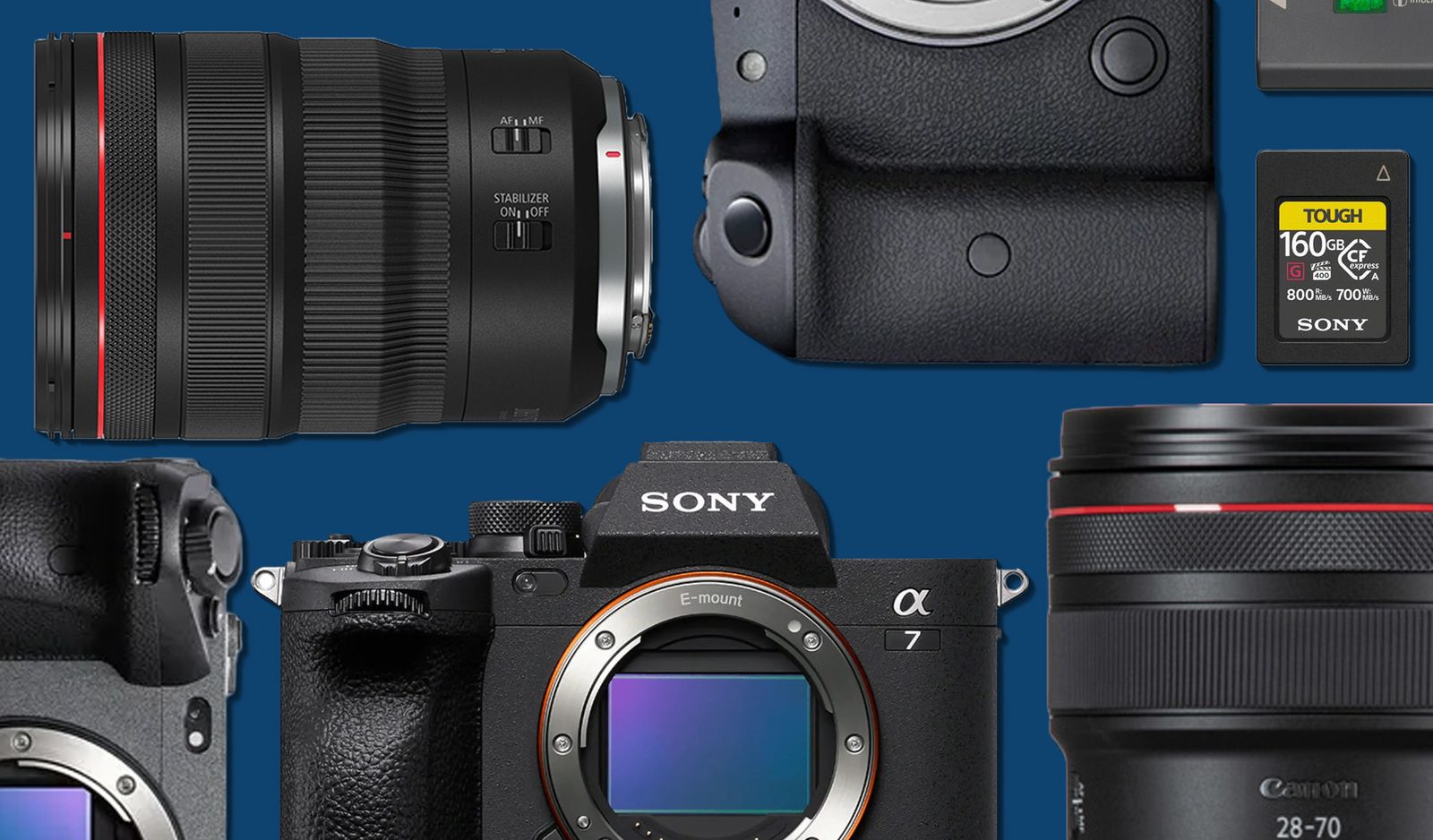
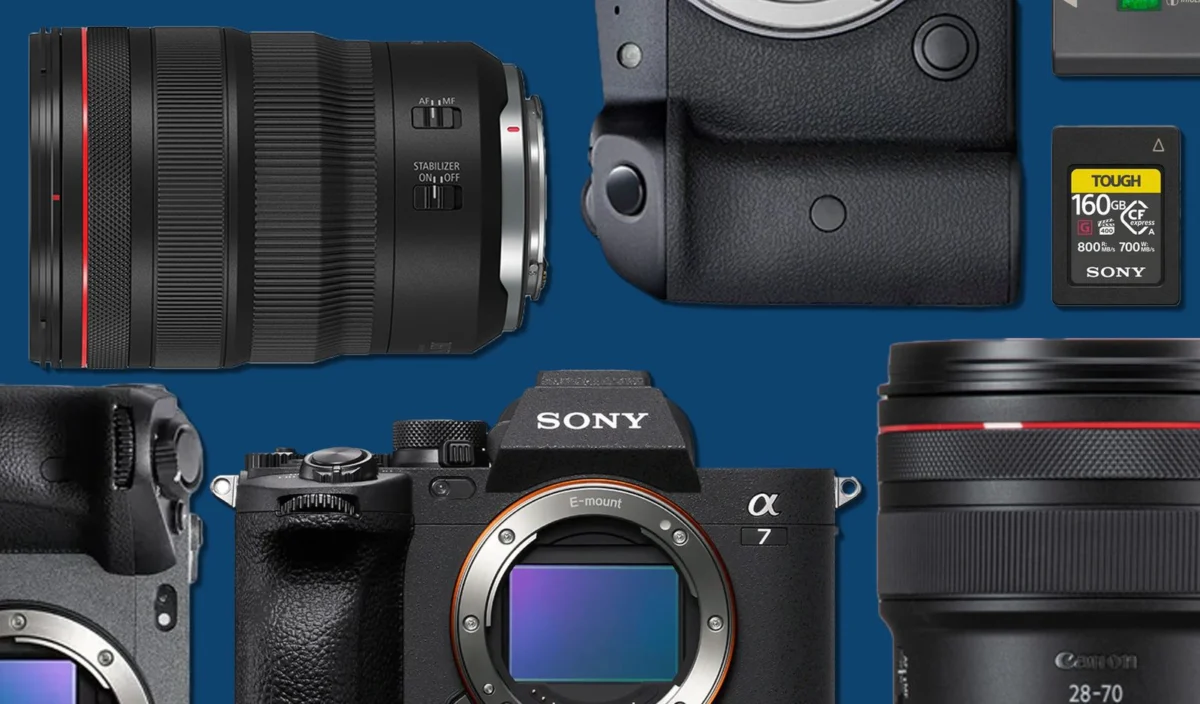
Beyond cameras and lenses, the accessory rental data provides a fascinating glimpse into the foundational elements of modern production. Accessories, encompassing everything from batteries and memory cards to tripods and lighting equipment, are the often-overlooked components that ensure a smooth workflow. In 2025, the accessory list was dominated by the most essential and frequently consumed items: batteries and memory cards.
The prevalence of battery rentals is directly attributable to the widespread adoption of mirrorless cameras. Modern mirrorless systems, while offering significant advantages in terms of autofocus, image stabilization, and electronic viewfinders, are notoriously power-hungry compared to their DSLR predecessors. Professionals renting mirrorless gear often require multiple spare batteries to ensure uninterrupted shooting, especially during long days on set or at events. Similarly, the demand for high-capacity, high-speed memory cards reflects the substantial data requirements of contemporary cameras, which capture high-resolution stills and increasingly data-intensive 4K and even 8K video files. Reliable and fast storage is non-negotiable for professional workflows, making memory cards a constant rental necessity.
A notable observation from the 2025 accessory data was the relative absence of dedicated lighting gear or drone equipment from the top twenty, with the exception of the DJI TB50 battery in 18th position. This could indicate several things:
- Ownership of Basics: Many photographers and videographers might own basic lighting kits (e.g., small LED panels, speedlights) for less demanding shoots.
- Specialized Providers: More advanced or larger lighting setups, as well as high-end cinema lighting and drone systems, might be rented from highly specialized production houses or through comprehensive production packages, rather than being part of the general photography/videography rental stream.
- Integrated Solutions: The increasing power and versatility of on-camera lighting or natural light solutions might reduce the need for external lighting rentals for certain projects.
The remaining positions in the accessory list were filled by fundamental support equipment: light stands and tripods, underscoring their universal importance in any controlled shooting environment.
Brand Market Share: A Stable Hierarchy with Incremental Shifts
Analyzing brand market share by revenue for 2025 provides a broader strategic perspective on the industry, albeit with the caveat that revenue-based metrics can skew towards higher-priced brands. The data reveals a relatively stable hierarchy, with Canon consistently leading, followed by Sony, and a significant gap before other brands.
| Brand | 2023 Market Share | 2024 Market Share | 2025 Market Share |
|---|---|---|---|
| Canon | 23.96% | 25.69% | 26.51% |
| Sony | 19.13% | 20.45% | 21.66% |
| Nikon | 4.88% | 5.91% | 5.56% |
| DJI | 3.31% | 3.80% | 4.29% |
| Blackmagic | 3.57% | 3.30% | 3.15% |
| Sigma | 3.32% | 3.34% | 3.13% |
| Fuji | 2.24% | 2.59% | 2.79% |
| Aputure | 2.03% | 2.37% | 2.29% |
| Panasonic | 1.94% | 1.98% | 2.01% |
| Leica | 1.64% | 1.47% | 1.52% |
| RED | 2.03% | 1.27% | 1.11% |
| Sachtler | 1.38% | 1.07% | 1.05% |
Canon’s market share grew steadily from 23.96% in 2023 to 26.51% in 2025, solidifying its position as the market leader. This consistent growth indicates a robust and expanding ecosystem that continues to attract and retain professional users. Sony also demonstrated impressive year-over-year growth, rising from 19.13% to 21.66%, showcasing the sustained momentum of its mirrorless offerings and its strong appeal across various segments.
Nikon experienced a slight dip in 2025, moving from 5.91% in 2024 to 5.56%. While this represents a minor fluctuation, it underscores the intense competition in the professional segment and the challenges Nikon faces in expanding its market share against the dominant players.
DJI continued its upward trajectory, growing from 3.31% to 4.29%. This growth is indicative of the increasing integration of drones and gimbals into professional workflows, as well as DJI’s successful expansion into broader creator tools. The company’s innovative products and strong market presence in aerial and stabilization technology position it well for continued growth.
Other brands like Blackmagic, Sigma, Aputure, RED, and Sachtler saw minor fluctuations, with some experiencing slight declines. Blackmagic’s slight decrease from 3.57% to 3.15% might reflect the highly competitive cinema camera market, while RED’s decline from 2.03% to 1.11% could be influenced by the entry of more affordable high-end cinema cameras from competitors or the evolving rental patterns for ultra-premium gear. Fuji and Panasonic, while maintaining smaller shares, showed marginal growth, suggesting consistent demand within their niche markets. These incremental shifts indicate a highly competitive environment where gains for one brand often come at the expense of others, while some market share may also be absorbed by emerging product categories not captured in this specific list.
Emerging Gear and Future Market Directions
Looking at the most popular new gear rented in 2025 offers a forward-looking perspective, hinting at where the market might be heading. It’s important to note that this list is influenced by the product’s announcement date (products released earlier in the year have more time to accumulate rentals) and the rental house’s inventory expansion into new product markets.
Leading the charge for new products was an updated version of the Manfrotto 190 series tripod. This is a significant indicator, as tripods are foundational tools. The Manfrotto 190 series has a long-standing reputation for reliability and versatility, particularly for video work. Its updated version likely incorporated ergonomic improvements, enhanced stability, or modular features that resonated with users seeking robust and adaptable support systems. The continued demand for high-quality, reliable support gear underscores the fundamental importance of stability in both photography and videography, even amidst advancements in camera technology.
A notable strong debut on these lists this year came from a lighting company: the Amaran COB 200x. This 200W bi-color monolight, offering both battery and AC power options, quickly gained popularity for its versatility and performance. The success of the Amaran COB 200x highlights the growing demand for accessible, powerful, and adaptable LED lighting solutions. Its bi-color capability allows for easy color temperature adjustments, crucial for matching ambient light or creating specific moods, while its dual power options make it suitable for both studio and on-location shoots. This trend suggests a market moving towards more integrated, portable, and energy-efficient lighting setups that offer professional-grade output without the bulk and heat of traditional HMI or tungsten lights.
The remainder of the new gear list largely consisted of refreshes of popular existing products. These offerings provided marginal upgrades to already exceptional items, indicating that 2025 was, in many respects, a transitional year for the industry. Rather than revolutionary new technologies, the focus appears to have been on refining existing successful designs, improving ergonomics, enhancing connectivity, or offering minor performance boosts. This could be interpreted as a period of consolidation, where manufacturers are optimizing their current lineups and ecosystems, perhaps in preparation for more significant technological leaps in the coming years, or simply responding to the practical needs of users who prioritize proven reliability and incremental enhancements over entirely novel, untested concepts.
Implications and The Road Ahead
The 2025 rental data paints a clear picture of an industry driven by pragmatism, versatility, and established brand loyalty. The dominance of Canon and Sony, the consistent demand for workhorse zoom lenses, and the essential role of accessories like batteries and memory cards all point to a market where professionals prioritize reliable tools that can tackle a wide range of projects efficiently. The strong performance of the Canon R6 Mark II, for instance, suggests that for many rental customers, the optimal balance of features, performance, and cost-effectiveness outweighs the pursuit of maximum resolution or niche capabilities.
The slight shifts in brand market share indicate a dynamic, albeit stable, competitive landscape. DJI’s continued growth highlights the increasing importance of integrated aerial and stabilization solutions in modern production. The strong reception of versatile LED lighting solutions like the Amaran COB 200x signals a significant trend towards more portable and adaptable illumination tools.
These trends have profound implications for manufacturers, guiding their product development strategies towards features that enhance versatility, reliability, and hybrid shooting capabilities. For photographers and videographers, the rental market continues to provide an invaluable opportunity to access high-end gear without significant capital investment, allowing them to adapt to evolving project demands and experiment with new technologies. As the industry looks forward, the upcoming analysis of purchase data will offer a complementary perspective, revealing which pieces of gear resonated so deeply with users that they chose to integrate them permanently into their creative arsenals, thereby further enriching our understanding of the photography and videography market’s trajectory.