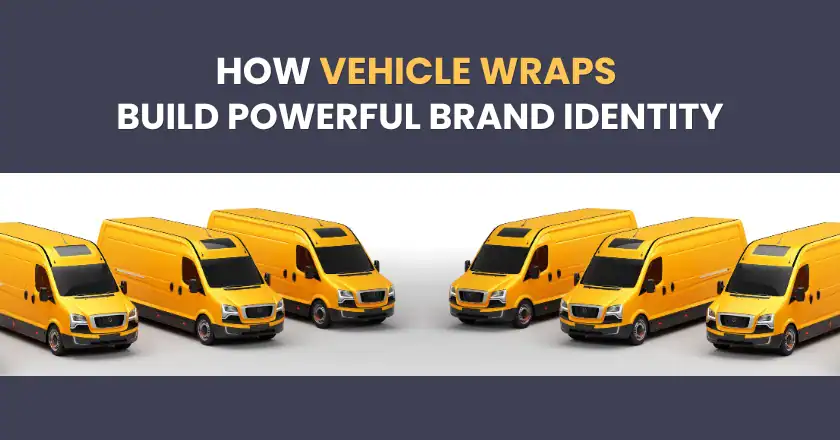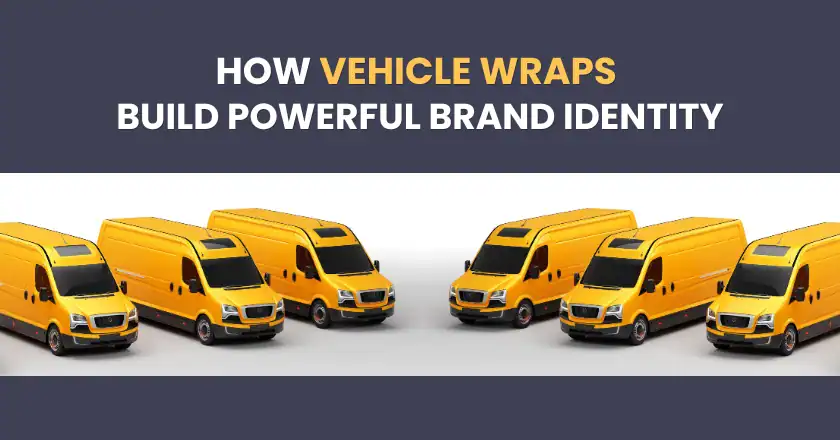
The modern commercial landscape has transformed the humble service vehicle from a mere logistical necessity into one of the most potent marketing assets in a company’s arsenal. For businesses operating a fleet—whether it consists of three local delivery vans or three hundred interstate tractor-trailers—every mile traveled represents a high-frequency touchpoint with potential customers. This shift in perspective has fueled a surge in the vehicle wrap industry, as companies move away from simple door magnets toward full-scale, high-definition vinyl wraps that project professionalism and build immediate consumer trust.
The Strategic Shift Toward Mobile Billboards
In an era of digital saturation, where consumers are increasingly adept at tuning out online advertisements, Out-of-Home (OOH) advertising has seen a significant resurgence. Vehicle wraps, specifically, offer a unique advantage: they are non-intrusive yet impossible to ignore. Unlike a billboard that stays in one location, a branded fleet moves through various demographics, neighborhoods, and commercial hubs, ensuring a diverse and broad reach.
Industry analysts note that a single vehicle wrap can generate between 30,000 and 70,000 impressions daily, depending on the route and population density. For a fleet of ten vehicles, the cumulative brand exposure is staggering, often outperforming traditional print or local television advertising in terms of cost-per-thousand impressions (CPM). However, the effectiveness of this strategy hinges entirely on the quality of the execution. A poorly designed or ill-fitting wrap can have the opposite of the intended effect, signaling a lack of attention to detail and potentially damaging the brand’s reputation.
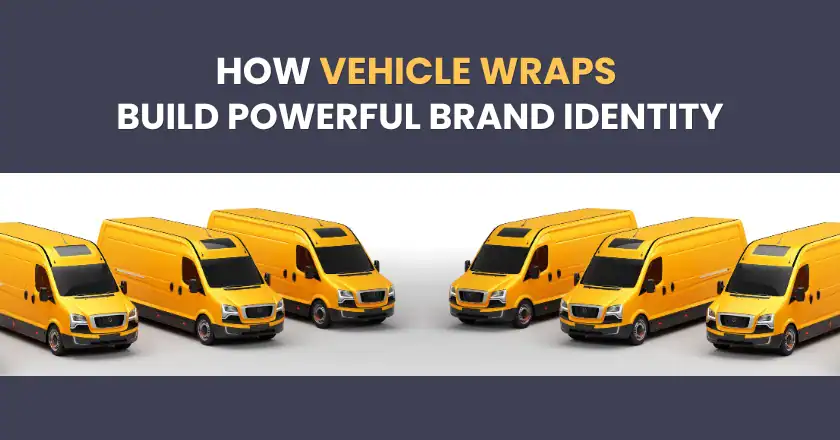
The Evolution of Fleet Branding: A Chronology of Progress
The journey from basic identification to immersive brand storytelling has been driven by advancements in material science and digital design.
- The Era of Hand-Painting (Pre-1980s): Before the advent of vinyl, fleet branding was a laborious process involving sign painters. While artisanal, it was expensive, difficult to replicate across large fleets, and offered little protection to the vehicle’s original paint.
- The Introduction of Cut Vinyl (1980s–1990s): The development of plotter-cut vinyl allowed for consistent lettering and basic logos. This was the first step toward standardization, though designs remained limited to solid colors and simple shapes.
- The Digital Printing Revolution (Early 2000s): The arrival of large-format inkjet printers capable of printing on weather-resistant vinyl changed the game. For the first time, photographic images and complex gradients could be applied to vehicles.
- The Modern Era of Precision Templates (2010s–Present): Today, the focus has shifted from mere "coverage" to "precision." The rise of sophisticated digital resources, such as those provided by SignSilo, has enabled designers to create wraps that account for every contour, handle, and sensor on a modern vehicle, ensuring a factory-finish appearance that was previously unattainable.
Technical Precision and the Role of SignSilo in Modern Design
At the heart of a successful fleet transformation is the technical blueprint. A vehicle is a complex three-dimensional canvas with compound curves, recessed areas, and functional components like fuel doors and door handles. Designing for this environment requires more than just artistic talent; it requires surgical precision.
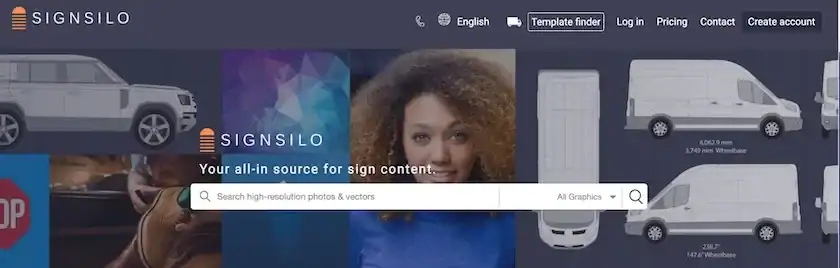
This is where specialized resource hubs like SignSilo have become indispensable to the sign-making and wrap industry. By providing an extensive library of 1:1 scale vehicle templates, SignSilo removes the guesswork from the production process. These templates are not generic outlines but high-precision blueprints that allow designers to place logos, contact information, and graphics with the certainty that they will not be cut off by a wheel well or obscured by a sliding door handle.
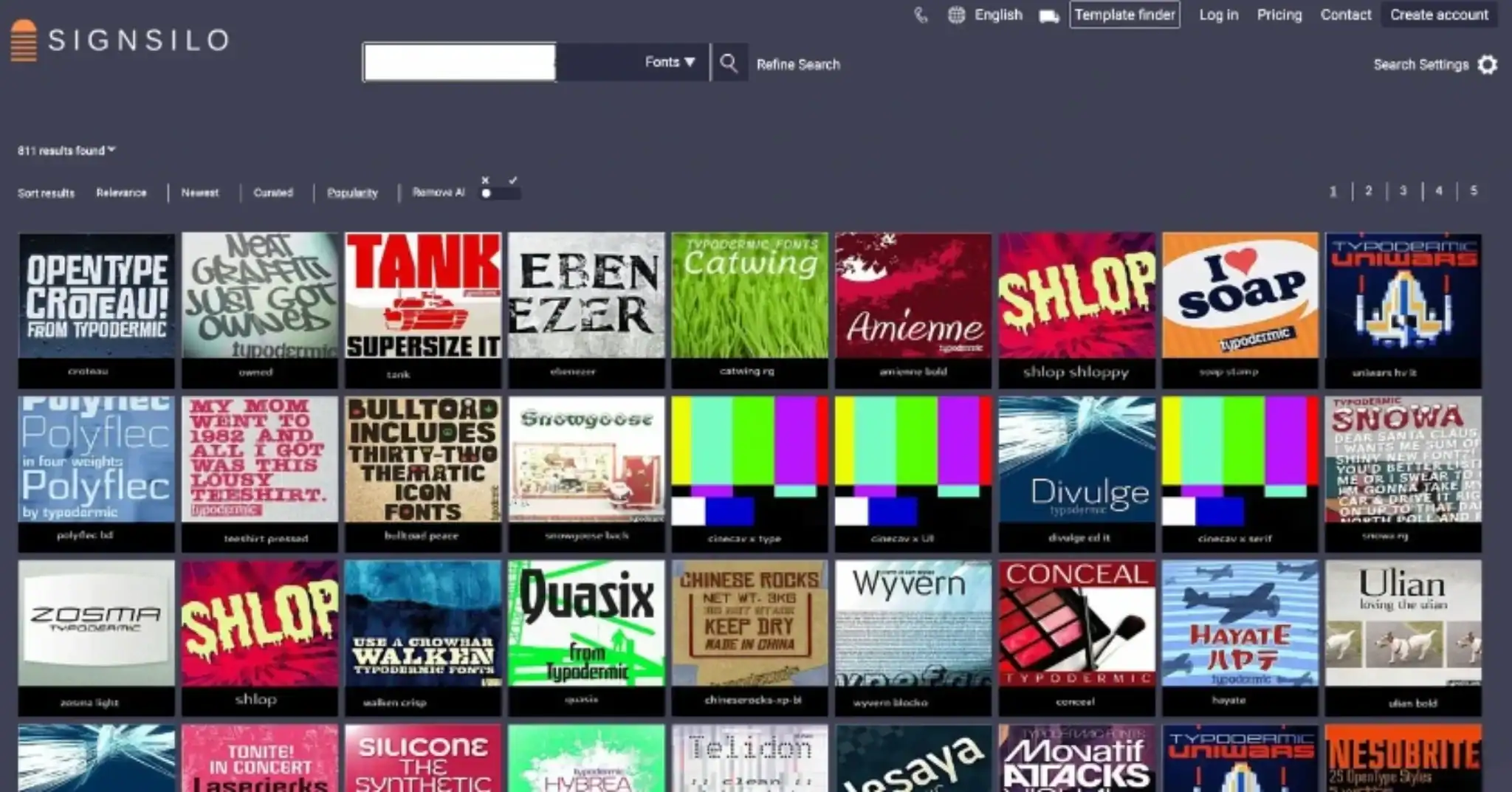
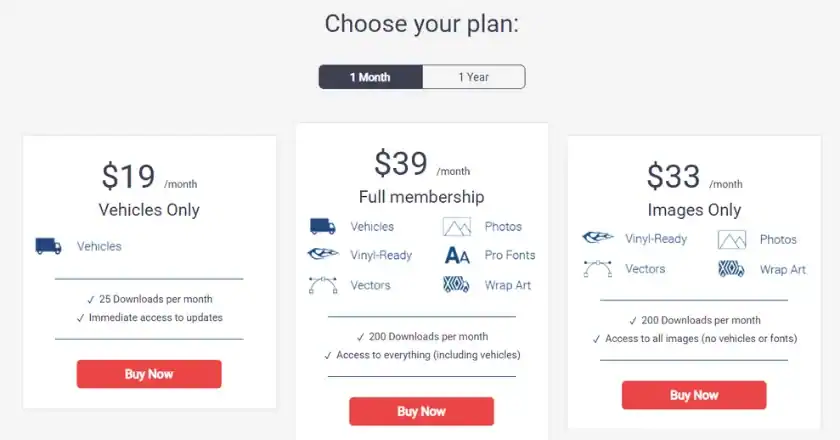
Beyond templates, the ecosystem of professional fleet branding relies on high-quality visual assets. SignSilo’s repository includes over 25,000 wrap designs, high-resolution stock photos, and a vast collection of vector graphics and fonts. This centralized access allows wrap shops to lower their production costs and turnaround times, making professional-grade branding accessible to small and medium-sized enterprises (SMEs) that were previously priced out of the market.

Supporting Data: The ROI of Professionalism
The move toward high-quality fleet wraps is supported by compelling consumer behavior data. According to a study by the American Trucking Association (ATA), 91% of people surveyed noticed the graphics on branded trucks, and 75% formed an impression about the company based on those graphics. Perhaps most importantly, nearly a third of respondents indicated they would base a buying decision on those impressions.
Furthermore, 3M, a leader in vinyl manufacturing, conducted research suggesting that the cost of reaching 1,000 impressions with a vehicle wrap is approximately $0.48. Compare this to nearly $4.00 for traditional billboards or over $20.00 for a spot on a local television station. When these figures are projected over the three-to-five-year lifespan of a high-quality vinyl wrap, the return on investment (ROI) becomes one of the most attractive in the marketing world.
The Psychology of Trust in Home and Field Services
For companies in the service sector—plumbers, electricians, HVAC technicians, and landscapers—the vehicle is often the first physical interaction a customer has with the brand. There is a profound psychological difference between an unmarked white van pulling into a driveway and a professionally wrapped vehicle.
"When a branded vehicle arrives, it serves as a visual credential," says one industry consultant specializing in service-based marketing. "It tells the homeowner that this is a legitimate business that invests in its image and, by extension, its service. It provides a sense of security and accountability."
This "trust factor" is particularly vital in the "last mile" of service delivery. As more commerce moves to the home, the visibility of a branded fleet in a neighborhood acts as a social proof. When neighbors see a consistently branded, clean, and professional vehicle parked at a nearby house, it serves as a silent recommendation, building localized brand equity that digital ads cannot replicate.
Industry Perspectives: The Wrap Shop Evolution
The professionals on the front lines—the wrap shop owners and installers—report a significant shift in client expectations. It is no longer enough to "stick a logo on the side." Clients are looking for full-brand integration.
"We are seeing a demand for ‘unified fleet identity,’" reports a regional wrap shop owner. "A client might have a Ford Transit, a Chevy Silverado, and a Mercedes Sprinter. Our job is to make them look like they belong to the exact same family. Using professional templates from sources like SignSilo is the only way we can ensure that the brand elements align perfectly across different vehicle makes and models."
This demand for consistency has led to a more collaborative relationship between graphic designers and wrap installers. By using standardized templates and high-quality vector assets, the "design-to-print" workflow is streamlined, reducing errors that lead to wasted material and labor. In an industry where margins can be tight, the efficiency provided by high-quality digital assets is a critical driver of profitability.

Broader Implications and the Future of Fleet Branding
As we look toward the future, the integration of vehicle wraps with other technologies is set to expand. We are already seeing the emergence of "smart wraps" that incorporate QR codes designed for high-contrast scanning, bridging the gap between physical impressions and digital conversion.
Furthermore, the rise of electric vehicle (EV) fleets presents a new branding opportunity. Companies adopting EVs often use wraps to highlight their commitment to sustainability, using "green" motifs and messaging to align their brand with environmental responsibility. The versatility of vinyl allows these companies to update their messaging as their sustainability goals evolve, without the permanent cost of a custom paint job.
The sustainability of the materials themselves is also under the microscope. Manufacturers are developing PVC-free films and more eco-friendly inks, allowing businesses to brand their fleets with a lower environmental footprint. This alignment of brand identity, professional aesthetics, and corporate values is the new gold standard in fleet management.
Conclusion: More Than Just a Vehicle
The transition from a simple fleet to a "moving brand" is a strategic investment in the longevity of a business. By leveraging professional resources, adhering to high design standards, and maintaining visual consistency, companies can turn every traffic jam and every service call into a branding opportunity.
The objective for the modern business owner is clear: do not view the company vehicle as a cost center. View it as a mobile ambassador. In the competitive landscape of the 21st century, the goal is not just to be seen, but to be trusted. Through the use of high-quality vehicle wraps and the precision afforded by professional design tools, businesses are proving that they can build that trust, one mile at a time. The message to the market is simple: don’t just wrap a vehicle—build a brand that moves.