The utility of vehicle templates has traditionally been confined to the specialized world of fleet branding, commercial signage, and high-end vehicle wraps. However, as digital design tools become more sophisticated and the demand for precise visualization grows across multiple industries, these professionally engineered blueprints are finding a second life in fields as diverse as cinematography, video game development, and academic instruction. SignSilo, a prominent provider of technical design assets, has positioned its library at the intersection of these industries, offering editable vector files that serve as the foundational architecture for projects that extend well beyond the simple application of vinyl lettering.
The Technical Evolution of Vehicle Templates
To understand the current creative applications of vehicle templates, one must first look at their technical evolution. In the early decades of automotive advertising, designers relied on physical measurements or low-resolution photographs to mock up designs. The margin for error was significant, often resulting in costly production mistakes when 2D designs failed to translate to the complex 3D curves of a modern chassis.
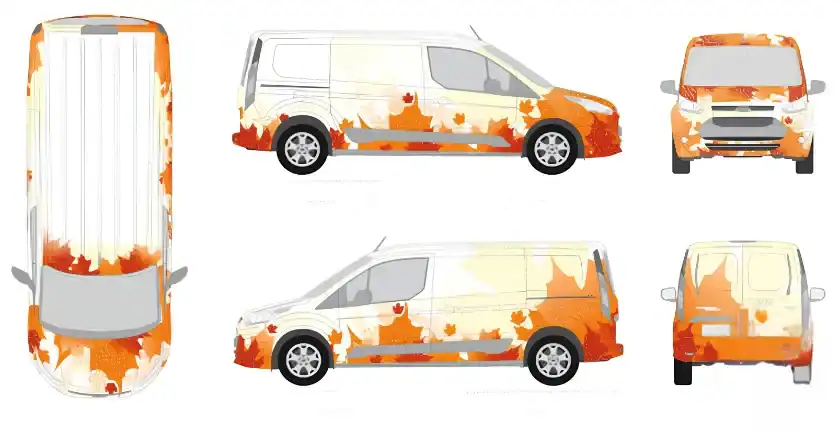
The advent of computer-aided design (CAD) and vector-based illustration changed this landscape. Modern templates, such as those provided by SignSilo, are constructed as high-precision vector files in formats including AI (Adobe Illustrator), CDR (CorelDRAW), DXF (Drawing Exchange Format), and EPS (Encapsulated PostScript). These files are not mere illustrations; they are accurate 1:20 or 1:30 scale representations of specific vehicle makes and models. By utilizing layered construction, these templates allow designers to isolate specific components—windows, handles, lights, and trim—ensuring that every element of a design is accounted for before a single inch of material is printed.
Concept Design for Entertainment and Media
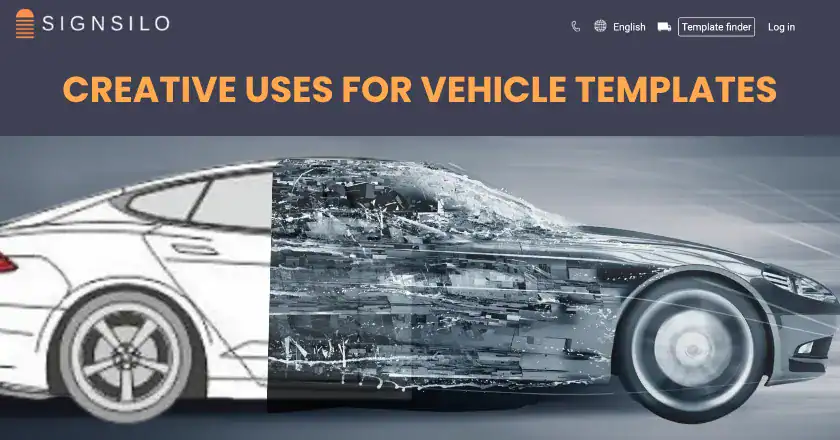
One of the most significant "off-label" uses for vehicle templates is within the concept art departments of the film and gaming industries. When a concept artist is tasked with designing a futuristic interceptor for a sci-fi film or a fleet of tactical vehicles for a video game, they rarely start with a blank canvas. Building a vehicle from scratch involves complex perspective and anatomical challenges that can consume hours of production time.
By utilizing a professional template of an existing SUV or truck as a base layer, concept artists can quickly establish realistic proportions. This allows them to:
- Iterate Rapidly: Modify the silhouette of a known vehicle to create something "near-future" or "post-apocalyptic."
- Maintain Consistency: Ensure that a fleet of vehicles in a digital environment shares the same wheelbase and scale, which is crucial for character interaction and physics engines.
- Establish Realism: Use the accurate mechanical details of the template (such as door hinges and wheel wells) to ground fantastical designs in reality.
In the advertising world, these templates are also used to create storyboards for television commercials. Directors of photography use the multi-view perspectives (front, back, sides, and roof) to plan camera angles and lighting setups long before the actual vehicle arrives on set.
The Rise of Digital Art and Specialized Illustration
Digital artists, particularly those within the "vaporwave," "cyberpunk," and "automotive lifestyle" niches, have adopted vehicle templates as a primary medium. The precision of a vector outline provides a clean, professional aesthetic that is difficult to achieve through freehand drawing.

In the realm of digital illustration, templates are frequently used for:
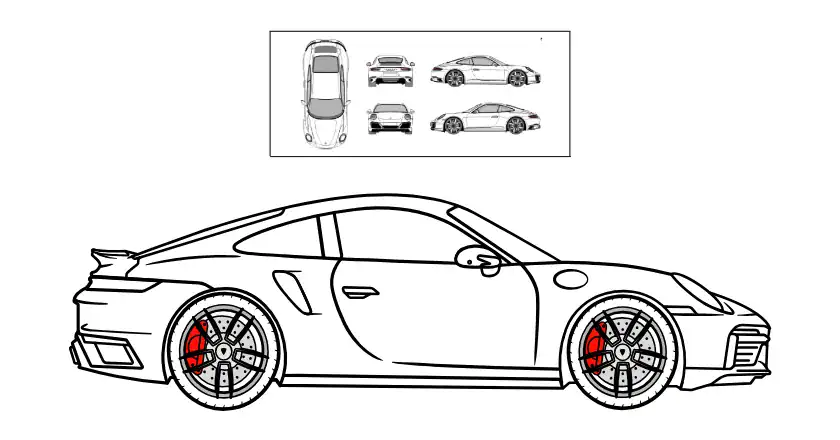
- Technical Line Art: Creating stylized "blueprints" for posters or apparel.
- Livery Design for Virtual Racing: The explosion of e-sports, particularly sim-racing titles like iRacing and Assetto Corsa, has created a market for custom car skins. Artists use SignSilo’s templates to design complex racing liveries that are then mapped onto 3D models.
- Commercial Product Development: Designers of aftermarket automotive accessories—such as roof racks, specialized lighting rigs, or custom bumpers—use these templates to visualize how their products will integrate with specific vehicle models.
Marketing Presentations and the Psychology of Client Approval
For design agencies, the primary challenge is often bridging the gap between a conceptual idea and a client’s imagination. A flat, 2D logo or a color palette may not convey the impact of a brand until it is seen in situ. This is where the "mockup" becomes a critical psychological tool in the sales process.
Using accurate templates allows agencies to present "photo-realistic" visualizations. When a client sees their corporate identity flawlessly applied to a scaled model of their actual fleet vehicle, the perceived value of the design increases. This level of professional presentation serves several functions:
- Risk Mitigation: It identifies potential "dead zones" where logos might be cut off by door handles or obscured by sliding van doors.
- Cost Efficiency: It allows for client revisions in the digital phase, which costs nothing compared to the price of re-printing and re-installing a physical wrap.
- Standardization: For multinational corporations, it provides a global standard for how their brand should appear on a Ford Transit in London versus a Toyota Hilux in Sydney.
Educational Integration and Workforce Development
The academic sector has increasingly integrated professional-grade design assets into its curricula. Vocational schools, community colleges, and university design programs use vehicle templates to teach students the rigors of technical design. Unlike a standard art project, designing for a vehicle requires students to adhere to strict mathematical constraints and spatial limitations.
Educational institutions utilize these libraries to teach:
- Vector Proficiency: Mastering the use of anchor points, paths, and layers in software like Adobe Illustrator.
- Spatial Awareness: Understanding how a 2D graphic wraps around a 3D object.
- Industry Standards: Preparing students for the real-world demands of sign shops and marketing firms by using the same tools used by professionals.
Industry analysts suggest that students who graduate with experience in technical template manipulation are significantly more "job-ready" than those who have only worked on static, flat canvases.
Temporary Branding and Event Logistics
The events industry represents a massive market for temporary vehicle branding. Festivals, sporting events (such as the Tour de France or Formula 1), and political campaigns require rapid deployment of branded vehicles. Because these vehicles are often leased or used for only a few weeks, the designs must be planned with surgical precision to ensure they can be installed and removed without damaging the underlying asset.
Event organizers use templates to:
- Coordinate Sponsorships: Visualizing where multiple sponsor logos will sit on a single vehicle to ensure equal visibility.
- Logistical Planning: Determining the visibility of graphics in high-traffic areas or during televised broadcasts.
- Budgeting: Accurately calculating the square footage of material needed for a fleet of 50 vehicles, which is essential for procurement and waste reduction.
Market Data and the Economic Impact of Professional Libraries
The global vehicle wrap market was valued at approximately $4.7 billion in 2022 and is projected to expand at a compound annual growth rate (CAGR) of over 22% through 2030. This growth is driven by the increasing use of mobile advertising and the rising popularity of vehicle personalization.
As the industry grows, the demand for high-quality templates has shifted from a "luxury" to a "necessity." For a small sign shop, the time required to manually measure a new vehicle model could take several hours. At an average shop rate of $75–$150 per hour, the labor cost of creating a single custom template is prohibitive. In contrast, a subscription to a service like SignSilo provides instant access to thousands of models for a fraction of that cost.
SignSilo Membership Structures and Accessibility
SignSilo has addressed the diverse needs of this market through a tiered membership model. This approach acknowledges that a freelance digital artist has different requirements and budget constraints than a high-volume wrap shop.
- The Full Membership: Designed for high-output professionals, this plan offers 25 vehicle template downloads per month, supplemented by 200 high-resolution images and 25 vector illustrations. This provides a holistic toolkit for designers who need to create background elements and textures alongside the vehicle outlines.
- The Vehicle Club: Tailored for specialists, this membership focuses exclusively on the template library, offering 25 downloads per month. This is the preferred choice for educators and independent contractors who already possess their own stock photography resources but require the technical precision of the vehicle outlines.
Broader Implications and the Future of Vehicle Design
The transition from 2D templates to 3D and Augmented Reality (AR) is the next frontier for the industry. While vector templates remain the gold standard for production and cutting, the integration of these files into AR platforms is beginning to emerge. In the near future, designers may be able to project their template-based designs onto a physical vehicle using a smartphone, allowing clients to "walk around" the virtual design in real-time.
Furthermore, the rise of electric vehicles (EVs) is introducing a new wave of chassis designs with unique aerodynamic profiles. Libraries like SignSilo are under constant pressure to update their collections as manufacturers like Tesla, Rivian, and Lucid release vehicles with unconventional forms. The speed at which these templates are brought to market determines how quickly the aftermarket and advertising industries can capitalize on these new platforms.
In conclusion, the vehicle template has transcended its origins as a humble shop tool. It is now a versatile asset in the global creative economy, facilitating innovation in entertainment, education, and high-stakes corporate branding. As the visual landscape becomes increasingly crowded, the precision and efficiency offered by professional libraries like SignSilo remain essential for any professional looking to turn a mobile asset into a compelling visual narrative.