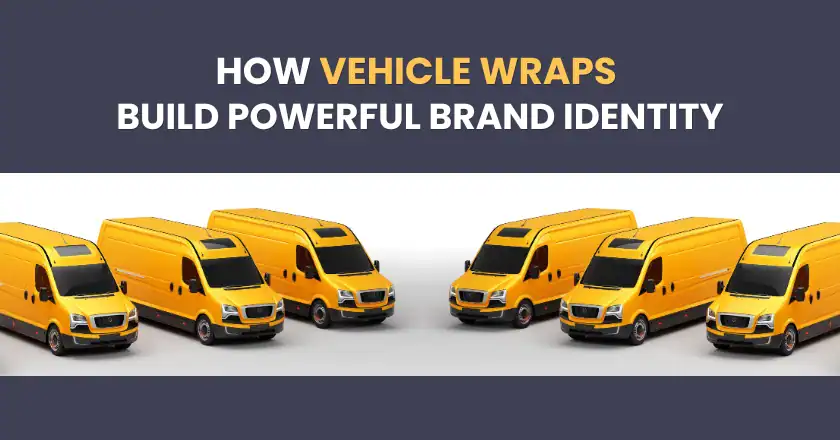
For any business operating a fleet of vehicles, every mile driven is an opportunity to build trust, boost brand awareness, and project absolute professionalism. In the modern commercial landscape, a vehicle on the road is far more than mere transportation; it serves as a mobile billboard representing a company’s core values and technical expertise. Today, enterprises of all sizes are increasingly leveraging high-quality vehicle wraps to unify their fleets, strengthen brand recognition, and present a polished image that fosters immediate consumer confidence.
The shift toward mobile branding is backed by a growing body of marketing data. According to the Outdoor Advertising Association of America (OAAA), vehicle wraps offer the lowest cost-per-impression of any major advertising medium. While traditional billboards are stationary and digital ads are often filtered by ad-blockers or ignored by fatigued users, a branded vehicle integrates naturally into the daily environment of potential customers. This organic visibility is driving a surge in the vehicle wrap industry, which is projected to see continued growth as businesses seek more efficient ways to capture local market share.
The Strategic Role of Professional Creative Resources
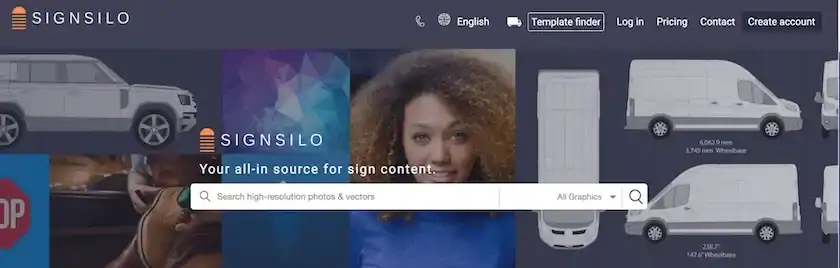
Building a consistent fleet identity begins with the acquisition of precise creative resources. This is where SignSilo has emerged as a pivotal utility for professional vehicle graphics and sign-making businesses. As a comprehensive visual resource hub, SignSilo provides the technical infrastructure required to transform a conceptual brand identity into a production-ready reality.
The complexity of modern vehicle design requires more than just an aesthetic eye; it demands mathematical precision. A wrap that looks perfect on a computer screen can easily fail during installation if the template does not account for the specific curves, door handles, and sensors of a particular vehicle model. SignSilo addresses this by offering an extensive, highly affordable library that includes:
- Over 24,000 Vehicle Templates: Covering a vast array of makes, models, and years to ensure design accuracy.
- 30,000+ Vector Graphics: Scalable designs that maintain clarity at any size, essential for large-scale truck wraps.
- 11 Million+ High-Resolution Stock Photos: Professional imagery to enhance visual storytelling.
- Wrap Textures and Professional Fonts: Tools that allow designers to add depth and readability to their work.
By providing these professional-grade resources at budget-friendly price points, the platform enables wrap shops to lower their internal production costs while maintaining the high-tier quality that corporate clients demand.
Economic Efficiency and Market Accessibility
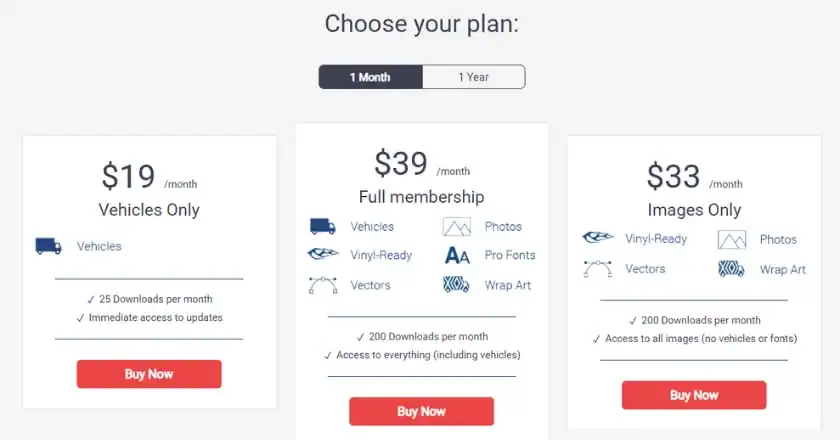
SignSilo’s pricing model reflects a broader trend in the industry toward democratizing high-quality design. Historically, only large corporations with massive marketing budgets could afford the bespoke design work necessary for a cohesive fleet. By offering flexible subscription plans and free tester downloads, SignSilo allows small to medium-sized enterprises (SMEs) and independent sign makers to access the same caliber of assets used by national franchises.
This affordability is a critical factor in the current economic climate. As inflation impacts material costs—such as vinyl and ink—the ability to reduce design time through pre-verified templates allows wrap shops to maintain their profit margins without passing excessive costs on to the end consumer. The "free testers" program further mitigates risk, allowing technicians to verify the compatibility of a template with their specific software and hardware before committing to a full purchase.

The Psychology of Consumer Trust on the Road
The impact of a vehicle wrap extends beyond simple visibility; it functions as a powerful psychological tool. First impressions are vital, particularly for service-based industries such as plumbing, electrical work, or home security, where professionals must enter a customer’s private residence.
A clear, high-quality wrap signals that a business is legitimate, established, and detail-oriented. Market research consistently indicates that consumers feel significantly more comfortable interacting with representatives from a branded vehicle than those arriving in an unmarked or poorly maintained van. This "authority bias" helps to pre-sell the customer on the company’s reliability before a single word is exchanged.
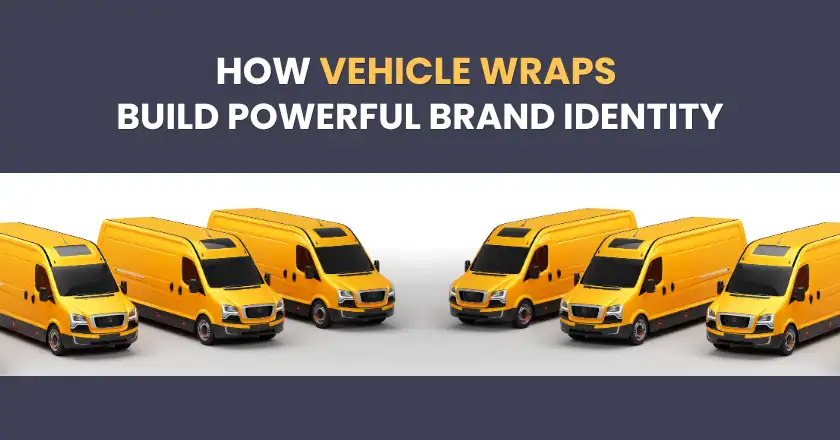
Furthermore, a unified fleet creates a "multiplier effect" in the consumer’s mind. When a resident sees three different vans with the same branding in their neighborhood over the course of a week, they perceive the business as a dominant and trusted local leader. This perceived market saturation is often achieved with far fewer vehicles than the consumer imagines, provided the branding is consistent and memorable.
Technical Evolution: From Hand-Painting to Digital Precision
The history of vehicle branding has seen a dramatic evolution. In the early 20th century, company names were painstakingly hand-painted onto wooden panels or metal doors. This was a time-consuming and permanent process. The advent of pressure-sensitive vinyl in the 1950s began to change the landscape, but it wasn’t until the 1990s that large-format digital printing made full-color wraps a reality.
Today, the industry is entering a new phase defined by digital precision and material science. Modern wraps use "cast" vinyl, which is thinner and more conformable than the "calendered" vinyl used in the past. These materials, combined with high-resolution templates from sources like SignSilo, allow for seamless coverage over complex aerodynamic shapes.
Industry analysts note that the current trend is moving toward "minimalist impact"—designs that use bold typography and high-contrast colors rather than cluttered imagery. This shift ensures that the brand message is readable even when the vehicle is moving at highway speeds.
Data-Driven Insights: The ROI of the Mobile Billboard
To understand the value of vehicle wraps, one must look at the comparative data of modern advertising. According to 3M, a leader in adhesive technologies, a company would need to spend over $130,000 in television ads to reach the same number of people that a single $3,500 vehicle wrap reaches over its lifetime.
Key statistics regarding vehicle wrap effectiveness include:

- Impressions: A single intra-city truck can generate up to 16 million visual impressions per year.
- Retention: Studies by the American Trucking Association (ATA) found that 91% of people noticed the words and graphics on fleet vehicles, and 97% remembered the ad.
- Longevity: A high-quality wrap typically lasts 5 to 7 years, meaning the daily cost of the advertisement over its lifespan is often less than a dollar.
These figures underscore why fleet managers view wraps not as an expense, but as a long-term capital investment in the company’s brand equity.
Operational Impact and Brand Longevity
As a company grows, maintaining a flexible visual identity becomes increasingly difficult. A well-defined branding system allows for the seamless addition of new vehicles—whether they are compact cars for sales teams or heavy-duty trucks for logistics—without the need to reinvent the design from scratch.
By utilizing unified design assets and standardized templates, businesses ensure that their brand remains intact across different vehicle geometries. This consistency is the hallmark of a professional organization. Inconsistent graphics, outdated logos, or mismatched color schemes can inadvertently communicate a lack of internal organization, potentially alienating observant clients.
The strongest fleet wraps are those that combine recognition with visual impact. They adapt naturally to their environment while remaining distinct from the visual noise of urban traffic. The goal for modern businesses is clear: the wrap should not just be a sticker on a car; it should be a moving ambassador for the brand’s mission.
Future Outlook: Sustainability and Innovation
Looking ahead, the vehicle wrap industry is poised to embrace sustainability and interactive technology. Manufacturers are developing PVC-free films and recyclable vinyl options to meet the growing demand for "green" business practices. Additionally, the integration of QR codes and augmented reality (AR) elements into wrap designs is beginning to bridge the gap between physical and digital marketing. A passerby can now scan a vehicle’s wrap to instantly book an appointment or view a service menu, turning the "mobile billboard" into a direct point of sale.
In conclusion, the transformation of a fleet into a source of trust is a multi-faceted process involving high-quality materials, precise technical templates, and a strategic understanding of consumer psychology. Through resources like SignSilo, the barriers to entry for professional-grade fleet branding have never been lower. For the modern business, the message is simple: every mile counts, and every vehicle is an opportunity to tell your story. Don’t just wrap a vehicle; build a brand that moves.