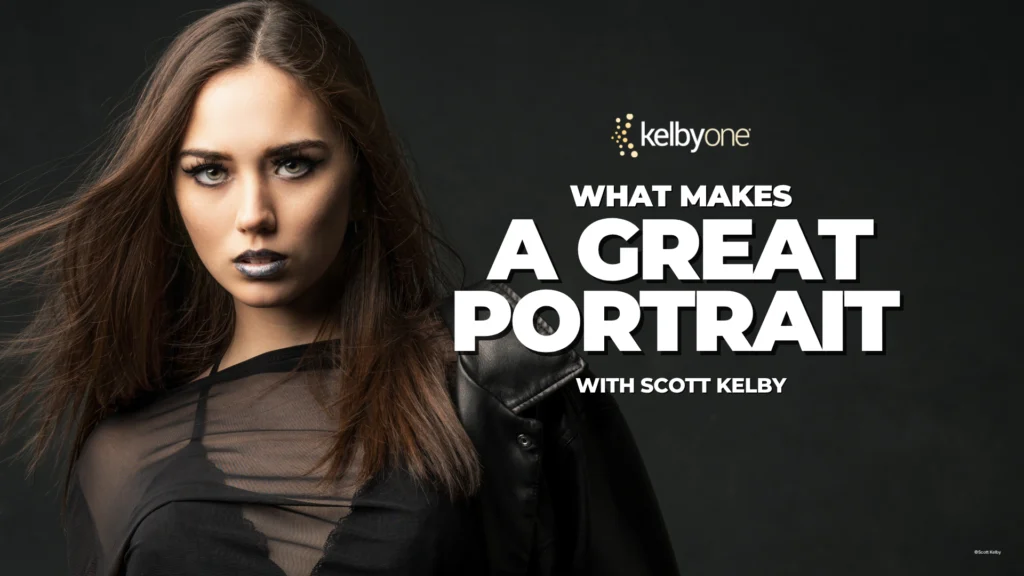
Scott Kelby, a towering figure in the realm of digital photography education, has officially launched a new comprehensive masterclass designed to fundamentally transform how photographers approach portraiture. Titled "What Makes a Great Portrait," the course aims to bridge the critical gap between merely capturing an image and creating a compelling portrait that resonates deeply with viewers and subjects alike. The curriculum, distilled from Kelby’s decades of experience, focuses on 10 pivotal elements, emphasizing that while technical proficiency is crucial, the true artistry often lies in the human connection forged with the person in front of the lens. This initiative from KelbyOne, Kelby’s renowned online learning platform, is poised to become a definitive resource for photographers ranging from enthusiastic amateurs to seasoned professionals looking to refine their craft in one of photography’s most enduring genres.
The Enduring Challenge of Portraiture
Portrait photography, at its core, is an act of storytelling—a visual narrative of an individual’s essence. Yet, the distinction between a fleeting snapshot and a truly impactful portrait often remains elusive for many. The new masterclass directly addresses this challenge, positing that a profound portrait transcends mere resemblance, delving into the subject’s personality, emotions, and unique spirit. Kelby’s approach is holistic, integrating both the technical mastery required by modern digital cameras and the subtle, often overlooked, interpersonal skills that can elevate an image from good to extraordinary. This blend of disciplines is particularly relevant in today’s visually saturated world, where authenticity and connection are increasingly valued amidst an abundance of staged or heavily manipulated imagery. The demand for authentic, high-quality portraits continues to grow, whether for personal milestones, professional branding, or artistic expression, making expert guidance in this field more pertinent than ever.
Scott Kelby: A Legacy of Photography Education
Scott Kelby’s journey in photography education spans over three decades, establishing him as one of the most prolific and influential educators in the industry. As the President and CEO of KelbyOne, a leading online training community for photographers, Photoshop, and Lightroom users, Kelby has authored more than 60 books, translated into numerous languages, and has taught countless workshops worldwide. His accessible teaching style, characterized by practical, actionable advice and a no-nonsense approach, has demystified complex photographic concepts for millions. His extensive bibliography includes bestsellers like "The Digital Photography Book" series, which has sold millions of copies globally, demonstrating his unparalleled ability to communicate technical information clearly and effectively. This new masterclass is a natural extension of his long-standing commitment to empowering photographers with the knowledge and skills they need to excel. His reputation for simplifying intricate processes into digestible lessons positions "What Makes a Great Portrait" as a highly anticipated and credible educational offering.
The Genesis of "What Makes a Great Portrait"
The development of "What Makes a Great Portrait" is rooted in Kelby’s extensive practical experience and his observation of common struggles among photographers. Over years of conducting workshops, writing books, and interacting with a global community of learners, Kelby identified recurring patterns in what separated truly memorable portraits from the mundane. This class represents a distillation of those insights, meticulously structured into a curriculum that addresses both the artistic vision and the technical execution. While the exact timeline for the course’s conceptualization is not publicly detailed, it is clear that it stems from a cumulative process of refinement and synthesis of his professional wisdom. The emphasis on "10 things that make the biggest difference" suggests a deliberate effort to provide a concise yet comprehensive framework, avoiding overwhelming students with superfluous information while ensuring all critical aspects are covered. This methodical approach is a hallmark of Kelby’s educational philosophy, focusing on practical application and immediate impact.
Core Pillars of the Masterclass Curriculum
The masterclass delves into a carefully selected set of principles, acknowledging that a truly great portrait is a confluence of multiple factors:
-
Building a Genuine Connection: Kelby asserts that the most impactful portraits are born from authentic interaction. This segment likely explores techniques for engaging subjects, putting them at ease, active listening, understanding their personality, and fostering an environment of trust. Psychological studies on rapport building suggest that genuine connection can significantly reduce subject anxiety, leading to more natural expressions and poses, which are critical for capturing authenticity. This goes beyond mere technical instruction, venturing into the realm of interpersonal dynamics.
-
Choosing Flattering Light: Light is the sculptor of photography. The course will undoubtedly cover understanding natural light (window light, open shade, golden hour), artificial light (studio strobes, speedlights), and modifiers (softboxes, umbrellas). It will likely delve into classic lighting patterns such as Rembrandt, butterfly, loop, and split lighting, explaining how each can accentuate features, create mood, and add dimension. The ability to "read" and manipulate light is a cornerstone of compelling portraiture.
-
Getting Natural Skin Tones: Achieving accurate and pleasing skin tones is a common challenge, influenced by white balance, color grading, and post-processing. This section will likely guide students through camera settings, in-camera white balance techniques, and post-processing adjustments in software like Adobe Lightroom or Photoshop to ensure skin tones appear vibrant, healthy, and true to life without looking artificial or overly saturated.
-
Making Smart Lens Choices: The selection of a lens profoundly impacts perspective, depth of field, and the overall feel of a portrait. The class will likely discuss the characteristics of various focal lengths—from wider lenses (e.g., 35mm, 50mm) for environmental portraits to telephoto lenses (e.g., 85mm, 105mm, 70-200mm) known for their flattering compression and beautiful bokeh. Understanding how different lenses render subjects and backgrounds is crucial for achieving desired aesthetic outcomes.
-
Mastering Composition Choices: Composition dictates how elements within the frame are arranged to guide the viewer’s eye and convey meaning. Principles such as the rule of thirds, leading lines, negative space, framing, symmetry, and asymmetry will likely be explored. Effective composition can transform a simple image into a visually engaging narrative, ensuring the subject remains the focal point while enhancing the overall artistic appeal.
-
Judicious Retouching: In the digital age, post-processing is an integral part of photography. Kelby emphasizes "judicious" retouching, advocating for enhancements that refine rather than distort. This section will likely cover techniques like blemish removal, skin smoothing (while retaining texture), dodging and burning for contouring, and subtle color adjustments. The ethical considerations of retouching, maintaining authenticity, and avoiding an overly artificial look will also be a key discussion point.
The remaining four points, though not explicitly detailed in the promotional material, are expected to further round out this comprehensive approach, likely covering aspects such as posing, expression, background management, and storytelling through imagery.
Supporting Data and Industry Context
The launch of "What Makes a Great Portrait" comes at a time of dynamic shifts within the photography industry. According to market research reports, the global digital photography market is projected to continue its growth, driven by advancements in camera technology, increased social media usage, and the persistent demand for visual content. Online photography education platforms, in particular, have seen a significant surge in popularity, with a growing number of individuals seeking to acquire or enhance their photographic skills. The accessibility and flexibility of online courses make them an attractive option for a diverse global audience.
Furthermore, the gig economy has amplified the number of independent photographers, many of whom are seeking to differentiate themselves in a competitive market. A course like Kelby’s, focusing on the nuanced aspects of portraiture, directly addresses the need for high-quality, distinctive work that can attract and retain clients. Data from platforms like LinkedIn and professional photography associations consistently show that skills in client communication, lighting, and post-production are highly valued, all of which are central to Kelby’s new offering.
Inferred Statements and Reactions
While specific official statements beyond the course announcement are not available, the launch of such a significant course by Scott Kelby can be framed with inferred reactions from key stakeholders:
- From Scott Kelby: "This masterclass is a culmination of years spent not just taking photos, but understanding what truly makes a photograph connect with people. It’s about empowering every photographer to move beyond technical exercises and tap into the profound human element that makes a portrait memorable. My hope is that this class gives photographers the confidence to not just capture faces, but to capture souls."
- From KelbyOne Leadership: "We are incredibly proud to host Scott Kelby’s latest masterclass, ‘What Makes a Great Portrait.’ This course exemplifies KelbyOne’s commitment to providing industry-leading, practical education that directly addresses the needs of our global community. It reinforces our mission to help photographers elevate their craft and achieve their creative aspirations."
- From the Photography Community (Generalized): "Many aspiring and even experienced photographers often find the ‘people’ aspect of portraiture the most challenging. A course from Scott Kelby that focuses on genuine connection and actionable techniques for better portraits is exactly what the community needs to refine their skills and deliver more impactful work."
Broader Impact and Implications
The release of "What Makes a Great Portrait" carries several significant implications for individual photographers and the broader photography education landscape:
- Elevating Industry Standards: By emphasizing the critical balance between technical prowess and interpersonal skills, the course has the potential to raise the overall quality bar for portrait photography. As more photographers adopt these principles, the standard of work presented to clients and the public is likely to improve.
- Empowering Photographers: For individuals, the class offers a structured pathway to overcome common hurdles in portraiture. It can instill confidence in dealing with subjects, making informed creative choices, and executing a vision from capture to post-processing. This empowerment can lead to greater artistic satisfaction and enhanced professional opportunities.
- Reinforcing the Value of Structured Learning: In an era of abundant free content, a high-quality, expert-led course like Kelby’s reinforces the enduring value of structured, comprehensive education. It demonstrates that investing in well-curated knowledge can yield significantly better results than piecemeal learning from disparate sources.
- Adaptation to Evolving Trends: While the core principles of portraiture remain timeless, the class’s attention to judicious retouching and contemporary compositional approaches ensures its relevance in a rapidly evolving digital landscape. It prepares photographers to create work that is both classic and current.
- Fostering Authenticity: By placing a strong emphasis on genuine connection and natural results, the course subtly promotes a shift away from overly artificial or heavily manipulated imagery, encouraging photographers to seek and capture true human emotion and character. This aligns with a growing public demand for authenticity in visual media.
Scott Kelby’s "What Makes a Great Portrait" masterclass represents a timely and invaluable contribution to photography education. By meticulously breaking down the elements that elevate a simple image into a lasting portrait, Kelby provides a roadmap for photographers to not only improve their technical skills but also to deepen their artistic vision and connection with their subjects. The class is now available for enrollment via the KelbyOne platform, promising to be a cornerstone resource for anyone passionate about the art of capturing people.