The Serendipitous Discovery in Central Florida
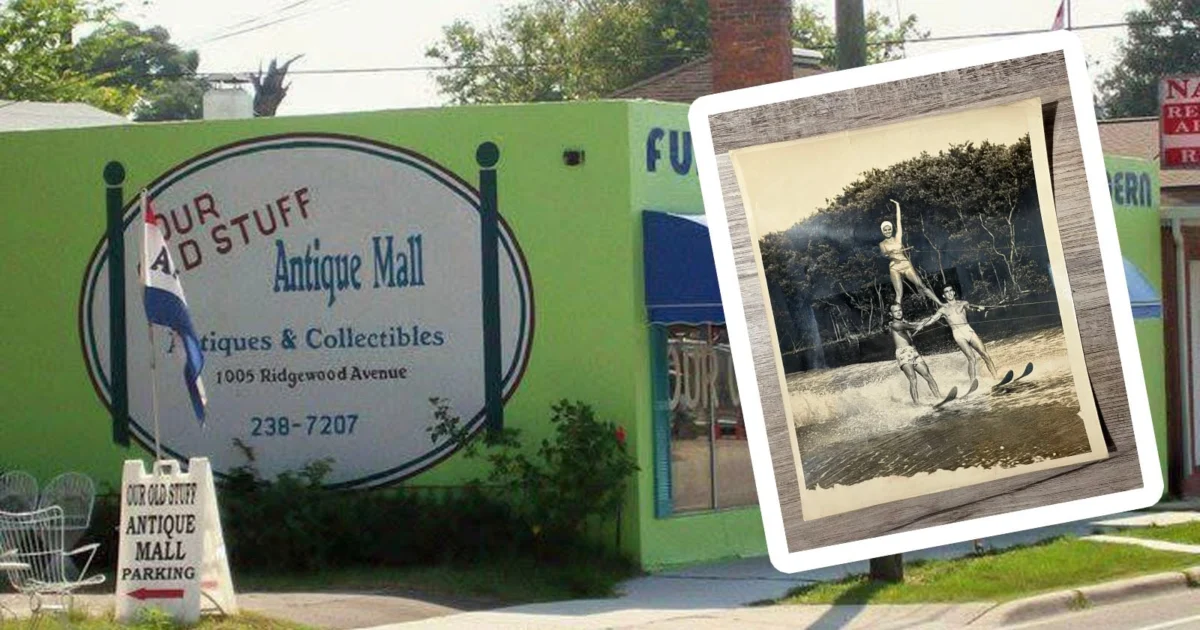
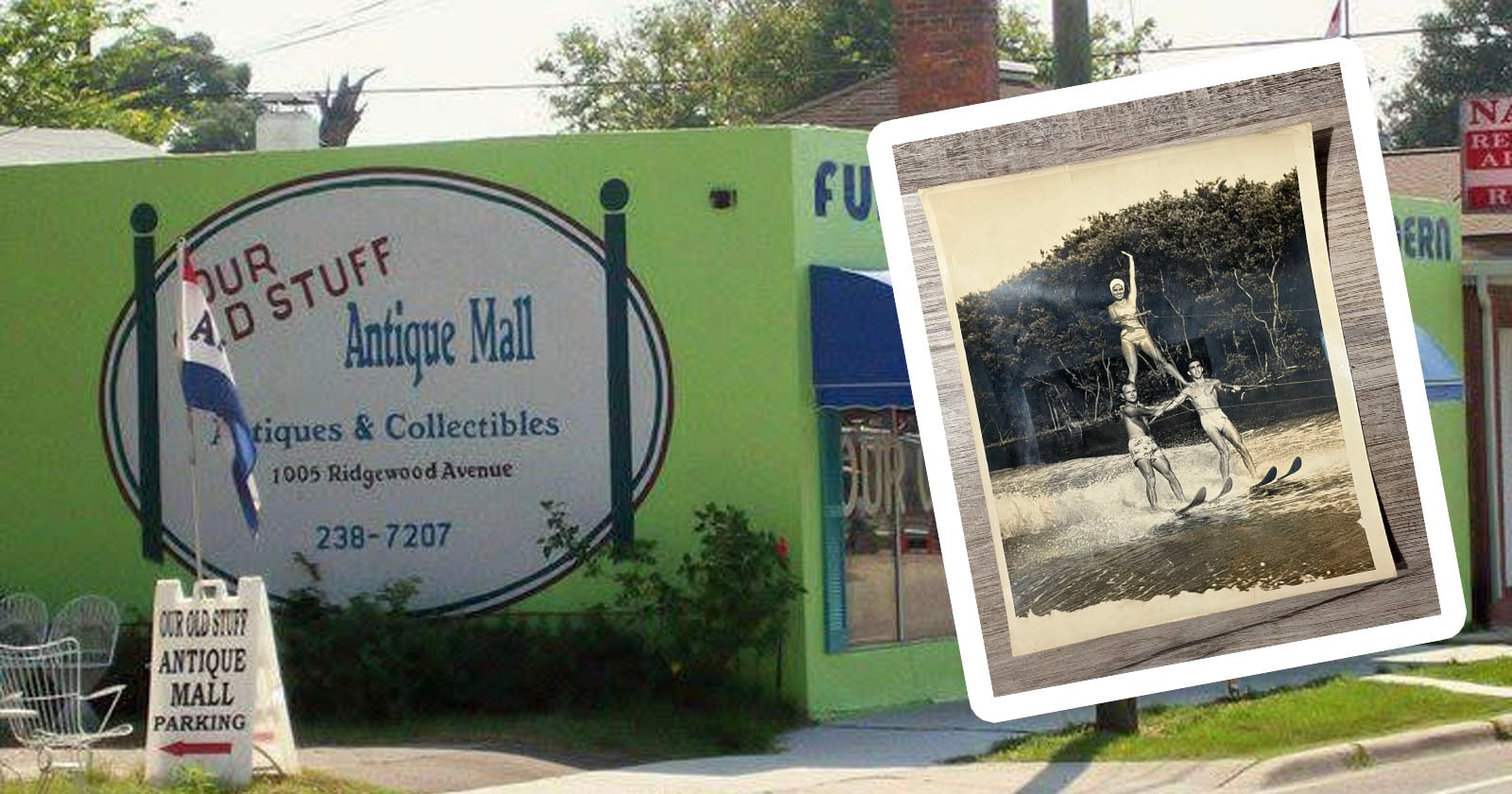
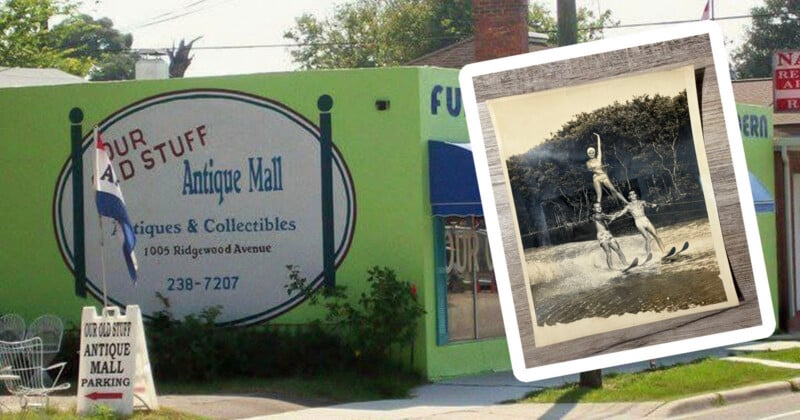
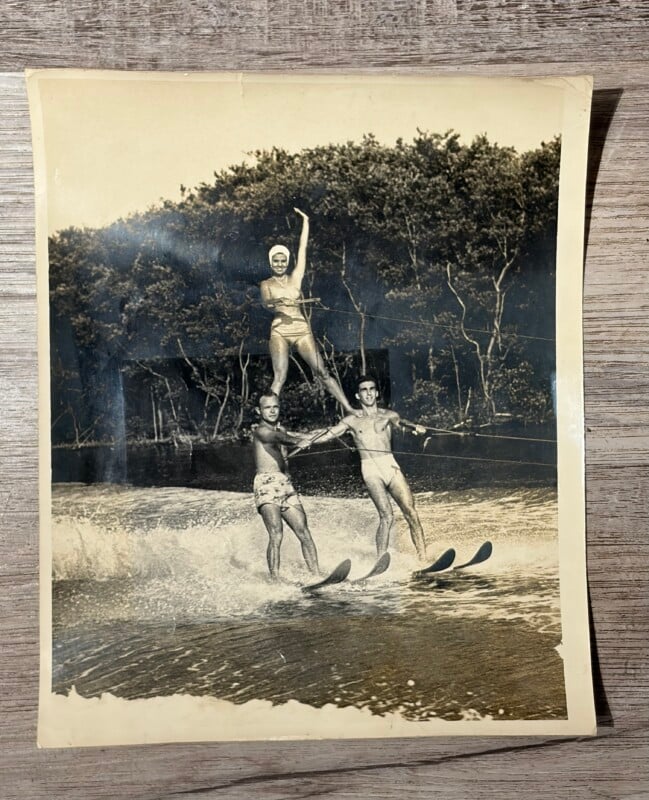
The narrative commenced with a seemingly ordinary visit to a Florida antique store, where an individual, whose identity has not been publicly disclosed but shared their account, stumbled upon an old black-and-white photograph. Priced at a modest $5, the image depicted an impressive water-skiing stunt, a popular pastime in mid-century Florida. What elevated this casual browsing into a significant historical recovery was a small, unassuming detail on the reverse side of the print: a photographer’s stamp bearing the name "Jack Mitchell."
The individual immediately recognized the name, having previously researched and written about Mitchell. The stamp further identified his studio in New Smyrna Beach, Florida. Recognizing the potential historical value, the print was promptly acquired. At the time of purchase, the full extent of the photograph’s journey through time, or its precise place within Mitchell’s extensive body of work, remained unknown. This recognition, however, proved to be the pivotal first step in a detailed investigation that would span hours of meticulous research and lead to a remarkable reunion with the past. The initial curiosity ignited by a five-dollar purchase quickly evolved into a dedicated quest to reconstruct the story behind the compelling image.
Jack Mitchell: A Portrait of a Photographer’s Evolution
Jack Mitchell (1925–2013) stands as a towering figure in 20th-century American photography, celebrated for his iconic portraits of artists, dancers, actors, musicians, and other luminaries of the cultural landscape. His subjects included an extraordinary roster of figures such as Martha Graham, John Lennon and Yoko Ono, Alfred Hitchcock, and Meryl Streep, cementing his reputation as a master of portraiture who captured the essence of his subjects with profound insight and artistic precision. Mitchell’s archive, housed at the Library of Congress, comprises over 250,000 images, testament to his prolific and impactful career.
Yet, before achieving national and international acclaim, Mitchell’s journey began much closer to home, in the burgeoning cultural scene of Central Florida. Notably, at the tender age of 15, he was documented as becoming the youngest professional photographer in the state. This early period, often overshadowed by his later, more renowned work, was marked by his engagement with local events, personalities, and everyday life in Florida. It was during this formative time that the rediscovered water-skiing photograph was captured, offering a rare glimpse into the nascent stages of a career that would ultimately shape the visual record of American arts and culture. The contrast between his early, regional assignments and the sophisticated portraits of global icons underscores the remarkable trajectory of his artistic development and the breadth of his photographic interests.
Unraveling the Past: The Research Journey and Chronology
The acquisition of the photograph marked the beginning of an extensive research endeavor. The primary objective was to trace the photograph’s origins and establish its context within Jack Mitchell’s early career. The finder embarked on a rigorous investigation, focusing on local historical archives and newspaper records, particularly those from the Central Florida region where Mitchell’s studio was located.
The breakthrough came during a diligent search through digitized old issues of the Daytona Beach News-Journal. On March 19, 1950, a striking reproduction of the very water-skiing photograph now held in hand appeared within the newspaper’s pages. This discovery was described as "almost surreal," offering a tangible connection across 76 years. The ability to simultaneously hold the original print and view its published counterpart from more than three-quarters of a century ago provided an unparalleled sense of historical continuity and validation.
This archival find allowed for a reconstruction of the photograph’s likely journey:
- Early 1950: Jack Mitchell, a young photographer operating his studio in New Smyrna Beach, Florida, captures the dynamic water-skiing stunt.
- Pre-March 19, 1950: Mitchell develops the negative in his darkroom, produces the physical print, and applies his studio stamp to the back.
- March 19, 1950: The photograph is submitted to and published by the Daytona Beach News-Journal, making it accessible to the public.
- 1950-Present: The physical print circulates, potentially changing hands multiple times, losing its original context, and eventually finding its way onto an antique store shelf in Florida.
- Recent Past: The photograph is discovered and purchased for $5, initiating the process of its historical recontextualization.
This timeline highlights not only Mitchell’s professional activities but also the enduring power of physical media and local journalism in preserving moments of history. The discovery served as a testament to the meticulous work involved in archival research, demonstrating how seemingly disparate pieces of information can be pieced together to illuminate a forgotten narrative.
Connecting the Subjects: The Toothaker Legacy
The Daytona Beach News-Journal article from March 19, 1950, provided a crucial piece of the puzzle: the identification of the individuals depicted in the photograph. Among them was William David Toothaker, positioned at the bottom right of the water-skiing formation. This identification immediately added a profound human dimension to the historical artifact.
William David Toothaker was not merely an anonymous figure in an old photograph; he was a notable personality in Florida’s mid-century water-skiing scene. His prowess on the water was such that he went on to win the prestigious East Coast Water Skiing Championship in 1954, solidifying his status as a prominent athlete of his era. This context enriched the photograph’s story considerably, transforming it from a mere stunt image into a document of a specific cultural moment and an individual’s early achievements.
Further extending the human connection, the finder successfully located and contacted William’s son, David Toothaker, who is now 75 years old and resides in Grand Isle, Florida. David’s recollections proved invaluable. He distinctly remembered his father mentioning the name Jack Mitchell on various occasions, suggesting a personal connection or at least a professional acquaintance between the photographer and the subject. David also shared insights into his father’s active involvement in the local water-skiing community, recalling, "While living in Daytona prior to and after getting married to my mom he skied with a ski club on the river." He even hinted at the possibility of possessing additional photographs of his father from that period, although the photographers’ identities remain uncertain.
This correspondence brought the figures in the photograph vividly to life. They were no longer just young individuals frozen in a spectacular moment; they were people with names, families, accomplishments, and memories. The fact that, more than seven decades later, the son of one of the subjects could still recall the photographer’s name underscores the lasting impression Mitchell’s early work had on his community. This human element transformed the research from an academic exercise into a deeply personal narrative, bridging generations through a single, remarkable image.
The Enduring Mystery of Preservation and the Value of Physical Artifacts
Despite the wealth of information unearthed, the photograph’s journey through the intervening 76 years remains largely shrouded in mystery. The precise path it took from Mitchell’s studio and the Daytona Beach News-Journal to an antique store shelf for $5 is a narrative lost to time. How did a professional print, published in a newspaper, survive the ravages of decades? Who were its custodians? Was it carefully stored in an album, tucked away in a drawer, or simply forgotten in a box in an attic? The questions highlight the precarious nature of physical artifact preservation and the unpredictable currents of personal history.
In an increasingly digital age, where images are ephemeral and easily disseminated, the survival of a tangible photographic print like this one holds particular significance. Physical photographs are susceptible to loss, damage, and obscurity, yet they also possess a unique materiality and an undeniable connection to the past that digital files often lack. This Jack Mitchell print, bearing its original stamp and showing the wear of time, serves as a powerful reminder of the enduring value of physical artifacts. It underscores that historical narratives are often preserved not just in official archives but also in the everyday objects that pass through countless hands.
The sheer serendipity of its discovery cannot be overstated. The photograph could have been overlooked, purchased by someone unaware of its historical significance, or simply vanished into another collection for decades more. The fact that it was recognized, acquired, and subsequently researched by someone with the specific knowledge to appreciate its importance speaks to the crucial role of individual awareness and historical curiosity in safeguarding cultural heritage. It exemplifies how "thrifting" or antique hunting can occasionally yield extraordinary historical treasures, transforming a casual outing into a profound act of historical recovery.
Broader Implications for Archival Photography and Cultural History
The rediscovery of this early Jack Mitchell photograph carries significant implications for photographic historians, archivists, and enthusiasts alike.
- Enriching Mitchell’s Oeuvre: While Mitchell’s later work is extensively documented, this find provides invaluable insight into his formative years as a photographer. It helps to complete the picture of his artistic development, showing his versatility beyond portraiture and his engagement with the local culture of Florida. For scholars studying Mitchell, this photograph adds a crucial piece to the puzzle of his comprehensive career, offering context to the foundations upon which his later renown was built.
- Documenting Florida’s Cultural Heritage: The photograph and its accompanying newspaper article contribute to the historical record of Florida’s mid-20th-century recreational and sporting life. Water skiing was a significant part of the state’s identity, and this image, coupled with the identification of a champion like William David Toothaker, provides a vivid snapshot of that era. Such discoveries are vital for local history initiatives and cultural preservation efforts, helping to articulate the unique social fabric of specific regions.
- The Role of Local Newspapers as Archives: The Daytona Beach News-Journal played a critical role in this discovery. This highlights the indispensable value of local newspaper archives as primary sources for historical research. Often overlooked in favor of larger national publications, regional newspapers are treasure troves of information about community life, local events, and the early careers of individuals who would later achieve broader fame.
- The Power of Serendipitous Discovery: This incident underscores that significant historical finds are not always made by professional archivists in controlled environments. They can emerge from unexpected places, driven by individual curiosity and recognition. This inspires a broader appreciation for the potential historical value in everyday objects and the stories they might hold, encouraging a more mindful approach to "old stuff."
- Connecting Past and Present: The interaction with David Toothaker brings a powerful human dimension to historical research. It transforms abstract historical facts into living memories and family legacies. Such connections are crucial for fostering an appreciation for history, making it relatable and relevant to contemporary audiences. It demonstrates how historical artifacts can serve as bridges between generations, keeping memories alive.
Conclusion
The journey of a $5 photograph from an antique store shelf to a recognized piece of photographic history is a compelling testament to the enduring power of artifacts and the dedication of historical research. This particular print, a 76-year-old image by Jack Mitchell, not only sheds light on the early career of a photographic master but also reestablishes a tangible link to a specific moment in Florida’s cultural past.
The meticulous investigation, tracing the photograph from its anonymous state to its publication in the Daytona Beach News-Journal in 1950 and, ultimately, to a conversation with the son of one of its subjects, epitomizes the profound impact of historical discovery. What began as a simple recognition of a name on the back of a print evolved into a comprehensive narrative, restoring its context, identifying its subjects, and reaffirming its place within a broader historical tapestry. For a mere five dollars, an invaluable piece of Jack Mitchell’s early career was not just acquired, but its lost story was meticulously pieced back together, enriching both photographic history and the collective memory of a vibrant era.