The traditional definition of wide-angle photography typically centers on the use of lenses with short focal lengths; however, a sophisticated subset of the medium focuses instead on the manipulation of the aspect ratio to achieve a sweeping, panoramic perspective. While modern digital sensors allow for effortless cropping and stitching, a dedicated community of photographers continues to utilize legacy 135-format film cameras designed specifically to capture panoramic images in-camera. This approach, often requiring specialized and increasingly rare equipment, offers a unique intersection of mechanical engineering and artistic composition that digital post-processing struggles to replicate.
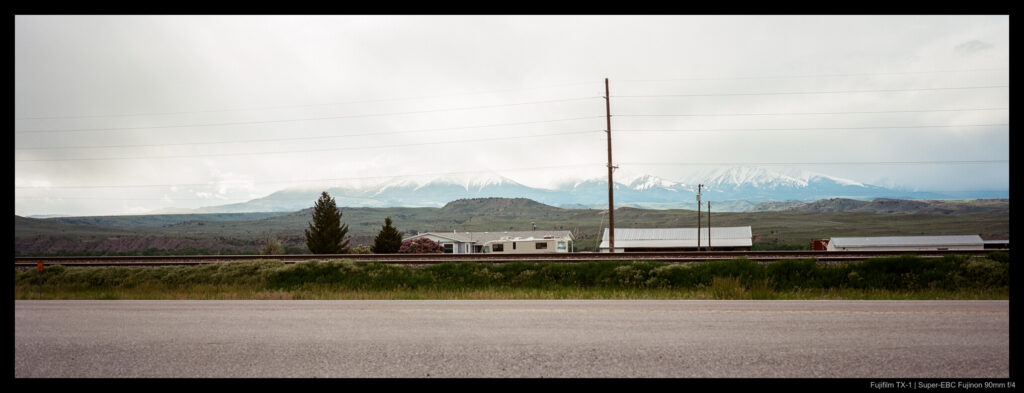
Panoramic photography is defined not merely by the breadth of the field of view, but by the relationship between the horizontal and vertical axes. In standard 35mm photography, the 3:2 aspect ratio serves as the industry benchmark. In contrast, panoramic systems extend the long axis, frequently reaching ratios of 2.4:1 or 2.7:1. This expansion creates a visual imbalance that necessitates a specialized understanding of leading lines, depth, and subject placement. To understand the current state of this niche field, one must examine the three primary mechanical paths to achieving these results: swing-lens systems, crop-frame point-and-shoots, and extended-frame rangefinders.
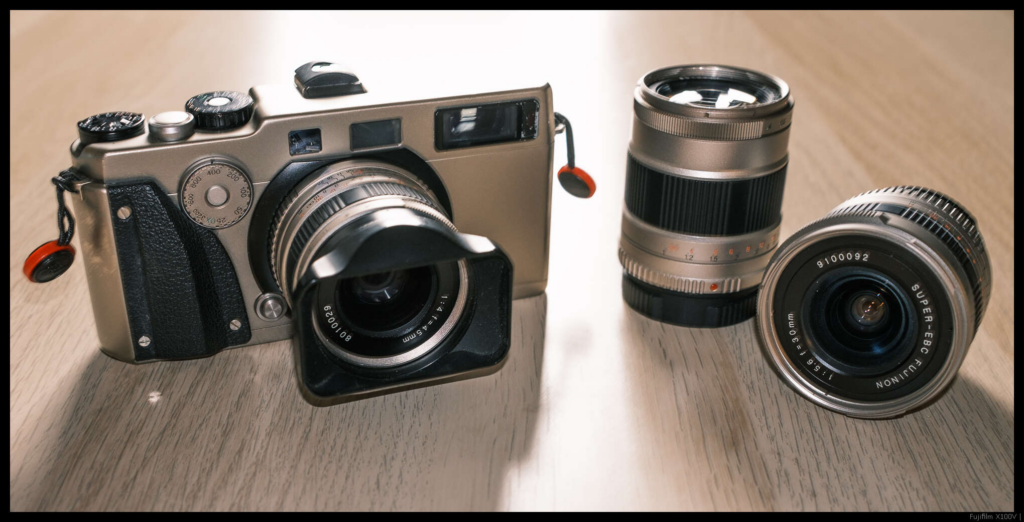
A Chronological Overview of Panoramic Engineering
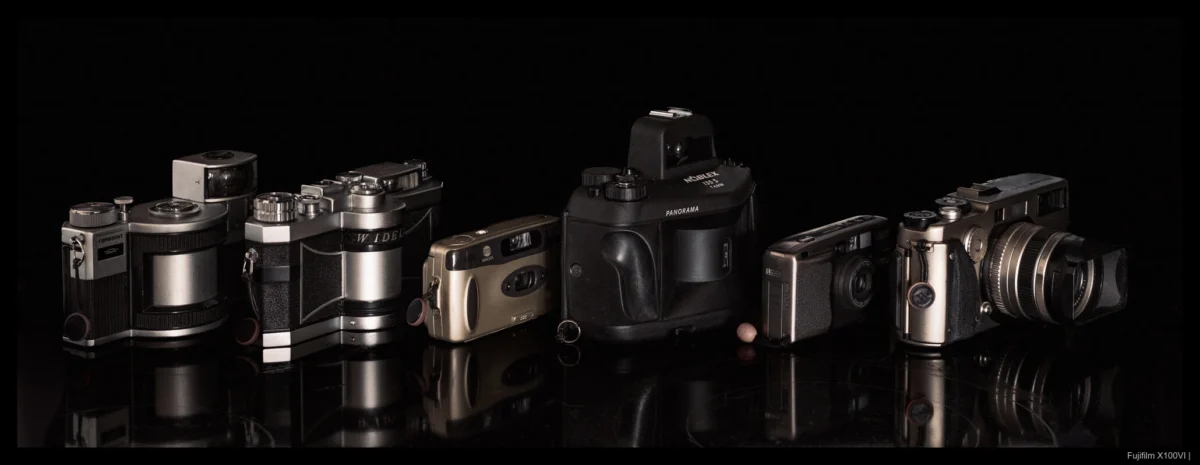
The history of small-format panoramic cameras is a testament to the diverse engineering philosophies of the late 20th century. The timeline of the most prominent systems spans over thirty years, beginning with the Soviet-era KMZ Horizont in 1967. Originally derived from military surveillance technology, the Horizont introduced the swing-lens mechanism to the consumer market, utilizing a rotating turret to expose film across a curved plane.
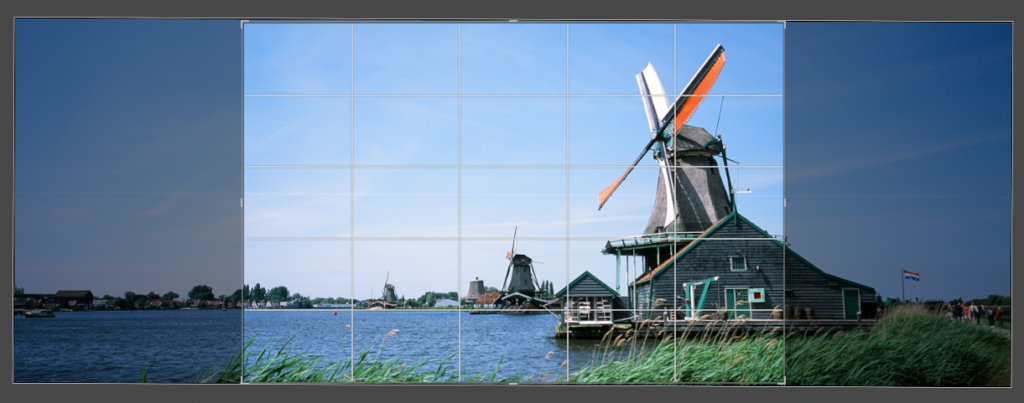
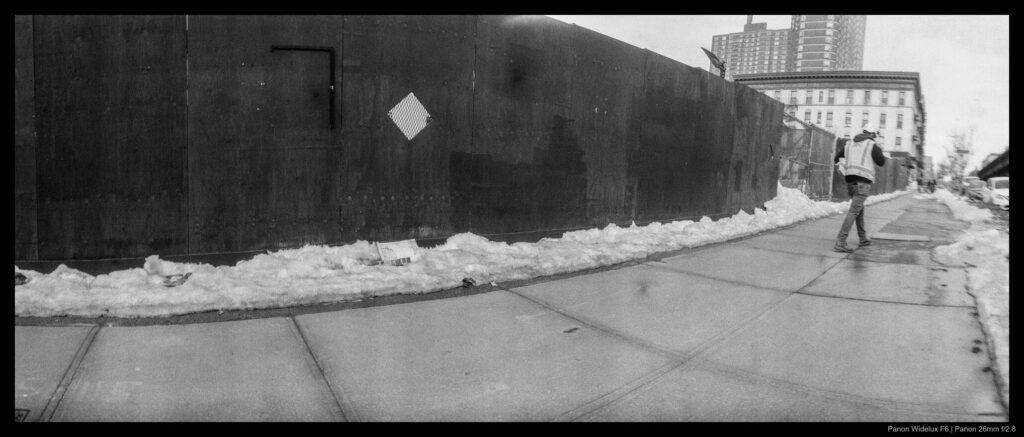
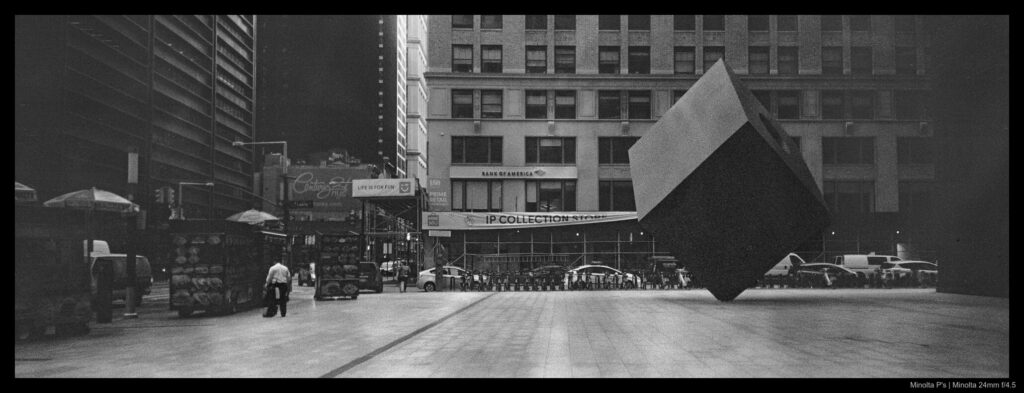
In 1970, the Panon Widelux F6 refined this concept, eventually becoming a cult favorite in Hollywood, most notably championed by actor Jeff Bridges. The 1990s saw a divergence in philosophy. German manufacturer KWD introduced the Noblex 135S in 1992, applying high-precision electromechanical standards to the swing-lens format. Simultaneously, Japanese manufacturers Minolta and Ricoh addressed the consumer demand for portability. The Minolta P’s (1991) and the Ricoh R1 (1994) utilized crop-frame technology, masking standard 35mm frames to simulate a panoramic view within a compact, automated body.
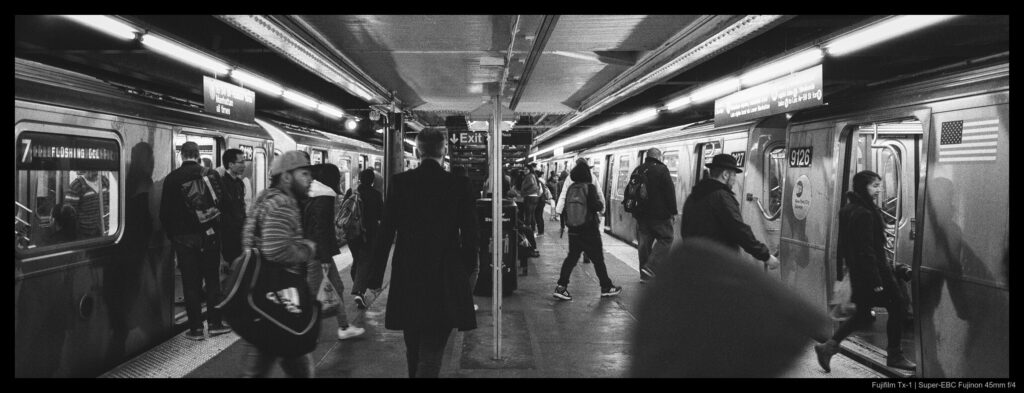
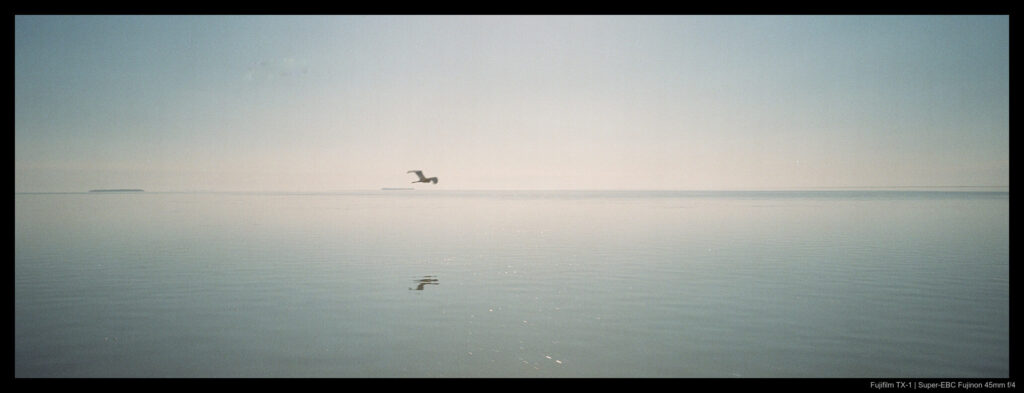
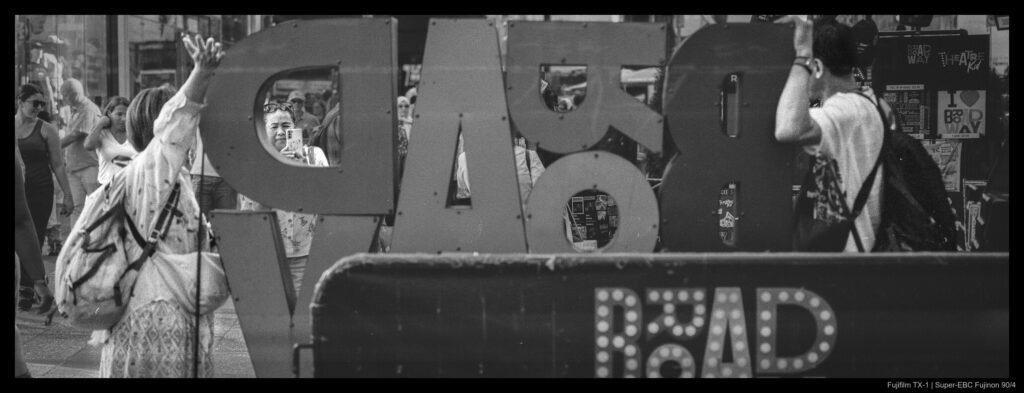
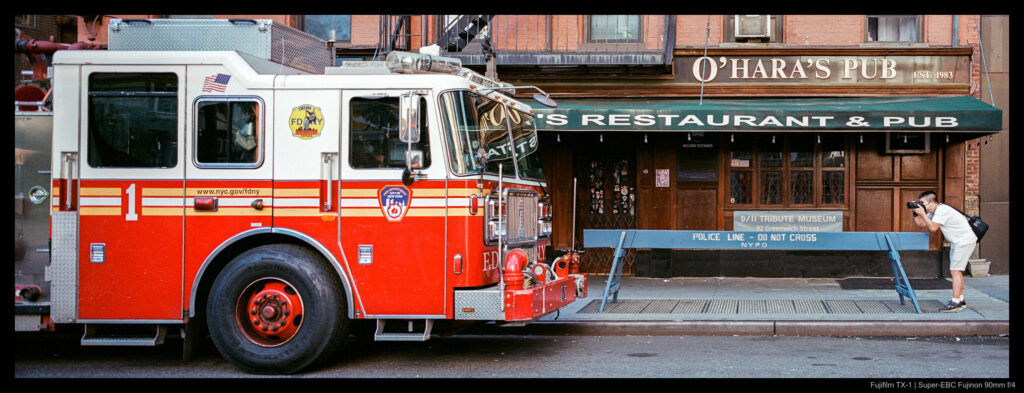
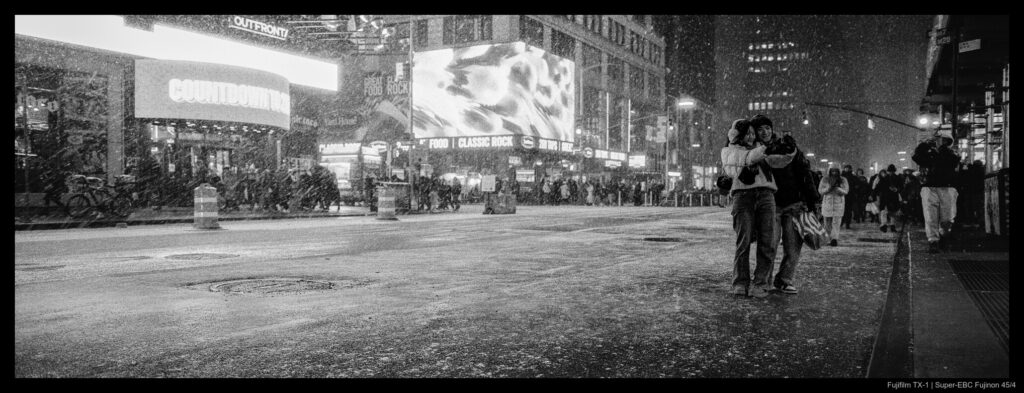
The era reached its technical zenith in 1998 with the release of the Fujifilm TX-1, marketed internationally as the Hasselblad XPan. Unlike its predecessors, the TX-1 did not rely on rotating parts or masks; instead, it featured a widened film gate and specialized lenses with massive image circles to expose a 65x24mm area of film. This "extended-frame" approach provided the resolution of medium-format photography within the ergonomics of a 35mm rangefinder.
Technical Specifications and Comparative Data
The performance of these systems is dictated by their mechanical design, which impacts everything from field of view (FOV) to image distortion. Data analysis of these six prominent models reveals significant disparities in their optical capabilities.
Field of View and Optical Projection
Swing-lens models, such as the Panon Widelux F6 and the KWD Noblex 135S, offer the widest horizontal coverage. The Widelux F6 provides a 126-degree horizontal FOV, significantly wider than the 94.6-degree FOV offered by the Fujifilm TX-1’s widest lens (the 30mm f/5.6). However, swing-lens cameras utilize cylindrical projection, which causes straight lines to "bend" as they move away from the center of the frame. In contrast, the TX-1 utilizes rectilinear projection, maintaining straight lines at the cost of a narrower field of view and increased perspective distortion at the edges.
Mechanical Operation and Exposure
Exposure in panoramic systems is complex. In swing-lens cameras, the "shutter speed" is actually a function of the slit width in the rotating drum and the speed of the rotation. A setting of 1/125s on a Widelux F6 actually takes approximately one second for the turret to complete its sweep. This creates a "rolling shutter" effect where moving subjects may appear elongated or compressed depending on their direction of travel.
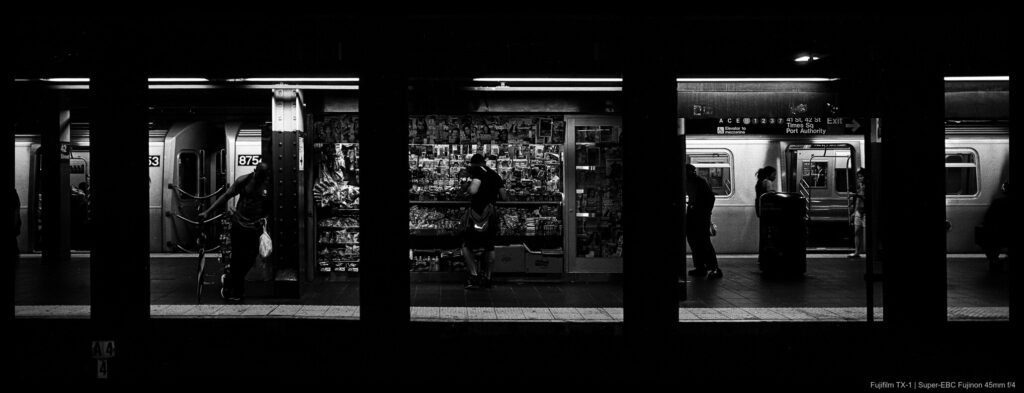
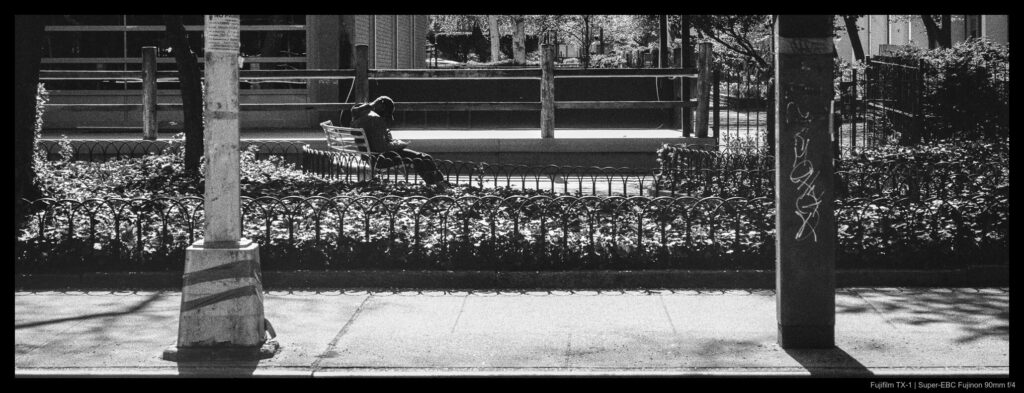
The Fujifilm TX-1 and the crop-frame models (Minolta P’s and Ricoh R1) utilize standard focal-plane or leaf shutters. This allows for much faster instantaneous exposures, making them superior for street photography where freezing motion is a priority. The TX-1, in particular, offers a shutter speed range of 8 seconds to 1/1000s, providing the most versatility in varying light conditions.
Ergonomics and Handheld Usability
A critical factor for photographers in the field is the physical handling of the equipment. Panoramic cameras are notoriously prone to "finger intrusion," where the photographer’s own hand accidentally enters the wide field of view. The Noblex 135S and the Fujifilm TX-1 address this with shaped grips, while the flatter profiles of the Horizont and Widelux require more disciplined hand placement.

Acoustic data also reveals the "stealth" capabilities of these units. The KMZ Horizont is the most conspicuous, producing a peak noise level of 94.2dB during its mechanical sweep. The Ricoh R1 and Minolta P’s are the quietest, measuring 75.5dB and 77.0dB respectively, though their motorized film advances add a secondary layer of noise. The Fujifilm TX-1 sits in the middle at 80.8dB, offering a dampened, professional shutter sound suitable for candid environments.
Maintenance and the Longevity of Legacy Gear
As these cameras are no longer in production, maintenance has become a primary concern for the panoramic community. Each system suffers from specific "aging" defects:
- The Noblex 135S: The wax-based guides on the rotating drum eventually decay, leading to vertical "banding" in images where exposure becomes inconsistent across the frame.
- The Ricoh R1: The top-mounted LCD and the internal viewfinder LCD are notoriously prone to failure, often rendering the camera’s settings invisible to the user.
- The Widelux Line: The complex timing gears require specialized lubricants that can dry out over decades, leading to "stuttering" in the lens turret.
Despite these challenges, there is a renewed interest in the preservation of these tools. In recent years, a project led by Jeff Bridges has sought to revive the Widelux brand, aiming to produce a modern version of the swing-lens camera that maintains the mechanical soul of the original while utilizing contemporary manufacturing tolerances.
Broader Implications for the Photographic Arts
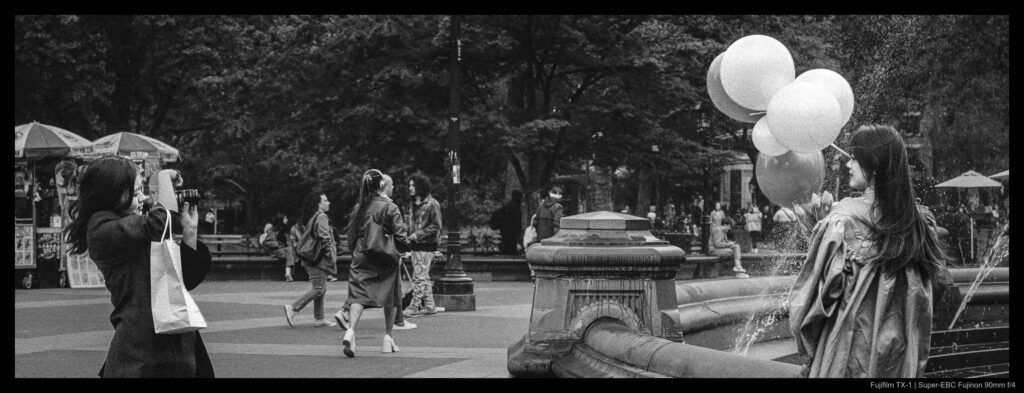
The continued use of in-camera panoramic systems suggests a broader desire among artists for "intentionality" in the creative process. While digital cropping provides the same aspect ratio, it does not provide the same psychological experience during capture. A photographer using a Fujifilm TX-1 is forced to compose for the 2.71:1 ratio in real-time, adjusting their perception to a wider world.
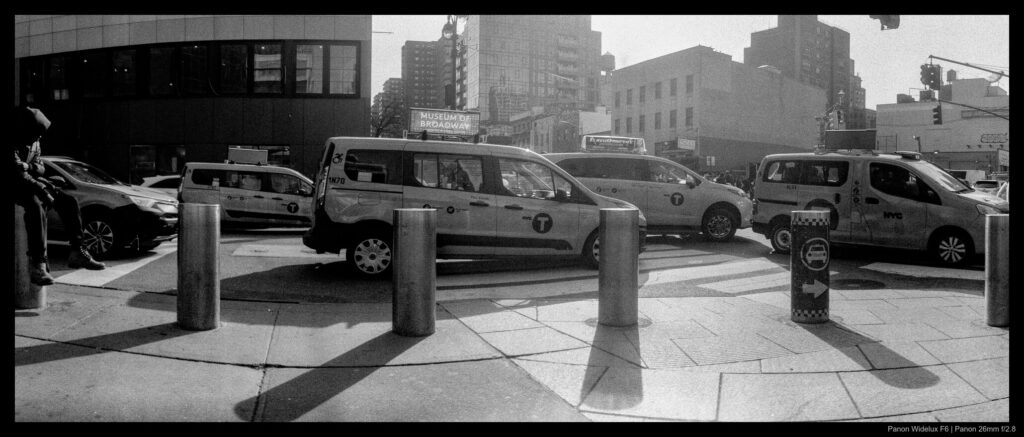
This shift in perspective has significant implications for how visual stories are told. The panoramic format excels at "contextualizing" a subject, allowing the environment to play an equal role in the narrative. In street photography, this allows for multiple sub-plots to exist within a single frame, while in landscape photography, it captures the scale of the horizon in a way that feels more aligned with human peripheral vision than a standard 3:2 frame.
Conclusion and Market Outlook
The market for small-format panoramic cameras remains robust, with prices for the Fujifilm TX-1 and Hasselblad XPan reaching record highs on the secondary market. This demand is driven by a generation of photographers looking to escape the standardized look of digital imagery. While the barriers to entry—cost, finicky mechanics, and the scarcity of repair parts—are high, the results remain unparalleled.
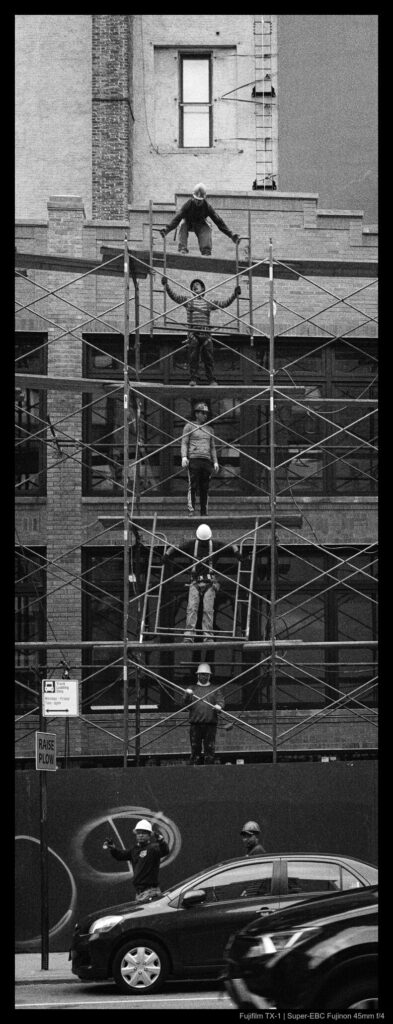
As we move further into the digital age, these mechanical anomalies stand as a reminder of an era where engineering was pushed to its limits to expand the boundaries of human vision. Whether through the sweeping turret of a Widelux or the expansive gate of an XPan, the panoramic format continues to challenge photographers to see the world not as a series of isolated subjects, but as a continuous, wide-screen experience. The choice of gear, therefore, is not just a technical decision, but a fundamental choice in how one intends to interpret the space and time captured within the silver halides of a strip of 35mm film.