A recent publication by the UK Home Office, intended as guidance for asylum seekers, has sparked considerable controversy by suggesting that individuals could face arrest for photographing someone in a public space without permission. This misrepresentation of established legal norms has ignited a fresh debate among legal experts, photography rights advocates, and the public regarding the permissible boundaries of photography in public areas and the ongoing need for clarity within law enforcement agencies. The guidance, published in August 2026, implies a legal restriction that largely does not exist under current UK law, drawing parallels to historical instances where police officers have similarly misunderstood or misapplied regulations concerning public photography.
The Genesis of the Controversy: Misleading Home Office Guidance
The contentious guidance emerged as part of a pamphlet titled "Asylum Consequences of Behaviour," distributed by the Home Office. A specific section within this document has been widely criticized for advising asylum seekers that "it’s possible to get arrested" for taking photographs of individuals in public without their consent. This statement directly contradicts the long-standing legal position in the United Kingdom, which generally upholds the right to photograph people and property in public spaces without requiring explicit permission, provided there is no intent to harass, cause alarm, or commit other specific offenses like voyeurism. The booklet’s publication has been met with dismay from photographic organizations and civil liberties groups, who argue that such inaccurate information can foster confusion, lead to unwarranted confrontations, and potentially undermine the public’s legitimate right to document events.
The implications of such guidance are far-reaching. For asylum seekers, who may already be vulnerable and unfamiliar with UK laws, this misinformation could create unnecessary anxiety and deter them from engaging in lawful activities. More broadly, it risks emboldening members of the public or even law enforcement personnel who might mistakenly believe they have the authority to prohibit public photography, leading to disputes and potential abuses of power. The core issue lies in the distinction between taking a photograph in public, which is generally permissible, and the subsequent use of that photograph, which may be subject to different legal considerations, particularly concerning privacy, data protection, and defamation.
A Persistent Misunderstanding: Historical Context and Legal Framework
The current controversy is not an isolated incident but rather echoes a persistent misunderstanding of photographic law that has plagued the UK for decades. Historically, a significant source of confusion stemmed from the misapplication of counter-terrorism legislation, particularly Section 44 of the Terrorism Act 2000. Under this provision, police officers were granted powers to stop and search individuals without reasonable suspicion in designated areas. While intended for security purposes, these powers were frequently and incorrectly invoked to prevent photographers from working in public spaces, often under the pretext that they might be "suspicious." This led to numerous documented instances of photographers, both professional and amateur, being challenged, questioned, and sometimes even having their equipment seized or images deleted by police officers who were operating under a flawed interpretation of the law.
Following widespread criticism from press freedom organizations, human rights groups, and a landmark ruling by the European Court of Human Rights in 2010 (the Gillan and Quinton v. United Kingdom case), Section 44 powers were significantly curtailed and eventually repealed. However, the legacy of this period contributed to a climate of suspicion around public photography, and remnants of this misunderstanding appear to persist within certain governmental bodies and individual officers.
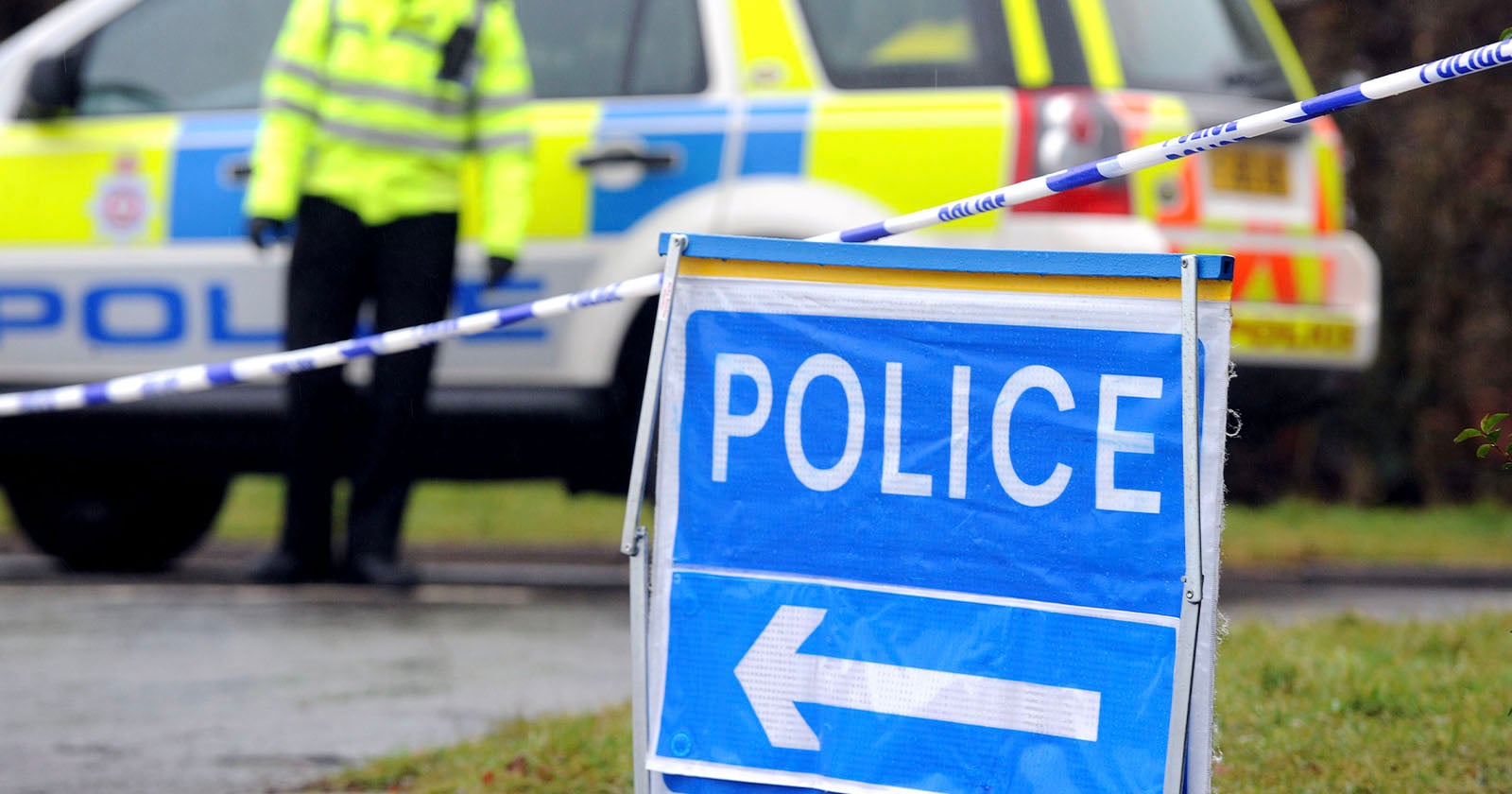
The prevailing legal framework in the UK is largely permissive. Individuals have a common law right to photograph in public spaces. There are no general laws prohibiting the photography of people or private property from a public vantage point. Exceptions do exist, but they are specific:
- Voyeurism (Sexual Offences Act 2003, amended 2019): This law explicitly covers "upskirting" and "downblousing," criminalizing the taking of images beneath clothing without consent, with an intent to obtain sexual gratification or to cause humiliation, distress or alarm. This is a targeted law addressing specific egregious acts, not general public photography.
- Harassment (Protection from Harassment Act 1997): Repeated unwanted actions, including photography, that cause distress or fear could constitute harassment. This requires a course of conduct, not a single instance of photography.
- Privacy: While there is no explicit "right to privacy" law preventing photography in public, courts can intervene if photography amounts to an invasion of privacy, particularly if it involves private acts or private property where there’s a reasonable expectation of privacy. However, a person in a public park generally has a reduced expectation of privacy.
- Data Protection (GDPR and Data Protection Act 2018): For professional photographers, especially those operating commercially, data protection laws apply when processing images of identifiable individuals. However, for personal use or journalism, exemptions often apply.
- Copyright: The photographer generally owns the copyright to their images. Individuals depicted in photographs generally do not have a "right" to prevent the image from being taken, though they might have rights regarding its publication if it infringes on privacy or causes damage.
- Specific Prohibited Areas: Certain locations, like courtrooms, designated secure areas (e.g., airports, military bases, critical infrastructure), or private property where permission has not been granted, may have restrictions on photography. However, a public park is explicitly not such an area.
An Illustrative Anecdote: The Park Encounter of 2010
To underscore the long-standing nature of this misunderstanding, consider an incident from circa 2010 in a London park. On a sunny day, a group of hobbyist photographers from a local camera club were engaged in still-life photography on the grass. Despite causing no disturbance or harm, their activity drew the attention of a police officer. The officer approached the group and, much to their surprise, instructed them that they were not permitted to take photographs in a public space.
This direct challenge to their lawful activity was observed by a student of photographic law, who, aware of the legal provisions, intervened. The student politely informed the officer that the photographers had every right to take pictures in a public park and were acting entirely within the law. Initially taken aback, the officer dismissed the student, yet almost immediately thereafter, he ceased his interaction with the camera club, returned to his vehicle, and left the scene. This encounter, while seemingly minor, perfectly encapsulates the recurring issue: a lack of comprehensive legal understanding among some law enforcement personnel regarding the public’s photographic rights, leading to potentially unwarranted interference with lawful activities. The officer’s subsequent departure, presumably after a moment of reflection or a quick check, highlights the fragility of these encounters and the potential for a single informed voice to correct a misunderstanding.
Broader Impact and Implications: A Chilling Effect on Documentation
The Home Office’s misleading guidance, therefore, is not merely a bureaucratic oversight; it represents a serious setback in the ongoing effort to ensure clarity and respect for photographic rights in the UK. Its implications extend far beyond asylum seekers:
- Erosion of Press Freedom: Professional photojournalists rely on the ability to photograph events and individuals in public to fulfill their role in informing the public. Misleading guidance can create a hostile environment, making their work more challenging and potentially leading to self-censorship.
- Hindrance to Citizen Journalism and Public Scrutiny: In an age where smartphones are ubiquitous, ordinary citizens often document events of public interest, including instances of police misconduct or social issues. Restricting this ability, even through misinformed advice, can suppress legitimate public scrutiny and accountability.
- Increased Confrontations: When official guidance contradicts established law, it creates a fertile ground for disputes between photographers and members of the public or security personnel who may erroneously cite such guidance. This can escalate into unnecessary confrontations, arrests, and legal challenges.
- Lack of Trust in Official Information: If a government department responsible for public safety disseminates inaccurate legal advice, it can erode public trust in official communications and the competence of public institutions.
- Economic Impact: For a thriving photography industry, clarity on legal rights is paramount. Ambiguity or erroneous restrictions can deter photographers from operating, impacting businesses and creative endeavors.
The issue also highlights the evolving nature of privacy concerns in a hyper-connected world. While the right to photograph in public is generally accepted, the widespread sharing of images on social media and the potential for digital manipulation or misuse of imagery introduce new ethical and practical considerations. However, these concerns should be addressed through precise, legally sound frameworks, not through broad, inaccurate prohibitions that undermine fundamental freedoms. The 2019 voyeurism law, specifically targeting upskirting, is an example of a targeted legislative response to a specific, egregious abuse, demonstrating that legal evolution can occur without broadly curtailing legitimate public photography.
Official Responses and Calls for Clarity
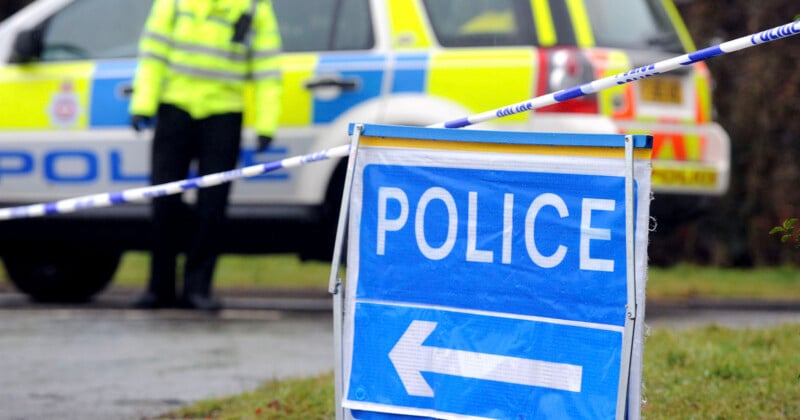
Following the initial outcry, it is imperative that the Home Office issue an immediate clarification and retraction of the misleading guidance. Organizations such as the National Union of Journalists (NUJ), the British Journal of Photography, and various civil liberties groups are expected to formally condemn the publication and demand revisions. Legal experts are likely to reiterate the existing legal framework, emphasizing the permissive nature of public photography in the UK.
Police forces, including the Metropolitan Police, have often had to issue their own internal guidance and training to officers regarding photographic rights, particularly in the wake of past controversies. However, the Home Office’s recent pamphlet suggests that this understanding has not permeated all levels of government or that there is a disconnect between different departments. A unified, clear, and legally accurate statement from the government on public photography rights is urgently needed. This statement should not only correct the current misinformation but also serve as a definitive guide for law enforcement, public sector employees, and the general public.
Furthermore, there is a strong argument for ongoing training and education within all levels of law enforcement and public service to ensure a consistent and accurate understanding of the law. This would help prevent arbitrary enforcement, reduce unnecessary confrontations, and foster a more respectful environment for photographers, both professional and amateur.
A Global Perspective: Varying Laws and the Need for Diligence
While the focus here is on the UK, it is crucial for photographers to understand that laws regarding public photography vary significantly across different regions and countries. As the original article briefly alludes, some nations have stricter privacy laws or cultural norms that might require consent for photographing individuals in public. For instance, countries like Germany have stronger personality rights (Recht am eigenen Bild) which can restrict the publication of images of identifiable individuals without their consent, even if taken in public, unless they are figures of public interest or part of a larger crowd. Similarly, nations like Uzbekistan have reportedly considered or implemented bans on photographing people without permission, indicating a diverse global legal landscape.
Therefore, for any photographer, whether professional or hobbyist, it is paramount to conduct due diligence and research the specific local laws and cultural sensitivities wherever they intend to photograph. Ignorance of the law, especially when traveling, is rarely an excuse. However, the responsibility also lies with governments to provide clear, accurate, and accessible information regarding these laws, preventing the kind of confusion and potential conflict that the UK Home Office’s recent guidance has unfortunately exacerbated.
In conclusion, the Home Office’s erroneous pamphlet has reopened a critical discussion about photographic rights in the UK. It serves as a stark reminder that despite years of advocacy and legal clarification, misunderstandings persist within official channels. Rectifying this misinformation is not just about upholding photographers’ rights; it’s about safeguarding civil liberties, promoting transparency, and ensuring that public institutions operate with a clear and consistent understanding of the law they are sworn to uphold. The incident underscores the continuous need for vigilance, education, and clear communication to prevent the chilling effect of inaccurate guidance from undermining the public’s legitimate right to observe and document their world.