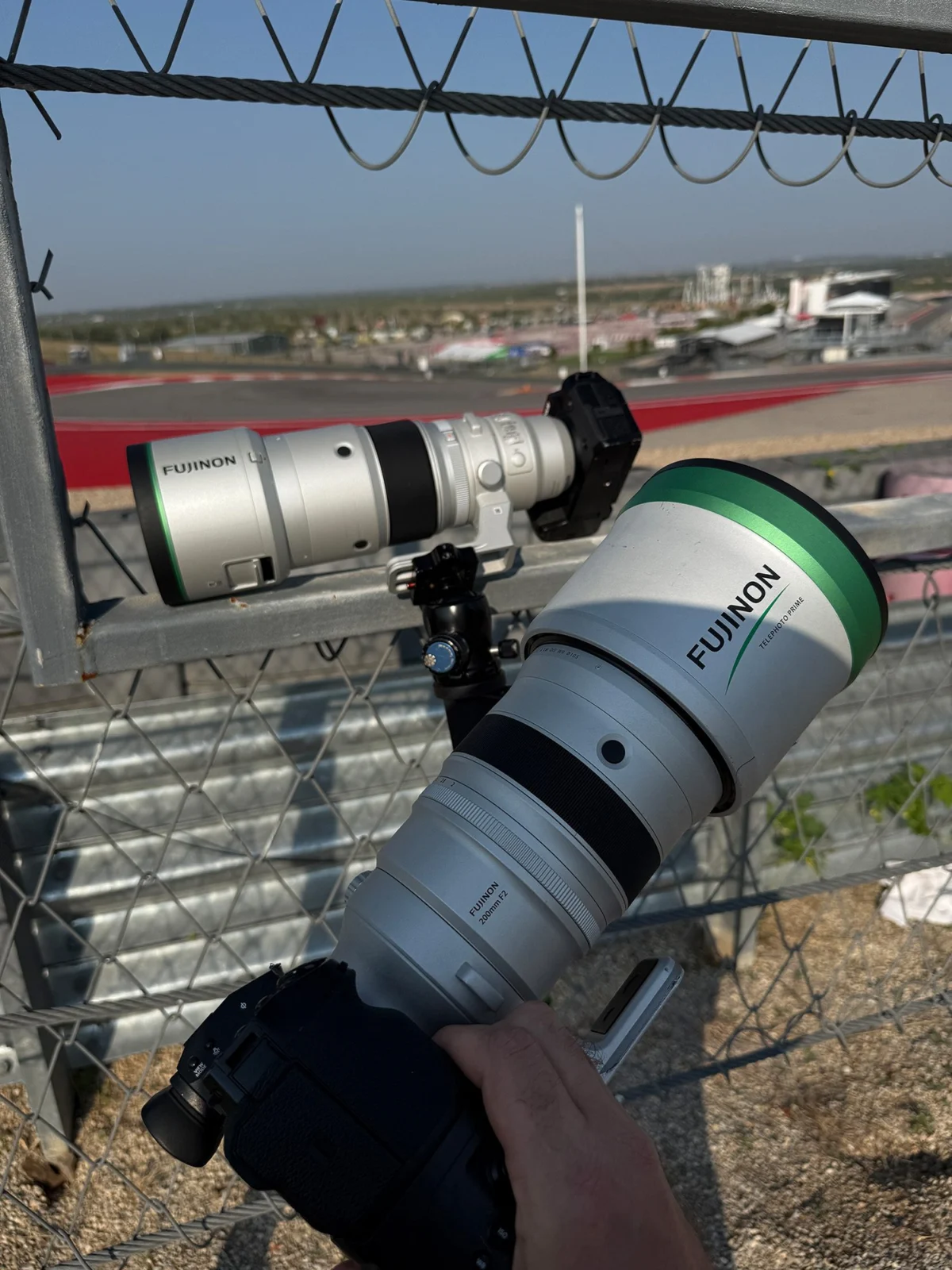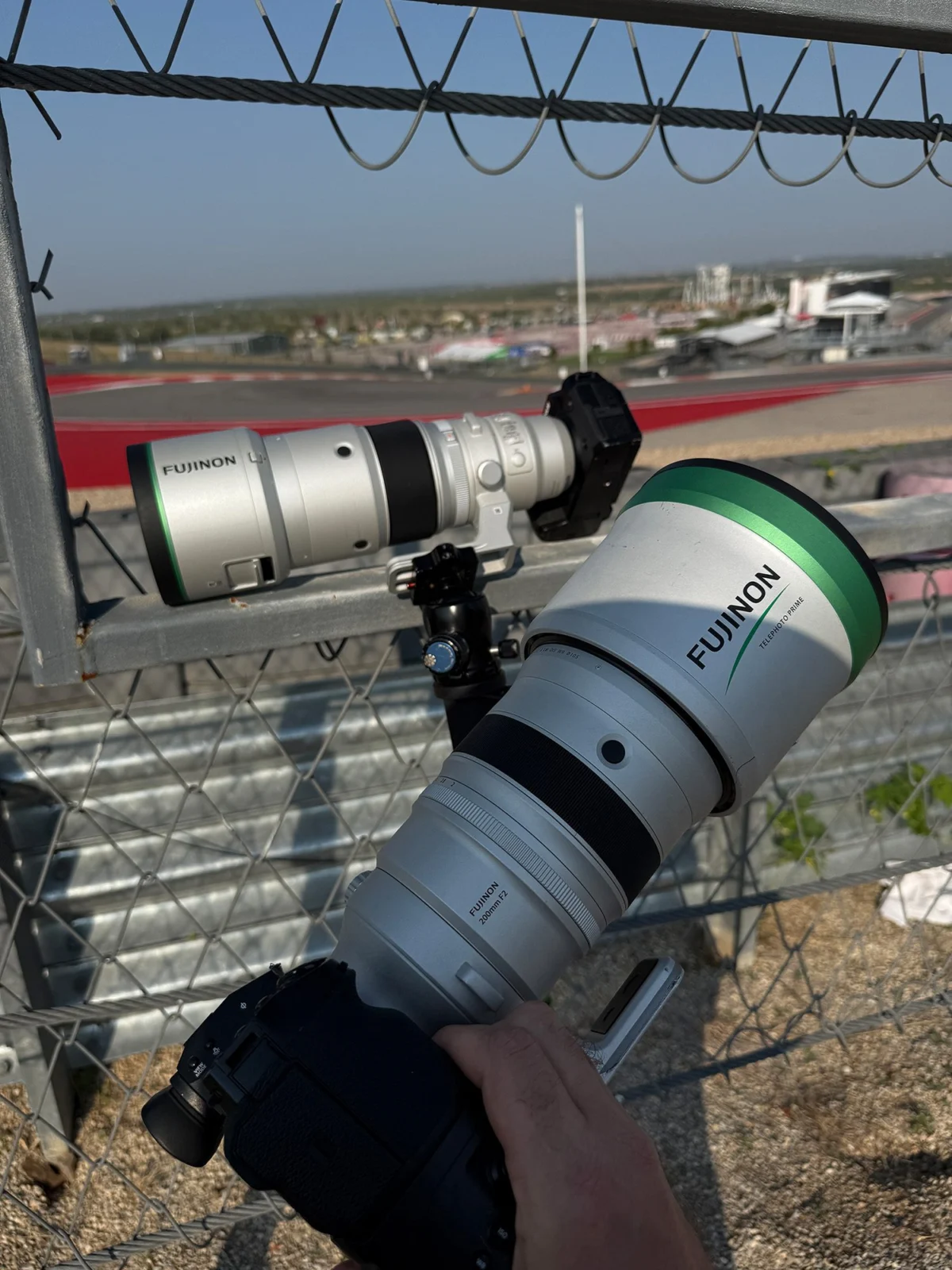
The past four years have witnessed a significant trajectory shift in professional photography, particularly within the dynamic realm of motorsport. As assignments increasingly demanded specialized equipment capable of capturing high-speed action across considerable distances and under rapidly changing light conditions, the need for robust, high-performance telephoto lenses became paramount. For many photographers operating within the Fujifilm X Series ecosystem, the Fujifilm XF100-400mm f/4.5-5.6 R LM OIS WR emerged as an early, practical solution, a versatile workhorse still considered indispensable for broad coverage at demanding venues such as the Circuit of the Americas. However, the narrative of professional tools extends beyond mere versatility, moving into the territory of specialized commitment—a domain where the Fujifilm XF200mm f/2 R LM OIS WR has carved out a distinct and highly regarded niche, establishing itself as a pinnacle of optical engineering and a preferred instrument for discerning professionals.
The Evolution of Fujifilm in Professional Sports Photography
Fujifilm’s journey in the professional photography landscape has been marked by strategic innovation, particularly with its X Series. Initially perceived by some as a system primarily catering to enthusiasts or street photographers, the introduction of cameras like the X-T series, and more recently the X-H series, signaled a clear intent to address the rigorous demands of professional sports and wildlife photographers. This evolution required not only advanced camera bodies with superior autofocus and high-speed processing capabilities but also a complementary suite of lenses that could deliver uncompromising optical performance. The development of super-telephoto primes, such as the XF200mm f/2, represents a critical milestone in this journey, demonstrating Fujifilm’s commitment to providing a comprehensive professional toolkit capable of competing with established full-frame systems. The increased adoption of Fujifilm gear in high-stakes environments like motorsport events underscores the system’s maturity and reliability.
Technical Prowess and Precision Engineering
The Fujifilm XF200mm f/2 R LM OIS WR is a testament to uncompromised optical and mechanical design. Offering an angle of view equivalent to approximately 305mm on a full-frame system, it provides significant reach suitable for isolating subjects on vast racetracks or expansive natural environments. Its utility is further extended by the inclusion of a dedicated XF 1.4x TC WR teleconverter, which boosts the effective focal length to roughly 427mm (full-frame equivalent) while maintaining an impressive maximum aperture of f/2.8. Critically, this teleconverter integrates seamlessly, exhibiting no discernible impact on either optical performance or autofocus speed and accuracy, a crucial factor for fast-paced action photography where every millisecond and pixel matters.
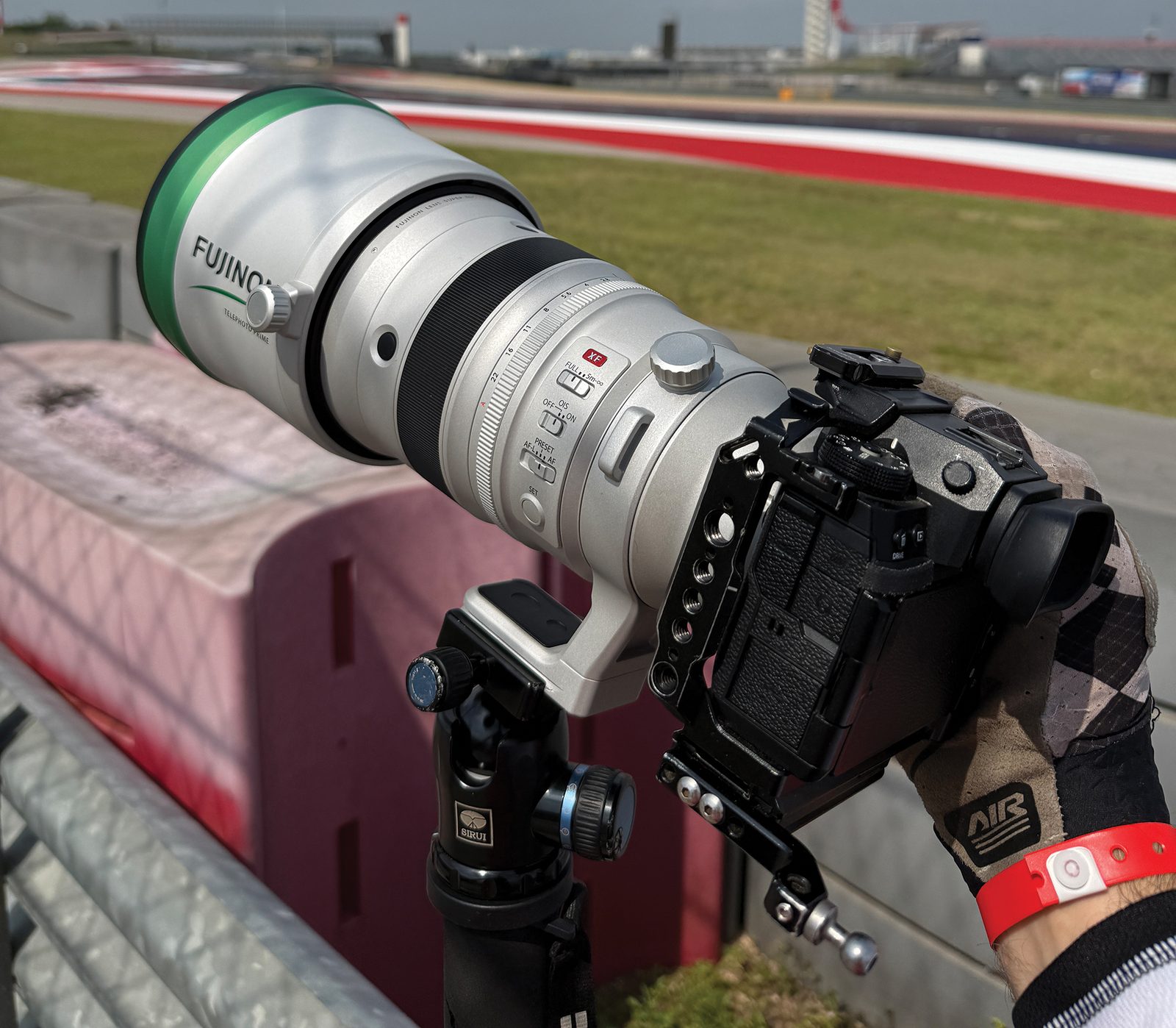
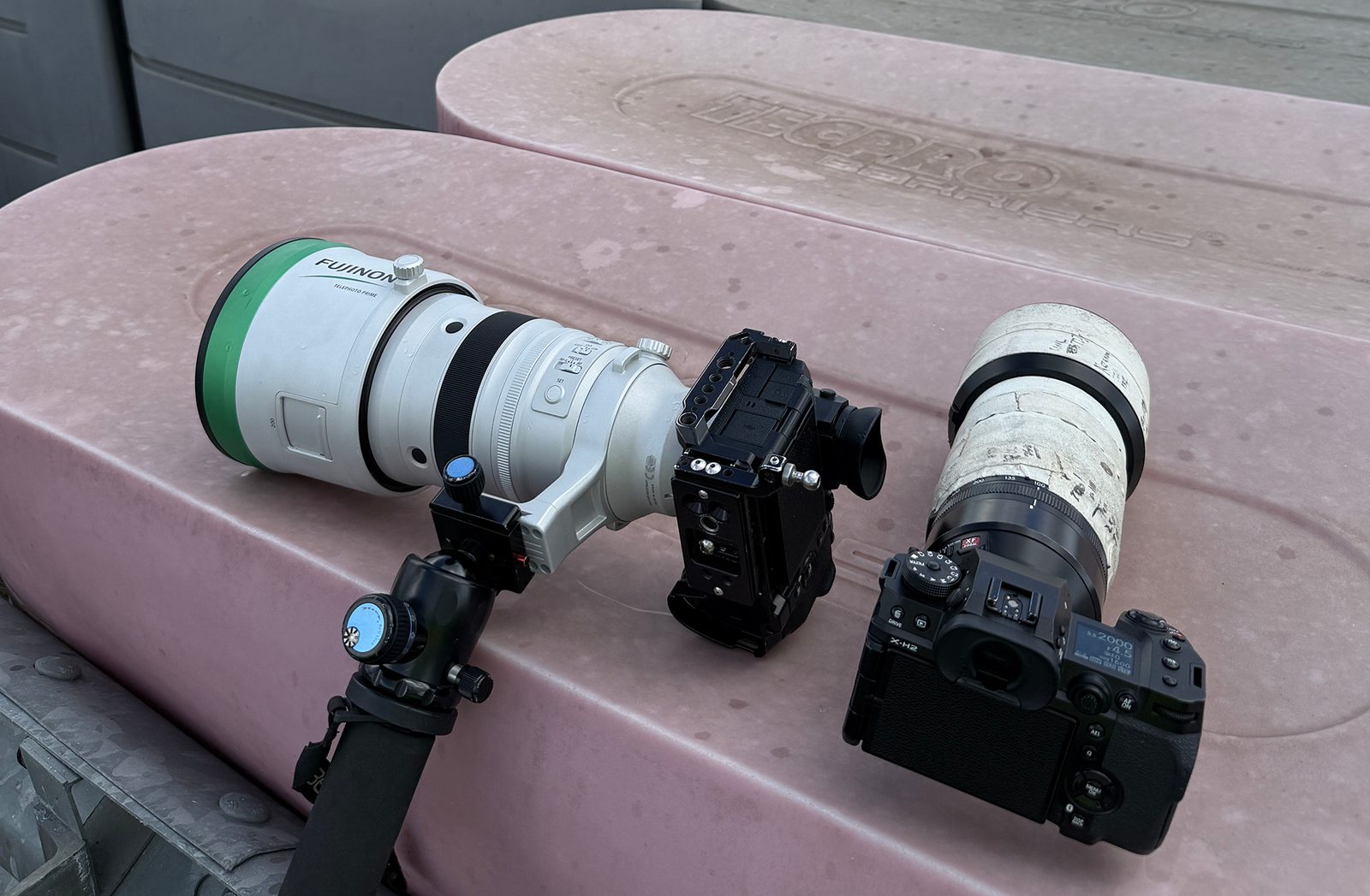
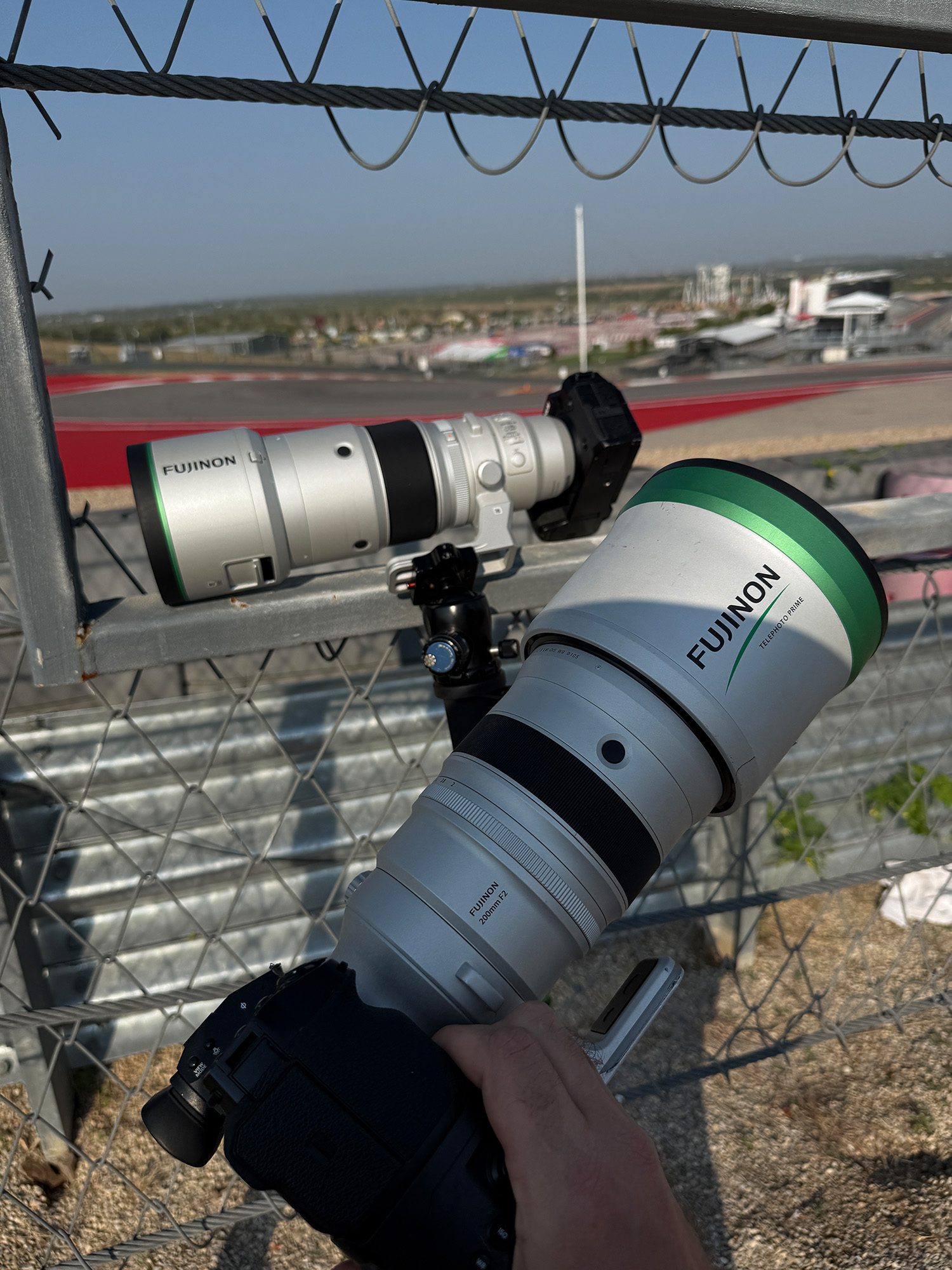
Physically, the lens presents an imposing yet functional form factor. Its full-metal construction ensures exceptional durability, a vital attribute for equipment subjected to the rigors of professional use. A distinctive matte silver coating, a first for a Fujinon lens of this caliber, serves a practical purpose: it minimizes heat absorption during prolonged exposure to direct sunlight, thereby mitigating the risk of thermal expansion and potential image degradation. The autofocus system is powered by a twin linear motor, a design choice engineered for both rapid subject acquisition and near-silent operation, preventing distraction in sensitive environments. Furthermore, an integrated optical image stabilization (OIS) system, rated at an impressive five stops, provides meaningful assistance for handheld shooting, allowing photographers to achieve sharper images at slower shutter speeds or to maintain stability during dynamic panning movements.
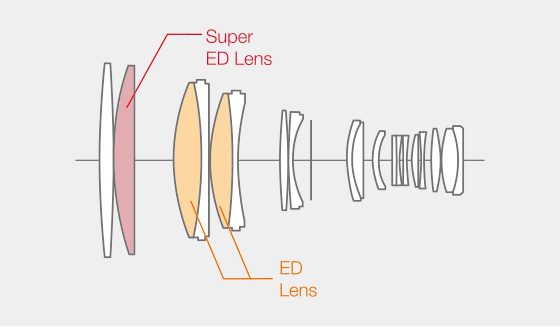
The optical design reflects a no-compromise philosophy, featuring 19 elements arranged in 14 groups. This complex arrangement includes one Super ED (Extra-low Dispersion) element and two ED elements, strategically placed to meticulously control chromatic aberration across the entire aperture range, ensuring images are free from distracting color fringing. The lens is fully weather-sealed, offering robust protection against dust and moisture, while its front element boasts a fluorine coating, a practical enhancement that repels water, dirt, and grease, simplifying cleaning and maintaining optical clarity in challenging conditions. The nine rounded aperture blades contribute to the lens’s signature aesthetic, rendering smooth, circular bokeh that beautifully isolates subjects from their backgrounds. Precision exposure control is facilitated by a one-third EV step aperture ring, offering granular adjustments, and an integrated rotating tripod collar with multiple strap attachment points underscores the lens’s professional intent, providing balance and secure mounting options.
Unparalleled Field Performance and Ergonomics
In the high-octane environment of motorsport, the choice of camera and lens pairing is critical. Experienced professionals frequently utilize dual camera bodies for redundancy and to cover different focal lengths or angles. For users of the Fujifilm X Series, the synergy between the XF200mm f/2 and the Fujifilm X-H2S camera body is consistently lauded as an exceptional combination. The X-H2S, with its stacked sensor and advanced autofocus algorithms, complements the lens’s capabilities, delivering speed, autofocus reliability, clarity, and sharpness that feel remarkably effortless, even when tracking subjects traveling at triple-digit speeds. This level of performance is paramount, as missing a critical shot due to equipment limitations is not an option in professional motorsport photography.
Comparative assessments by photographers who have used the XF200mm f/2 on both the X-H2 and X-H2S bodies highlight a noticeable difference in autofocus acquisition and consistency, particularly with fast-moving subjects. While the X-H2 yields perfectly usable results, the X-H2S’s enhanced processing power and autofocus system demonstrably improve the hit rate in unpredictable, high-speed scenarios, making that difference significant for professional applications.
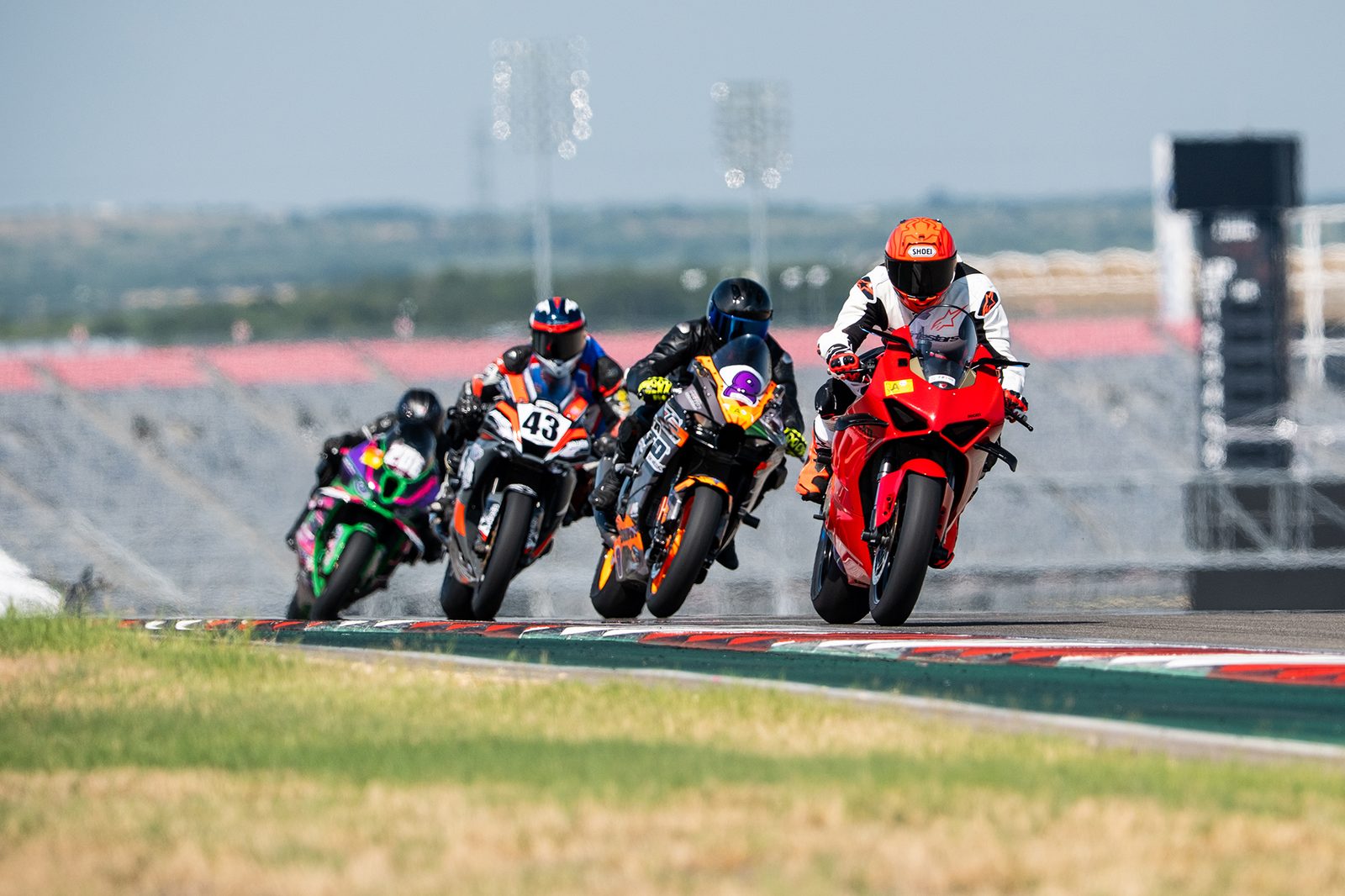
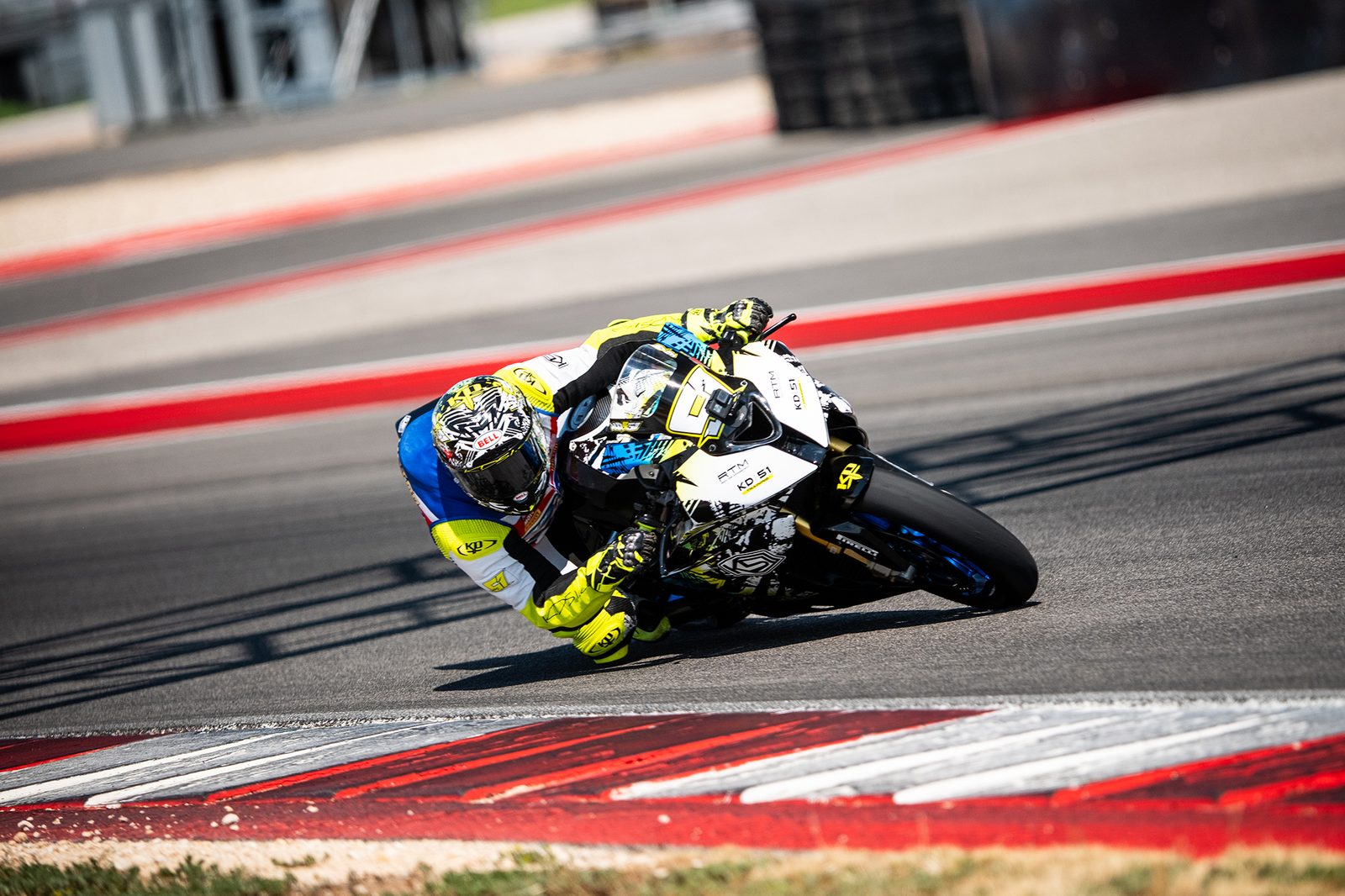
Operating with a dedicated long prime lens like the XF200mm f/2 requires an initial period of acclimation. Photographers often dedicate time to identifying optimal vantage points and refining their technique to maximize the lens’s capabilities. However, once this rhythm is established, the experience becomes profoundly rewarding. Post-capture review sessions frequently reveal images of such exceptional quality that they elicit an immediate, positive reaction. The lens’s ability to achieve remarkable separation between the subject and background is consistently noted, with the bokeh at wide-open f/2 being described as rich and creamy, while the subject retains critical sharpness and detail—a hallmark of premium prime optics.
Ergonomic considerations also play a crucial role in professional workflow. The XF200mm f/2 incorporates several thoughtful design elements that enhance usability. Programmable autofocus buttons located on the barrel provide readily accessible control, particularly advantageous when shooting handheld, offering an additional point of stable interaction. The lens hood is equally robust, large, and rigidly constructed, secured firmly with a pressure screw. This design is not merely for flare control; professional motorsport photographers often utilize the edge of the hood as a bracing point when working with a monopod, providing enhanced stability during long periods of tracking.
Practical Considerations and Strategic Investment
While the XF200mm f/2’s optical and performance merits are clear, its practical considerations are equally important for prospective professional users. Weighing approximately 2,265 grams (just under 5 pounds), the lens is manageable for handheld use in short bursts, but its substantial mass becomes a significant factor during extended shooting sessions. A monopod transitions from a luxury to a near necessity during full days of trackside activity, providing essential support and mitigating physical strain from continuous handheld shooting and dynamic panning movements. The ergonomic design with the integrated tripod collar is crucial here, allowing for quick transitions to supported shooting.
Another notable practical consideration is the size of the lens’s front element, which necessitates the use of large, dedicated 105mm filters. Given the lens’s retail price point of approximately $6,000, the additional investment in a comprehensive filter kit is substantial. However, for professional applications, this investment is often deemed essential. A typical kit might include a UV filter for constant front element protection, a circular polarizer for managing glare and enhancing color saturation in bright trackside conditions, and a high-density neutral density (ND) filter (e.g., a 3-stop or even 32-stop variable ND) to enable wide-open shooting at f/2 in intense daylight, allowing for creative control over depth of field even in overly bright scenarios.
Market Positioning and Broader Implications
The XF200mm f/2 occupies a unique position within the Fujifilm X Series lineup and the broader professional photography market. While many lens reviews often highlight its applicability across commercial and wildlife genres, its specific impact on motorsport photography is particularly profound. It represents what could be termed a "signature lens"—an instrument that imparts an unparalleled and distinctive visual aesthetic to images, a "flavor" not readily achievable with other lenses in the Fujifilm system.
This lens is not typically a photographer’s initial purchase, nor is it designed for maximum flexibility across all scenarios. Instead, it strategically positions itself as a critical, specialized component within a professional kit—often becoming the third essential lens, reserved for moments when conditions align for its unique strengths. For situations demanding broad coverage or rapid focal length adjustments, such as in the paddock or less predictable trackside scenarios, versatile zooms like the Fujifilm XF50-140mm f/2.8 R LM OIS WR or the XF100-400mm f/4.5-5.6 R LM OIS WR remain the preferred workhorses. However, when the light dims, when subject isolation through profound background blur is paramount, and when absolute clarity and sharpness are the non-negotiable priorities, the XF200mm f/2 stands as the undisputed champion.

The availability and performance of lenses like the XF200mm f/2 signal Fujifilm’s serious commitment to the high-end professional market. It not only caters to existing X Series users seeking specialized tools but also serves as a compelling draw for photographers from other systems who might be considering a transition or adding a specialized Fujifilm kit. By offering a lens that delivers such a high caliber of image quality and robust performance in challenging conditions, Fujifilm reinforces its credibility and expands its footprint in demanding professional niches. For the dedicated Fujifilm professional operating in motorsport, the XF200mm f/2 is more than just another lens; it represents the pinnacle of the system’s capabilities, an indispensable asset that significantly elevates the quality and artistic potential of their work. Its inclusion in a professional’s bag is not a matter of necessity in the broadest sense, but rather a deliberate choice to achieve exceptional results, a choice that, for many, is met with no regret.