An unprecedented photographic endeavor by Italian artist Giada Ripa bridges 150 years of Japanese history and culture, drawing inspiration from a forgotten archive of 19th-century photographs and an unpublished family manuscript. This ambitious project, culminating in the forthcoming book The Yokohama Project by GOST Books, offers a profound comparative study of Japan’s societal and landscape transformations from the 1860s to the present day.
A Serendipitous Discovery: Unearthing 19th-Century Japan
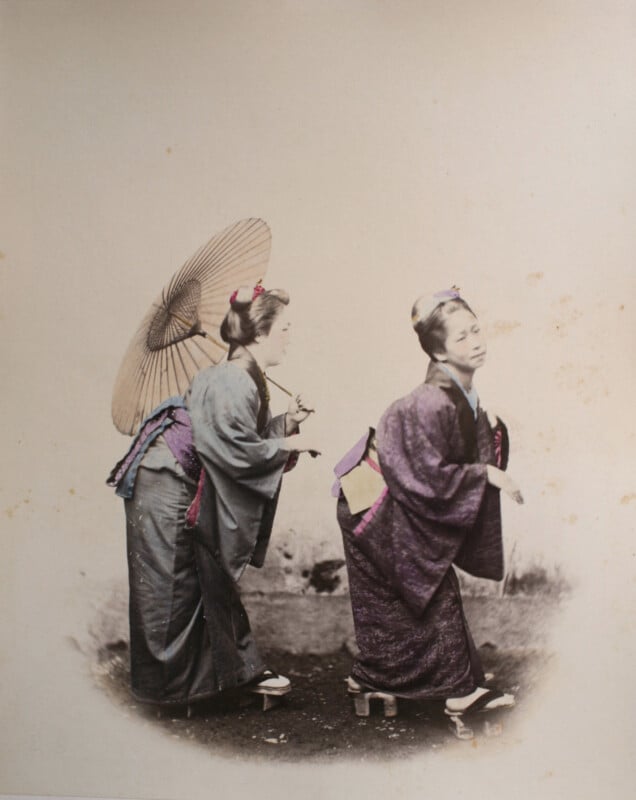
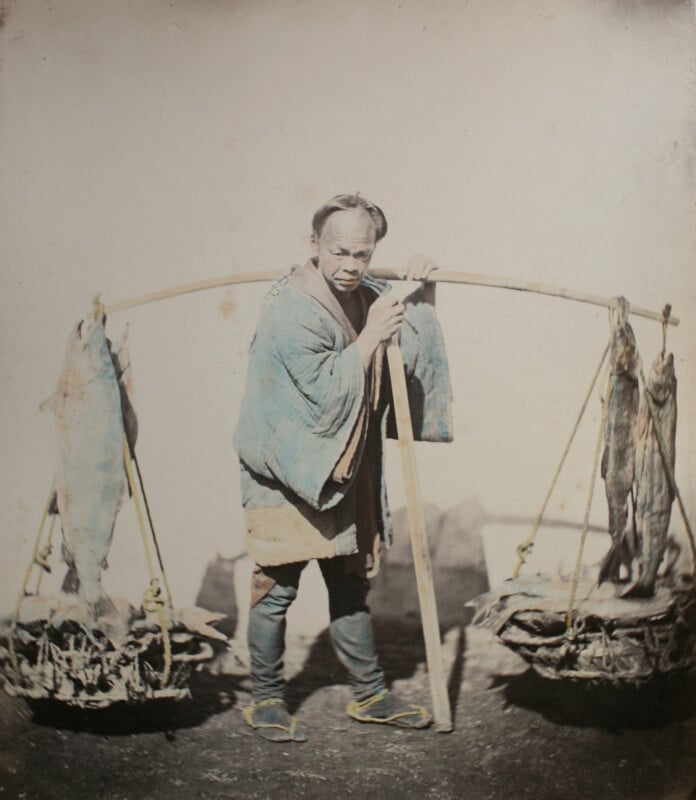
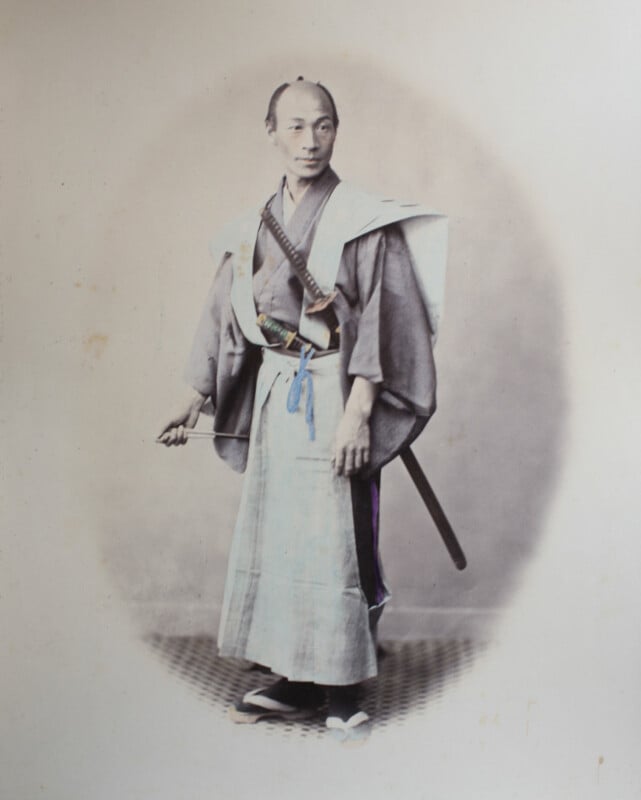
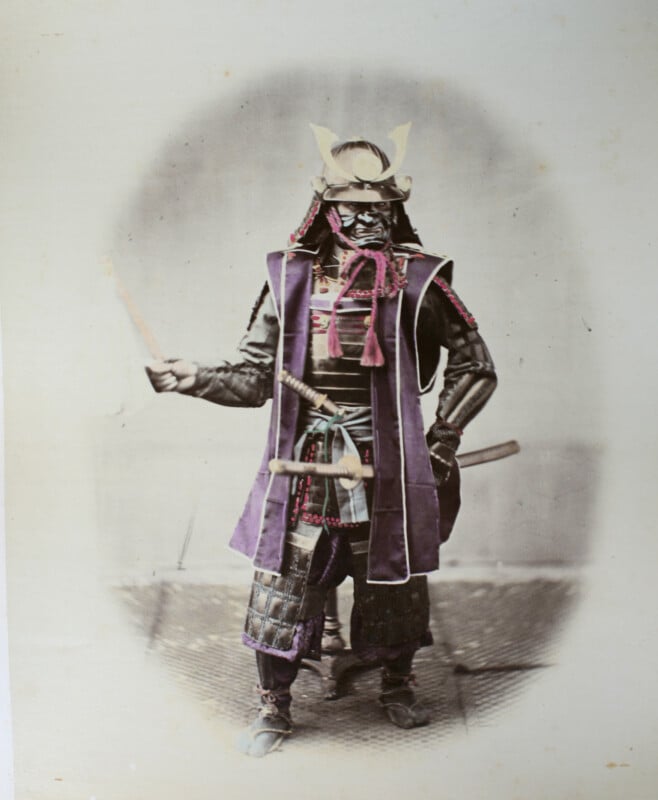
The genesis of The Yokohama Project began not in a research library or an academic institution, but within the confines of Ripa’s family home in Piedmont, Italy. While sifting through inherited belongings, Ripa made a remarkable discovery: an album containing 53 hand-colored albumen prints by Felice Beato. Beato, an Anglo-Italian photographer, is widely recognized as one of the earliest and most influential visual chroniclers of Japan. His photographs, captured in the 1860s, offered Western audiences an initial, albeit filtered, glimpse into a Japan that had only recently emerged from centuries of self-imposed isolation. These images documented various facets of Japanese society, from its distinct social classes and traditional occupations to its landscapes and architectural marvels.
The historical significance of Beato’s work cannot be overstated. After Japan formally opened its ports to the Western world following the Convention of Kanagawa in 1854 and subsequent treaties, foreign visitors, largely diplomats and traders, found themselves in a land veiled by the strict sakoku policy that had governed the nation for over two centuries under the Tokugawa shogunate. Beato arrived in Japan in 1863, establishing a studio in Yokohama, one of the primary treaty ports. His photographic output during this pivotal Bakumatsu period (late Edo period) and early Meiji Restoration was instrumental in shaping Western perceptions of a rapidly changing Asian society. His meticulously hand-colored photographs, a common practice in the era to add vibrancy and realism to monochrome images, were frequently reproduced in travelogues, illustrated newspapers, and other publications, becoming definitive representations of Japan for a global audience for decades.
The Manuscript: A Personal Lens on a Transitional Era
Further enhancing the historical depth of Ripa’s project was a subsequent discovery: an unpublished manuscript penned by her distant ancestor, Mathilde Ruinart. Ruinart, a 19th-century artist and intellectual, lived in Japan during the same period as Beato, arriving in 1867 with her diplomat husband. Their mission was ostensibly economic—to source new varieties of silkworms for export to Italy, reflecting Europe’s burgeoning interest in Japanese goods and resources. However, Ruinart’s writings transcended mere commercial observations, offering a detailed and intimate account of Japanese life, customs, and society from the perspective of a European woman deeply immersed in the local milieu. Crucially, Ruinart was also a friend and associate of Felice Beato, providing a unique, human connection to the photographic archive. Her manuscript thus serves as a rare, first-person narrative, complementing Beato’s visual documentation and adding layers of personal insight into the political, social, and cultural currents of late 19th-century Japan.
The confluence of Beato’s visual legacy and Ruinart’s written observations provided Ripa with a singular opportunity to embark on a multi-layered artistic and historical investigation. It offered not just photographs, but a rich, contextualized understanding of Japan at a critical juncture in its history, viewed through the eyes of two Westerners who were direct witnesses to its transformation.
Giada Ripa’s Vision: Retracing Footsteps, Reimagining Narratives
Inspired by these ancestral revelations, Giada Ripa conceived The Yokohama Project as a means to re-engage with this historical narrative, infusing it with her own contemporary photographic sensibility. Her artistic journey involved retracing the precise locations and viewpoints documented by Beato and described by Ruinart. This methodological choice was deliberate, aiming to create a direct visual and conceptual dialogue between past and present.
To further underscore this connection to historical photographic practices, Ripa opted to use an analog large-format camera for her contemporary portraits. This choice was not merely an aesthetic preference; it mirrored the slow, deliberate, and meticulous approach characteristic of 19th-century photography, particularly Beato’s work. The large-format camera, with its demanding process and high resolution, necessitates a contemplative engagement with the subject and scene, fostering a sense of continuity with the historical methods of visual documentation. By adopting this approach, Ripa deliberately slowed down her photographic process, aligning it with the pace of her predecessors and emphasizing the weight of history in each frame.
Ripa’s artistic intent extended beyond simple re-documentation. She sought to examine how Japanese society, its people, and its landscape have evolved over approximately 150 years. This involved not just photographing the same places, but also creating a contemporary portrait series that echoed the "native types" documented by Beato. The original purpose of Beato’s "native types" series was often to categorize and present Japanese people in a manner accessible and understandable to a Western audience, frequently emphasizing exoticism or traditional roles. Ripa’s project re-contextualizes this, using the framework to explore modern Japanese identity and occupations, questioning how these historical representations resonate or diverge from contemporary realities.
The Yokohama Project: A Book Divided by Time and Theme
The resulting photo book, The Yokohama Project, structured into two distinct but interconnected chapters, serves as a comprehensive visual and anthropological document.
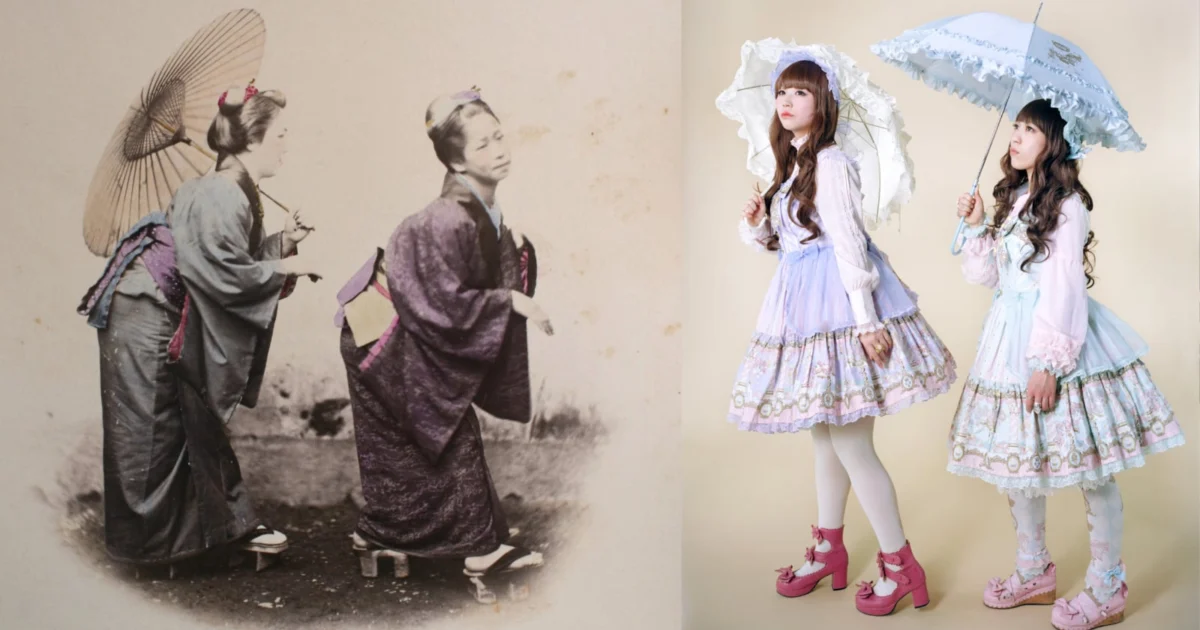
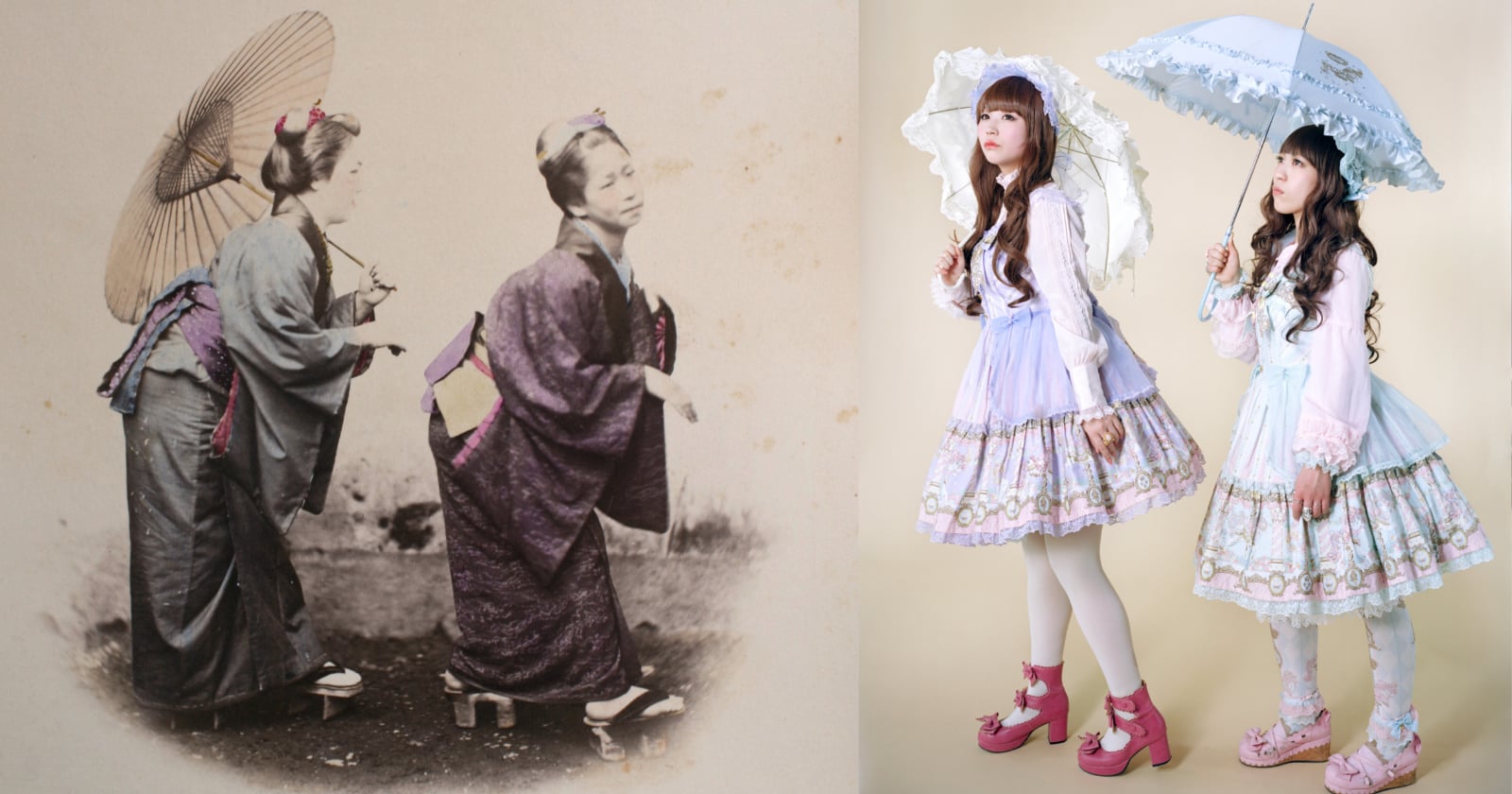
The first chapter is an archival and anthropological journey, meticulously juxtaposing Beato’s original hand-colored photographs with Ripa’s contemporary images of the same locations. These are not merely side-by-side comparisons but are presented with an acute awareness of historical continuity and rupture. The book features carefully reproduced spreads, including rare rice-paper reproductions of Beato’s prints, which were a distinctive feature of his work, adding to the tactile and historical authenticity of the presentation. This chapter invites viewers to observe the passage of time—what structures remain, what landscapes have been irrevocably altered, and how the fabric of daily life has shifted while retaining certain indelible characteristics. It’s a study in urban development, environmental change, and the persistent echoes of history in modern spaces.
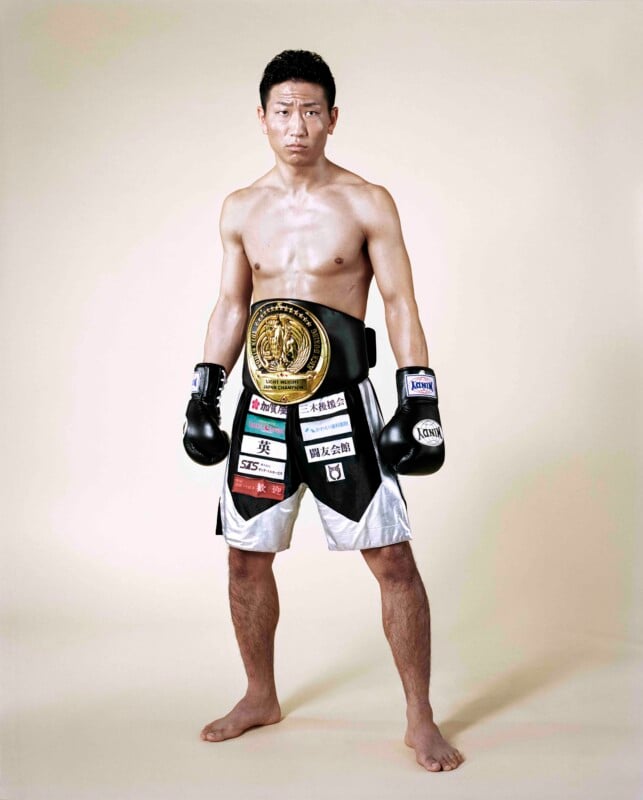
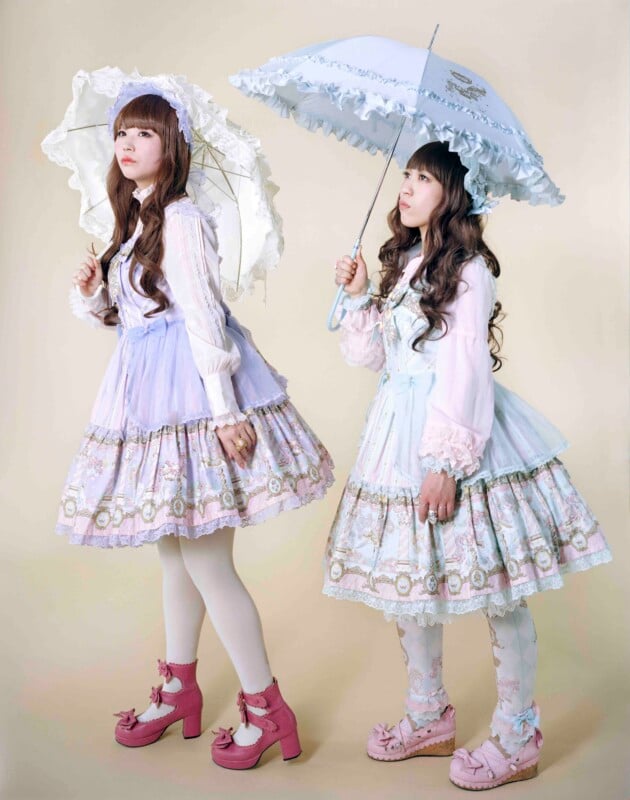
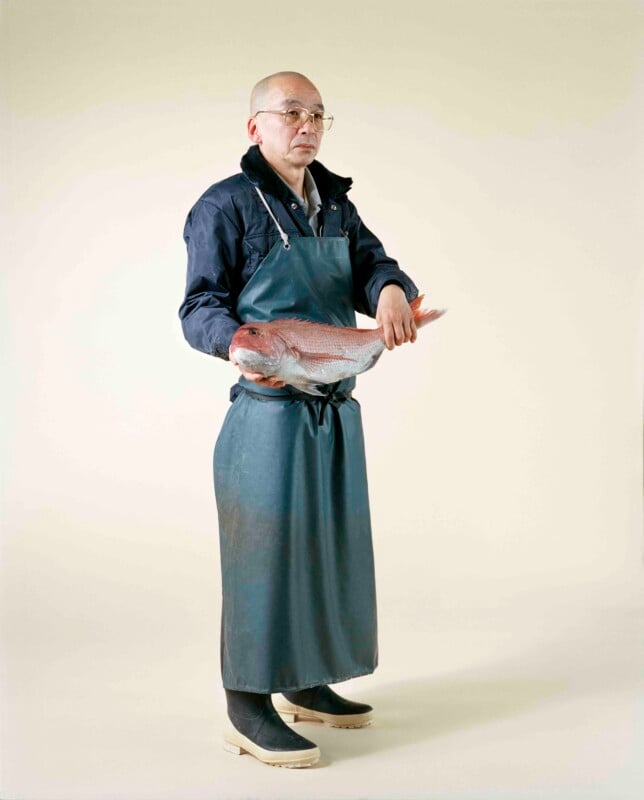
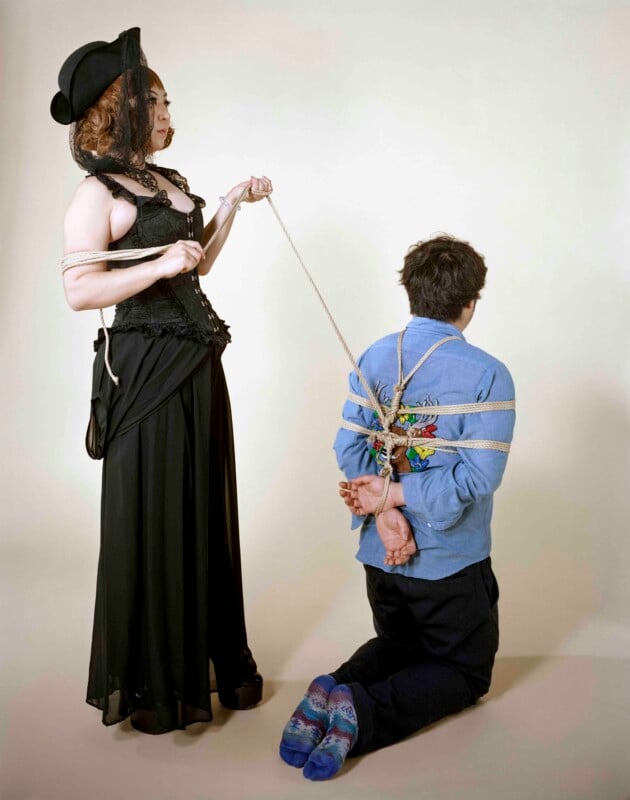
The second chapter shifts focus to people, featuring studio portraits taken by Ripa in Tokyo. This segment serves as a direct contemporary counterpart to Beato’s ethnographic "native types" series. Ripa photographed a diverse array of modern Japanese individuals, intentionally seeking out subjects whose professions or cultural roles might echo, contrast with, or represent modern iterations of the figures Beato captured. Her subjects include:
- Modern fishmongers: Reflecting the continuity of ancient trades, albeit in a globalized economy, from the bustling Tsukiji Market (or its successor, Toyosu Market). This draws a direct line to Beato’s photographs of 19th-century fishmongers.
- Geishas: Highlighting the enduring presence of traditional arts and performance, and the evolution of this cultural institution.
- Fashion designers: Representing Japan’s influential role in contemporary global culture and its blend of tradition and avant-garde aesthetics. The inclusion of a Bunka Fashion College student, for instance, speaks to the future of Japanese design.
- Writers and intellectuals: Underscoring the nation’s rich literary heritage and intellectual discourse.
- Wrestlers (e.g., kickboxing champions): Illustrating the evolution of martial arts and sports, from historical samurai to modern combat sports, demonstrating physical prowess and discipline.
- Priests (e.g., Buddhist monks): Showing the continued spiritual traditions and the role of religion in modern life, linking to Beato’s documentation of Nichiren priests.
- Artists and cultural figures (e.g., Yuko Yamaguchi, third character designer of Hello Kitty): Emphasizing Japan’s immense contribution to pop culture and its unique blend of traditional and contemporary artistic expression.
- Everyday workers (e.g., Yamato Transport employee): Acknowledging the vital role of essential services and the modern economy, a contemporary parallel to the "Bettoes or Grooms" Beato documented.
- Subcultural figures (e.g., Lolita fashion enthusiasts, dominatrix): Illustrating the diverse and often niche subcultures that thrive in modern Japan, reflecting a society that embraces both conformity and distinct forms of self-expression.
Through these meticulously crafted portraits, Ripa creates a nuanced contemporary archive, allowing viewers to contemplate how identity, occupation, and social roles have transformed—or remarkably endured—over a century and a half.
Cultural and Historical Context: Japan’s Enduring Evolution
To fully appreciate The Yokohama Project, it is crucial to understand the historical context it references. When Felice Beato arrived in Japan, the country was on the cusp of radical change. The Edo period, characterized by strict feudal rule under the Tokugawa Shogunate, was crumbling under internal pressures and the external force of Western powers demanding trade and diplomatic relations. Yokohama, established as a treaty port, quickly became a hub of foreign interaction and a symbol of Japan’s opening. Beato’s photographs captured a society still largely traditional, with samurai, geishas, artisans, and farmers forming its backbone, yet already witnessing the first tremors of modernization.
The subsequent Meiji Restoration (1868) rapidly propelled Japan onto the world stage, transforming it from an isolated feudal state into a modern industrial power. This involved the abolition of the samurai class, the embrace of Western technology and political systems, and a dramatic restructuring of society. Ripa’s project implicitly chronicles this vast historical arc, showing the vestiges of the past alongside the undeniable markers of the present. The contrast between Beato’s depiction of a samurai and Ripa’s kickboxing champion, for instance, speaks volumes about the evolution of physical prowess and national identity in a modernizing nation. Similarly, the shift from traditional fishmongers to those operating within the highly organized Tsukiji (or Toyosu) market highlights economic and infrastructural developments.
Implications and Legacy: A Multigenerational Dialogue
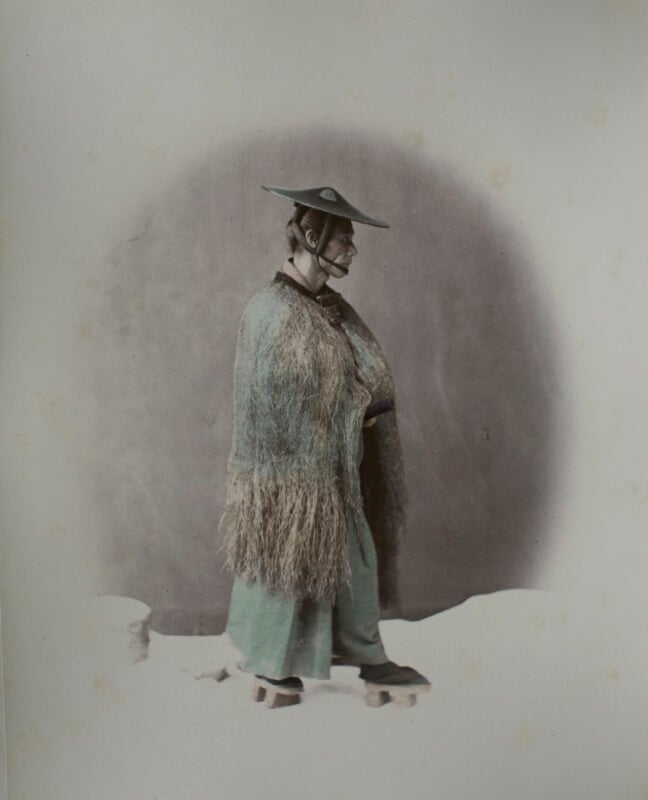
The Yokohama Project is more than just a collection of photographs; it is a profound multi-generational dialogue about representation, memory, and cultural evolution. By bringing together the historical perspectives of Felice Beato and Mathilde Ruinart with her own contemporary photographic approach, Giada Ripa creates a unique framework for understanding Japan.
The project offers several significant implications:

- Re-evaluating Western Gaze: It prompts a re-evaluation of how Western photographers initially framed Japanese society. Beato’s work, while invaluable, often presented Japan through a lens shaped by 19th-century European sensibilities. Ripa’s contemporary interpretations, while inspired by this historical context, offer a more nuanced and complex portrayal of modern Japanese identity, informed by deeper cultural understanding and a more collaborative approach with her subjects.
- Continuity and Change: The direct juxtaposition of images powerfully illustrates the interplay of continuity and change in Japanese society. Certain traditions, professions, and aesthetic sensibilities persist, while others have been entirely transformed or replaced by modern phenomena. This allows for a deeper appreciation of Japan’s remarkable ability to integrate modernity while retaining a strong sense of its unique heritage.
- The Power of Archives: The project underscores the enduring power of historical archives, both photographic and written, to inspire new artistic and scholarly inquiries. Ripa’s accidental discovery transformed forgotten family heirlooms into the foundation for a significant contemporary art project.
- Methodological Innovation: Ripa’s choice of an analog large-format camera and her commitment to retracing precise historical locations represents a compelling methodological innovation in documentary photography, bridging historical techniques with contemporary artistic expression.
Ultimately, The Yokohama Project presents a compelling visual narrative that extends beyond simple comparison. It is an exploration of cultural memory, the fluid nature of identity, and the intricate ways in which the past continues to resonate within the present. Through Ripa’s meticulous work, viewers are invited to engage in a visual and intellectual journey, connecting a long-forgotten photographic archive with the vibrant, complex tapestry of contemporary Japanese life.
The Yokohama Project by Giada Ripa is available for pre-order through GOST Books and is set to be published on September 28, offering a vital contribution to photographic discourse and cross-cultural understanding.