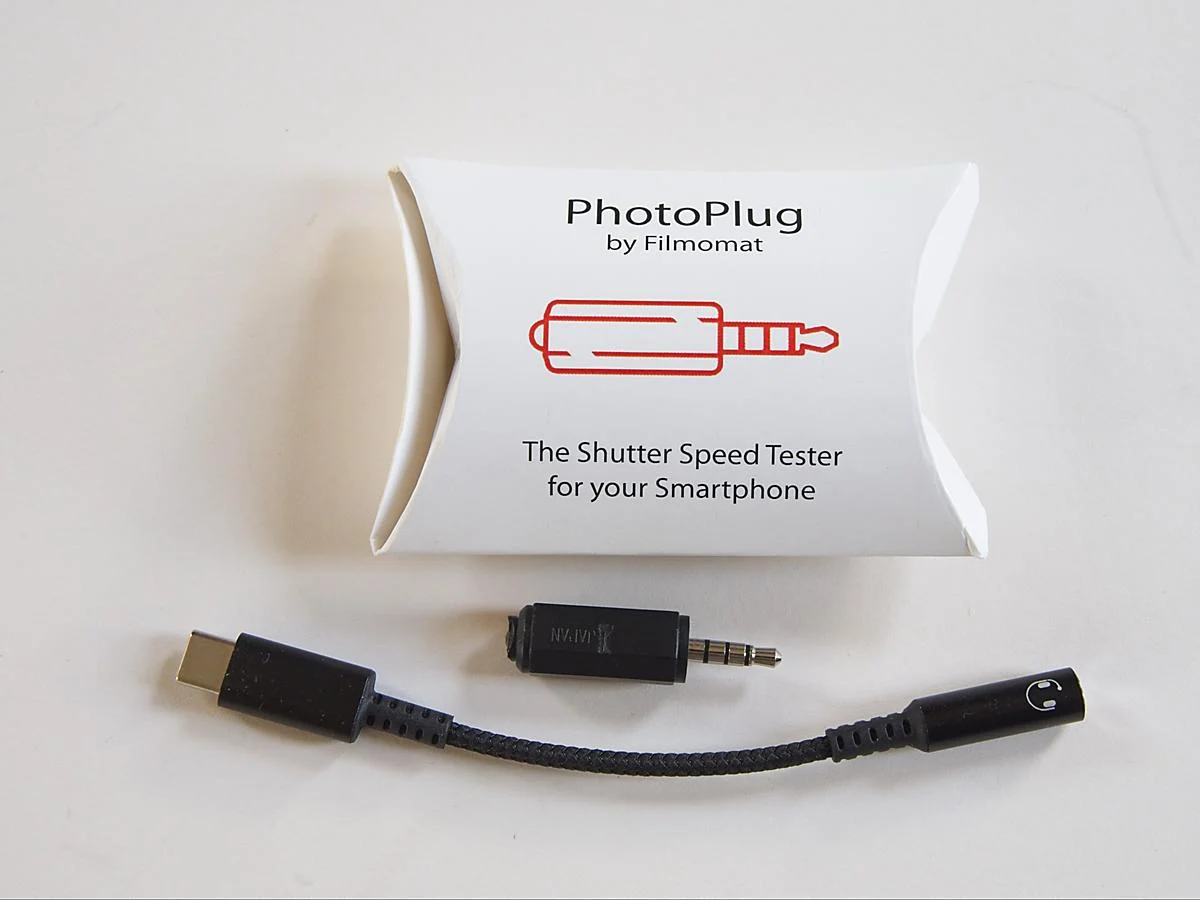
In the contemporary resurgence of analog photography, the maintenance of vintage mechanical equipment has become a primary concern for both hobbyists and professional archivists. As the secondary market for 35mm and medium format cameras continues to expand, the reliability of aging mechanical shutters—many of which have not been serviced in decades—remains a significant variable in the quality of the final image. While a seasoned photographer can often distinguish between a full-second exposure and a fraction of a second, the human ear is notoriously unreliable at differentiating between high speeds, such as 1/125 and 1/500 of a second, particularly when masked by the mechanical "slap" of a Single Lens Reflex (SLR) mirror. To address this discrepancy, a specialized hardware-software solution known as the Photoplug has emerged, offering a streamlined method for verifying the accuracy of vintage shutters using modern smartphone technology.
The Technical Challenge of Vintage Shutter Accuracy
The mechanical shutter is a marvel of precision engineering, relying on a complex system of springs, gears, and governors. Over time, the lubricants within these mechanisms can dry out or attract dust, leading to "shutter drag" or inconsistent timing. In focal plane shutters, this can result in uneven exposure across the frame, while in leaf shutters, it often manifests as a total loss of accuracy at higher speeds.
For the modern film photographer, an inaccurate shutter is not merely a technical nuisance but a financial liability. With the rising cost of silver halide film and chemical processing, a single roll of wasted film due to overexposure or underexposure can represent a significant loss. Traditional methods of testing shutter speeds involved expensive oscilloscopes or specialized industrial testing benches. The Photoplug aims to democratize this diagnostic capability by utilizing the processing power of a smartphone combined with a high-sensitivity light sensor.
Hardware Design and Integration
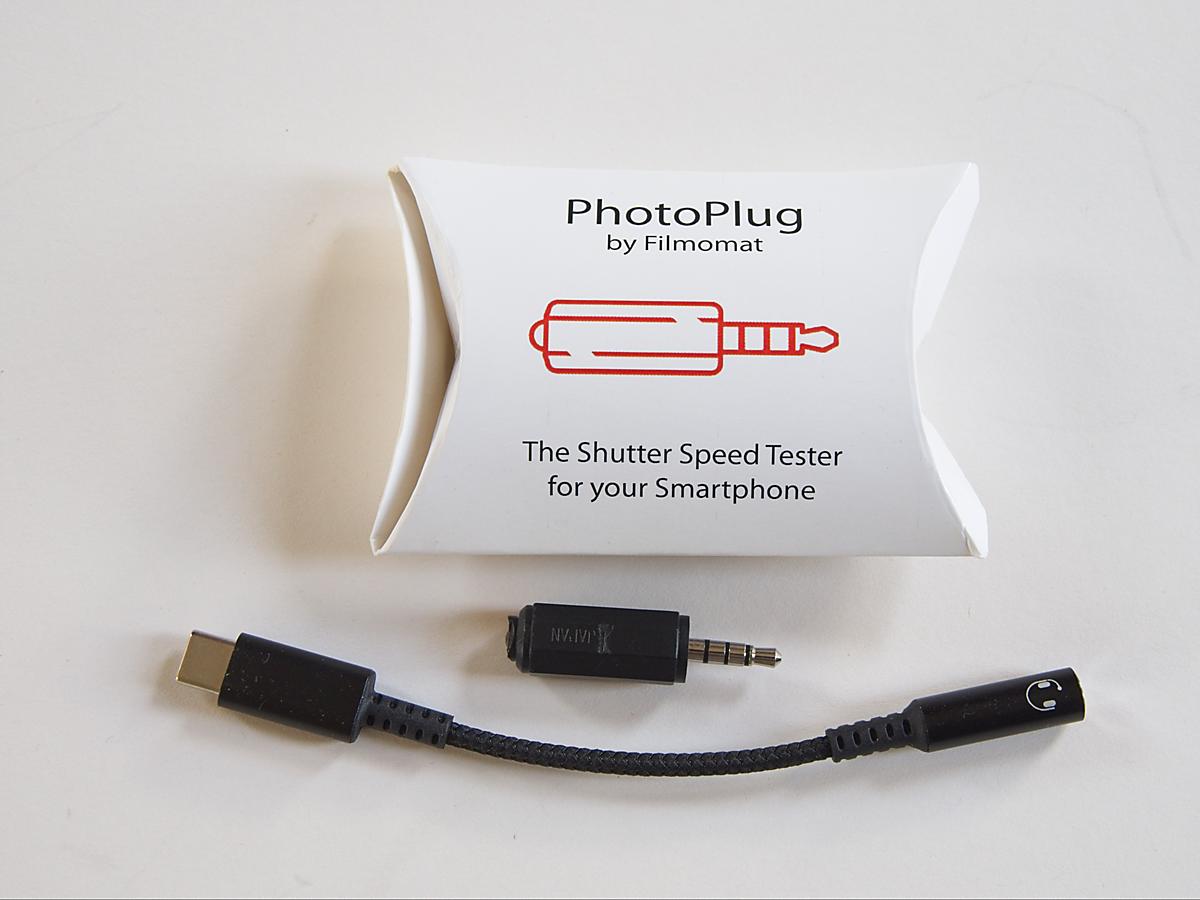
The Photoplug is a compact, minimalist device designed to interface with a smartphone via the 3.5mm microphone/headphone jack. For modern mobile devices that have phased out the analog jack, the system remains compatible through the use of standard Lightning or USB-C to 3.5mm adapters. The device functions by converting light energy into an electrical signal that is interpreted by the smartphone’s audio circuitry as a waveform.
Unlike sound-based testing applications—which rely on the internal microphone to "hear" the shutter—the Photoplug utilizes an optical sensor. Sound-based testing is frequently criticized in technical circles for its lack of precision; the acoustic signature of an SLR includes the mirror flipping up, the aperture blades closing, and the shutter curtains moving, creating a noisy environment where the actual duration of the light passing through the lens is obscured. By using a light sensor, the Photoplug bypasses acoustic interference, measuring only the interval during which light actually strikes the sensor.
Chronology of the Testing Process
The implementation of the Photoplug system follows a specific operational workflow to ensure data integrity. Users begin by downloading the dedicated application, which is available on both Android and iOS platforms.
- Hardware Preparation: The user retrieves a compatible smartphone. Notably, older devices can be repurposed for this task, contributing to electronic waste reduction. The Photoplug is inserted into the audio port or adapter.
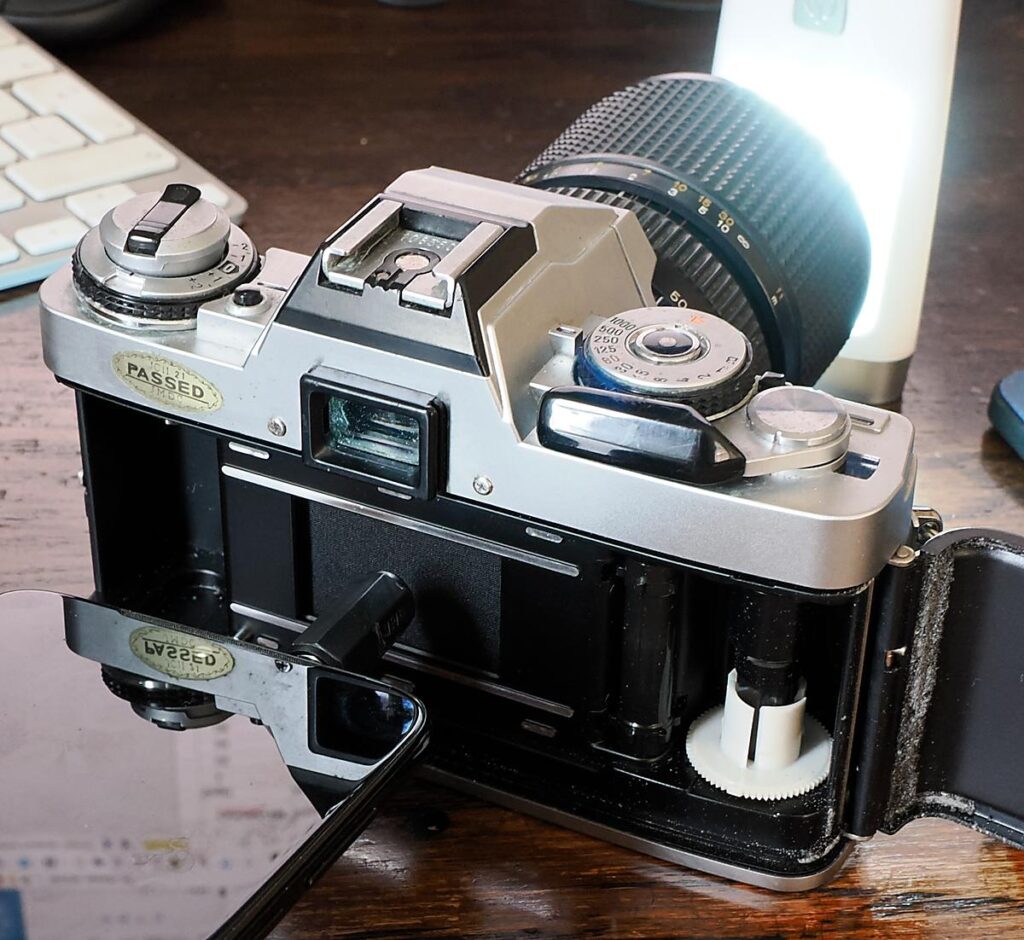
- Camera Configuration: The camera to be tested must have its back opened to reveal the film gate. For SLRs, the lens is typically set to its widest aperture to ensure maximum light transmission. A bright light source is then positioned in front of the lens.
- Sensor Alignment: The Photoplug sensor is placed directly behind the shutter curtains, centered in the film gate.
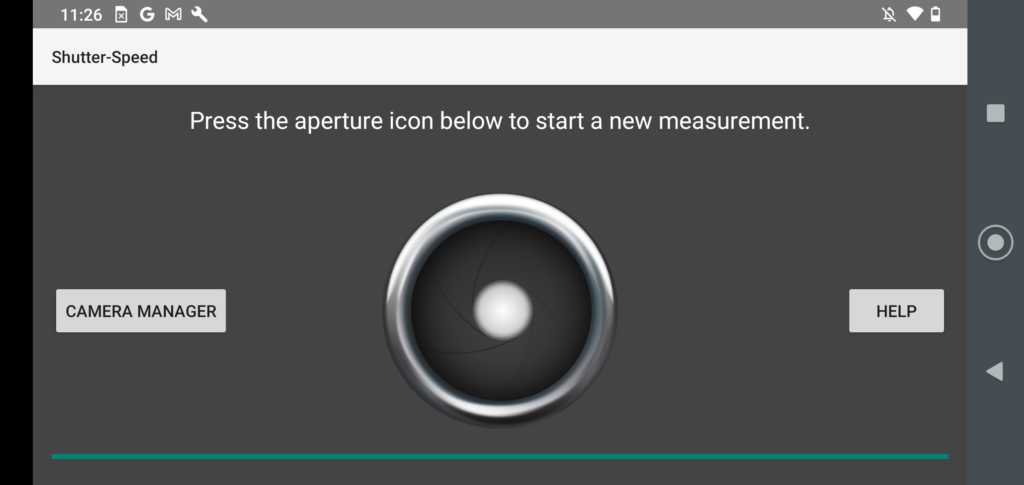
- Data Acquisition: Within the app’s "Camera Manager," the user creates a profile for the specific camera model. Upon initiating the test, the app provides a three-second window. The user must manually fire the camera shutter during this countdown.
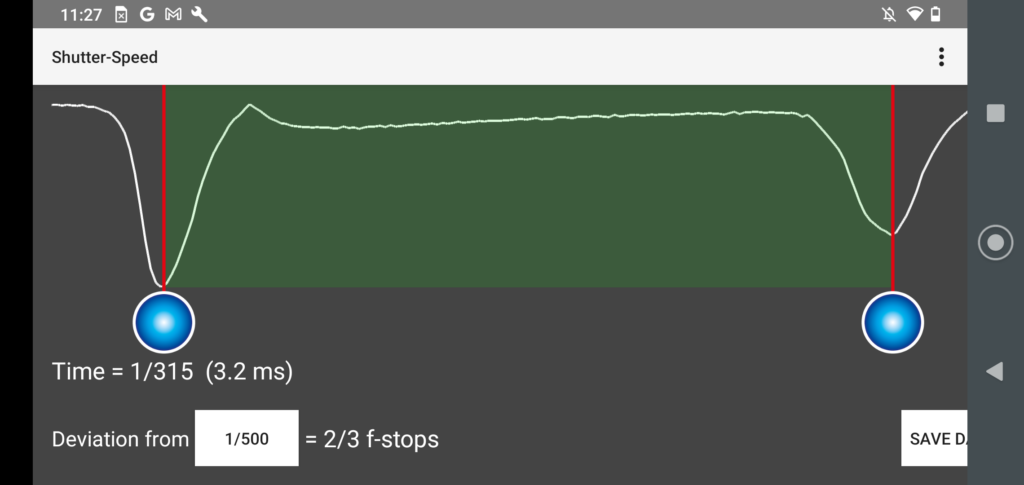
- Signal Analysis: The app captures the light pulse and displays a waveform. The user then selects the "Target Shutter Speed" to compare the measured result against the camera’s dial setting.
- Documentation: The software calculates the deviation, often expressed in fractions of an "EV" (Exposure Value) or "stops."
Comparative Performance and Field Data
In practical field tests, the Photoplug has demonstrated the ability to reveal significant discrepancies in popular vintage models. During an evaluation of several common cameras, the following data points were observed:
- Minolta 700si: As a more modern, electronically controlled film camera, the 700si demonstrated near-perfect accuracy across its range. This suggests that the electromagnetic shutters of the 1990s retain their calibration better than older mechanical counterparts.
- Olympus OM4Ti: A high-end professional SLR, the OM4Ti showed minor deviations of approximately 1/3 of a stop at specific speeds (e.g., measuring 1/35s when set to 1/30s). In the context of film photography, a 1/3 stop deviation is generally considered within an acceptable margin of error, particularly for negative film.
- Minolta XG-M: This model exhibited more pronounced inaccuracies, suggesting a need for exposure compensation. Data indicated that by adjusting the ISO setting by half a stop, a photographer could effectively "calibrate" the camera’s output without requiring a full mechanical overhaul.
- Lubitel (TLR): Surprisingly, a budget-friendly Lubitel Twin Lens Reflex camera showed relatively consistent results (e.g., 1/121.8s for a 1/125s setting), proving that even inexpensive gear can remain functional if properly maintained.
Technical Limitations and Software Disparities
While the Photoplug provides a high degree of utility, it is subject to certain technical and physical constraints. A primary limitation is the mechanical design of the camera being tested. Cameras with fixed backs—such as the Voigtlander Vito B or early Leica rangefinders—do not allow for the sensor to be placed behind the shutter curtains, rendering the Photoplug unusable for these models unless the camera is partially disassembled.
Furthermore, there is a technical ceiling regarding shutter speed. The Photoplug is generally rated for accuracy up to 1/500 of a second. While it can attempt to measure speeds of 1/1000 or 1/4000, the sampling rate of a smartphone’s audio jack (typically 44.1kHz or 48kHz) may not provide enough data points to accurately resolve the extremely narrow slit of a focal plane shutter moving at high velocities.
Observations also indicate slight variations between the Android and iOS versions of the software. The iOS iteration currently offers a more robust "Results" screen that includes the camera’s name on the exported data, whereas the Android version requires more manual steps for comprehensive record-keeping. Users often bypass these limitations by performing Optical Character Recognition (OCR) on screenshots of the app to port the data into specialized spreadsheets for long-term tracking.
Broader Implications for the Analog Community
The availability of affordable diagnostic tools like the Photoplug represents a shift in the philosophy of camera ownership. Historically, verifying shutter speeds required a trip to a specialized repair technician, often at a cost exceeding the value of the camera itself. By enabling DIY diagnostics, photographers can make informed decisions about which equipment is "film-worthy."
This data-driven approach is particularly crucial for users of color transparency (slide) film, such as Fujifilm Velvia or Kodak Ektachrome. Unlike black-and-white or color negative film, which possesses significant "latitude" (the ability to produce a usable image even when overexposed or underexposed), slide film requires precision within 1/2 or even 1/3 of a stop. The Photoplug allows a photographer to identify if a camera is "drifting" and adjust their technique accordingly, thereby preventing the loss of expensive specialty emulsions.
Moreover, the use of the Photoplug fosters a more sustainable ecosystem. By identifying specific mechanical failures, owners can seek targeted repairs rather than discarding "mystery" cameras that seem to produce inconsistent results. It also encourages the repurposing of older technology, as seen in the use of discarded smartphones as dedicated testing terminals.
Conclusion
The Photoplug serves as a vital bridge between the analog past and the digital present. While it may not replace the precision of a professional laboratory-grade shutter tester, it provides a level of transparency and accuracy that was previously inaccessible to the average enthusiast. As the community continues to preserve the legacy of film photography, tools that offer empirical data over "ear-balling" estimations will be essential in ensuring that the mechanical icons of the 20th century continue to function reliably in the 21st. The ability to quantify the "errors" of a Minolta XG-M or verify the precision of an Olympus OM4Ti empowers the photographer to move from guesswork to a disciplined, technical mastery of their craft.