In the dynamic realms of photography and videography, the manipulation of light stands as the singular most transformative element, elevating mere capture to the meticulous crafting of an image. Far from being solely dependent on sophisticated equipment, true mastery of visual storytelling hinges on a profound understanding and skillful application of three fundamental principles: Intensity, Quality, and Direction. These core tenets serve as the universal language of illumination, governing how a scene is perceived, how a subject is rendered, and the emotional resonance conveyed to an audience. Their consistent application is crucial, whether one is orchestrating a complex studio setup with high-powered LEDs and strobes or deftly responding to the ever-shifting nuances of natural light.
A Historical Perspective: The Evolution of Illuminating Artistry
The deliberate control of light in visual arts is not a modern invention but a practice deeply rooted in human history, evolving from the chiaroscuro techniques of Renaissance painters to the complex lighting plots of contemporary cinema. Early photography, constrained by slow emulsions, was heavily reliant on abundant natural light. The advent of artificial light sources—initially carbon arc lamps in the late 19th century, followed by tungsten bulbs, and later high-intensity discharge (HMI) lamps in the 20th century—revolutionized image-making. These innovations provided unprecedented control, allowing artists to shape their visual narratives independent of the sun’s unpredictable cycle. The late 20th and early 21st centuries saw the rise of sophisticated electronic strobes and, more recently, highly versatile LED panels, democratizing advanced lighting control and expanding the creative toolkit for photographers and cinematographers alike. This chronological progression underscores a continuous drive to refine the manipulation of light’s intensity, quality, and direction, transforming technical limitations into artistic opportunities.
Intensity: The Foundational "Volume Knob" of Light
Intensity, the most straightforward of the three principles, dictates the sheer quantity of light reaching the subject and, consequently, the camera’s exposure settings. Often conceptualized as the "volume knob" of a light source, it directly influences the brightness of an image. In controlled environments, studio strobes and continuous LED lights typically feature physical dials or digital interfaces for precise intensity adjustments, allowing for incremental changes in light output. For natural light scenarios, photographers employ Neutral Density (ND) filters to reduce the incoming light without altering its inherent quality, or they adjust camera settings such as ISO sensitivity, aperture, and shutter speed.
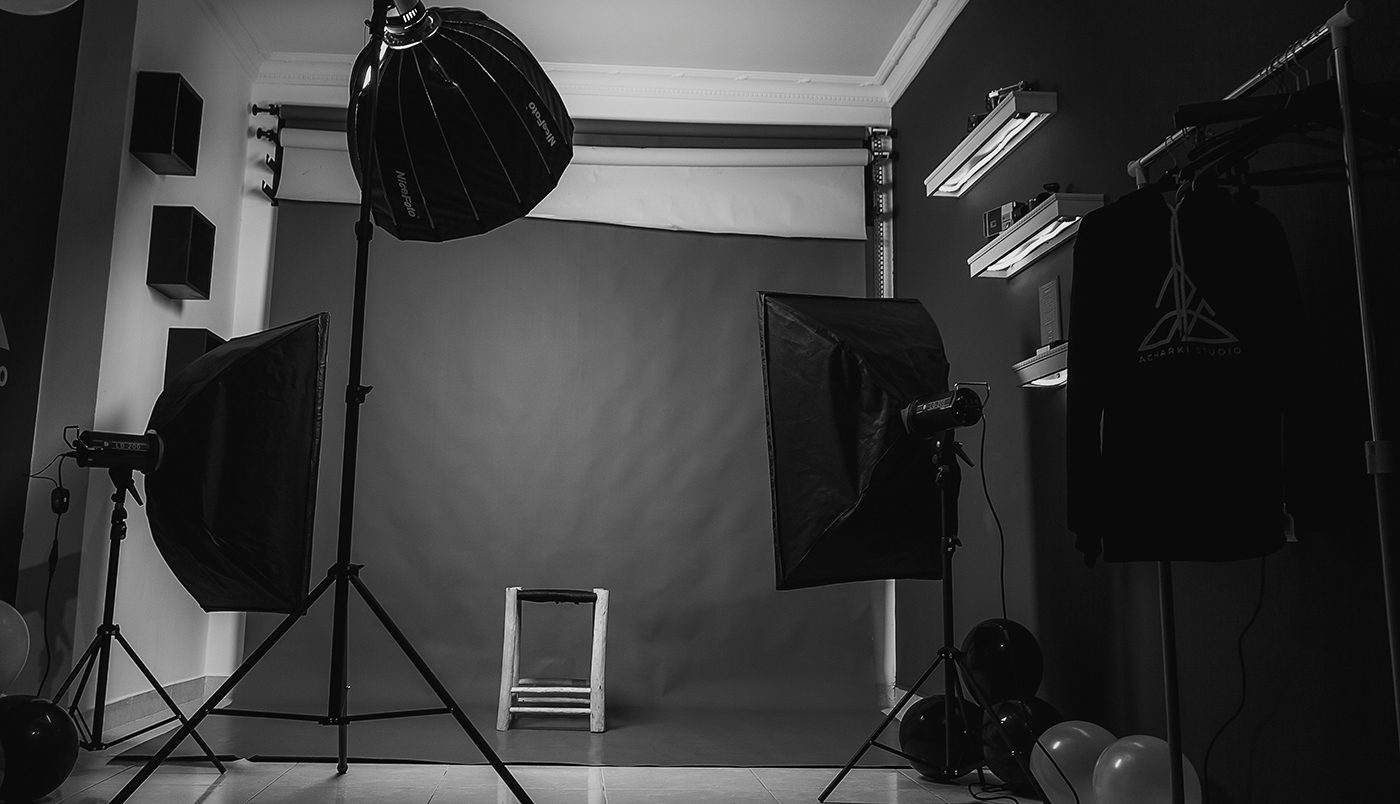
While seemingly basic, proper intensity management is the bedrock of a well-exposed image. Overexposure can blow out highlights, losing critical detail, while underexposure can plunge shadows into an impenetrable darkness. Professionals often utilize light meters (incident or spot) to take accurate readings, ensuring consistent exposure across a series of shots or within a complex scene. Waveform monitors and histograms in videography serve a similar purpose, providing visual representations of light levels. Although perhaps the least "artistic" in its direct application compared to quality or direction, a fundamental grasp of intensity control is non-negotiable for achieving technically sound and aesthetically pleasing visuals. Industry reports indicate that poorly exposed images are among the top reasons for client dissatisfaction in commercial photography, highlighting the practical importance of this principle.
Quality: Shaping the Character and Mood of Illumination
The quality of light delves into the nuanced characteristics that define how light interacts with a subject, influencing its texture, contrast, and overall mood. This principle encompasses several critical variables, making it arguably the most complex and creatively rich area of lighting control.
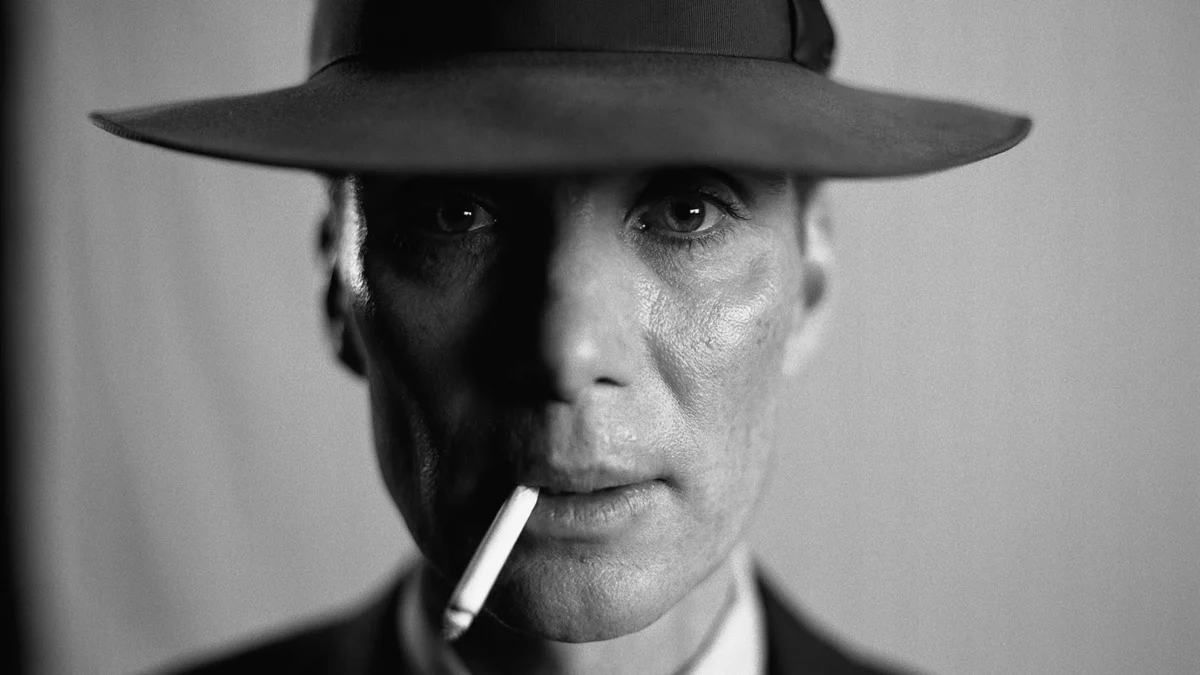
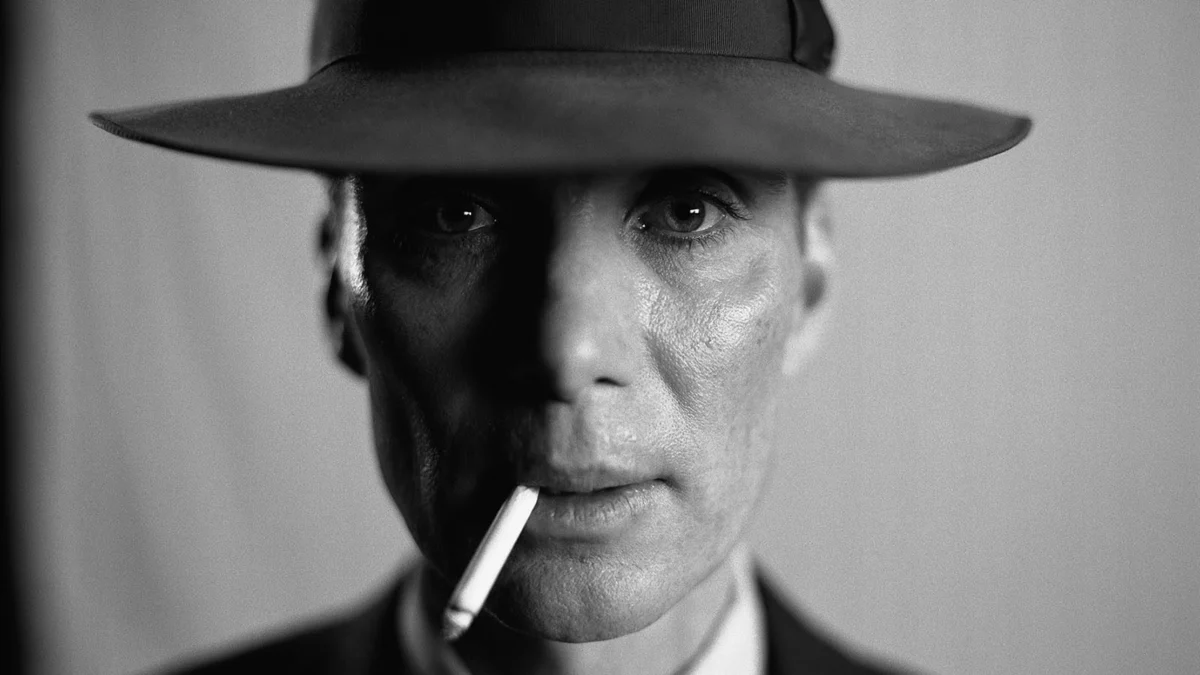
A primary distinction within light quality is between hard light and soft light. Hard light emanates from a relatively small light source in relation to the subject (e.g., direct sunlight on a clear day, an undiffused bare bulb flash). It produces sharply defined shadows and high contrast, emphasizing textures and creating a dramatic, often edgy feel. Conversely, soft light originates from a larger light source (e.g., an overcast sky, a large softbox). It wraps around the subject, creating gradual transitions from light to shadow, reducing contrast, and producing a more flattering, gentle, and often ethereal aesthetic. The perceived "size" of the light source can be increased by moving it closer to the subject or by using modifiers that expand its surface area.
Another crucial aspect of light quality is color temperature, measured in Kelvin (K). This refers to the color cast of the light. Common benchmarks include daylight (around 5500K-6500K, appearing blue-white), tungsten (around 3200K, appearing orange-yellow), and fluorescent lights (varying widely). Modern RGB LED panels offer unprecedented control over color, allowing creators to dial in specific hues for artistic or narrative effect. Matching color temperatures across multiple light sources or balancing artificial light with ambient light is essential for color accuracy and a cohesive visual look. Mismatched color temperatures can lead to distracting color shifts and an unprofessional appearance.
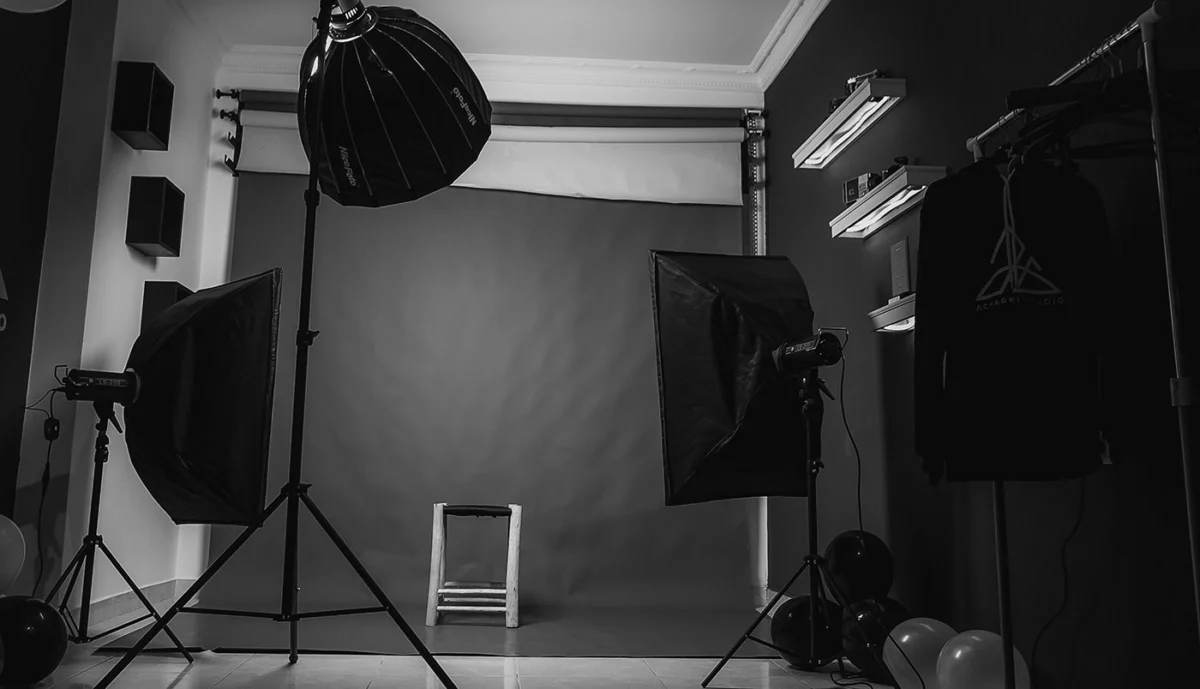
Furthermore, the choice of light modifiers significantly impacts light quality. These accessories include diffusers (softboxes, umbrellas, scrims) that spread and soften light; reflectors (silver, gold, white) that bounce and fill light; and grids or snoots that narrow the beam and control light spill. Each modifier possesses unique properties, influencing specularity (the shininess or sharpness of reflections), fall-off (how quickly light diminishes from the brightest point), and contrast. For instance, a highly reflective silver umbrella will produce more specular highlights and a punchier light than a soft white umbrella, which offers a broader, more muted spread. The ongoing innovation in modifier design, from traditional parabolic reflectors to advanced projection attachments, reflects the industry’s continuous pursuit of refined light shaping tools. Many seasoned professionals develop strong preferences for specific modifiers, recognizing their unique contribution to their signature visual style. The discontinuation or alteration of a beloved modifier can significantly impact a professional’s workflow, underscoring the deep connection between tools and artistic output.

Direction: Sculpting Form, Depth, and Emotional Narrative
The direction of light—its position relative to the subject and the camera—is arguably the most powerful principle for creating a sense of depth, three-dimensionality, and emotional resonance within an image or video. It dictates how shadows are cast, how contours are revealed, and how the viewer’s eye is guided.
When analyzing lighting setups, professionals often refer to the light’s direction in terms of degrees around the subject on a two-dimensional plane (e.g., 45 degrees to the left) and its vertical height (overhead, eye-level, from below). A commonly recommended starting point for naturalistic portraiture is lighting from above and slightly to the side, mimicking the sun’s natural angle. This approach typically produces flattering shadows that define facial features and create a sense of realism.
Key directional strategies include:
- Key Light: The primary and brightest light source, defining the subject’s main shape and volume.
- Fill Light: A softer, less intense light used to reduce the contrast created by the key light, lifting shadows without eliminating them entirely.
- Rim Light (or Kicker Light): Placed behind and to the side of the subject, creating a highlight on their edges, separating them from the background and adding depth.
- Background Light: Illuminates the background, adding separation, texture, or mood to the scene.
Deliberately deviating from conventional lighting directions can produce powerful, albeit sometimes unsettling, effects. Lighting a subject predominantly from below, for instance, can invoke an "uncanny valley" effect, distorting features and creating a menacing or surreal atmosphere—a technique often employed in horror films or dramatic portraits. Similarly, flat, front-on lighting can strip a subject of dimension, making them appear two-dimensional, a choice sometimes made for specific aesthetic or commercial purposes (e.g., passport photos). The strategic placement of lights is a sophisticated art form, with detailed lighting diagrams frequently used in film and television production to communicate precise light positions and their intended effects to the crew. Mastery of light direction allows visual artists to sculpt their subjects, evoke specific emotions, and guide the audience’s interpretation of the scene.
Industry Implications and Professional Mastery
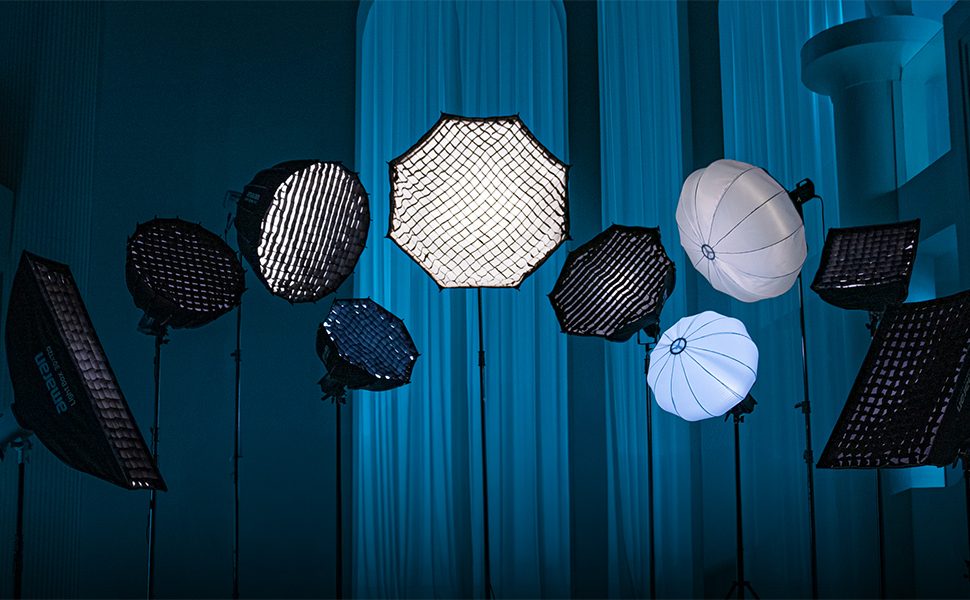
The profound impact of mastering Intensity, Quality, and Direction extends far beyond aesthetic appeal; it has tangible economic and professional implications across the visual media industry. High-quality lighting is directly correlated with higher production value, which in turn can lead to increased audience engagement for entertainment content, greater conversion rates for commercial photography, and a stronger brand image for corporate videography. Studies consistently show that professional-grade visual content, characterized by expert lighting, commands greater attention and trust from consumers.
The continuous evolution of lighting technology, from sophisticated LED systems with granular control over color and intensity to wireless DMX integration and even AI-driven lighting suggestions, demands that professionals remain lifelong learners. However, regardless of technological advancements, the underlying principles of Intensity, Quality, and Direction remain constant. These are the foundational concepts that enable creators to harness new tools effectively. This persistent demand for skilled lighting technicians, directors of photography (DPs), and photographers underscores the critical role of education and hands-on experience in these principles. Institutions and workshops worldwide focus on teaching these fundamentals, often through practical breakdowns of iconic scenes from film and photography, allowing students to reverse-engineer masterful lighting setups.
Challenges in the field include achieving consistent lighting in dynamic, uncontrolled environments, managing power consumption for portable setups, and ensuring perfect color accuracy across diverse platforms. Innovations continue to address these, with advancements in battery technology, more robust and weatherproof light fixtures, and increasingly accurate color rendition indices (CRI) in LED lights. The rise of virtual production and real-time rendering environments further integrates lighting design into the pre-visualization stage, blurring the lines between physical and digital illumination, yet still relying on these three core principles for realistic and evocative results.
The Enduring Relevance in a Visually Saturated World
In an era saturated with visual content, the ability to effectively manipulate light is more critical than ever. Whether crafting a cinematic masterpiece, a compelling commercial advertisement, or a striking portrait, the understanding and application of light’s Intensity, Quality, and Direction are indispensable. These three principles form the bedrock upon which all sophisticated visual communication is built, transcending specific gear or technological trends. They are the tools that empower artists to sculpt emotion, define form, and tell stories with unparalleled clarity and impact. For aspiring and established visual creators alike, the continuous study and mastery of these fundamental pillars of light remain paramount, ensuring that their work not only captures attention but also resonates deeply and enduringly with its audience.