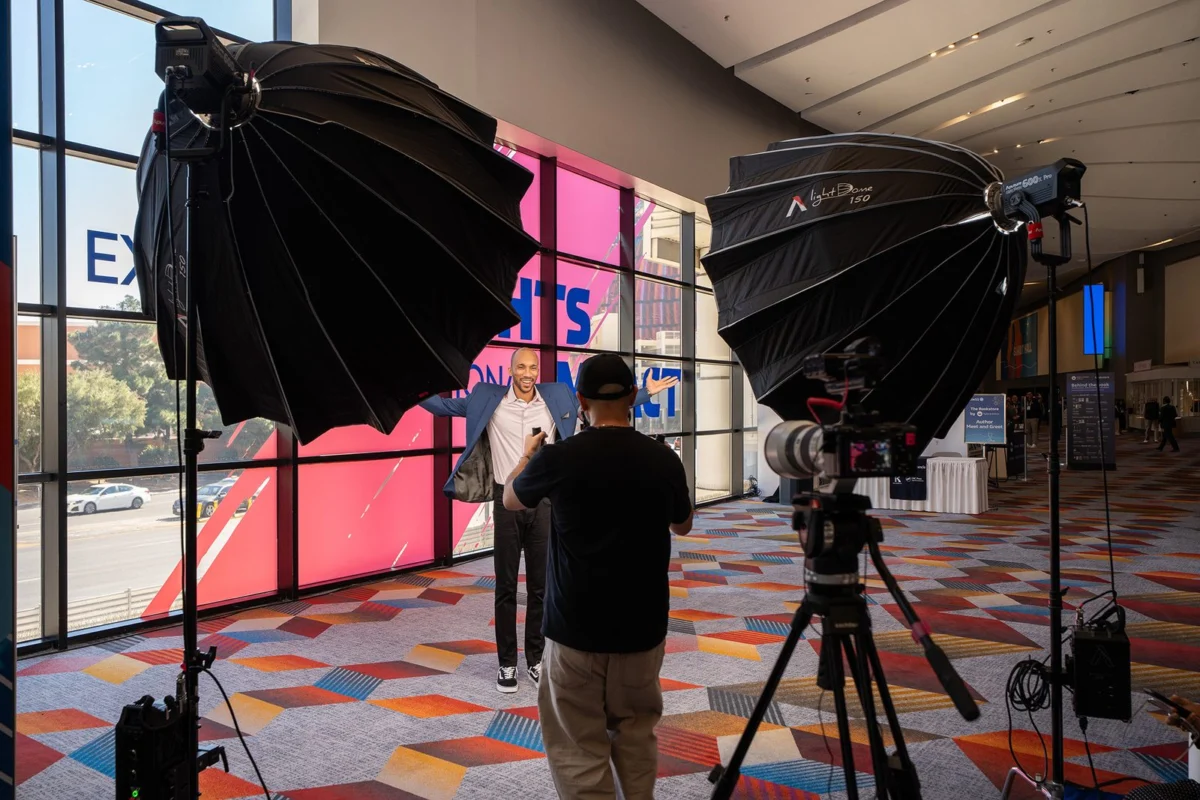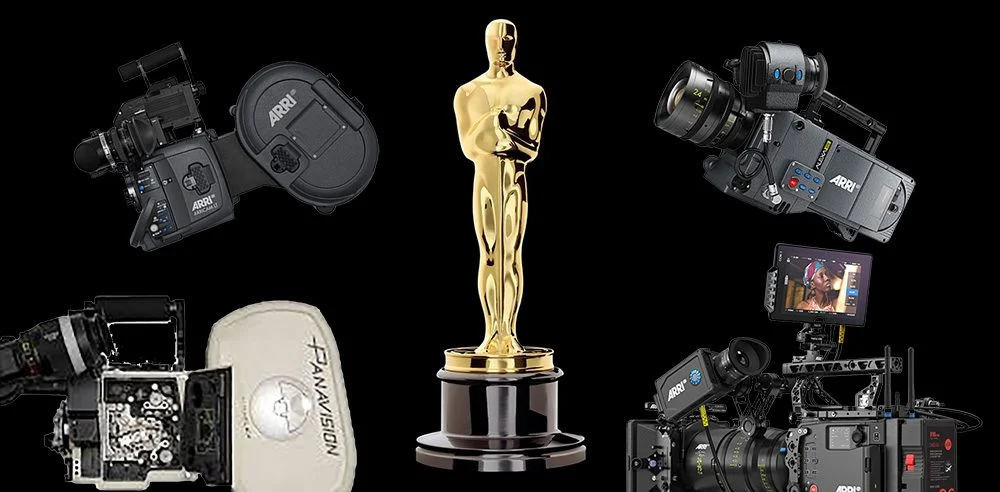
The discourse around cinematic excellence often gravitates towards the cameras and lenses employed in capturing award-winning narratives. A few weeks ago, an analysis delved into the specific camera equipment that brought this year’s Oscar-nominated films to life. While understanding the chosen gear provides a valuable insight into a production’s technical foundation, it represents only one facet of the intricate artistry required to elevate a film or television series to critical acclaim. True mastery in visual storytelling extends far beyond the acquisition device, deeply embedding itself in the strategic application of light—a fundamental element that shapes mood, reveals character, and guides audience perception.
This exploration aims to shift focus from the cameras to the crucial, yet often less discussed, realm of lighting techniques and tools. Cinematographers, the architects of a film’s visual language, meticulously craft scenes through the interplay of light and shadow, transforming raw footage into compelling cinematic experiences. While camera specifications are readily available through industry publications and technical breakdowns, the precise, scene-by-scene lighting diagrams that define a film’s aesthetic are notoriously difficult to unearth. This proprietary knowledge, a cornerstone of professional cinematography, underscores why these visual artists command significant remuneration for their expertise.
To bridge this gap and offer an educational perspective, this analysis undertakes an exercise in reverse-engineering the lighting setups of several iconic scenes from recent popular films and television series. The methodology involves examining still images and deducing the probable lighting arrangements, offering a practical demonstration for aspiring filmmakers and enthusiasts. For this endeavor, the specialized 3D modeling software, set.a.light 3D, was utilized. This intuitive platform is designed specifically for deducing and constructing complex lighting diagrams for both still photography and video production. It facilitates a comprehensive understanding of light placement, intensity, and quality, enabling users to visualize and replicate intricate setups with remarkable accuracy. This endorsement is based purely on practical experience, highlighting the software’s utility as a powerful educational and pre-visualization tool for professionals and students alike. The following breakdowns represent informed interpretations and serve as an illustrative exercise rather than definitive claims of the exact gear or methodology employed by the original production teams.
The Indispensable Role of Lighting in Cinematography
Lighting in filmmaking is not merely about illumination; it is a profound storytelling device. It dictates the atmosphere of a scene, emphasizes emotional states, defines the time of day, and even subtly directs the viewer’s attention. Hard light, characterized by sharp, well-defined shadows, often evokes drama, tension, or stark reality. Conversely, soft light, with its gradual transitions and diffused shadows, tends to create a sense of calm, romance, or naturalism. The color temperature of light can shift perceptions from cool, detached blue tones to warm, inviting orange hues. Cinematographers meticulously choose their lighting approach to complement the narrative, working closely with directors to translate emotional arcs and thematic elements into visual form. This collaborative process is what distinguishes truly exceptional cinematography, transforming a collection of images into a cohesive and impactful cinematic statement.
Case Study 1: Marty Supreme – The Art of Hard Light in Advertising
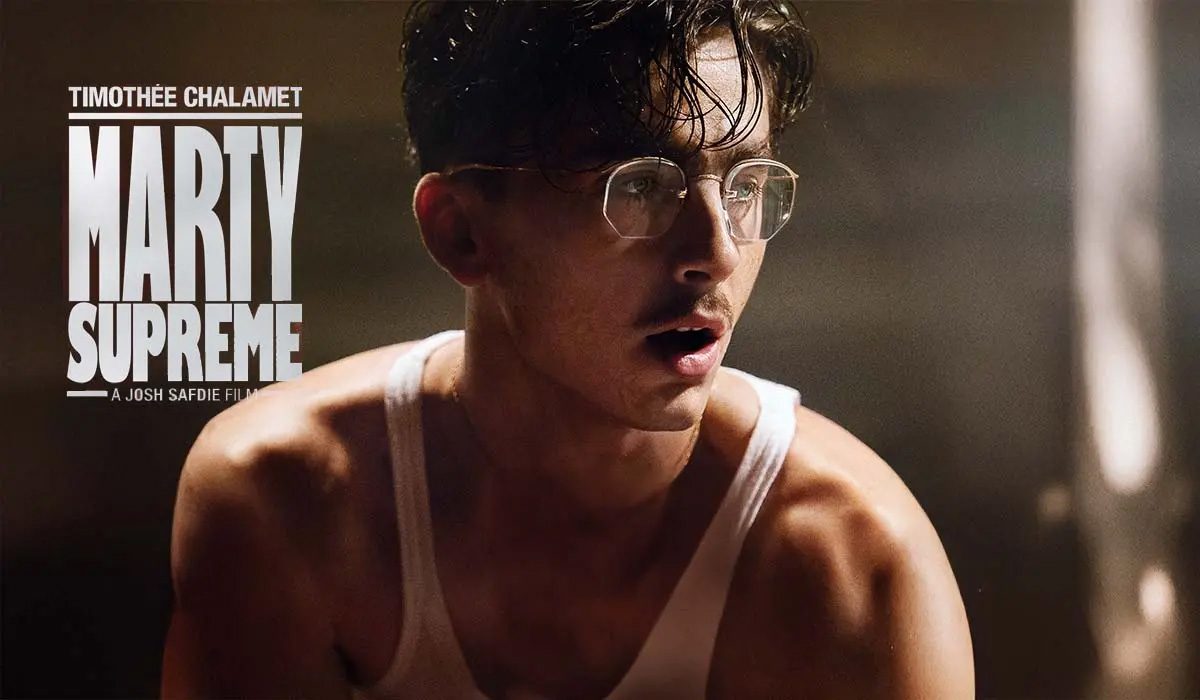
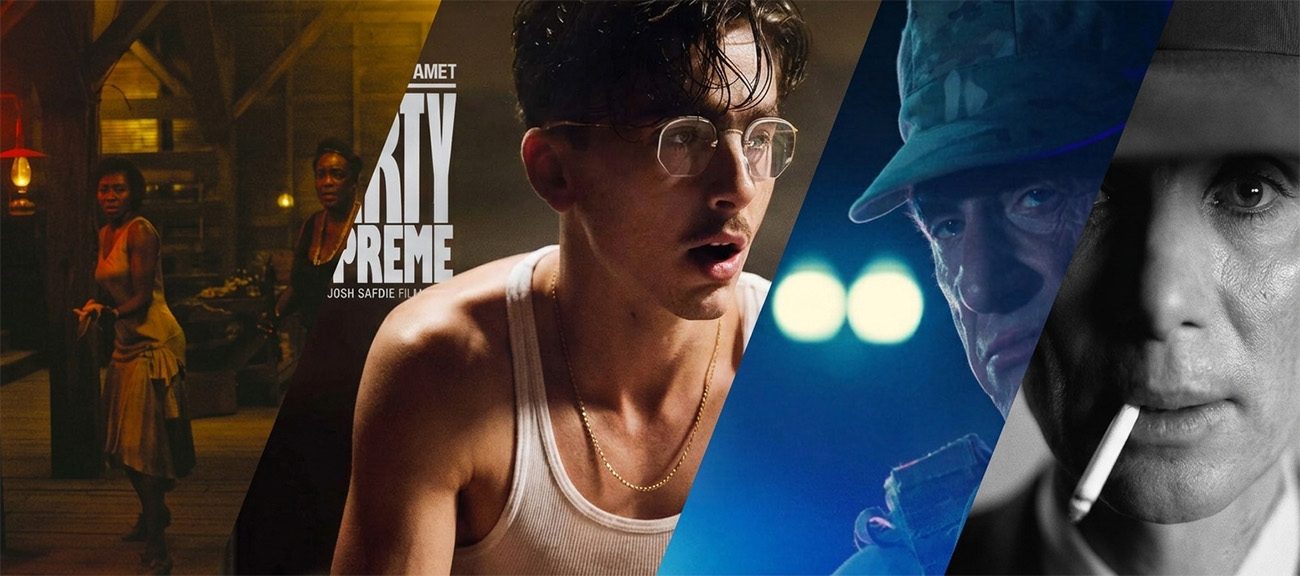
The "Marty Supreme" key advert image presents a striking example of deliberate hard lighting to convey a specific character and brand aesthetic. The visual impact is immediate: sharp specular highlights on the subject’s face and distinct, crisp shadows under his nose and cast by his glasses. These visual cues are strong indicators of a lighting strategy that prioritized intensity and contrast over diffusion. The use of hard light in advertising often aims to create a bold, authoritative, or stylized look, making the product or subject stand out with a certain gravitas.
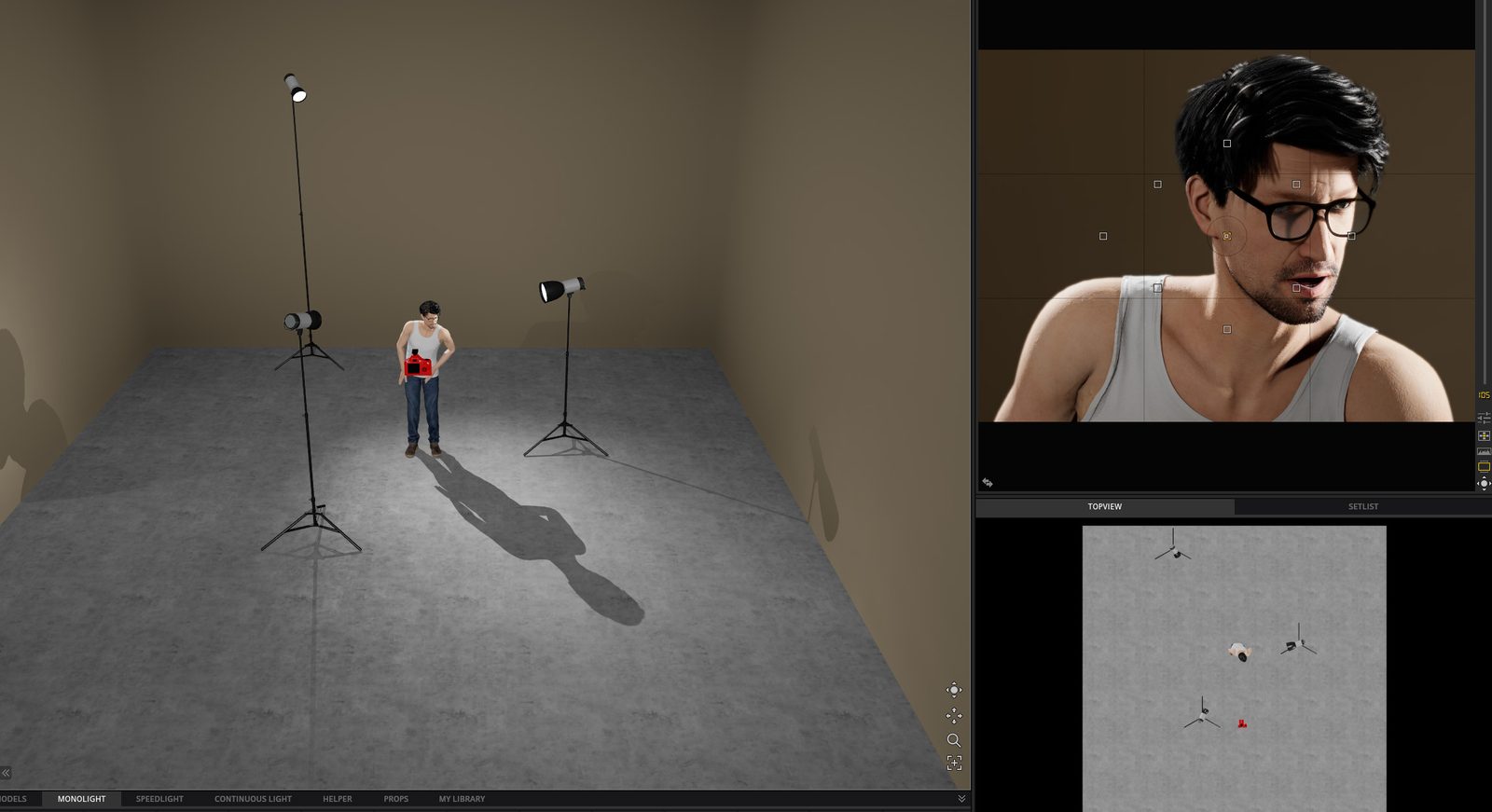
In reconstructing this look, a three-light setup without diffusion appears to be the most plausible configuration. The primary light sources would likely be unmodified, allowing their direct beams to create the characteristic sharp shadows. A gridded light positioned to the subject’s right would serve as a precise rim light, strategically highlighting the shoulders and creating a defined edge on the side of the face. Grids are crucial for controlling spill and focusing light, ensuring that the rim effect is contained and impactful without broadly illuminating the background. A similar bare light on the opposing side would contribute to the stark backlighting, a stylistic choice that can add depth and separation between the subject and the background, often seen in high-contrast cinematic works. To mitigate overly deep shadows and maintain detail on the subject’s less illuminated side, a fill light positioned camera left would gently lift these darker areas, providing a balanced exposure without compromising the hard light aesthetic. This precise manipulation of hard light creates a sense of intensity and dramatic flair, perfectly suited for a powerful advertising image.
Case Study 2: Sinners – Mastering Multicolored Moods in Interior Scenes
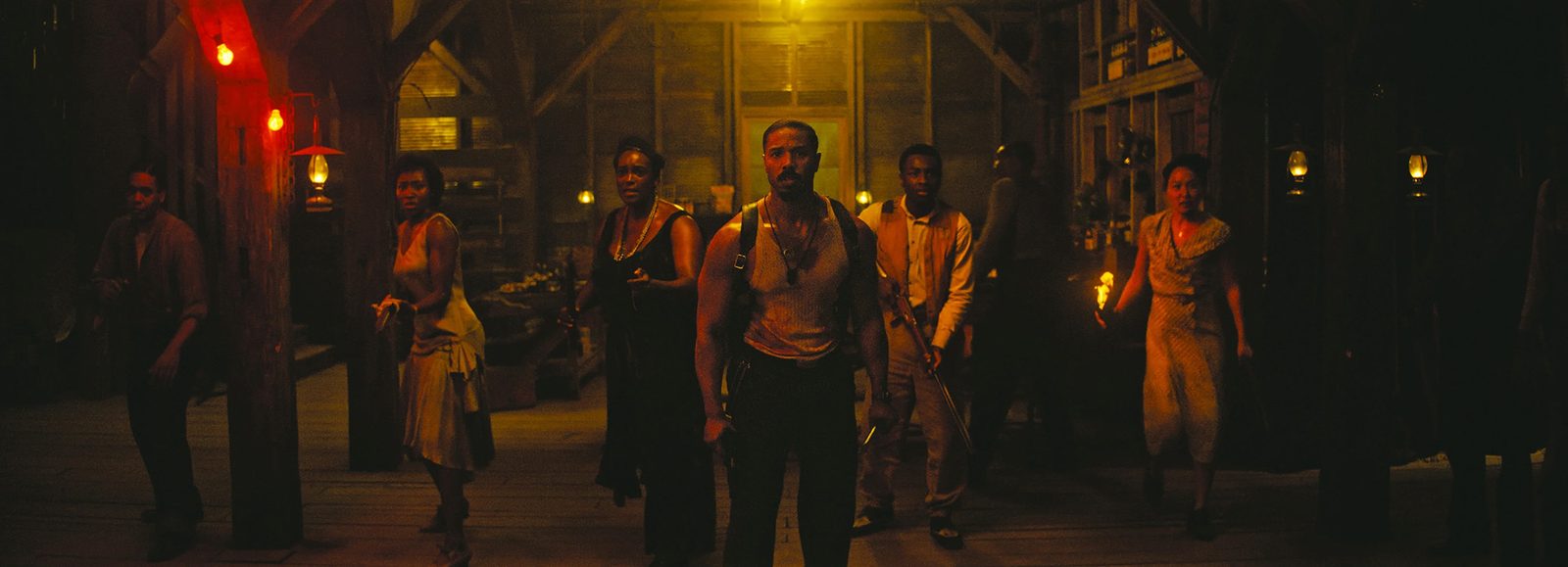
The "Sinners" key group scene is a masterclass in using multicolored light to establish a potent mood and narrative tension. This pivotal interior moment in the film harnesses the evocative power of firelight alongside vibrant red and orange artificial illumination to craft a visually rich and emotionally charged atmosphere. The scene’s architecture plays a significant role, with the building’s structure framing the subjects and adding depth to the composition. This architectural integration is a testament to the comprehensive planning involved in high-level cinematography, where environment and light are inseparable.
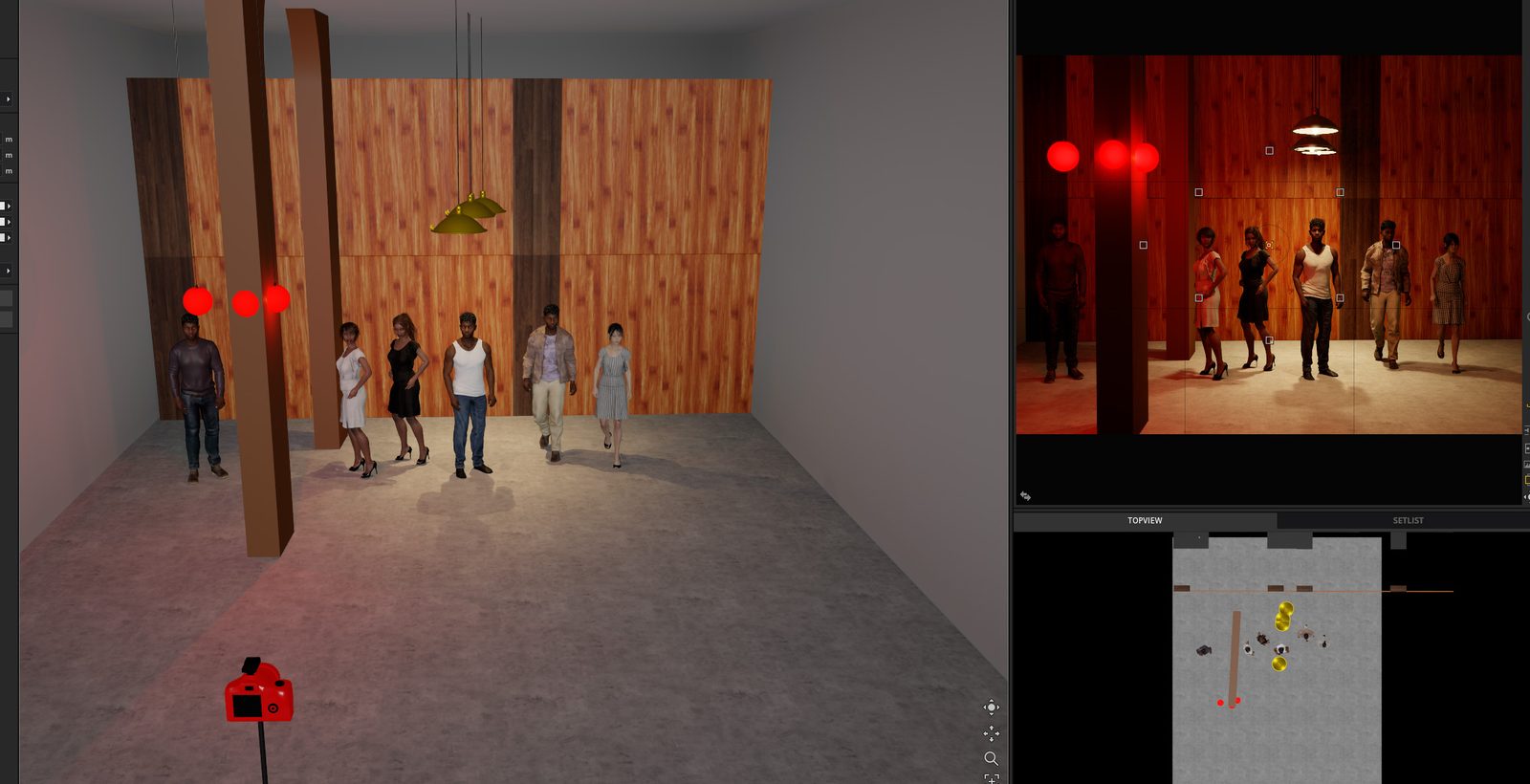
To replicate such a complex scene, the initial step involves constructing a basic 3D model of the interior space. This allows for accurate placement of light sources relative to the subjects and the environment. The placement of the numerous practical lights, including those simulating fire, is critical to achieving the desired effect. Industry-standard LED fixtures, such as the Aputure B7c or similar RGBWW (Red, Green, Blue, Warm White) bulbs, are ideal for matching the specific color spectra observed in the original scene. These versatile lights offer precise color control, enabling cinematographers to dial in the exact hues and saturation needed to create a particular emotional resonance. The subjects themselves are strategically staggered within the frame, creating visual interest and depth through the varied interplay of light and shadow on their bodies and faces. Once the basic placement of practical and artificial lights is established, fine-tuning the power output of each source is essential. This iterative process of adjustment ensures that the intensity, falloff, and color balance of the lights combine harmoniously to achieve the cinematic vision. The effective use of multicolored light in "Sinners" exemplifies how light can transcend mere illumination to become a narrative character in its own right, signaling danger, passion, or an otherworldly ambiance.
Case Study 3: Oppenheimer – Crafting Drama Through Contrast
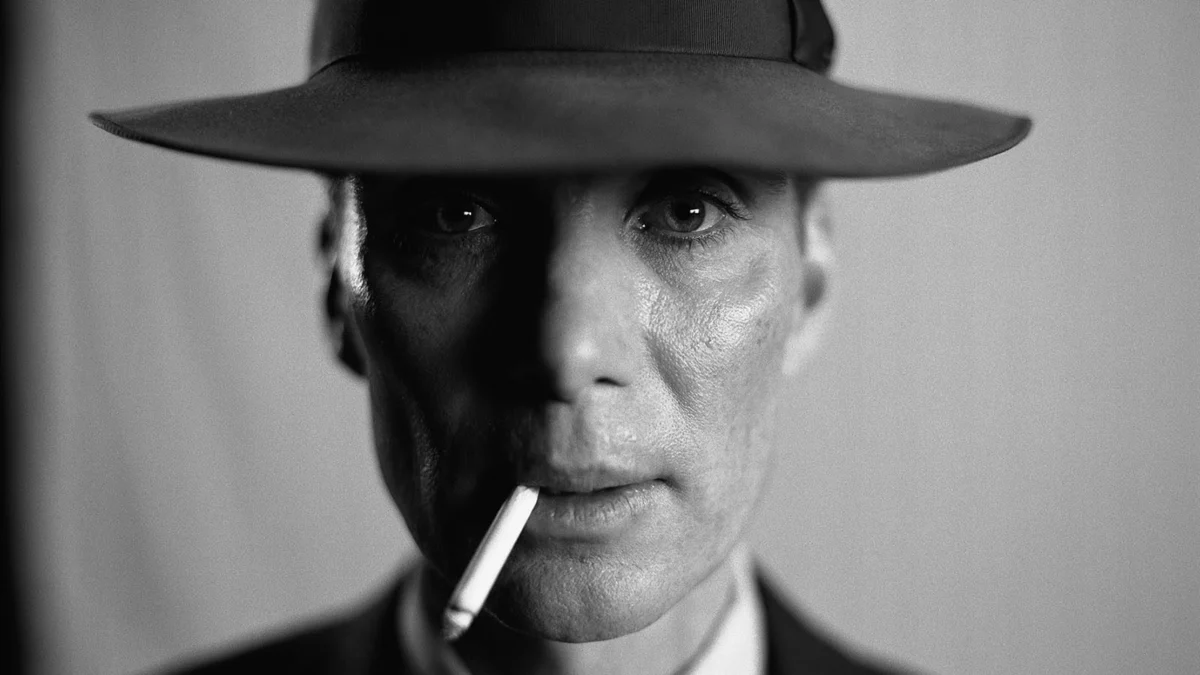
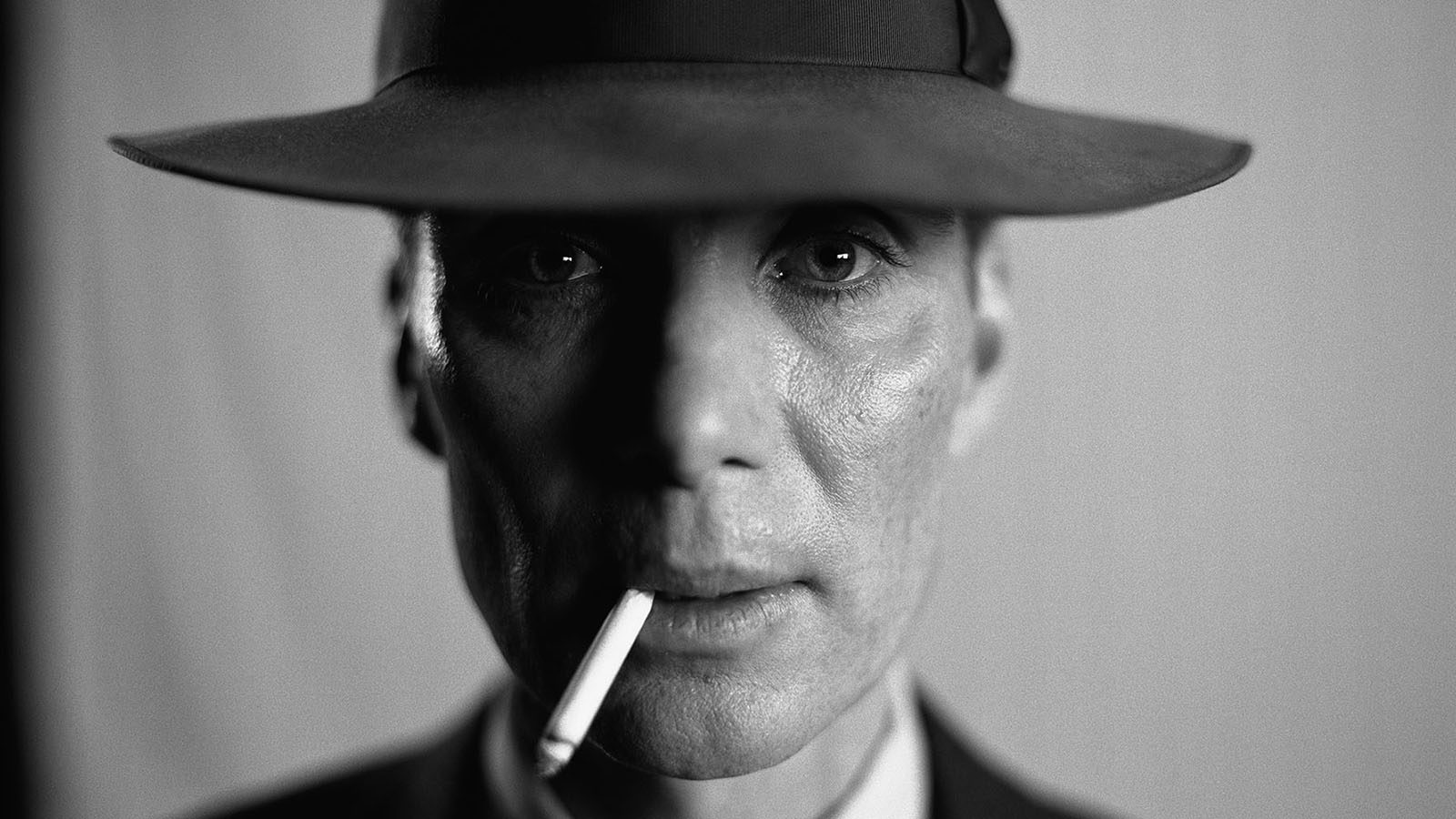
The "Oppenheimer" hero shot, featuring Cillian Murphy, became an iconic promotional image for the critically acclaimed film, which garnered significant attention for its historical depth and visual grandeur. This particular shot is a testament to the power of high contrast and selective lighting to imbue an image with profound drama and emotional depth. The interplay between strong rim lighting and distinct split lighting shadows on Murphy’s face creates a sense of gravitas and introspection, reflecting the complex character of J. Robert Oppenheimer. Crucially, the catchlights in the eyes are not merely incidental; they are deliberately shaped and positioned to add emotion and character, drawing the viewer into the subject’s inner world.
The reconstruction of this powerful shot begins with a relatively small, gridded Octobox positioned camera right. An Octobox, known for producing a soft yet directional light, when combined with a grid, offers precise control over light spill, ensuring that the light is focused primarily on the subject. The slightly larger surface area of an Octobox, even when gridded, helps create a more pronounced catchlight in the eyes, which is vital for conveying emotion. To further enhance the contrast and sculpt the shadows, a black blocking board is placed close to the subject on camera left. This negative fill technique absorbs light rather than reflecting it, intensifying the shadows and creating a dramatic separation between highlights and unlit areas. Finally, a bare light positioned behind and to the left of the subject completes the setup, providing a sharp, focused rim light. This backlighting separates the subject from the background, adding dimensionality and a halo-like effect that emphasizes the subject’s form. The meticulous combination of these elements produces a visually stunning image that is both dramatic and emotionally resonant, a hallmark of high-caliber cinematic portraiture.
Case Study 4: One Battle After Another – Narrating Through Nocturnal Illumination
"One Battle After Another," a recent Best Picture winner, captivated audiences with its masterful cinematography and compelling narrative. While much of the film benefited from natural light and on-location shooting, its nocturnal scenes, particularly those involving Sean Penn’s antagonist, "Lockjaw," stood out for their distinctive lighting. These sequences demonstrated how artificial light could be used to create a palpable sense of tension and atmosphere, even in the absence of daylight. The film’s critical and commercial success underscored the effectiveness of its visual storytelling, particularly in these darker moments.
The "Lockjaw" scene, analyzed here, clearly employs hard light sources, evident from the sharp, well-defined shadows cast on Sean Penn’s face. This choice of hard light often signifies grittiness, danger, or a harsh reality, aligning perfectly with the character and narrative context of an antagonist. The initial setup involves creating strong rim lights on both sides of the subject. One of these rim lights is notably blue, a deliberate choice to simulate the flashing emergency lights of a police car from behind. This environmental practical light integrates seamlessly into the scene, enhancing realism and adding a layer of narrative information. After establishing these intense rim lights, a bare light, powered down to a lower intensity, is introduced from the front. This serves as a subtle fill light, preventing the shadows on Penn’s face from becoming completely impenetrable and ensuring that crucial facial details remain visible without diminishing the dramatic effect of the hard rim lights. Furthermore, the scene exhibits characteristics of being shot with an anamorphic lens, evidenced by the distinct horizontal lens flare visible on the right side of the frame. Anamorphic lenses are favored for their unique aesthetic qualities, including pronounced lens flares and a wider aspect ratio, which contribute to a grand, cinematic feel. This combination of stark hard lighting, colored practical effects, and anamorphic lensing creates a powerfully moody and unforgettable sequence, demonstrating the sophisticated lighting strategies employed in contemporary filmmaking.
The Evolving Landscape of Cinematic Lighting
The ability to analyze and reconstruct such complex lighting setups is invaluable for film students, aspiring cinematographers, and even seasoned professionals looking to refine their craft. The digital age has brought forth innovations in lighting technology, with LED fixtures like Aputure B7cs and more powerful units offering unparalleled control over color, intensity, and effects. Virtual production environments, employing massive LED walls, are also changing how light is generated and interacted with on set, providing real-time lighting changes and dynamic reflections that previously required extensive post-production.
Despite these technological advancements, the fundamental principles of lighting—understanding direction, quality, intensity, and color—remain timeless. Exercises like these, facilitated by tools such as set.a.light 3D, democratize access to cinematic understanding, allowing enthusiasts to peel back the layers of visual artistry. It encourages a deeper appreciation for the meticulous planning and creative vision that cinematographers bring to every frame, transforming raw light into profound visual narratives. The ongoing dialogue within the industry about demystifying the art of cinematography benefits greatly from such analytical approaches, fostering a new generation of visual storytellers equipped with both technical acumen and creative insight.
This exploration highlights that while cameras capture the image, it is the judicious application of light that truly defines its essence and impact. The next time you immerse yourself in a film or TV show, consider pausing to observe how light is being used. What kind of shadows are present? What mood does the color of the light evoke? Do the highlights tell a story? Engaging in this exercise can profoundly deepen your appreciation for the art of visual storytelling. For those inspired to experiment with their own lighting setups, a comprehensive array of lighting equipment is readily available for rental, providing the tools to bring your cinematic visions to life.