The journey to the "end of the road" on Oahu’s West Side, a path cautioned against by many, led photographers Cristina Mittermeier and Paul Nicklen not to a place of apprehension, but to a profound encounter with the enduring spirit of Hawaiian culture. What began as a professional assignment for National Geographic, fueled by a looming deadline and valuable camera equipment, transformed into a deeply personal experience of connection and belonging, challenging preconceived notions and revealing the resilience of a community fiercely protective of its heritage. The Hawaiian proverb, "E hele me ka puʻolo," meaning "Make every person, place or condition better than before, always," became the guiding principle of their exploration.
The initial advice to avoid the westernmost reaches of Oahu was, paradoxically, the very reason Mittermeier and Nicklen felt compelled to venture there. For storytellers and visual journalists, the untrodden path often holds the most compelling narratives. Armed with sophisticated gear and the pressure of a major publication, they embarked on a quest to document what they believed to be one of the last bastions of authentic Hawaiian culture. They braced themselves for the suspicion and wariness that such a directive might imply, expecting a guarded reception from a community potentially weary of external intrusion. Instead, they discovered a warmth and hospitality that forged lifelong bonds, a testament to the true essence of "ohana," or family.

A Glimpse into Makaha’s Vibrant Dawn
Mornings in Makaha, on Oahu’s western shores, commence long before the sun’s first rays paint the horizon. The rhythmic sound of surfers gathering on the beach heralds the day’s beginning. As these ocean athletes paddle out to catch the nascent waves, the rest of the island awakens. The air fills with the aroma of freshly brewed coffee, the infectious beats of local music, and the rumble of cars navigating the island’s less-traveled roads, carrying residents to their daily routines and children to school. Amidst this burgeoning activity, makeshift tent communities come alive, and the distinctive crowing of roosters can be heard. It was in this serene yet dynamic setting that Mittermeier and Nicklen found themselves, shaded and observing, in the company of Brian Keaulana. Keaulana, a figure of celebrity status within the surfing world, a seasoned stuntman, and a scion of one of Hawaii’s most esteemed families, served as their initial guide into the heart of Makaha.
Preserving Tradition in the Face of Modernity
Makaha stands as a bulwark against the homogenizing tide of mass production. Here, surfboard shapers diligently uphold the ancestral craft, meticulously shaping boards by hand, a stark contrast to the assembly-line output of factories. This dedication to traditional practices extends beyond the surf. Wayfinders are actively engaged in learning to navigate by the stars, a skill honed by their ancestors for millennia. For the people of Makaha, surfing is not merely a sport or a pastime; it is an intrinsic part of their identity, deeply embedded in their lineage. The community is predominantly comprised of Polynesian descendants and highly respected watermen and women whose profound connection to the land and sea transcends mere words, forming the bedrock of their existence.
Encounters with Cultural Luminaries
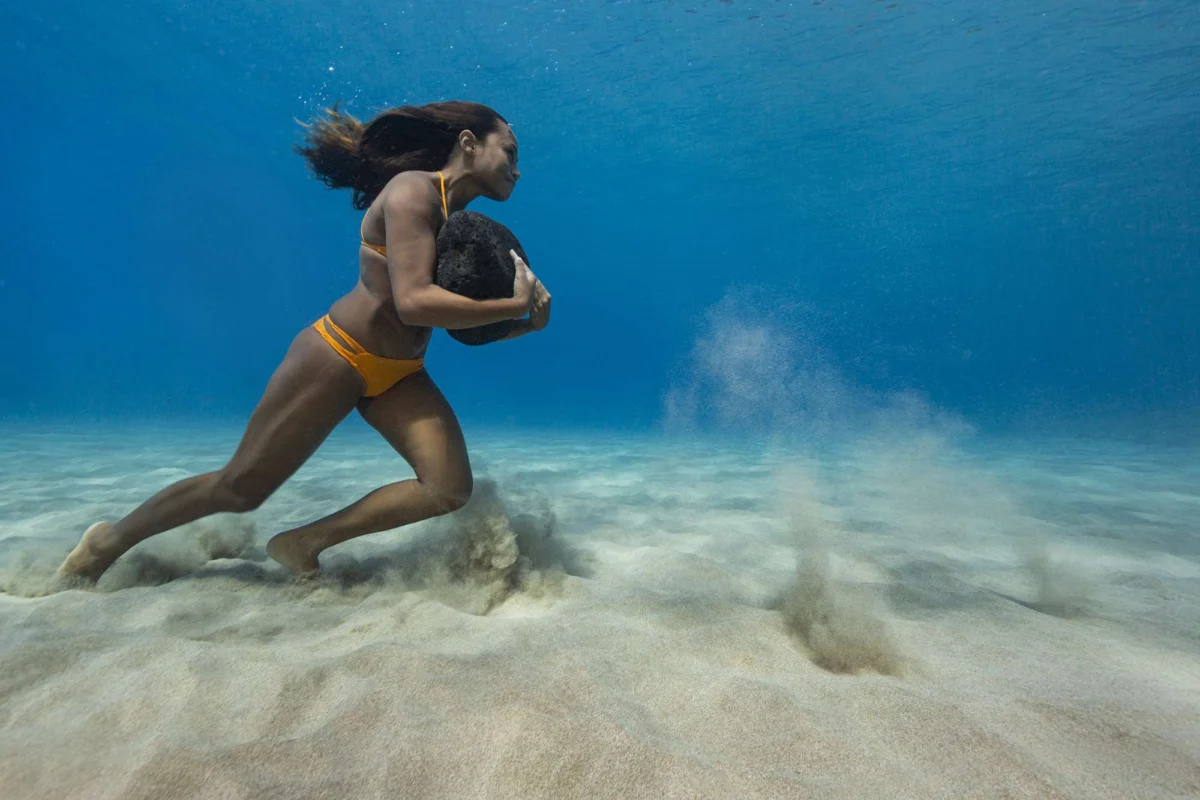
Under Brian Keaulana’s mentorship, Mittermeier and Nicklen were afforded the privilege of meeting some of the island’s most influential figures. Among them was Haʻa Keaulana, Brian’s daughter and a surfing prodigy in her own right, carrying the legacy of her legendary grandfather, Buffalo Keaulana. Haʻa’s rigorous training regimen included an extraordinary feat: carrying a 50-pound boulder underwater for extended periods, with her fellow surfers clinging to her in a human train. This demanding practice underscores the commitment to physical and mental fortitude ingrained in the community’s athletic pursuits. The photographers also had the honor of meeting Suluʻape Keone Nunes, a master traditional tattoo artist. Nunes shared invaluable insights into the profound symbolism embedded in each design, explaining how Hawaiians proudly wear their narratives and ancestral stories etched onto their skin, a living testament to their cultural heritage.

The Weight of History and the Fierce Protection of Heritage
The deeper Mittermeier and Nicklen delved into the community’s history, the more they understood the intensity with which its cultural integrity was guarded. By the time Hawaii was officially annexed by the United States in 1898, the native Hawaiian population had dwindled to approximately 40,000 individuals. This devastating decline was largely attributed to the introduction of foreign diseases and the ensuing conflicts that fractured communities. Over the subsequent century, the survivors and their descendants have tenaciously preserved the fragile threads connecting them to their ancestors and their ancestral lands, meticulously passing these invaluable traditions down through each successive generation. The Makaha communities, in particular, have faced a persistent barrage of adversities. Issues such as addiction, violence, and homelessness have tragically impacted numerous families, creating deep societal fissures. Despite these formidable challenges, the unwavering spirit of the people remains intrinsically linked to the ebb and flow of the ocean. Their outward guardedness, therefore, is not born of animosity but from a profound understanding of the immense value of what they possess and the critical need for its preservation.
A Promise Fulfilled: A Decade of Enduring Aloha
When Mittermeier and Nicklen departed the island after several weeks, their farewells were tinged with emotion. They left with a heartfelt promise to their newfound Hawaiian family: they would return. This promise was finally fulfilled ten years later. As they drove across the bridge and approached the iconic beach, it felt as though they were stepping back in time. The coastline remained vibrant, alive with the energy of local surfers and beachgoers, the air resonating with the familiar melodies of music drifting across the golden sands. Nicklen recalled a recent conversation with Mittermeier about the uncanny ability of the locals to anticipate their arrival in the past, always ensuring a parking spot was reserved. As if summoned by his thoughts, Moki, a dear friend and a long-time resident, emerged onto the road, his baby stroller strategically placed to reserve a parking space for their vehicle. Ten years had passed, yet the gesture of welcome remained unchanged. Before they could even exit their car, they were enveloped in a cascade of "Alohas," warm embraces, joyous laughter, and radiant smiles, all unfolding beneath the familiar landmark of lifeguard station 47B.
The Unwavering Strength of the Aloha Spirit
The experience solidified a profound realization: the Pacific region, and particularly the communities of Oahu’s West Side, harbor some of the most compassionate and empathetic individuals one could encounter. The capacity for such unwavering generosity, even in the face of significant hardship, and the commitment to ensuring that every visitor receives a welcoming parking spot and a comfortable place to rest, encapsulate the very essence of the aloha spirit. This enduring spirit, characterized by love, compassion, and mutual respect, continues to define these communities, serving as a powerful counterpoint to the challenges they have historically faced. The preservation of their culture and the strength of their community bonds are not merely romantic notions but represent a conscious and ongoing effort to uphold values that have sustained them through generations. The continued practice of traditional ways, coupled with a profound sense of community responsibility, exemplifies a living culture that is both resilient and deeply inspirational. Their story serves as a powerful reminder of the importance of cultural preservation and the profound human connections that can be forged when genuine curiosity meets open hearts.