The Lençóis Maranhenses National Park, a UNESCO World Heritage site and a recently recognized natural wonder, offers a breathtaking spectacle of natural artistry that has captivated photographers and travelers alike. While typically focusing on the intimate details of wildlife, this particular landscape—a vast 600-square-mile expanse in northeastern Brazil—demanded a wider lens. What was initially conceived as a brief interlude en route to Patagonia transformed into a profound artistic immersion within one of Earth’s most unique ecosystems, showcasing the intricate dance between land, water, and light.
A Shifting Landscape of Dunes and Lagoons
Located in the northeastern state of Maranhão, the Lençóis Maranhenses, meaning "sheets of Maranhão," is an unparalleled ecosystem characterized by immense, rolling white sand dunes. These dunes are not static; they are a dynamic testament to the power of wind and water. Seasonally, the landscape is punctuated by thousands of crystal-clear freshwater lagoons that form between the dunes as rainwater accumulates. This ephemeral aquatic network creates a stunning visual contrast against the stark white of the sands, a phenomenon that occurs primarily during the rainy season, typically from January to June, with the lagoons reaching their fullest between May and September.
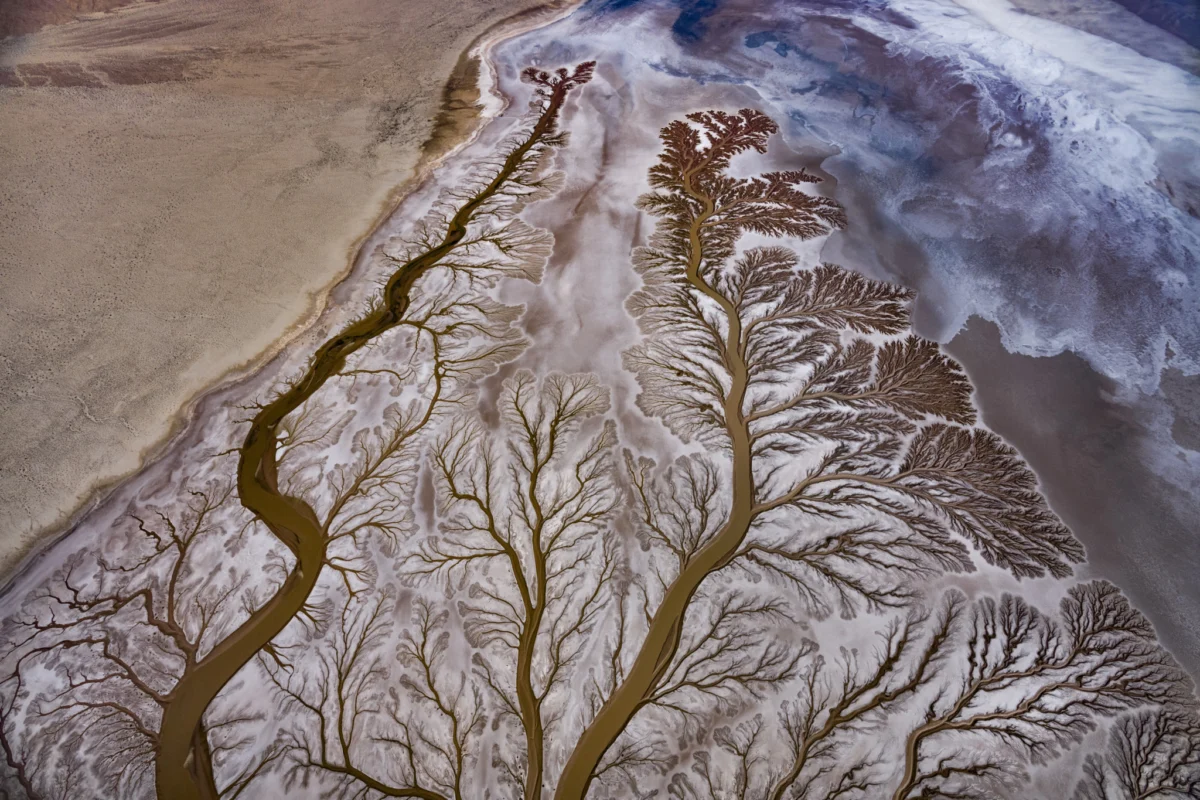
The park’s eastern border stretches over 40 miles along the Atlantic coast, a region interspersed with small fishing villages that have long been sustained by the bounty of the sea. The open expanse of the ocean meets the undulating dunes, creating a dramatic interface. Inland, winding river systems, stained a distinctive tannin-brown from decaying vegetation, snake their way through the white sands towards the coast. These dark rivers, like the Parnaíba River which forms a significant boundary, carve paths through the landscape, their waters sometimes merging with the scattered, jewel-toned lagoons of turquoise and jade, adding further complexity to the visual tapestry. To the west, the distinct desert-like environment of dunes and wetlands gradually transitions into the characteristic Brazilian savanna, known as cerrado, and then into more dense forest before giving way to agricultural lands that mark the park’s perimeter.
Embracing the Aerial Perspective
The sheer scale and intricate beauty of Lençóis Maranhenses presented a unique photographic challenge. The photographer, accustomed to close-up wildlife portraits, found the overwhelming grandeur of the park compelling enough to warrant a shift in perspective. The decision was made to explore the landscape from above, seeking to capture its full scope and intricate patterns. Historically, aerial photography of such remote and rugged terrain would have involved precarious flights in open-door ultralights or small aircraft. However, the advent of drone technology and Unmanned Aerial Vehicles (UAVs) has revolutionized the possibilities for capturing expansive and detailed aerial imagery.
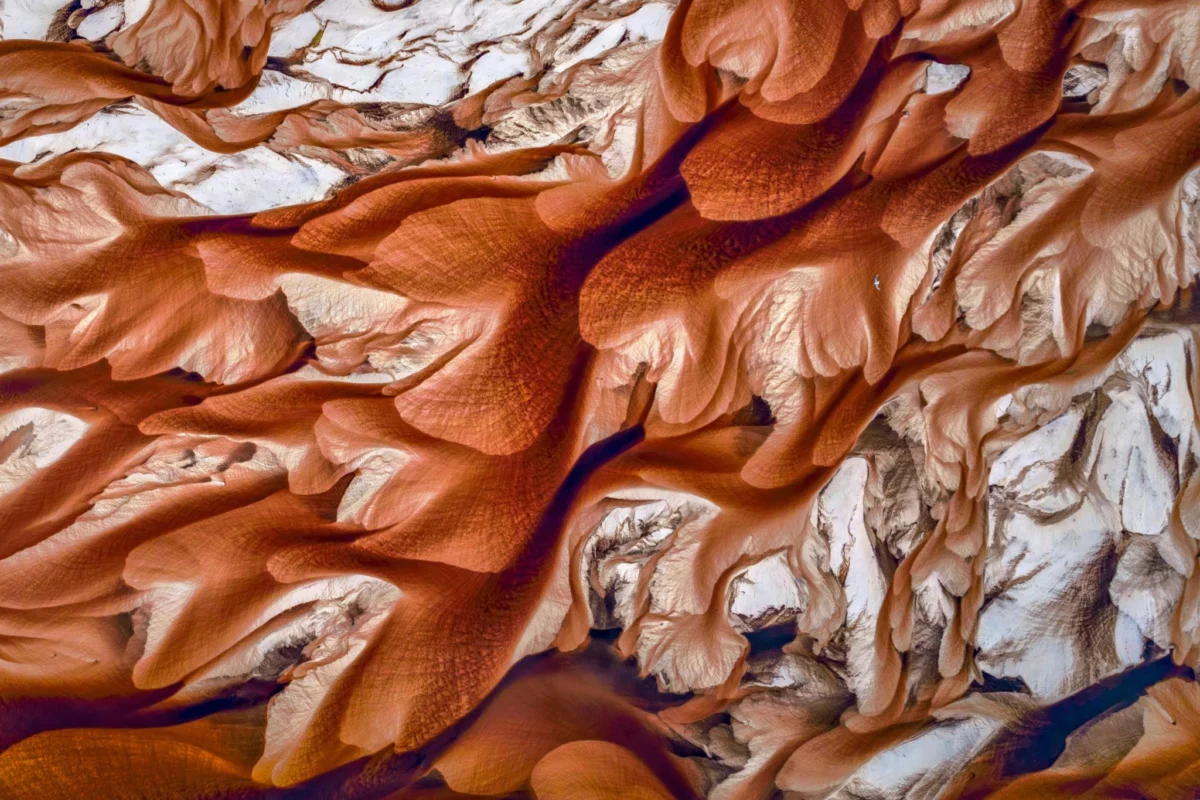
The photographer utilized a drone, meticulously controlling its altitude to balance the capture of minute details with the overarching panorama. This allowed for an intimate yet comprehensive view of the park’s geological formations and hydrological features. The aerial perspective revealed a constantly evolving canvas, where the wind sculpted the delicate peaks of the dunes and stirred the surface of the placid lagoons. The interplay of light on the water and sand created a mesmerizing spectacle, with veins of red, deep brown, and rust—derived from tannins leaching from surrounding vegetation—refracting across the landscape. The Black River, a significant waterway within the park, appeared as an inky serpent winding its way through the dunes, its dark waters eventually merging with the larger Parnaíba River. The sheer visual complexity and dynamic nature of the scene were almost overwhelming, with each shift in drone angle or altitude unveiling a new natural masterpiece.

Nature’s Enduring Artistry and Human Endeavor
The profound artistic merit of Lençóis Maranhenses inevitably draws parallels to humanity’s long-standing engagement with nature as a source of inspiration and artistic expression. For millennia, humans have strived to replicate and interpret the natural world through various artistic mediums. The cave paintings of Chauvet in France, dating back approximately 30,000 years to the Aurignacian period, offer some of the earliest evidence of this impulse, depicting animals with remarkable detail and skill. Throughout history, from the Upper Paleolithic era to the Renaissance and beyond, artists have dedicated their lives to observing, studying, and capturing the nuances of nature, attempting to translate its forms and textures into tangible works.
Even with the advanced capabilities of modern digital photography and aerial drone technology, the photographer reflects on the inherent difficulty in fully capturing the essence of nature’s beauty. The question arises: can a two-dimensional image truly convey the multi-dimensional depth of a vast planet or the intricate complexity of a cellular nucleus? This philosophical contemplation underscores the profound and often ineffable qualities of the natural world. While the ultimate translation of nature’s artistry into a print remains an aspiration, the endeavor itself is considered a profound privilege. This pursuit highlights the enduring human desire to connect with, understand, and immortalize the wonders of the natural world.
Supporting Data and Ecological Context
Lençóis Maranhenses National Park, established in 1981, covers an area of approximately 1,550 square kilometers (600 square miles). The park’s unique hydrological system is directly influenced by the region’s distinct rainy season. During the months of heaviest rainfall, an estimated 1.5 billion cubic meters of rainwater accumulates in the depressions between the dunes, forming over 100,000 lagoons. The water clarity and color variations in these lagoons are a result of varying depths, mineral content, and the presence of tannins from decaying vegetation.
The biodiversity of the park, while seemingly arid in parts, is remarkable. The lagoons support a variety of aquatic life, including several species of fish that survive the dry season by burrowing into the mud and entering a state of estivation. When the rains return, these fish re-emerge and reproduce. The dunes themselves are home to various plant species adapted to arid conditions, and the surrounding cerrado and forest ecosystems harbor a broader array of flora and fauna. The park’s designation as a UNESCO World Heritage Site in 2014 underscores its global significance as an outstanding example of a unique natural phenomenon.
Broader Impact and Implications
The recognition of Lençóis Maranhenses as a World Heritage Site and its growing international acclaim have significant implications for both conservation and tourism. The influx of visitors, while beneficial economically, presents challenges in managing the delicate ecosystem and ensuring sustainable tourism practices. Efforts are underway to balance the economic opportunities with the imperative to protect the park’s natural integrity. This includes initiatives to educate visitors about the fragility of the environment, manage visitor numbers in sensitive areas, and support local communities in developing eco-tourism ventures that benefit both people and nature.
The ongoing study of the park’s unique geological and hydrological processes contributes to a broader scientific understanding of dune formation, water cycles in arid and semi-arid regions, and the adaptations of life in extreme environments. The photographic documentation, particularly from aerial perspectives, serves not only as an artistic record but also as a valuable tool for scientific research, monitoring landscape changes, and raising public awareness about the importance of preserving such extraordinary natural landscapes. The continuous evolution of the dunes and lagoons offers a dynamic laboratory for observing natural processes, highlighting the ever-changing artistry of our planet. The photographer’s experience underscores the profound connection between art, science, and the appreciation of the natural world, emphasizing that while perfect replication may be impossible, the pursuit of capturing nature’s essence is a timeless and invaluable human endeavor.