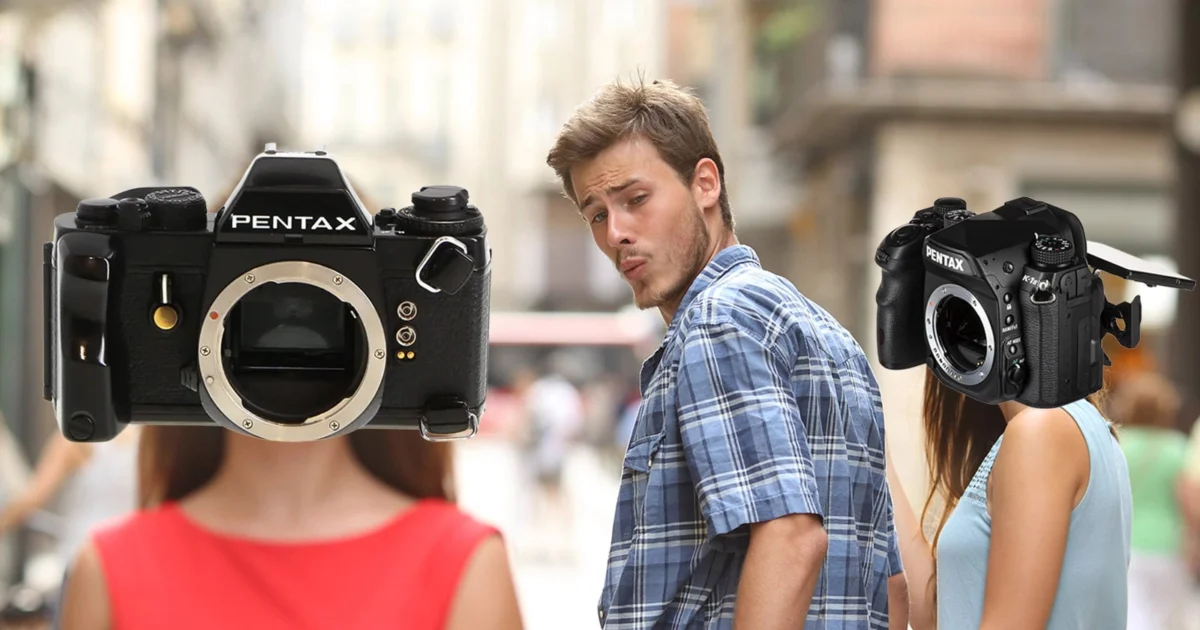
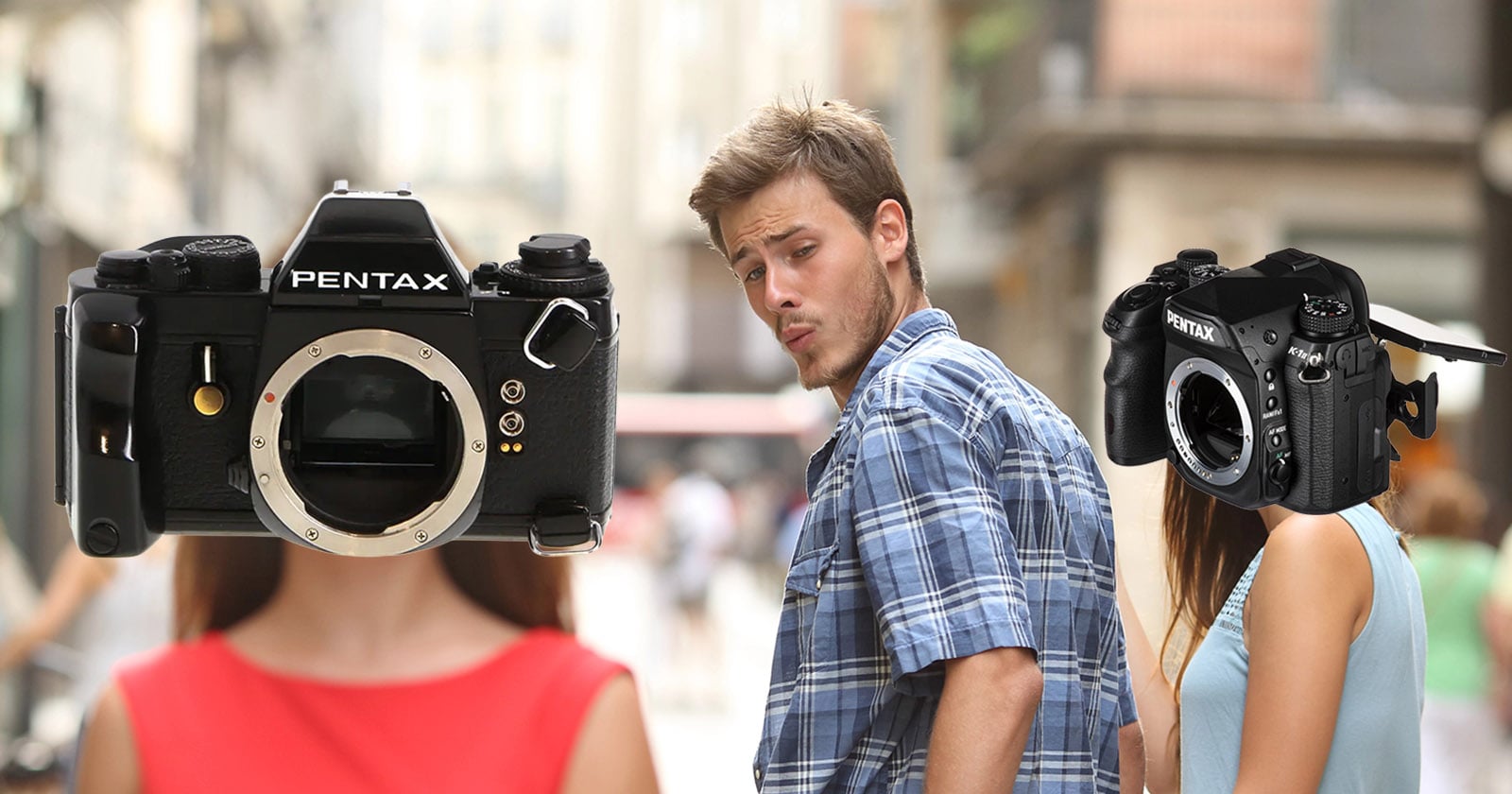
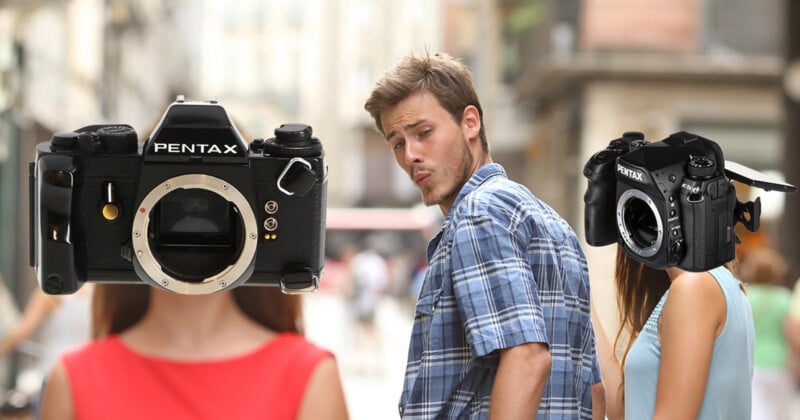
Pentax, under the stewardship of its parent company Ricoh, finds itself at a critical juncture, steadfastly committed to the Digital Single-Lens Reflex (DSLR) camera format even as global market trends overwhelmingly favor mirrorless systems. This dedication, rooted in a core philosophy emphasizing the optical viewfinder and the tactile experience of photography, pits the venerable brand against a rapidly transforming industry where demand for new DSLRs continues its precipitous decline. Despite the challenging landscape, credible reports suggest a new Pentax DSLR camera is already in production, hinting at an imminent unveiling that will test the brand’s unique strategic gamble.
The Shifting Sands of the Camera Market: DSLR’s Decline and Mirrorless Dominance
The camera industry has undergone a seismic shift over the past decade, with mirrorless technology largely eclipsing DSLRs in both innovation and market share. Data from the Camera & Imaging Products Association (CIPA), the primary source for camera shipment statistics, starkly illustrates this trend. In 2024, worldwide DSLR camera shipments totaled a mere 997,608 units, further plummeting to 690,911 units in 2025. This represents a dramatic contraction from the peak years of DSLR popularity in the mid-2010s, when millions of units were shipped annually. The only segment sustaining any lingering demand for DSLRs appears to be the entry-level market, where older models are sold at significantly reduced prices, appealing to budget-conscious consumers or those making their first foray into interchangeable-lens photography.
However, Pentax has historically positioned itself away from the budget segment, targeting discerning enthusiasts and professional photographers with cameras that command premium price points. This strategic focus now presents a considerable hurdle. The vast majority of enthusiasts and professionals have already transitioned to mirrorless systems, drawn by their advanced autofocus capabilities, superior electronic viewfinders, faster burst rates, more compact designs, and increasingly sophisticated video features. For those who haven’t yet switched, their next camera purchase is almost universally expected to be a mirrorless model, leaving little room for a high-end DSLR.
Ricoh’s Unwavering Commitment and the "Hard Path"
Ricoh Imaging, which acquired Pentax in 2011, has repeatedly affirmed its commitment to the Pentax brand, articulating a vision that prioritizes user experience and the "joy of photography" above chasing fleeting market trends. Earlier this year, Ricoh’s leadership conveyed to PetaPixel the profound discussions occurring internally regarding the future of Pentax. "When considering the Pentax brand, focusing solely on current customers will not sustain the brand," a representative stated. "The engineers are researching and making a strong effort to answer what a DSLR system camera should be which will attract the younger generation. That is the discussion we are having internally."
This declaration underscores the immense challenge: how to entice a new generation of photographers, many of whom have grown up with smartphone cameras and see mirrorless as the default "real" camera, to invest in a DSLR system. These potential new users have no existing attachment to the Pentax brand, no legacy K-mount lenses, and a broad preference for the perceived modernity and advantages of mirrorless technology.
Central to Pentax’s enduring philosophy, often referred to as "PENTAX Vision," is an unwavering dedication to the optical viewfinder (OVF). Kazunobo Saiki, General Manager of Ricoh’s Camera Business Division, explicitly stated, "Pentax is insistent that to deliver the best user experience and have customers who love to take photos, it must stick with an optical viewfinder." He acknowledged the difficulty of this path: "So maybe, we chose a hard path. But our commitment to the Pentax principles remains unchanged." Saiki also highlighted the urgency, noting, "we are not in a hurry, but the longer we wait, the fewer opportunities we have." This indicates a recognition within Ricoh that while patience is a virtue, market realities demand timely action.
Chronology of Recent Pentax Developments
Pentax’s recent product launches and statements provide a timeline of its strategic focus:
- 2016: Launch of the original Pentax K-1, a full-frame DSLR that introduced innovative features like handheld pixel-shift shooting and a unique tilting display, demonstrating Pentax’s capacity for groundbreaking engineering within the DSLR format.
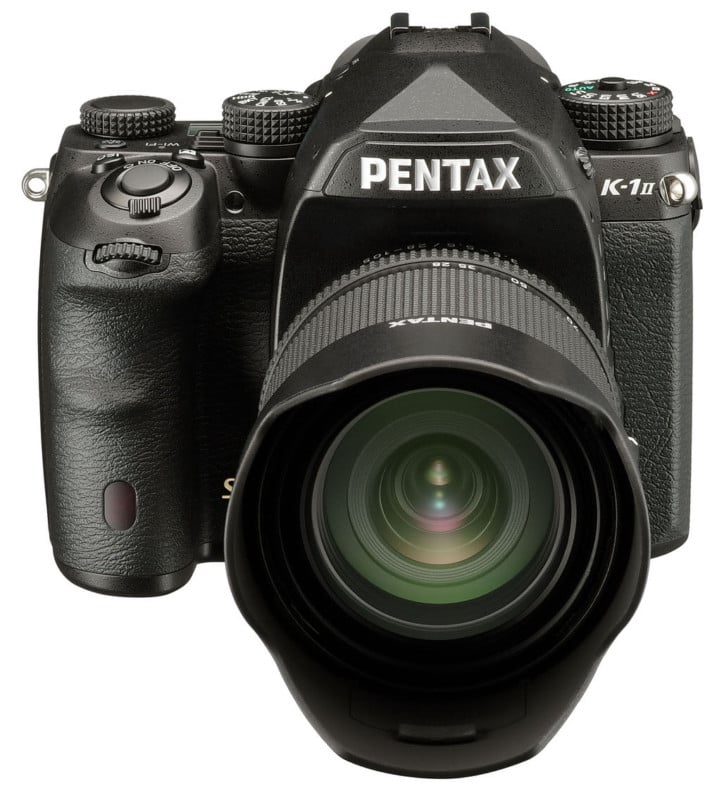
- 2018: Introduction of the Pentax K-1 Mark II, an update to the K-1, further refining its capabilities and extending its lifespan. At the time, both K-1 models were lauded for being "way ahead of their time" in certain aspects.
- 2021: Release of the Pentax K-3 Mark III, an APS-C DSLR that brought significant advancements in autofocus and menu systems, indicating continued investment in the DSLR line despite the broader market shift. This camera was seen as a modernization effort for the APS-C segment.
- 2024: Pentax surprised the industry with the launch of the Pentax 17, a half-frame film camera. This product, two years in the making, signaled a willingness to embrace niche, retro-inspired photography experiences, potentially hinting at a broader strategy beyond high-performance digital cameras.
- Early 2026: Ricoh leadership publicly reaffirms commitment to the Pentax brand and the DSLR format, emphasizing efforts to attract a younger generation while acknowledging the "hard path" of sticking with the optical viewfinder.
- August 2026: A highly reliable Pentax leaker known as "asahi man" reports, via Pentax Rumors, that "The new camera is not only a speculation or still a project. The production is in progress." This leak strongly suggests that Pentax’s next DSLR is beyond the conceptual stage and is nearing completion.
Speculating on the Next Pentax DSLR: A K-1 Mark III or a Vintage Digital Revival?
Given "asahi man’s" proven track record, the prospect of a new Pentax DSLR is not just a rumor but a near certainty. The critical question then becomes: what kind of DSLR should Pentax make to navigate this challenging environment?
One logical, albeit unexciting, path would be the Pentax K-1 Mark III. Jordan Drake of PetaPixel suggests, "The one that would make the most sense is a K-1 Mark III with the new menus and AF from the K-3 III. That’s a necessary upgrade, but not an exciting one." Such an iteration would primarily serve to "stem the flow of Pentaxians switching systems but wouldn’t get them any new users." While the K-1 and K-1 Mark II were pioneering in 2016 and 2018 with features like handheld pixel-shift and multi-axis tilting displays, they are now significantly outmatched by contemporary mirrorless cameras, particularly in autofocus performance. A K-1 Mark III would need substantial upgrades, perhaps incorporating a modern image sensor similar to the 45-megapixel unit found in the Nikon Z7 II, along with vastly improved usability and autofocus, just to close some of the performance gap with current mirrorless offerings. However, even with these enhancements, a modern DSLR remains inherently "old-school" compared to its mirrorless counterparts, especially concerning autofocus, which is a key differentiator for professional and enthusiast use today.
An alternative, more radical approach, would be for Pentax to lean heavily into its rich heritage and embrace a vintage digital aesthetic, akin to the successful Nikon Zfc. Chris Niccolls of PetaPixel articulates this vision: "I would specifically like to see them make a vintage digital camera much like the Nikon Zfc… It could be a DSLR, although I would prefer a mirrorless. Pentax’s reliance on old-school K glass is tired and outdated." Niccolls further suggests, "I would like it to be something like a K1000 digital, so like a D1000, but perhaps in a nicer body like the Pentax LX or ME."
While Niccolls’ preference for a mirrorless vintage camera highlights the general market sentiment, his core idea of a "vintage digital camera" is highly pertinent to Pentax’s declared principles. A camera doesn’t need to be the fastest, most technologically advanced, or highest-performing to be popular. A growing segment of photographers actively seeks cameras that offer a satisfying tactile experience, intuitive manual controls, and a connection to the photographic process itself, often at the expense of cutting-edge features. This segment prioritizes the "joy of taking photos" over simply possessing the "best camera" in terms of specifications.
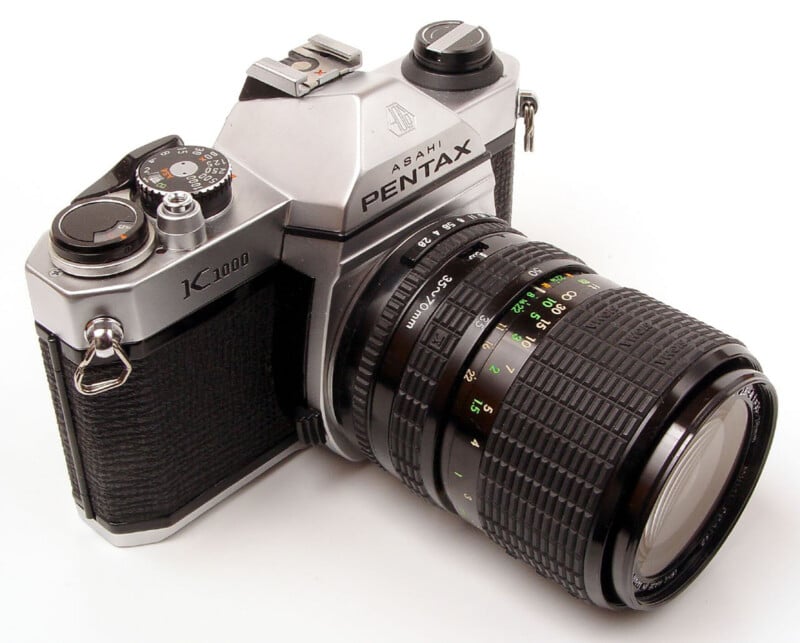
This strategy aligns perfectly with Pentax’s guiding principles of fostering the photographic experience. The success of the Pentax 17 half-frame film camera in 2024 demonstrated Pentax’s ability to create compelling, retro-inspired products that resonate with a specific audience. Instead of trying to make a DSLR that directly competes on specs with mirrorless cameras – a battle it is unlikely to win – Pentax could differentiate itself by amplifying the unique strengths of the DSLR format.
Imagine a new Pentax DSLR with satisfyingly robust, plentiful physical dials for aperture, shutter speed, and ISO, encased in a premium, vintage-inspired body reminiscent of the iconic Pentax LX or K1000. It would feature a bright, clear optical viewfinder, a tangible mirror "thwack" upon shutter release, and an overall build quality that exudes craftsmanship. Such a camera would emphasize the mechanical and interactive aspects of photography, appealing to those who crave a more deliberate, hands-on shooting experience. This approach would celebrate what makes an SLR fun and distinct, rather than attempting to overcome its inherent "limitations" when compared to mirrorless systems.
Strategic Implications and Market Positioning
For Pentax, embracing its DSLR identity rather than attempting to mimic mirrorless capabilities represents a significant strategic pivot. It acknowledges that the era of competing head-to-head on speed, autofocus, and electronic features is over for DSLRs. Instead, the brand can carve out a unique niche by offering an experience that no other major manufacturer currently provides: a modern digital camera with the soul and ergonomics of a classic SLR.
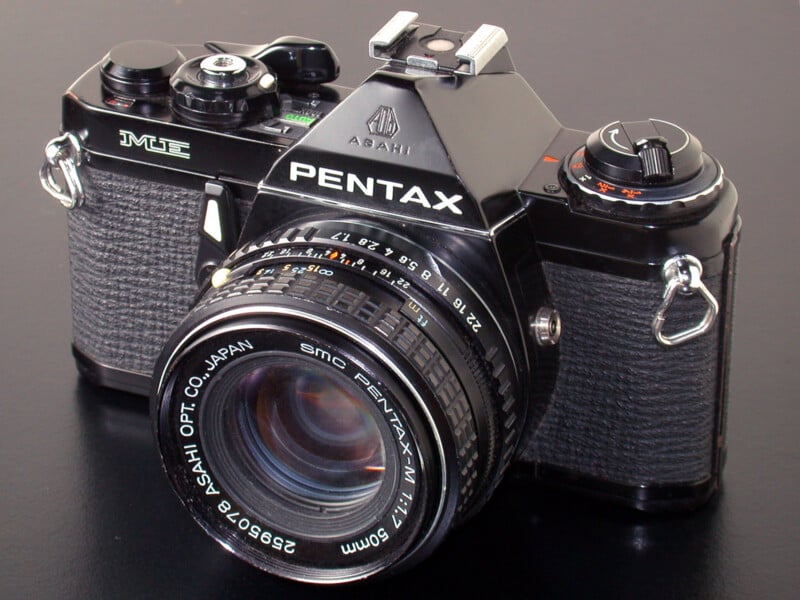
This strategy carries inherent risks, as it targets a smaller, more specialized audience. However, it also offers the potential for strong brand loyalty from those who value the optical viewfinder, the physical controls, and the distinct feel of a DSLR. It’s a move that leans into nostalgia, craftsmanship, and the pure enjoyment of the photographic process, rather than the relentless pursuit of technological supremacy. The vast K-mount lens ecosystem, while considered "tired and outdated" by some, could also be reframed as a legacy asset, offering a wealth of affordable vintage optics that complement a retro-styled body.
Conclusion: A Unique Path Forward for Pentax
Pentax stands at a crossroads, navigating a market largely dismissive of its chosen format. Yet, with Ricoh’s unwavering commitment and the reported production of a new DSLR, the brand appears poised to make a bold statement. The most compelling path forward for Pentax is not to fight a losing battle against mirrorless technology by attempting to create a "better" DSLR in conventional terms. Instead, it lies in a radical embrace of the DSLR’s inherent characteristics: the clarity of the optical viewfinder, the satisfying mechanics of the mirror, and the tactile engagement of physical controls.
By focusing on a distinct, enriching photographic experience over raw specifications, Pentax can differentiate itself profoundly. This strategy, exemplified by a "K1000 digital" or a "digital LX," would not only align with Pentax’s long-held principles of fostering the joy of photography but could also attract a new cohort of users seeking an authentic, less automated, and more engaging interaction with their camera. In a world increasingly dominated by electronic viewfinders and digital interfaces, Pentax’s greatest strength could well be its defiant commitment to the optical and the mechanical, transforming the perceived limitations of the DSLR into its most compelling and unique selling proposition. The future of Pentax’s DSLR line may depend on its ability to transcend mere functionality and deliver an unparalleled photographic journey.