The modern landscape of out-of-home (OOH) advertising has undergone a radical transformation over the last decade, with vehicle wraps emerging as one of the most high-impact, cost-effective mediums for brand visibility. Unlike static billboards, which are tethered to a single geographic coordinate, a wrapped vehicle serves as a mobile ambassador, generating tens of thousands of daily impressions. However, the transition from a digital design on a computer screen to a perfectly executed vinyl installation on a complex, three-dimensional automotive surface requires more than just artistic flair. It demands mathematical precision, a requirement that has solidified vehicle templates as the indispensable foundation of the professional graphics industry.
The Economic Context of Vehicle Graphics
According to data from the Outdoor Advertising Association of America (OAAA), vehicle wraps offer the lowest cost-per-thousand (CPM) impressions of any major advertising medium. While a prime-time television spot or a full-page metropolitan newspaper ad can cost thousands of dollars for a single run, a professional vehicle wrap—averaging between $2,500 and $5,000—can last for up to five to seven years. During its lifespan, a single wrapped vehicle can generate between 30,000 and 70,000 impressions daily, depending on the population density of its route.
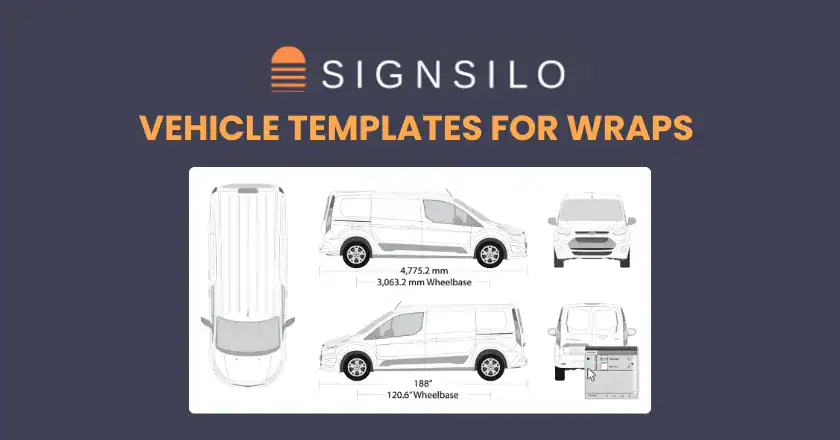
For small to medium-sized enterprises (SMEs), this represents an unparalleled return on investment. Yet, the efficacy of this "moving billboard" is entirely dependent on the quality of the design and the accuracy of its application. A logo sliced in half by a door handle or a phone number distorted by a wheel arch does not merely look unprofessional; it actively devalues the brand. This is the primary driver behind the rise of specialized resources like SignSilo, which provide the technical blueprints necessary to navigate the physical realities of automotive design.
The Technical Challenge: Bridging the 2D-3D Divide
Designing for a vehicle is fundamentally different from designing for print or web. Graphic designers are accustomed to working on flat, rectangular canvases. Vehicles, conversely, are a chaotic collection of compound curves, recessed handles, rivets, fuel doors, and complex molding. A design that appears balanced in a two-dimensional space will inevitably stretch, compress, or break once it is heated and squeegeed onto a car’s body.
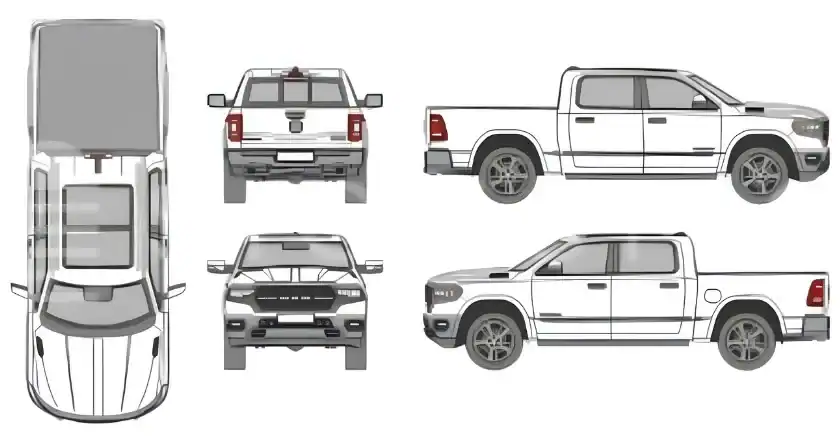
Professional vehicle templates solve this by providing a vector-based, scaled representation of a specific vehicle’s make, model, and year. These templates are typically created at a 1:20 or 1:30 scale, allowing designers to work within the RAM-heavy environment of professional design software without sacrificing the level of detail required for large-format printing. By utilizing these blueprints, designers can account for "dead zones"—areas where graphics would be lost to seams or hardware—before a single inch of expensive vinyl is printed.

SignSilo and the Consolidation of Creative Assets
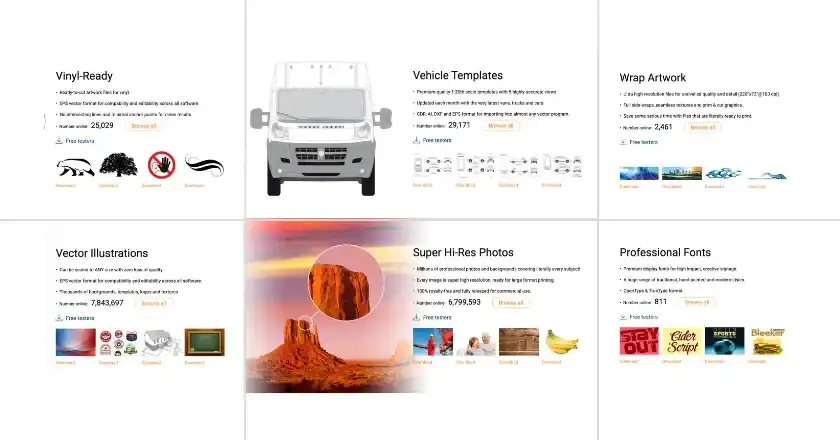
The industry has historically been fragmented, with sign makers forced to source vehicle outlines from one provider, high-resolution stock photography from another, and wrap textures or vector elements from a third. SignSilo has positioned itself as a centralizing force in this market. By offering a library that exceeds 23,000 vehicle templates alongside millions of photos and vectors, the platform addresses the workflow bottlenecks that often plague commercial print shops.
For a professional sign shop, time is the most valuable commodity. The "blueprint strategy" employed by platforms like SignSilo involves providing up to five distinct views for every vehicle: the front, the rear, the driver’s side, the passenger’s side, and the roof. This 360-degree approach ensures that the design remains cohesive as it wraps around corners. Furthermore, by providing these files in industry-standard formats such as AI (Adobe Illustrator), CDR (CorelDRAW), DXF (AutoCAD), and EPS (Encapsulated PostScript), the templates integrate seamlessly into the existing CAD and RIP (Raster Image Processor) software used in production.
The Chronology of a Professional Wrap Project
To understand the critical role of templates, one must examine the lifecycle of a professional wrap project, which follows a strict technical chronology:

- Identification and Measurement: The process begins with the precise identification of the vehicle. A 2023 Ford F-150 Lightning has significantly different body lines than a 2023 Ford F-150 internal combustion model. Even a minor trim package difference can alter the placement of a sensor or a badge.
- Template Selection: The designer downloads the specific vector template. Using a resource like SignSilo, they ensure the file is current and reflects the exact wheelbase and roof height of the client’s vehicle.
- Layout and Composition: The design is built over the template layers. Key information—such as the company name and call to action—is placed in "safe zones." The designer uses the template’s lines to ensure that text does not fall across a door seam or a window seal.
- Client Proofing: The 2D template is often used to create a 3D mockup. This allows the client to see how the branding will look from a street-level perspective, facilitating faster approvals and reducing the likelihood of post-installation disputes.
- Scaling for Production: Once approved, the 1:20 scale design is scaled up by 2000% to reach a 1:1 real-world size. Because the templates are vector-based, this scaling occurs without any loss of resolution or "pixelation."
- Printing and Installation: The file is sent to a wide-format printer (typically using eco-solvent, latex, or UV inks). The installer then uses the original template as a map to ensure the vinyl panels are aligned perfectly with the vehicle’s physical features.
Analysis of Pricing and Accessibility in the Sign Industry
The economic model of the sign-making industry has shifted toward subscription-based access. In the past, purchasing a single high-quality vehicle template could cost between $50 and $100. For a shop handling diverse fleets, these costs were often passed on to the customer, sometimes making professional wraps prohibitively expensive for small businesses.
Current market offerings, such as SignSilo’s "The Club" and "Monthly" plans, have democratized access to these tools. At approximately $25 to $39 per month, even a solo graphic designer can access the same technical blueprints used by large-scale franchise operations. This shift has led to a noticeable increase in the quality of commercial vehicle graphics seen on the road today, as fewer designers are forced to "eyeball" measurements based on low-resolution photographs.
Statements from the Field: The Impact of Precision
While official corporate statements often focus on the breadth of their libraries, wrap installers emphasize the reduction in material waste. "The cost of a mistake in this business isn’t just the time spent redesigning; it’s the $500 worth of premium cast vinyl you just ruined because the logo didn’t clear the door handle," says Marcus Thorne, a veteran wrap installer based in Ohio. "A precise template is effectively an insurance policy for your materials."
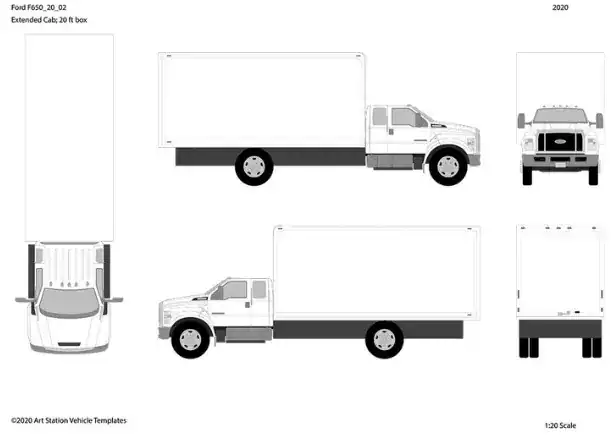
Industry analysts suggest that the demand for these templates will only grow as the automotive industry pivots toward electric vehicles (EVs). EVs often feature unique aerodynamic body shapes and a lack of traditional grilles, requiring entirely new sets of templates for designers to work with. Platforms that can update their libraries in real-time to reflect new model releases will remain the dominant players in the space.
Broader Implications and Future Outlook
The integration of high-precision templates into the design workflow has broader implications for the "gig economy" and the professionalization of the sign industry. As more businesses recognize the value of fleet branding, the barrier to entry for designers has been lowered by the availability of these technical resources. However, the complexity of modern vehicle sensors—including LIDAR and ultrasonic sensors used for autonomous driving features—adds a new layer of difficulty. Designers must now use templates to identify where graphics cannot be placed to avoid interfering with vehicle safety systems.
Furthermore, the environmental impact of the industry is coming under scrutiny. Precise templates contribute to sustainability efforts by minimizing "re-dos" and reducing the amount of vinyl scrap sent to landfills. When a design fits perfectly the first time, the carbon footprint of the project is significantly lowered.
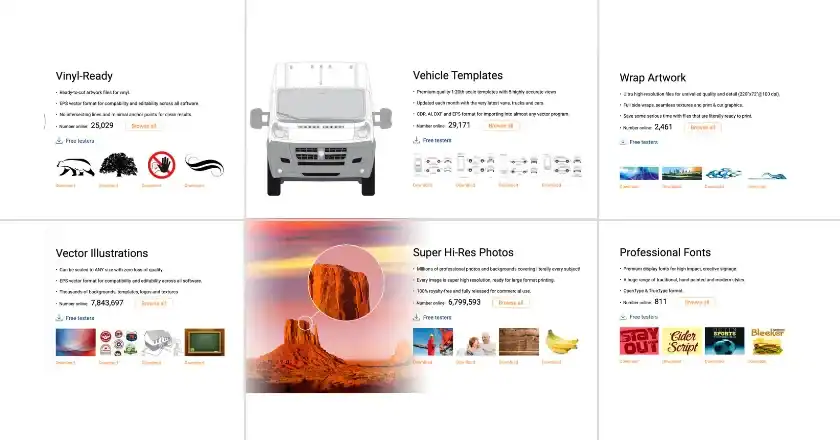
Conclusion
Vehicle templates for wraps are far more than simple outlines; they are the bridge between the digital and physical worlds. By providing the mathematical framework for complex designs, resources like SignSilo enable sign makers to deliver on the promise of high-impact mobile advertising. As vehicle designs continue to evolve and the OOH market grows more competitive, the reliance on these precise blueprints will only intensify. In the high-stakes environment of professional vehicle graphics, where the margin for error is measured in millimeters, the template remains the most critical tool in the designer’s arsenal. Through a combination of technical accuracy, flexible pricing, and comprehensive asset libraries, these tools have transformed the way brands move through the world.