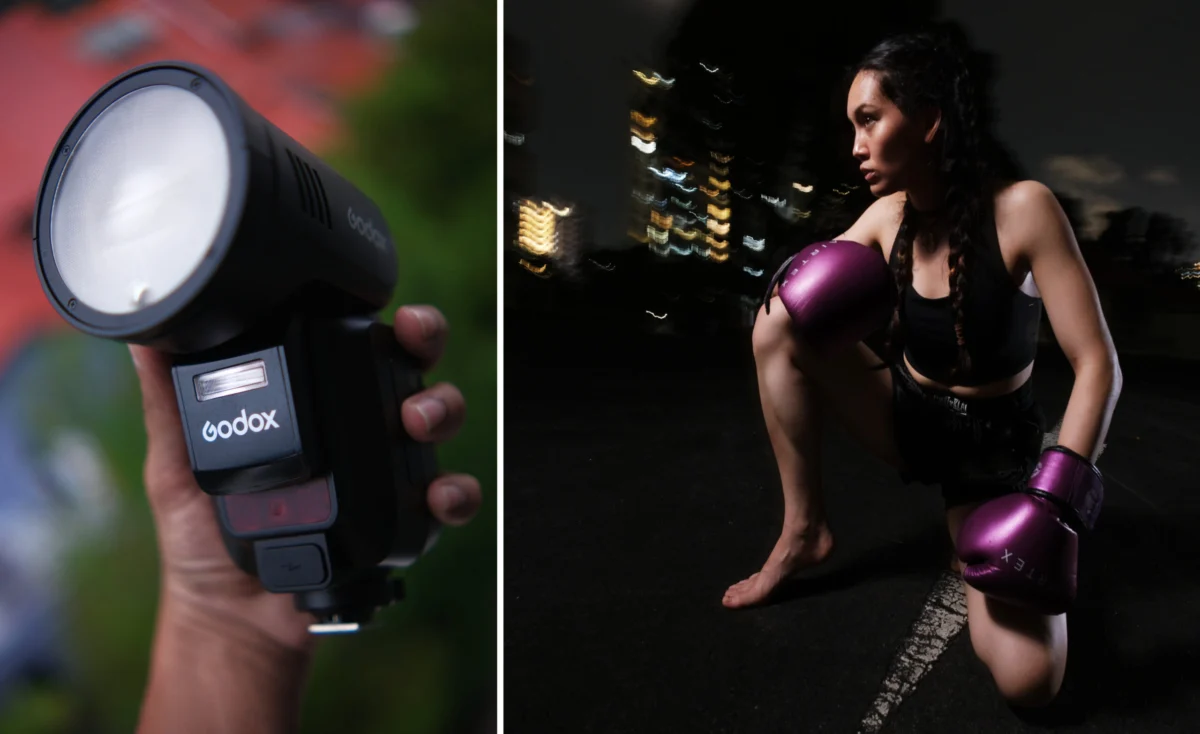
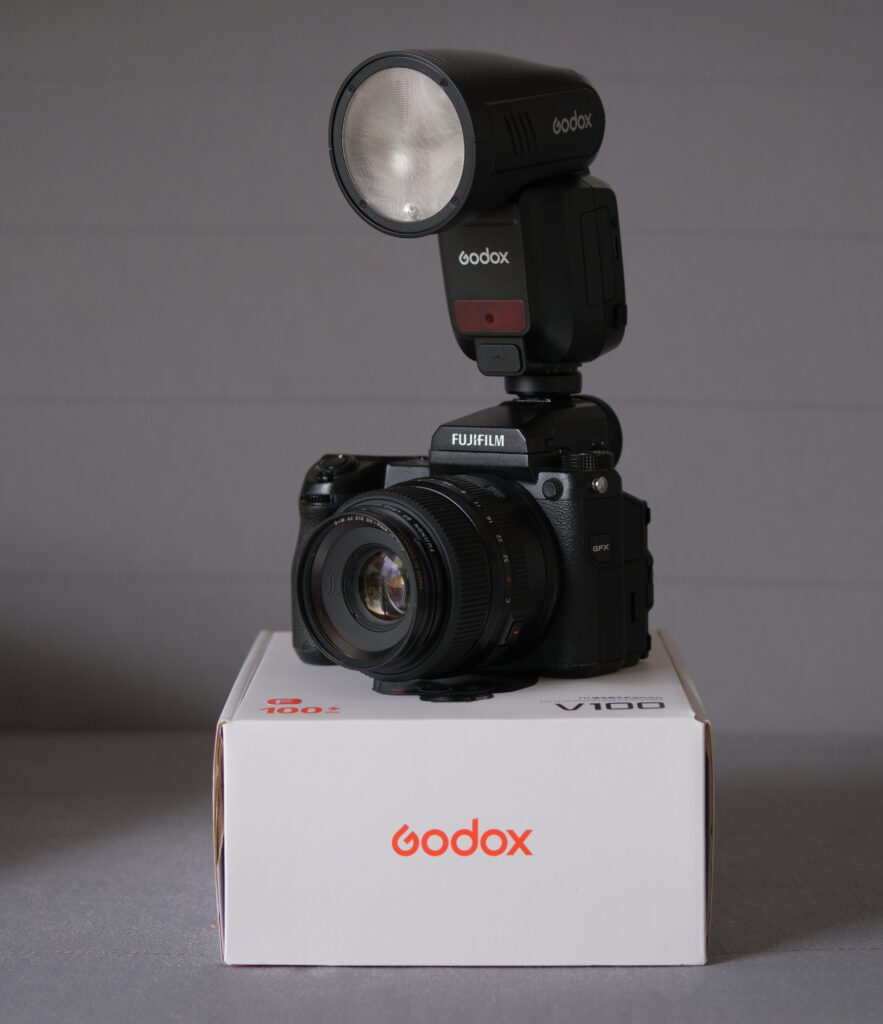
The landscape of portable photographic lighting underwent a significant shift in late 2024 with the introduction of the Godox V100, a high-output camera flash designed to challenge the traditional boundaries between hot-shoe-mounted speedlights and off-camera strobes. Launched in December 2024, the V100 arrived as the technological successor to the highly successful Godox V1 series, which had dominated the enthusiast and professional markets since its debut in 2019. By delivering an unprecedented 100 watt-seconds (Ws) of power in a form factor traditionally reserved for lower-output units, the V100 represents a strategic move by Godox to consolidate its lead in the competitive global lighting market.
Technical Specifications and Core Innovation
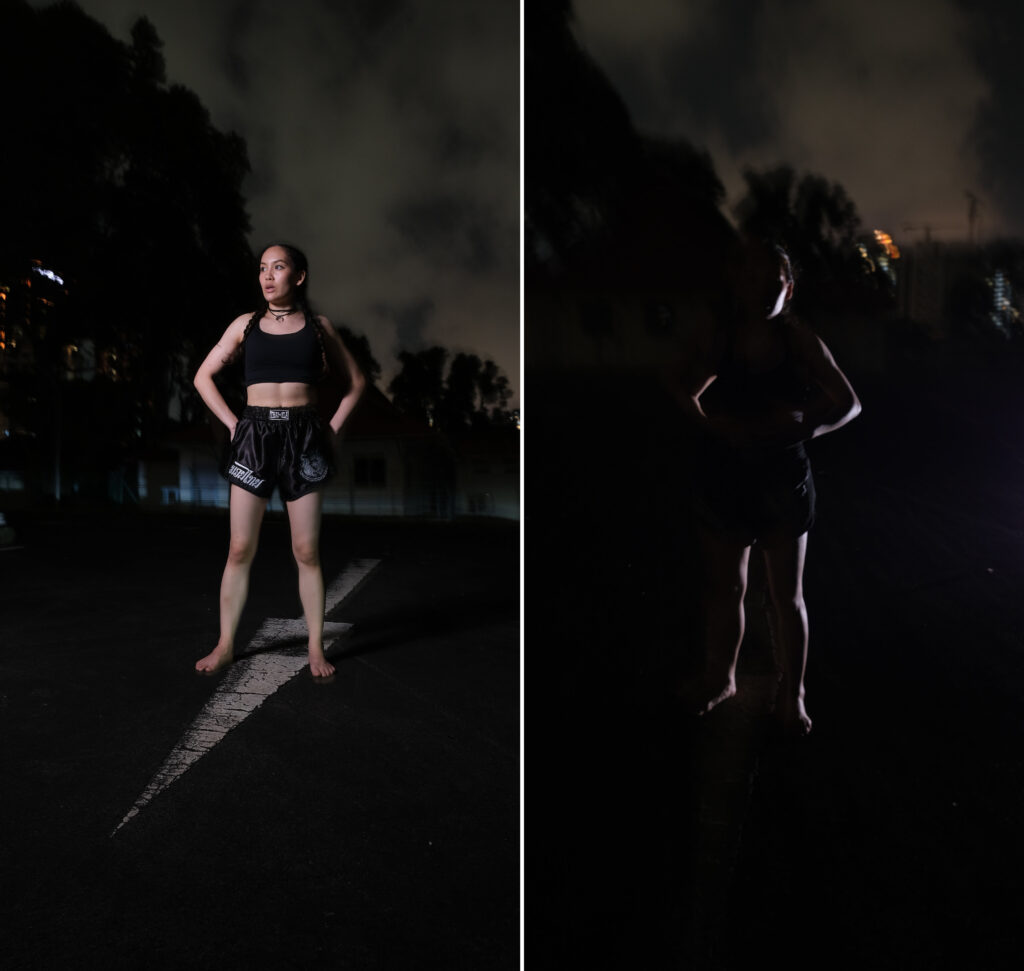
The primary distinguishing feature of the Godox V100 is its power output. While standard professional speedlights typically hover around the 60Ws to 76Ws range, the V100 achieves a full 100Ws. This output places it on par with the Godox AD100 Pro, a dedicated pocket strobe, yet maintains the versatility of a hot-shoe connection. This power increase is supported by a 1.7-second recycling time at full power, ensuring that high-volume shooters—such as wedding and event photographers—can maintain a rapid pace without the flash failing to fire.
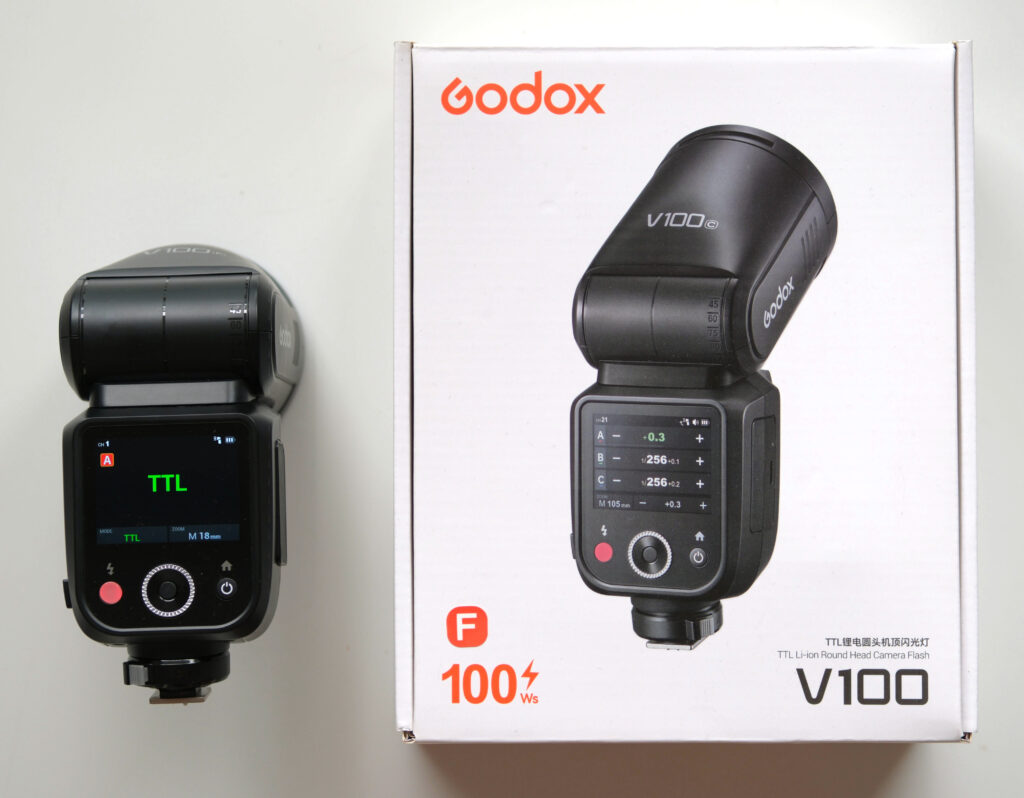
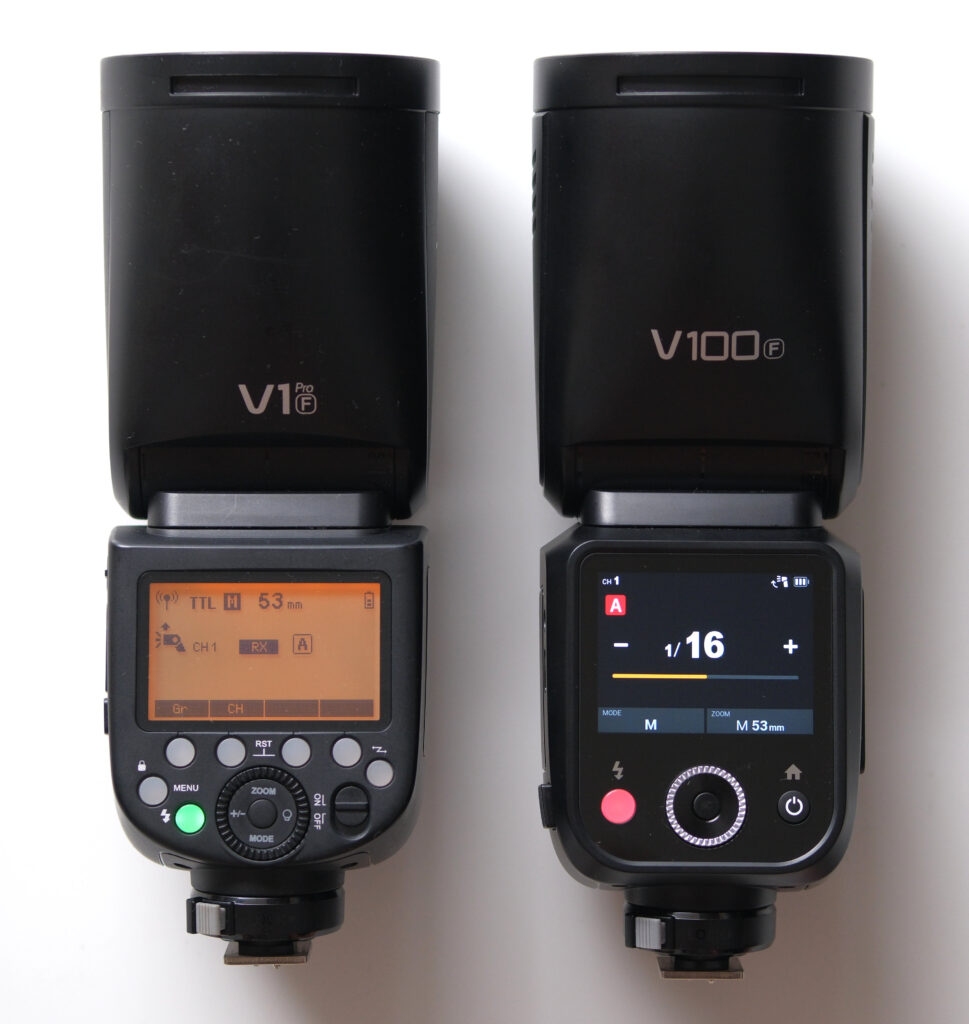
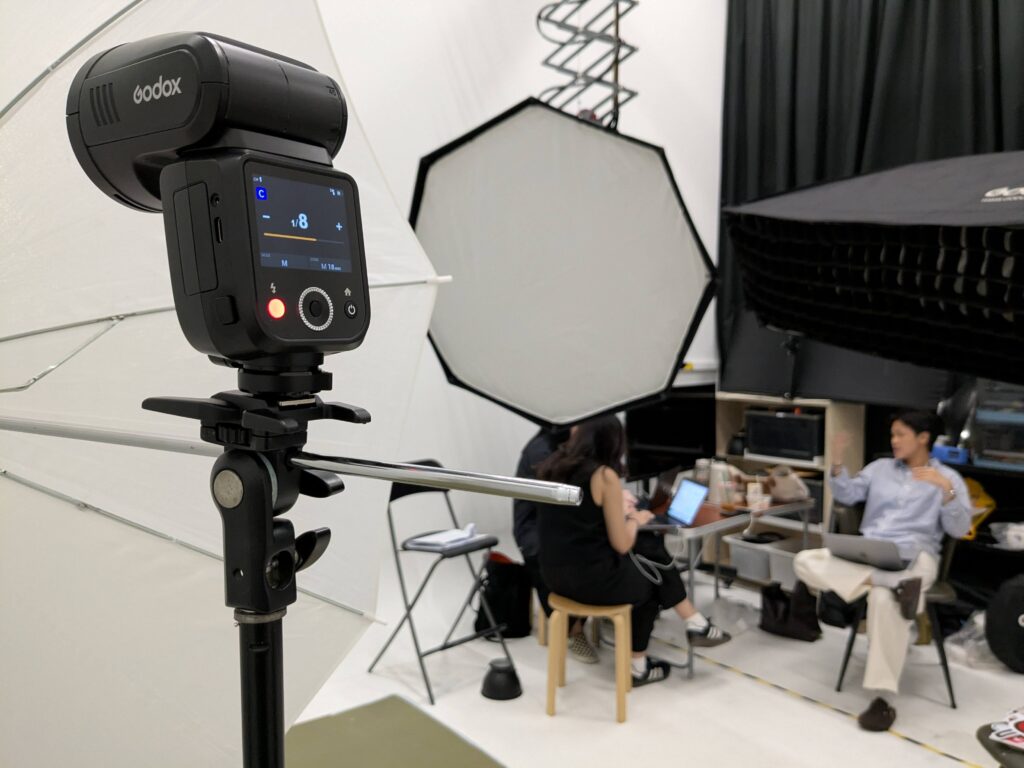
Beyond raw power, the V100 introduces a modernized user interface centered on a full-color touchscreen. This marks a departure from the button-heavy design of the V1 Pro, reflecting a broader industry trend toward smartphone-inspired ergonomics. The unit is powered by the new VB30 lithium-ion battery, which features an integrated USB-C charging port, eliminating the need for external charging cradles and streamlining the workflow for photographers on the move.
Chronology of Development and Market Context
To understand the impact of the V100, it is necessary to examine the timeline of Godox’s technological evolution.
- 2019: Godox releases the V1, featuring a round Fresnel head that provides a more natural, circular light fall-off compared to traditional rectangular heads. It becomes an industry standard for its balance of price and performance.
- 2023-Early 2024: The V1 Pro is introduced, offering improved thermal management and a detachable sub-flash (the SU-1), addressing the needs of professional users who required sustained high-output performance.
- December 2024: The V100 is officially launched. It incorporates the thermal lessons of the V1 Pro while significantly boosting power and introducing the touchscreen interface.
The release of the V100 was seen by industry analysts as a direct response to increasing competition from brands like Neewer, whose Z3 model also aimed for the 100Ws threshold. By launching the V100, Godox sought to maintain its ecosystem’s dominance, ensuring compatibility with its established X-system wireless triggers and a vast array of magnetic light modifiers.
Advanced Features: High-Speed Sync and Wireless Integration
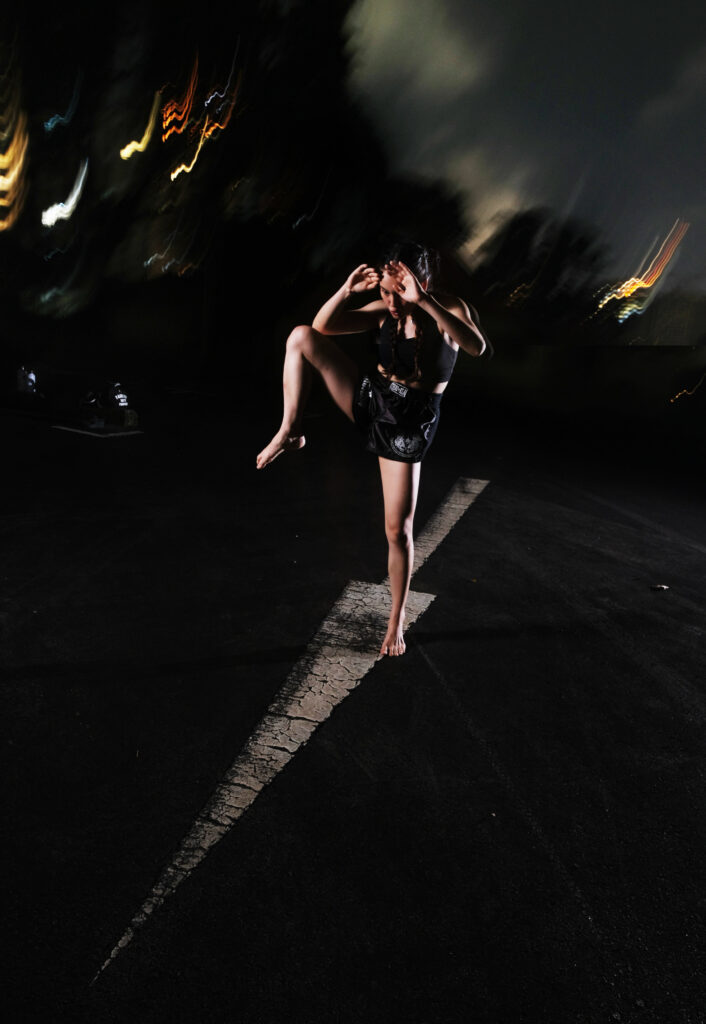
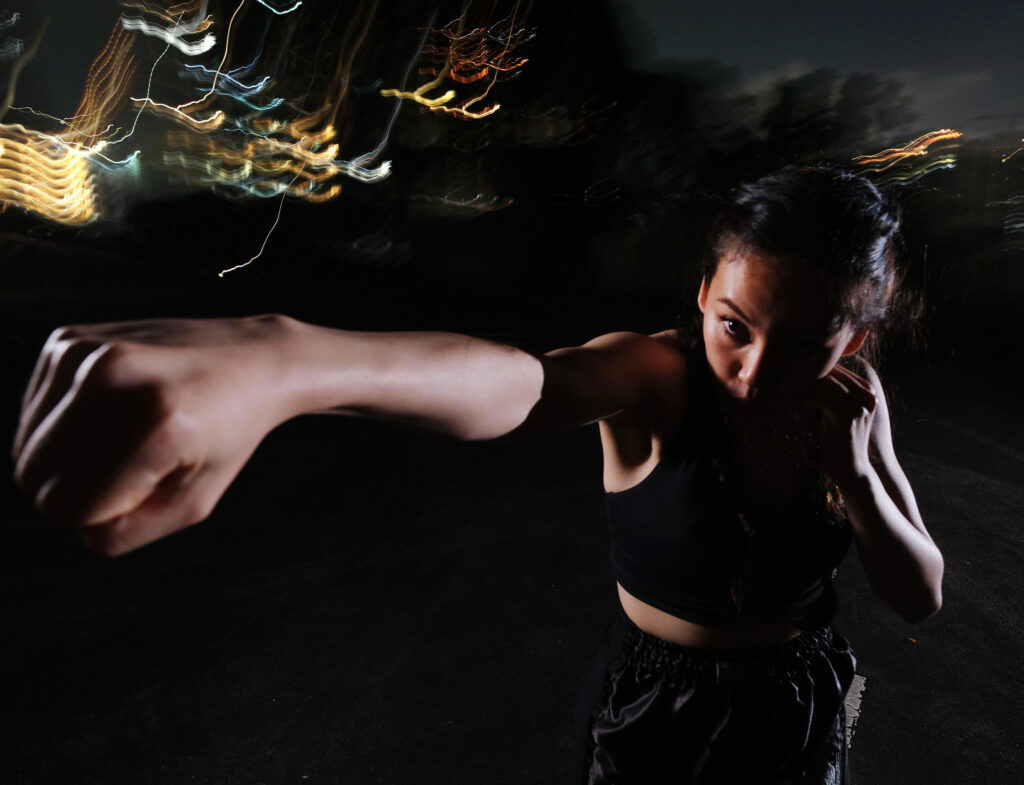
The V100 is engineered for complex lighting environments, offering High-Speed Sync (HSS) capabilities up to 1/8000 of a second. This allows photographers to use wide apertures in bright daylight, using the flash to fill shadows while the fast shutter speed controls ambient exposure. On specialized systems, such as Sony’s global shutter cameras, the unit can theoretically sync at even higher speeds, reaching up to 1/80,000 of a second.
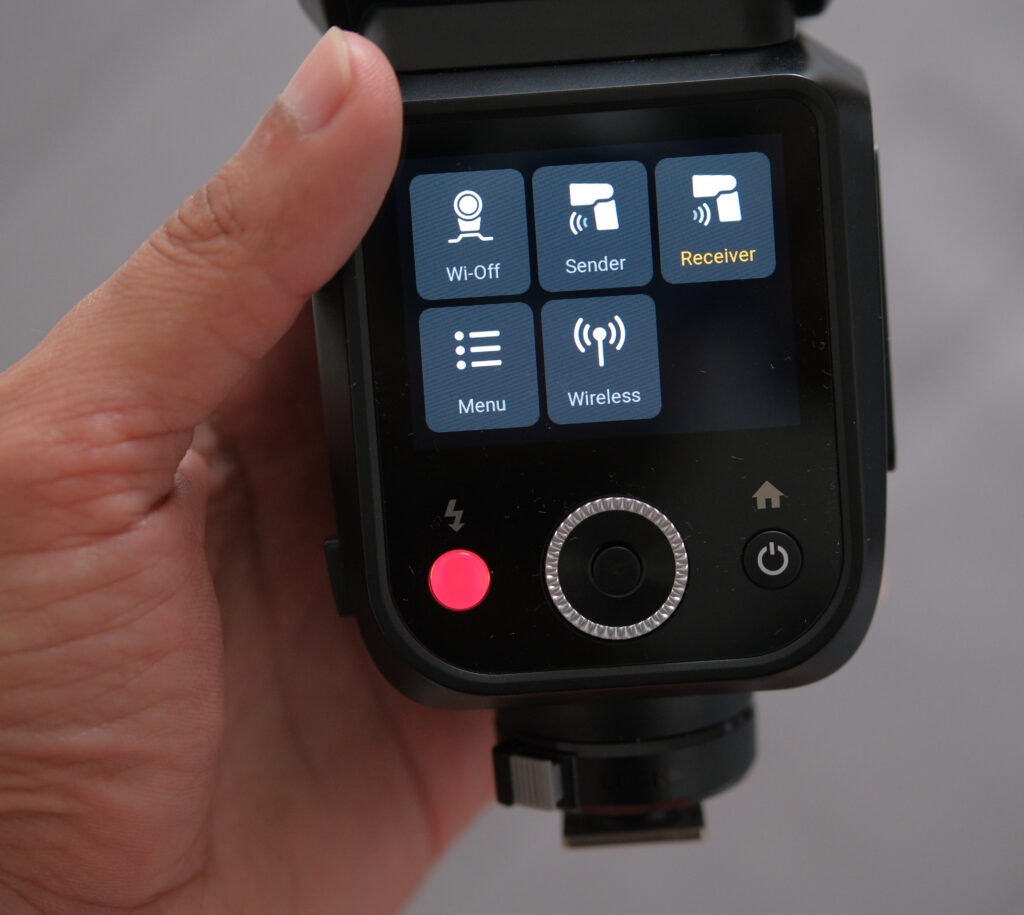
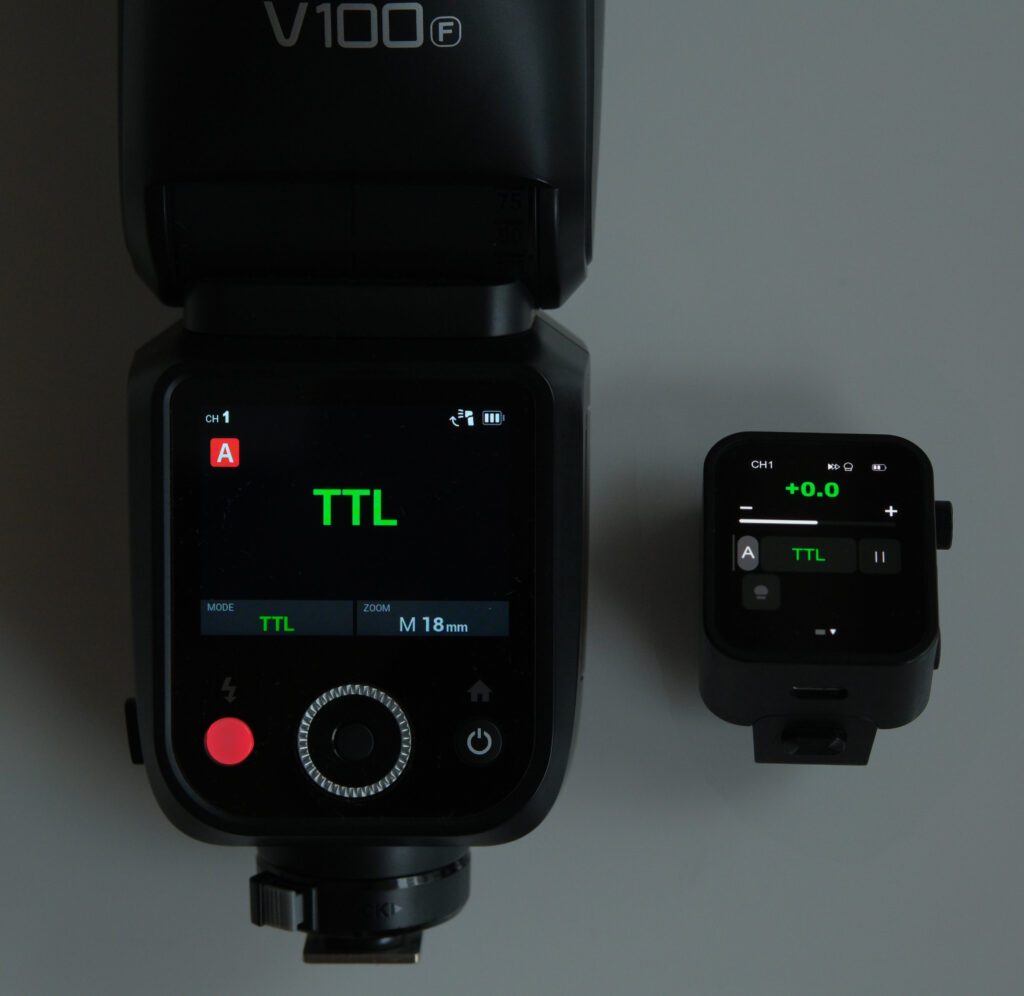
Wireless integration remains a cornerstone of the Godox ecosystem. The V100 functions as both a "Sender" and a "Receiver." In Sender mode, it can mount on a camera hot-shoe and trigger multiple off-camera units, such as the AD200 Pro or AD600 series. In Receiver mode, it can be placed on a light stand and controlled remotely via a dedicated trigger like the Godox X3. A notable software enhancement is the "Wireless Sync" feature, which allows the V100 to pair with the X3 trigger with a single tap, automatically aligning channels, groups, and IDs to prevent interference in crowded shooting environments.
Ergonomics and Build Quality
Weighing approximately 616 grams including the battery, the V100 is a substantial piece of equipment. It is significantly heavier than entry-level flashes, a necessity given the internal capacitors and cooling structures required to manage 100Ws of energy. The body is constructed from high-grade, impact-resistant polymers, designed to withstand the rigors of field use.

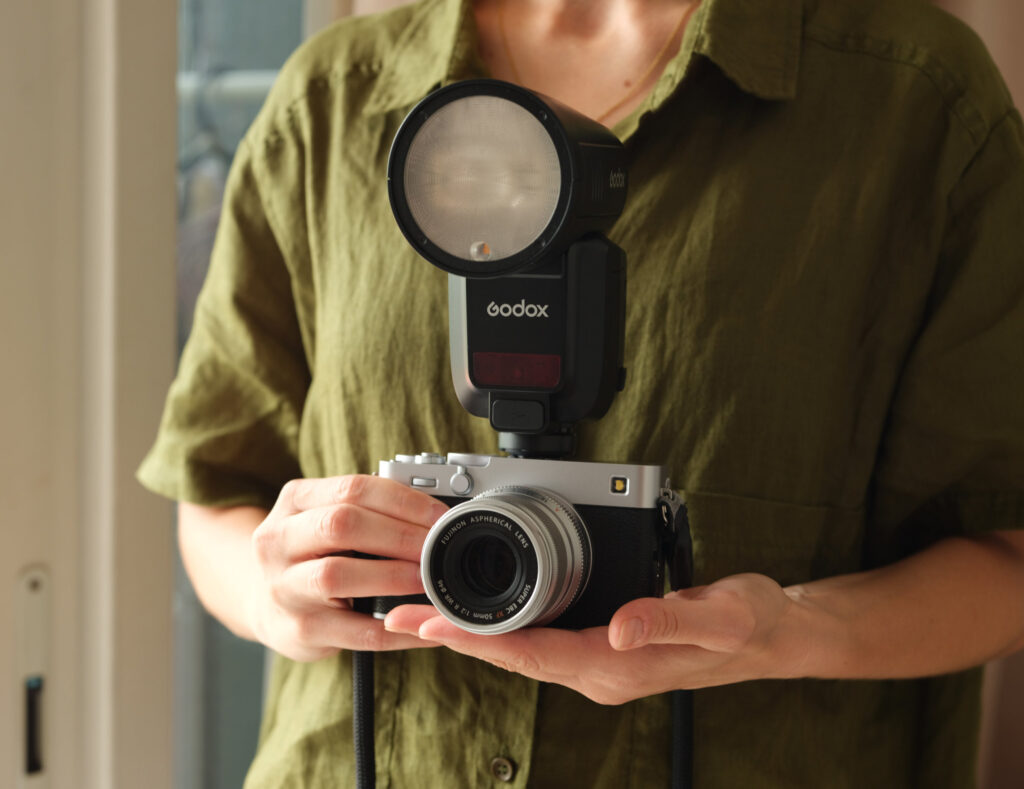
The head of the flash offers extensive mobility, swiveling 330 degrees horizontally and tilting from -7 to 120 degrees vertically. This range is critical for "bounce photography," where the light is reflected off ceilings or walls to create a softer, more diffused illumination. The mounting foot features a robust quick-lock mechanism, ensuring a secure connection to the camera’s hot-shoe, a vital feature given the unit’s top-heavy nature when mounted on smaller mirrorless bodies.
The SU-1 Sub-Flash and Specialized Applications
A unique carry-over from the V1 Pro is the inclusion of the SU-1 detachable sub-flash. This small secondary light source clips onto the front of the main flash body. Its primary function is to provide a "fill" light when the main flash head is tilted upward for bouncing. While the main flash provides soft, indirect light from above, the SU-1 provides a direct, low-intensity beam that fills in shadows under the eyes and chin, while also creating a "catchlight" in the subject’s eyes.
The sub-flash is adjustable from 1/1 to 1/128 power, providing a degree of control that traditional built-in bounce cards cannot match. While primarily intended for portraiture, the V100 also finds utility in macro photography. The integrated LED modeling light—which offers adjustable brightness—assists the camera’s autofocus system in dark conditions, a common challenge when photographing small subjects like insects or reptiles at night.
Battery Performance and Thermal Management
The transition to the VB30 battery represents a significant quality-of-life improvement. In previous generations, photographers were required to carry proprietary charging docks. The VB30’s direct USB-C charging allows the battery to be replenished via power banks, laptop ports, or car chargers.
Data suggests that the V100 can provide approximately 400 to 500 full-power flashes on a single charge. Furthermore, the unit’s thermal management system has been upgraded to prevent the "overheat shutdown" issues that plagued earlier high-power speedlights. The V100 is rated to fire up to 80 consecutive full-power flashes before the internal protection circuit slows down the recycling time to allow for cooling.
Professional Market Impact and Implications
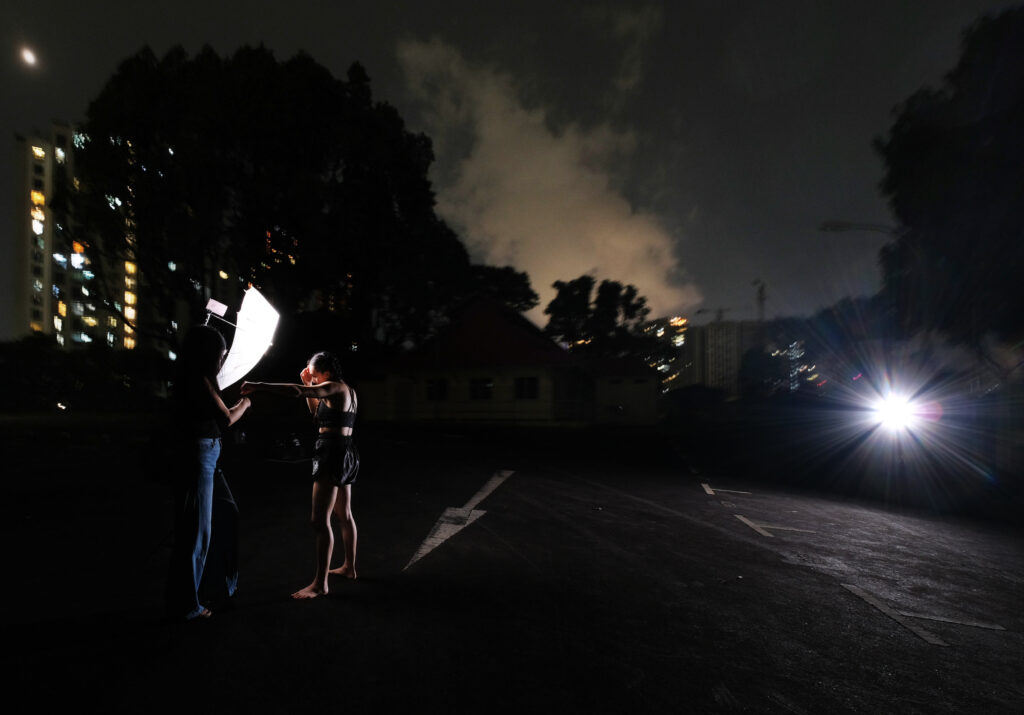
The introduction of the V100 has several implications for the professional photography industry. First, it further blurs the line between "speedlights" and "strobes." For many location photographers, the V100 may eliminate the need to carry separate pocket strobes, as the 100Ws output is sufficient for many outdoor fill-light scenarios.
Second, the move toward touchscreen interfaces indicates a shift in user expectations. As a new generation of photographers enters the market, the demand for intuitive, menu-driven controls is superseding the preference for tactile buttons and dials. This transition allows for more complex features to be hidden within menus, keeping the primary interface clean and accessible.
Third, the V100 reinforces the "closed-loop" ecosystem strategy. By making the V100 highly compatible with the X3 trigger and AK-R1 magnetic accessories, Godox creates a high switching cost for users, encouraging brand loyalty through hardware synergy.

Comparative Analysis: Value Proposition
When compared to its closest competitors, the Godox V100 is positioned as a premium offering. While budget-friendly flashes are available for under $100, they lack the power, recycling speed, and wireless sophistication of the V100. Conversely, high-end European brands like Profoto offer similar power and build quality but at a price point often three to four times higher than the Godox.

The V100’s primary competition remains internal. The Godox AD200 Pro offers twice the power (200Ws) for a similar price, but it cannot be mounted directly on a camera. The Godox V1 Pro is lighter and cheaper but lacks the 100Ws punch. For the photographer who requires a "do-it-all" light that is equally capable on a camera at a wedding or off-camera in a forest, the V100 occupies a unique niche.

Conclusion
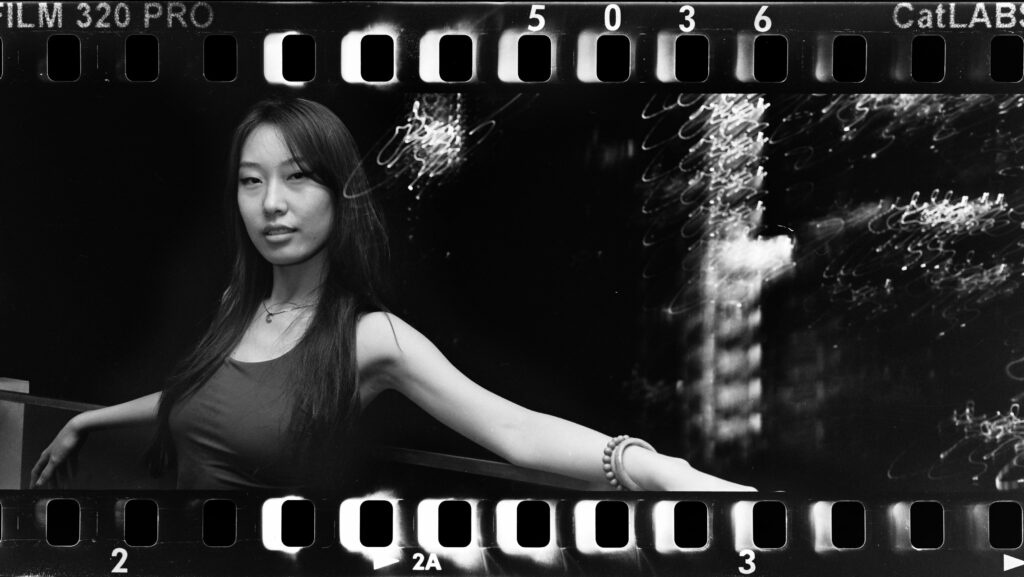
The Godox V100 stands as a testament to the rapid pace of innovation in the photographic lighting sector. By packing 100Ws of power, a touchscreen interface, and versatile battery options into a standard speedlight chassis, Godox has provided a tool that meets the diverse demands of modern digital and film photographers. While its weight and price point may be excessive for casual hobbyists, its reliability, power, and integration into a wider wireless ecosystem make it a significant asset for professionals seeking a high-performance, mobile lighting solution. As the industry continues to evolve, the V100 will likely be remembered as the point where the traditional speedlight finally achieved the power levels of the studio strobe.