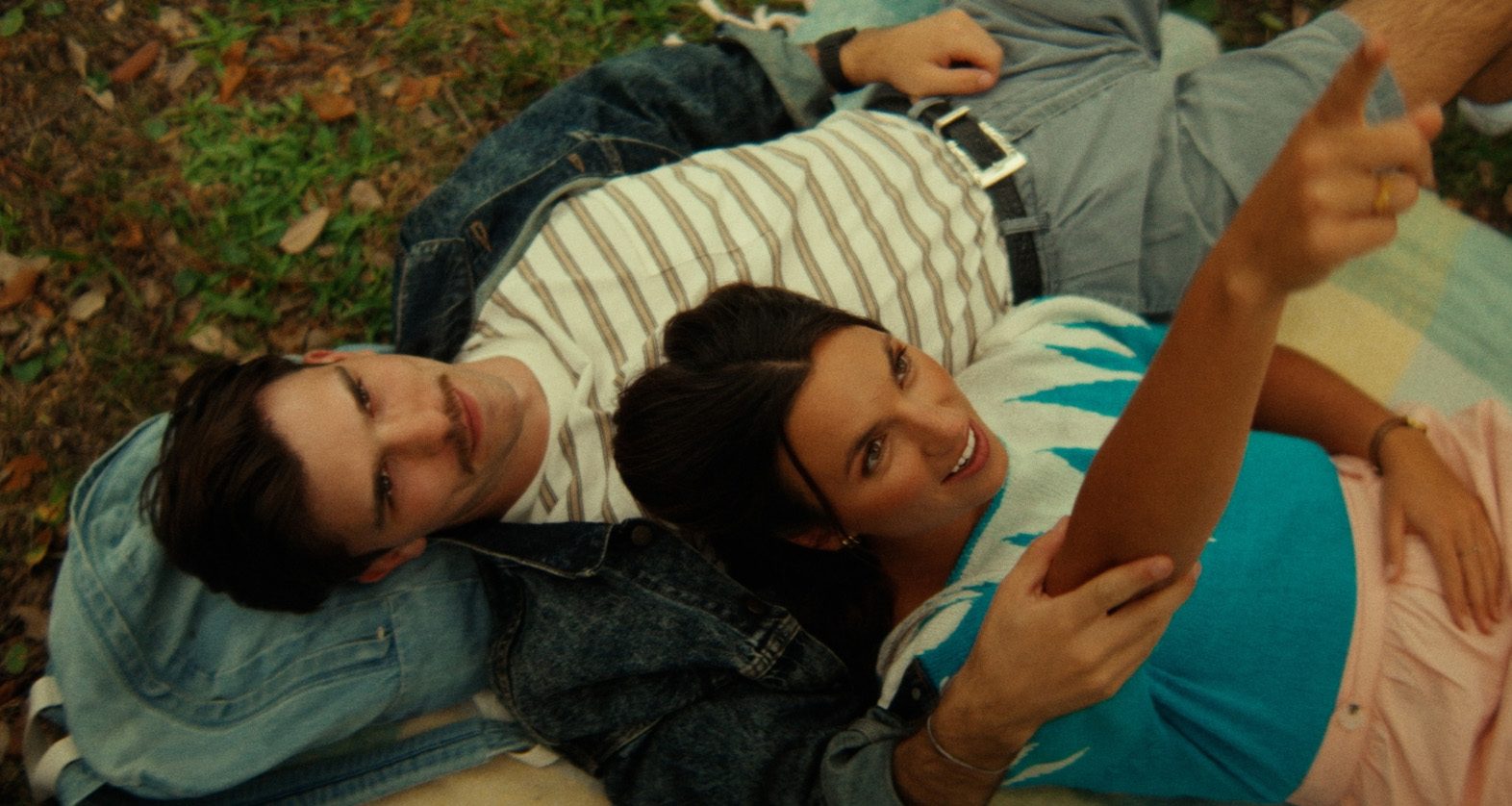
Denver-based commercial director Jill Coats has meticulously built a career around a philosophy that challenges the very nature of advertising: a great advertisement, in her view, should never actually feel like one. Over the past decade, she has transitioned from a budding videographer, armed with a childhood camcorder, to helming large-scale production crews for her company, One Forty Films. Her unique approach centers on what she aptly describes as "short films disguised as ads," deeply rooted in the universal themes of nostalgia, human connection, and raw emotion. This methodology deliberately bypasses traditional, overt brand messaging, instead focusing on creating compelling narratives that resonate deeply and genuinely with audiences.
The Evolving Landscape of Branded Content
In an era saturated with digital content and increasing consumer skepticism towards conventional advertising, Coats’s strategy represents a significant paradigm shift in the marketing industry. Modern consumers are increasingly adept at filtering out promotional noise, leading to a decline in the effectiveness of purely transactional advertising. Data from various marketing studies consistently shows that emotional advertisements outperform purely rational ones, with emotionally charged campaigns often leading to higher engagement rates and greater brand loyalty. For instance, a 2015 study published in the Journal of Advertising Research highlighted that emotional appeals in advertising lead to stronger memory encoding and greater intent to purchase. This context underscores the strategic brilliance of Coats’s commitment to creating evocative, film-like experiences rather than straightforward product pitches. Brands are no longer just selling products; they are selling feelings, experiences, and connections, and directors like Coats are at the forefront of translating these intangible qualities into powerful visual stories.
From Solo Visionary to Collaborative Leader
Coats’s professional trajectory from a self-reliant, "one-woman-band" videographer to a commercial director leading expansive production crews was marked by profound growth and adaptation. In her early career, operating independently, she maintained complete control over every facet of production, from conception to execution. The images, emotions, pacing, and overall aesthetic existed with vivid clarity in her mind, allowing for an instinctive, fluid translation onto film. This period, while fostering a strong personal vision and technical agility, also presented limitations in scale and complexity.
The transition to directing larger commercial projects demanded a fundamental shift in her approach, particularly in the realm of communication and collaboration. Coats identifies the most challenging aspect not as managing logistics, but as learning to "let go of the physical camera and communicate." When working solo, the vision is singular; with a team, it becomes a shared endeavor requiring meticulous articulation. "When you’re working alone, the images, emotions, pacing, and overall feel already exist so clearly in your head that you can simply execute them instinctively," she explains. "But when a team becomes involved, you have to translate something deeply internal into language that other people can fully understand and bring to life."
This necessity forced Coats to become incredibly intentional and precise during the pre-production phase. She developed a rigorous system of utilizing extensive reference images—including mood boards, photographic inspirations, and cinematic examples—to illustrate her vision. Crucially, she also cultivated a precise vocabulary, a shared lexicon, to articulate abstract concepts like tone, movement, texture, and emotional nuance to her cinematographers, production designers, and other department heads. This deliberate effort ensures that the entire crew is aligned with her internal world, transforming a subjective vision into an objective blueprint for production.
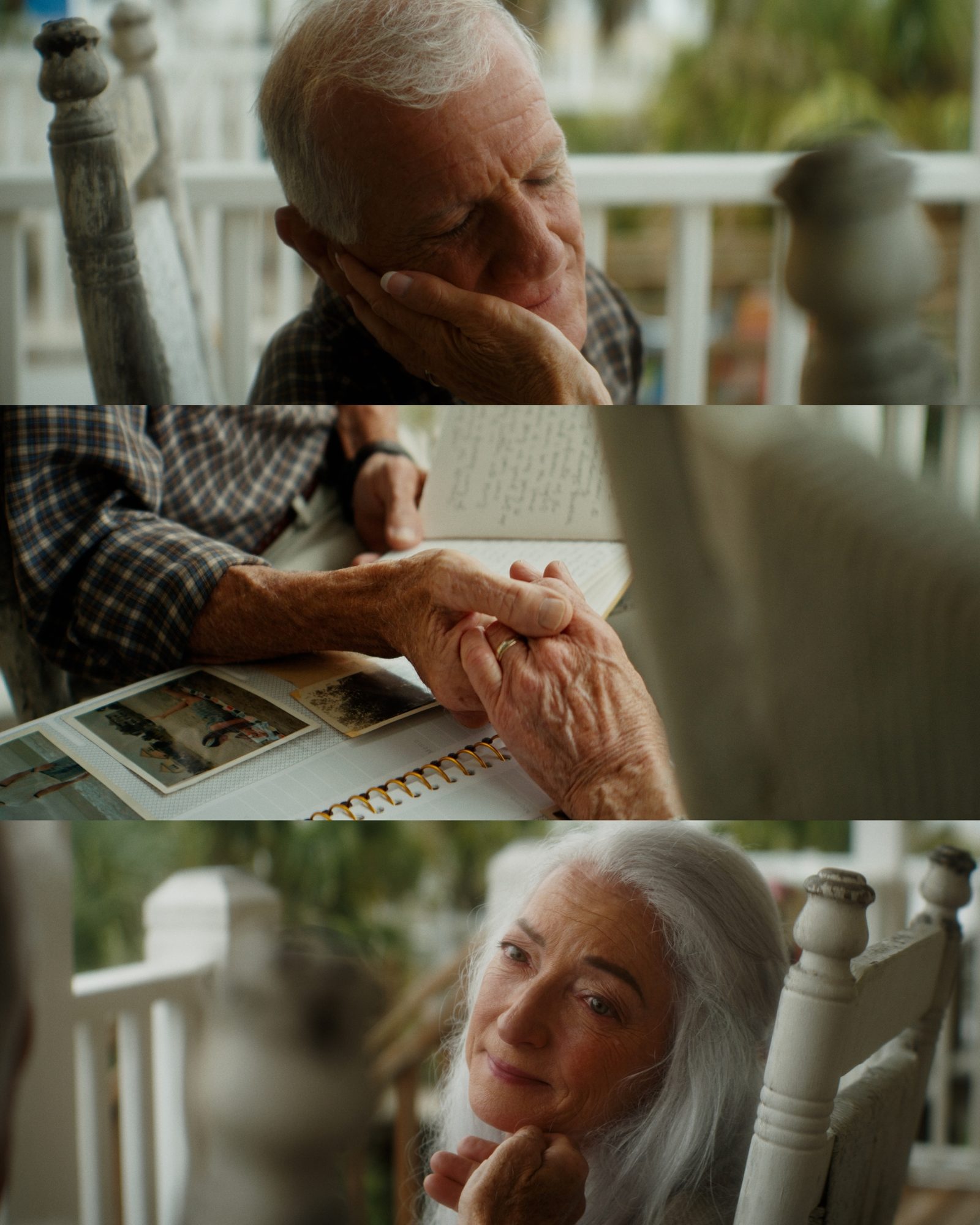
Furthermore, Coats embraced a philosophy of empowerment and trust, realizing that the ultimate secret to directing a massive crew lies in "hiring people who are better than her in their specific roles." This strategic delegation is not a relinquishing of control but an elevation of the overall project. "When I know the people around me are incredibly talented, it becomes much easier to let go of control and allow them to elevate the vision beyond what I could have achieved on my own," she states. This collaborative ethos fosters an environment where individual expertise is valued, contributing to a richer, more nuanced final product that often surpasses the director’s initial solo conception. This approach is increasingly recognized in creative industries, where interdisciplinary teams leveraging specialized skills often produce more innovative and effective outcomes than hierarchical, top-down models.
The Unseen Language of Lenses: Shaping Emotion Through Glass
Coats’s collaborative philosophy extends profoundly into the technical aspects of filmmaking, particularly in the selection of camera equipment. When she sits down with her Director of Photography, the technical setup is approached not as a constraint but as a blank canvas, meticulously tailored to the unique emotional needs of the story at hand. This intentionality contrasts sharply with common industry practices where available equipment often dictates creative choices.
"I’ve realized just how much glass can shape emotion, and every project calls for something different," Coats emphasizes. This statement highlights a fundamental principle of cinematography often overlooked by the casual viewer: lenses are not merely tools for capturing an image, but instruments for crafting its emotional language. Different lenses possess distinct characteristics—variations in sharpness, fall-off, bokeh (the aesthetic quality of the blur in out-of-focus areas), flare rendition, and color rendition. These subtle qualities can profoundly transform the emotional resonance of a film. For instance, vintage lenses might introduce softer edges and unique flares, evoking a sense of nostalgia or warmth, while modern, ultra-sharp lenses might convey precision, clarity, and a contemporary feel. The choice of lens, therefore, is as much an artistic decision as it is a technical one.
Case Study: "Remember How to Play" – A Masterclass in Emotional Cinematography
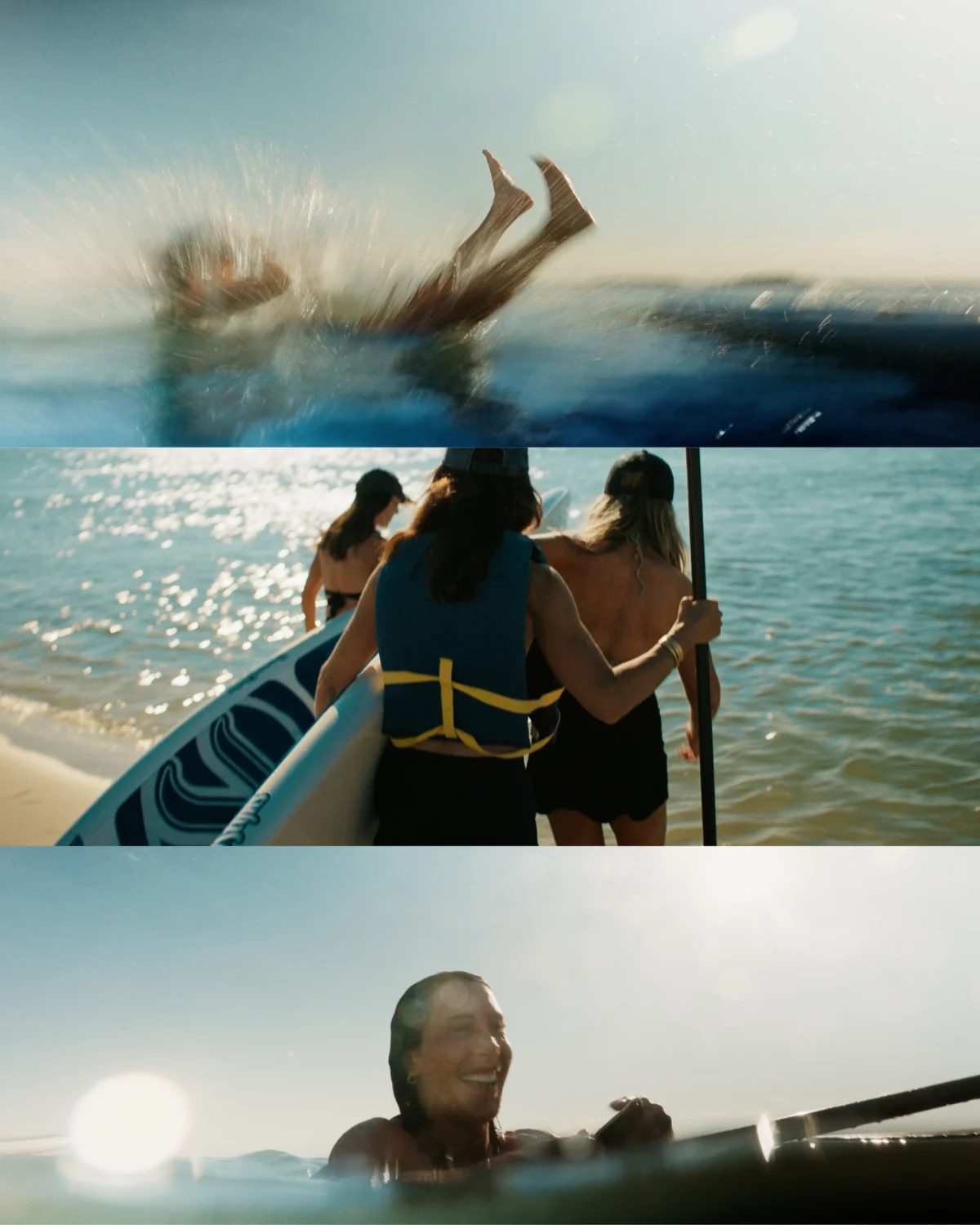
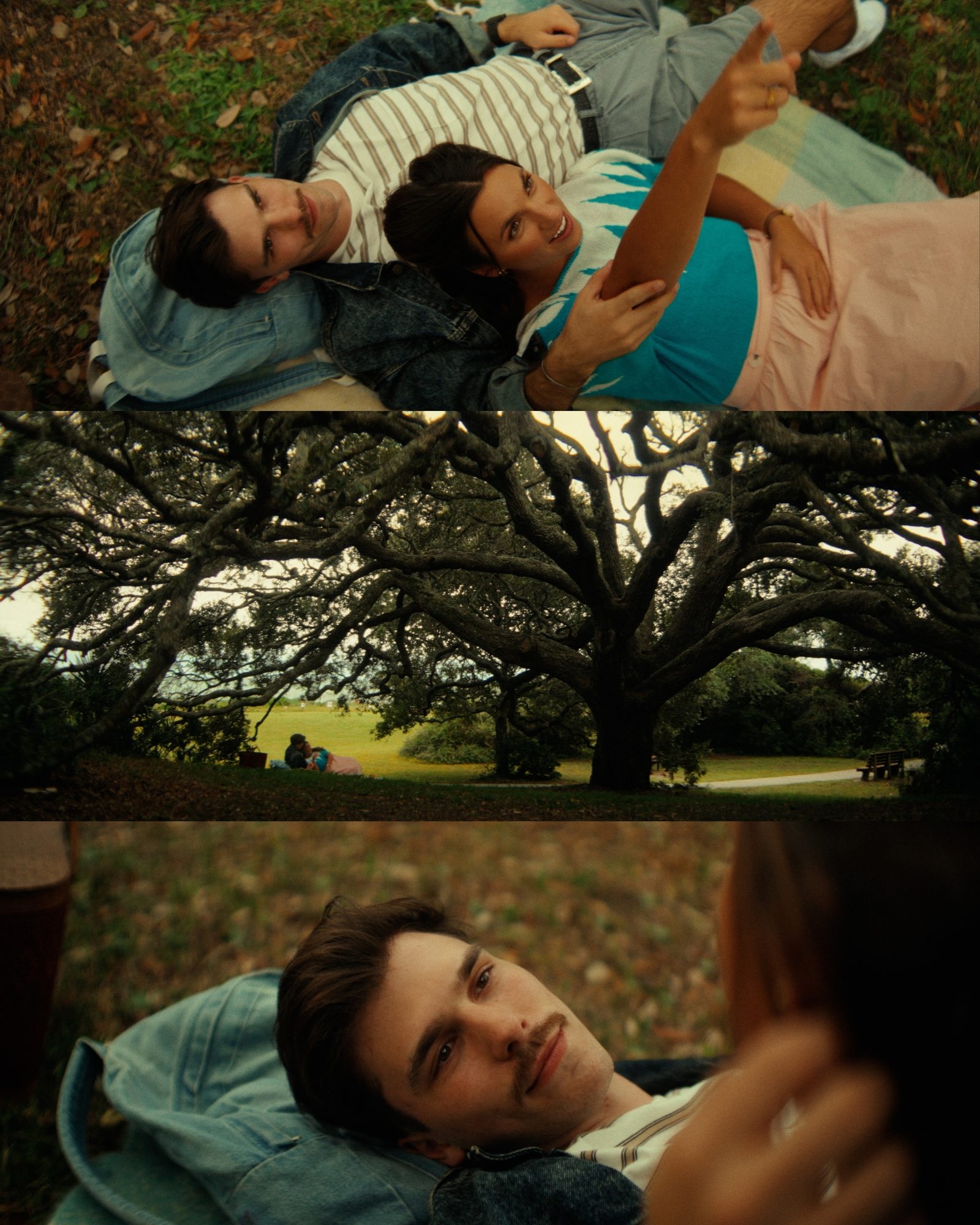
A prime example of Coats’s meticulous execution of this philosophy can be seen in "Remember How to Play," a branded film following a group of friends reconnecting with their childhood sense of freedom during a bicycle trip. From the outset, Coats knew precisely the visual language she wanted to evoke: not a clinically perfect or overly polished aesthetic, but one that felt warm, fleeting, and deeply nostalgic. The objective was to transport the audience back to a time of uninhibited joy and simple pleasures, aligning perfectly with the brand’s message of authentic connection and adventure.
To achieve this specific emotional texture, Coats, collaborating with her talented cinematographer, Josh Bernales, made a deliberate technical choice: they opted to rent a set of DZO Vespid lenses paired with Pearlescent and Black Pro-Mist filters. This combination was not arbitrary; it was a carefully considered strategy to imbue the visuals with the desired nostalgic quality.
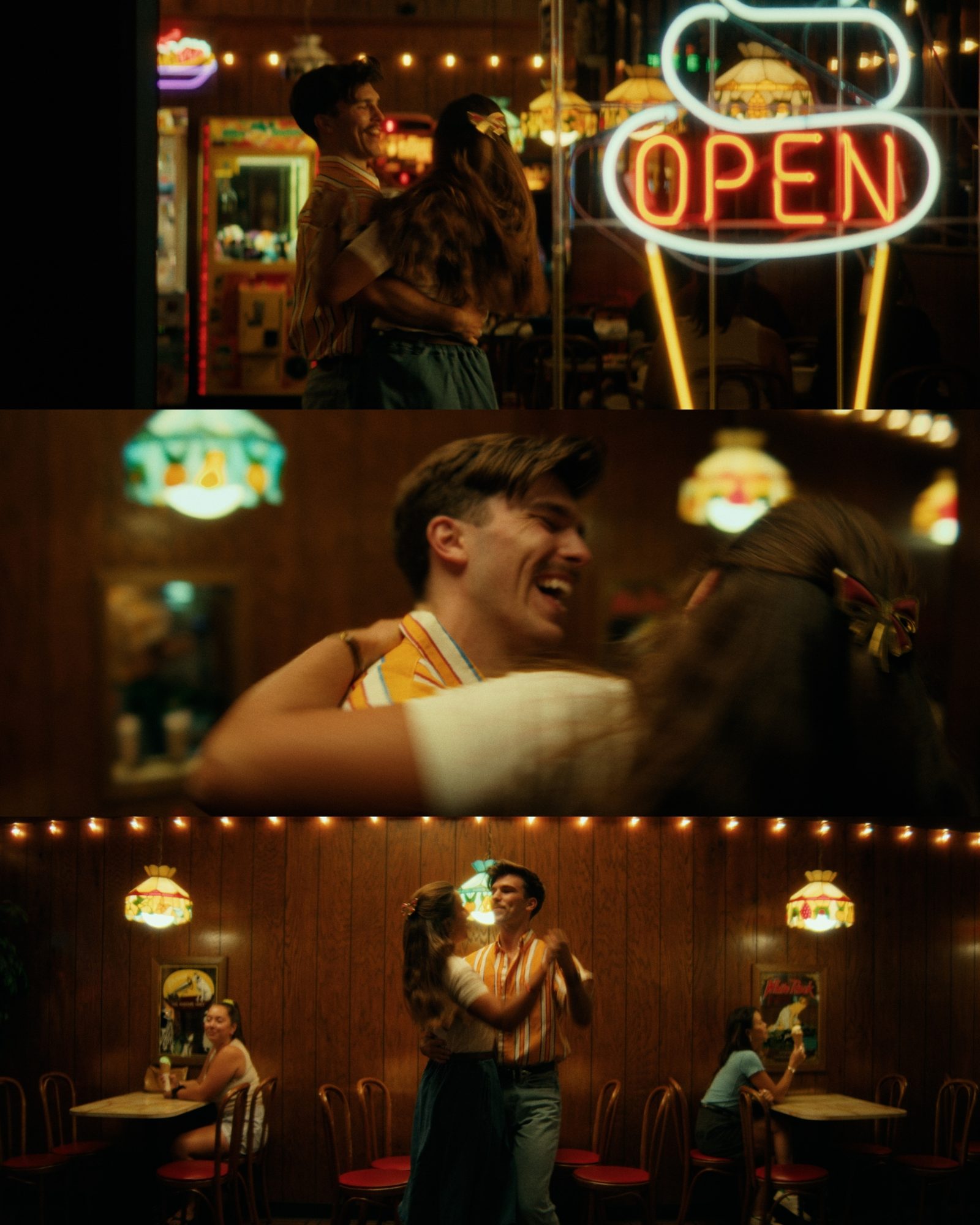
The DZO Vespid lenses are known for their distinct optical characteristics. Unlike some modern cinema lenses designed for extreme sharpness and clinical precision, the Vespids offer a slightly softer, more organic rendering. This inherent quality contributes to a less "digital" and more "filmic" look, which was crucial for "Remember How to Play." When combined with Pearlescent and Black Pro-Mist filters, the effect was further amplified. These filters work by subtly diffusing light, softening the image, and gently reducing contrast. Specifically, they cause highlights to "bloom"—creating a subtle glow around bright light sources, such as sunlight filtering through trees or practical lights within the scene. This blooming effect, coupled with a slight lifting of shadows, creates a dreamy, ethereal quality that visually communicates nostalgia and warmth.
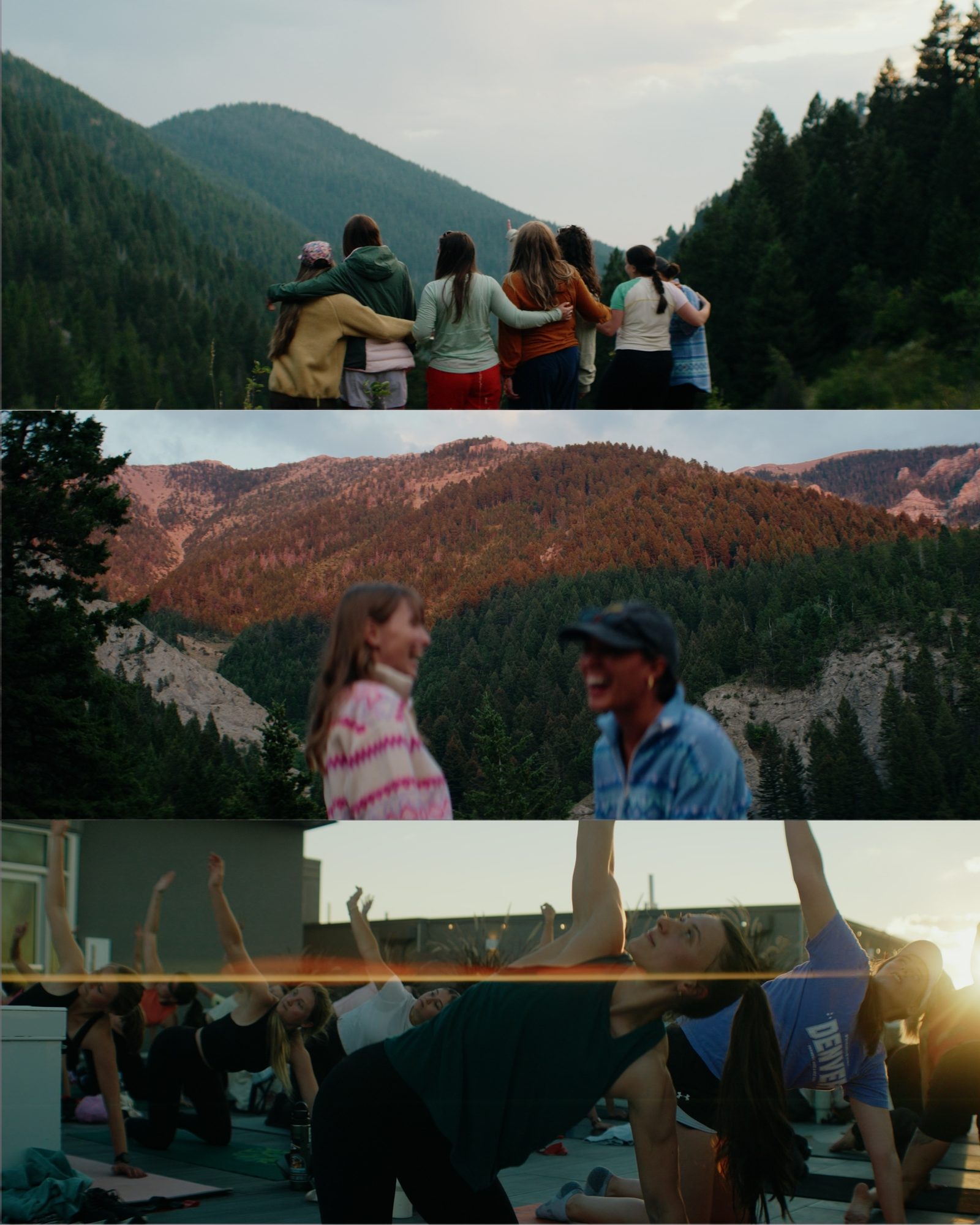
"The Vespids have a softer, more organic rendering compared to ultra-sharp modern commercial glass," Coats explains. "Pairing them with the filters softened the image even further by blooming highlights, gently lifting contrast, and creating this dreamy glow around sunlight and practical lights. Altogether, the image started to feel less digital and more nostalgic." This meticulous attention to detail in equipment selection allowed the visual storytelling to align seamlessly with the emotional narrative, transforming a simple bicycle trip into a poignant exploration of rediscovering joy. The success of this approach is measurable in audience engagement, with such emotionally resonant content typically generating higher shares, longer viewing times, and more positive brand associations.
Empowering Creative Freedom Through Strategic Partnerships
The ability to consistently pull off these highly customized visual languages without the prohibitive cost of purchasing expensive, niche equipment for every single shoot has been critical to Coats’s success and scalability. For the past five to six years, she has strategically relied on Lensrentals.com, a leading equipment rental provider, as an indispensable partner.
This symbiotic relationship with equipment rental services underscores a crucial shift in production economics and creative execution within the film and commercial industry. Owning a comprehensive inventory of high-end cinema lenses, specialized cameras, and support gear would require an astronomical capital investment, especially given the rapid pace of technological innovation and the diverse needs of different projects. By leveraging Lensrentals.com’s massive inventory, Coats ensures that she never has to compromise on her creative vision due to equipment limitations.
The benefits are manifold:
- Access to Diverse Gear: Whether a commercial demands the highly stylized, cinematic look provided by anamorphic primes (which compress a wider image onto a standard sensor, then de-squeeze it in post-production to create distinctive oval bokeh and horizontal flares) or a fast-moving documentary requires the lightweight versatility of a high-quality zoom lens, Lensrentals.com provides the exact tools needed. This breadth of choice allows for unparalleled creative flexibility.
- Cost-Effectiveness: Renting equipment on a project-by-project basis is significantly more cost-effective than purchasing, particularly for specialized or rarely used items. This financial agility allows One Forty Films to allocate resources more efficiently, investing more in other critical production areas such as talent, locations, and post-production.
- Technological Agility: The film industry is characterized by continuous technological advancements. Rental companies constantly update their inventory with the latest and most advanced equipment, ensuring that directors like Coats always have access to cutting-edge tools without the burden of depreciation or obsolescence.
- Reduced Overhead: Eliminating the need for storage, maintenance, insurance, and calibration of a large equipment inventory frees up significant operational resources.
"Lensrentals has allowed me to say ‘yes’ to bigger, more specific creative ideas without being limited by the gear I personally own," Coats affirms. "I’m not approaching every project with the same visual language, I’m building a look that’s intentional to the story, the brand, and the feeling we want the audience to walk away with." This strategic partnership exemplifies how modern creative professionals can achieve ambitious artistic goals through smart resource management and collaborative ecosystem partnerships.
Broader Impact and the Future of Storytelling
Ultimately, this profound creative freedom—enabled by a clear artistic vision, effective team collaboration, and strategic access to tailored equipment—is what transforms a standard marketing campaign into an unforgettable piece of filmmaking. By viewing gear not as a permanent constraint but as a flexible extension of the narrative, Jill Coats ensures that her work remains deeply authentic and precisely tailored to the unique pulse of every brand she partners with. It is an approach that transcends passive viewership, inviting audiences to become emotionally connected participants in the story. This shift from transactional advertising to immersive narrative experiences is not merely a trend but a fundamental redefinition of brand communication.
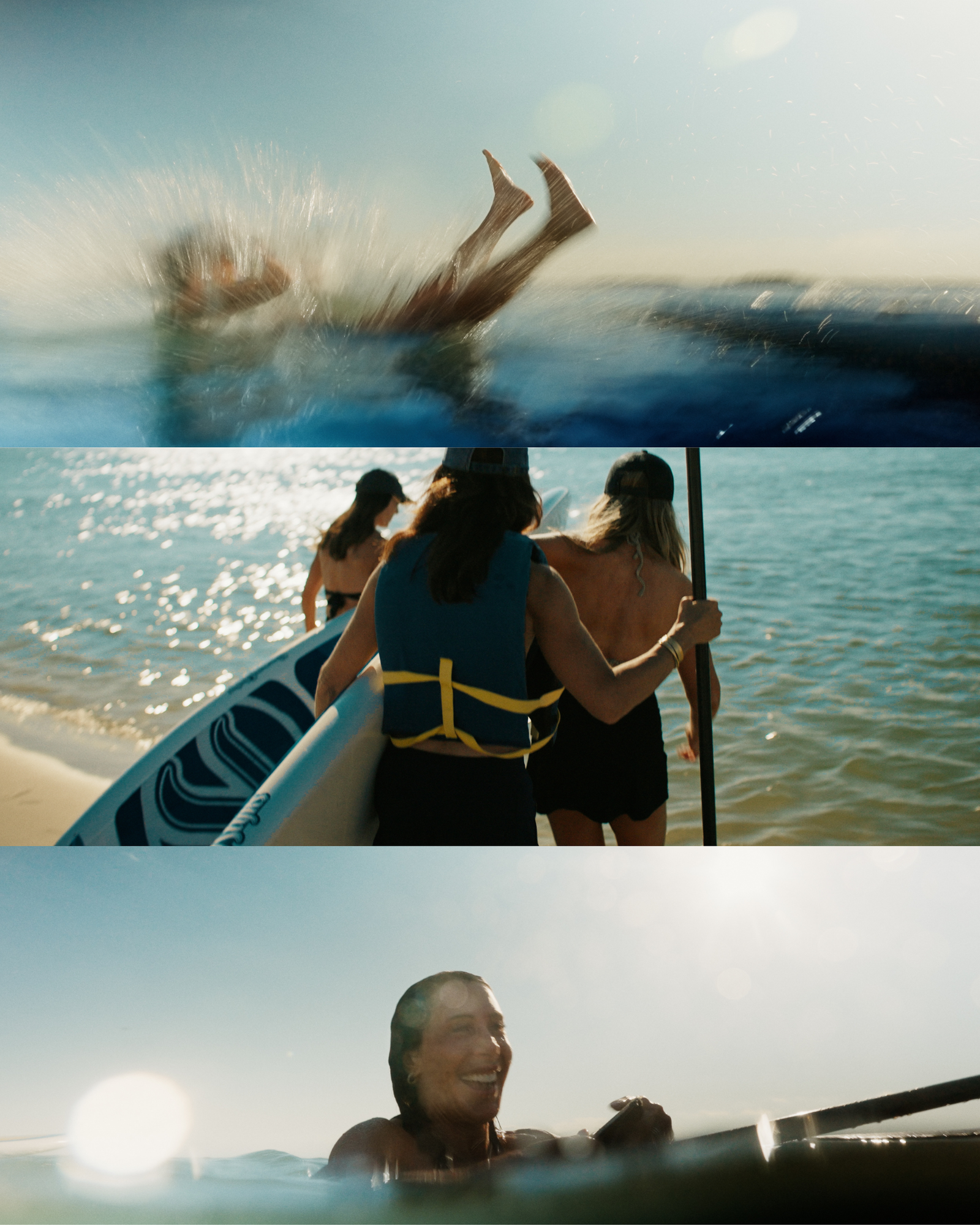
As One Forty Films continues to scale and undertake even larger commercial canvases, the intrinsic childhood enthusiasm that first sparked Coats’s passion with a tape-based camcorder remains entirely intact. Her work stands as a testament to the power of intentional storytelling in a crowded media landscape. Armed with an elite crew, a deeply collaborative spirit, and the exact right "glass" for every job, Jill Coats is exceptionally well-positioned to continue pushing the boundaries of what brand storytelling can be. For this visionary Denver director, the core mission remains beautifully simple: to create fewer ads and more films, crafting stories that linger with audiences long after the screen goes dark, forging genuine connections in an increasingly disconnected world. Her contributions exemplify how the art of filmmaking can elevate commercial endeavors into cultural touchstones.
We extend our sincere gratitude to Jill Coats for sharing her compelling journey and insights, and for her enduring partnership as a valued customer for several years. Her work continues to inspire and redefine excellence in commercial filmmaking.