
Bringing a large-format camera system to the high-octane environment of a MotoGP weekend is, by conventional wisdom, a highly unconventional choice. The Fujifilm GFX system, renowned for its unparalleled image fidelity and medium-format sensor, has historically been optimized for meticulous, high-resolution capture rather than the rapid-fire demands of professional sports photography. Yet, a recent field assessment at the Circuit of the Americas (COTA) during a MotoGP event challenged these preconceptions, demonstrating the Fujifilm GFX100S II’s surprising, albeit specialized, capability to adapt to one of motorsport’s most demanding visual spectacles. This exploration sought to evaluate whether a camera built for maximum image fidelity could effectively navigate a landscape traditionally dominated by systems prioritizing maximum frames per second and lightning-fast autofocus. The findings underscore a fascinating tension between resolution and speed, revealing a niche where precision and artistic intent can intersect even in the most dynamic environments.
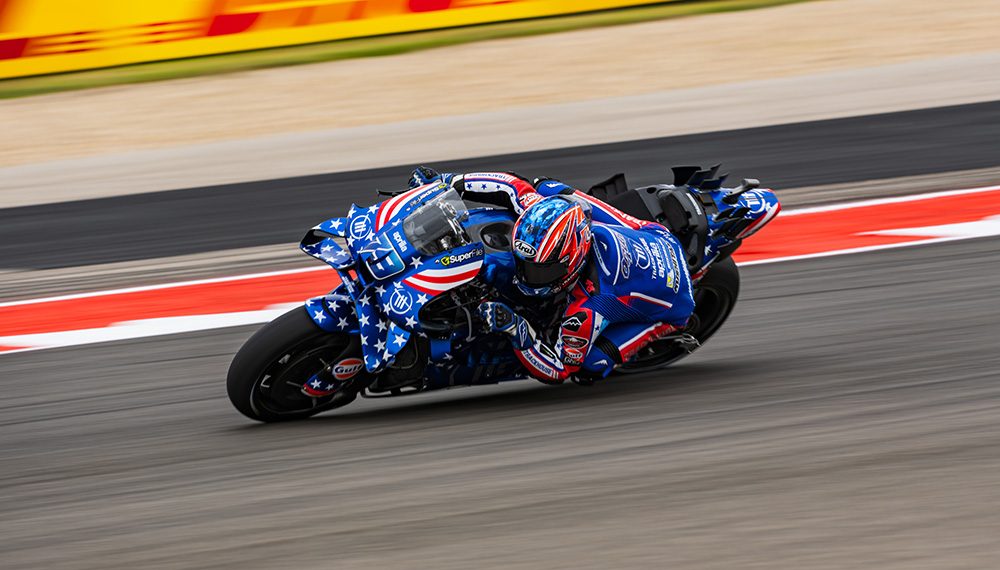
The Apex of Speed and Precision: Understanding MotoGP and COTA
MotoGP represents the pinnacle of two-wheeled motorsport, a global championship where elite riders push purpose-built machines to their absolute limits, often exceeding speeds of 200 mph (320 km/h). The visual drama of riders leaning into turns at extreme angles, the blur of speed, and the intense focus of competition present formidable challenges for photographers. Capturing these fleeting moments requires equipment capable of exceptional speed, accuracy, and robust performance under varying track conditions.
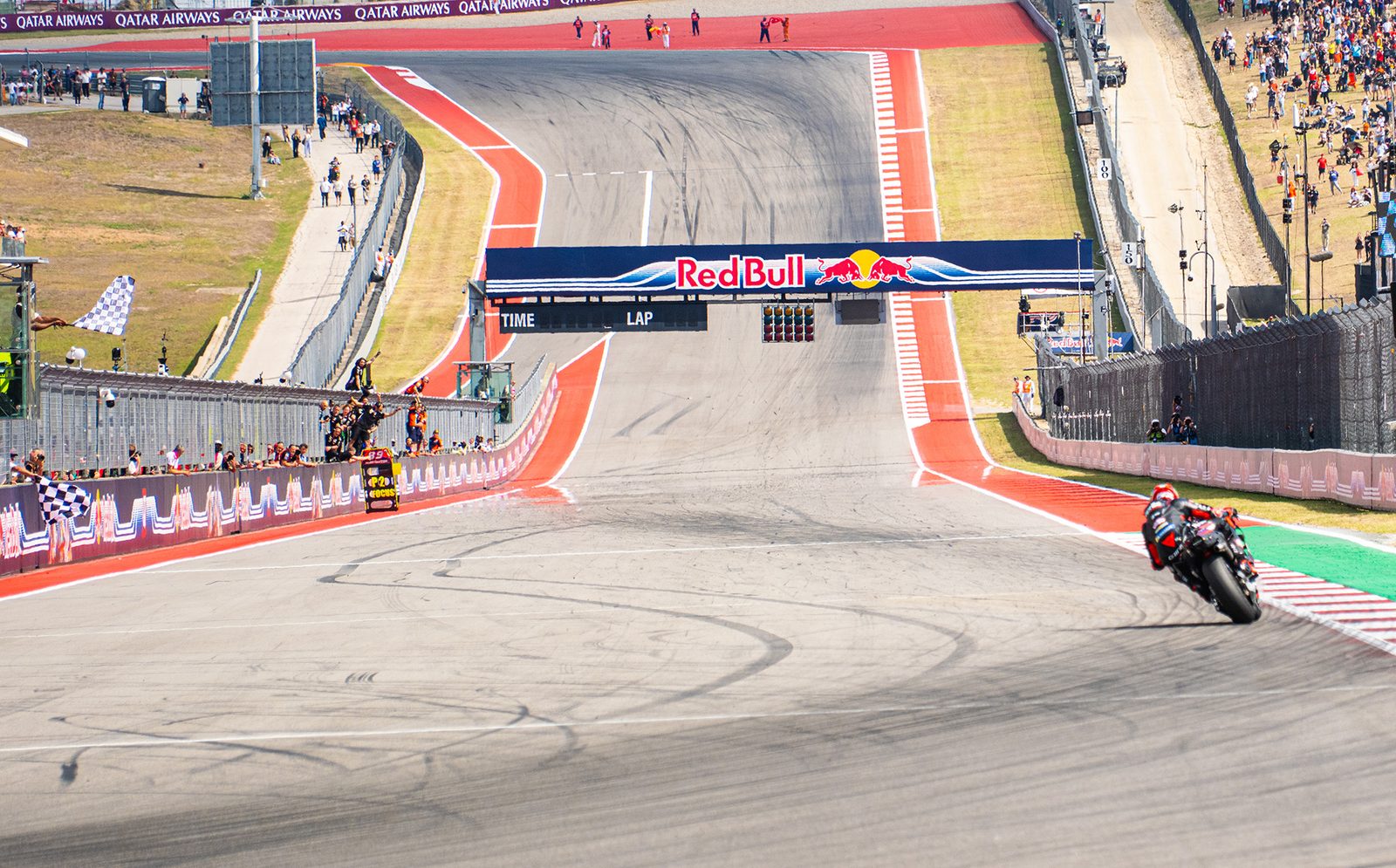
The Circuit of the Americas (COTA) in Austin, Texas, is a particularly demanding venue. Known for its dramatic elevation changes, including a formidable 133-foot (41-meter) climb to Turn 1, followed by a series of high-speed esses and tight hairpins, COTA offers a diverse array of photographic opportunities but also tests the limits of any camera system. Photographers must contend with rapid subject movement, varying light conditions as bikes traverse different sections of the track, and the need to react instantaneously to unpredictable race dynamics. The intimate knowledge of COTA, from every corner and marshal post to optimal shooting angles, possessed by the seasoned professional undertaking this assessment, proved invaluable. This "home-court advantage" allowed for a more deliberate and considered approach to photography, especially critical when working with a camera system not inherently designed for rapid-fire action.
The Contenders: Fujifilm GFX100S II vs. X-H2S
The core of this evaluation involved a direct comparison between two distinct Fujifilm camera systems: the Fujifilm GFX100S II, representing the medium-format segment, and the Fujifilm X-H2S, a flagship APS-C camera designed explicitly for speed.
The Fujifilm GFX100S II is built around a massive 102-megapixel, 43.8×32.9mm large-format sensor. This sensor is significantly larger than a full-frame 35mm sensor, offering superior light-gathering capabilities and pixel density. Driven by the powerful X-Processor 5, it promises maximum image fidelity, delivering 14-bit or 16-bit RAW files with exceptional tonal depth and dynamic range. Its mechanical shutter offers a maximum burst rate of 7 frames per second (fps). The camera also boasts 5-axis in-body image stabilization (IBIS) rated at an impressive 8.0 stops, making it Fujifilm’s most powerful IBIS system in a GFX body to date. While Fujifilm states the GFX system can perform in high-speed environments, its primary design ethos leans towards studio, landscape, portraiture, and editorial work where resolution and image quality are paramount.
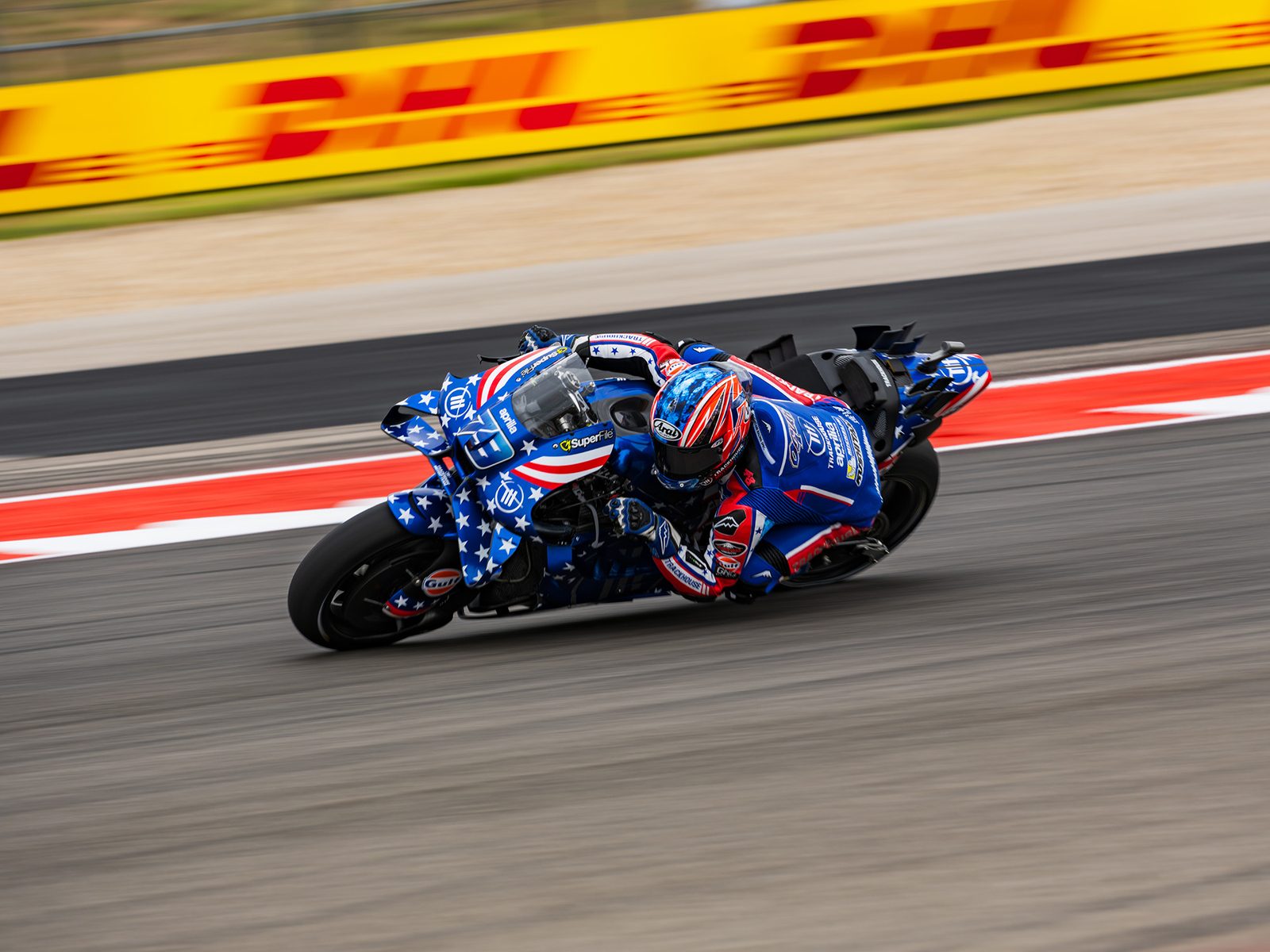
In contrast, the Fujifilm X-H2S is a dedicated speed demon. It features a 26.1-megapixel APS-C stacked BSI CMOS sensor paired with the same X-Processor 5. This combination allows for blistering continuous shooting speeds: up to 40 fps with the electronic shutter and 15 fps with the mechanical shutter. Crucially for motorsport, its subject-detection autofocus, powered by deep-learning AI, is engineered to tenaciously lock onto and track fast-moving subjects like motorcycles and riders. The X-H2S served as the essential benchmark against which the GFX100S II’s performance in a high-speed environment was measured, representing the industry standard for action photography within the Fujifilm ecosystem.
The Experiment Unfolds: Setup and Methodology
The field test spanned the entire MotoGP weekend, from practice sessions to qualifying and the main race. The photographer’s intimate familiarity with COTA provided an unparalleled advantage, enabling the strategic positioning required for deliberate, considered shots that a camera like the GFX100S II demands.

A significant advantage for photographers already invested in the Fujifilm ecosystem is the shared menu logic and ergonomic philosophy across its various camera lines. This allowed for a relatively straightforward setup of the GFX100S II to mirror the photographer’s established X-H2S workflow. Custom settings (C1-C5) were configured on the GFX100S II’s mode dial, accommodating six custom positions. Specifically, C1 and C2 were set for shutter priority, allowing for rapid switching between sharp freeze-frame shots and motion pans, often facilitated by a custom function (FN) button mapped for instant recall. C3 was designated for aperture priority, ideal for the more static environments of the paddock and grid. While the GFX100S II possesses video capabilities, this assignment focused exclusively on still photography. A minor ergonomic difference noted was the FN button layout on the GFX100S II, with two on top, contrasting with the X-H2S’s additional body-side button typically mapped for subject-detection AF.
For optics, the assessment committed to a single lens for the GFX100S II: the Fujifilm GF 100-200mm F5.6 R LM OIS WR. Given the GFX system’s 0.79x crop factor relative to a 35mm full-frame equivalent, this lens provided an effective field of view of approximately 79-158mm. This range proved remarkably versatile, handling everything from distant track action on the main straight to closer, environmental shots in the paddock. The choice of this lens also allowed for a direct comparison with the photographer’s usual Fujifilm XF 50-140mm F2.8 on the X-H2S, ensuring a consistent approach to focal length and perspective.
On-Track Performance: Autofocus and Speed Under Scrutiny
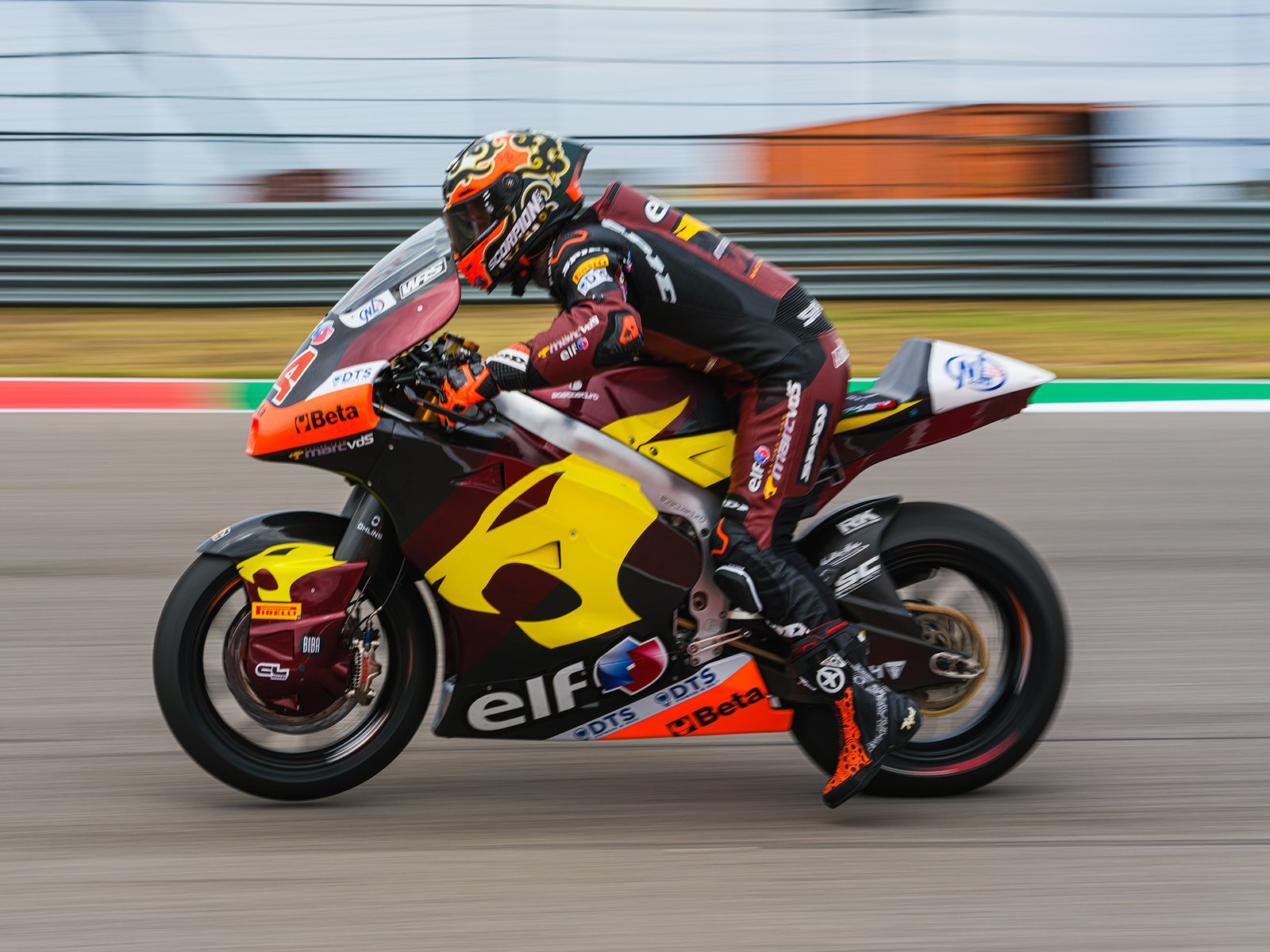
The most critical area of concern for the GFX100S II in a MotoGP setting was its autofocus (AF) performance under high-speed race conditions. The camera has received a significantly improved AF algorithm over its predecessors, now incorporating subject detection officially supporting motorcycles and bikes via deep-learning AI. In practice, its performance surpassed initial expectations. The system demonstrated reasonable reliability in tracking riders through challenging corners and across complex, changing backgrounds.
However, a direct comparison with the X-H2S revealed clear distinctions. Despite identical AF-C settings, the GFX100S II’s autofocus was not as "sticky" as that of the X-H2S. Hit rates in the most demanding sequences—such as high-speed braking zones where bikes decelerate rapidly, or when riders entered the frame from the periphery at high velocity—were noticeably lower. While both cameras share the X-Processor 5 engine, the GFX100S II exhibited a subtle but perceptible delay in response time and subject retention. This gap, while not disqualifyingly slow, is a real operational constraint in an environment where milliseconds dictate the difference between a sharp capture and a missed moment.
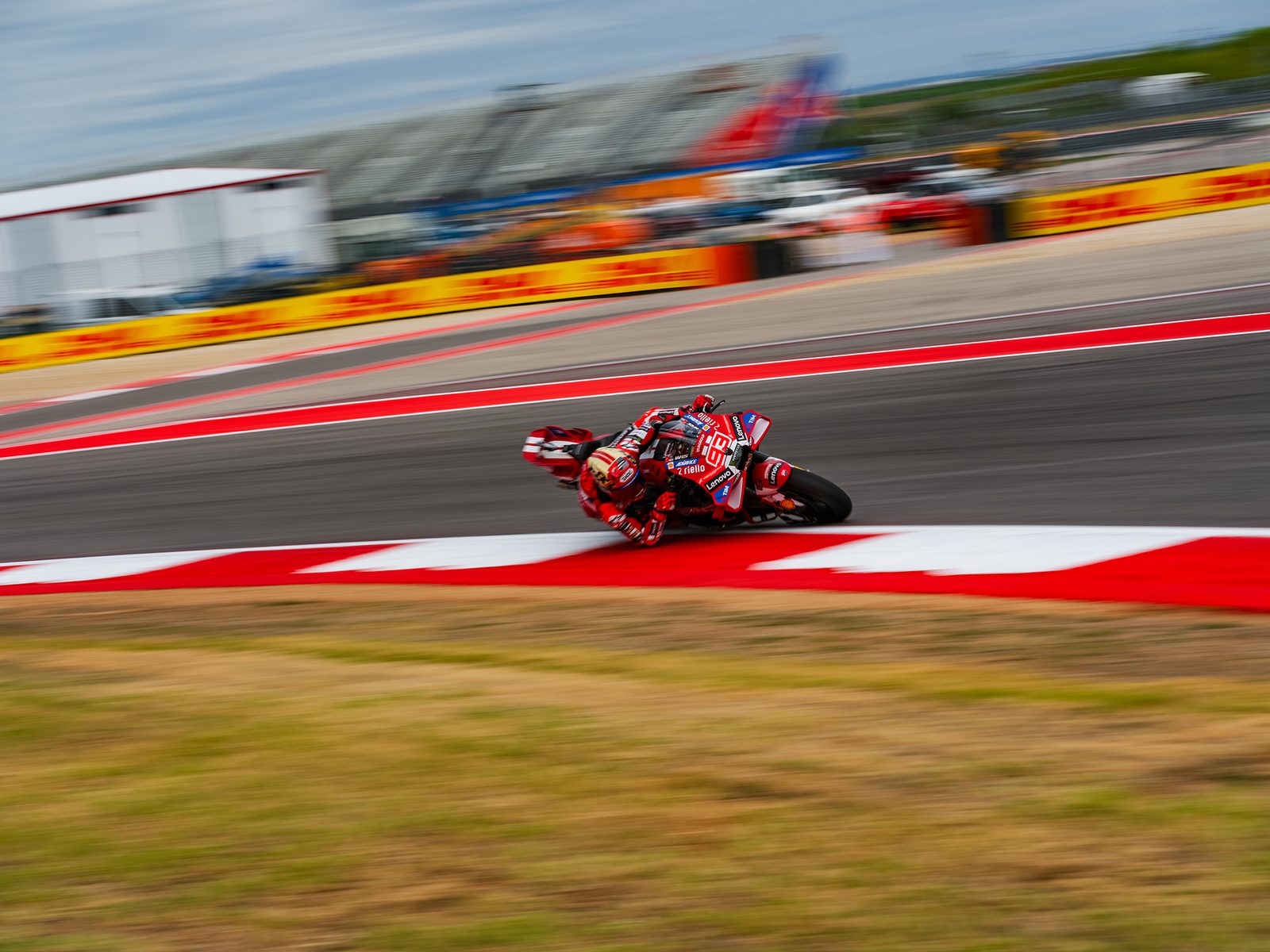
Another fundamental limitation emerged in continuous shooting: the buffer wall. At its maximum mechanical shutter speed of 7 fps, the GFX100S II produces enormous RAW files—14-bit or 16-bit from its 102-megapixel sensor. Even when utilizing fast UHS-II media, the buffer fills rapidly. Shooting lossless-compressed RAW, the camera could sustain approximately 19 frames before a noticeable slowdown. Opting for uncompressed RAW further reduced this to around 16 frames. While compressed RAW offered a more generous buffer of roughly 30 frames, this still translates to under five seconds of sustained burst shooting before the camera requires a significant pause to write data to the card. This constraint fundamentally alters the photographer’s approach. The common "spray and pray" technique employed with high-FPS sports cameras is simply not viable. Instead, the GFX100S II demands a disciplined, anticipatory shooting style, requiring the photographer to meticulously read the race, predict peak action moments, and commit to single, well-timed bursts. This level of precision, while a valuable discipline, represents a real operational challenge in an environment where a rider’s perfect apex moment can last a mere fraction of a second.
The Unrivaled Edge: Image Quality and Detail
Despite its operational limitations in high-speed scenarios, the Fujifilm GFX100S II truly distinguishes itself through its unparalleled image quality. The 102-megapixel sensor, featuring redesigned microlenses, produces files with a remarkable depth of tone, tridimensionality in color gradation, and a resolving power unmatched by other systems. The sheer physical size of the sensor, measuring 55mm diagonally, contributes to a tonal richness and nuanced rendering that smaller formats, including full-frame and APS-C, simply cannot replicate.
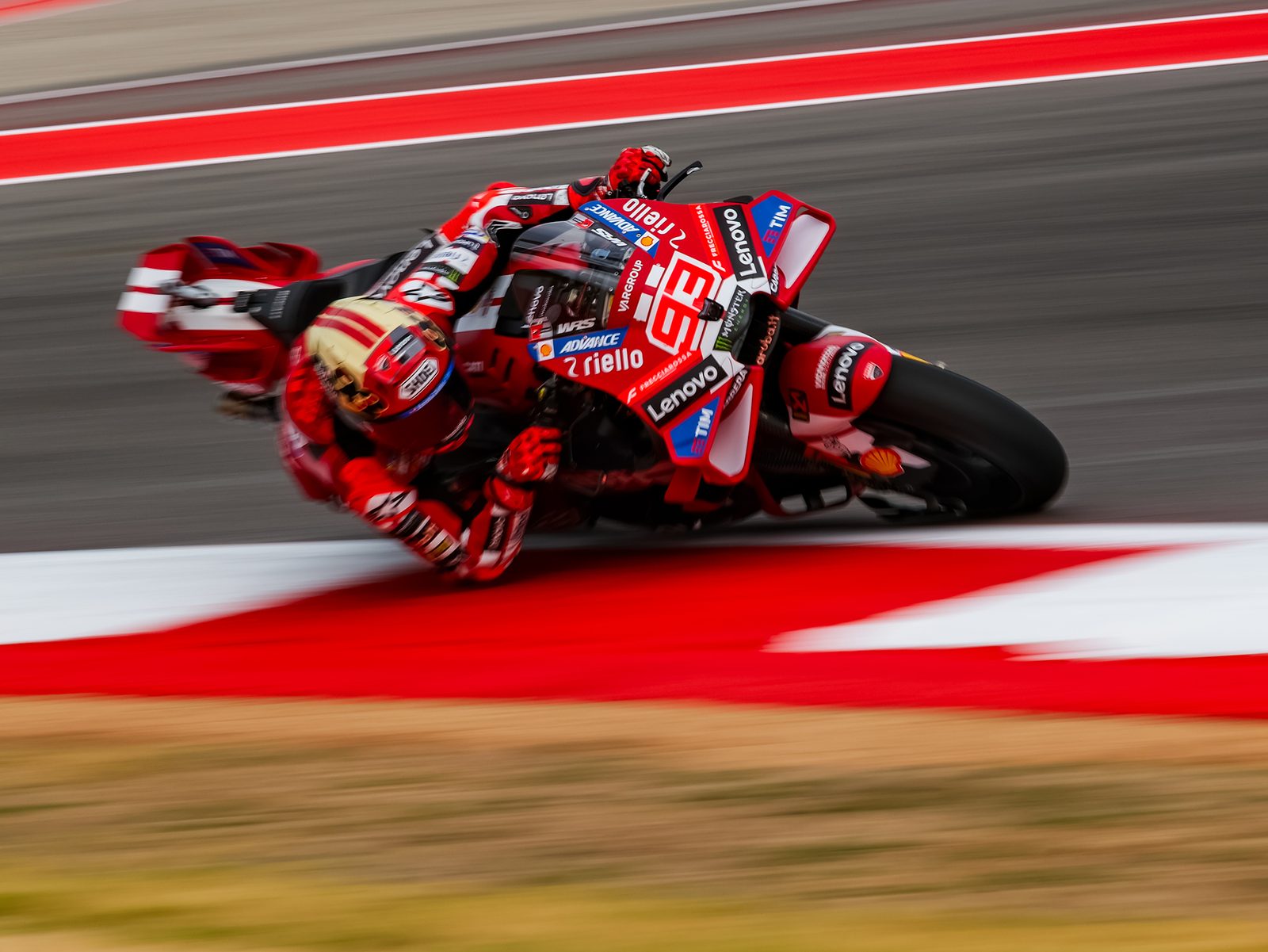
A particularly striking observation was the camera’s ability to reveal detail that was not immediately apparent on its rear LCD screen. A quick review might suggest a "fine" image, but importing the file into professional editing software and viewing it on a high-resolution display, such as a 27-inch Studio Display, transforms the perception. Suddenly, textures in rider leathers, the subtle shimmer of heat emanating from exhaust pipes, and individual spectators in backgrounds previously assumed to be undifferentiated mush emerge with startling clarity. This "unfolding" of detail in post-production is a testament to the sensor’s immense resolving power. Furthermore, the GFX100S II supports ISO 80 as its standard minimum sensitivity, enabling the capture of 16-bit images with an exceptionally wide dynamic range, even in the high-contrast lighting conditions typical of a bright circuit. This allows for significant recovery of highlight and shadow detail during editing, a crucial advantage in challenging outdoor environments. The camera’s powerful 5-axis IBIS, rated at 8.0 stops, also contributed significantly to sharp handheld captures, particularly when using the longer end of the GF100-200mm lens in scenarios where static support was not feasible.
Beyond the Track: Paddock and Grid Excellence
While trackside action demanded a strategic and disciplined approach with the GFX100S II, its true capabilities shone brightly away from the main racing spectacle. In the comparatively calmer environments of the paddock, on the starting grid, and during post-race podium celebrations, the Fujifilm GFX100S II was an absolute revelation. Here, the absence of extreme speed allowed the photographer to frame shots deliberately, trusting the enhanced autofocus system on static and slow-moving subjects.
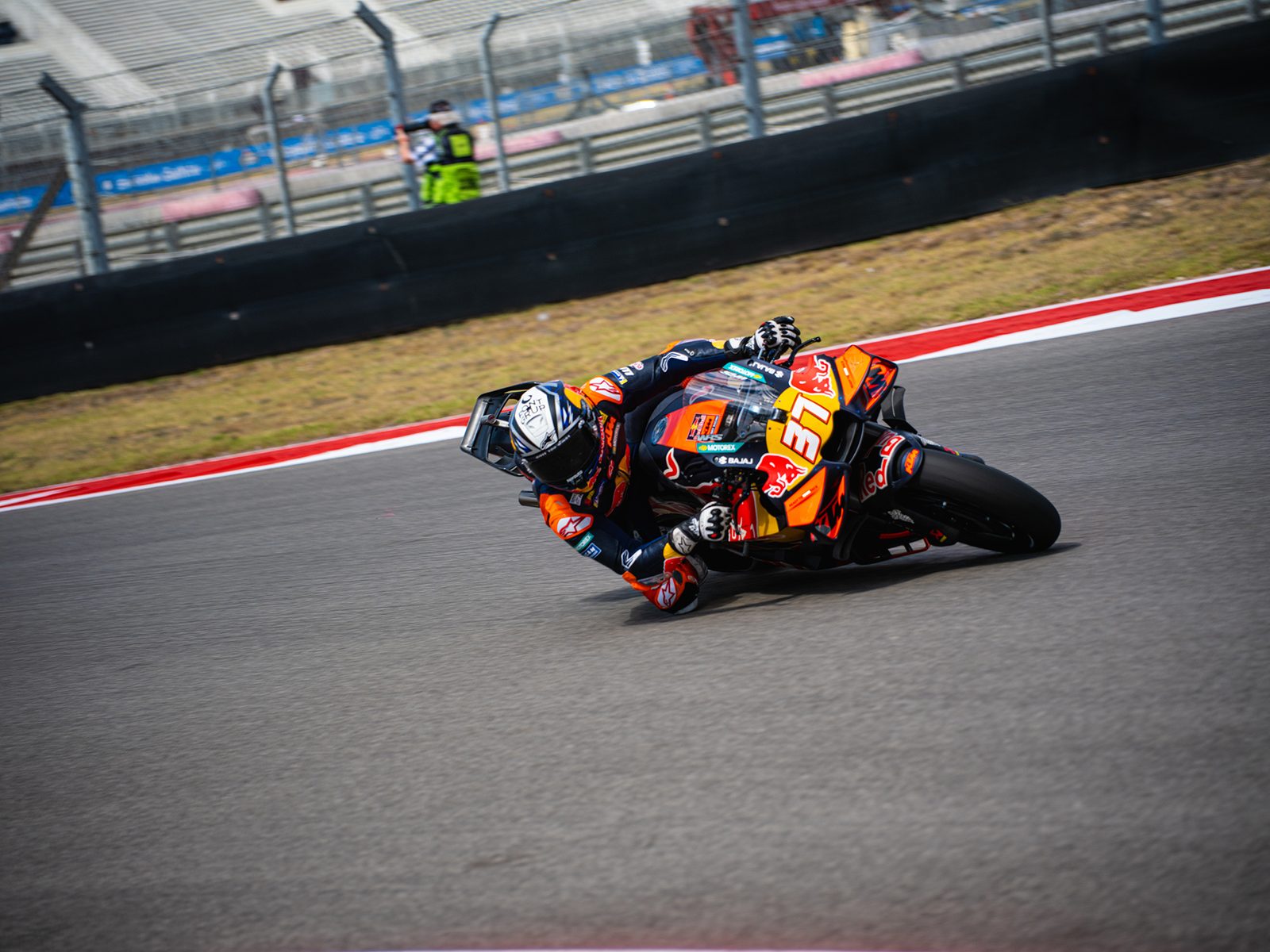
The immense 102-megapixel resolution translated into unprecedented post-production flexibility. The ability to crop dramatically without sacrificing critical resolution or detail is genuinely freeing for editorial and journalistic purposes. Imagine capturing a wider scene on the grid, then extracting a tight portrait of a rider’s eyes above their visor, knowing the resulting image will still possess ample resolution for large prints or detailed digital presentation. This kind of creative latitude, coupled with the superior tonal rendition of the medium-format sensor, makes the GFX100S II an ideal tool for capturing the atmosphere, the human element, and the intricate details that comprise the narrative of a MotoGP weekend outside of the blur of the race itself. Its ability to render subtle nuances in light and shadow, combined with the sheer amount of recoverable detail, makes it invaluable for capturing editorial-style content where image quality is paramount.
Industry Implications and Expert Takeaways
This rigorous field test at MotoGP COTA offers valuable insights into the evolving capabilities of medium-format camera systems and their potential integration into traditionally speed-focused photographic domains. The Fujifilm GFX100S II, at 883g with battery and card, represents Fujifilm’s lightest 102-megapixel body, making it a surprisingly portable medium-format option. This portability, combined with its advanced features, signals a concerted effort by manufacturers to bridge the historical gap between resolution and speed.
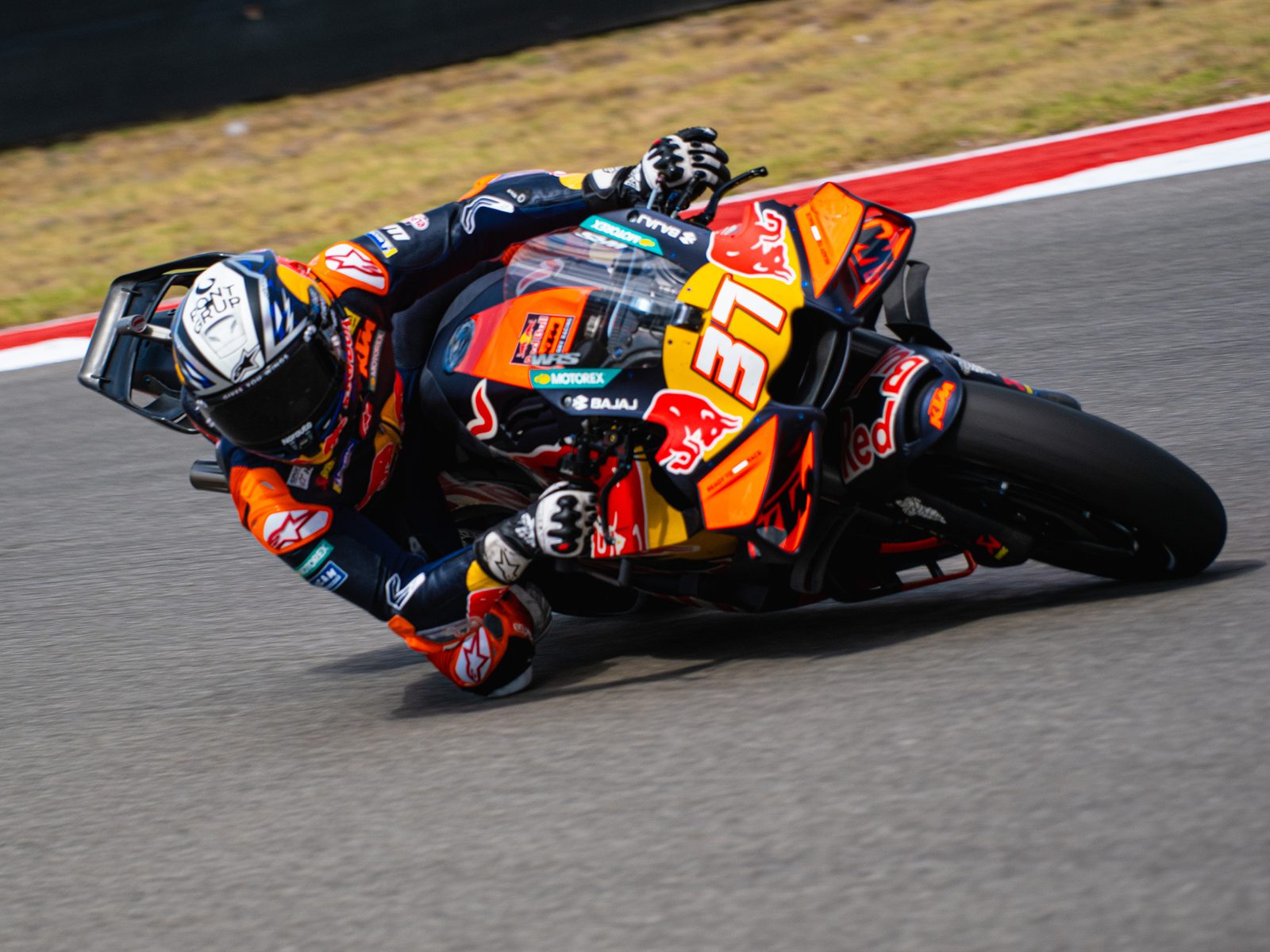
While the assessment definitively concludes that the GFX100S II is not a direct replacement for dedicated high-speed sports cameras like the X-H2S, it carves out a compelling niche for itself. It stands as a "secret weapon" for moments where ultimate image quality and meticulous detail supersede the demand for rapid-fire bursts. This includes the intimate moments of the grid walk, the celebratory scenes on the podium, or the carefully composed shots in a quiet corner of the paddock. For landscape, portraiture, studio, fashion, and editorial work, its capabilities are undeniable. Its surprising performance in a motorsport context indicates that medium format is becoming more versatile, capable of adapting to a broader range of photographic challenges than previously imagined.
For professional photographers, this assessment suggests a nuanced approach to gear selection. Rather than an "either/or" proposition, the GFX100S II emerges as a powerful complementary tool. It offers a unique capability to capture specific, high-impact shots with an aesthetic quality that is simply unattainable with smaller sensor formats. The experiment highlights the ongoing advancements in autofocus and processing power that are making medium-format systems increasingly agile. However, the fundamental physics of managing large data files and the inherent design trade-offs between resolution and speed mean that for the critical, high-velocity moments of a race, a dedicated sports camera will remain the preferred choice.

Conclusion: A Specialized Tool for Specialized Moments
The Fujifilm GFX100S II is undeniably a special camera, and its performance at MotoGP COTA provided a compelling case for its inclusion in a professional kit – not as a primary action camera, but as a deliberate complement to speed-oriented systems like the X-H2S. Its capacity for delivering extraordinary image quality, marked by profound tonal depth, expansive dynamic range, and exceptional resolving power, is simply unmatched within the Fujifilm lineup, and indeed, by most full-frame or APS-C systems. This makes it an invaluable asset for those moments that demand the highest possible fidelity and creative flexibility in post-production.
However, the realities of high-speed motorsport photography, particularly concerning autofocus tenacity and buffer depth, reinforce the traditional roles of specialized equipment. When the starting lights extinguish, and the field of MotoGP bikes hurtles through Turn 1 at breathtaking speed, the X-H2S, with its unparalleled speed and responsiveness, will remain the indispensable tool. The GFX100S II, therefore, stands as a testament to evolving camera technology: a formidable instrument capable of capturing the nuanced beauty and profound detail of a sporting event, perfectly suited for the deliberate, artful shots that elevate photography beyond mere documentation, but always in judicious balance with the demands of pure speed.