For over a decade, former public defender-turned-photographer Sara Bennett has undertaken a profound photographic journey, meticulously documenting the lives of women convicted of homicide and sentenced to life in prison across the United States. Her ambitious project, now culminating in the compelling new book Looking Inside: Women with Life Sentences, published by Kehrer Verlag, serves as a powerful testament to the complexity and inherent humanity of these individuals, fundamentally challenging the reductive notion that a single act can define a person’s entire existence.
The Genesis of a Transformative Project: From Law to Lens
Sara Bennett’s intimate portraits, captured over 13 years, delve far deeper than mere mugshots or sterile institutional photographs. They are an exploration of identity, resilience, and the enduring spirit within the confines of a system often criticized for its dehumanizing effects. Bennett’s unique perspective stems directly from her previous career as a public defender, where she witnessed firsthand the harsh realities of the U.S. criminal justice system and the often-deplorable conditions within its carceral facilities. This daily exposure to systemic inequities and the profound human cost of incarceration ignited a deep-seated frustration, compelling her to seek a more impactful avenue for advocacy.
The photographic endeavor began in 2009, born out of Bennett’s pro bono work on the clemency case of Judith Clark. Clark was serving a life sentence at the Bedford Hills Correctional Facility for Women, convicted for her role in the notorious 1981 Brink’s armored car robbery that resulted in the deaths of two police officers and a security guard. During the preparation of Clark’s clemency application, Bennett realized the profound disconnect between the official narrative and the lived reality of incarcerated women. To humanize Clark and others like her, Bennett began photographing 15 women who were incarcerated alongside Clark. These early portraits were intended to accompany written testimonies detailing Clark’s significant contributions within the prison community, including her tireless advocacy for HIV-positive inmates and her involvement in programs designed to support incarcerated mothers.
"I began photographing because I was deeply frustrated with the criminal legal system," Bennett shared with Huck Mag. "I believed that if judges, prosecutors, and legislators could see people who have been convicted of serious crimes as individual human beings, they would rethink policies that lock them away forever." This conviction became the bedrock of Looking Inside, moving beyond individual clemency cases to a broader examination of women serving life sentences.
A Decade of Documentation: Tracing Lives Across Time and Space
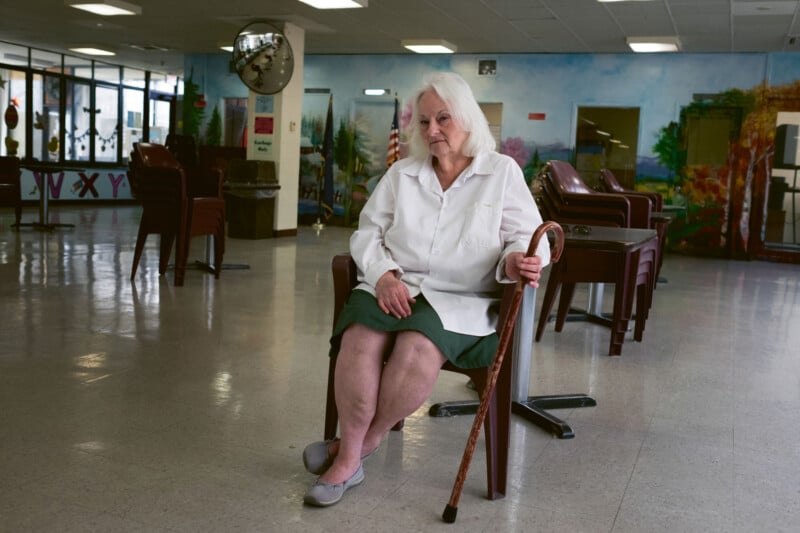
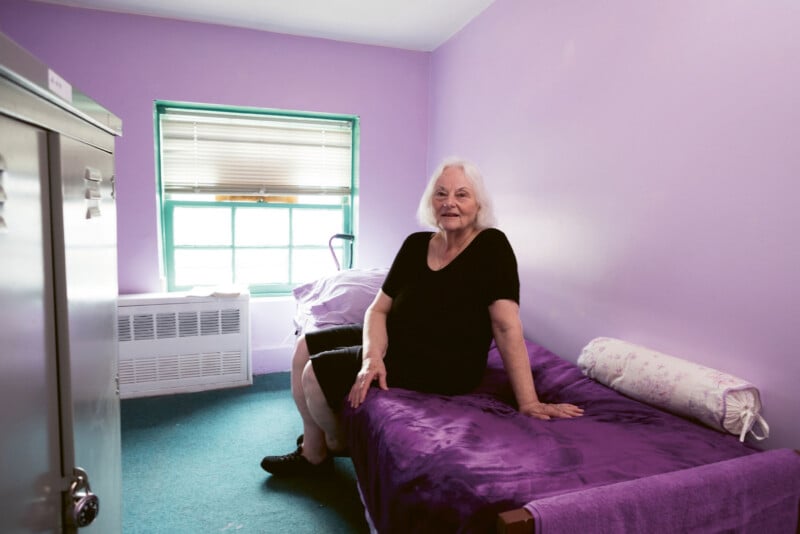
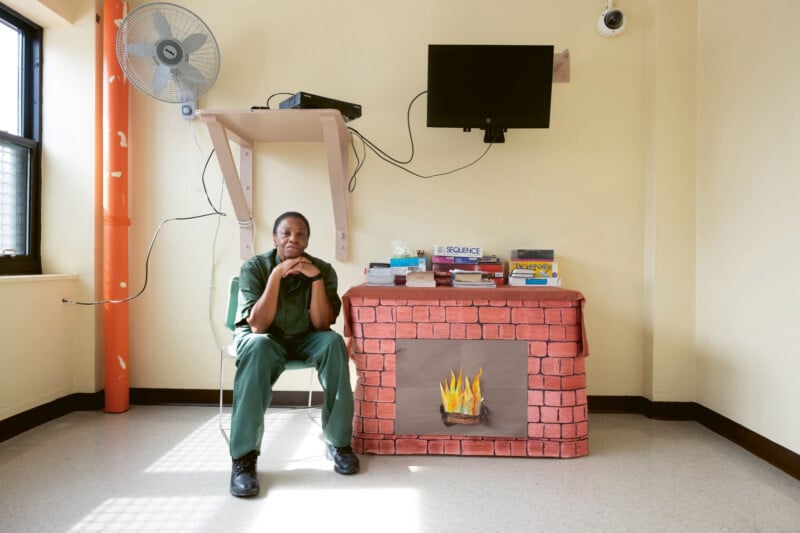
Bennett’s long-term project meticulously traces the women’s lives across significant temporal and spatial divides. Her lens captures them within the stark, often isolating, environments of prison walls, then follows them into their post-incarceration bedrooms, and ultimately into their tentative re-entry into the outside world after decades spent behind bars. This chronological and environmental progression offers a rare, longitudinal study of lives profoundly shaped by incarceration and the challenging transition back into society.
The visual narrative is enriched not only by tender portraits but also by deeply personal ephemera—Polaroids, handwritten letters, drawings, and notes. These artifacts create a layered and intimate portrayal, allowing viewers to glimpse the inner worlds, hopes, and struggles of women who are too often reduced to a single criminal act. The inclusion of these personal items resists easy stereotyping, revealing individuals who maintained relationships, pursued education, engaged in creative expression, and continued to evolve despite their circumstances.
Among the women featured are:
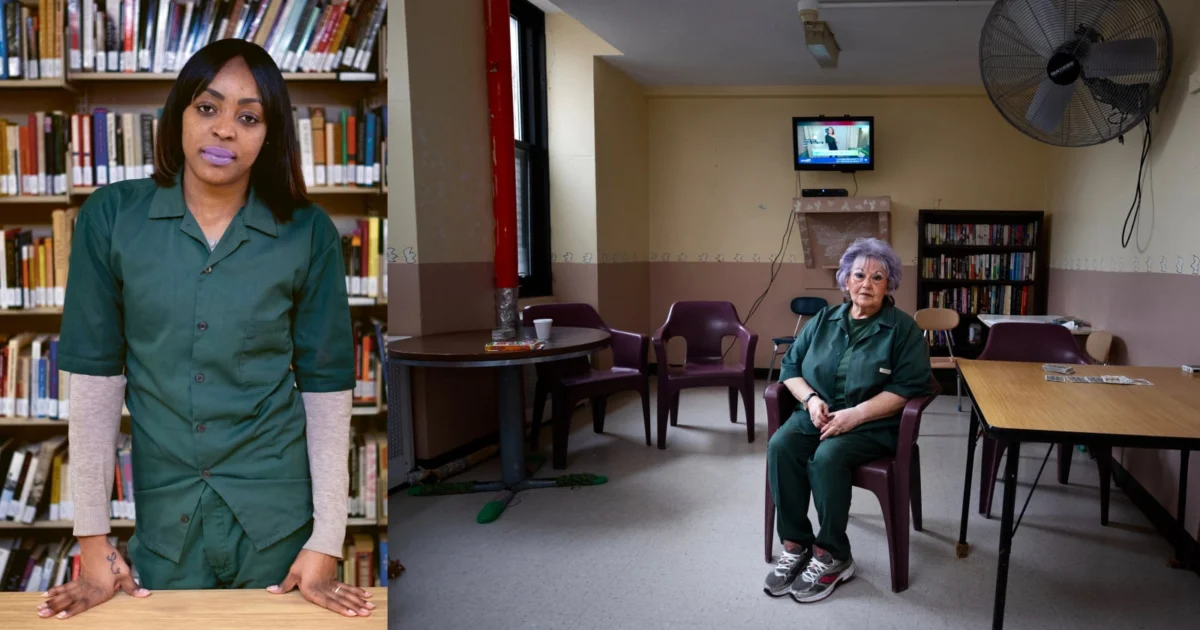
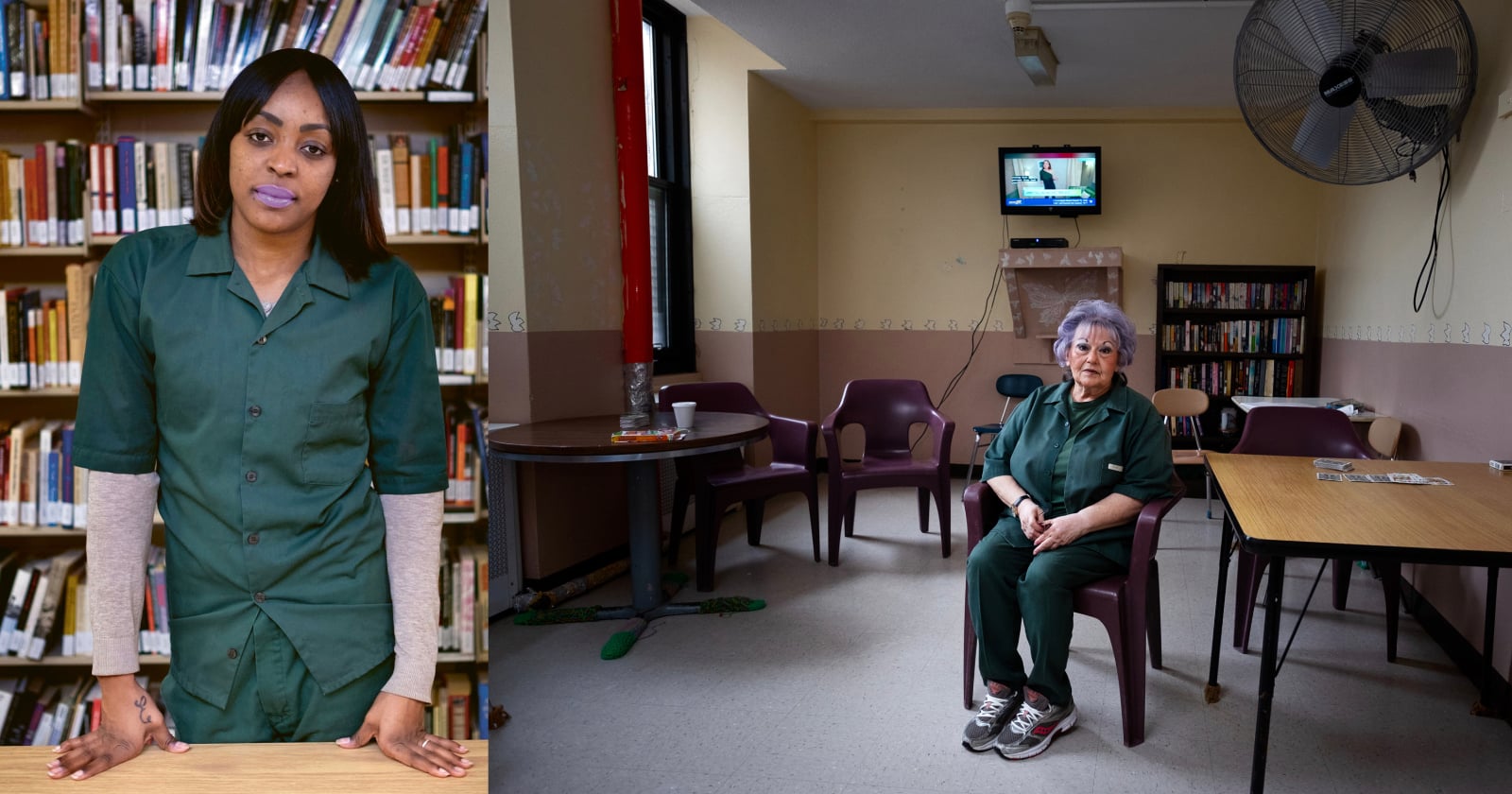
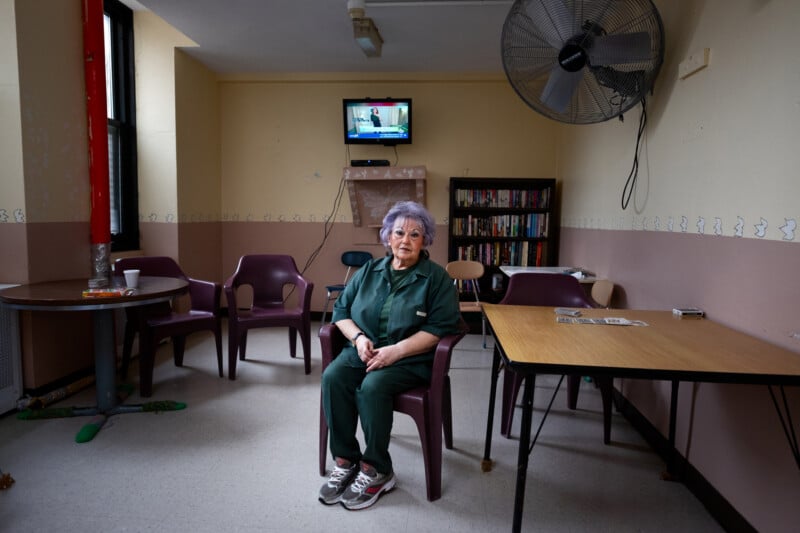
- Linda, 70: Photographed in the recreation room for the medically unemployed at Taconic Correctional Facility in 2019. Incarcerated at 43 in 1992 with a sentence of 30 years to life, she was released in 2022.
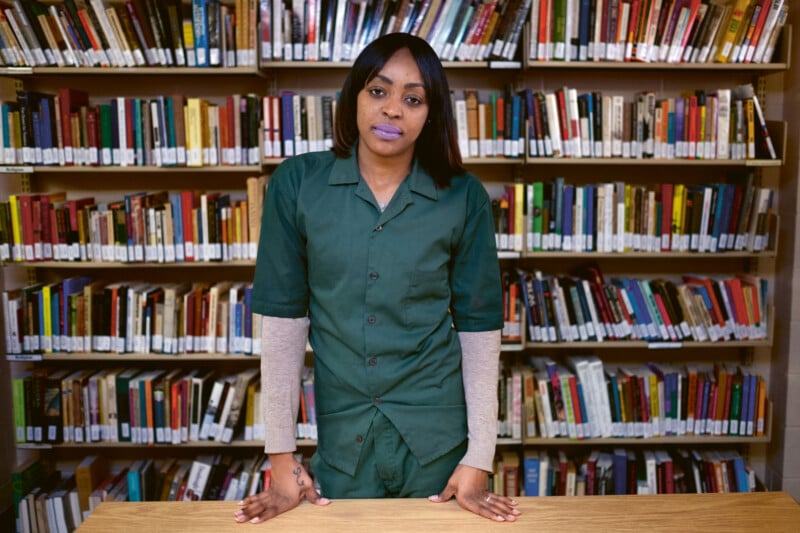
- Sahiah, 23: Captured in the college library at Bedford Hills Correctional Facility in 2019. Incarcerated at 16 in 2011 with a sentence of 20 years to life, her future remains uncertain.
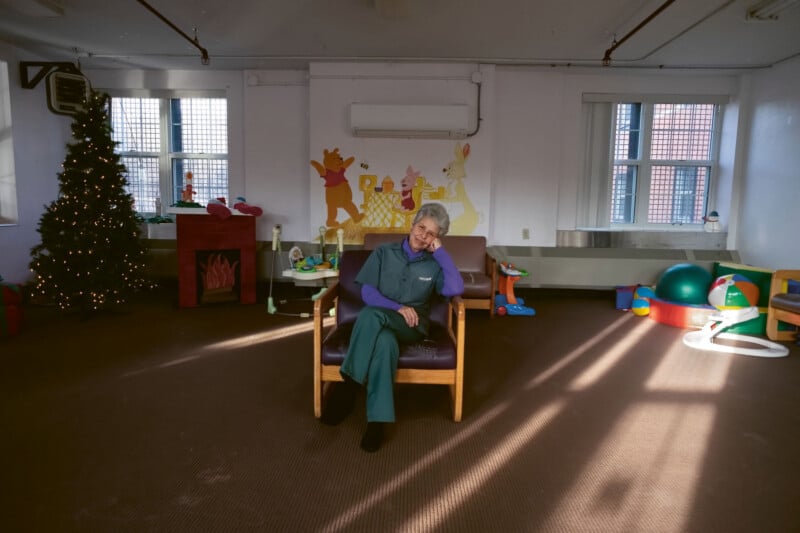
- Judy, 69: Pictured in the nursery at Bedford Hills Correctional Facility in 2019. Incarcerated at 31 in 1981 with a sentence of 75 years to life, she was released in 2019.
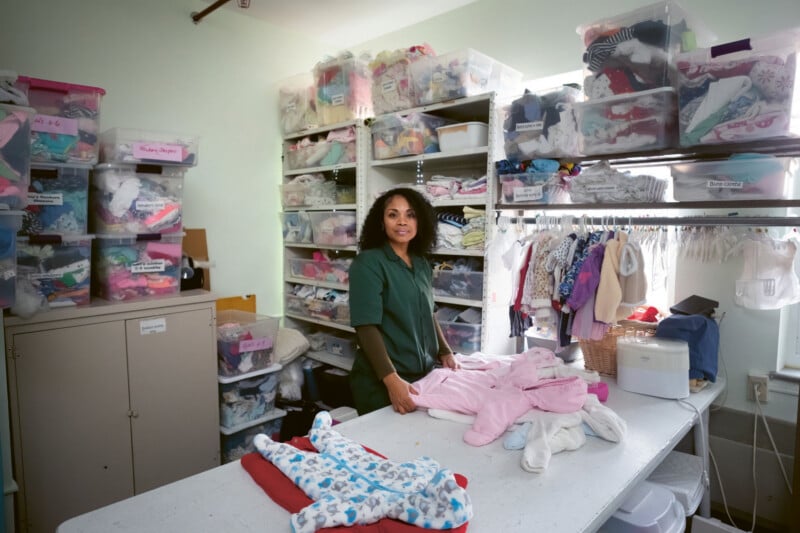
- Assia, 35: Seen in the storeroom for baby clothes at Bedford Hills Correctional Facility in 2018. Incarcerated at 19 in 2003 with a sentence of 18 years to life, she was released in 2021.
- Karen, 69: Photographed in the visiting room at Taconic Correctional Facility in 2017, having served 35 years of a 25 years to life sentence before her release in 2017. Later, she is depicted in a homeless shelter in New York City, just four weeks after her release, highlighting the immediate and profound challenges of re-entry.
- Andrea, 64: In a recreation room at Taconic Correctional Facility in 2019. Incarcerated at 46 in 2001 with a sentence of 20 years to life, she was released in 2020.
- Jennifer, 40: Pictured in her own apartment in Brooklyn, NY, 15 months after her release in 2021. She served 17.5 years of an 18 years to life sentence, having been incarcerated in 2003.
- Veronica, 53: Photographed with her husband of 29 years, Vernon, in their apartment in Flushing, NY, 21 months after her release in 2021. She served 27 years of a 25 years to life sentence.
These individual stories, told through Bennett’s lens, paint a mosaic of lives interrupted, transformed, and, in some cases, painstakingly rebuilt. The progression from institutional settings to personal spaces underscores the profound human desire for autonomy and connection, even after decades of deprivation.
The Broader Context: Women’s Incarceration in the U.S.
Bennett’s work is situated against the sobering backdrop of rising incarceration rates for women in the United States. While women constitute a smaller portion of the overall incarcerated population compared to men, their numbers have skyrocketed in recent decades. According to data from organizations like The Sentencing Project and the Bureau of Justice Statistics, the number of women in U.S. prisons and jails has increased by more than 700% since 1980, a rate significantly higher than that for men.
This surge is often attributed to several factors: the "tough on crime" policies of past decades, mandatory minimum sentencing laws, and the criminalization of poverty, mental illness, and substance abuse, which disproportionately affect women. Many women behind bars are primary caregivers for children, and a significant percentage have histories of trauma, abuse, and mental health issues that often go unaddressed, contributing to cycles of criminalization.
Furthermore, the prevalence of life sentences, including life without parole (LWOP), has steadily increased. For women, these sentences can carry unique burdens, including aging in institutions ill-equipped to handle geriatric care, prolonged separation from children and family, and the profound psychological toll of indefinite confinement. Looking Inside visually articulates these systemic issues, placing a human face on statistics that often remain abstract. The photographs of women like Linda and Judy, aged and still incarcerated or recently released after decades, underscore the reality of aging behind bars and the challenges of re-entry after a lifetime spent within the carceral system.
Re-entry and Rehabilitation: The Journey Beyond Prison Walls
A crucial element of Bennett’s project is its focus on the post-incarceration lives of these women. The images of Karen in a homeless shelter just weeks after release, or Jennifer and Veronica in their own apartments with loved ones, vividly illustrate the stark realities of re-entry. For individuals who have spent decades in prison, the outside world has often changed dramatically. They face immense hurdles, including finding stable housing and employment, reconnecting with estranged families, navigating complex bureaucratic systems, and coping with the psychological aftermath of long-term incarceration.
The success stories, like Jennifer finding her own apartment and Veronica reuniting with her husband, offer glimmers of hope and demonstrate the incredible resilience of the human spirit. However, they also implicitly highlight the profound systemic support (or lack thereof) that determines successful integration. Judith Clark’s journey, from a life sentence to commutation and then to a leadership role as Director of the Survivors Justice Project, stands as a powerful example of successful rehabilitation and advocacy. Her afterword in Looking Inside provides invaluable insight from someone who has lived the experience, underscoring the potential for transformation and contribution that often remains unseen by the justice system.
The Power of Visual Storytelling and Advocacy
Sara Bennett’s shift from legal advocacy to visual storytelling underscores the potent role of art in social commentary and reform. Photography, with its unique ability to elicit empathy and challenge preconceived notions, becomes a powerful tool in dismantling the "othering" of incarcerated individuals. By presenting these women not as mere convicts but as complex human beings with individual stories, Bennett invites viewers to confront their own biases and reconsider the purpose and effectiveness of punitive justice systems.
The project challenges a society often quick to label and condemn, urging a deeper look into the circumstances that lead to crime, the potential for rehabilitation, and the moral implications of permanent incarceration. It advocates for a justice system that prioritizes human dignity, offers opportunities for growth, and facilitates meaningful re-entry rather than perpetual punishment.
Implications for Criminal Justice Reform
Looking Inside makes a compelling case for ongoing criminal justice reform. By showcasing the women’s narratives and their journeys, the book contributes to critical discussions surrounding:
- Sentencing Reform: Questioning the efficacy and ethics of extremely long or life sentences, especially for older individuals or those who have demonstrated significant rehabilitation.
- Rehabilitation Programs: Highlighting the importance of educational, vocational, and therapeutic programs within prisons, which foster personal growth and prepare individuals for release.
- Re-entry Support: Emphasizing the dire need for comprehensive support systems, including housing, employment assistance, mental health services, and family reunification programs, to prevent recidivism and promote successful societal integration.
- Humanization of the Incarcerated: Fostering public empathy and understanding, which is crucial for shifting punitive public opinion towards more restorative and rehabilitative approaches to justice.
The project’s influence extends beyond its artistic merit. The photographs initially played a tangible role in Judith Clark’s clemency case, demonstrating the direct impact of humanizing narratives on legal outcomes. Her eventual commutation by then-New York Governor Andrew Cuomo in 2016 and subsequent release in 2019 serves as a testament to the potential for change when individual stories are heard and seen.
Conclusion: An Enduring Message of Humanity
Sara Bennett’s Looking Inside: Women with Life Sentences is more than a collection of photographs; it is a profound act of witness and advocacy. It meticulously deconstructs the prevailing narrative surrounding women convicted of serious crimes, replacing it with a nuanced and deeply human perspective. Through her unwavering dedication, Bennett compels us to look beyond the crime, beyond the sentence, and into the eyes of individuals who, despite their past actions and institutional confinement, retain their inherent humanity, their capacity for change, and their longing for connection. The book serves as an urgent call to action, reminding us that true justice must encompass not only accountability but also empathy, rehabilitation, and the recognition of every individual’s complex and evolving story.