The global landscape of digital photography has undergone a fundamental shift over the last decade, transitioning from the dominance of heavy Digital Single-Lens Reflex (DSLR) cameras to the highly portable and increasingly sophisticated smartphone. Leading this revolution is the iPhone, a device that has moved beyond mere communication to become a primary tool for professional-grade portraiture. As of 2024, mobile photography accounts for an estimated 92.5% of all digital photos taken worldwide, with the iPhone consistently ranking as the most popular camera on major image-sharing platforms like Flickr and Instagram. This surge in popularity is driven by advancements in computational photography, allowing users to achieve results that previously required thousands of dollars in studio equipment.
To bridge the gap between casual snapshots and compelling portraits, industry experts emphasize the importance of mastering both the internal software of the device and the external elements of composition. By leveraging specific techniques—ranging from the manipulation of high-contrast light to the strategic use of props and wardrobe—photographers can elevate the aesthetic quality of their mobile imagery.
The Technical Evolution of iPhone Portraiture
The journey of iPhone photography reached a pivotal milestone in 2016 with the introduction of the iPhone 7 Plus and its dual-lens system, which debuted "Portrait Mode." This feature utilized a combination of the telephoto lens and software-based depth-mapping to simulate "bokeh"—the aesthetic quality of the out-of-focus parts of an image. Since then, Apple has integrated LiDAR (Light Detection and Ranging) scanners and advanced Image Signal Processors (ISPs) that can perform trillions of operations per second.
These technical capabilities provide the foundation for high-level creative work. However, the hardware is only one half of the equation. Professional mobile photographers, such as Aeriel Orndorff, argue that the true distinction in portraiture lies in the artist’s ability to manipulate the environment and the subject to evoke a specific emotional response.
1. High-Contrast Light and Dramatic Composition
One of the most effective methods for creating a sense of drama in portraiture is the use of high-contrast lighting, often referred to in classical art as "chiaroscuro." This technique involves the juxtaposition of bright highlights and deep, dark shadows. In a mobile context, high-contrast light is most readily available on bright, sunny days or in rooms with single, strong light sources.
To execute this, the subject should be positioned where the light meets a shadow, such as the edge of a building or a window frame. The technical key to this approach on an iPhone is the manual control of exposure. By tapping the screen to set focus on the subject’s face and then swiping down on the sun icon, the photographer can "crush" the shadows. This reduces the sensor’s sensitivity to darker areas, ensuring the background recedes into black while the subject’s features remain illuminated. This method is particularly effective for black-and-white photography, where the absence of color places the entire focus on the interplay of light and form.
2. Harnessing Environmental Light Patterns
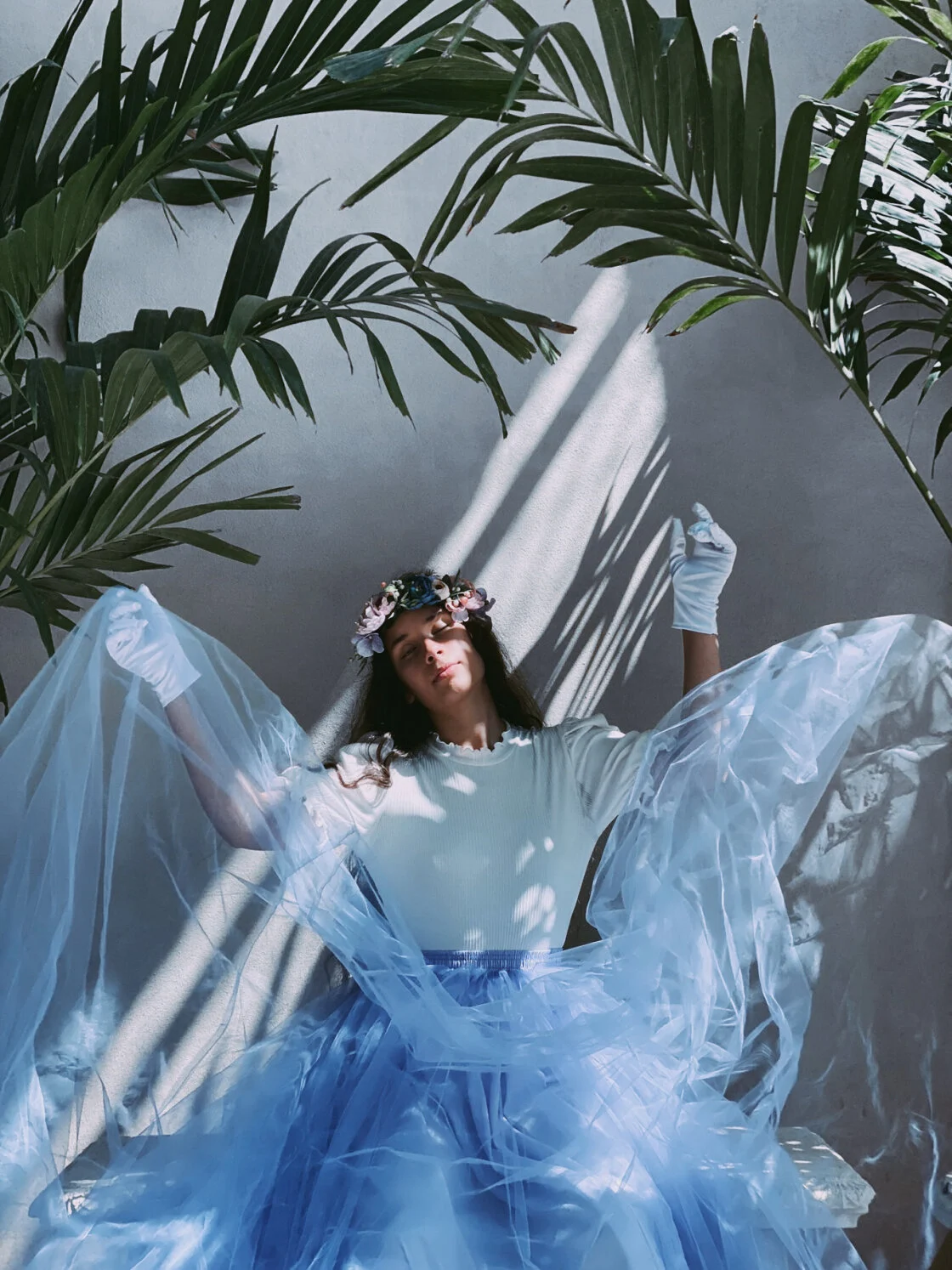
Beyond simple illumination, light can be used as a structural element in a photo. Light patterns—created when sunlight passes through window blinds, fences, or foliage—add a layer of complexity to a portrait. In professional circles, these patterns are often referred to as "gobos" (short for "go-betweens").
Indoors, beveled glass or slatted blinds provide geometric precision, whereas outdoor settings offer the organic randomness of leaves and branches. For a more avant-garde approach, photographers can use household objects, such as strainers or lace curtains, held between the light source and the subject. The iPhone’s wide-angle and telephoto lenses respond differently to these patterns; the telephoto lens (often used in Portrait Mode) can help compress the scene, making the pattern appear more integrated with the subject’s skin.
3. The Mechanics of Posing and Perspective
A common pitfall in amateur portraiture is static, uninspired posing. Journalistic analysis of successful portraiture shows that "active" poses—those that imply movement or directed focus—are significantly more engaging.
Experts suggest three primary posing techniques:
- Natural Framing: Utilizing the subject’s hands to frame the face creates a focal point and provides the subject with a sense of "action," which often reduces camera-shyness.
- Atmospheric Tilting: Asking a subject to tilt their head back or place a hand on their neck can shift the mood from a standard headshot to a more editorial, sensual vibe.
- Low-Angle Perspective: By lowering the iPhone to ground level and shooting upward, the photographer can create a "hero" shot. Using the wide-angle lens from a low perspective can elongate the subject’s limbs and provide a unique view of the world that deviates from eye-level reality.
4. Evoking Atmosphere through Movement
Creating a "dreamy" or ethereal mood requires a departure from the sharp, frozen-in-time look of standard photography. This is achieved through the integration of movement. Long, flowing dresses or lightweight fabrics are ideal tools for this.
The iPhone’s "Burst Mode" is the critical technical feature for capturing movement. By dragging the shutter button (on newer models) or holding it down (on older models), the camera captures 10 frames per second. This allows the photographer to select the exact millisecond when a falling fabric or a strand of hair reaches its most aesthetically pleasing position. Technical data suggests that using Burst Mode increases the probability of a "successful" action shot by over 400% compared to single-shot attempts.
5. Dynamics of Multi-Subject Composition
Photographing two people—whether couples, siblings, or friends—presents the challenge of maintaining a cohesive depth of field. A common creative solution is the "partial frame" technique, where the photographer gets close enough to capture only half of each person’s face, creating a symmetrical, intimate study of features.
Another professional technique involves "staggered depth." By placing subjects at different distances from the lens, the photographer can utilize the iPhone’s Portrait Mode to blur the person in the foreground or background, creating a sense of three-dimensional space. This technique is often used in cinematic storytelling to imply a relationship or a power dynamic between characters.
6. Storytelling through Strategic Prop Usage
In the context of visual communication, props serve as the "adjectives" of a photograph. They provide context and narrative depth. A single prop can transform a generic portrait into a specific story:
- Flowers: Often used to represent growth, romance, or fragility.
- Vintage Objects: Old cars or era-specific clothing can evoke nostalgia and a sense of history.
- Daily Essentials: Coffee cups or books can create a "lifestyle" aesthetic, implying comfort and domesticity.
The use of a blindfold, as seen in more experimental portraiture, can serve as a metaphor for inner reflection or the concealment of truth. When using props, the iPhone’s ability to quickly adjust focus between the prop and the subject is vital for ensuring the narrative intent is clear.
7. Wardrobe Styling and Aesthetic Cohesion
The final pillar of creative portraiture is wardrobe. The color and texture of a subject’s clothing have a direct impact on the image’s emotional temperature.
- Environmental Harmony: Matching neutral tones or floral patterns to a natural setting creates a "soft" and integrated look.
- Urban Contrast: In city environments, "grungy" or high-fashion outfits provide a sharp contrast to concrete and steel.
- Psychology of Color: A pop of bright color (such as a red dress in a green field) utilizes the concept of complementary colors to draw the viewer’s eye immediately to the subject.
Broader Impact and Industry Analysis
The democratization of high-quality portraiture through the iPhone has significant implications for the creative economy. Professional photographers are increasingly incorporating mobile devices into their workflows for "behind-the-scenes" content and even high-end editorial shoots. Magazine covers, including those for Time and The New Yorker, have famously been shot on iPhones, proving that the device is no longer a secondary tool.
However, industry analysts note that as the barrier to entry for "good" photography disappears, the value of the "creative eye" increases. "The technology has reached a point where everyone can take a clear photo," says one tech analyst. "The challenge now is taking an interesting photo. That requires an understanding of light, shadow, and human emotion that software cannot yet replicate."
The techniques highlighted—from the use of high-contrast light to the careful selection of wardrobe—represent the intersection of human creativity and machine learning. As Apple continues to refine its sensors and AI-driven image processing, the gap between the smartphone and the professional studio will likely continue to shrink, further empowering a new generation of mobile artists to tell compelling visual stories. For photographers like Aeriel Orndorff, the iPhone represents not just a camera, but a "creative freedom" that allows for spontaneity and intimacy in portraiture that larger cameras often inhibit.