The rapid evolution of mobile imaging technology has transformed the iPhone from a simple communication device into a sophisticated tool for professional-grade portraiture. As of 2024, the integration of advanced computational photography, larger sensors, and sophisticated post-processing algorithms has narrowed the gap between smartphone photography and traditional Digital Single-Lens Reflex (DSLR) cameras. This transition has led to a surge in creative methodologies designed to maximize the potential of mobile hardware. Industry experts and photographic artists have identified several key techniques that elevate standard mobile snapshots into compelling visual narratives, focusing on lighting, composition, and thematic styling.
The Strategic Application of High-Contrast Lighting
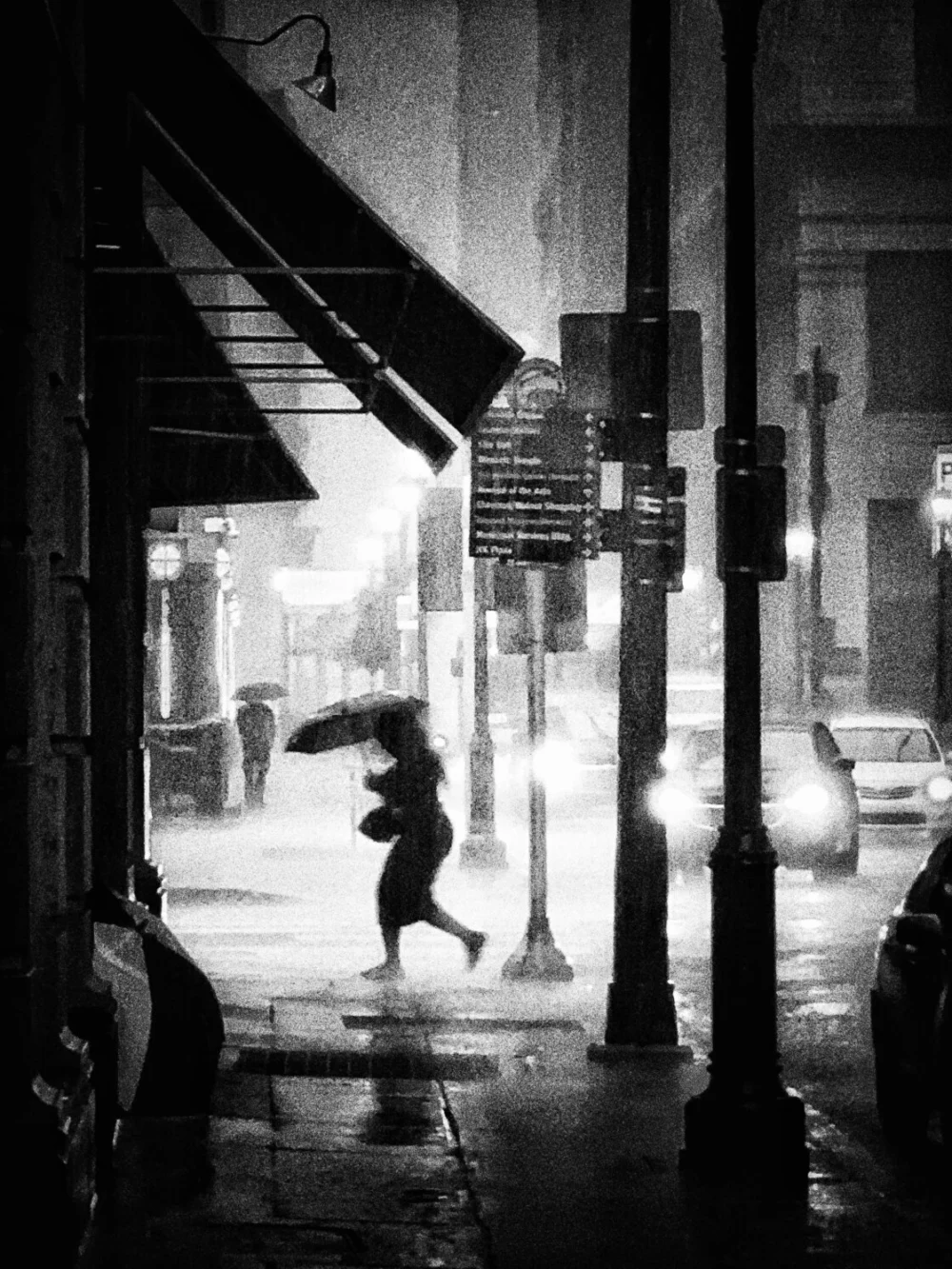
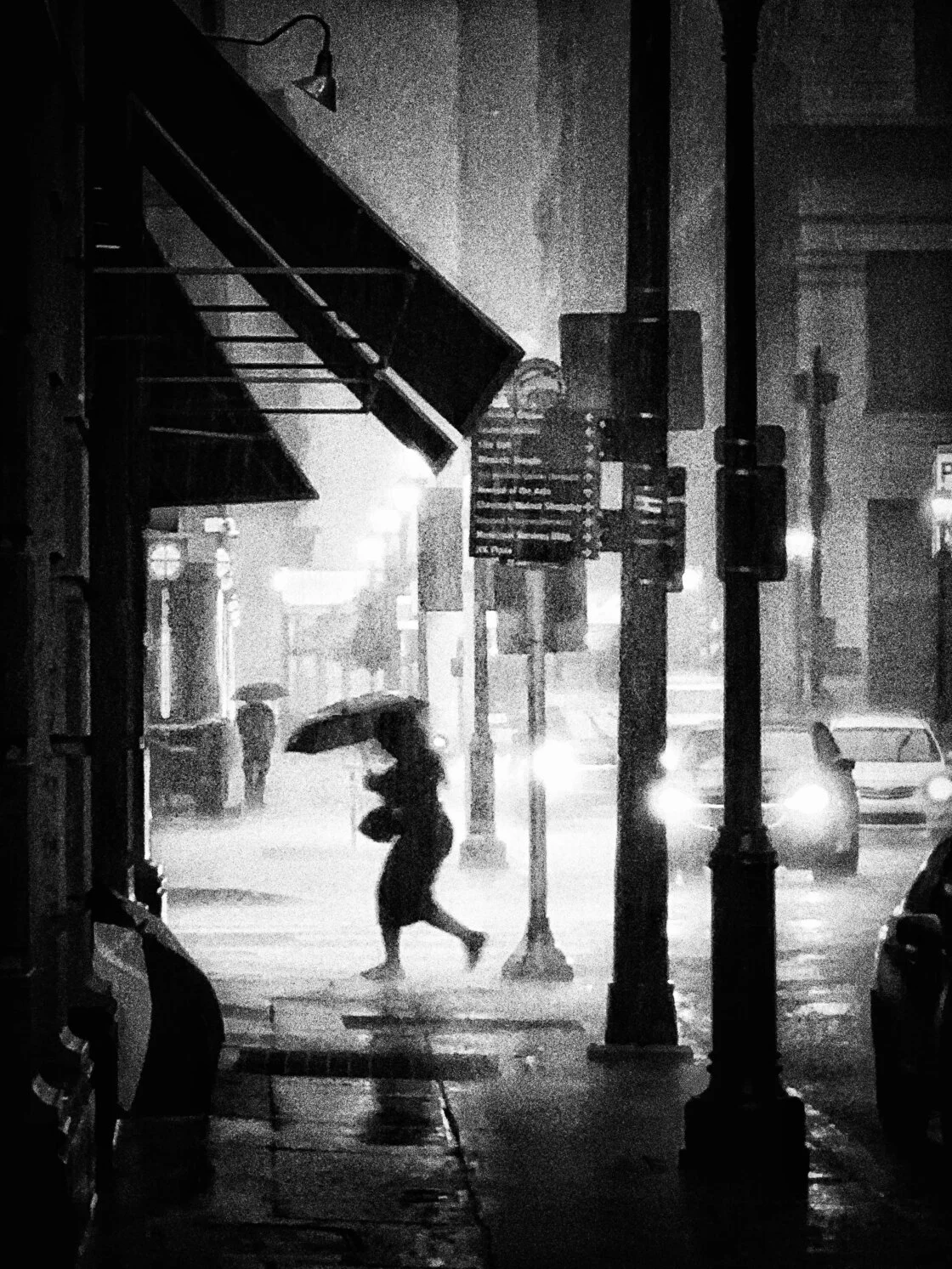
One of the most effective methods for generating dramatic visual impact in mobile portraiture is the use of high-contrast lighting, a technique rooted in the classical "chiaroscuro" style used by Renaissance painters. High-contrast lighting occurs when a scene contains a significant disparity between the brightest highlights and the deepest shadows. In a mobile context, this requires the photographer to move beyond the iPhone’s default balanced exposure settings to embrace extreme tonal ranges.
Technical analysis suggests that shooting during "high sun" or utilizing direct, unobstructed light sources creates the sharpest delineations. When positioned correctly, a subject standing at the intersection of light and shadow—such as near the edge of a building or a window—allows the photographer to manipulate the iPhone’s exposure slider. By tapping the screen to lock focus on the subject’s face and swiping downward to reduce exposure, the photographer can effectively "crush" the shadows, resulting in a moody, cinematic aesthetic. This approach is particularly effective for black-and-white photography, as it emphasizes form and texture over color information.
Leveraging Light Patterns for Architectural Depth
Beyond simple contrast, the introduction of light patterns adds a layer of complexity and architectural interest to a portrait. Patterns are created when light is filtered through an intervening object, a process known in professional cinematography as using a "gobo" (go-between). In a domestic or urban environment, these patterns are frequently found where sunlight passes through window blinds, beveled glass, foliage, or architectural fencing.
Photographers are increasingly using household items, such as strainers or lace fabrics, to manually cast intricate shadows across a subject’s features. This technique serves two purposes: it provides a unique visual texture that distinguishes the image from standard portraits and directs the viewer’s eye toward specific facial features. To ensure the integrity of these patterns, the iPhone’s HDR (High Dynamic Range) settings may occasionally need manual adjustment to prevent the software from over-brightening the shadows and neutralizing the desired pattern effect.
Advanced Posing and Subject Psychology
The relationship between the photographer and the subject is critical to the success of a portrait. Professional posing techniques are designed to create "leading lines" and frames within the composition. A common yet effective strategy involves the use of the subject’s hands to frame the face. By placing hands at different heights—for instance, one near the temple and the other near the jawline—the photographer creates a natural enclosure that draws the viewer’s focus directly to the eyes.
Furthermore, changing the camera’s physical perspective can radically alter the subject’s perceived persona. Shooting from a low angle, particularly when utilizing the iPhone’s wide-angle lens (0.5x or 1x), can make the subject appear more powerful or dynamic. This perspective is unconventional in daily life, and as a result, it tends to capture and hold the viewer’s attention more effectively than eye-level shots.
Evoking Atmosphere Through Movement and Burst Mode
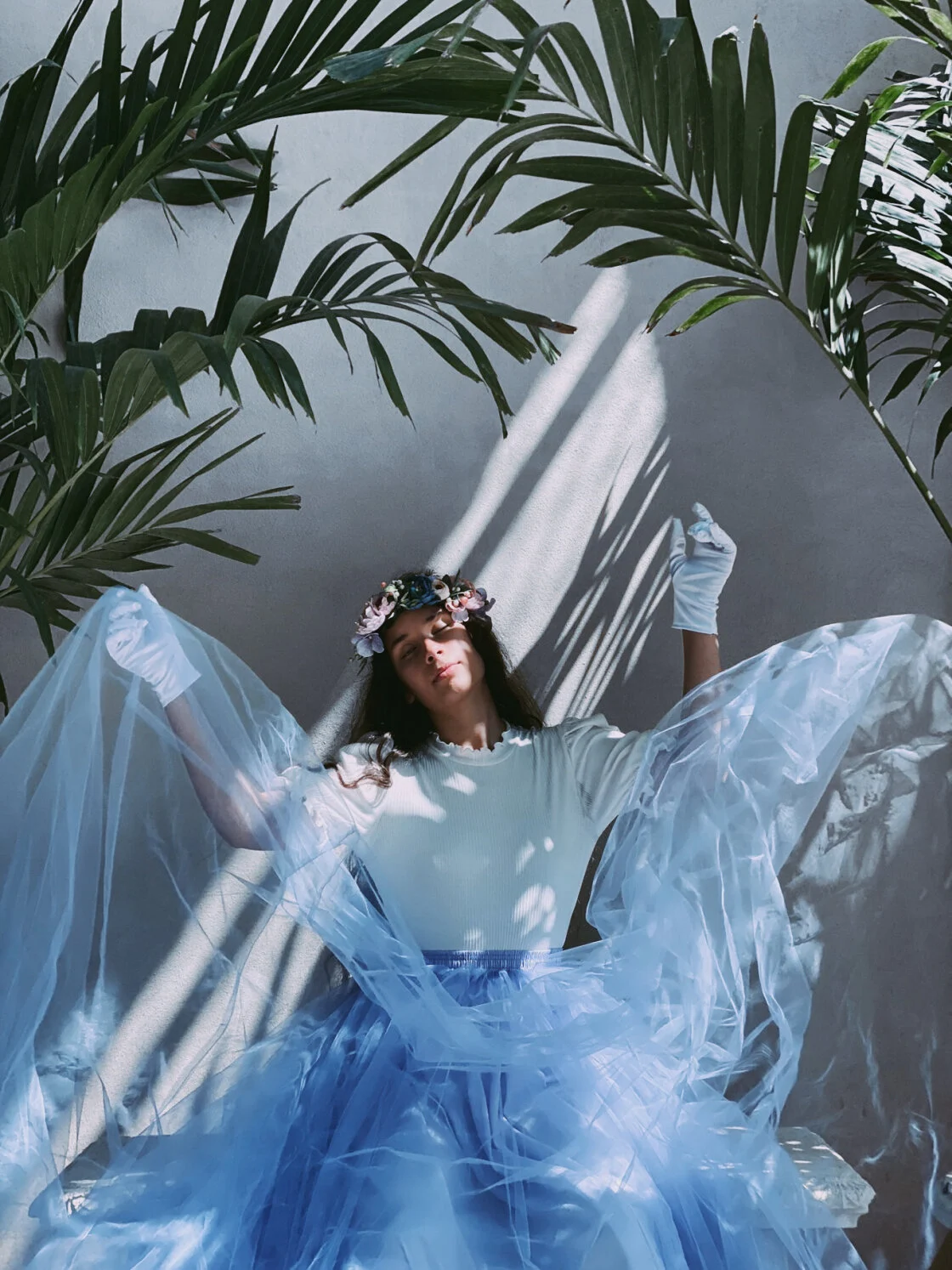
A significant trend in modern mobile portraiture is the shift toward "dreamy" or ethereal aesthetics. Achieving this mood requires a departure from static, posed positions in favor of fluid movement. The use of flowing fabrics, such as long dresses or scarves, allows the photographer to capture the physics of motion.
The technical key to capturing these fleeting moments is the iPhone’s Burst Mode. By sliding the shutter button to the left (on newer models) or holding it down (on older versions), the camera captures a rapid sequence of images at ten frames per second. This high-frequency capture is essential for selecting the exact millisecond where fabric reaches its peak height or a subject’s expression is most natural. This method mitigates the risk of "shutter lag" and ensures that the final selection possesses the desired airy and unforced quality.
The Dynamics of Multi-Subject Composition
Posing two individuals—whether they are siblings, couples, or friends—presents unique challenges regarding depth of field and emotional connection. A sophisticated technique for two-person portraits involves "partial framing," where the photographer moves close enough to capture only half of each person’s face within the frame. This creates a symmetrical, intimate study of features that is often used in high-end editorial photography.
Additionally, creating depth through staggered positioning is a vital tool. By placing one subject closer to the lens and the other several steps behind, the photographer utilizes the iPhone’s Portrait Mode to create a shallow depth of field. This "bokeh" effect—the soft blurring of the background or foreground—helps to isolate the subjects while maintaining a sense of three-dimensional space. Emotional resonance is further enhanced by directing subjects to interact with each other—through hugs or shared gazes—rather than looking directly at the camera lens.
Narrative Storytelling Through Strategic Prop Integration
The transition from a "picture" to a "portrait" often involves the element of storytelling. Props serve as the primary vehicle for this narrative. The selection of an object—be it a vintage book, a single flower, or a coffee cup—functions as a signifier that informs the viewer about the subject’s environment or internal state.
For example, a blindfold can symbolize internal conflict or mystery, while vintage clothing and an old vehicle can transport the viewer to a specific historical era. Analysts note that the most successful use of props occurs when the object does not distract from the subject but rather complements the overarching theme. The integration of organic elements, such as flowers woven into clothing or held in the hand, remains a popular method for softening the technological "sharpness" of mobile sensors and adding a touch of classic romanticism to the image.
Wardrobe Selection and Color Theory
The final pillar of creative iPhone portraiture is styling. The subject’s attire is not merely a background element; it is a critical component of the image’s color palette and texture. Photographers are encouraged to apply color theory—using complementary colors (such as blue and orange) to create vibrancy or analogous colors (such as various shades of green and brown in a forest) to create harmony.
In urban settings, "grungy" or high-fashion outfits often provide the necessary contrast to concrete and steel environments. Conversely, in natural settings, neutral tones and soft fabrics like wool or linen help the subject blend seamlessly into the landscape. The objective is to ensure that the wardrobe reinforces the intended mood, whether it is the cozy intimacy of a indoor "lifestyle" shoot or the high-impact glamour of a sequined evening portrait.
Technological Implications and Market Trends
The democratization of high-quality portraiture via the iPhone has significant implications for the photography industry. According to market data, mobile devices now account for over 90% of all consumer photos taken globally. The inclusion of features such as "Photonic Engine" and "Deep Fusion" in recent iPhone iterations allows for the capture of fine detail in low-light conditions that were previously the sole domain of professional equipment.
This shift has led to the emergence of "mobile-first" professional photographers who utilize the iPhone’s portability to capture candid, high-stakes portraits for media outlets and social platforms. The ability to shoot, edit, and publish high-quality visual content from a single device has streamlined the creative workflow, making sophisticated portraiture more accessible to a global audience.
Chronology of iPhone Photography Advancements
The journey toward professional-level mobile portraits has been marked by several key technological milestones:
- 2016: The introduction of the iPhone 7 Plus and its dual-lens system, which debuted "Portrait Mode," allowing for software-generated background blur.
- 2017: The launch of "Portrait Lighting," which used machine learning to simulate professional studio lighting effects.
- 2019: The "Night Mode" feature on the iPhone 11 series significantly improved the sensor’s ability to handle high-contrast, low-light environments.
- 2021: The introduction of "Photographic Styles" on the iPhone 13, allowing users to preset tonal and color preferences at the image-capture level.
- 2023: The iPhone 15 Pro introduced a 48-megapixel main sensor, providing the resolution necessary for large-scale printing and detailed cropping.
As mobile hardware continues to evolve, the distinction between "phone photos" and "professional portraits" continues to blur. By mastering these seven creative techniques—ranging from the manipulation of high-contrast light to the strategic use of props and wardrobe—photographers can leverage the sophisticated technology in their pockets to produce images that are not only technically proficient but also emotionally and narratively profound. The future of portraiture lies in the intersection of human creativity and computational power, a space where the iPhone remains a dominant and transformative force.