The persistent challenge of achieving professional-grade lighting in photography, particularly when relying on direct on-camera flash, has long been a point of contention for both amateur enthusiasts and seasoned professionals. When a camera’s built-in flash or a hot-shoe mounted speedlight is deployed directly, the resulting images frequently exhibit a stark, unflattering aesthetic characterized by flatness, harsh shadows, and a distinct lack of dimension. This pervasive issue stems not from the inherent capability of the flash unit itself, but rather from the fundamental physics of light direction and its impact on subject rendering.
The Fundamental Flaw of Direct On-Camera Flash
The primary reason direct on-camera flash yields such uninspiring results lies in the alignment of the light source with the camera lens. When light emanates from precisely the same axis as the lens, it travels directly towards the subject, illuminating it head-on. This frontal illumination effectively eliminates or significantly diminishes the subtle shadows that naturally define contours, textures, and depth. Without these crucial shadows, facial features can appear flattened, skin tones can lose their natural variations, and the overall image acquires a two-dimensional, almost stark quality reminiscent of a security camera feed rather than a thoughtfully composed portrait.
Moreover, direct flash often produces harsh specular highlights on reflective surfaces, leading to blown-out areas and an unnatural sheen. It can also create stark, dark shadows directly behind the subject if they are close to a background, further detracting from the image’s professional appeal. The absence of directional light robs the scene of the visual cues our brains are accustomed to interpreting for depth and form, leading to a photograph that feels artificial and detached from reality. This phenomenon is a well-documented principle in photographic theory and practice, underpinning decades of innovation in lighting techniques.
The Science of Directional Light and Perception
Human visual perception is profoundly influenced by the directionality of light. In our everyday experience, light rarely originates from a single, direct frontal source. Natural light, whether from the sun, the moon, or ambient sources like windows, always possesses a distinct direction, creating gradients of light and shadow that our brains use to interpret three-dimensional space. Side lighting, top lighting, or even subtle backlighting all contribute to defining form, revealing texture, and separating a subject from its background. These directional qualities are what imbue a scene with depth, mood, and realism.
Photographers leverage this innate human perception by manipulating light sources to sculpt their subjects. By moving a light source even a short distance away from the camera’s axis, a photographer immediately begins to introduce:
- Modeling: The creation of subtle gradients of light and shadow that define the curves and contours of a subject, making it appear three-dimensional.
- Texture: Enhanced visibility of surface details, such as skin texture or fabric weaves, due to raking light.
- Separation: The ability to distinguish the subject from the background through differential lighting, adding depth to the composition.
- Mood and Drama: The strategic placement of shadows can evoke specific emotions or create dramatic effects, transforming a mundane scene into a compelling narrative.
The introduction of directional light transforms a flat image into one with vitality and dimension, aligning the photographic output more closely with how the human eye naturally perceives and appreciates visual information. This understanding forms the bedrock of professional lighting strategies across all genres of photography.
A Brief History of Flash Photography and the Quest for Better Light
The evolution of photographic flash technology has been a continuous pursuit of brighter, faster, and more controllable light. From the early, dangerous magnesium powder flashes of the late 19th century to the cumbersome flashbulbs of the mid-20th century, and finally to the widespread adoption of electronic flash units (speedlights) in the latter half of the 20th century, the goal has always been to provide adequate illumination in low-light conditions.
Early electronic flashes were often large, studio-based units, requiring dedicated power sources and significant setup. As technology miniaturized, on-camera flash units became ubiquitous, offering unparalleled convenience. The hot shoe mount, standardized across most camera manufacturers, allowed photographers to quickly attach a flash and gain instant illumination. This convenience, however, came at a cost to aesthetic quality. The default position of a flash mounted directly atop the camera, while practical for journalistic speed and portability, invariably produced the flat, uninspired results that professional photographers have long sought to mitigate.
For decades, the standard solution for achieving better light involved moving the flash off-camera. This traditionally necessitated a more elaborate setup: light stands to position the flash, wireless triggers (initially infrared, then radio-based) to fire it remotely, and light modifiers (umbrellas, softboxes, snoots) to shape and soften the light. While these setups delivered superior results, they introduced significant logistical challenges.
The Challenge of Traditional Off-Camera Flash
The transition from direct on-camera flash to traditional off-camera lighting, while yielding vastly improved image quality, often comes with a trade-off in practicality and speed. A typical professional off-camera flash setup involves several distinct components:
- Light Stands: These provide the necessary elevation and stability to position the flash at optimal angles relative to the subject.
- Wireless Triggers: Essential for remotely firing the flash unit, these devices transmit signals from the camera to the off-camera flash. Modern radio triggers offer reliability and range superior to older infrared systems.
- Light Modifiers: Accessories such as umbrellas, softboxes, beauty dishes, or grids are used to diffuse, soften, or direct the flash output, tailoring the quality of light to the specific creative vision.
- Additional Accessories: Batteries, cables, clamps, and counterweights often accompany these core components.
While indispensable in controlled environments like a studio or a dedicated photoshoot location, this extensive gear collection presents considerable challenges for photographers working in dynamic or fast-paced scenarios. Covering events, weddings, or travel assignments often demands agility, quick setup, and minimal footprint. Hauling multiple bags of equipment, assembling stands, and meticulously positioning each element can consume valuable time, disrupt the flow of an event, and even draw unwanted attention.
Many photographers, faced with the logistical complexities and time constraints of traditional off-camera flash setups, often revert to the simpler, albeit aesthetically compromised, solution of keeping the flash mounted directly on the camera. This concession, while understandable from a practical standpoint, often means sacrificing the nuanced, professional-grade lighting that distinguishes exceptional photography. The industry has long recognized this inherent tension between convenience and quality, prompting a continuous search for innovative solutions that bridge this critical gap.
Bridging the Gap: The Platypod Bracket & Bounce System
Recognizing the persistent dilemma faced by photographers—the desire for professional lighting quality juxtaposed with the practical demands of portability and rapid deployment—the Platypod Bracket & Bounce system emerged as an innovative solution. This system was meticulously engineered to provide the advantages of off-camera flash without the typical encumbrances of a full lighting kit. It represents a significant step forward in making sophisticated lighting techniques accessible and practical for a wider range of photographic scenarios.
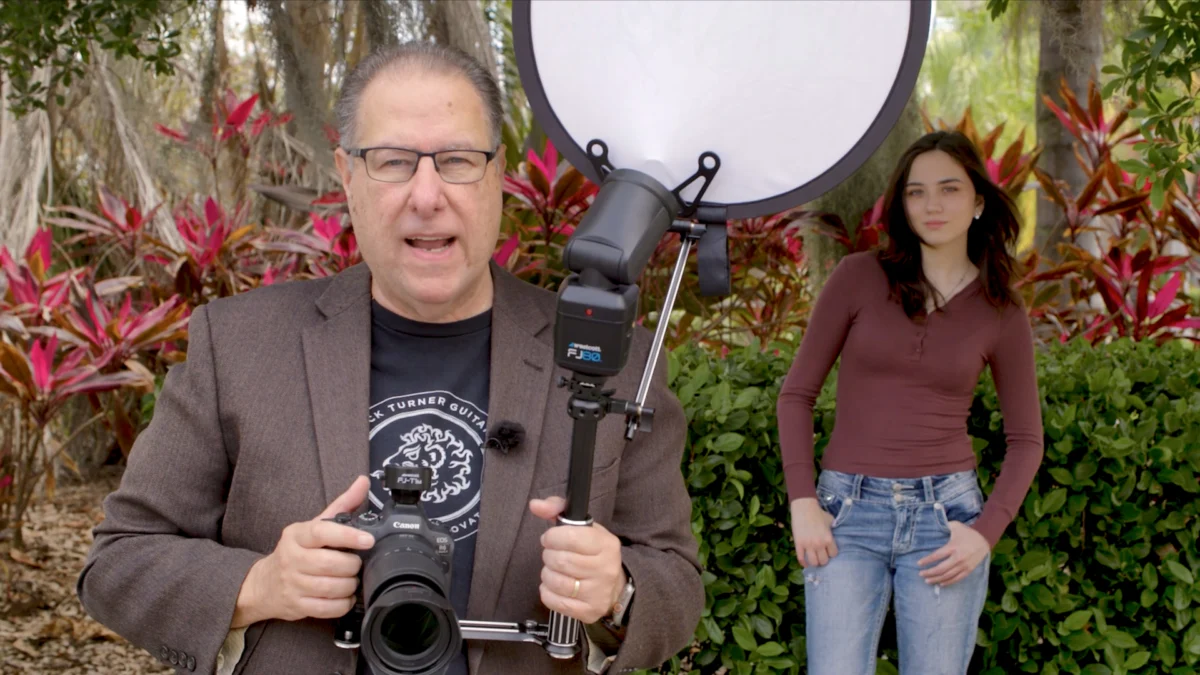
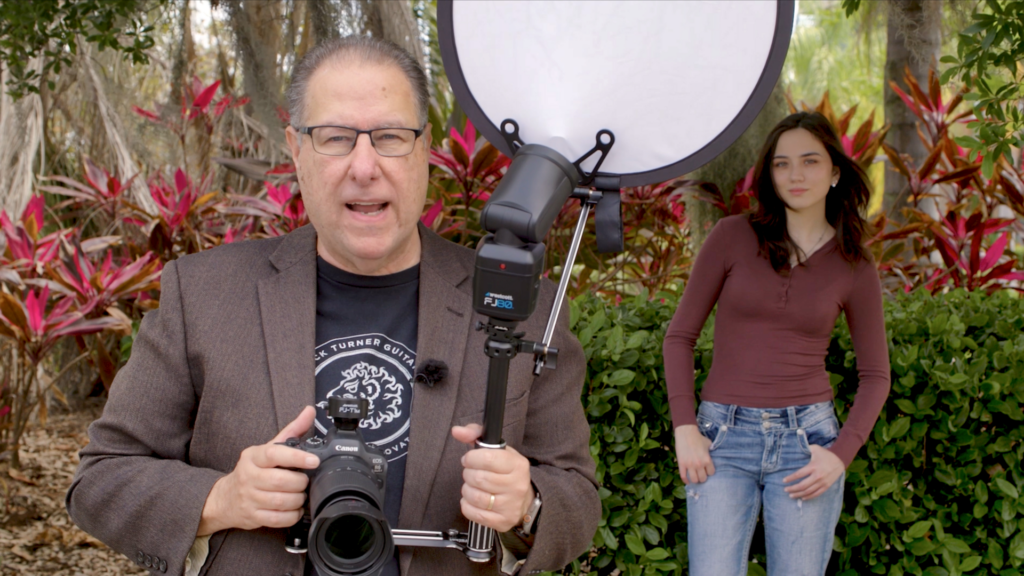
The core innovation of the Platypod Bracket & Bounce system lies in its ability to facilitate off-axis flash positioning while maintaining a compact and integrated setup. Instead of requiring separate light stands and extensive rigging, the system allows the speedlight to be moved away from the camera’s lens axis, often by connecting directly to the camera setup or a minimal support. This ingenious design enables photographers to achieve crucial directional lighting effects—creating depth, sculpting features, and softening shadows—without dramatically increasing the size, weight, or complexity of their existing camera kit.
Key features and benefits of the Platypod Bracket & Bounce system include:
- Compact and Lightweight Design: Its minimalist construction ensures it adds negligible bulk to a photographer’s bag, making it ideal for travel, documentary work, and situations where discretion is paramount.
- Rapid Deployment: The system is designed for quick assembly and disassembly, allowing photographers to adapt swiftly to changing lighting conditions or dynamic subjects. This speed is invaluable in fast-paced environments like weddings or live events.
- Improved Light Quality: By allowing the flash to be positioned off-axis, even slightly, the system transforms the harsh, flat light of direct flash into more flattering, dimensional illumination. This subtle shift introduces the vital shadows and highlights that define form and texture.
- Versatile Applications: Whether photographing indoor portraits, capturing environmental scenes, or documenting events, the ability to subtly reposition the flash dramatically enhances image quality across diverse photographic genres.
- Seamless Integration: It integrates with existing camera and speedlight setups, minimizing the need for specialized or proprietary equipment.
The Platypod Bracket & Bounce system effectively democratizes access to professional lighting principles, empowering photographers to elevate their work without being weighed down by extensive gear. It addresses a long-standing need in the photography community, offering a pragmatic approach to achieving superior results in challenging conditions.

Practical Demonstrations and Expert Endorsement
The transformative impact of the Platypod Bracket & Bounce system is perhaps best illustrated through direct comparison. Images captured with a direct on-camera flash typically show a subject that appears flat, with harsh shadows and a lack of three-dimensionality. The light is unflattering, often washing out details and creating an uninviting visual. In stark contrast, photographs taken with the flash repositioned using the Bracket & Bounce system immediately reveal a subject with greater depth, softer transitions between light and shadow, and more defined features. The subject gains a natural, sculpted appearance, and the overall image quality is elevated to a professional standard.
Scott Kelby, a globally recognized figure in photography education and a seasoned expert who has witnessed the evolution of countless lighting setups, has been a vocal proponent of the Platypod Bracket & Bounce system. With decades of experience teaching photographers worldwide, Kelby’s insights carry significant weight. In a dedicated video featured on PlatypodTV, he meticulously elucidates the fundamental flaws of direct on-camera flash and provides a compelling demonstration of how even a modest shift in light position—achieved effortlessly with the Bracket & Bounce system—can yield dramatically superior results.
Kelby’s endorsement underscores the system’s efficacy, highlighting its ability to address a common pain point for photographers. He emphasizes that understanding light direction is not merely an advanced technique but a foundational principle for creating impactful images. His demonstration visually articulates why many photographers’ flash photos lack that professional sheen, providing a clear, actionable solution. Such expert validation is crucial in an industry constantly inundated with new gear, signaling to the wider photographic community that this particular innovation offers genuine value and addresses a core photographic challenge. The educational resources provided by platforms like KelbyOne further build on these foundational comparisons, offering comprehensive portrait lighting classes that delve into the intricate interplay of light position, modifier choice, and posing to create truly remarkable photographs.
Broader Implications for the Photography Industry
The introduction and adoption of solutions like the Platypod Bracket & Bounce system carry significant implications for the broader photography industry, extending beyond individual photographers to influence market trends, educational curricula, and the accessibility of professional-grade results.
Firstly, for the vast demographic of amateur and semi-professional photographers, such systems democratize access to advanced lighting techniques. Previously, achieving flattering, dimensional light often required a substantial investment in complex equipment and a steep learning curve for its deployment. The Bracket & Bounce system lowers this barrier, enabling photographers to produce higher-quality work without the logistical or financial burden of a full studio setup. This empowerment can lead to increased confidence, greater creative exploration, and ultimately, a more satisfying photographic experience for a wider audience.
Secondly, from a market trend perspective, the demand for compact, efficient, and high-performance accessories is steadily growing. As camera bodies become smaller and more capable, photographers increasingly seek complementary gear that maintains portability without sacrificing quality. The Platypod system aligns perfectly with this trend, demonstrating that innovative design can resolve long-standing trade-offs between convenience and professional output. This could inspire other manufacturers to develop similar solutions or integrate comparable functionalities into future products, driving further innovation in the portable lighting segment.
Thirdly, photography education will likely adapt to incorporate such tools. As demonstrated by Scott Kelby’s involvement, educators can now present practical, real-world solutions for common lighting dilemmas that are easily implementable. This fosters a deeper understanding of light physics and its application, moving beyond theoretical concepts to tangible, repeatable results. Courses and workshops may increasingly feature discussions and demonstrations of compact, versatile lighting tools that bridge the gap between basic on-camera flash and elaborate studio setups.
Finally, the continuous pursuit of photographic excellence remains at the heart of the industry. Innovations like the Bracket & Bounce system underscore the ongoing commitment to refining tools that empower photographers to translate their artistic vision into reality. It reinforces the fundamental principle that while technology evolves, the timeless principles of light, composition, and storytelling remain paramount. By addressing a critical technical hurdle in an elegant and practical manner, the Platypod Bracket & Bounce system not only enhances individual photographers’ capabilities but also contributes to the overall advancement and accessibility of high-quality photographic artistry.
In conclusion, the seemingly simple issue of "flat" photos from direct on-camera flash is rooted in fundamental principles of light and human perception. While professional photographers have long understood the imperative of moving light off-camera, the logistical challenges often presented a significant barrier. Innovative solutions like the Platypod Bracket & Bounce system are now effectively bridging this gap, offering a compact, lightweight, and rapidly deployable method to achieve professional-grade directional lighting. This not only elevates the quality of individual photographs but also signals a broader trend towards democratizing advanced photographic techniques, empowering a new generation of photographers to overcome historical lighting challenges and capture images with unparalleled depth and dimension.