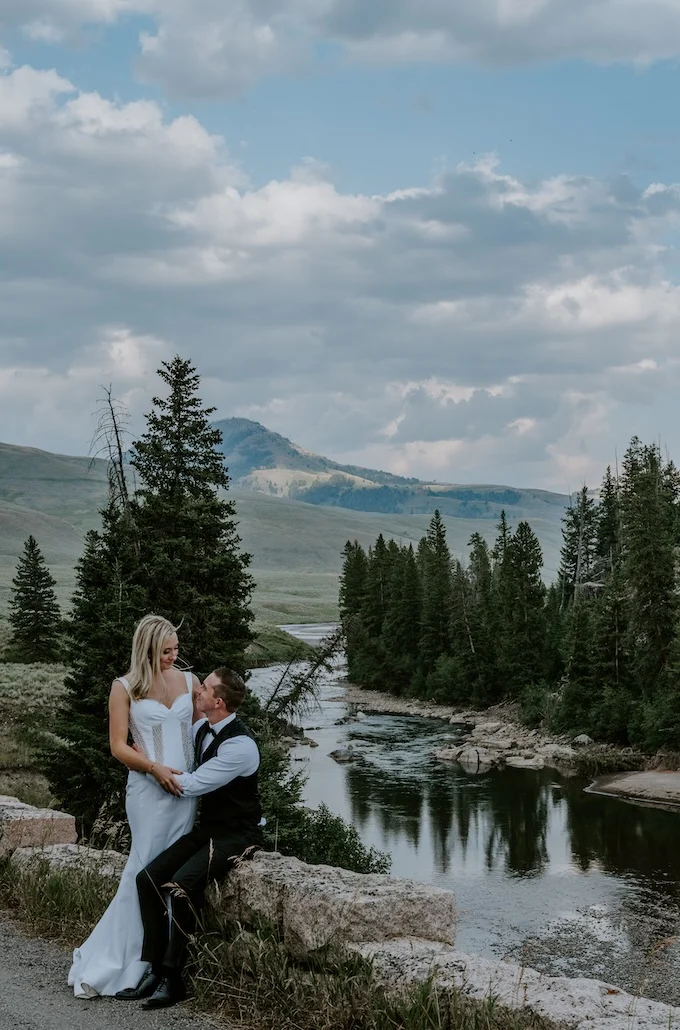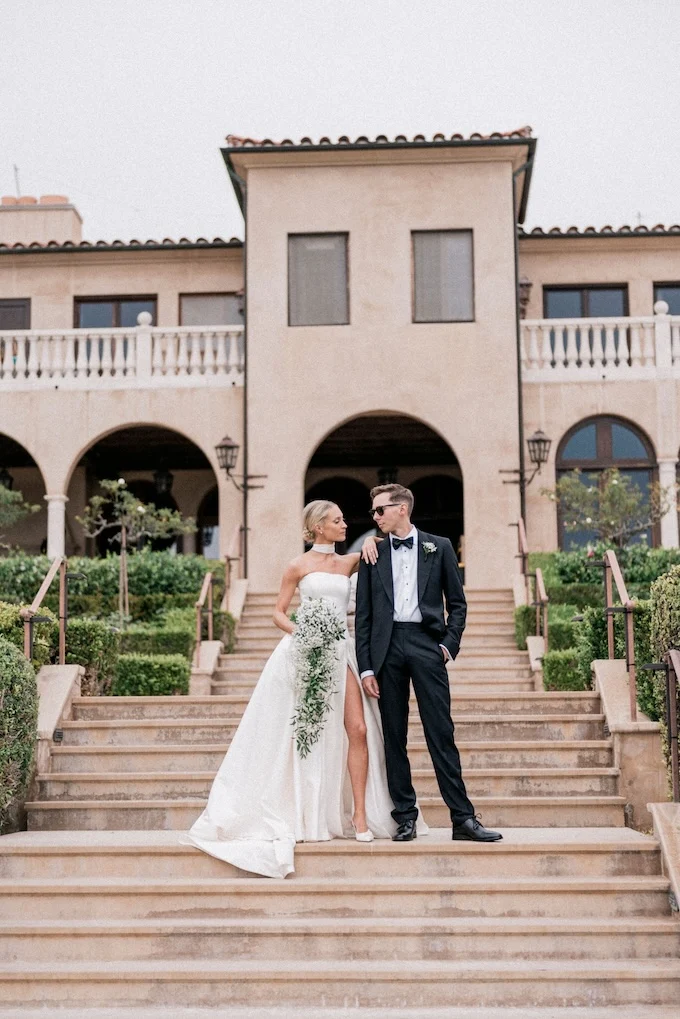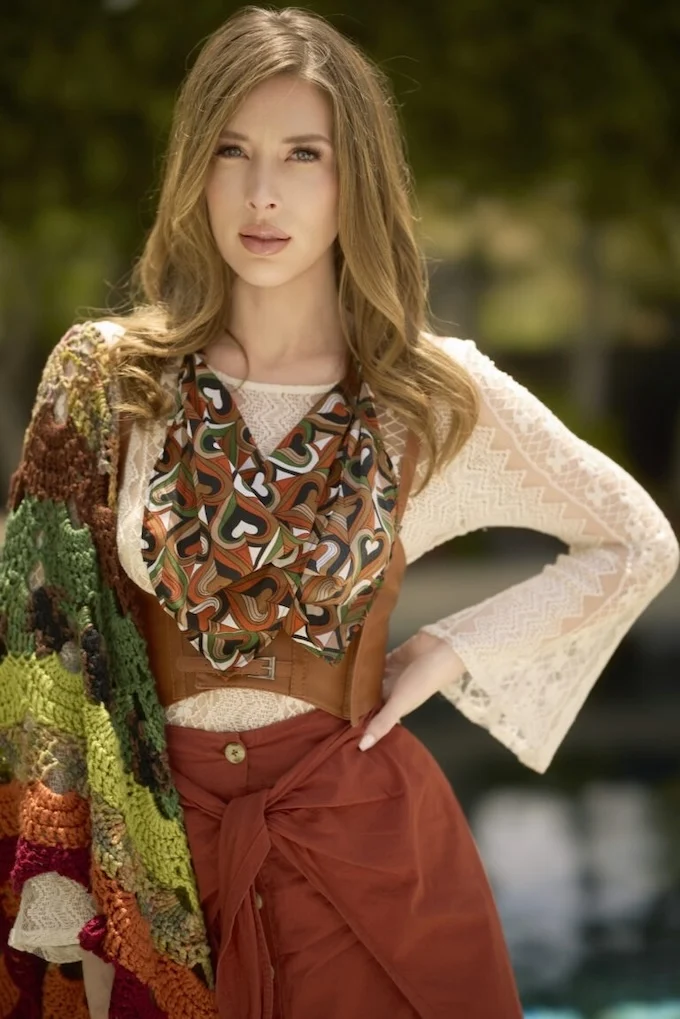
When the pursuit of compelling portraiture is discussed, the inclination for many photographers is to gravitate towards soft, diffused lighting. This often translates into employing techniques such as softening flash output, utilizing light-shaping modifiers like umbrellas, or strategically waiting for overcast skies. However, a paradigm shift in understanding lighting is being championed by renowned photographer Roberto Valenzuela, whose insights suggest that some of the most impactful and memorable portraits are born from the deliberate embrace of hard light. This transformative approach is now accessible through his comprehensive "Dynamic Lighting Masterclass," available on the WPPI On Demand platform.
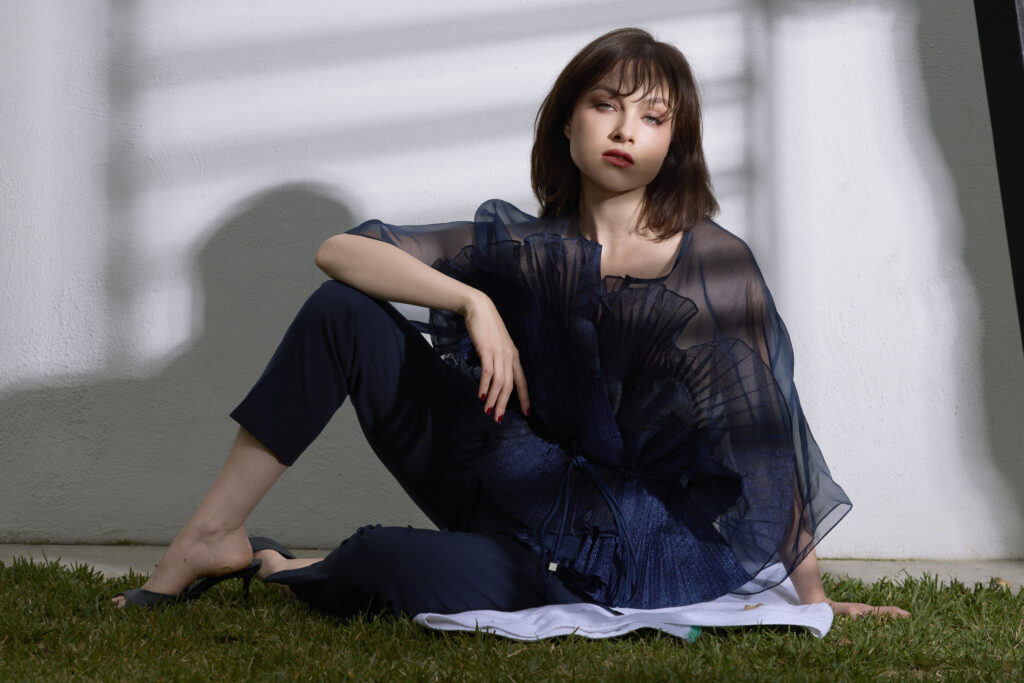
The conventional wisdom in photography often frames hard light as a challenging element, prone to casting harsh shadows and unflattering highlights. Valenzuela, however, reframes this perception, asserting that hard light’s perceived difficulty is, in fact, its latent power. "Hard light gets a bad reputation because it’s more difficult to use. But it’s not really difficult," Valenzuela explains. "If you have some control over your subjects, hard light is going to look ten times more dynamic, ten times more amazing." This assertion is rooted in the inherent dramatic potential of hard light, which can sculpt features, create depth, and imbue a photograph with a visceral energy that softer light often mitigates.
The underlying principle Valenzuela highlights is that controlled hard lighting possesses the capacity to generate images characterized by several key attributes:

- Intense Contrast: Hard light creates distinct areas of bright highlight and deep shadow, defining form and texture with remarkable clarity. This stark contrast draws the viewer’s eye, creating visual anchors within the frame.
- Sculptural Definition: The sharp fall-off of hard light effectively sculpts the subject’s features, emphasizing bone structure, contours, and three-dimensionality. This can lend a sense of gravitas and presence to the portrait.
- Emotional Resonance: The dramatic interplay of light and shadow can evoke powerful emotions, adding layers of mood and narrative to the image. Whether it’s a sense of mystery, intensity, or vulnerability, hard light serves as a potent tool for emotional communication.
- Uniqueness and Memorability: In an era saturated with uniformly lit portraits, images that employ dynamic lighting stand out. As Valenzuela observes, "People are going to look at the photo, and they can’t stop looking at it. There’s something beautiful about it because it’s not normal to see lighting like that." This deviation from the norm creates a lasting impression, making the photograph more memorable and engaging.
Strategic Application of Hard Light Modifiers: The Crucial Role of Grids
Valenzuela’s teachings underscore the importance of precision when working with hard light. A critical piece of advice he offers, designed to optimize investment and results, concerns the indispensable role of grids when using hard light modifiers. "Hard modifiers without a grid is like a car without a steering wheel," he warns. "If you can’t afford the grid, then don’t buy the modifier at all because it’s a waste of your money."
This strong admonition stems from the fundamental function of a grid in controlling light. Hard light modifiers, such as snoots, reflectors, or even bare bulbs, emit light that can spread indiscriminately. Without a grid, this light can spill onto the background, diluting the impact of the subject and reducing the desired separation between the subject and their environment. A grid, composed of honeycomb-like cells, effectively channels the light, restricting its spread and directing it precisely where the photographer intends. This control is paramount for several reasons:

- Subject Isolation: By preventing light from illuminating the background, a grid ensures that the subject remains the focal point of the image. This isolation is crucial for creating impactful portraits where the viewer’s attention is not diverted.
- Pattern Control: Grids allow for the creation of specific light patterns on the subject or background, adding texture and visual interest. This can range from subtle accentuating highlights to more pronounced, graphic patterns.
- Shadow Management: While hard light inherently creates defined shadows, a grid helps manage their placement and intensity, ensuring they contribute to the overall composition rather than detracting from it. This is particularly important for avoiding distracting shadows on the background or unwanted elements on the subject’s face.
- Cost-Effectiveness: Valenzuela’s emphasis on the grid highlights a pragmatic approach to gear acquisition. Investing in a modifier without the necessary accessory to control it is seen as an inefficient use of resources. The grid, therefore, is not merely an optional add-on but an integral component for unlocking the true potential of hard light.
The "Batman and Robin" Technique: A Masterclass in Dual-Source Lighting
Beyond the solitary application of hard light, Valenzuela introduces a sophisticated technique he terms the "Batman and Robin" approach. This method involves the strategic interplay of two distinct light sources, each playing a complementary role in shaping the final image. The core concept is to pair a primary hard light source (the "Batman") with a secondary, softer or medium-intensity light source (the "Robin").
The "Batman," typically a focused, hard light, is responsible for creating the dramatic contours, strong highlights, and defined shadows that give the portrait its impactful structure and visual energy. This is the light that sculpts the face, emphasizes texture, and sets the mood.

The "Robin," on the other hand, serves as a fill light. Its role is not to overpower the dramatic effect of the hard light but to gently lift the shadows created by the "Batman." This ensures that essential details are not lost in complete darkness, maintaining a degree of clarity and depth within the shadowed areas. The "Robin" can be a diffused flash, a reflector, or even a carefully positioned ambient light source.
Valenzuela acknowledges that while this technique can be executed with a single light source by manipulating its position and the subject’s pose, its efficacy is significantly enhanced with two distinct sources. "You don’t have to," Roberto admits, "but it works quite well to do it with two sources of light, a hard one and a medium or soft one." This dual-source approach offers a more nuanced level of control, allowing the photographer to balance dramatic intensity with clarity and detail, thereby achieving a portrait that is both visually striking and technically refined. The result is a portrait that possesses the boldness of hard light without sacrificing the intelligibility of the subject’s features.

Exploring the Depths of Dynamic Lighting: Beyond the Fundamentals
The "Batman and Robin" technique and the strategic use of grids represent foundational elements within Valenzuela’s broader curriculum. His "Dynamic Lighting Masterclass" delves into a far more extensive exploration of lighting principles and practical applications. The course is designed to equip photographers with a comprehensive understanding of how to manipulate light to achieve a wide array of creative outcomes.
Key areas covered in the masterclass extend beyond the basic introduction to hard light and include:

- Advanced Light Shaping: Techniques for precisely controlling the size, shape, and direction of light to achieve specific artistic effects. This involves understanding the inverse square law and how different modifiers interact with light sources.
- Color Theory and Light: Exploring how different types of light sources and gels can influence the color palette of an image and evoke specific moods or themes.
- Environmental Portraiture: Integrating dynamic lighting techniques into natural or built environments, using available light and artificial sources in harmony to create compelling narratives.
- Understanding Light Quality: A deep dive into the characteristics of light – its hardness, softness, direction, and color temperature – and how each impacts the final image.
- Creative Shadow Play: Mastering the art of using shadows as an integral compositional element, not just a byproduct of illumination. This includes understanding how to shape and place shadows for maximum artistic impact.
- Real-World Application and Case Studies: Practical demonstrations and analysis of how these lighting principles are applied in various professional scenarios, from studio portraits to on-location shoots.
The masterclass aims to empower photographers to move beyond simply illuminating their subjects to actively sculpting light, bending it to their creative will, and ultimately producing images that possess a unique and undeniable artistic voice.
The Impact of Dynamic Lighting on the Photography Landscape
Roberto Valenzuela’s emphasis on mastering dynamic lighting, particularly the deliberate use of hard light, signals a potential evolution in contemporary portrait photography. As digital photography has made technically "perfect" exposures more accessible, the pursuit of artistic distinction increasingly hinges on creative vision and technical mastery beyond the basics.

The accessibility of Valenzuela’s teachings through WPPI On Demand democratizes access to advanced lighting education, allowing photographers globally to refine their skills. This can have a ripple effect:
- Elevated Artistic Standards: As more photographers embrace dynamic lighting, the overall quality and artistic merit of portraiture may see a significant rise. This could lead to a broader appreciation for technically sophisticated and creatively bold imagery.
- Niche Market Development: Photographers who excel in dynamic lighting might find themselves carving out unique niches, catering to clients who seek a distinctive visual style that stands apart from conventional portraiture.
- Technological Integration: The principles taught in the masterclass are adaptable to evolving lighting technologies, including LED panels and advanced strobe systems, ensuring their continued relevance.
- Industry Influence: The success and impact of photographers like Valenzuela, who advocate for and demonstrably utilize these techniques, can influence industry trends and inspire a new generation of image-makers to experiment and push creative boundaries.
In conclusion, Roberto Valenzuela’s "Dynamic Lighting Masterclass" represents a significant contribution to the field of photographic education. By demystifying the perceived complexities of hard light and offering practical, actionable techniques, Valenzuela empowers photographers to transcend the conventional and unlock new levels of creativity and impact in their portrait work. The course serves as a testament to the idea that sometimes, the most profound artistic statements are made by those willing to embrace the techniques that others shy away from, transforming light into a powerful narrative tool.
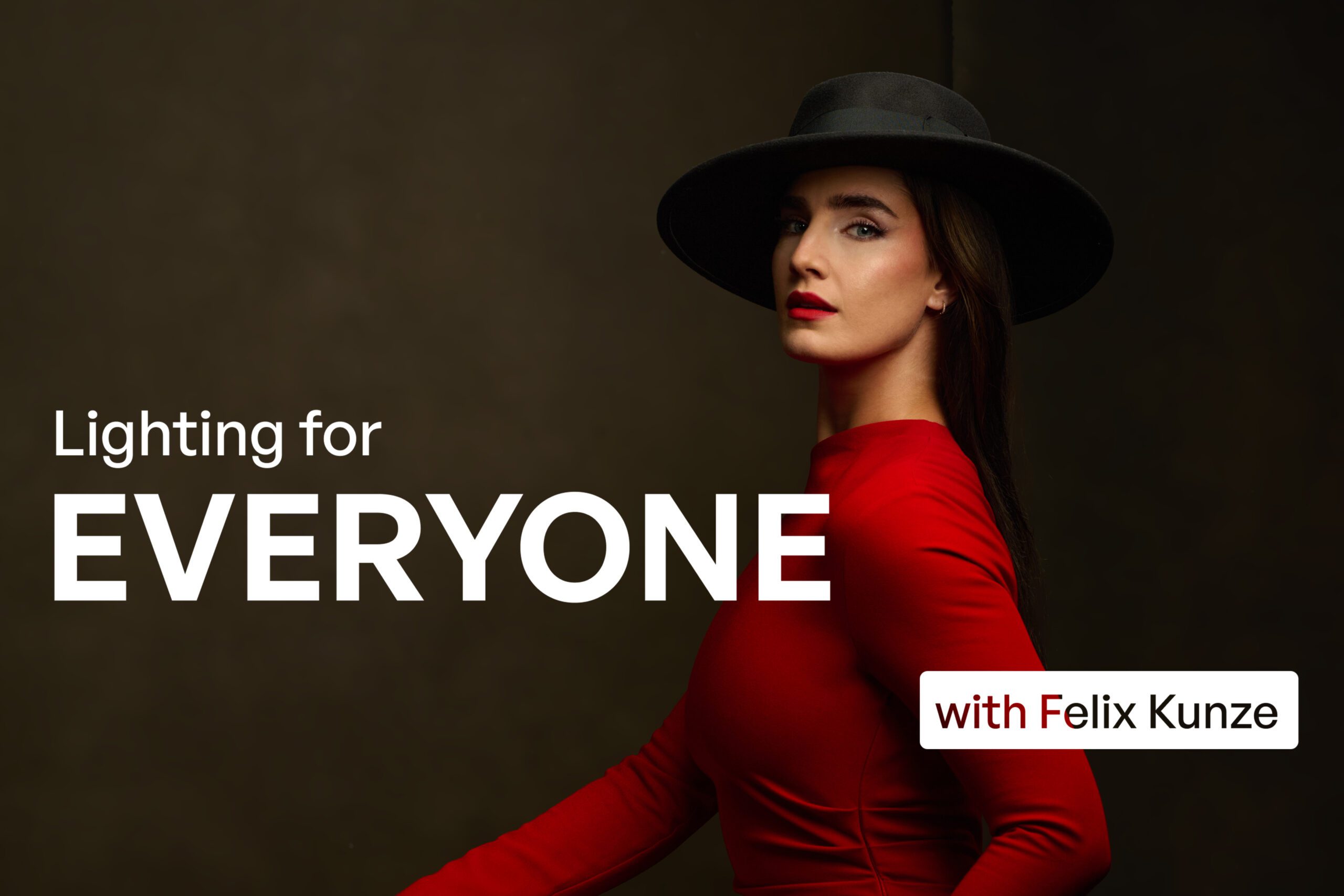
Those interested in transforming their photographic vision and mastering the art of lighting can explore the complete "Dynamic Lighting Masterclass" at the WPPI On Demand Store. Further insights into Roberto Valenzuela’s work can be found on his website, RobertoValenzuela.com, and his Instagram profile, @roberto_photo.