The pursuit of wildlife photography stands as a uniquely challenging yet profoundly rewarding art form, demanding a convergence of meticulous planning, technical skill, extensive knowledge, and often, a touch of serendipity to immortalize that elusive dream shot. While the inherent unpredictability of nature ensures moments of frustration, the evolution of camera technology over the past two decades has undeniably revolutionized what is achievable, particularly in dynamic fields like wildlife photography. Professional nature photographer Keenan Hursh recently underscored this transformative impact during a specialized workshop in India, where he conducted a real-world, side-by-side evaluation of Canon’s latest mirrorless offering, the EOS R5 Mark II, against its highly regarded predecessor, the EOS R5, in the demanding environment of a tiger safari.
The Evolution of Photographic Technology in Wildlife Capture
Modern camera advancements have propelled photographic capabilities into an era where images once deemed impossible are now within reach. For wildlife photographers, these technological leaps are especially pronounced. Significant enhancements in autofocus (AF) systems, particularly those incorporating artificial intelligence for subject and eye detection, have dramatically improved tracking accuracy and speed, crucial for capturing fast-moving animals. Concurrently, advancements in low-light performance allow for higher ISO sensitivities with reduced noise, expanding shooting opportunities in challenging conditions, such as dawn, dusk, or dense forest canopies. Increased burst speeds enable photographers to capture a sequence of frames, improving the odds of securing the decisive moment. Innovations like pre-capture modes, electronic viewfinders (EVFs) with high refresh rates and blackout-free viewing, and the integration of stacked sensors have collectively refined the photographic workflow, offering unprecedented control and responsiveness. These improvements, as noted by Hursh, represent a staggering difference when comparing contemporary setups to those available just a few years prior, let alone at the genesis of his career.
An Expedition to India: A Real-World Testbed
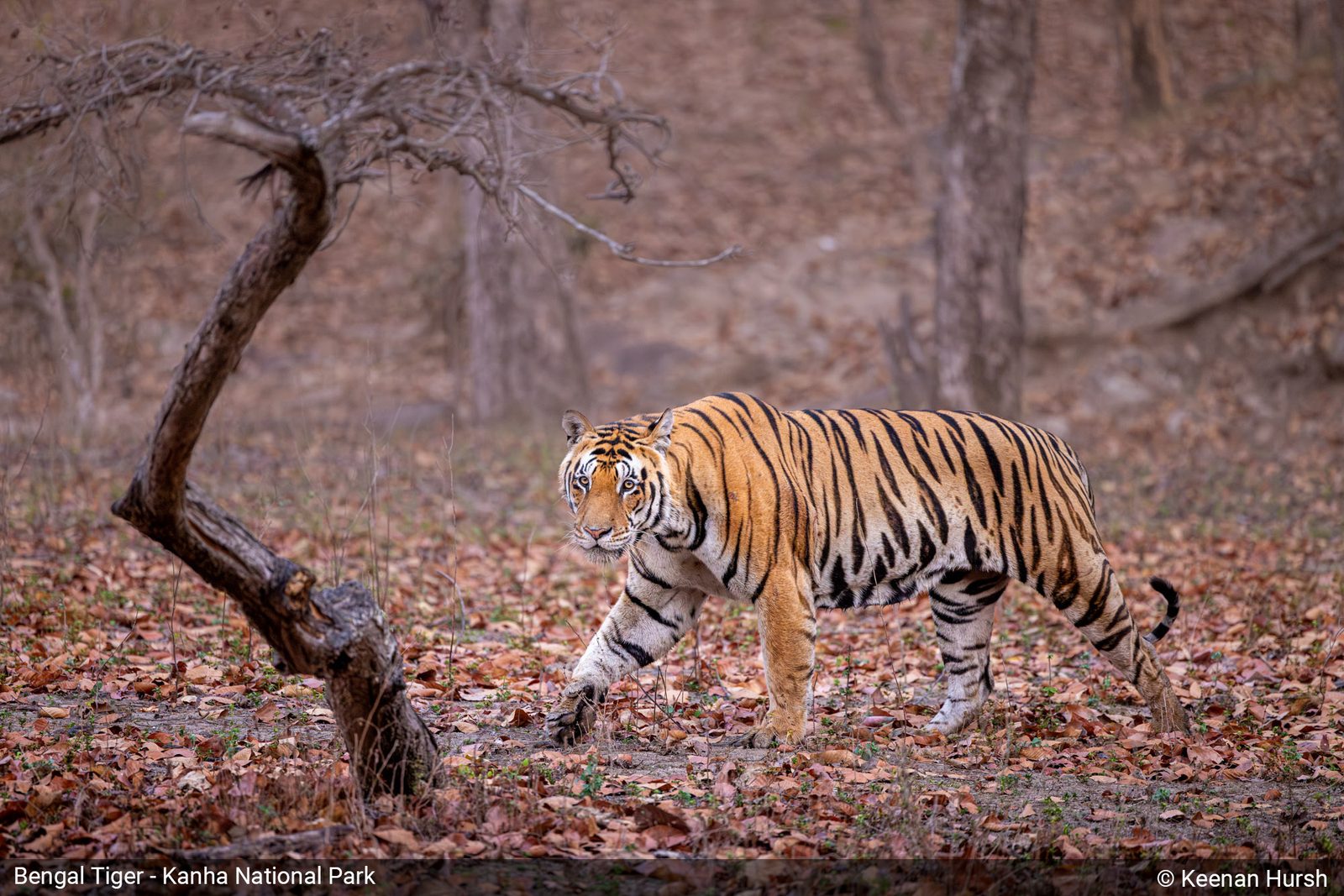
The opportunity to rigorously test these technological advancements arose during a specialized wildlife photography workshop in India, led by Keenan Hursh for Backcountry Journeys. The expedition focused on Bandhavgarh and Kanha National Parks in Madhya Pradesh, renowned as premier destinations globally for observing and photographing Bengal tigers in their natural habitat. Hursh, a seasoned guide and writer, recognized this as an ideal scenario for a direct comparative review of the Canon EOS R5 Mark II and the original EOS R5.
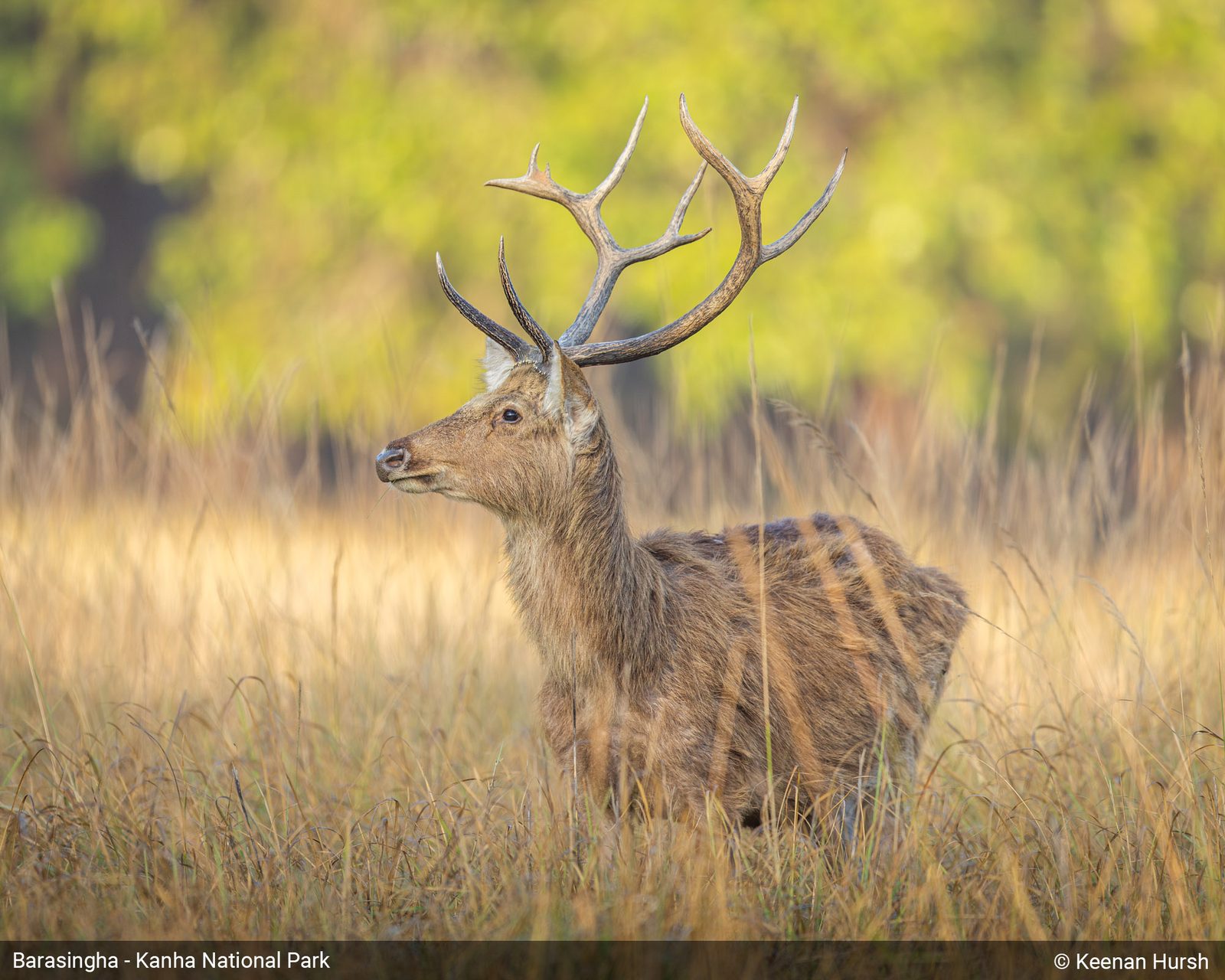
The journey commenced in Delhi, where participants gathered before embarking on an extensive 10-day safari. The itinerary meticulously covered both national parks, each presenting distinct ecological characteristics and photographic challenges. Bandhavgarh, situated northeast of Jabalpur, is celebrated for its high tiger density and diverse avian life. Following this, the group traversed six hours south to Kanha National Park, a sprawling landscape known for its picturesque meadows and successful conservation efforts for the barasingha (swamp deer) in addition to its tiger population. This dual-park approach offered varied terrains and lighting conditions, providing a comprehensive testing ground for the camera bodies.
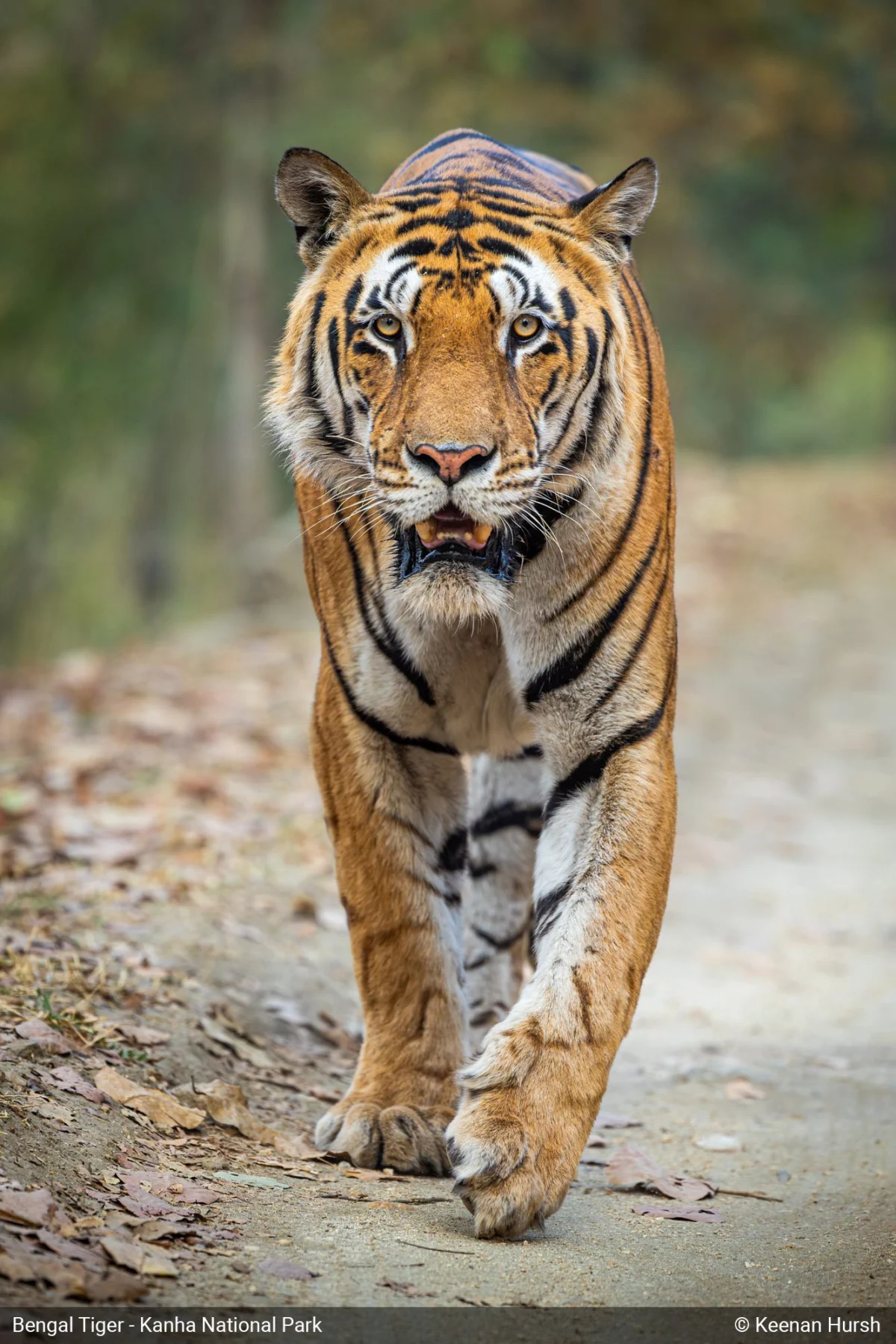
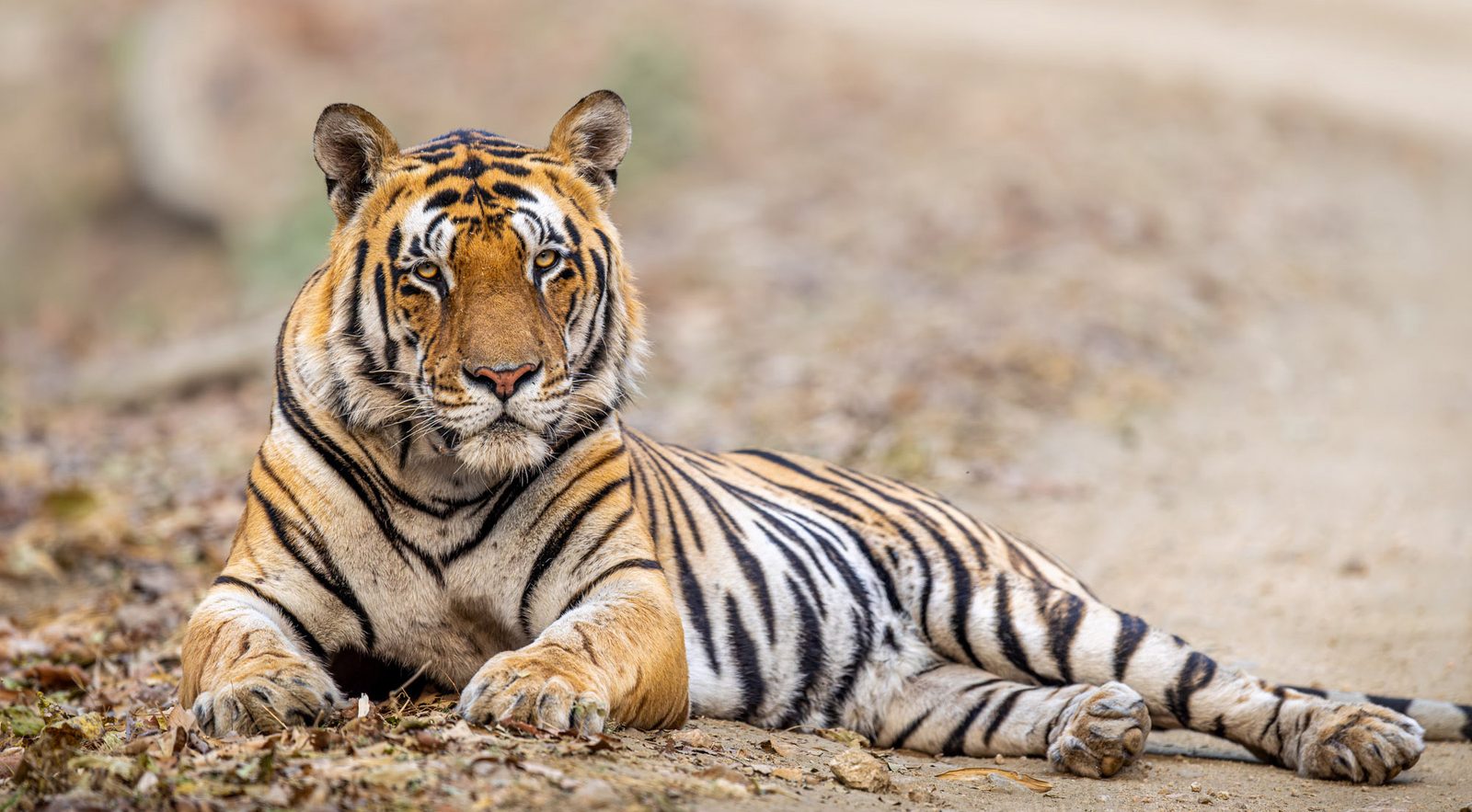
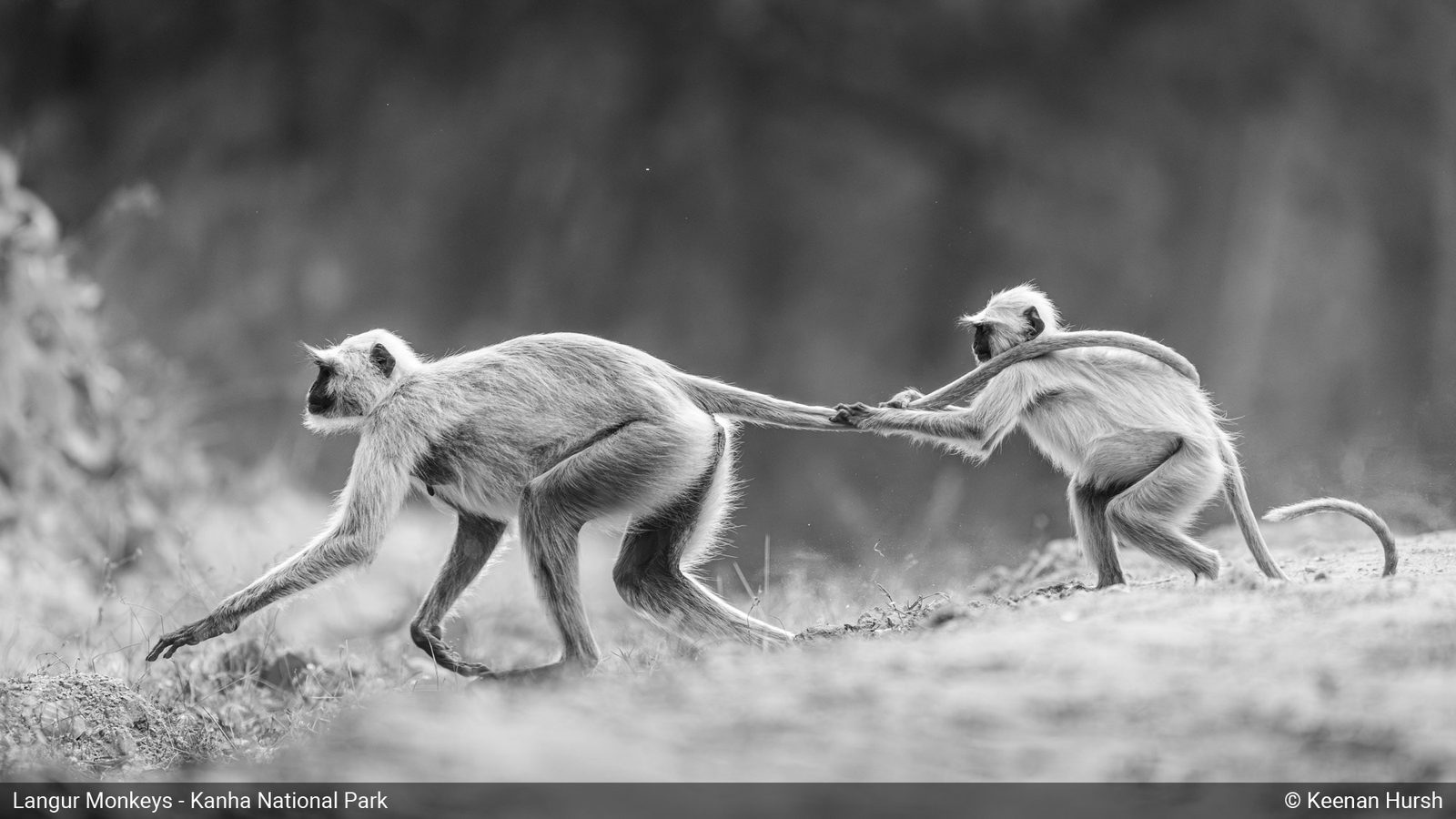
Throughout the workshop, the group was fortunate to encounter 15 individual tigers, exceeding initial expectations, alongside a rich array of other indigenous mammals and bird species. For Hursh, who expressed a long-held dream of photographing India’s wildlife, the trip was a profound experience, allowing him to document over 25 new species within the first day alone. The immersive nature of the safari, with daily drives into pristine wilderness, offered numerous "special encounters" that put the cameras through their paces in high-stakes photographic situations. The primary objective, however, remained the direct evaluation of Canon’s flagship mirrorless cameras.
The Canon EOS R5: A Benchmark of Mirrorless Excellence
Released approximately six years prior to this comparative review (assuming a 2020 launch for the R5 and a recent 2026 launch for the R5 Mark II, aligning with image metadata), the Canon EOS R5 quickly established itself as a formidable tool for professional photographers, particularly those specializing in wildlife. Hursh, having owned two R5 bodies for several years, praised its robust performance across diverse environmental conditions—from extreme temperatures to varied landscapes and demanding shooting scenarios like astrophotography and fast-action wildlife.
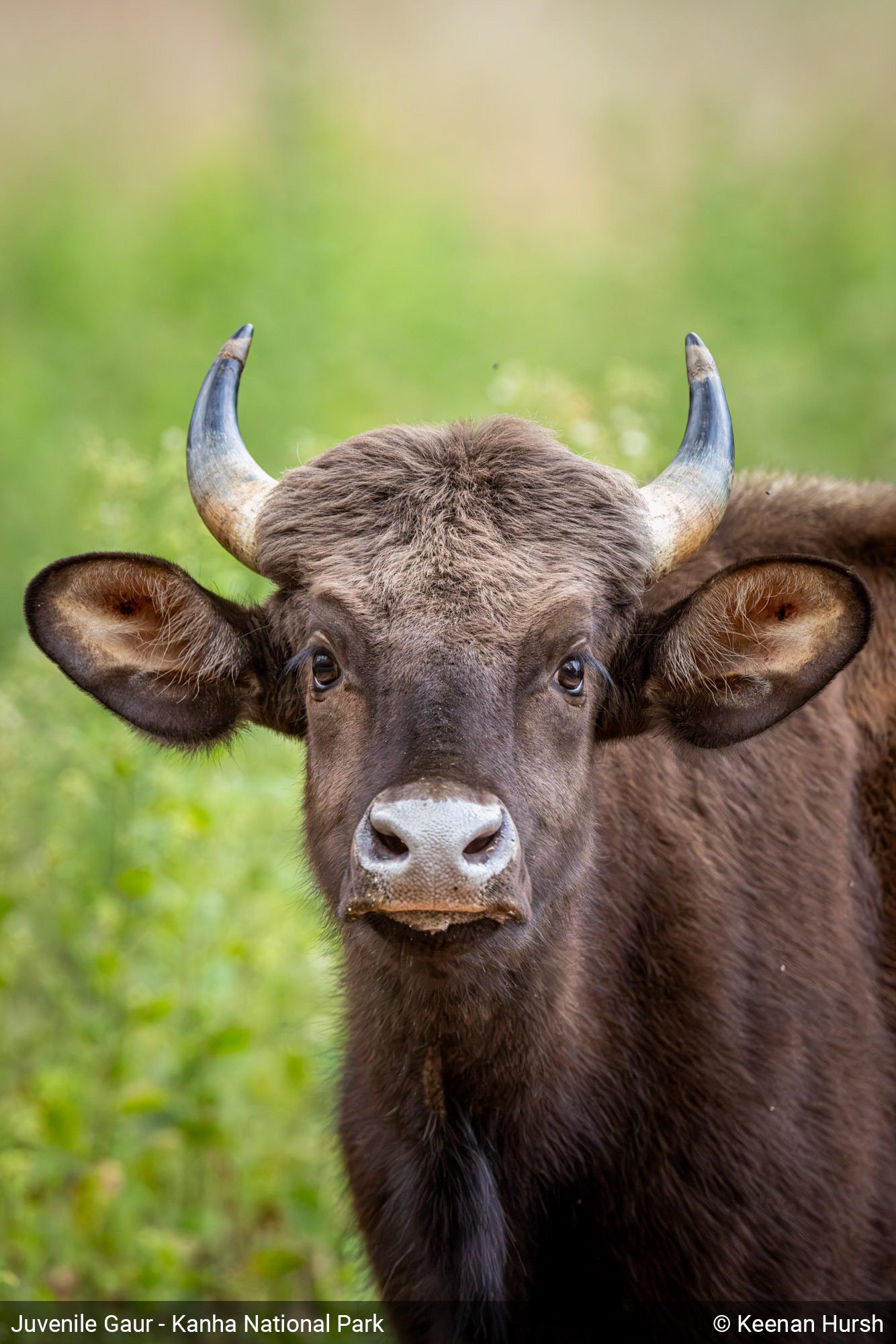
- Strengths for Wildlife Photography: The R5’s capabilities for wildlife photography are extensive. It features a high-resolution 45-megapixel full-frame sensor, providing ample detail for cropping and large prints. Its AI-assisted autofocus capabilities, including highly capable and accurate subject and eye detection, were considered groundbreaking upon release, significantly improving focus acquisition and tracking. The camera boasts a maximum burst rate of 20 frames per second (fps) with the electronic shutter, allowing for capture of fleeting moments. Solid low-light performance handles higher ISO values effectively, and the in-body image stabilization (IBIS) system provides up to 8 stops of correction, crucial for sharp images when shooting handheld with long telephoto lenses. Its magnesium alloy body and quality weather sealing contribute to its durability in challenging outdoor environments.
- Identified Limitations: Despite its accolades, Hursh noted several areas where the R5 presented minor inconveniences in a professional wildlife context. The process of switching between still photography and video modes was described as cumbersome, potentially causing missed opportunities during unpredictable wildlife encounters. When utilizing the electronic shutter, a common practice for wildlife photographers seeking silent operation and high burst rates, the lack of auditory feedback meant photographers had minimal indication that images were being captured. Furthermore, the electronic viewfinder experienced brief "blackout" moments during high-speed shooting, interrupting the continuous visual feed of the subject, which can be critical for tracking erratic movement. While generally effective, the AF system could occasionally be "jumpy" or fail to consistently identify subjects or eyes, leaving room for improvement in reliability.
The Canon EOS R5 Mark II: A Step Forward in Performance
The introduction of the Canon EOS R5 Mark II, while building upon the strong foundation of its predecessor, brought a suite of enhancements that Hursh found to elevate the photographic experience significantly, particularly for wildlife. While maintaining core specifications like resolution, IBIS, and EVF/LCD quality, the Mark II introduced refinements that addressed many of the R5’s identified limitations.
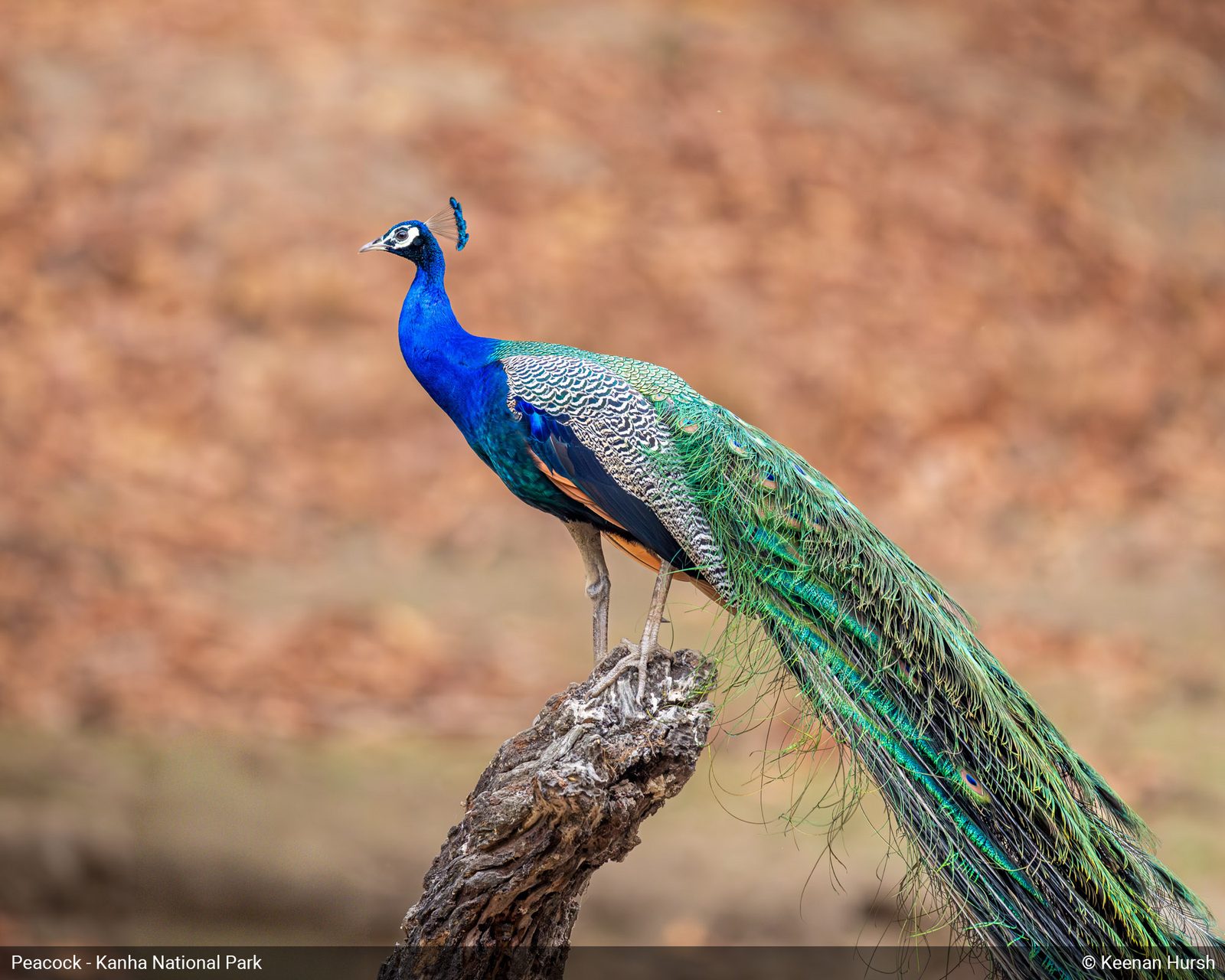
-
Key Advancements for Wildlife Photographers: The most impactful upgrade, according to Hursh’s field test, was the demonstrably superior autofocus system. The R5 Mark II’s AF was noted to be faster, more accurate, and remarkably more reliable, exhibiting smoother tracking and significantly less "jumpiness" than the R5. Its ability to quickly acquire and tenaciously hold focus on subjects, even allowing seamless switching between multiple identified targets, proved a critical advantage in dynamic wildlife scenarios.
Another revolutionary feature highlighted was the pre-capture mode. This innovation allows the camera to buffer images before the shutter button is fully pressed, effectively capturing moments that would be physically impossible to react to in real-time. For capturing the precise instant a bird takes flight or a predator lunges, pre-capture emerged as an absolute game-changer.
Usability improvements included a dedicated physical switch for transitioning between photo and video modes, streamlining a previously cumbersome process. Critically, the R5 Mark II incorporates a brand-new stacked sensor. While maintaining the 45-megapixel resolution, this sensor architecture unlocks several performance benefits, especially with the electronic shutter. The burst rate increases from 20 fps to a blazing 30 fps, offering an even greater chance of capturing peak action. Furthermore, the stacked sensor allows for 14-bit RAW files to be captured even with the electronic shutter, preserving greater image data compared to the R5’s 12-bit compression in this mode. The most immersive benefit, however, is the blackout-free electronic viewfinder, providing an uninterrupted, fluid view of the subject during high-speed continuous shooting, enhancing tracking and composition. The Mark II also addresses the R5’s silent electronic shutter by offering an option for customizable auditory feedback, a minor but appreciated ergonomic enhancement. -
Minor Drawbacks: Despite its impressive performance, the R5 Mark II was not without its own set of considerations. Hursh’s primary concern centered on battery compatibility; to access the camera’s full capabilities, new battery types are required. This presents a logistical and financial hurdle for existing R5 users who have invested in multiple LP-E6NH batteries. While the stacked sensor brings significant advantages, it also leads to a marginally discernible increase in image noise at higher ISO values compared to the R5. This slight reduction in low-light performance, though minor, is a trade-off for the sensor’s increased speed and features. Finally, Hursh pondered whether the sum of these upgrades, while impactful, constituted a sufficient leap to justify the price difference for all users, suggesting that for some, the R5 might still represent a more cost-effective solution.
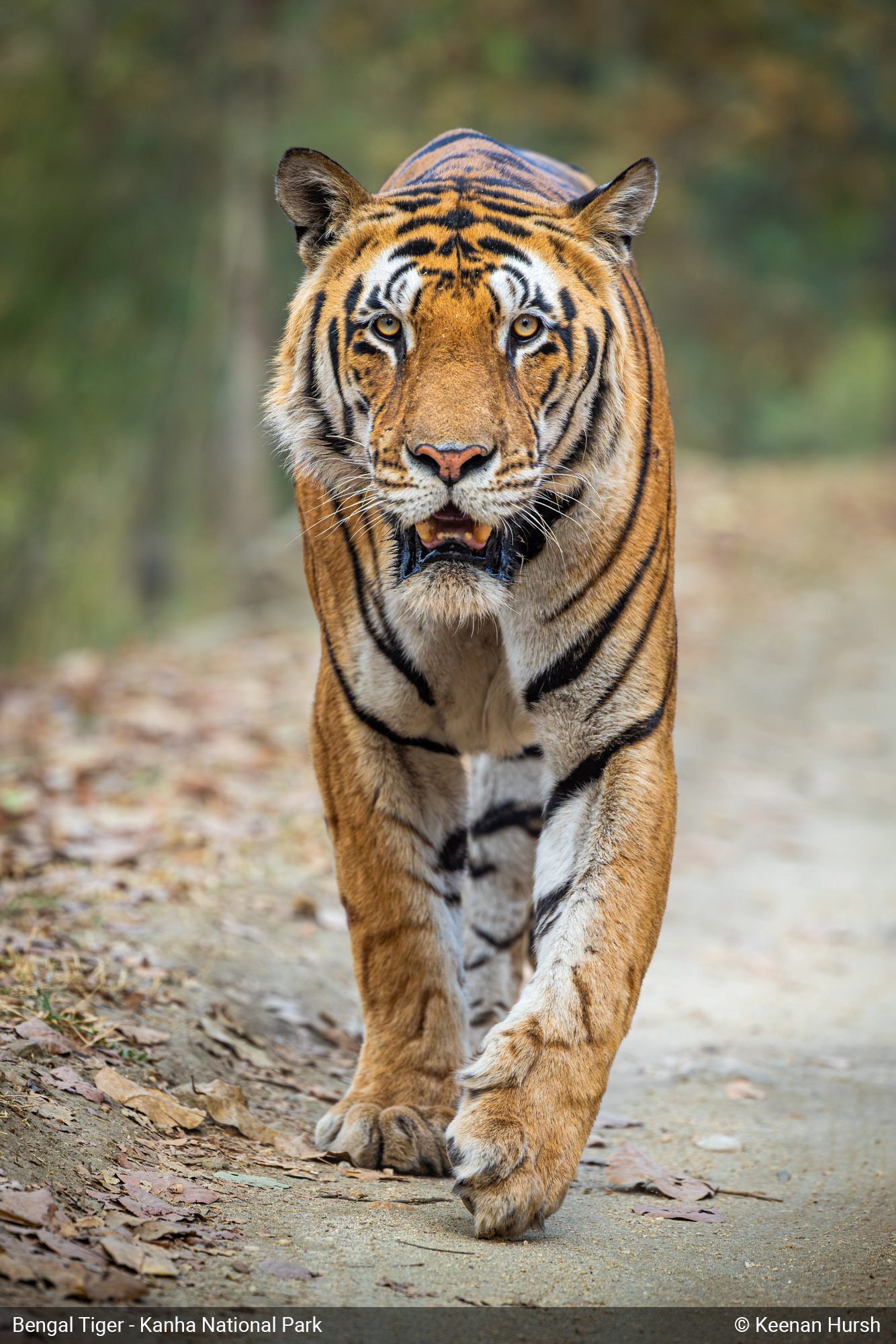
Comparative Analysis and Market Implications
The direct field comparison in India provided clear insights into the strengths and positioning of both Canon mirrorless cameras. The EOS R5 Mark II unequivocally emerges as the superior camera, particularly for specialized applications like professional wildlife and sports photography. The enhanced AF system, combined with the faster, blackout-free electronic shutter and pre-capture capabilities, translates directly into a higher hit rate for sharp, decisive action shots. For photographers whose work frequently involves fast-moving, unpredictable subjects and requires peak performance in demanding conditions, the Mark II represents a compelling, if not essential, upgrade.
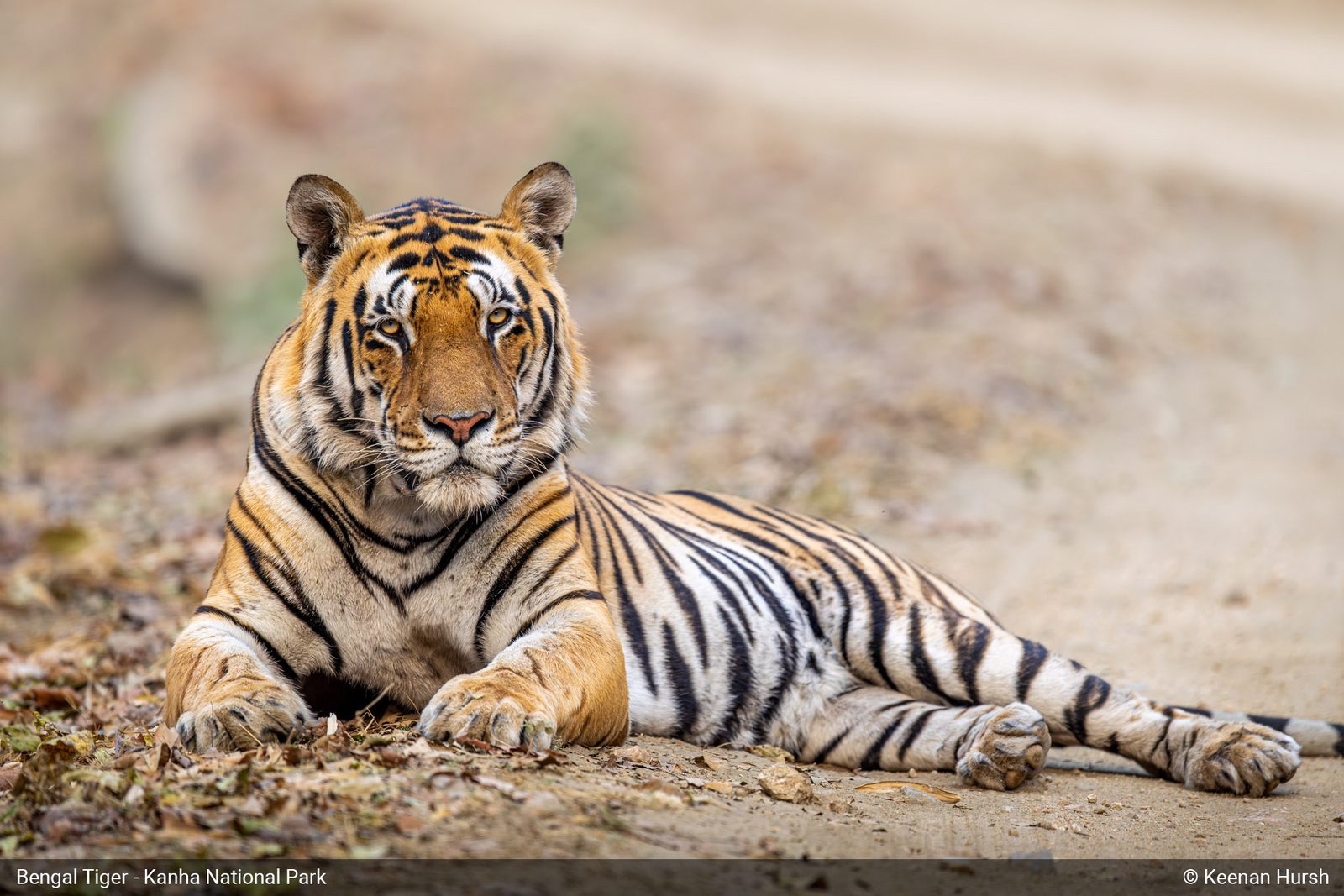
However, the Canon EOS R5, even several years post-release, remains an exceptionally capable camera. For photographers whose primary focus lies in genres such as landscape photography, where absolute burst speed and advanced tracking AF are less critical, or for those operating within tighter budgetary constraints (the R5 being approximately $1,000 less at the time of this review), the original R5 continues to offer outstanding value and performance. Its resolution, IBIS, and overall image quality remain highly competitive.
For professional wildlife photographers like Hursh, who continually seek every possible edge in image capture, the aggregate improvements in the R5 Mark II, particularly in autofocus and the benefits derived from the stacked sensor, justify the investment. The ability to achieve 30 fps with 14-bit RAW files, combined with a blackout-free EVF and the strategic advantage of pre-capture, collectively enhance the likelihood of securing truly unique and technically superior images. The industry trend towards such specialized, high-performance cameras underscores a market demand for tools that push the boundaries of what’s photographically possible.
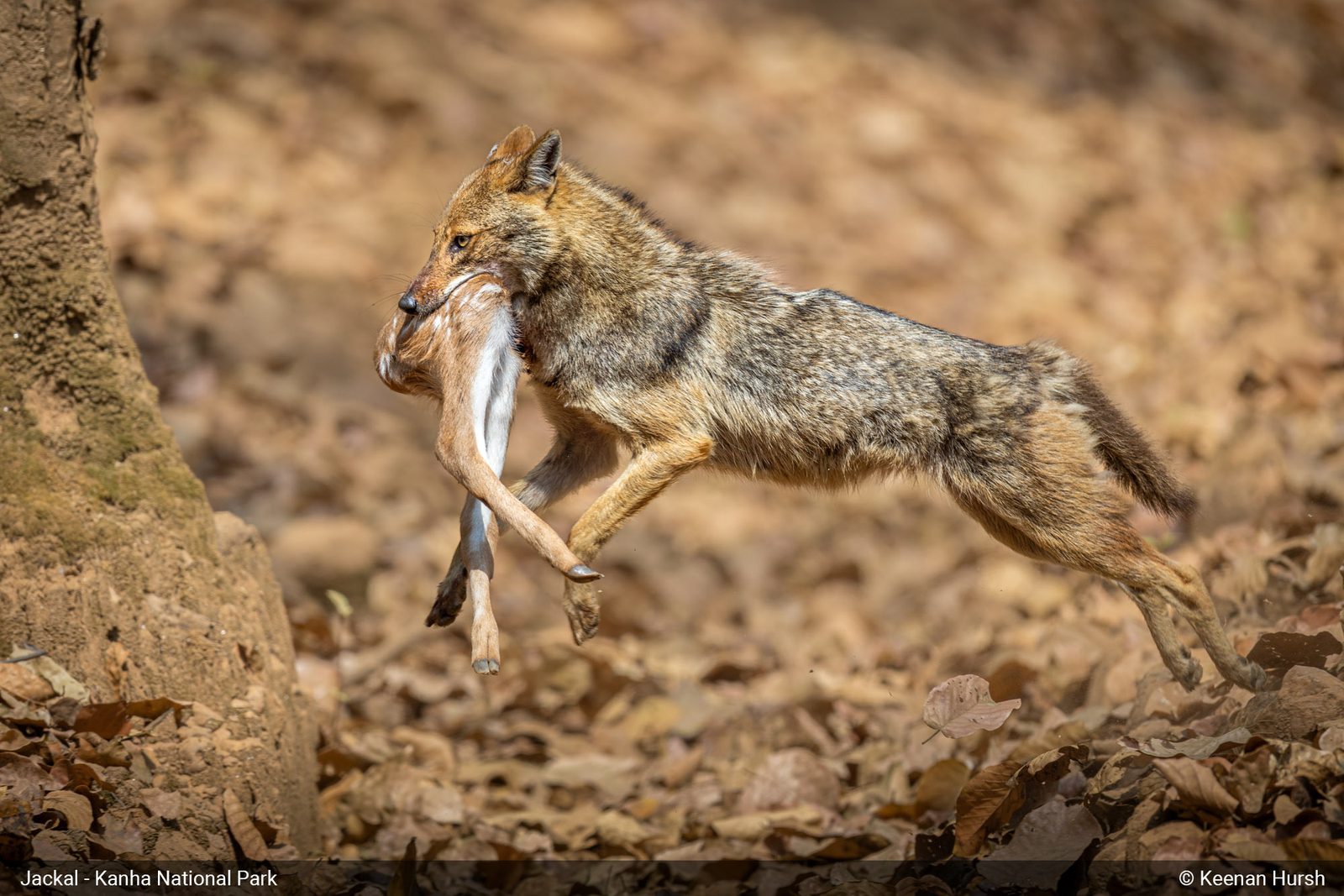
Conclusion
Keenan Hursh’s wildlife photography expedition to Bandhavgarh and Kanha National Parks was not only a personal triumph in capturing the majesty of India’s wildlife but also served as an invaluable real-world laboratory for evaluating cutting-edge camera technology. The rigorous comparison of the Canon EOS R5 and EOS R5 Mark II highlighted both the rapid pace of innovation in the photographic industry and the nuanced considerations photographers must weigh when selecting equipment.
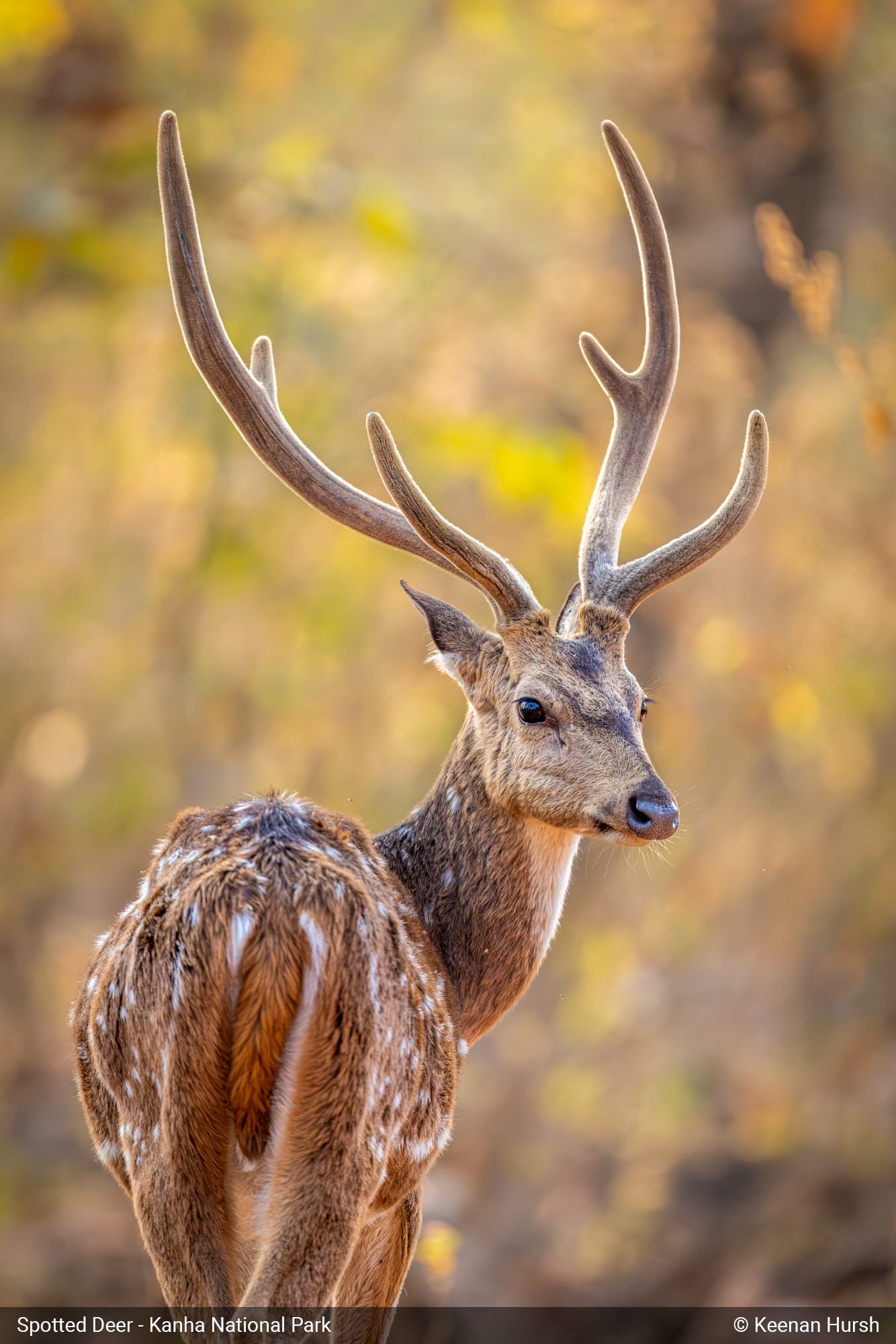
Ultimately, both cameras stand as testament to Canon’s engineering prowess, capable of delivering exceptional results. The decision between them hinges on individual photographic needs, shooting style, and budget. For those at the forefront of action-oriented photography, the R5 Mark II offers a distinct performance advantage that can significantly impact creative output. For others, the robust and highly capable R5 continues to be a workhorse. As technology continues to evolve, the ability to test gear in demanding field conditions, as facilitated by services like Lensrentals.com, remains crucial for photographers to make informed decisions that align with their artistic vision and professional requirements. The constant pursuit of perfection in capturing the natural world continues to drive innovation, benefiting photographers and conservation efforts alike.