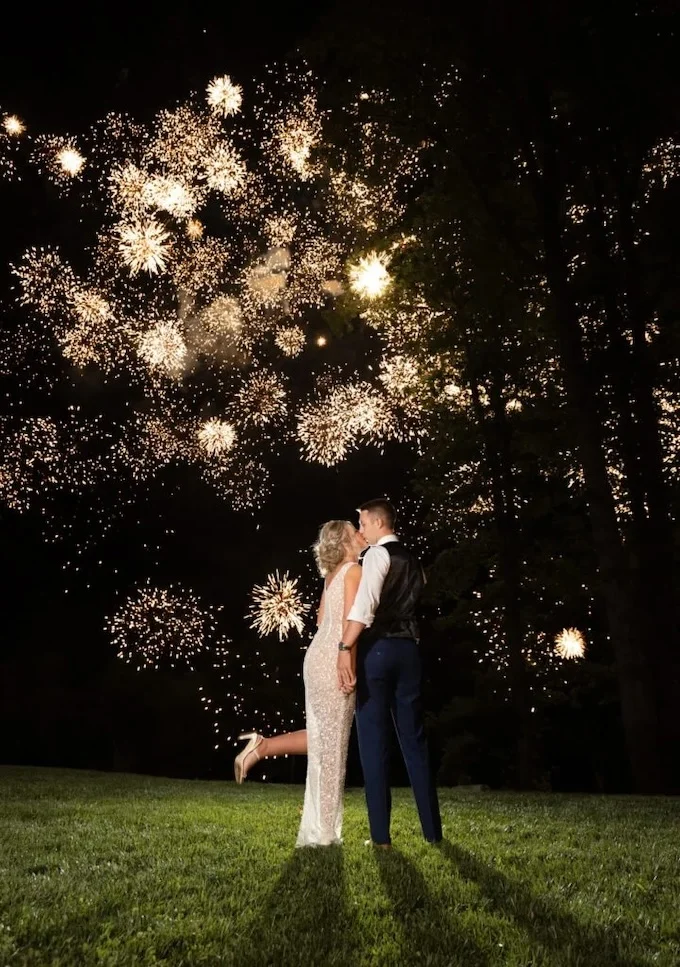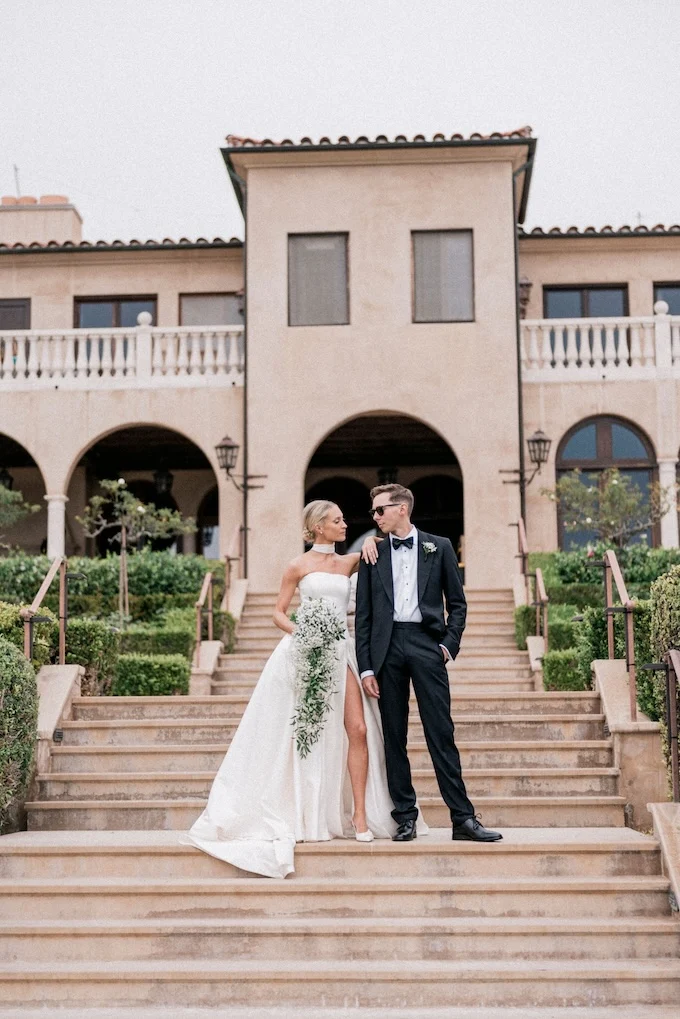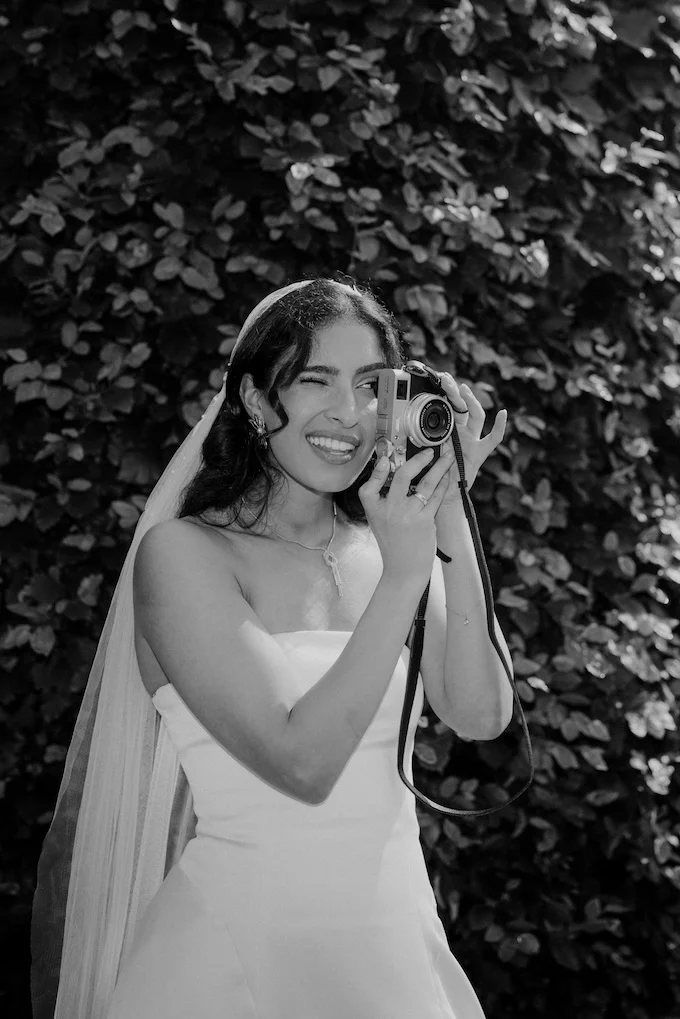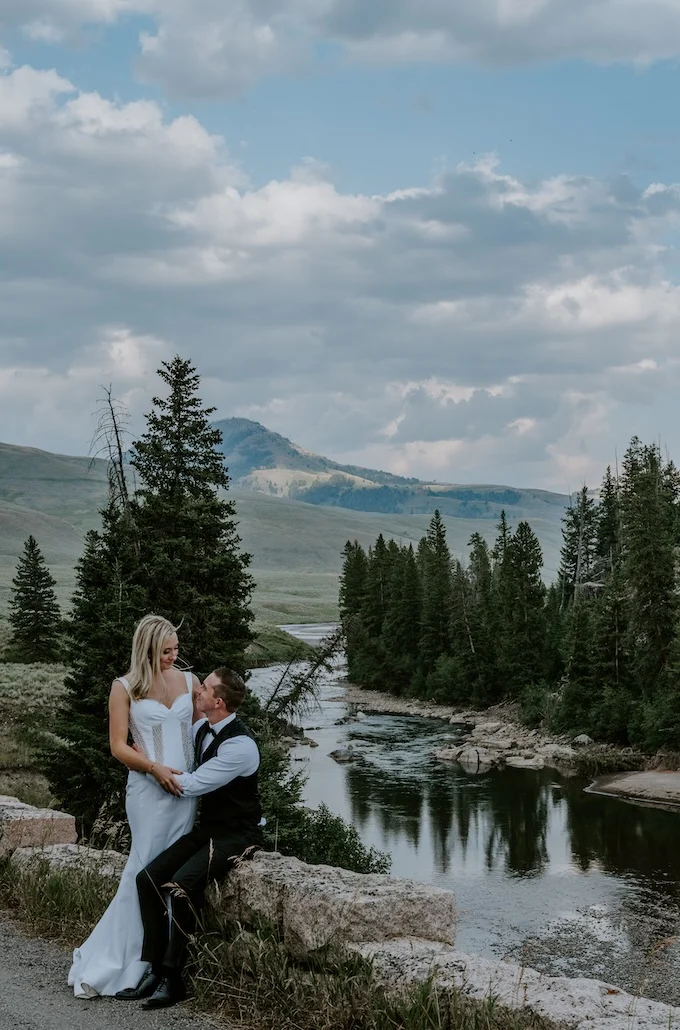
The allure of exchanging vows amidst the breathtaking landscapes of America’s national parks has surged in popularity over the past five years, transforming these protected natural wonders into sought-after wedding and elopement destinations. Yellowstone National Park, in particular, has seen a significant uptick in couples choosing its dramatic vistas for their special day. This trend is likely a confluence of factors, including the cultural impact of the hit television series "Yellowstone," the park’s recent 150th-anniversary celebrations, and a lingering effect of the pandemic, which saw record-breaking visitor numbers once parks reopened. With 63 national parks across the United States, each offering unique scenery, varying amenities, and accessible pathways, the appeal of a national park wedding is undeniable. For photographers considering expanding their services to include national park wedding and elopement photography, understanding the intricacies and potential rewards is crucial.

The Rise of National Park Weddings
The trend towards celebrating significant life events in natural settings is not entirely new, but its recent acceleration within national parks is noteworthy. Data from the National Park Service (NPS) has indicated a steady increase in special use permits issued for weddings and elopements in recent years. While specific nationwide figures for wedding permits are not always granularly reported, anecdotal evidence from park concessionaires and photography professionals suggests a marked rise. For instance, in 2023, Yellowstone National Park alone processed thousands of special use permits for various activities, a portion of which are attributed to photography and small events like elopements. The accessibility of many parks, with well-maintained roads and infrastructure, makes them viable options for couples who wish to incorporate nature without compromising guest comfort.
Navigating the Landscape: A Photographer’s Perspective
Heather Woolery, a photographer specializing in destination weddings and elopements, has witnessed this trend firsthand. Her journey into national park wedding photography began in 2018 with a micro-wedding in Joshua Tree National Park. Since then, she has documented over a dozen weddings and elopements across 11 different national parks, with Yellowstone consistently emerging as a premier location.

"My first experience shooting an elopement in Yellowstone was in 2020," Woolery recalls. "Having visited the park since childhood, I never imagined I’d be capturing these intimate moments in such iconic and awe-inspiring locations on a couple’s wedding day." This personal connection, coupled with her professional experience, led her to meticulously map out various locations within Yellowstone. Her detailed notes encompass optimal times of day, visitor density, and seasonal variations, providing her with a nuanced understanding of the park beyond its typical tourist appeal. This deep knowledge allows her to offer couples a more informed and tailored photography experience.
The Unique Demands of National Park Elopement Photography
Unlike traditional wedding venues that often provide comprehensive planning services, officiants, and vendor lists, national parks operate under a different set of regulations and logistical frameworks. This necessitates a more proactive and advisory role for elopement photographers.

"While we’re typically not wedding planners or day-of coordinators, in the context of national park weddings, our role often expands to include planning assistance," Woolery explains. "Couples are navigating not just a wedding but also the complexities of park permits, transportation logistics, and finding unique experiences within the park’s boundaries. This is where elopement photographers can truly add significant value."
The absence of on-site officiants or established vendor networks within most national parks means that couples must source these elements independently. This places a greater burden on photographers to either guide couples through the process or to have established relationships with park-approved vendors.

Permit Processes and Regulations
A significant aspect of national park wedding photography involves understanding and adhering to park regulations. Historically, photographers operating commercially within parks often required a Commercial Use Authorization (CUA). However, regulations can vary significantly from park to park and are subject to change.
In Yellowstone, for instance, the permit process has evolved. Previously, photographers might have needed a CUA, which could involve an extensive and costly application. More recently, the park has streamlined requirements, with couples now needing to obtain a Special Use Permit (SUP) for elopements, which often encompasses the photographer’s permit as well. These permits are crucial for ensuring that events do not negatively impact park resources or visitor experiences.

Navigating Crowds and Scenery
Yellowstone’s status as one of the most visited national parks presents a unique challenge for wedding photography. Popular tourist hotspots like Old Faithful, Grand Prismatic Spring, and Mammoth Hot Springs can be teeming with visitors, especially during peak seasons. Photographers and couples must exercise careful planning to secure more secluded or less crowded locations for ceremonies and photo sessions.
"Timing is everything in Yellowstone," Woolery emphasizes. "Choosing the right time of year, the right day of the week, and even the right hour of the day can make the difference between a serene, intimate ceremony and one surrounded by hundreds of onlookers." This often involves scouting less-trafficked areas, exploring different geological features, and considering sunrise or sunset sessions for softer light and fewer crowds.

The Pros and Cons of National Park Wedding Photography
For photographers considering this niche, a thorough understanding of the advantages and disadvantages is essential.
Advantages:

- Unique and Stunning Backdrops: National parks offer unparalleled natural beauty, from dramatic mountain ranges and pristine lakes to geysers and diverse wildlife. These provide an extraordinary and memorable setting for wedding photography.
- Growing Demand: As more couples seek intimate and nature-focused celebrations, the demand for specialized national park elopement photographers is on the rise.
- Opportunity for Deeper Client Relationships: The planning assistance often required fosters a closer working relationship with couples, allowing photographers to become trusted advisors.
- Creative Freedom: The natural environment offers a dynamic canvas for creative photography, with ever-changing light and landscapes.
- Preservation Advocacy: Photographers can play a role in promoting responsible tourism and conservation efforts within these protected areas.
Disadvantages:
- Complex Permitting and Regulations: Navigating the specific rules and permit processes for each park can be time-consuming and require diligent research. Non-compliance can result in fines or legal issues.
- Logistical Challenges: Access to certain locations may be restricted, require special vehicles, or involve hiking. Weather can also be unpredictable, necessitating flexibility and backup plans.
- Visitor Congestion: Popular parks can be extremely crowded, requiring strategic planning to find suitable locations and times for ceremonies and photos.
- Limited Amenities: Unlike traditional venues, parks do not offer on-site facilities such as restrooms, changing areas, or reception spaces, which couples and their guests must arrange independently.
- Environmental Sensitivity: Photographers must be acutely aware of and respect the delicate ecosystems within national parks, adhering to Leave No Trace principles. This includes staying on designated trails, not disturbing wildlife, and ensuring all wedding elements are removed.
Key Considerations for Couples and Photographers
When planning a national park wedding or elopement, several factors warrant careful consideration:

- Permit Acquisition: Couples and their photographers must research and secure the appropriate permits well in advance. This process can take several weeks or months, depending on the park and the type of event.
- Guest Count Limitations: Many parks have strict limitations on the number of guests allowed for ceremonies in certain areas. This often favors intimate elopements or micro-weddings.
- Accessibility and Transportation: While many parks have paved roads, some of the most scenic locations may require hiking or off-road transportation. Couples should consider the mobility of their guests.
- Officiant and Vendor Coordination: Couples will need to arrange for an officiant and any other vendors, such as florists or caterers, who are permitted to operate within the park.
- Leave No Trace Principles: Adherence to Leave No Trace ethics is paramount. This includes minimizing waste, respecting wildlife, staying on trails, and ensuring all decorations and personal items are removed.
The Enduring Appeal of a Natural Union
Despite the planning intricacies, the appeal of a national park wedding remains potent. These locations offer a profound connection to nature, providing a backdrop that is both grand and deeply personal. For couples seeking an experience that transcends a conventional wedding day, a national park elopement offers the opportunity to forge a unique bond amidst some of the most spectacular landscapes the United States has to offer.
Woolery concludes, "While I may be biased, I firmly believe that getting married in a national park is worth the effort. It provides couples with limitless possibilities to craft a truly once-in-a-lifetime experience, tailored to their individual stories, all set against the backdrop of some of the nation’s most breathtaking and diverse natural wonders." The enduring charm of these protected spaces, coupled with the growing desire for authentic and meaningful celebrations, ensures that national parks will continue to be a popular choice for couples embarking on their journey together. The photographic opportunities are as vast and varied as the parks themselves, offering a career path for photographers willing to embrace the challenges and rewards of capturing love stories in these magnificent natural cathedrals.