The vast, star-dusted canvas of the night sky, once a distant enigma, has become a photographic frontier for experts like OM SYSTEM Ambassador Matt Suess. His journey, spanning decades, began with a serendipitous encounter in Joshua Tree, where a hazy band across the sky — the Milky Way, unseen in his light-polluted New England upbringing — sparked a lifelong obsession. What started with soft, indistinct photos has evolved into a profound understanding of astrophotography, a craft Suess now imparts to countless aspiring photographers, emphasizing experience over equipment.
From Teenage Darkrooms to Celestial Exploration
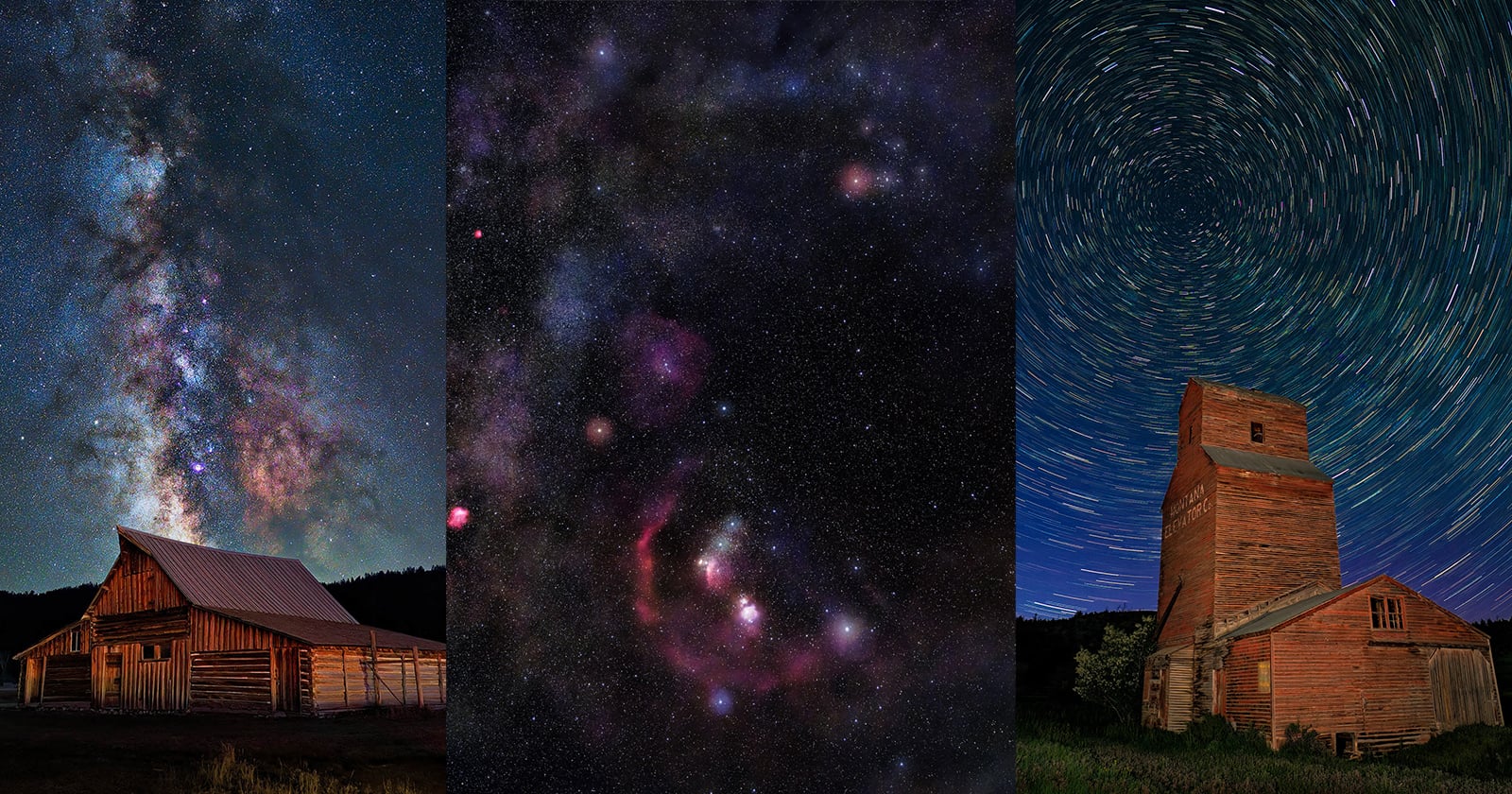
Matt Suess’s fascination with the cosmos took root early. At just 12 years old, he built his first darkroom, developing an intimate connection with the photographic process. By his teenage years in Connecticut, he was already experimenting with capturing star trails on color slide film, a testament to his burgeoning interest in the night sky. This early passion briefly steered him towards mechanical engineering, fueled by aspirations of designing rockets for NASA. While the aerospace career path ultimately diverged, his profound love for celestial phenomena endured, leading him down an equally captivating trajectory as a professional astrophotographer and educator.
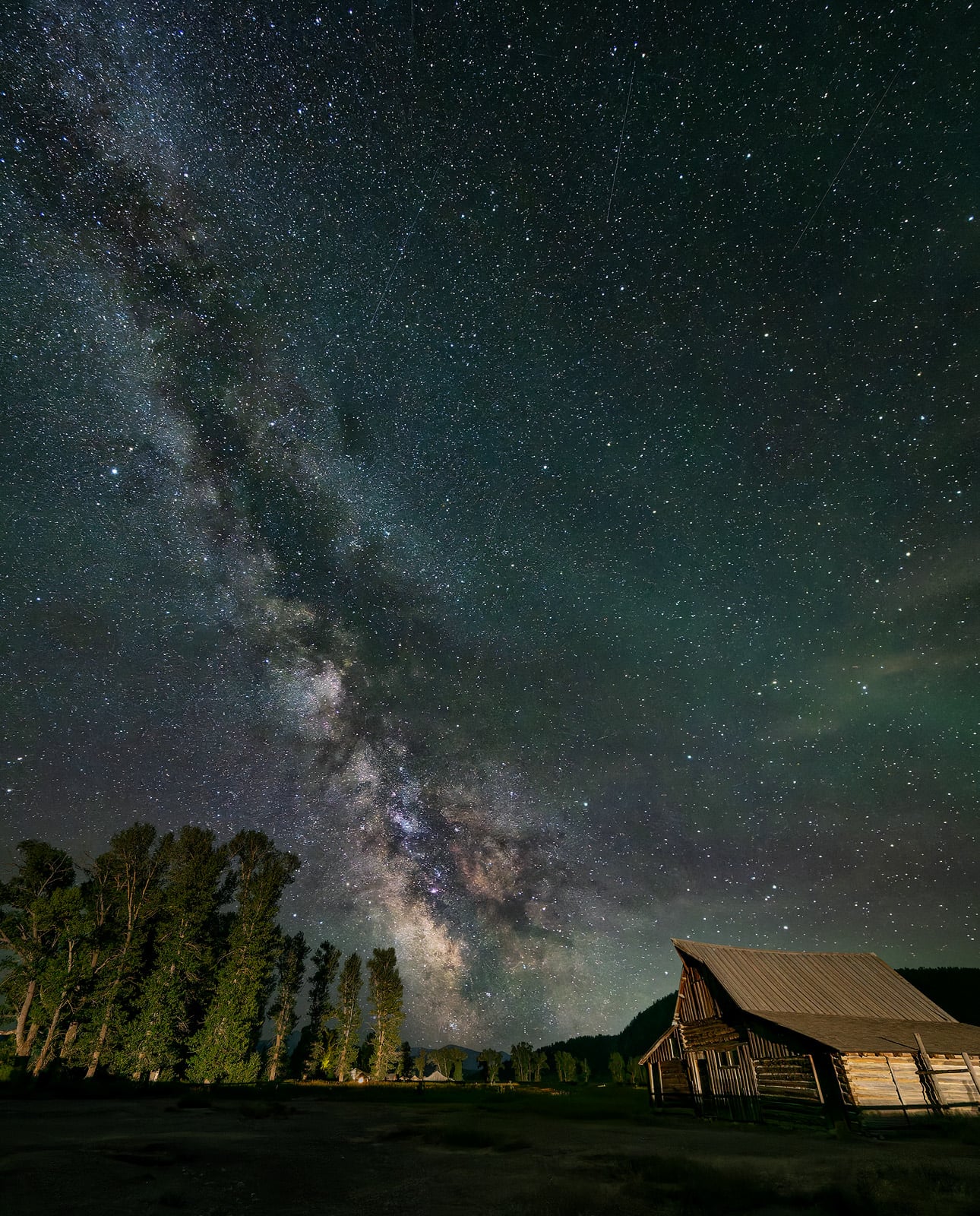
Today, Suess is a revered figure in the astrophotography community, renowned for leading immersive workshops in some of the world’s most pristine dark-sky locations, from the majestic Grand Tetons to the ethereal landscapes of arctic Norway. These workshops are not merely technical tutorials; they are transformative experiences for participants, many of whom are witnessing a truly dark night sky for the first time. "I remember what I was feeling when I saw the Milky Way for the first time in Joshua Tree," Suess recounted to PetaPixel. "I couldn’t believe what I was looking at. I just stood there staring at it. A lot of people who attend my workshops experience that same moment of seeing a truly dark night sky for the first time. Watching them see it with their own eyes and then helping them photograph it, that’s a reward that never gets old." His invaluable lessons, he notes, are forged not in manuals, but through countless nights in the field, meticulously diagnosing and overcoming challenges.
Beyond the Gear: Asking the Right Questions for Sharper Stars
A common pitfall for many aspiring astrophotographers is the immediate inclination to upgrade equipment. Suess firmly believes this often stems from asking the wrong question. Instead of "Do I need a better camera?", he challenges his students to ask: "What’s actually limiting your shots?" This fundamental shift in perspective often reveals that technical issues, rather than camera limitations, are the root cause of subpar images.
For instance, blurry stars might be attributed to poor focusing technique, tripod instability in windy conditions, or a lens that isn’t fast or sharp enough for the demanding conditions of night photography. Many photographers mistakenly invest in new camera bodies when a faster prime lens or a more robust tripod would yield far greater improvements. This insight underscores a crucial principle in photography: understanding the interplay between technique, environment, and equipment is paramount.
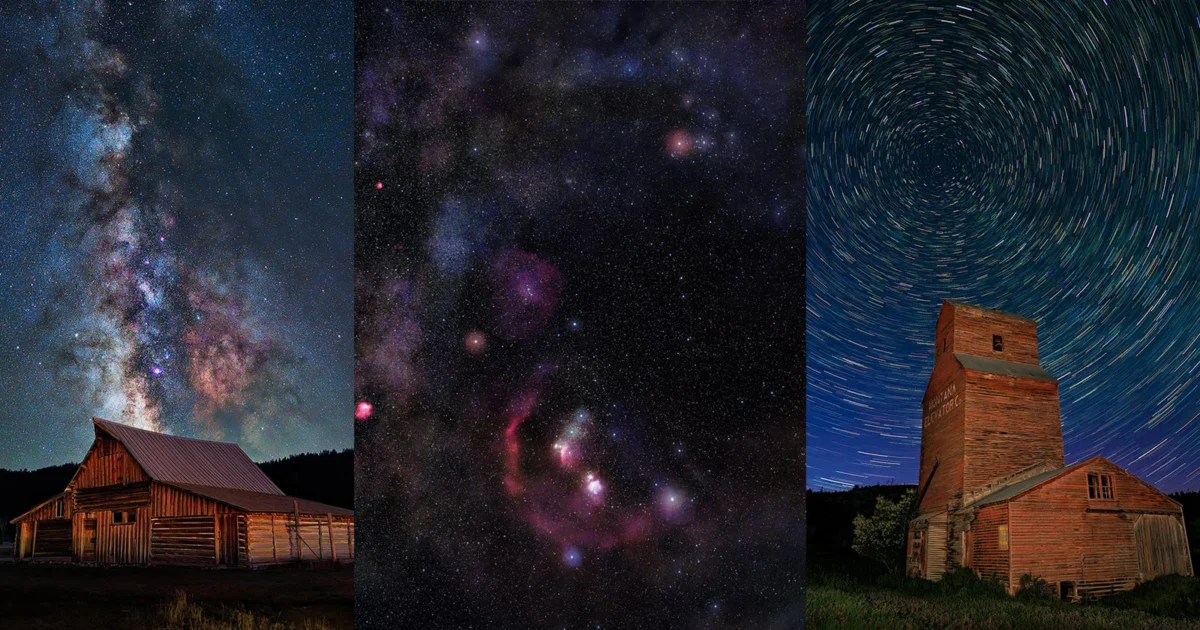
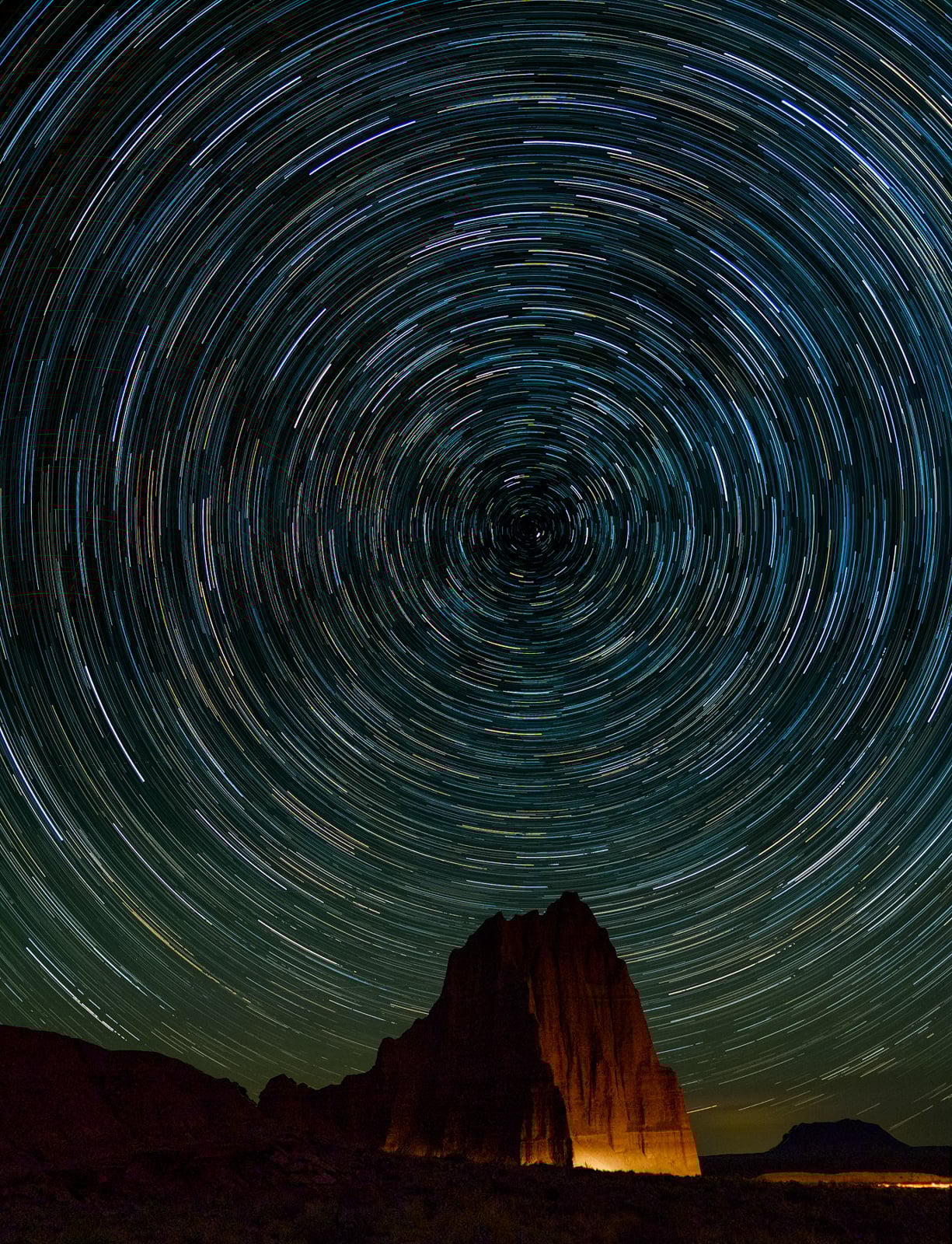
Suess himself vividly recalls a pivotal moment that redefined his approach to star trail photography, not through a manual, but from a workshop participant. He observed a student effortlessly producing real-time star trails directly in-camera, bypassing the laborious post-processing stacking Suess had employed for years. This revelation introduced him to OM SYSTEM’s "Live Composite" mode, an innovative in-camera long-exposure tool that fundamentally changed his workflow. This experience reinforced his belief in fully exploring existing gear before seeking upgrades. "Before I recommend anything to a student, I ask them: have you tried every feature and setting in your current camera? Have you tried astrophotography with different lenses? Most people haven’t experimented. They’ve used maybe 30% of what they already own," he emphasizes.
Optimizing Your Kit: The Advantages of Lightweight Systems
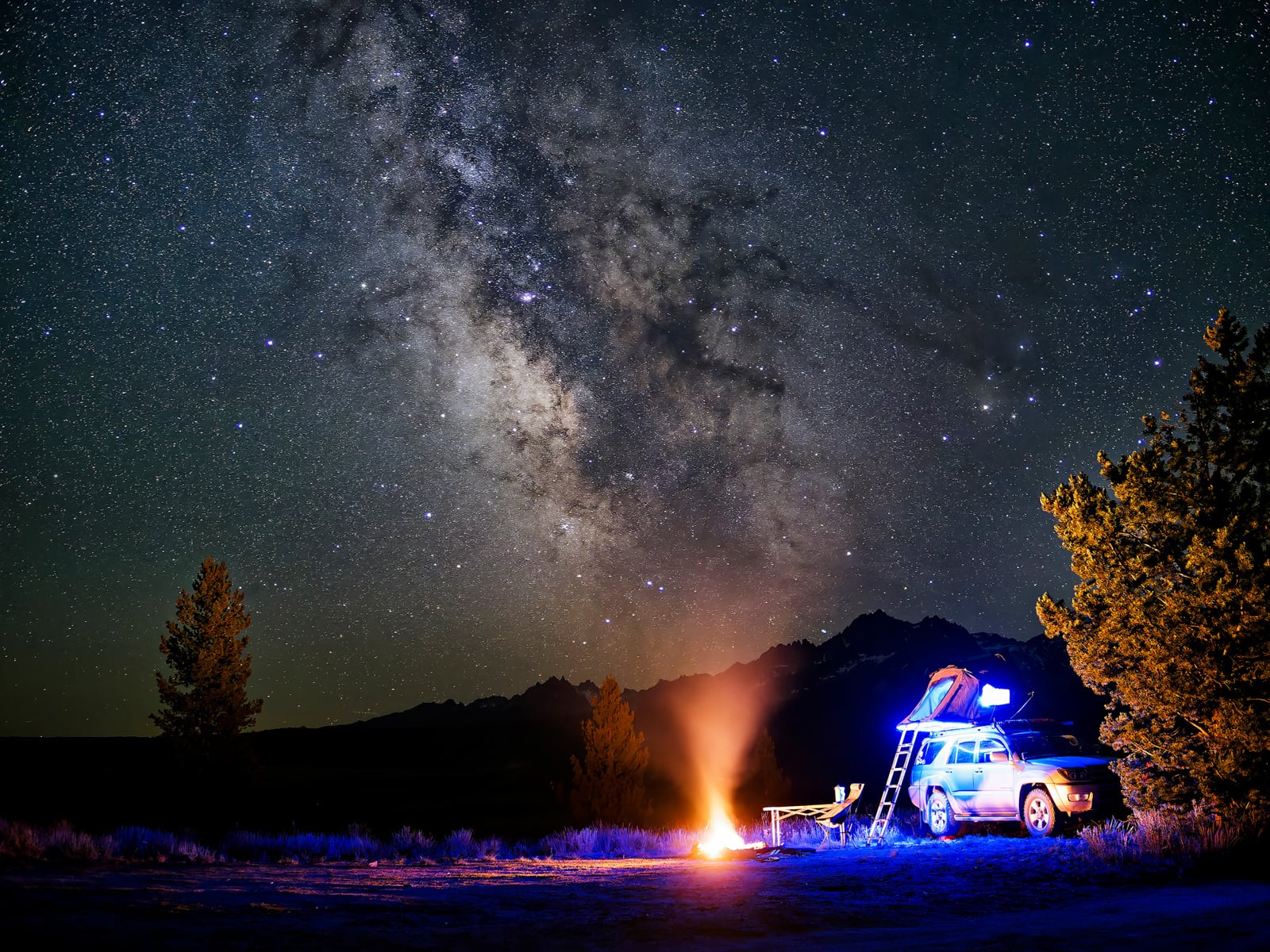
Serious astrophotography often necessitates a considerable amount of gear: sometimes two tripods, a star tracker, and a selection of specialized lenses. In this context, the weight of the equipment becomes a critical factor. Suess highlights the tangible benefits of lighter bodies and lenses. His personal kit, featuring the OM-1 Mark II, OM-5 Mark II, fast prime lenses, and a star tracker for deep-sky work, exemplifies this philosophy. "The heavier the gear, the less you bring, and the more you wish you had out in the field. A lightweight setup that works for you will help you take better images and enjoy your time under the night sky," Suess asserts.
Beyond gear selection, understanding the nuances of shutter speed is vital to avoid unwanted star trails. While the "500 rule" (500 divided by the 35mm equivalent focal length yields the maximum shutter speed before noticeable star movement) serves as a popular guideline, Suess prefers a more practical approach. He recommends taking a test shot and adjusting the exposure time based on visual inspection for sharp stars, eliminating the need for on-the-spot calculations. Through extensive experience, photographers develop an intuitive understanding of optimal exposure times for their preferred lenses.
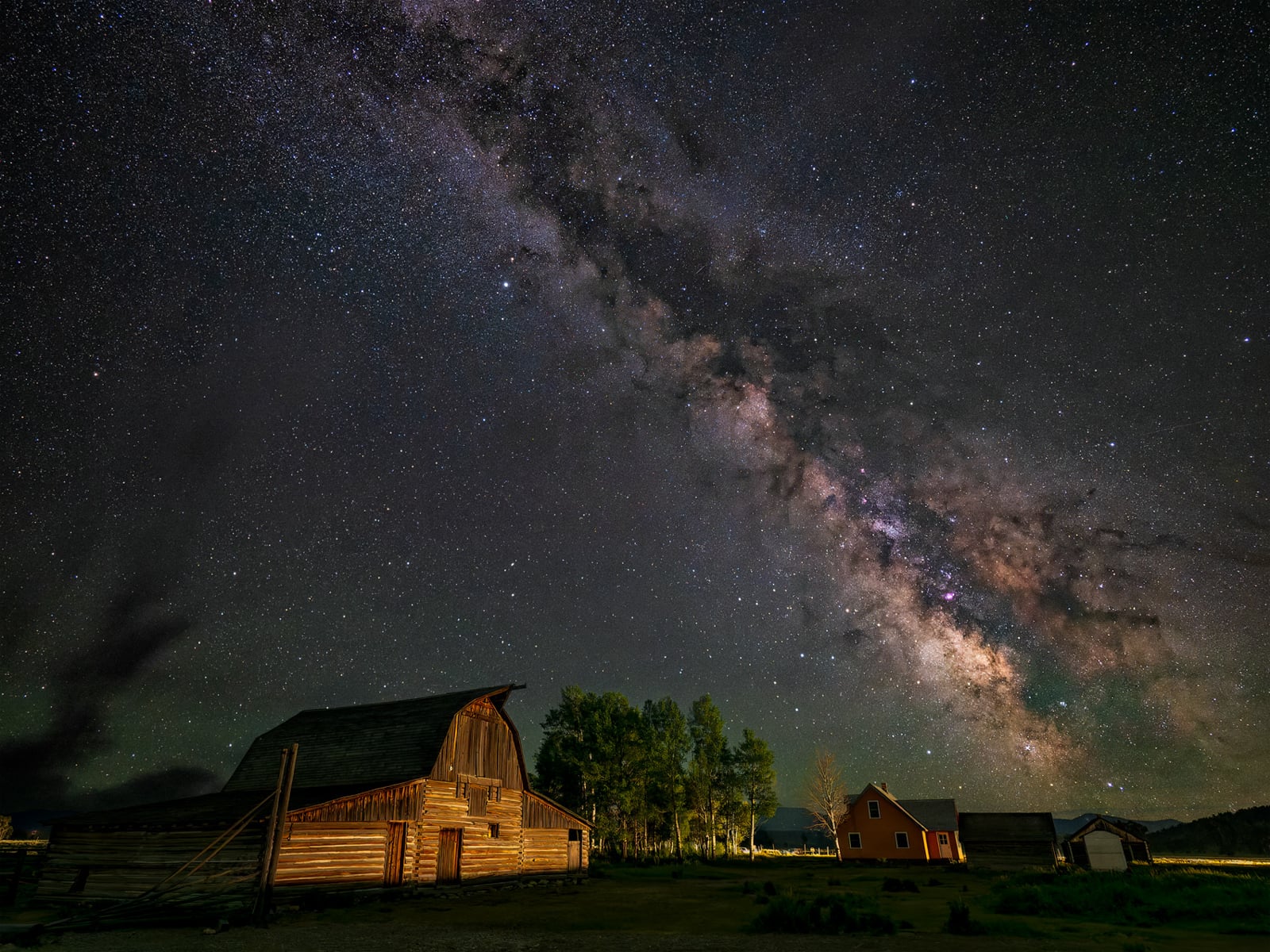
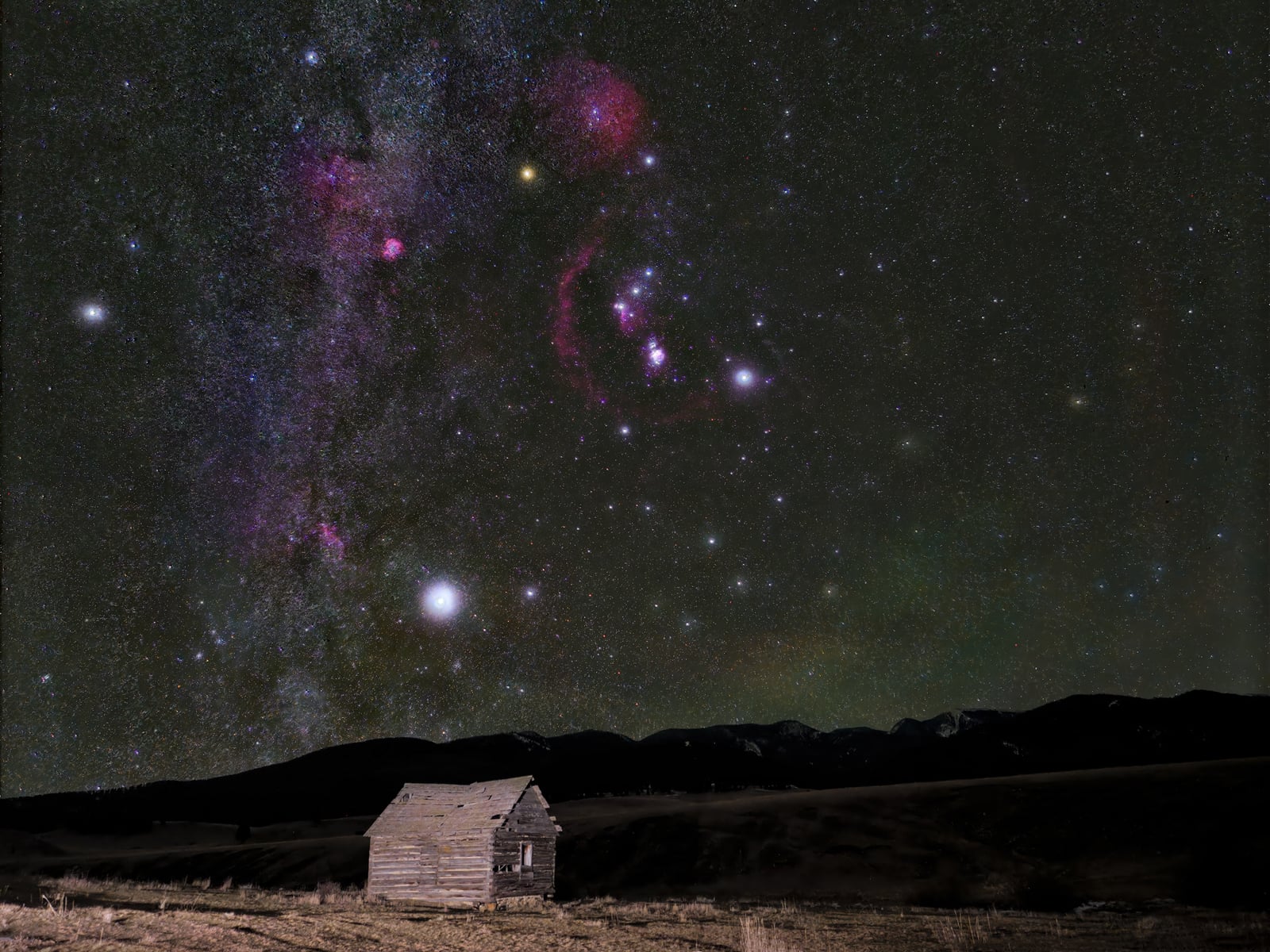
Among his diverse lens collection, the M.Zuiko Digital ED 17mm F1.2 PRO stands out as Suess’s go-to for capturing the Milky Way. Its 34mm equivalent focal length strikes an ideal balance, wide enough to frame the Milky Way’s majestic arc alongside compelling foreground elements, yet not so wide as to introduce excessive star distortion at the edges. The f/1.2 aperture is a game-changer, allowing him to reduce ISO settings by a full stop or more compared to f/2 lenses, directly translating to cleaner, less noisy RAW files. This underscores the critical role of "fast glass" in achieving high-quality wide-field astrophotography.
Achieving Pinpoint Focus: The Starry Sky AF Advantage
One of the most technically demanding aspects of astrophotography is achieving precise star focus in pitch-black conditions. Suess’s traditional manual focusing technique involves entering live view, maximizing magnification, and meticulously rotating the manual focusing ring on the brightest star until it appears as the smallest, sharpest point. This requires patience, steady hands, and stable environmental conditions, as even minor shifts in temperature or accidental bumps can compromise focus.
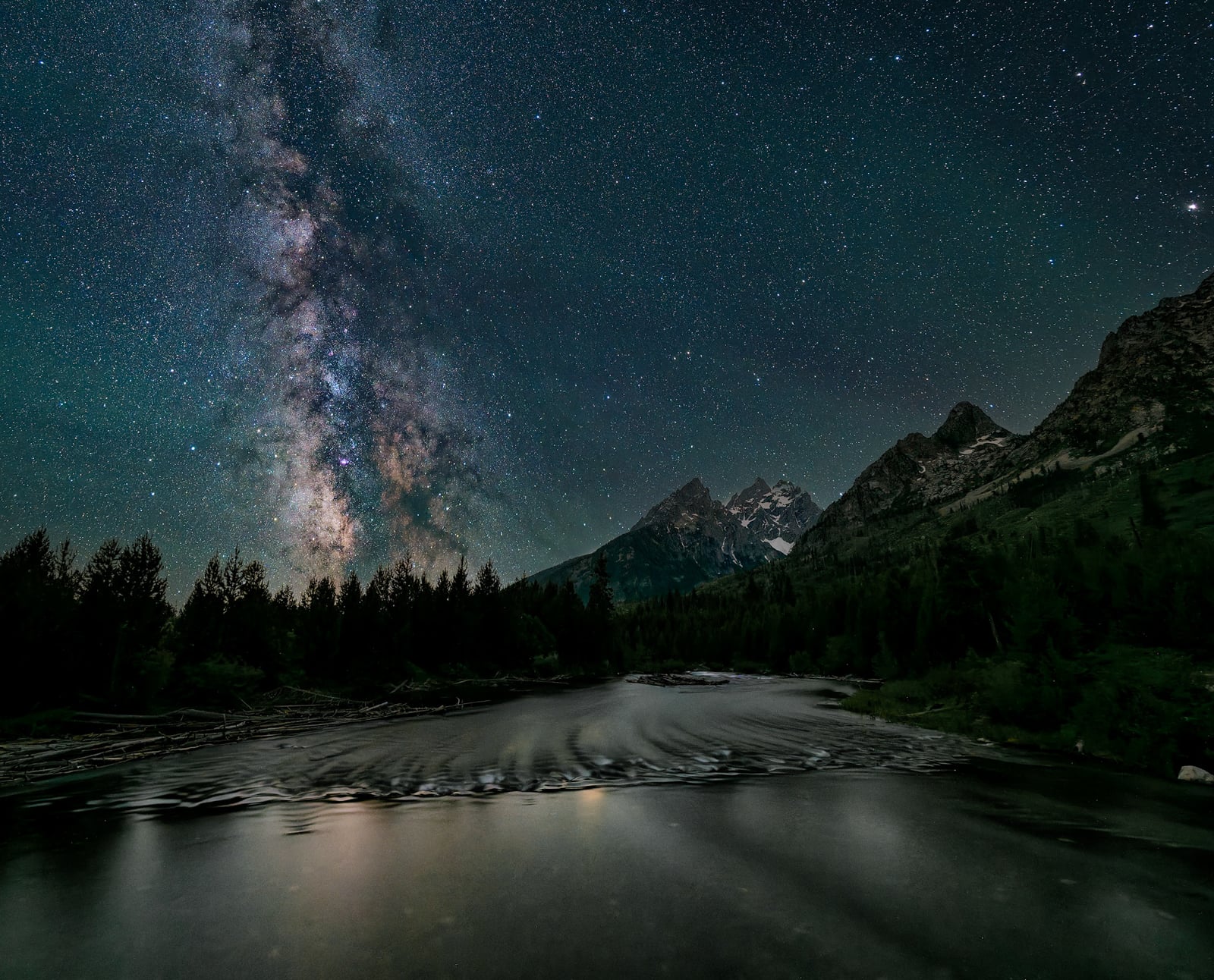
Recognizing the challenges, especially for workshop participants, Suess lauded OM SYSTEM’s "Starry Sky AF" feature as a revolutionary advancement. This innovation automates the intricate manual focusing process with a single button press. The camera performs the same sequence of magnification and fine-tuning, locking focus on a star and confirming the result, essentially eliminating the guesswork. "It’s almost like cheating," Suess quips. "I watch the camera do basically the same technique I’d been doing manually. The stars get bigger and softer, then smaller, and then it just locks in. Done. For me, and especially for my clients that have a camera with Starry Sky AF, it takes all the guesswork out of focusing on the stars so they can focus on getting the right exposure and the right composition." This technological leap significantly lowers the barrier to entry for achieving sharp astrophotography, allowing photographers to concentrate on creative composition rather than technical minutiae.
The Astrophotographer’s Field Guide: Preparing for the Unseen
Beyond camera settings, Suess dedicates significant workshop time to crucial aspects often overlooked in standard guides: environmental awareness and personal safety. The primary concern, he states, is clouds. Astrophotography is fundamentally dependent on clear skies, and Suess advocates for diligent weather monitoring using apps like Weather Mate and Windy for hourly forecasts and satellite cloud coverage. Flexibility is key; having a "Plan B" location is often the difference between capturing a shot and returning empty-handed.
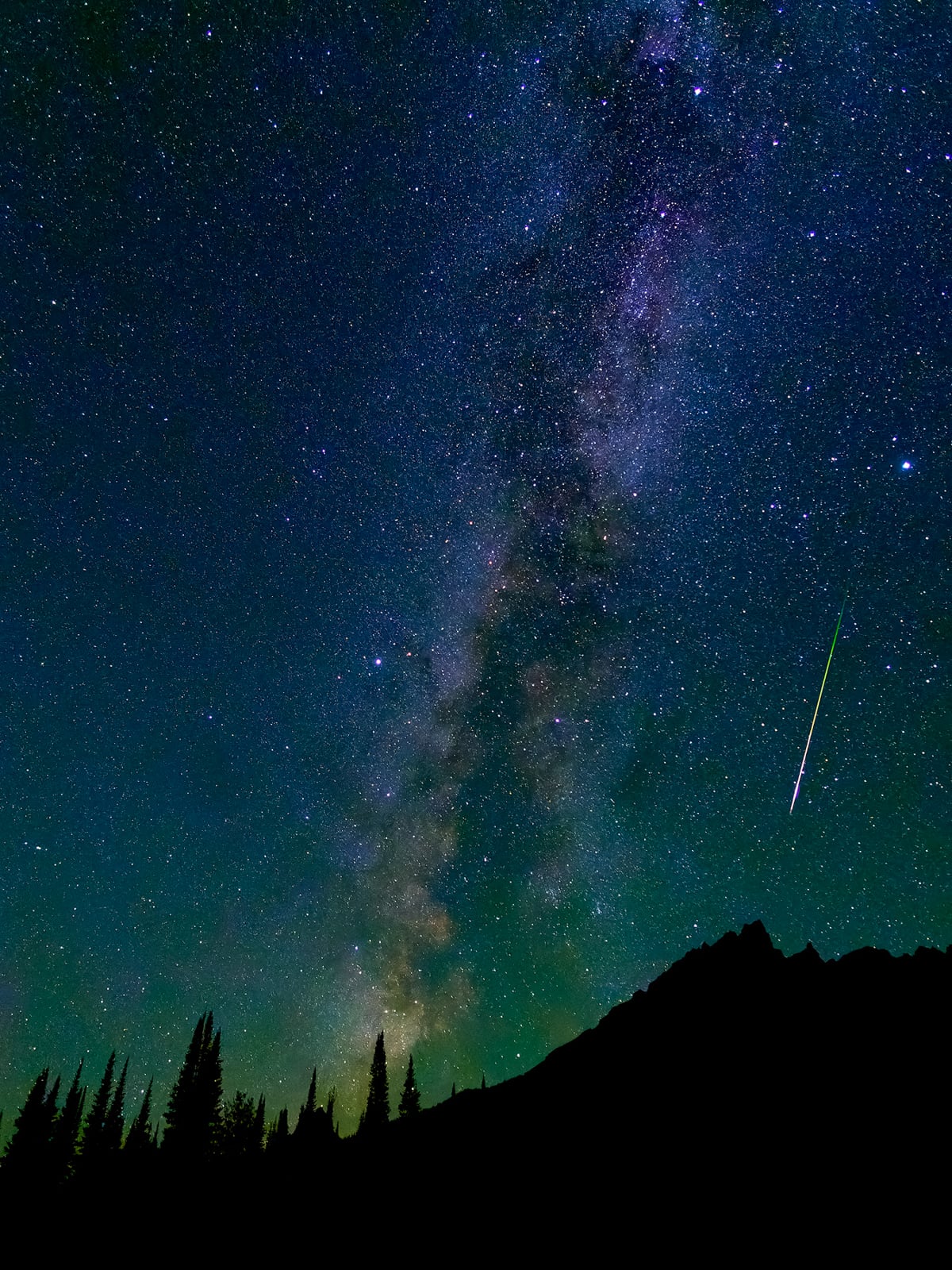
Cold weather is another major impediment to productive night shoots. Even moderate temperatures can become debilitating during long periods of inactivity. Suess advises dressing at least two layers warmer than the forecast, as stationary positions drastically reduce body heat generation.
Wildlife preparedness is also non-negotiable, particularly when venturing into remote, dark-sky locations that are prime habitats for animals. Suess stresses researching local wildlife, from bears and moose in mountainous regions to scorpions in deserts (for which he brings a black light). Prioritizing safety ensures uninterrupted focus on photography.
Contrary to popular belief, partial moon phases aren’t always detrimental. Suess views them as opportunities for advanced composite imaging. While the darkest skies occur around the new moon, he suggests shooting during the hour or so before moonrise on partial moon nights. This allows for capturing the dark sky, maintaining camera position, and then re-exposing the foreground once the moon illuminates the landscape. These two images can then be seamlessly blended in post-processing. He relies on apps like PhotoPills to precisely track celestial events, including "nautical twilight" and "pure dark" (when the sun is 18 degrees below the horizon, ensuring no ambient illumination).
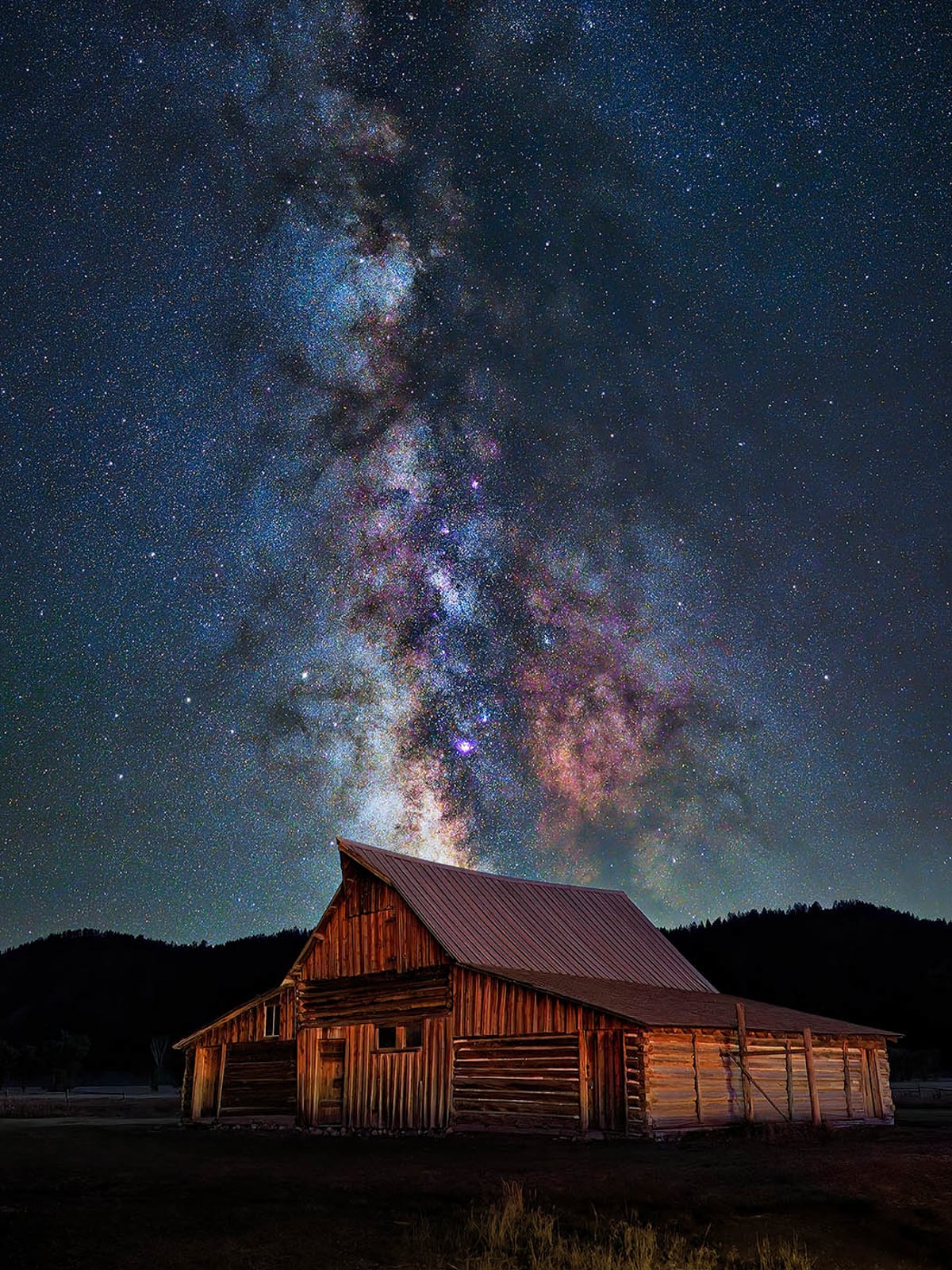
Finally, a crucial but often neglected camera check is adjusting EVF and LCD brightness to their lowest settings. Bright screens can severely impair night vision, requiring up to 30 minutes for eyes to readapt to darkness. Moreover, an overly bright preview can deceptively suggest a brighter exposure than what the RAW file actually contains. Suess emphatically states: "You should always be relying on the histogram for the truth."
Embracing the Tracker: Patience and Precision for Deep-Sky Wonders
For those ready to delve deeper into the cosmos, a star tracker is an indispensable tool. This motorized mount rotates the camera in sync with Earth’s rotation, negating apparent star movement and allowing for significantly longer exposures—from 30 seconds to several minutes. These extended exposures reveal incredible color and detail in nebulae and galaxies, far beyond what untracked shots can achieve.
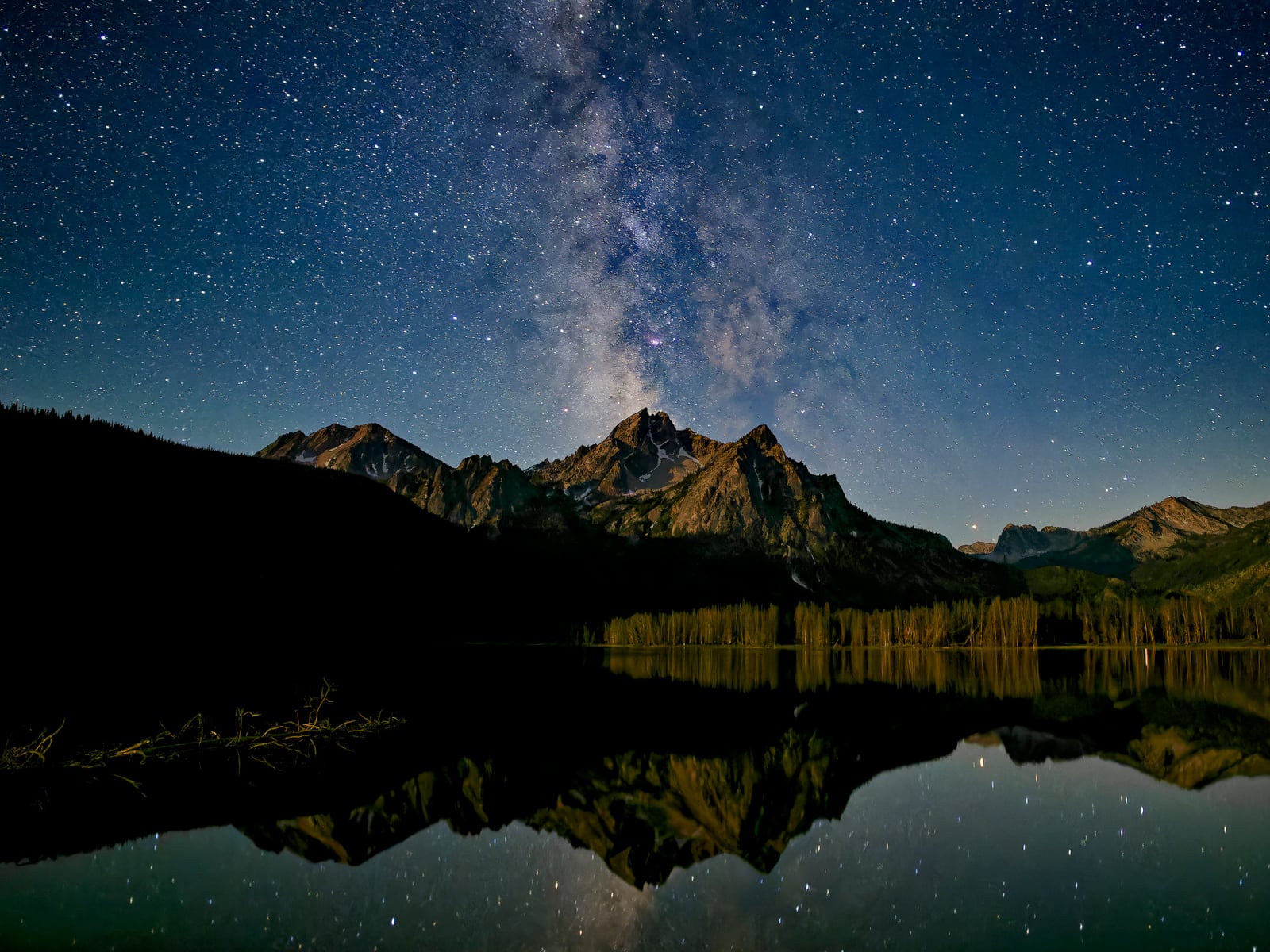
Weight is a critical consideration for portable trackers. Suess highlights that smaller units like the Move Shoot Move NOMAD have weight limits, making lightweight Micro Four Thirds systems particularly advantageous. For his deep-sky setup, he pairs the NOMAD with the M.Zuiko Digital ED 50-200mm F2.8 IS PRO and the M.Zuiko Digital 1.4x Teleconverter MC-14, a combination light enough to maintain stable tracking.
A key point for tracker users is the necessity of composite imaging when foreground elements are desired. Since the tracker moves with the stars, the foreground will blur in long exposures. Separate exposures for the sky (tracked) and foreground (untracked) must be captured and then blended in post-processing.
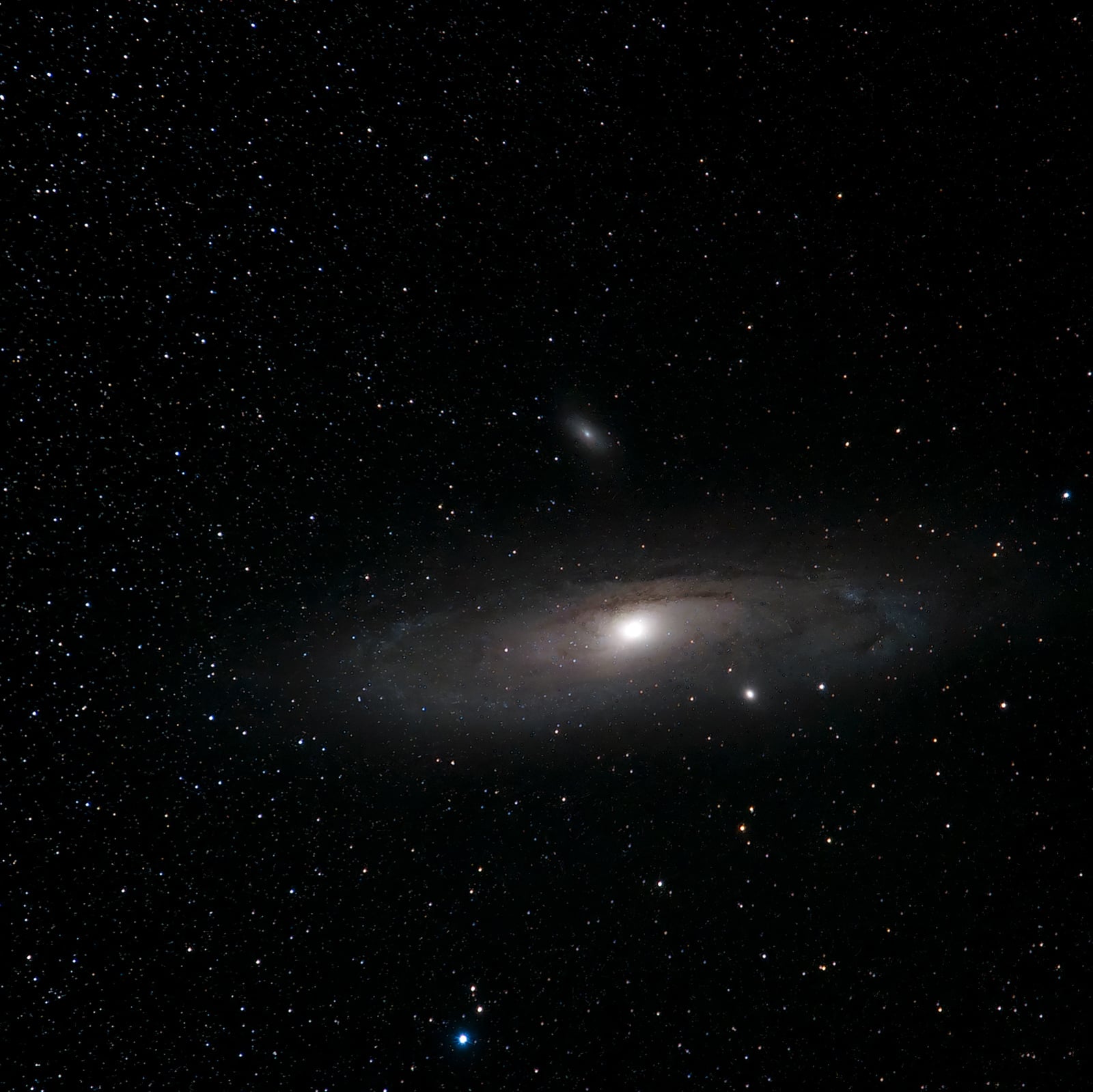
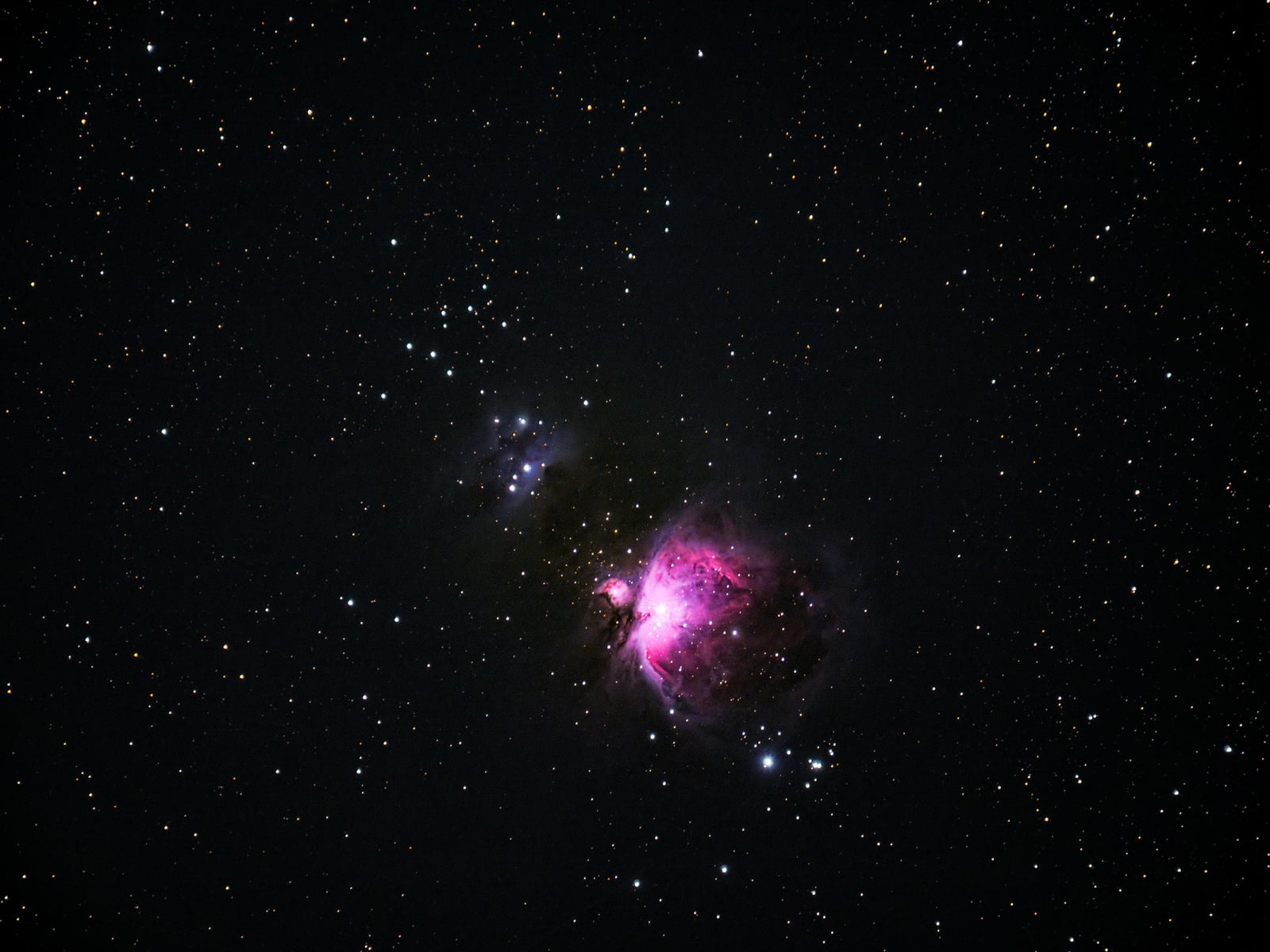
Suess openly admits he is still learning the intricacies of deep-sky photography, a journey he finds immensely rewarding. His first successful capture of the Andromeda Galaxy and the Orion Nebula instantly hooked him, revealing surprising detail from single exposures.
The initial hurdle for many tracker users is polar alignment—precisely aligning the tracker’s rotational axis with Polaris (the North Star). This process is notoriously challenging, complicated by the inverted view through the polar scope, potential obstructions like trees, and the sheer number of stars. "I can’t tell you how many times I’ve gotten polar alignment and then accidentally kicked my tripod leg," he confesses, underscoring the need for immense patience and self-forgiveness.
Finding faint deep-sky objects at long focal lengths (e.g., 300mm) presents another challenge. Suess praises zoom telephoto lenses like the 50-200mm for their utility in this regard. By starting wide, taking a test shot to locate the target relative to surrounding stars, and then zooming in, photographers can much more easily pinpoint elusive nebulae or galaxies compared to using a fixed focal length lens.
The Astro Sensor Advantage: Unveiling Hidden Colors
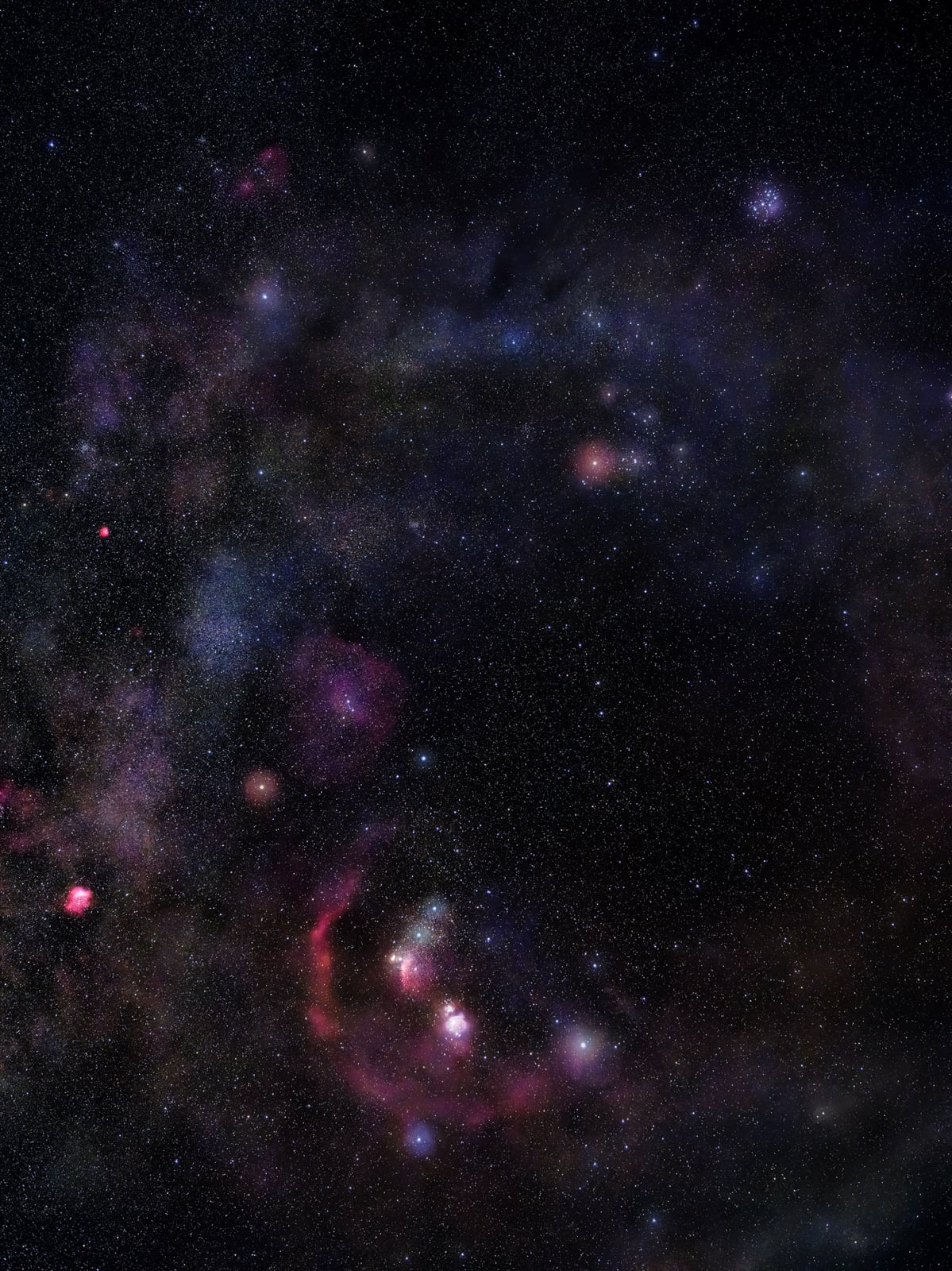
Suess’s venture into deep-sky photography was significantly enhanced by the OM-3 ASTRO, a camera that enlightened him about a critical, often overlooked aspect of camera sensors: the filtering of hydrogen-alpha (H-alpha) light. Standard camera sensors are equipped with a filter that blocks a significant portion of H-alpha wavelengths, the very light responsible for the vibrant pink and red hues found in emission nebulae like the Orion Nebula. This is why many published nebula photos appear far more vivid than what a typical unmodified camera can capture. Traditionally, achieving this required a costly third-party sensor modification that often voided warranties and imparted a reddish cast to non-astro images.
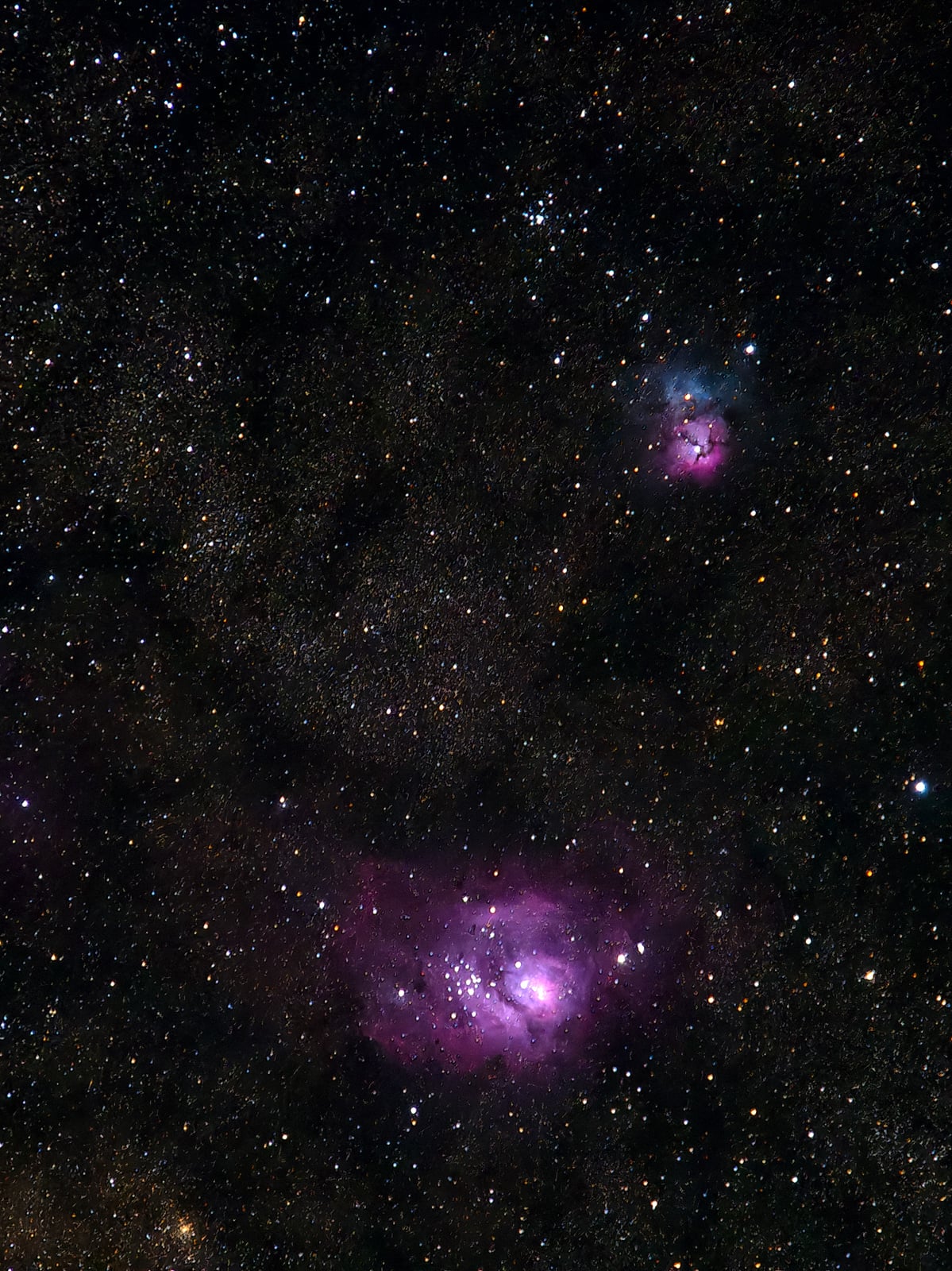
The OM SYSTEM OM-3 ASTRO, however, ships from the factory with a modified filter that fully transmits H-alpha light. This fundamental difference drastically enhances the capture of nebular colors. "An astro camera removes that filter, so it captures all of that red light instead of maybe 20% of it," Suess explains. "The difference on something like the Orion Nebula is night and day." This factory-modified sensor represents a significant leap for astrophotographers, offering superior deep-sky performance without the risks and inconveniences of aftermarket modifications. Suess has noticed a dramatic increase in color saturation even in wide-angle Milky Way shots, revealing nebulae that standard cameras barely register.
Complementing this, OM SYSTEM’s body-mount light pollution filter (BMF-LPC01) addresses another major challenge: artificial light. This innovative filter sits behind the lens, making it compatible with any lens, including ultra-wide fisheyes where screw-on filters are impractical. It selectively cuts artificial light wavelengths from city glow, allowing fainter celestial details to emerge without the typical orange color cast. "Once you’ve gotten used to photographing the Milky Way and it’s something you enjoy, going to a star tracker is going to kick up your photos a notch. And then going to an astro-specific camera is going to be a whole other level. That’s when you know you’re committed to this," Suess affirms.
The Post-Processing Frontier: Trusting the Histogram
The journey from a RAW file to a stunning astrophotograph is as crucial as the capture itself. Suess’s cardinal rule for post-processing is simple yet profound: "The histogram tells the truth, the preview lies." The histogram, a graphical representation of pixel brightness levels, is the only reliable indicator of genuine image detail, preventing the disappointment of discovering noisy, underexposed files back home.
While many astrophotographers advocate for stacking numerous frames to reduce noise, Suess prefers to achieve optimal results with just one or two strong exposures for wide-angle Milky Way shots. Modern noise reduction software, he argues, has advanced to a point where extensive stacking for noise reduction in wide-field images is often unnecessary. However, he acknowledges that deep-sky stacking with calibration frames (lights, darks, flats, biases) remains essential for extracting maximum detail from distant objects.
His post-processing workflow for OM SYSTEM cameras begins with DxO PureRAW. Suess praises its demosaicing engine and noise reduction capabilities. "The first time I compared a high-ISO file processed through PureRAW versus going straight into Lightroom, the difference jumped off the screen," he states. "It kept the star detail sharp while cleaning the noise. Lightroom was smearing it. I have used the same workflow ever since."
After PureRAW, the cleaned file moves to Photoshop for targeted enhancements, including a high-pass filter for sharpening the Milky Way core. The final touches are applied in DxO Nik Color Efex, using the Clearview and Tonal Contrast filters to add localized contrast and clarity. Suess cautions against over-processing, a common mistake where photographers attempt to extract data that simply isn’t present, resulting in unnatural, mottled images. "Start with a stronger single exposure, run it through good noise reduction, and let the data speak for itself. You’ll get a more honest result," he advises. For serious deep-sky work, he’s also delving into PixInsight, a powerful software renowned for its advanced stacking and processing capabilities.
A Fragile Beauty: The Imperative of Capturing the Night Sky Now
Matt Suess’s profound connection to the night sky extends beyond photography; it’s a meditative, almost spiritual experience. He often sets up two cameras—one for star trails with Live Composite, another for a time-lapse—then simply sits back, observing the celestial ballet. "Watch the shooting stars. Imagine what’s out there. It makes you realize we’re just such a small part of this whole universe," he muses.
Yet, this tranquil enjoyment is shadowed by a growing concern for the future accessibility of dark skies. The proliferation of satellites, increasing light pollution from urban expansion, and atmospheric impacts from wildfires pose existential threats to astrophotography. "It’s scary to think what it’ll be like in 10 or 15 years. We’re in a really good era right now where anyone can go out and enjoy this. But that window’s not going to stay open forever," Suess warns, urging photographers to capture and appreciate these views while they still can.
His personal journey recently took an unexpected turn when he was diagnosed with HPV-positive squamous cell oropharyngeal cancer. During his successful treatment, OM SYSTEM provided him with one of the first OM-3 ASTRO cameras. Despite the debilitating fatigue, Suess pushed himself to photograph on rare clear nights, finding solace and purpose in the act. "When you can’t go out and shoot, you start to realize how much of what you love about this has nothing to do with photos," he reflects. "It’s being out there in the quiet, cold air looking up at thousands of stars. Even if it’s millions of light-years away, I can still visit that with my camera. I missed the act of exploring the Milky Way, Andromeda Galaxy, and the Orion Nebula more than I missed the actual photos that I would take. It’s been months that I haven’t really been able to spend quality time behind the camera. I think it will be interesting, looking up at that night sky again and probably seeing it a little bit differently than I used to."
Matt Suess’s story is a powerful reminder that astrophotography is more than just technical prowess; it is a deep appreciation for the natural world, a commitment to learning, and a profound connection to the cosmic expanse above us. His dedication to sharing this passion, coupled with the innovative tools provided by OM SYSTEM, continues to inspire a new generation of night sky photographers to explore, capture, and protect the breathtaking beauty of our universe.
Matt Suess’s work can be explored further on his website, Facebook, YouTube, and Instagram.