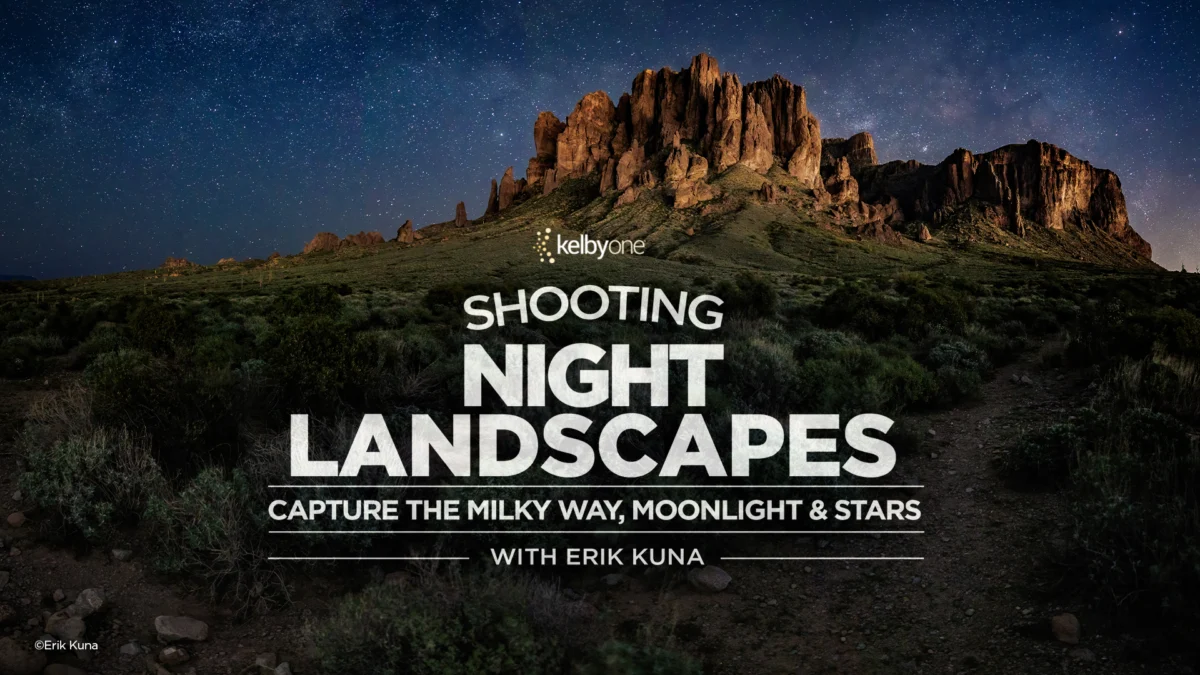
Shooting at night can feel intimidating—especially when you’re trying to capture something as complex and ethereal as the Milky Way. The profound darkness, the intricate interplay of celestial light with earthly landscapes, and the technical demands often deter aspiring photographers. However, a new educational offering from renowned photographer Erik promises to demystify this challenging genre, providing a clear, repeatable methodology for capturing breathtaking nocturnal scenes with confidence. This latest class is poised to become an essential resource for photographers seeking to elevate their skills and explore the captivating world of night landscape photography, transforming what once seemed like an insurmountable technical hurdle into an approachable artistic endeavor.
The Enduring Allure and Intricate Challenges of Night Photography
The human fascination with the night sky is as old as civilization itself. From ancient navigators using stars to guide their journeys to philosophers pondering our place in the cosmos, the celestial sphere has always held a powerful mystique. In the realm of photography, capturing this grandeur has evolved significantly. Early photographers, limited by slow emulsions and primitive lenses, found night photography largely impractical. The advent of faster films, more sensitive digital sensors, and advanced optics in recent decades has opened up unprecedented possibilities, allowing photographers to record details invisible to the naked eye and create stunning visual narratives of our planet under the blanket of stars.
However, despite technological advancements, night photography, particularly astrophotography and night landscape work, remains one of the most technically demanding disciplines. The primary challenge stems from the extreme low-light conditions. Cameras struggle to gather enough photons to create a well-exposed image without introducing significant digital noise. This necessitates long exposure times, which in turn introduce other complexities: the apparent movement of stars across the sky (star trails), the need for perfectly stable equipment, and the careful balance required to illuminate a foreground without overexposing the delicate starlight. Furthermore, understanding the optimal conditions – such as finding genuinely dark skies away from light pollution, planning for moon phases, and tracking the Milky Way’s visibility – adds another layer of complexity that can overwhelm newcomers.
The artistic ambition often associated with night landscapes involves not just capturing stars, but integrating them seamlessly with terrestrial elements. A solitary tree, a mountain range, a tranquil lake, or an ancient ruin can serve as compelling foregrounds, adding depth, scale, and narrative to the celestial tapestry above. Achieving this balance, where both the sharp, luminous stars and the detailed, well-lit landscape coexist harmoniously within a single frame, is the hallmark of masterful night photography. It requires a nuanced understanding of exposure, focus, composition, and often, post-processing techniques that blend multiple exposures or carefully enhance dynamic range.
Erik’s Method: A Systematic Approach to Nocturnal Mastery
Erik’s new class directly addresses these multifaceted challenges by offering a structured, repeatable framework designed to build confidence and competence. The core philosophy centers on simplifying complex techniques into actionable steps, enabling photographers of all levels to achieve professional-grade results. The curriculum is meticulously broken down, ensuring that each concept builds upon the last, fostering a deep understanding rather than mere rote memorization.
One of the class’s primary focuses is capturing the Milky Way. This iconic galactic arm, with its dense star fields and nebulous clouds, is a prime target for night photographers. Erik’s instruction likely delves into critical aspects such as:
- Optimal Timing and Location: Identifying the best times of year and night to photograph the Milky Way, understanding its position in the sky relative to the viewer, and utilizing tools like stellar-mapping apps to plan shoots.
- Equipment Selection: Guidance on choosing appropriate cameras (preferably full-frame for better low-light performance), fast wide-angle lenses (e.g., f/2.8 or wider), and robust tripods to ensure stability during long exposures.
- Camera Settings Mastery: Detailed explanations of the "exposure triangle" in a night context—high ISO settings (often 3200-6400 or higher), wide-open apertures, and shutter speeds carefully chosen to avoid star trailing (often using the "500 rule" or more advanced "NPF rule" to calculate maximum exposure time for pin-sharp stars).
- Focusing in the Dark: Techniques for achieving precise focus on distant stars in conditions where autofocus systems struggle, often involving manual focus, live view magnification, and focus peaking.
Beyond the Milky Way, the class explores the powerful technique of using moonlight to illuminate your scene. While often considered a hindrance to deep-sky astrophotography, moonlight can be an incredible asset for night landscape photographers. It acts as a natural, soft light source that can dramatically enhance foreground detail, create subtle shadows, and add dimension to the landscape, transforming an otherwise silhouetted scene into a rich, textured composition. Erik’s course likely covers:
- Moon Phase and Position Planning: Understanding how different moon phases (e.g., a sliver vs. a half-moon) affect illumination levels and how the moon’s position in the sky influences shadow direction.
- Balancing Moonlight with Starlight: Strategies for incorporating moonlight into an exposure without washing out the fainter starlight or overexposing highlights. This often involves careful metering and adjusting exposure times.
- Creating Mood and Atmosphere: How to leverage moonlight to evoke specific emotions or create dramatic effects within the night landscape, moving beyond mere technical capture to artistic expression.
A crucial element that Erik’s class addresses is the delicate art of balancing exposure so your stars stay bright and sharp—without losing detail in the landscape. This is arguably the most challenging aspect of night landscape photography. Capturing both the dim stars and the potentially brighter or more complex foreground in a single exposure often results in compromises. The course is designed to guide students toward "that sweet spot where everything works together." This likely involves:
- Single-Shot Optimization: Techniques for pushing the limits of a single exposure, using dynamic range capabilities of modern sensors to capture as much detail as possible in both highlights and shadows.
- Exposure Blending Techniques: For more challenging scenes, the class may introduce methods for capturing multiple exposures—one optimized for the sky and another for the foreground—and then seamlessly blending them in post-processing software. This advanced technique allows for optimal detail and exposure across the entire frame.
- Light Painting and Artificial Illumination: While moonlight provides natural light, the class might also touch upon controlled artificial light sources (like LED panels or flashlights) to selectively illuminate foreground elements, adding creative control while maintaining the integrity of the night sky.
The Evolving Landscape of Photography Education
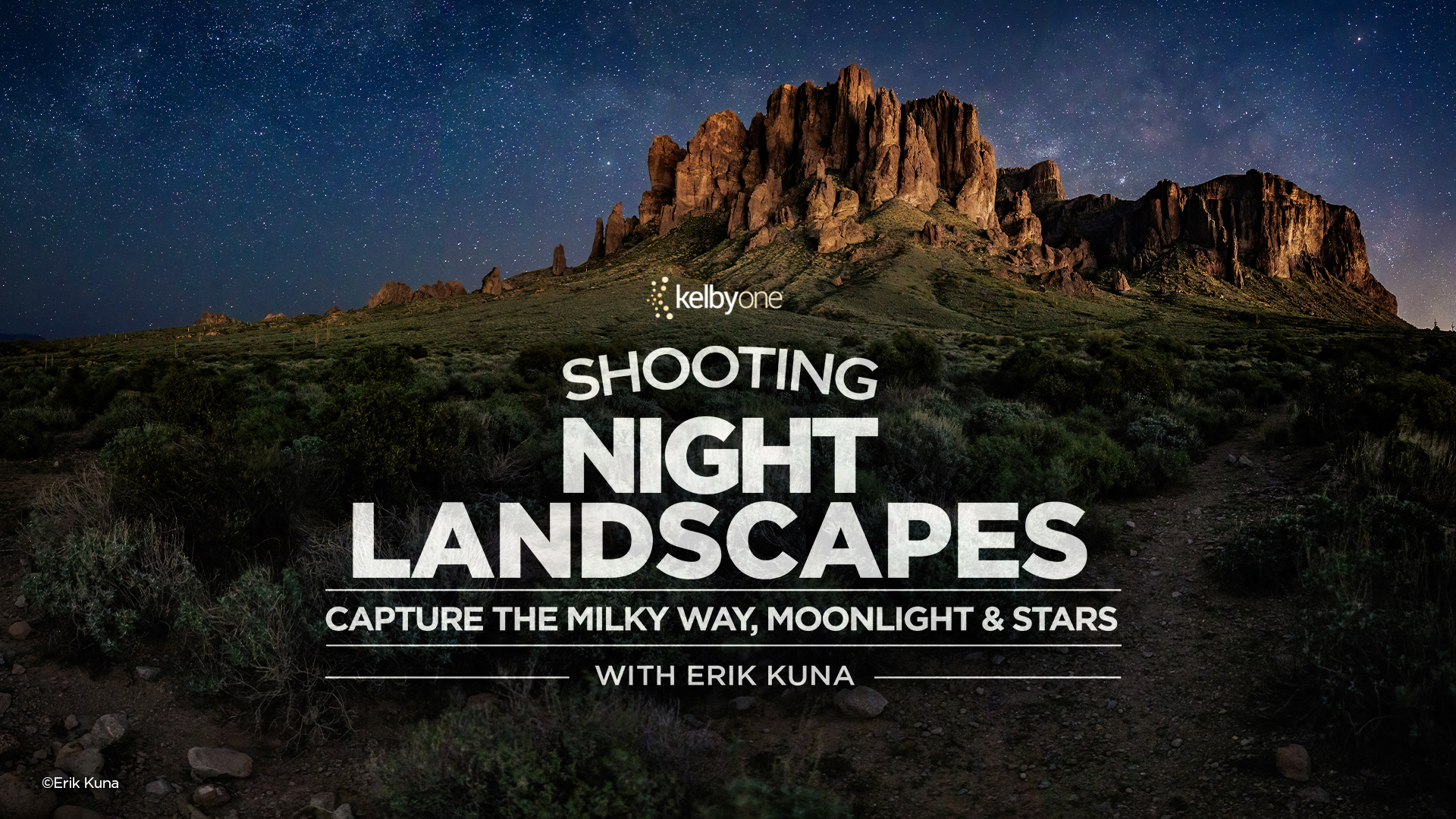
The proliferation of digital photography and the internet has revolutionized how aspiring photographers learn and hone their craft. Gone are the days when expensive workshops or formal art school programs were the only avenues for serious instruction. Today, the market is saturated with online tutorials, YouTube channels, and specialized courses. While this accessibility is largely beneficial, it also presents a challenge: sifting through a vast amount of information to find reliable, structured, and comprehensive guidance.
In this context, a class like Erik’s stands out by offering a curated, expert-led pathway. The demand for specialized photography skills, particularly in niche areas like astrophotography, has seen a steady increase. As cameras become more capable in low light, more photographers are venturing into the nocturnal realm, driving the need for high-quality instruction that moves beyond basic camera operation to advanced techniques and artistic vision. This class caters directly to this growing segment, providing a dedicated resource for mastering a genre that often feels out of reach.
Expert Pedagogy and Inferred Instructor Philosophy
While specific statements from Erik are not provided, the structure and content of the class strongly infer a pedagogical philosophy rooted in practical application and clear communication. Erik, presumably an experienced photographer and educator in this domain, recognizes the common points of frustration and misunderstanding among students. The emphasis on a "simple, repeatable way" suggests a methodical approach that breaks down complex processes into digestible, actionable steps. This is critical for effective learning, especially in a field where trial and error can be time-consuming and discouraging.
The course aims to empower students by not just showing them what to do, but why certain settings or techniques are employed. This deeper understanding fosters problem-solving skills, allowing photographers to adapt their approach to various conditions and environments rather than simply following a rigid formula. The commitment to balancing exposure for both stars and landscape highlights a holistic approach to night photography, moving beyond mere technical capture to creating compelling, well-composed images that tell a story. This holistic view is a hallmark of truly effective photographic instruction.
Broader Implications for the Photography Community
The introduction of Erik’s class carries several positive implications for the wider photography community. Firstly, it democratizes access to advanced night photography techniques. By providing a clear and approachable learning path, it enables a broader range of individuals, from hobbyists to aspiring professionals, to engage with and excel in this captivating genre. This can lead to an increase in the overall quality and diversity of night photography being produced, enriching the visual landscape.
Secondly, such a structured educational offering can help foster a more informed and capable community of photographers. As more individuals master these techniques, they are likely to share their knowledge, inspire others, and contribute to a collective advancement of the craft. This creates a positive feedback loop, encouraging innovation and pushing the boundaries of what is photographically possible under the night sky.
Furthermore, by simplifying the learning process, the class may encourage more photographers to venture into remote, dark-sky locations. This increased appreciation for pristine nocturnal environments could, in turn, raise awareness about the importance of combating light pollution and preserving these precious natural resources for both scientific study and aesthetic enjoyment.
Getting Started: Essential Preparations for Night Photography
For those inspired to embark on their night photography journey through Erik’s class, a few fundamental pieces of equipment are essential. A camera capable of good low-light performance (preferably a DSLR or mirrorless camera with a full-frame or APS-C sensor), a fast wide-angle lens (f/2.8 or wider, with a focal length of 14-24mm being common), and a sturdy tripod are paramount. A remote shutter release (or intervalometer) is highly recommended to avoid camera shake during long exposures. Additionally, practical items like a headlamp (with a red light option to preserve night vision), extra batteries (long exposures drain power quickly), and warm clothing are crucial for comfort and success during often chilly night shoots. Planning tools such as dark sky maps, moon phase calendars, and weather forecasts are also indispensable for maximizing success.
If you’ve ever been captivated by the celestial ballet above and yearned to capture its splendor but felt daunted by the technical complexities, Erik’s class offers a direct and empowering pathway. It promises to transform intimidation into inspiration, equipping you with the knowledge and confidence to explore the breathtaking beauty of the night sky and integrate it seamlessly into stunning landscape photography. This is not just a course; it’s an invitation to unlock a new dimension of your photographic potential and witness the world in a profoundly different light. Watch Erik’s class here to begin your journey into the captivating realm of night landscape photography.