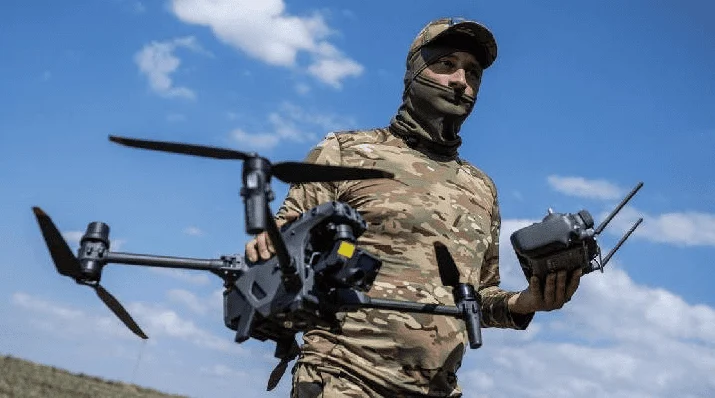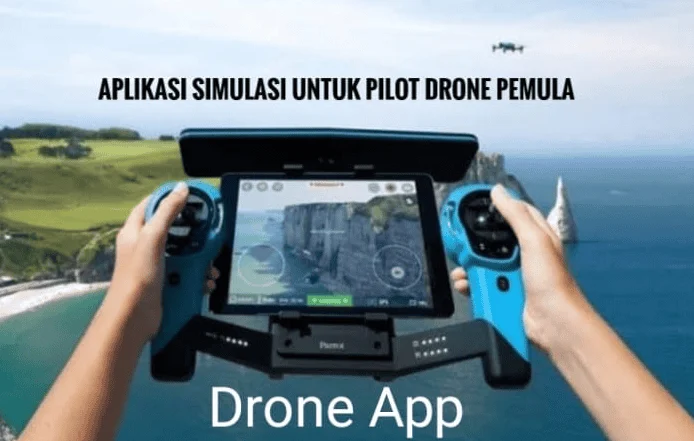
The rapid proliferation of Unmanned Aerial Vehicle (UAV) technology has transformed the skies from a niche hobbyist playground into a sophisticated theater of commercial, scientific, and creative operations. As the complexity of drone hardware increases, the reliance on digital ecosystems—specifically mobile applications—has become a non-negotiable aspect of flight safety and operational efficiency. In the current regulatory and technological climate, flying a drone without the aid of specialized software is increasingly viewed by industry experts as an unnecessary risk, comparable to operating a motor vehicle without navigational aids or safety mirrors. The integration of real-time data, meteorological forecasting, and airspace management tools has created a standard where the smartphone or tablet serves as a secondary cockpit, essential for maintaining situational awareness in an increasingly crowded low-altitude airspace.
The Digital Transformation of UAV Operations
The transition from basic radio-controlled aircraft to modern "smart" drones has been facilitated largely by software development. According to recent market analysis, the global commercial drone market is projected to grow at a compound annual growth rate (CAGR) of over 20% through 2030. This growth is underpinned by the accessibility of flight data. For the modern pilot, whether operating for recreational purposes or industrial inspections, the pre-flight checklist now begins on a screen long before the propellers start to spin. The primary objective of these applications is threefold: ensuring legal compliance with national aviation authorities, mitigating physical risks to the hardware and public, and maximizing the quality of the data or media captured.
Navigational Safety and Airspace Compliance
The most critical challenge facing any drone pilot is the navigation of complex airspace regulations. National aviation bodies, such as the Federal Aviation Administration (FAA) in the United States and the Directorate General of Civil Aviation (DGCA) in various international jurisdictions, have established strict "No Fly Zones" (NFZs) around airports, military installations, and sensitive government infrastructure.
1. AirMap and the Integration of LAANC
AirMap has established itself as a cornerstone of the drone industry by providing high-resolution, real-time airspace information. Its primary value lies in its ability to show temporary flight restrictions (TFRs) and its integration with the Low Altitude Authorization and Notification Capability (LAANC). This allows professional pilots to receive near-instantaneous digital authorization to fly in controlled airspace, a process that previously took weeks of manual paperwork. For pilots operating in urban environments, AirMap provides a layer of legal security that is indispensable for commercial viability.
2. B4UFLY: The Standard for Situational Awareness
Developed as a collaborative effort between the FAA and private partners, B4UFLY serves as a simplified, authoritative source for checking whether it is safe and legal to fly in a specific location. While its primary focus is on the North American airspace, its interface has set the standard for similar localized apps globally. It utilizes a simple color-coded system to inform pilots of ground-level restrictions, ensuring that even novice operators can avoid heavy fines and legal repercussions.
3. DroneDeploy: Professional Grade Mapping and Modeling
For pilots involved in agriculture, construction, or land surveying, DroneDeploy represents the pinnacle of autonomous flight planning. The application allows users to define a specific perimeter on a map, after which the software calculates the optimal flight path, altitude, and overlap required to generate high-definition 2D maps and 3D models. This automation removes the margin for human error in data collection, providing consistent results that are vital for industrial analysis.
Meteorological Precision and Environmental Factors
The vulnerability of drones to environmental conditions cannot be overstated. Unlike manned aircraft, small UAVs are highly susceptible to wind shear, precipitation, and even solar activity that can disrupt GPS signals.
4. UAV Forecast: The Pilot’s Essential Weather Tool
UAV Forecast is widely regarded as the industry standard for pre-flight weather analysis. Beyond basic temperature and rain probabilities, the app provides specific data on "wind at altitude," which often differs significantly from ground-level wind speeds. Crucially, it monitors the K-Index, a measure of geomagnetic storm activity. High K-Index values can lead to GPS instability and "flyaways," where the drone loses its positional lock. By aggregating these variables into a "Good to Fly" or "Not Recommended" status, the app provides a data-backed decision-making framework for pilots.
5. Windy.com: Visualizing Global Weather Patterns
While not exclusive to drones, Windy.com offers a hyper-visualized representation of wind currents, pressure systems, and cloud cover. For long-range missions or cinematic shoots in coastal and mountainous regions, the app’s ability to toggle between different forecast models (such as ECMWF and GFS) allows pilots to predict localized weather shifts with high accuracy.
Hardware Control and Proprietary Systems
The interface between the pilot and the machine is governed by flight control applications. While manufacturers provide native software, third-party developers have filled gaps in functionality, offering advanced features for power users.
6. The DJI Ecosystem: Fly, GO 4, and Pilot
As the dominant force in the drone market, DJI’s suite of applications (DJI Fly for consumer models, DJI GO 4 for older prosumer models, and DJI Pilot for enterprise hardware) serves as the primary gateway for millions of users. These apps manage everything from battery health diagnostics and firmware updates to advanced "Intelligent Flight Modes" like ActiveTrack and Point of Interest. The integration of geo-fencing technology within these apps acts as a built-in safety net, preventing the drone from accidentally entering restricted areas.
7. Litchi: Unlocking Advanced Automation
Litchi has gained a massive following by offering features that native manufacturer apps sometimes lack, particularly in the realm of waypoint missions. It allows pilots to pre-plan complex, multi-point flight paths on a desktop computer and sync them to their mobile device. This is particularly useful for time-lapse photography or repeated inspections where the drone must follow the exact same path over weeks or months to track progress.
8. Autel Explorer: The Enterprise Alternative
For those utilizing Autel Robotics hardware, the Autel Explorer app provides a robust alternative to the DJI ecosystem. Known for its lack of forced geo-fencing—putting the responsibility of compliance entirely on the pilot—this application is favored by certain professional sectors that require immediate deployment in complex areas without waiting for software unlocks.
Post-Production and Creative Planning
The mission of a drone pilot rarely ends when the aircraft lands. The transition from raw footage to a finished professional product requires a different set of digital tools.
9. Visual Planning with PhotoPills and Sun Surveyor
Cinematographers rely on the "Golden Hour"—the period shortly after sunrise or before sunset—to capture dramatic lighting. PhotoPills and Sun Surveyor allow pilots to use Augmented Reality (AR) to see exactly where the sun or moon will be in the sky at any given time. This allows for precise planning of shadows and light flares, ensuring that the drone is in the air at the exact moment the lighting is optimal.
10. Mobile Editing with CapCut and Adobe Premiere Rush
In the era of social media and rapid news cycles, the ability to edit 4K drone footage on-site is a significant advantage. CapCut and Adobe Premiere Rush provide powerful, multi-track editing capabilities on mobile devices. These apps allow pilots to trim footage, apply color grades (LUTs), and add stabilizing effects before the drone’s batteries have even finished cooling down.
11. Google Earth: The Ultimate Scouting Tool
Before ever arriving at a location, professional pilots use Google Earth to perform virtual "recce" (reconnaissance). The 3D topography data allows pilots to identify potential obstacles such as power lines, trees, or buildings that might obstruct line-of-sight or interfere with radio signals.
Statistical Context and Industry Implications
The necessity of these applications is reflected in insurance and safety data. Industry reports suggest that nearly 40% of drone accidents are attributed to pilot error involving a lack of environmental awareness or technical oversight—factors that many of these apps are designed to mitigate. Furthermore, as the European Union Aviation Safety Agency (EASA) and the FAA continue to move toward "Remote ID" requirements, the integration of these apps with drone hardware will become a legal mandate rather than a choice.
Professional organizations, such as the Association for Unmanned Vehicle Systems International (AUVSI), emphasize that the "digital pilot" is the future of the industry. They argue that the ability to interpret data from multiple software sources is just as important as the physical dexterity required to operate the flight controllers.
Conclusion and Best Practices for Implementation
To maximize the benefits of these essential applications, pilots are encouraged to adopt a systematic approach to their digital workflow. This includes keeping all software updated to ensure the latest airspace maps are loaded, pre-downloading maps for offline use in remote areas, and always cross-referencing weather data between at least two different sources.
The evolution of the drone pilot from a simple operator to a sophisticated data manager marks a turning point in aviation. By leveraging the power of navigation, weather, control, and editing applications, pilots can ensure that every flight is not only safe and legal but also productive. In an environment where the margin for error is slim and the regulatory scrutiny is high, these digital tools are the silent partners that make modern drone flight possible. Whether capturing a cinematic sunset or mapping a multi-million dollar construction site, the right application suite is the foundation upon which successful missions are built. As technology continues to advance, the synergy between hardware and software will only deepen, further cementing these applications as the "mandatory mirrors" for the pilots of tomorrow.
Read Also: Thai Lion Air Welcomes First Airbus A330neo: A Major Step Toward International Flight Expansion